A Travel Guide to Portage Glacier
Portage Glacier, located in the heart of Alaska’s Chugach National Forest, is one of the state’s most accessible and awe-inspiring natural wonders. Nestled in the stunning Portage Valley, just 50 miles south of Anchorage, this glacier offers visitors a chance to witness the raw beauty of Alaska’s icy landscapes, surrounded by dramatic mountains and serene lakes. Whether you’re seeking a scenic boat tour, a challenging hike, or a winter adventure, this guide will help you plan a memorable visit to Portage Glacier.
Why Visit Portage Glacier?
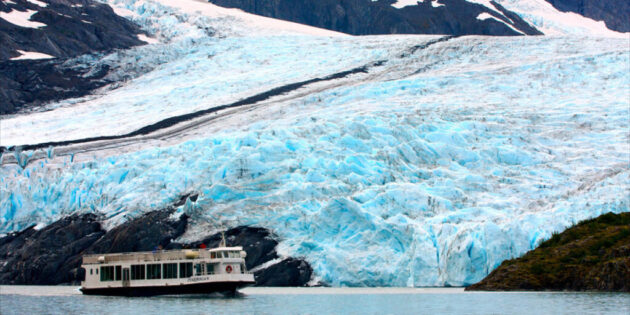
Portage Glacier is a must-see for its striking blue ice, historical significance, and proximity to Anchorage, making it an ideal day trip. Once a vital portage route used by Alaska Natives and Gold Rush pioneers to travel between Prince William Sound and Turnagain Arm, the glacier has shaped the region’s history and landscape. Though it has retreated significantly since the 19th century and is no longer visible from the Begich, Boggs Visitor Center, its towering face remains a breathtaking sight accessible by boat or trail. The surrounding Portage Valley also offers opportunities for wildlife viewing, camping, and exploring nearby glaciers like Byron and Burns.
How to Get There
By Car: Drive south from Anchorage on the Seward Highway (AK-1) for about 48 miles to Portage Glacier Road (milepost 78.9). Turn left and follow the road for 5 miles to the Begich, Boggs Visitor Center or an additional 1.6 miles to the marina for Portage Glacier Cruises. Total travel time: ~1 hour. Parking is available at the visitor center and marina (fees: ~$5–10/hour).
By Public Transport: The Alaska Railroad’s Glacier Discovery Train runs from Anchorage to Portage (late May to mid-September). Fares start at ~$89 one-way. The train stops at Portage Station, near the visitor center. Alternatively, Turnagain Arm Shuttle offers round-trip shuttle buses from Anchorage for ~$89/person.
By Guided Tour: Many operators, like Gray Line Alaska or AK Tripping, offer day tours from Anchorage that include transportation, a glacier cruise, and stops at the Alaska Wildlife Conservation Center. Prices range from $139–$200 for a 5.5–8-hour tour.
To Whittier (for Portage Pass Trail): Continue past the visitor center through the Anton Anderson Memorial Tunnel (2.5 miles, $13 round-trip for cars). This is North America’s longest combined vehicle-railroad tunnel, with alternating traffic every 30 minutes. Check the tunnel schedule online.
Tip: The Seward Highway is a National Scenic Byway, offering stunning views of Turnagain Arm. Keep an eye out for beluga whales or Dall sheep along the way.
Best Time to Visit
Summer (Mid-May to Mid-September): Ideal for boat cruises, kayaking, and hiking. The Portage Glacier Cruise operates daily during this period, and trails like Portage Pass are accessible. Expect mild temperatures (50–70°F) but prepare for rain. Peak season brings crowds, especially cruise ship groups, so book tours in advance.
Winter (December–March): When Portage Lake freezes, adventurous visitors can ski, hike, or bike across the ~3-mile frozen lake to the glacier’s base. Note: This is unmonitored “wild” ice, so check conditions and stay far from the glacier face due to calving risks. Winter offers fewer crowds and a sparkling view of the glacier on sunny days, but temperatures can drop to -10°F or lower, and windstorms are common.
Shoulder Seasons (April–May, September–November): Quieter with fewer tours but still beautiful. Spring offers early blooms, while autumn showcases golden foliage. Check for cruise availability, as operations may be limited.
Weather Tip: Alaska’s weather is unpredictable. Dress in layers, bring waterproof gear, and pack gloves, a scarf, and a hat for wind or cold.
Tickets and Costs
Begich, Boggs Visitor Center: Open late May to mid-September, 9:00 AM–6:00 PM. Admission: $5 (adults), free for children under 16.
Portage Glacier Cruise: Operates mid-May to mid-September, 5 departures daily. Cost: $49 (adults), $29 (children) for a 1-hour cruise. Combo tours with transportation and wildlife center visits cost $139–$200. Book via Portage Glacier Cruises or operators like Gray Line Alaska.
Hiking and Kayaking: Portage Pass Trail: Free, but tunnel toll applies ($13 round-trip for cars). Kayak rentals (via AK Paddlesports): ~$50–$100/day. Kayakers must stay on the north side of Portage Lake.
Alaska Wildlife Conservation Center (optional stop): Admission: $13 (adults), $9 (military/seniors), free for kids under 13.
Tip: Book cruise tickets in advance, especially for September visits, as slots may sell out. Check for combo discounts if visiting multiple attractions.
What to See and Do
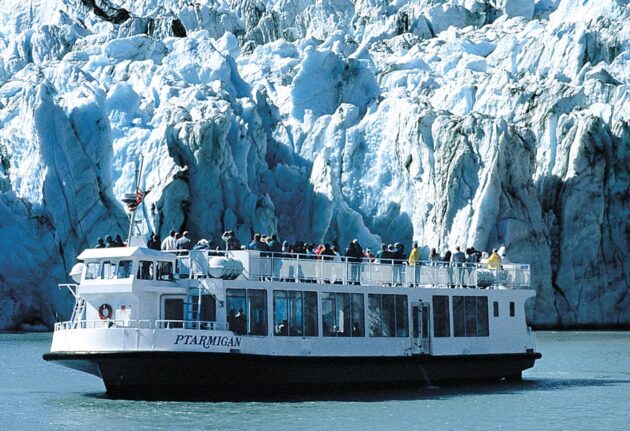
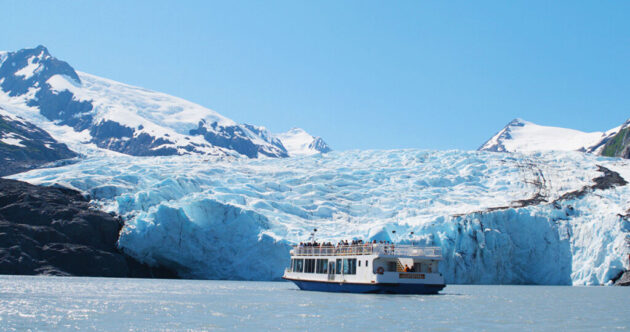
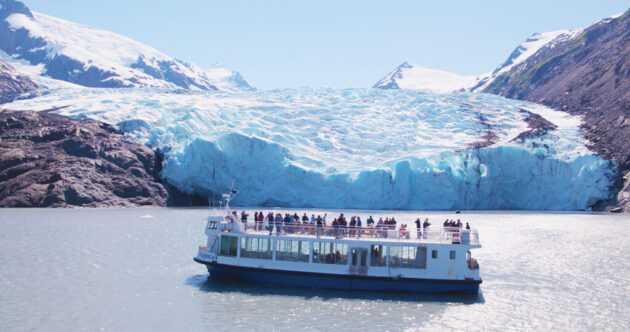
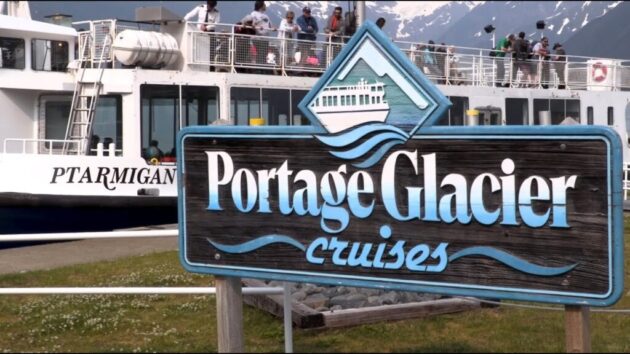
Portage Glacier Cruise: Board the mv Ptarmigan, an 80-foot vessel with a heated cabin and open-air deck, for a 1-hour cruise across Portage Lake. The boat navigates within 300 feet of the glacier’s face, where you can witness calving (ice breaking off) and hear the rumble of ice. Narrated by U.S. Forest Service rangers, the cruise covers the glacier’s history and ecology. Highlights: Blue icebergs, waterfalls, and nearby Burns and Shakespeare glaciers.
Begich, Boggs Visitor Center: Located on Portage Lake’s terminal moraine, this center features interactive exhibits on the 1964 earthquake, glacial movement, and local wildlife. Touch a real iceberg, explore a simulated ice cave, or watch a documentary in the theater. Note: The glacier is no longer visible from the center due to its retreat.
Hiking: Portage Pass Trail (Whittier): A 4-mile round-trip hike with a 750-foot elevation gain, offering panoramic views of Portage Glacier and Lake. Start in Whittier, descend to the lakeside beach, and enjoy the glacier’s blue face. Be bear-aware and pack for windy, wet conditions. Byron Glacier Trail: A 1.4-mile round-trip, easy walk to the toe of Byron Glacier, ideal for families. The trail is flat but rocky in parts, with streams to cross.
Kayaking: Paddle non-motorized crafts from the north side of Portage Lake (rentals via AK Paddlesports). Stay north of the lake and land at the Portage Pass beach, as the glacier’s south side is off-limits for safety.
Winter Adventures: When Portage Lake freezes (typically January–March), ski, bike, or hike ~3 miles to the glacier. This is a backcountry activity, so check ice thickness and avoid the glacier face. Snowshoes may be needed in heavy snow.
Alaska Wildlife Conservation Center: Located near the Portage Glacier Road turnoff, this nonprofit houses bears, moose, musk oxen, and more. Walk or drive the 1.5-mile loop for close-up wildlife viewing ($13/adults).
Where to Eat
On-Site: The Portage Glacier Cafe (near the cruise marina) offers snacks and basic meals (e.g., hot dogs, chips, drinks) but is limited to junk food. Prices: ~$5–15.
Nearby: Head to Girdwood (15-minute drive) for restaurants like The Bake Shop (sandwiches, soups) or Jack Sprat (upscale dining). Alternatively, Whittier has small eateries like Varly’s Swiftwater Seafood Cafe.
Tip: Pack a picnic for flexibility, as dining options near the glacier are limited.
Where to Stay
Anchorage (50 miles away): Hotel Captain Cook (4-star): Luxury with city views, ~$200–$300/night. Comfort Inn Downtown (3-star): Affordable, ~$100–$150/night.
Girdwood (15 miles away): Alyeska Resort: A luxury ski resort with dining and spa, ~$200–$400/night. Ski Inn: Budget-friendly, ~$80–$120/night.
Camping: Williwaw Campground (near Portage Glacier Road): USFS-managed, ~$20–$30/night, with scenic views and bear-proof facilities. Black Bear Campground: Closer to the tunnel, ~$20/night.
Booking Tip: Reserve accommodations early for summer, as Girdwood and Anchorage fill up fast.
Tips for a Great Visit
Dress for Weather: Layer up with waterproof jackets, sturdy shoes, and warm accessories, as conditions can be cold, windy, or wet even in summer. Wildlife Safety: Bears and moose are common in the area. Carry bear spray, make noise on trails, and store food securely.
Photography: Overcast days enhance the glacier’s blue hue. Standard cameras work well for icebergs and landscapes, but drones are restricted. Combine Your Trip: Pair Portage Glacier with the Alaska Wildlife Conservation Center, Whittier’s Prince William Sound cruises, or Girdwood’s Alyeska Resort for a full day.
Environmental Respect: Follow Leave No Trace principles. Avoid disturbing wildlife or approaching the glacier face too closely due to calving risks.
Final Thoughts
Portage Glacier is a captivating blend of natural beauty, history, and adventure, offering something for everyone—from serene boat cruises to rugged winter treks. Its accessibility from Anchorage, combined with the dramatic scenery of Portage Valley, makes it a highlight of any Alaska itinerary. Plan ahead, embrace the unpredictable Alaskan weather, and prepare to be awed by the icy majesty of this retreating yet resilient glacier.