A Travel Guide to Arizona
Arizona, known as the Grand Canyon State, is a land of striking contrasts, from the awe-inspiring depths of the Grand Canyon to the vibrant red rocks of Sedona and the sprawling Sonoran Desert. With over 300 days of sunshine annually, rich Native American heritage, and a blend of urban sophistication and rugged outdoor adventures, Arizona offers something for every traveler. Whether you’re chasing natural wonders, cultural experiences, or culinary delights, this guide will help you plan an unforgettable trip.
Why Visit Arizona?
Arizona’s diverse landscapes and cultural tapestry make it a bucket-list destination. The Grand Canyon, one of the Seven Natural Wonders of the World, draws millions with its dramatic vistas. Beyond the canyon, Arizona boasts vibrant cities like Phoenix and Tucson, historic Route 66, and 22 Native American reservations, including the Navajo Nation, offering deep cultural insights. From stargazing under some of the darkest skies in the U.S. to savoring Tucson’s UNESCO-recognized gastronomy, Arizona blends adventure, history, and relaxation.
How to Get There
Arizona is well-connected, with Phoenix Sky Harbor International Airport (PHX) serving as the primary gateway, offering non-stop flights to over 100 cities in the U.S., Canada, Mexico, and Europe. Tucson International Airport (TUS) is a smaller alternative for southern Arizona.
By Air: Fly into Phoenix for central and northern destinations like the Grand Canyon or Sedona, or Tucson for southern attractions like Saguaro National Park. Major airlines like American and Southwest operate hubs in Phoenix.
By Car: Arizona’s interstate system connects to neighboring states like California, Nevada, and New Mexico. Renting a car is highly recommended for flexibility, especially for scenic drives like Route 66 or the Coronado Trail Scenic Byway.
By Bus/Train: Amtrak’s Southwest Chief stops in Flagstaff, and Greyhound serves major cities, but public transport is limited for rural areas.
Best Time to Visit
Spring (March–May): Ideal for most destinations, with mild temperatures (60–80°F/15–27°C) and blooming wildflowers. Perfect for hiking the Grand Canyon or visiting Sedona. Summer (June–August): Desert areas like Phoenix hit 100°F+ (38°C+), but higher elevations (Flagstaff, Grand Canyon North Rim) are cooler and pleasant. Monsoon season (July–September) brings dramatic storms.
Fall (September–November): Comfortable weather (50–80°F/10–27°C) and fewer crowds make this a great time for national parks and scenic drives. Winter (December–February): Mild in Phoenix and Tucson (50–70°F/10–21°C), but snowy in Flagstaff and higher elevations, ideal for skiing or cozy getaways.
Cities to Explore
Phoenix
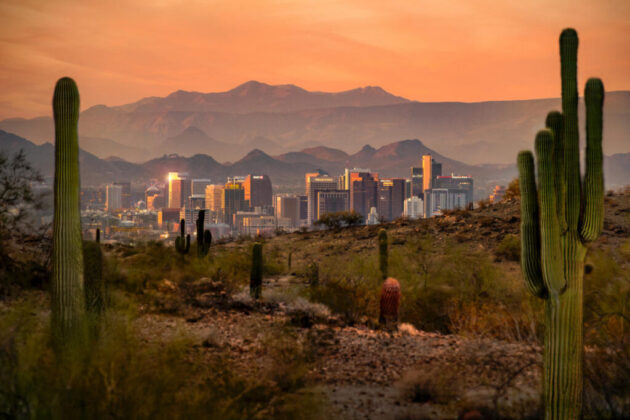
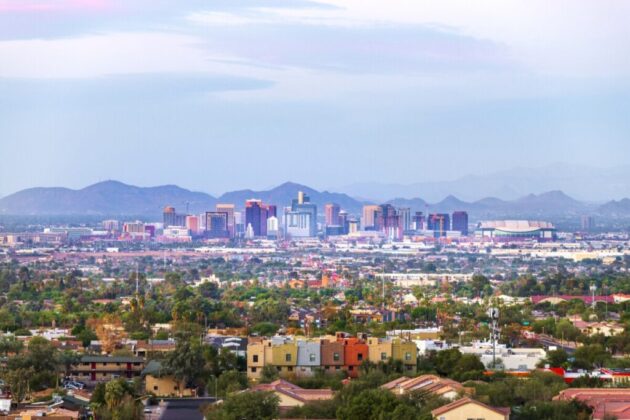
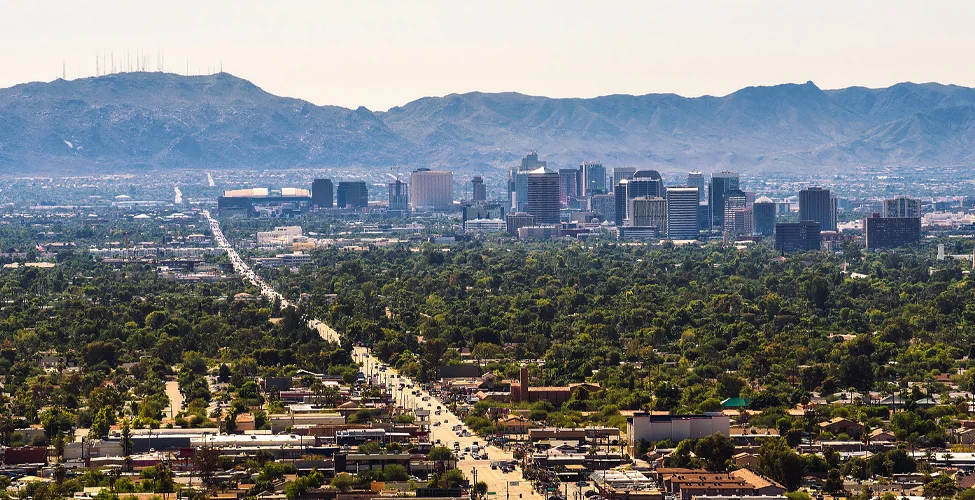
Arizona’s capital city is a bustling urban hub with a mix of cultural attractions, outdoor activities, and vibrant nightlife. Visit the Desert Botanical Garden, hike Camelback Mountain, or explore the Heard Museum, which focuses on Native American art and history.




Sedona
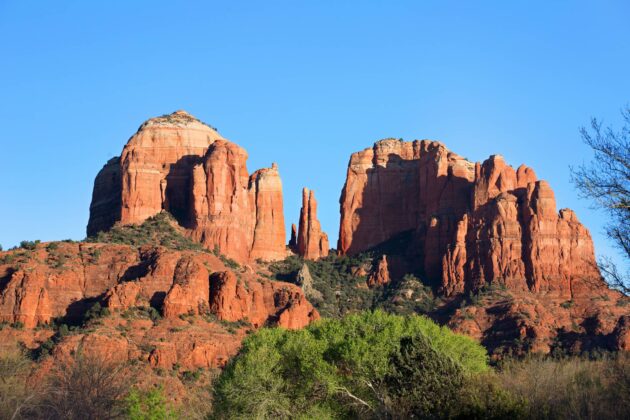
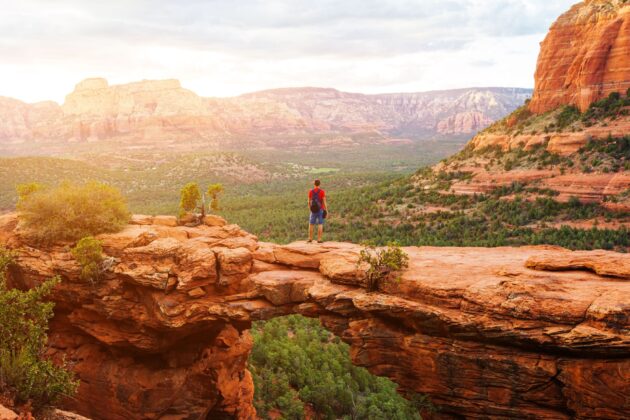
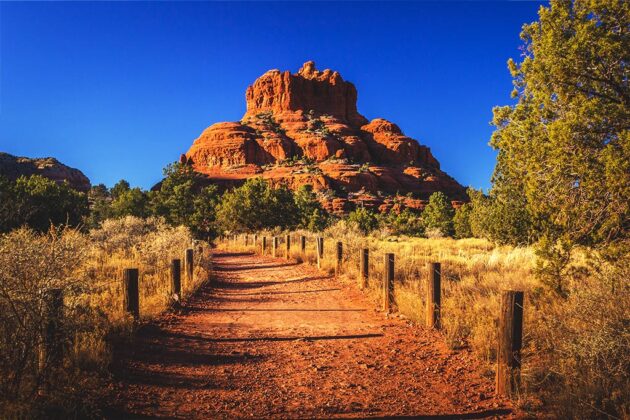
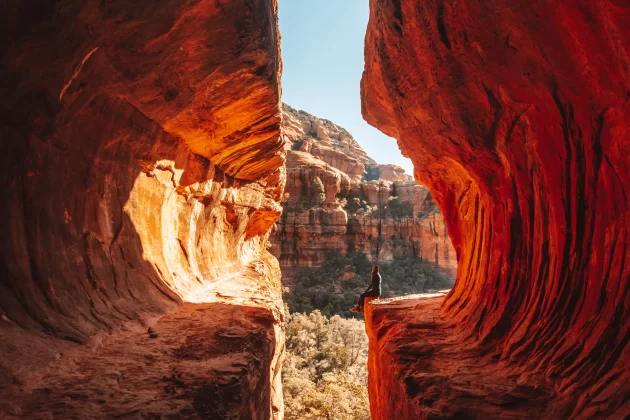
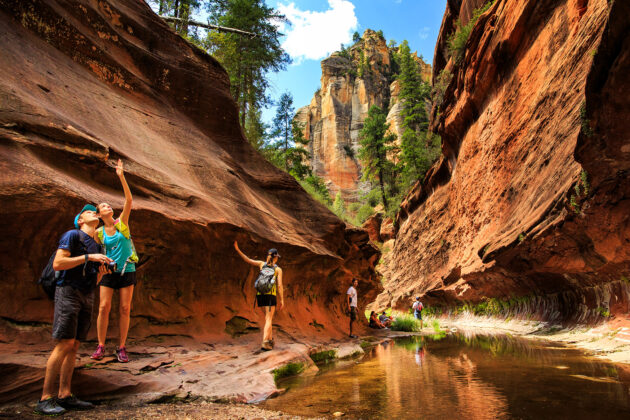
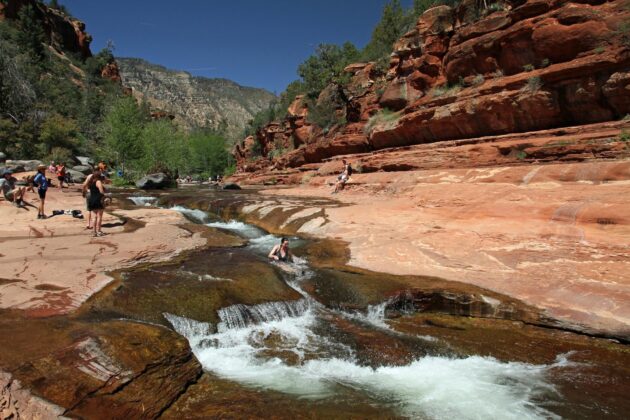
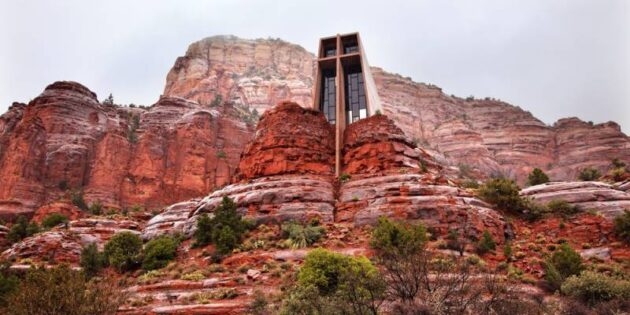
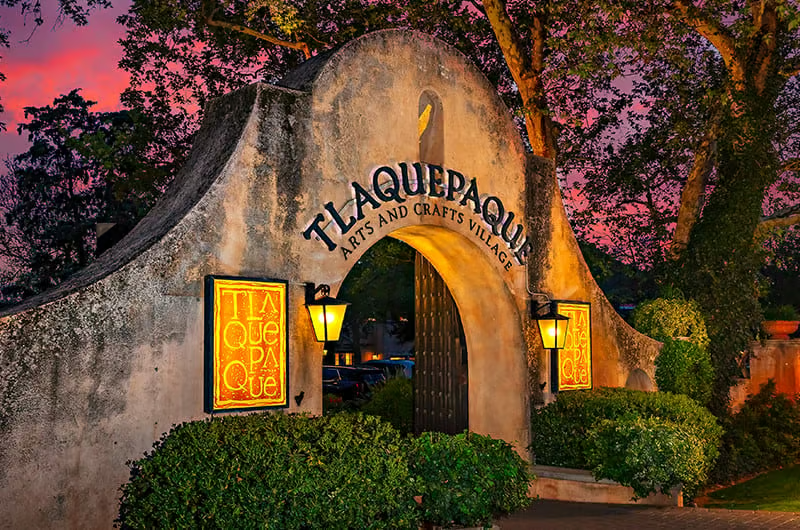
Sedona is renowned for its dramatic red rock landscapes, visible from nearly everywhere in town, and its reputation as a spiritual hub with energy vortexes believed to promote healing and self-discovery. With over 200 miles of hiking and biking trails, world-class art galleries, and luxurious spas, Sedona caters to adventurers, artists, and those seeking relaxation. Its proximity to cultural sites like Montezuma Castle and natural wonders like Oak Creek Canyon makes it an ideal base for exploring Northern Arizona.
Top Attractions
Grand Canyon National Park
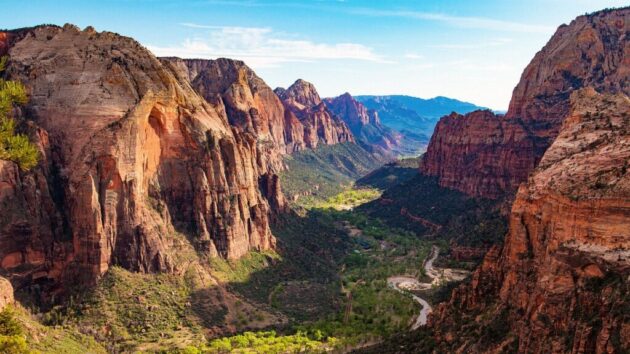
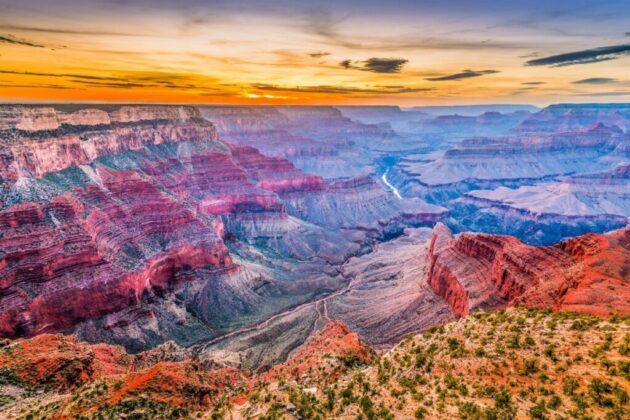
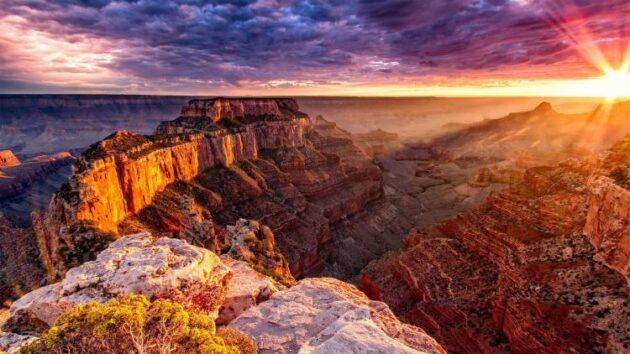
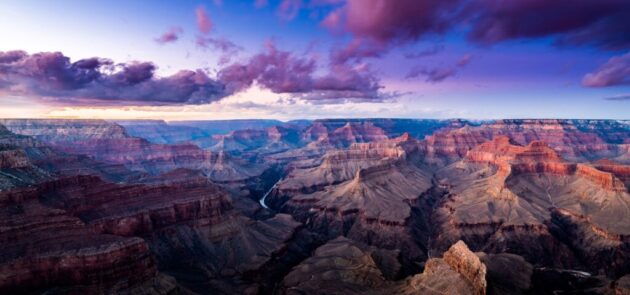
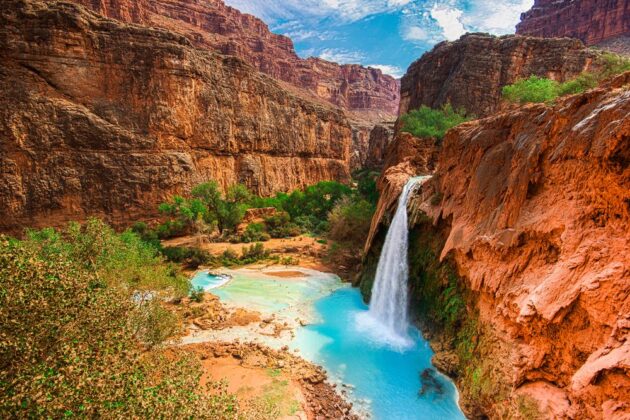
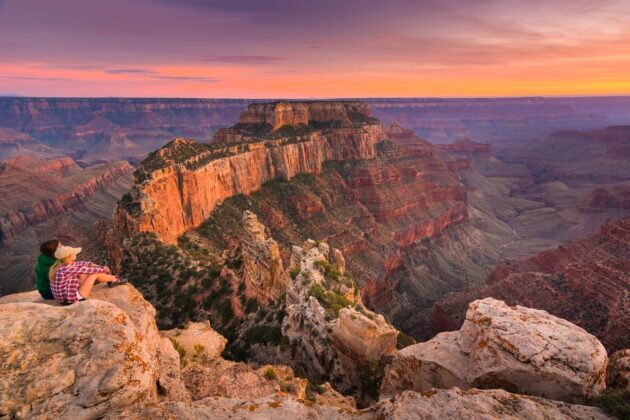
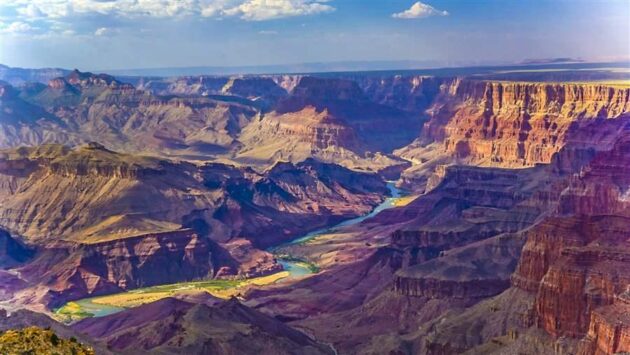
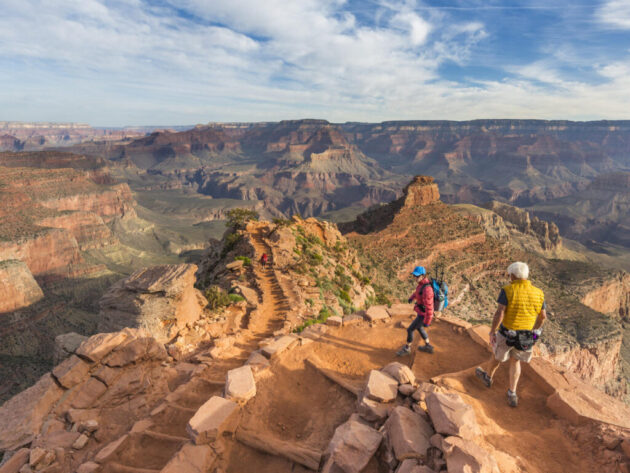
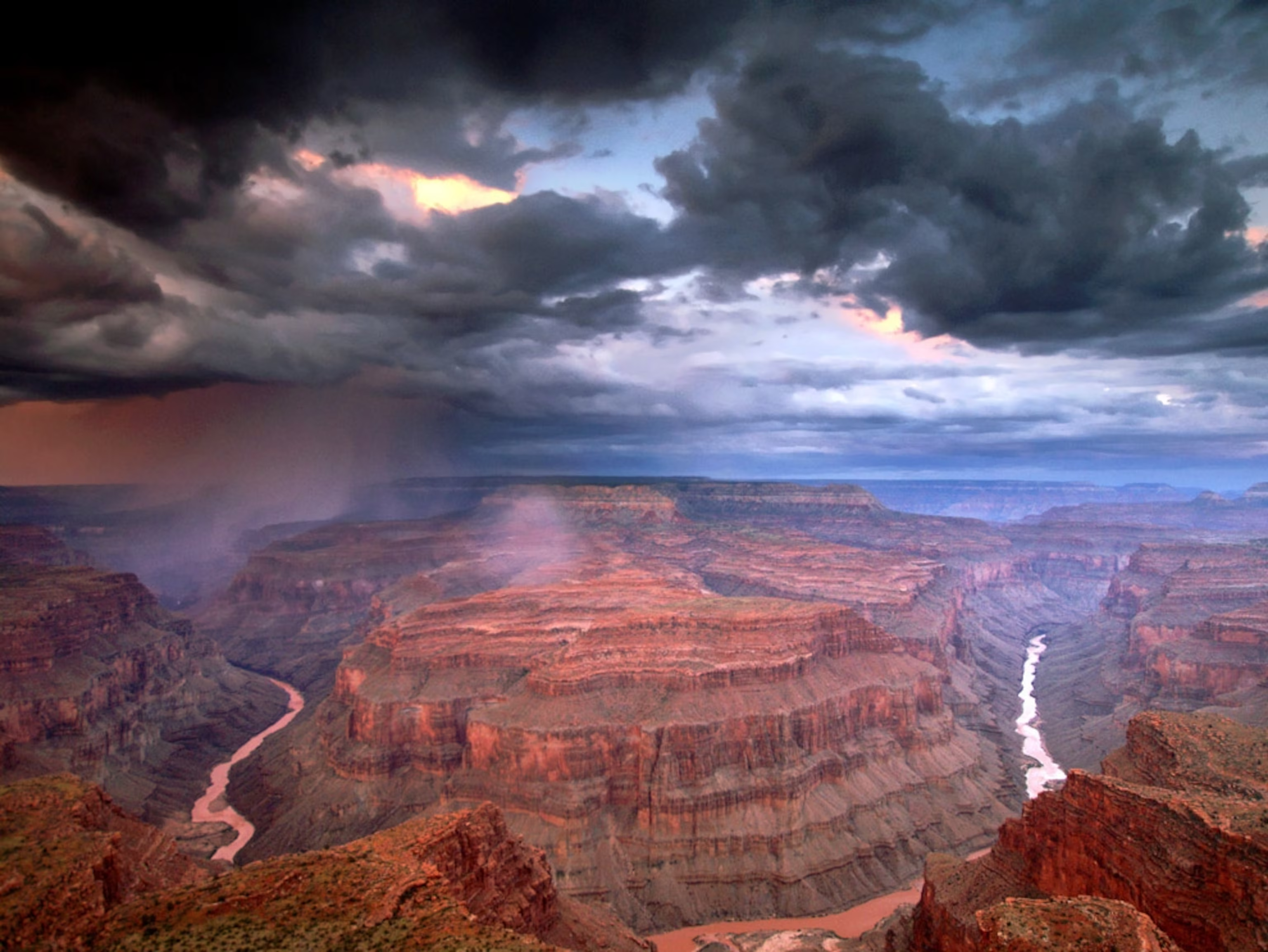
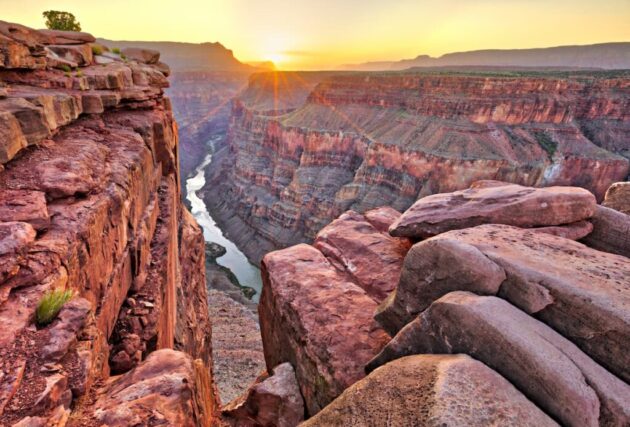
The Grand Canyon National Park, located in Arizona, USA, is one of the world’s most iconic natural wonders, drawing millions of visitors annually to its breathtaking vistas, rugged landscapes, and rich cultural history. Carved by the Colorado River over millions of years, this UNESCO World Heritage Site spans 277 miles in length, up to 18 miles in width, and over a mile in depth.
Antelope Canyon
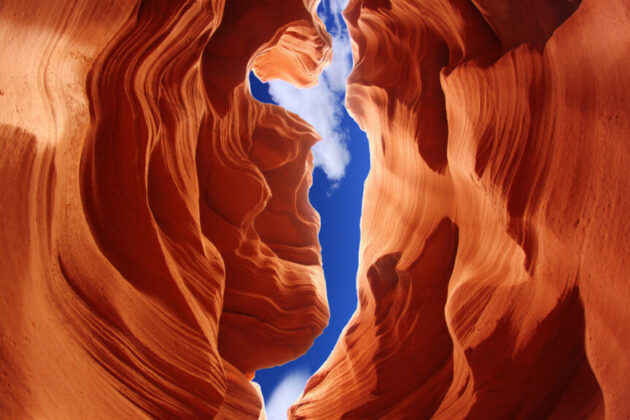
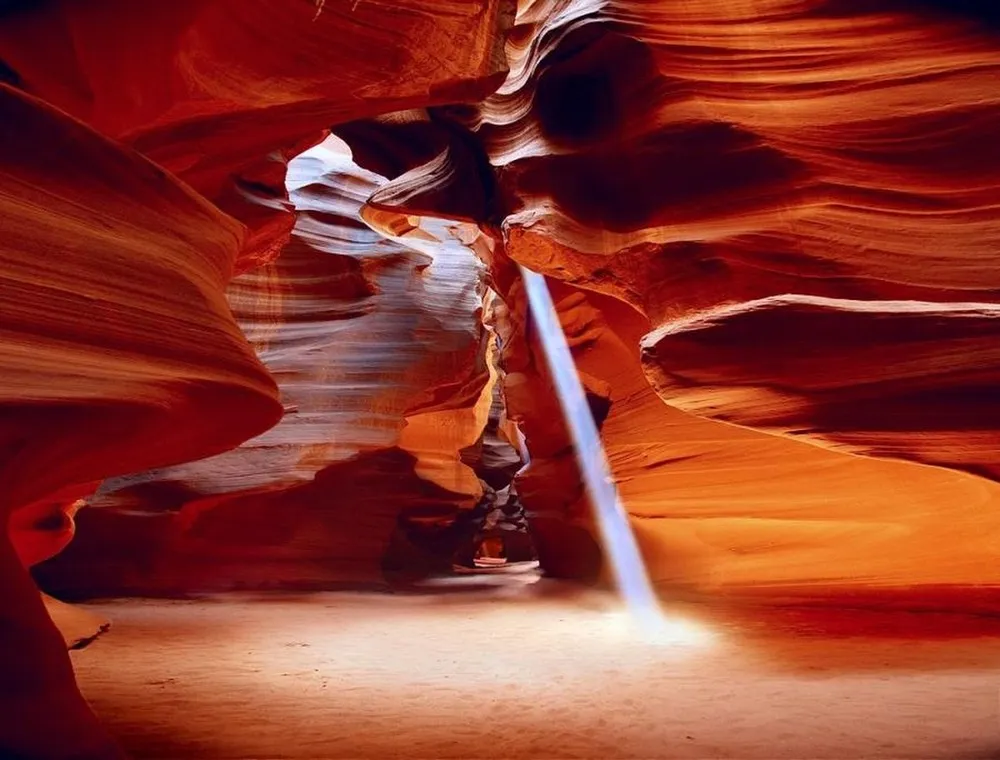
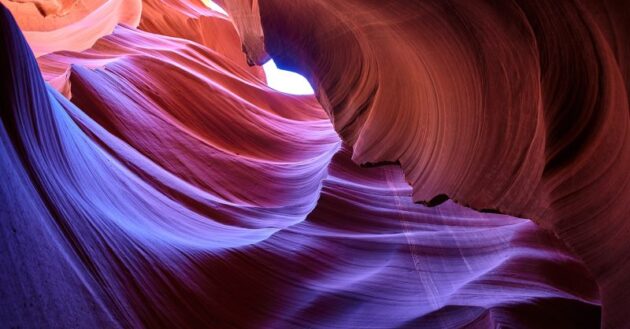
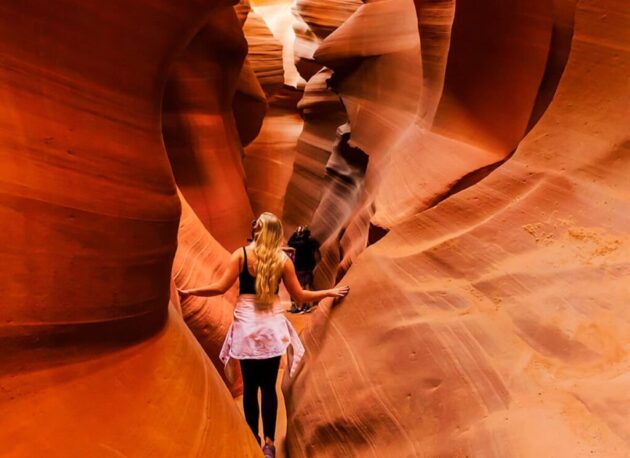
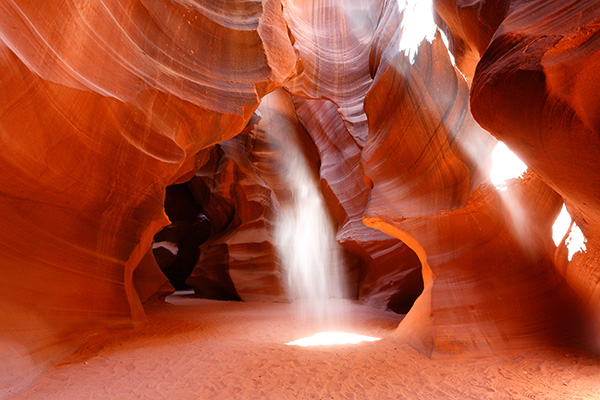
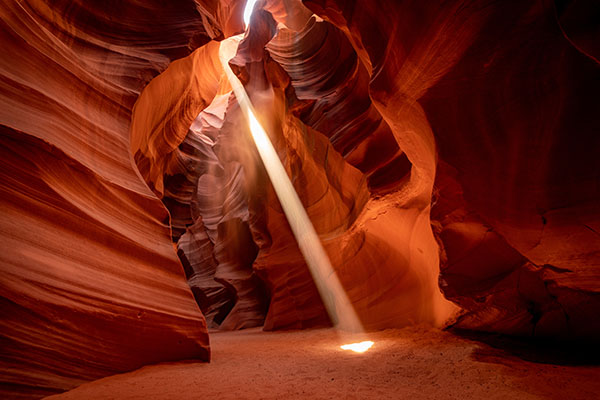
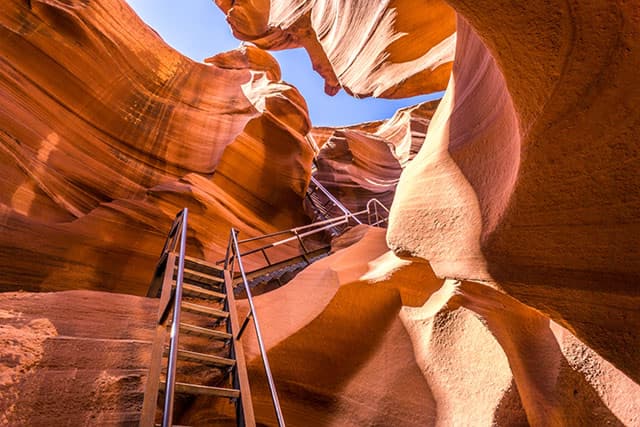
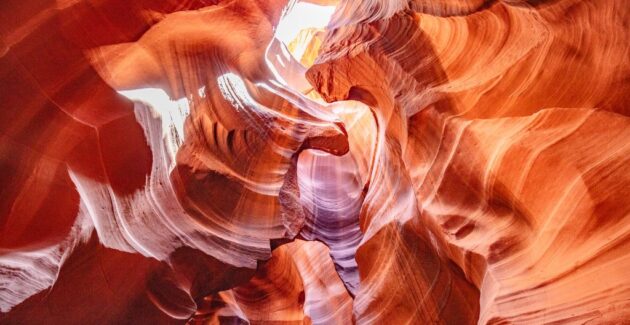
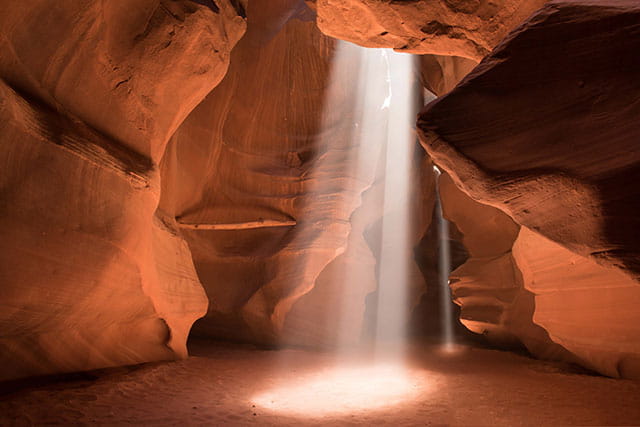
Antelope Canyon, located near Page, Arizona, is one of the most photographed natural wonders in the world, renowned for its surreal, wave-like sandstone formations and vibrant light beams. Situated on Navajo Nation land, this slot canyon offers a breathtaking experience for photographers, nature lovers, and adventure seekers. However, visiting requires careful planning due to its protected status and limited access.
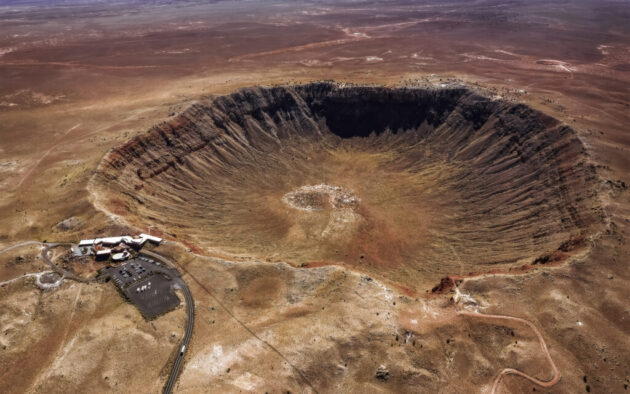
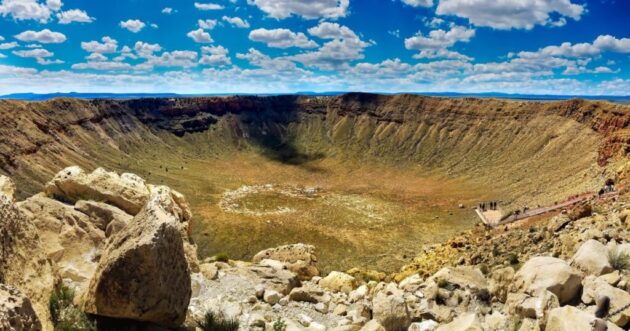
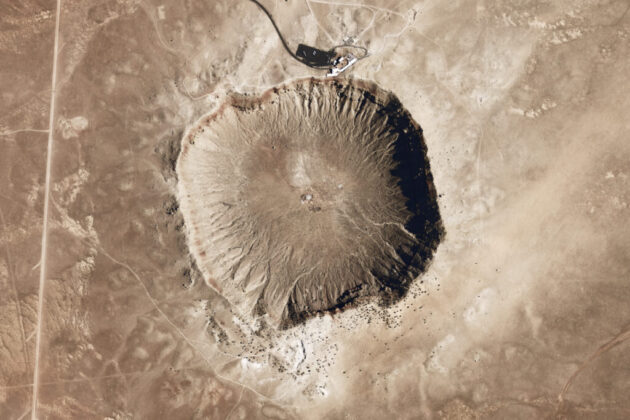
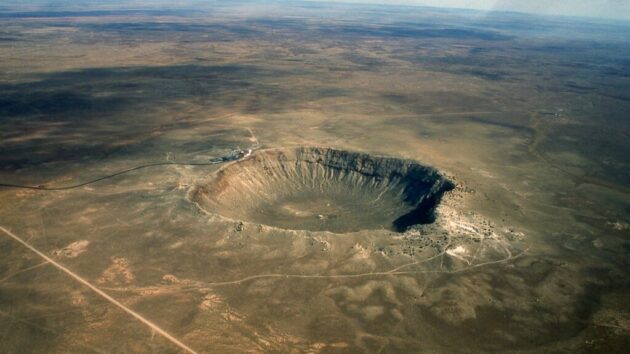
Meteor Crater Natural Landmark
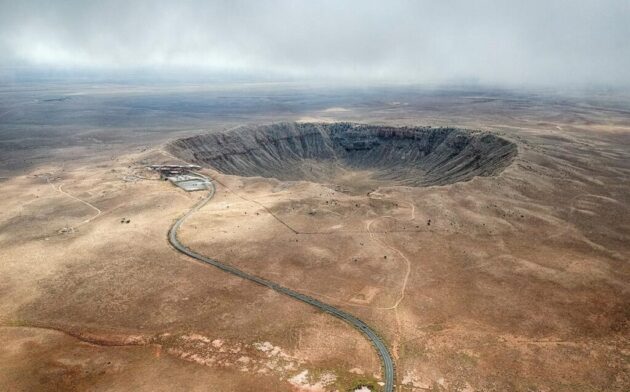
Located in the vast high desert of Northern Arizona, Meteor Crater Natural Landmark—also known as Barringer Crater—is the world’s best-preserved meteorite impact site, offering a breathtaking glimpse into the cosmic forces that shaped our planet. Formed approximately 50,000 years ago by a nickel-iron meteorite crashing into Earth with the force of 2.5 million tons of TNT, this geological marvel is a must-visit for space enthusiasts, nature lovers, and road trippers alike.
Petrified Forest National Park
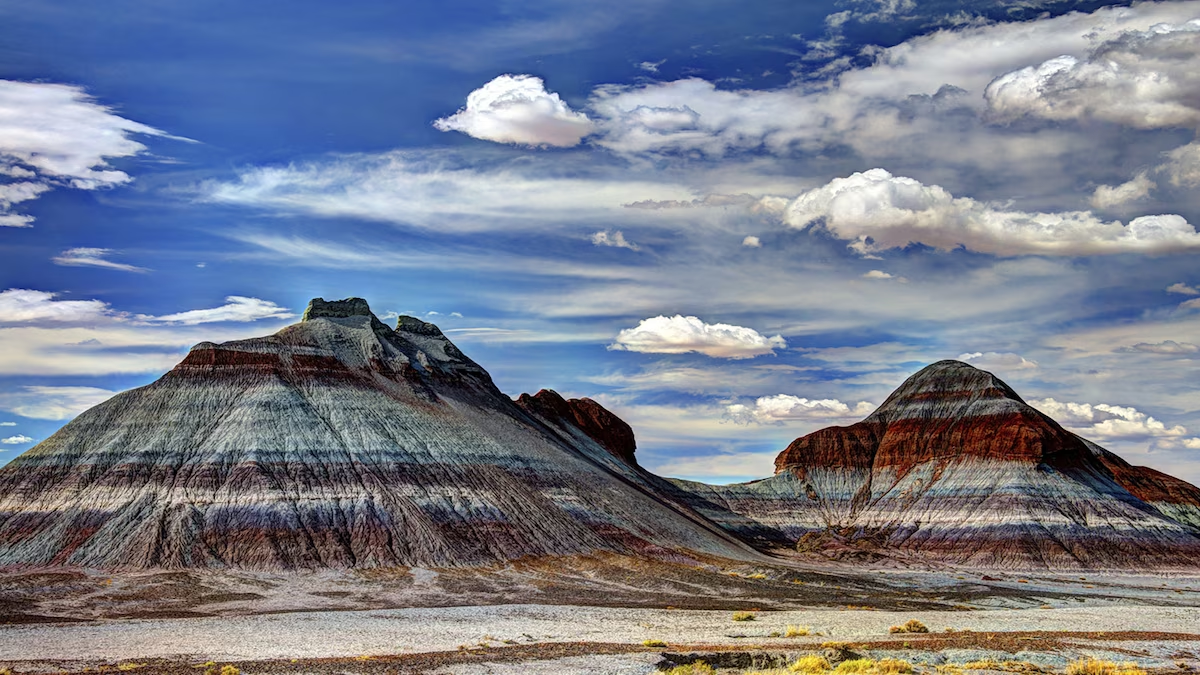
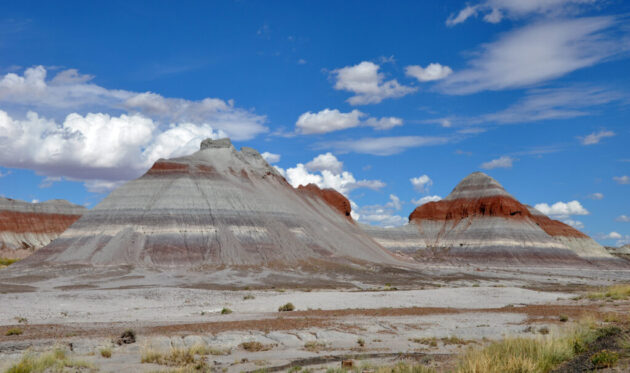
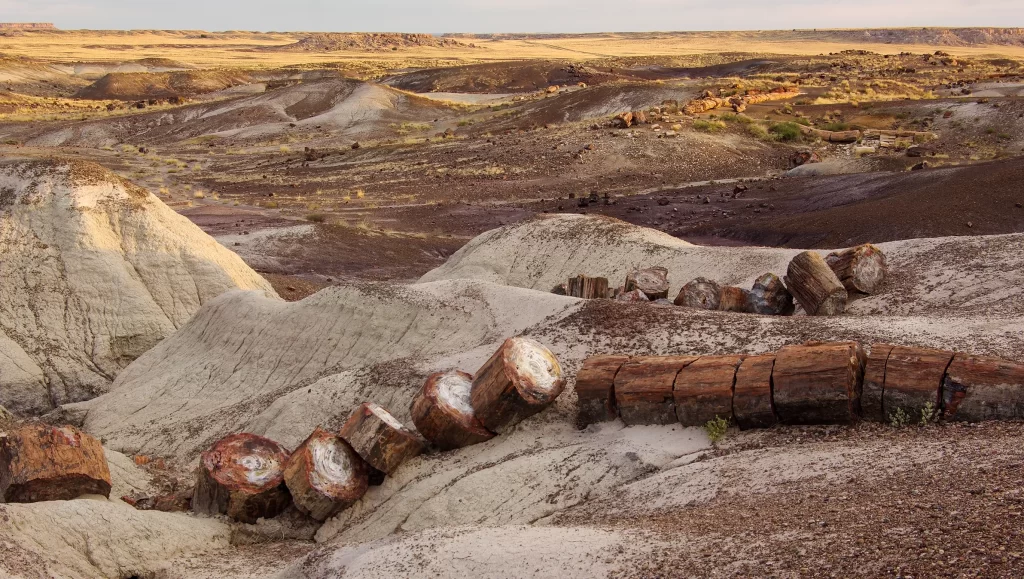
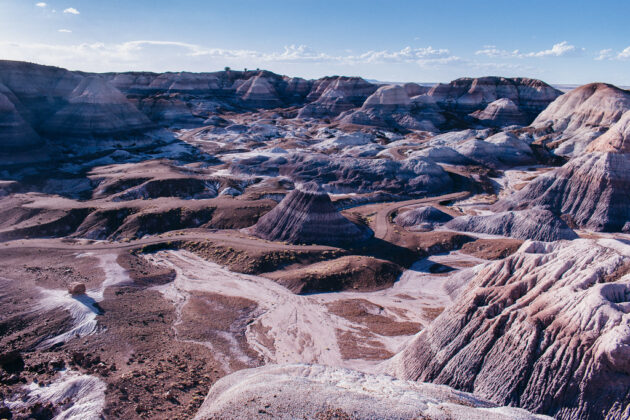
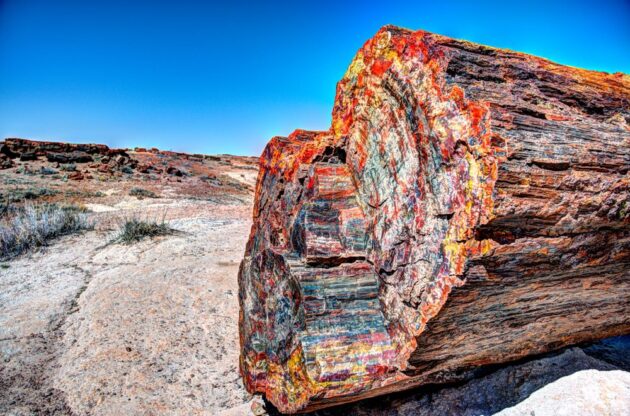
Petrified Forest National Park, located in northeastern Arizona, is a geological and cultural marvel that transports visitors back over 200 million years to the Late Triassic period. Spanning approximately 346 square miles, the park is renowned for its vibrant petrified wood, colorful badlands of the Painted Desert, and rich archaeological sites. Often overshadowed by Arizona’s more famous parks like the Grand Canyon, this hidden gem offers a unique blend of ancient history, stunning landscapes, and short, accessible trails perfect for a day trip.
Saguaro National Park
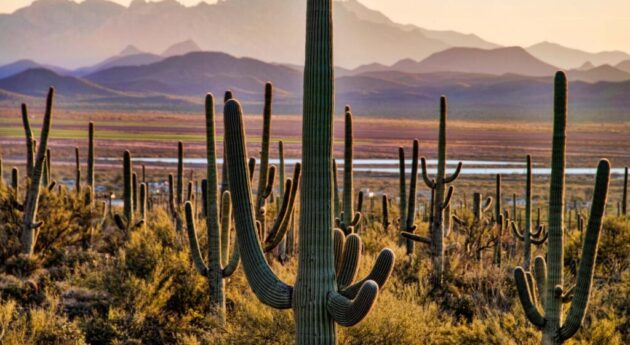
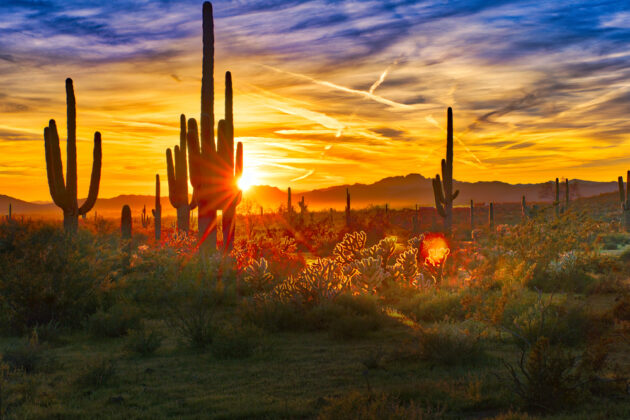
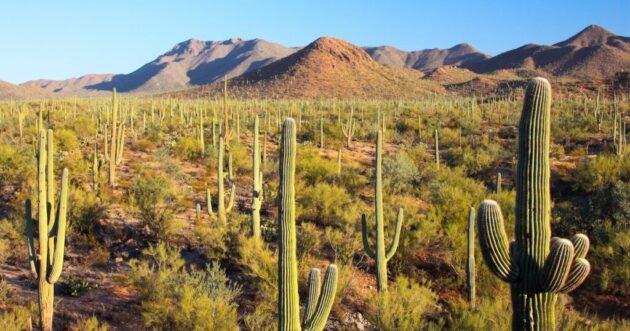
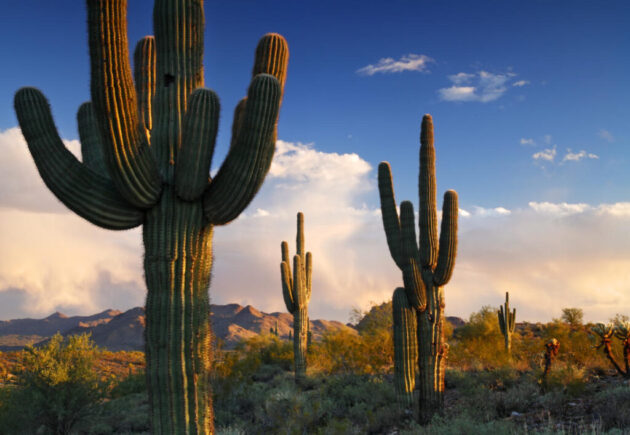
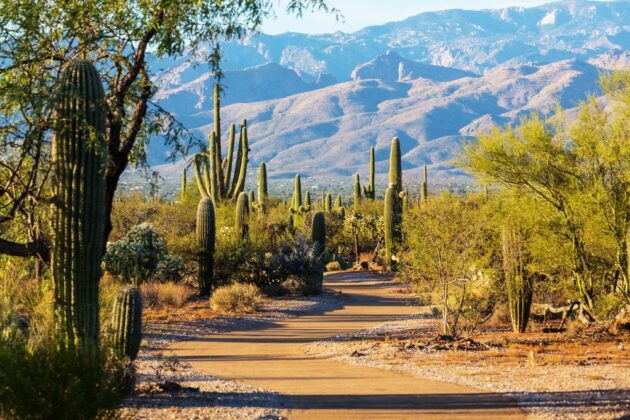
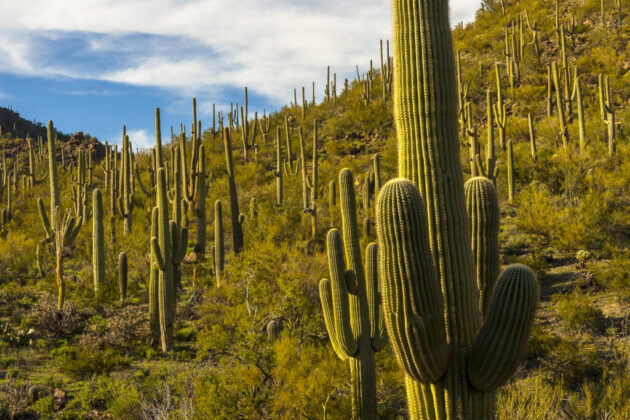
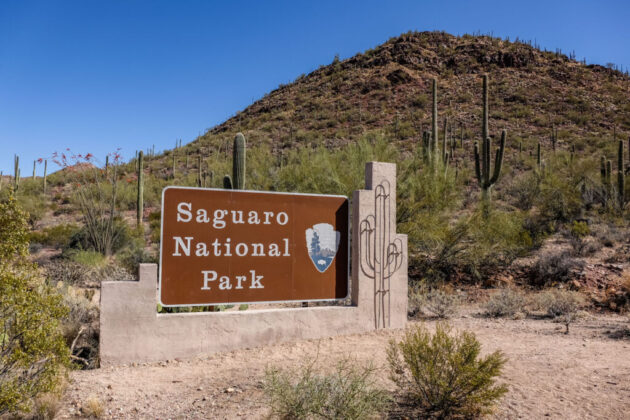
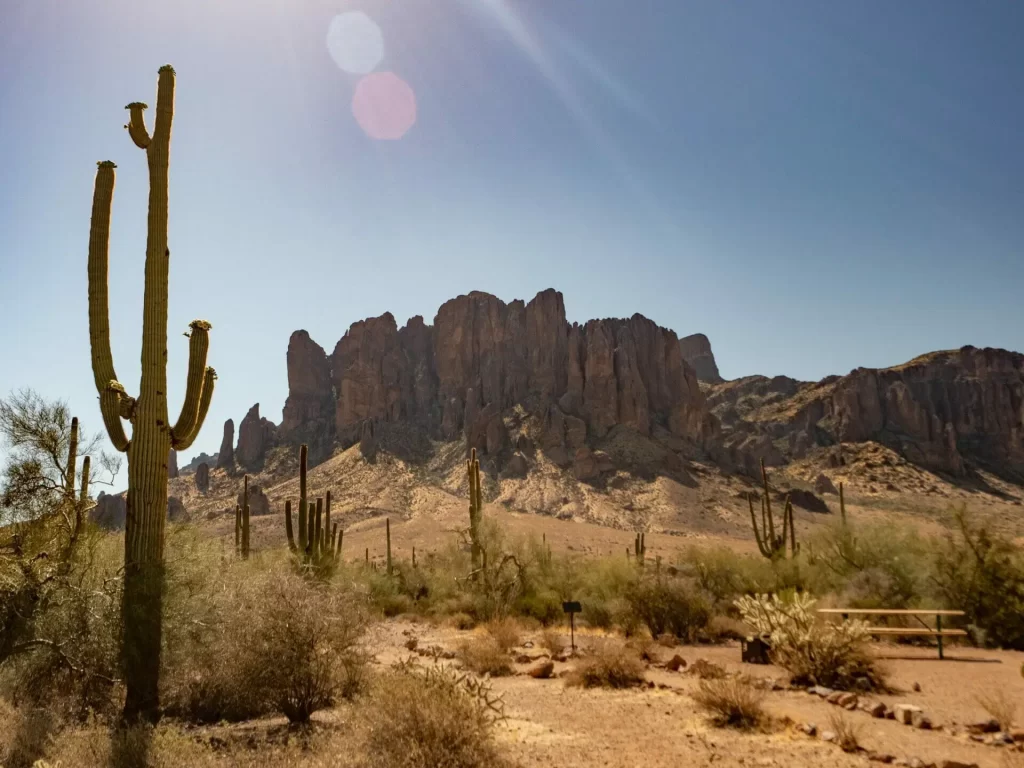
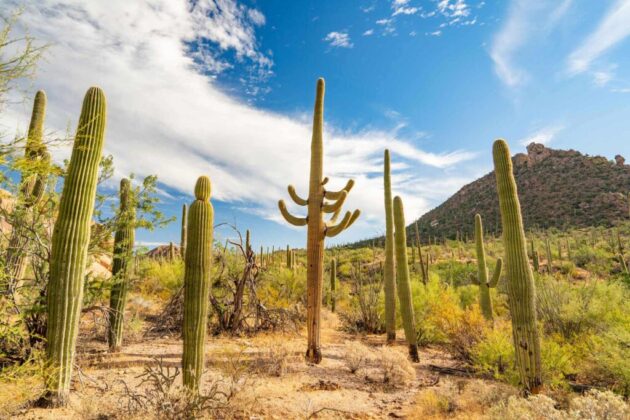
Saguaro National Park, located in southern Arizona near Tucson, is a stunning showcase of the Sonoran Desert’s iconic giant saguaro cacti, the towering symbols of the American Southwest. Spanning over 91,000 acres, the park is divided into two districts—Tucson Mountain District (West) and Rincon Mountain District (East)—flanking the city of Tucson. With its dramatic desert landscapes, diverse wildlife, and rich cultural history, this national park offers a unique blend of natural beauty and adventure.
Monument Valley
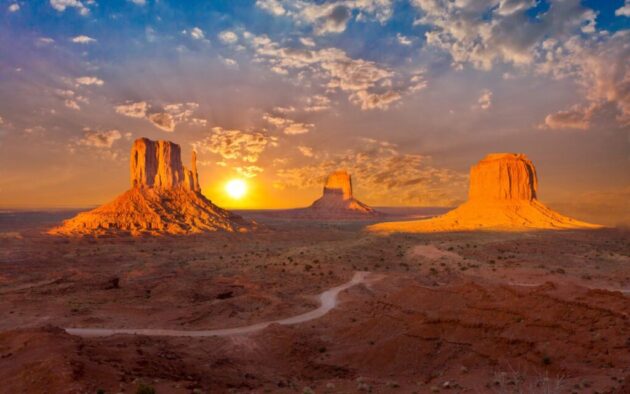
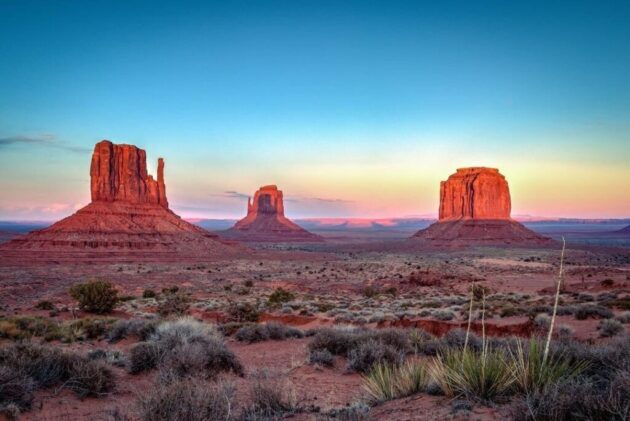
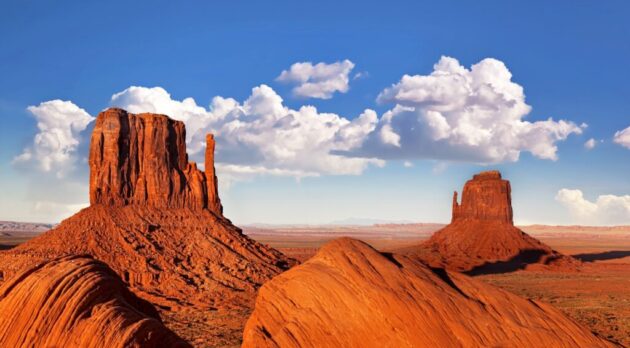
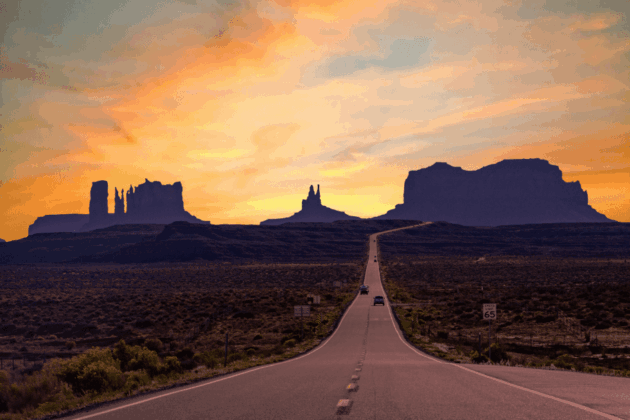
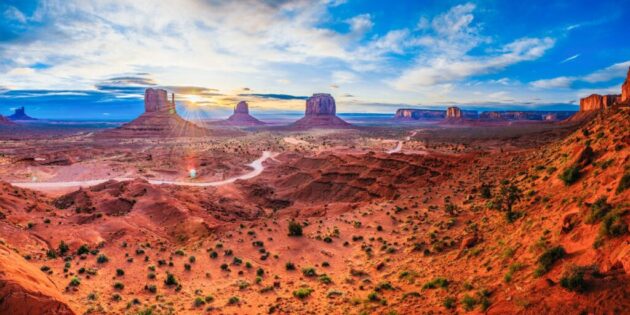
Monument Valley, located on the Arizona-Utah border within the Navajo Nation Reservation, is a stunning landscape of towering sandstone buttes and mesas, some rising up to 300 meters above the valley floor. Known as Tsé Biiʼ Ndzisgaii (meaning “Valley of the Rocks”) in Navajo, it is part of the Colorado Plateau and features vibrant red rock formations due to iron oxide exposure, with contrasting blue-gray hues from manganese oxides. Famous for its dramatic scenery, it has served as a backdrop for iconic films like Forrest Gump and John Ford’s Westerns.
Horseshoe Bend
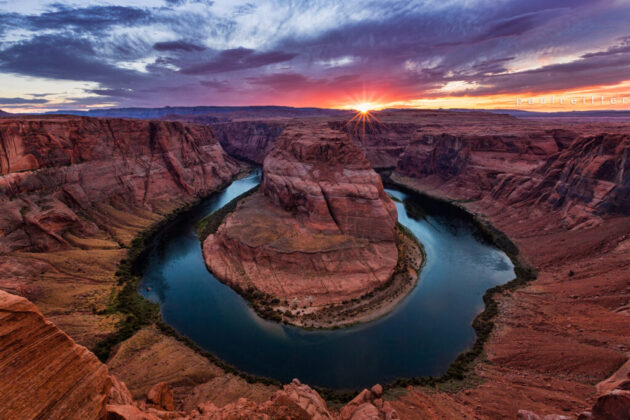
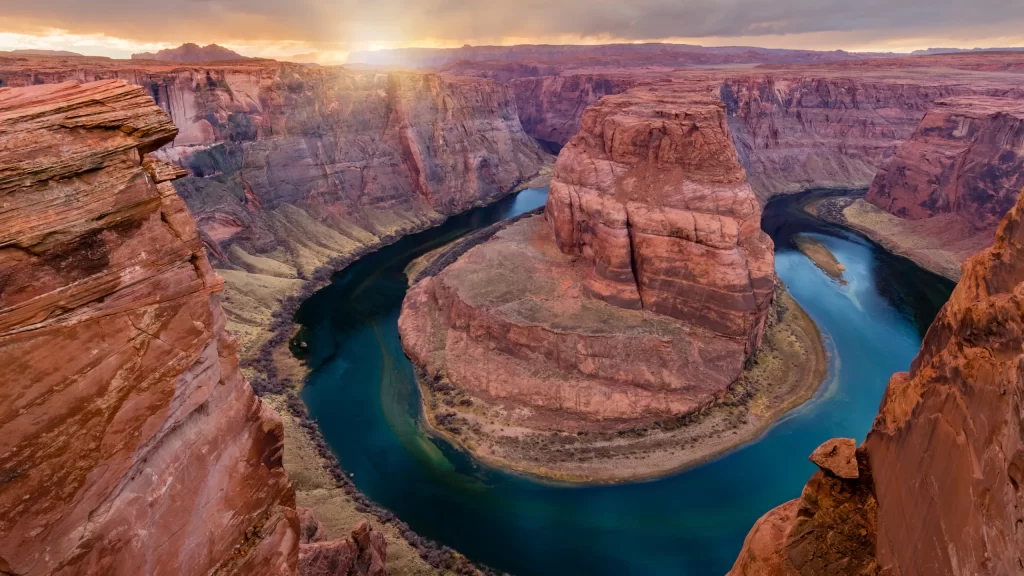
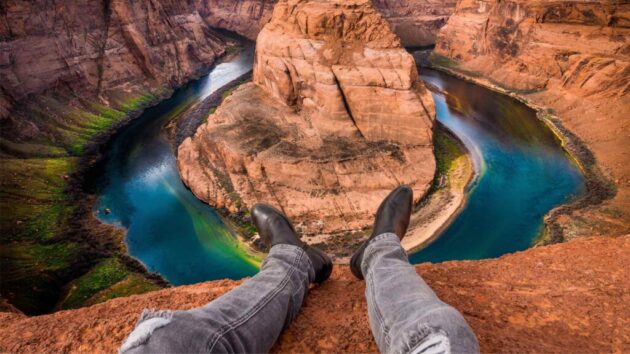
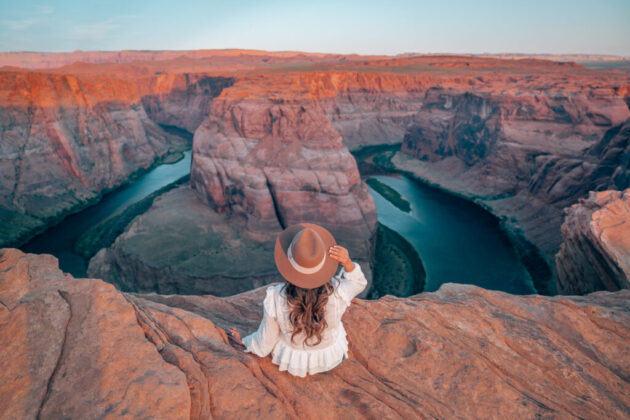
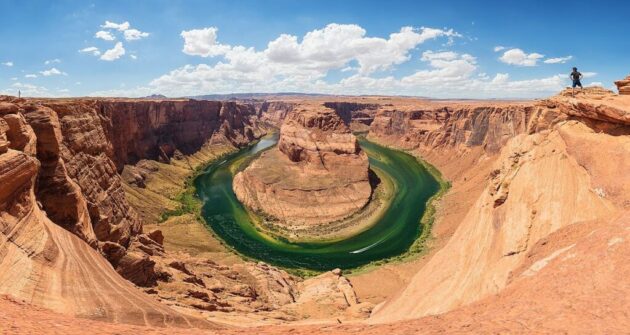
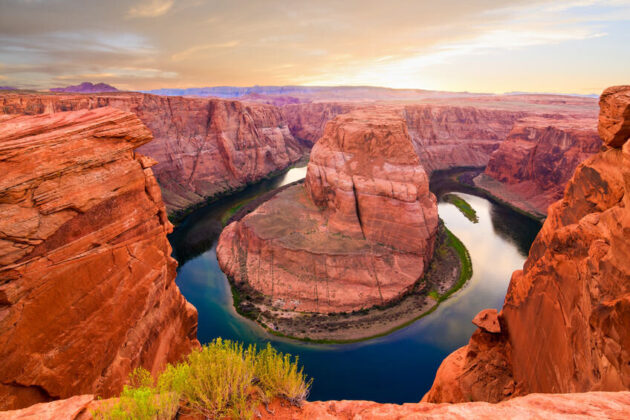
Horseshoe Bend is a stunning natural landmark located near Page, Arizona, in the United States. It is a dramatic U-shaped meander of the Colorado River, carved into the red sandstone cliffs of Glen Canyon. The bend resembles a horseshoe, hence its name, and offers breathtaking views from the overlook atop steep cliffs, which drop about 1,000 feet (300 meters) to the river below. The contrast between the emerald-green river and the surrounding red rock formations makes it a popular destination for photography and sightseeing.
Lake Powell
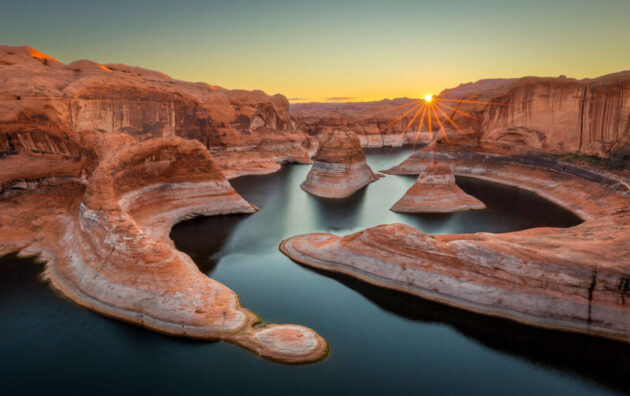
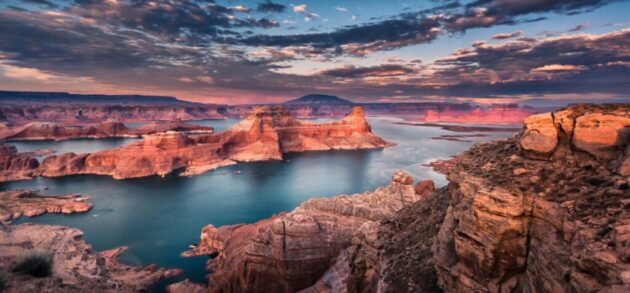
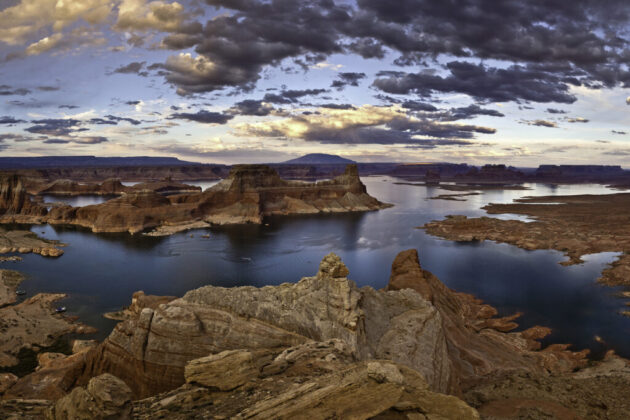
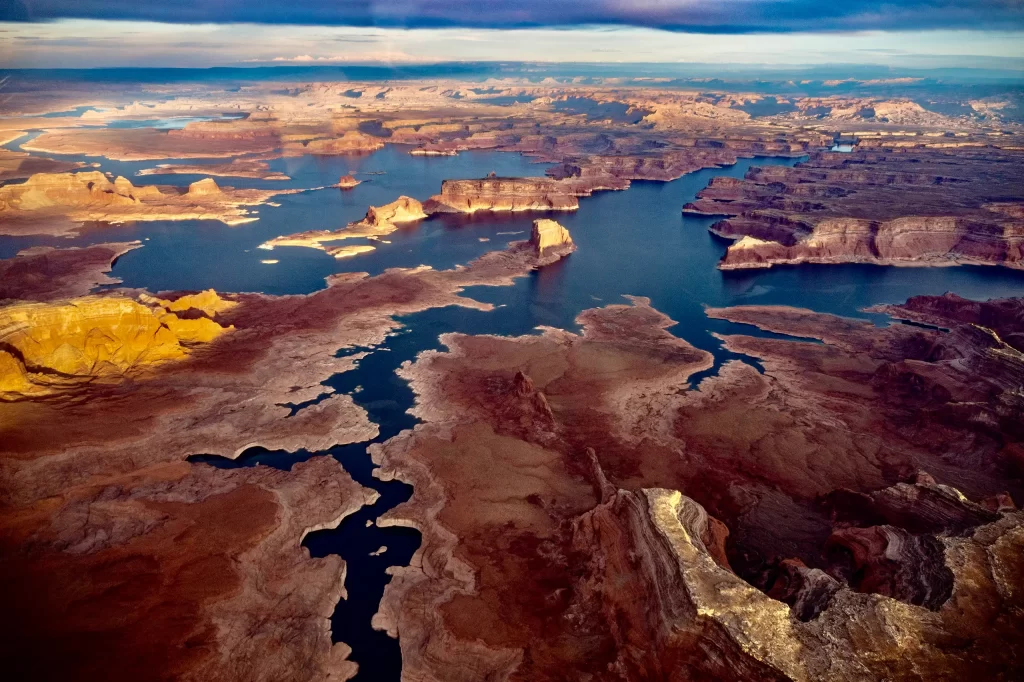
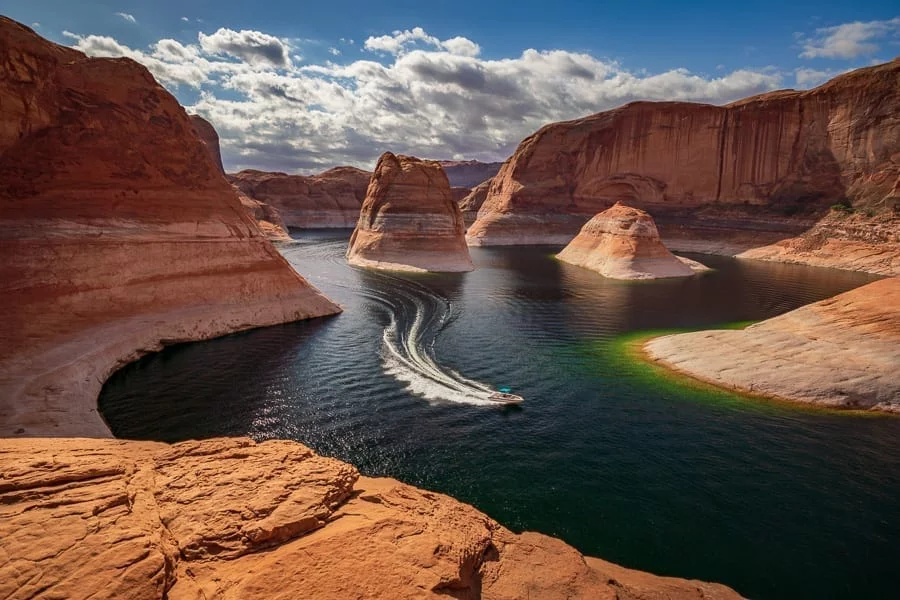
Lake Powell, located in northern Arizona, USA, is a stunning man-made reservoir formed by the Glen Canyon Dam on the Colorado River. Stretching into southern Utah, it is part of the Glen Canyon National Recreation Area and is renowned for its dramatic red-rock canyons, crystal-clear waters, and over 2,000 miles of shoreline. A popular destination for boating, fishing, and hiking, Lake Powell attracts visitors with its scenic beauty, including iconic spots like Antelope Canyon and Rainbow Bridge.
Where to Eat
Tucson’s Culinary Scene: As a UNESCO City of Gastronomy, Tucson shines with Sonoran Mexican cuisine. Try Navajo tacos (fry bread with toppings, $8–$15) or chimichangas ($10–$20) at local spots like El Charro Café.
Phoenix-Scottsdale: Enjoy farm-to-table dining at FnB or upscale Mexican at Barrio Café ($20–$50). Food trucks and casual eateries offer budget-friendly options.
Sedona: Local restaurants like The Hudson serve farm-fresh dishes with red rock views ($15–$40).
Tip: Visit local markets like Tucson’s St. Philip’s Plaza for fresh produce and artisanal goods.
Where to Stay
Phoenix/Scottsdale: Westin Phoenix Downtown: Modern rooms, rooftop pool, central location ($150–$300/night). Budget: Hostels or motels near downtown start at $50–$100/night.
Tucson: AC Hotel Tucson Downtown: Mountain views, near dining ($120–$250/night). Camping: Catalina State Park offers campsites ($20–$30/night).
Sedona: Courtyard Sedona: Scenic views, but pricey ($200–$400/night). Vacation Rentals: Cabins and condos via Airbnb are ideal for groups ($100–$300/night).
Grand Canyon: Stay at El Tovar Hotel for historic charm ($200–$400/night) or campgrounds like Mather ($18–$25/night). Book early for South Rim lodging.
Tips for a Great Visit
Pack Smart: Bring sunscreen, hats, and sunglasses for desert sun. Layered clothing is key for variable weather, especially in northern Arizona. A bandana for dust or heat relief is handy. Stay Safe: Carry water for hikes (1 liter/hour), stay on marked trails, and watch for wildlife like rattlesnakes. Check weather for flash flood risks during monsoons.
Cultural Respect: When visiting Native American sites, follow tribal guidelines (e.g., photography may be restricted). Contact tribes for visitor rules. Border Checkpoints: Be prepared for U.S. Border Patrol stops near southern Arizona. U.S. citizens need no documents; non-citizens should carry visas. Connectivity: Use an eSIM for reliable mobile data in remote areas.
Final Thoughts
Arizona’s blend of natural wonders, cultural richness, and vibrant cities makes it a destination that captivates every traveler. From the majestic Grand Canyon to Tucson’s culinary delights and Sedona’s spiritual allure, the state offers endless opportunities for adventure and discovery. Plan ahead for popular sites, embrace the diverse landscapes, and immerse yourself in Arizona’s unique heritage for a trip that’s truly unforgettable.
Happy travels!