Grand Canyon National Park Travel Guide (2026)
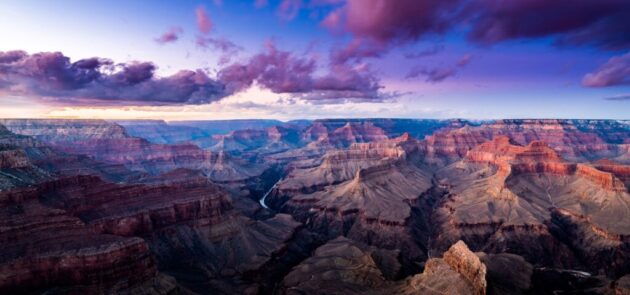
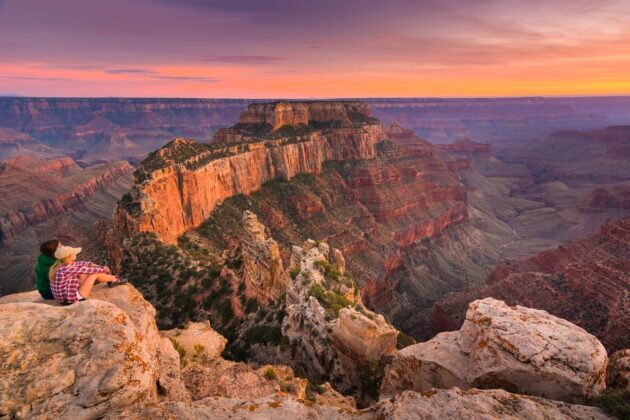
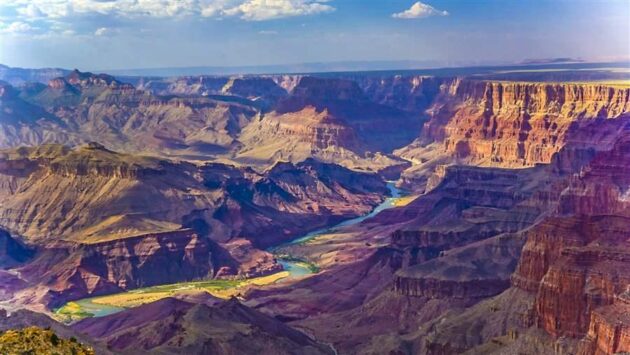
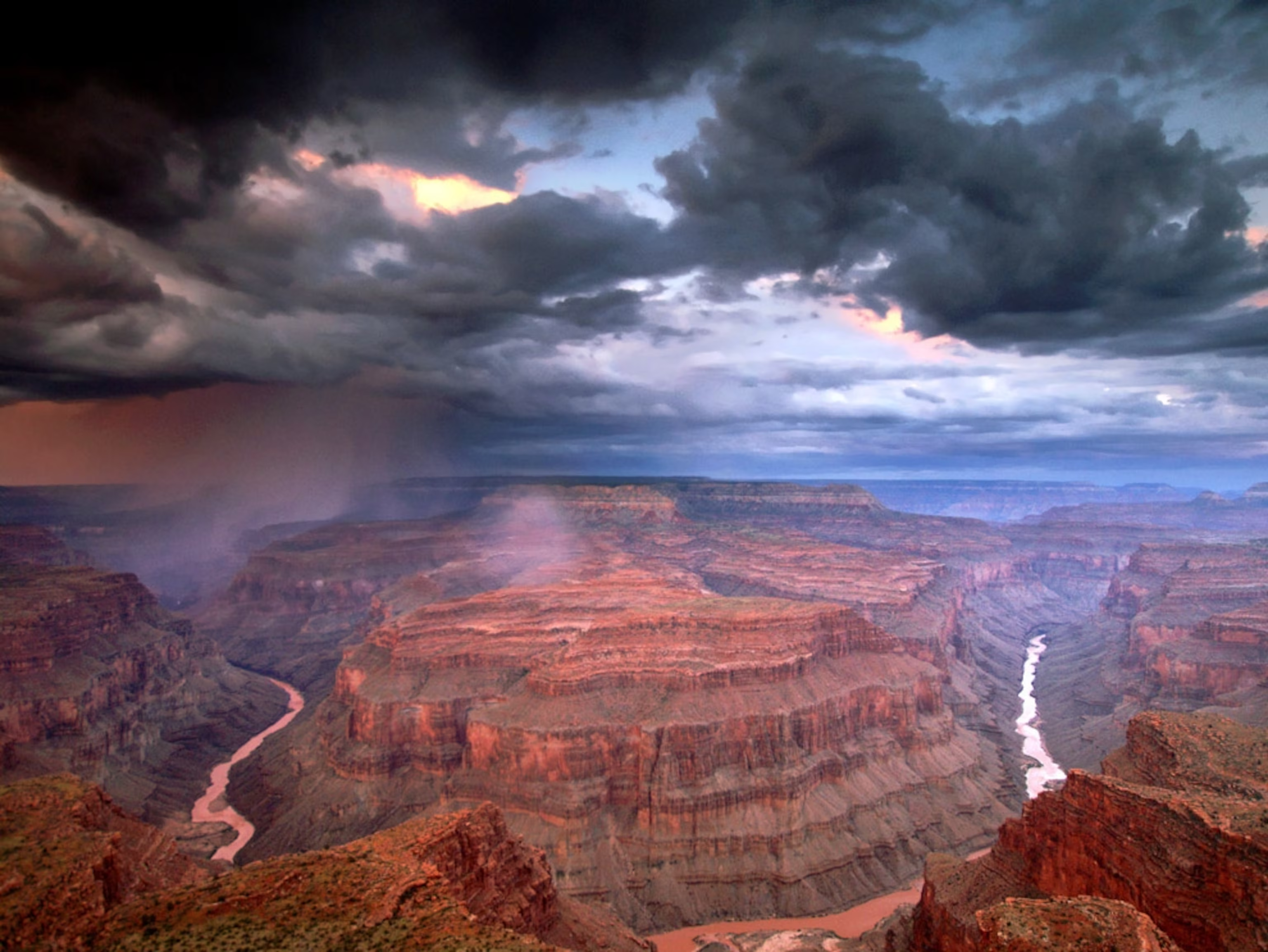
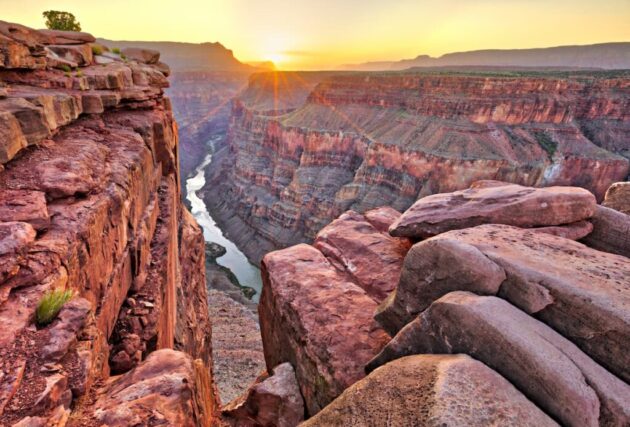
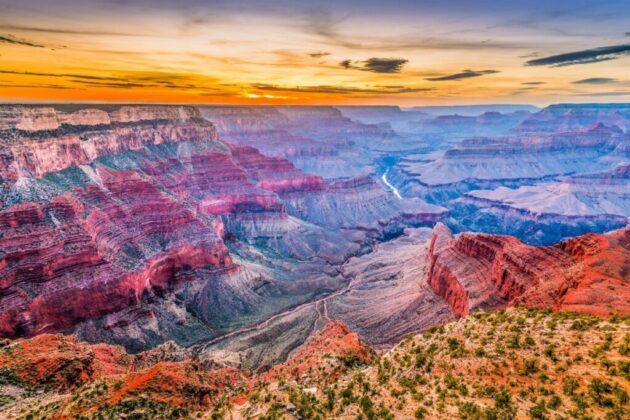
The Grand Canyon National Park, located in Arizona, USA, is one of the world’s most iconic natural wonders, drawing millions of visitors annually to its breathtaking vistas, rugged landscapes, and rich cultural history. Carved by the Colorado River over millions of years, this UNESCO World Heritage Site spans 277 miles in length, up to 18 miles in width, and over a mile in depth.
Why Visit Grand Canyon National Park?
The Grand Canyon’s sheer scale and dramatic beauty are unmatched, offering awe-inspiring views, thrilling outdoor activities, and a glimpse into millions of years of geological history. From hiking along the rim to rafting the Colorado River, the park caters to all types of travelers.
Its South Rim is the most accessible and popular, while the North Rim offers a quieter, more secluded experience. The park also preserves Native American heritage, with cultural sites linked to the Havasupai, Navajo, and Hopi tribes.
How to Get There
Grand Canyon National Park has two main access points: the South Rim (open year-round) and the North Rim (open mid-May to mid-October). The South Rim is more accessible and closer to major cities.
By Air: The closest major airport is Phoenix Sky Harbor International Airport (PHX), about 230 miles (3.5–4 hours’ drive) from the South Rim. Alternatively, Flagstaff Pulliam Airport (FLG) is 80 miles away (1.5 hours’ drive). For the North Rim, Las Vegas Harry Reid International Airport (LAS) is the closest major hub, about 270 miles (4.5–5 hours’ drive).
By Car:
South Rim: From Phoenix, take I-17 north to Flagstaff, then AZ-64 to the park’s South Entrance (near Tusayan). From Las Vegas, take US-93 south, I-40 east, and AZ-64 north (4–4.5 hours).
North Rim: From Las Vegas, take I-15 north, UT-9 east, and US-89 south to AZ-67 (a scenic but longer drive). Renting a car is recommended for flexibility. Parking is available at both rims, with fees included in the park entrance pass.
By Shuttle or Tour:
Shuttles like Arizona Shuttle run from Flagstaff, Phoenix, or Las Vegas to the South Rim (from $30–50 one-way). Guided tours from these cities often include transportation, meals, and activities.
The Grand Canyon Railway offers a scenic train ride from Williams, Arizona, to the South Rim (2 hours, $70–200 round-trip).
By Bus: Greyhound and FlixBus connect Phoenix or Las Vegas to Flagstaff, where you can transfer to a shuttle or rental car.
Tip: The South Rim’s Grand Canyon Village is the main hub, with easy access to visitor centers and viewpoints. The North Rim is remote and has limited services.
Best Time to Visit
South Rim: Spring (March–May) and Fall (September–November): Mild weather (50–70°F/10–21°C), fewer crowds, and ideal hiking conditions. Summer (June–August): Warm (70–85°F/21–29°C) but crowded, with occasional thunderstorms. Book accommodations early. Winter (December–February): Cold (20–45°F/-6–7°C) with possible snow, but quieter and stunning with snow-dusted rims.
North Rim: Open only from mid-May to mid-October due to heavy snow. Summer and early fall offer pleasant temperatures (45–75°F/7–24°C) and fewer visitors.
Note: The South Rim is busier year-round, while the North Rim feels more serene but is less accessible. Check weather forecasts, as conditions can change rapidly.
Tickets and Entrance Fees
Entrance Fee: $35 per vehicle (valid for 7 days, covers both rims). Individual passes (for hikers or cyclists) are $20. Annual Passes: The America the Beautiful Pass ($80) covers all U.S. national parks for a year. Free Entry Days: Offered on select holidays like National Public Lands Day (late September).
Purchasing: Buy passes at entrance stations or online via recreation.gov. The South Rim’s Tusayan Entrance can have long lines in summer, so arrive early.
Tip: The park’s free shuttle system operates at the South Rim, connecting viewpoints, lodges, and visitor centers. No shuttle is available at the North Rim.
What to See and Do
South Rim Highlights
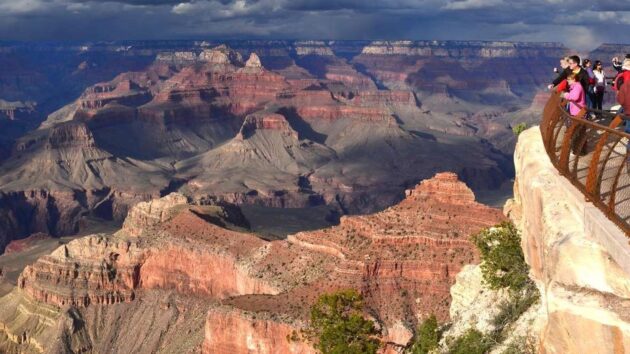
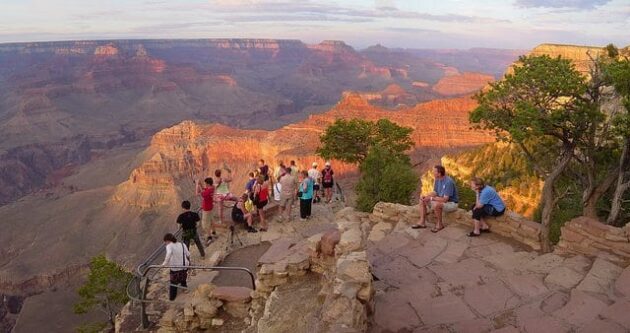
Viewpoints: Mather Point: The most iconic sunrise spot, near the main visitor center.
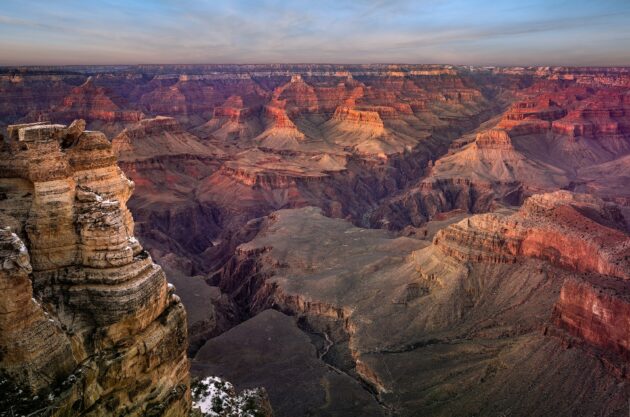
Yavapai Point: Offers panoramic views and a geology museum.
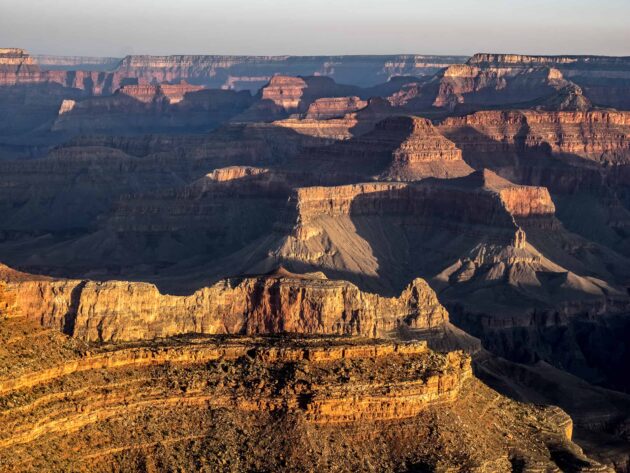
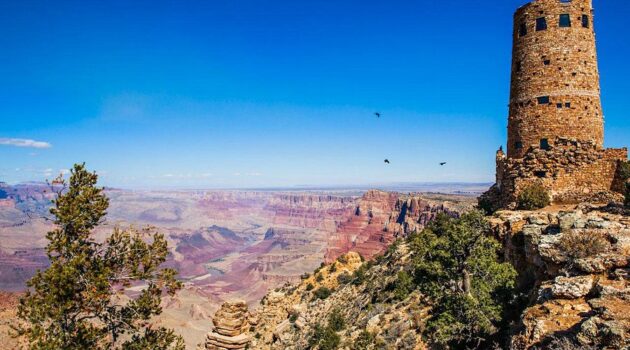
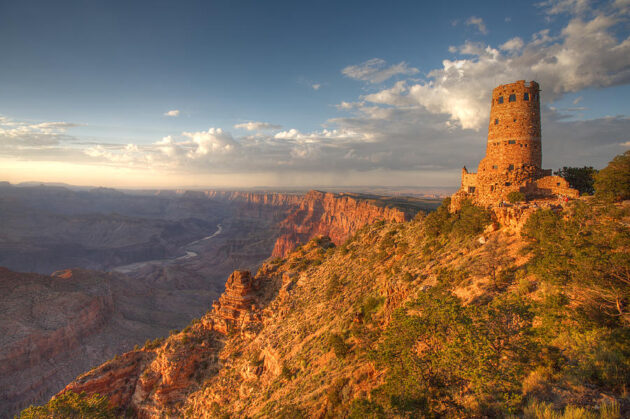
Desert View Watchtower: A 70-foot stone tower designed by Mary Colter, with stunning views and Native American-inspired art (25 miles east of Grand Canyon Village).
Hiking: Rim Trail: A mostly flat, 13-mile trail along the South Rim with spectacular views. Wheelchair-accessible in parts.
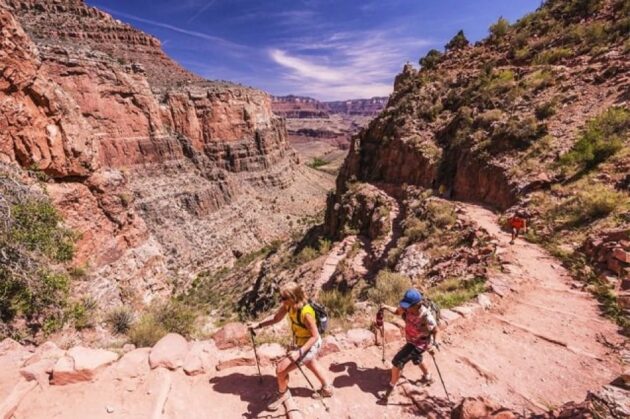
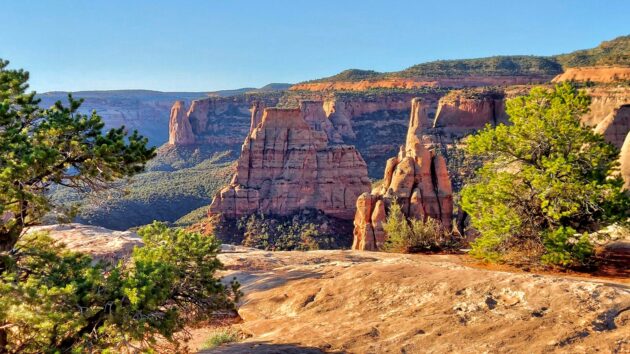
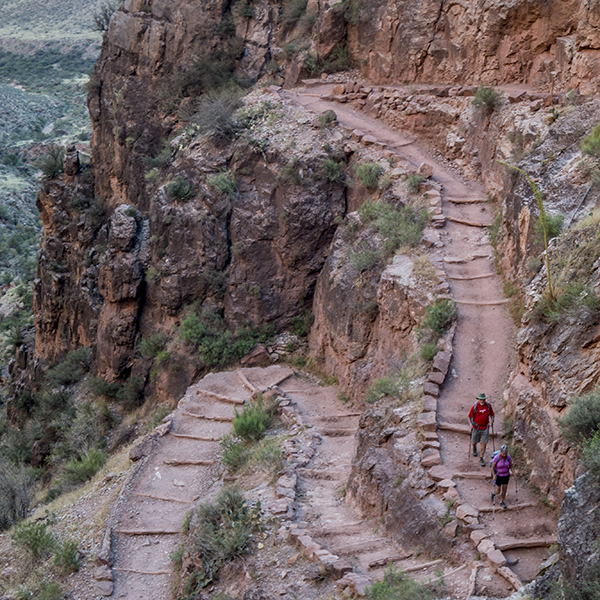
Bright Angel Trail: A popular but strenuous hike descending into the canyon (up to 12 miles round-trip to Plateau Point). Start early and carry water.
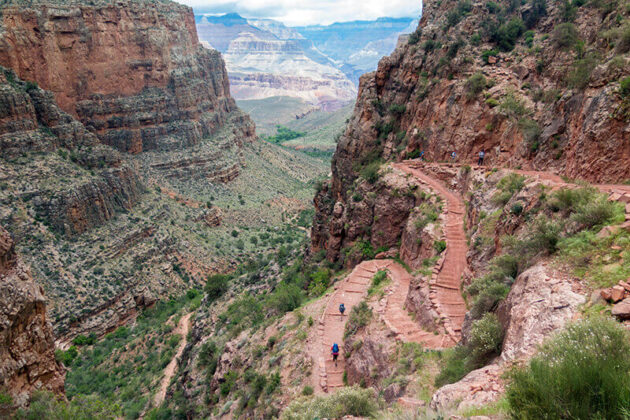
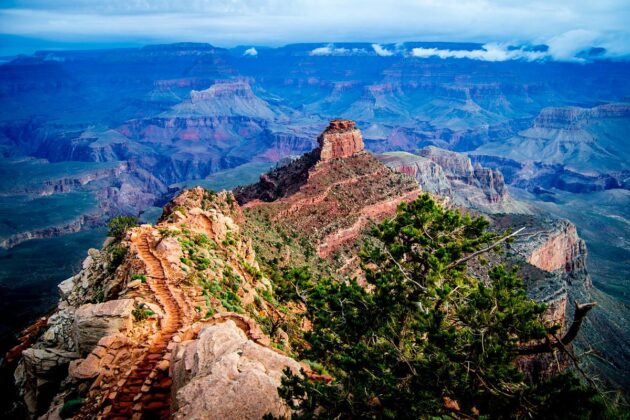
South Kaibab Trail: Steeper but shorter, with breathtaking views at Ooh-Aah Point (1.8 miles round-trip) or Cedar Ridge (3 miles round-trip).
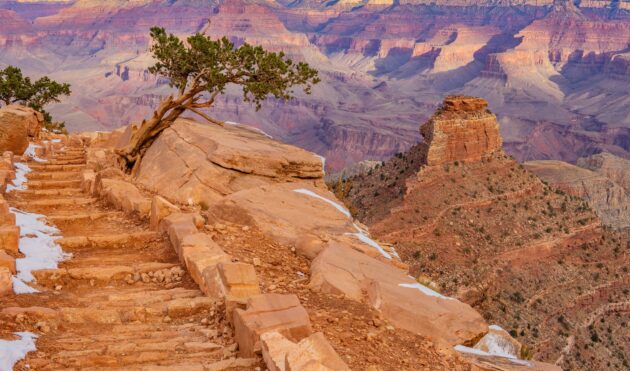
Activities: Mule Rides: Guided rides along the rim or into the canyon (book 15 months in advance, $150–200). Helicopter/Plane Tours: Aerial views from companies like Maverick Helicopters or Grand Canyon Airlines ($200–400 per person). Rafting: Half-day to multi-day Colorado River rafting trips ($100–$1,000, book via authorized operators like Hualapai River Runners).
North Rim Highlights
Viewpoints: Point Imperial: The highest point (8,803 ft), with views of the Painted Desert.
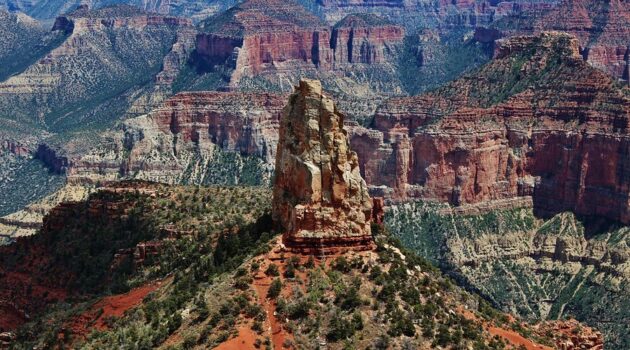
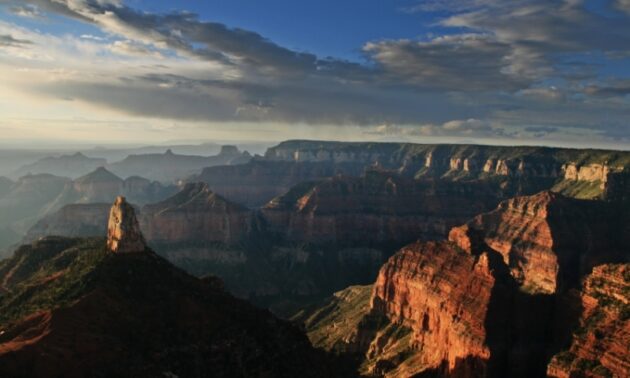
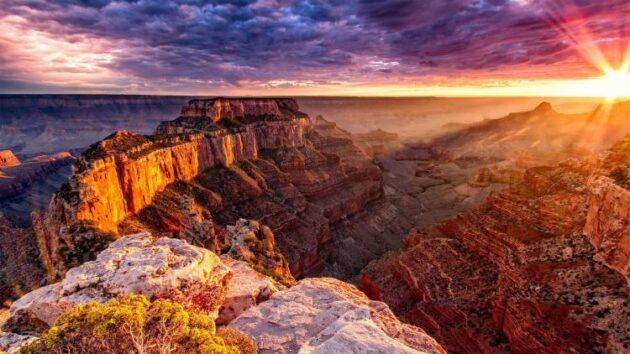
Cape Royal: A scenic drive with vistas of the canyon and Angels Window.
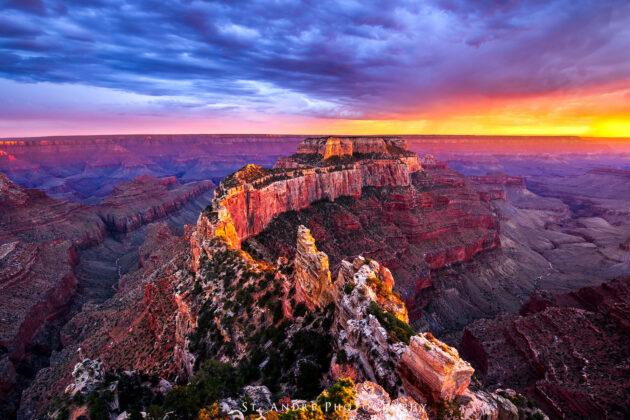
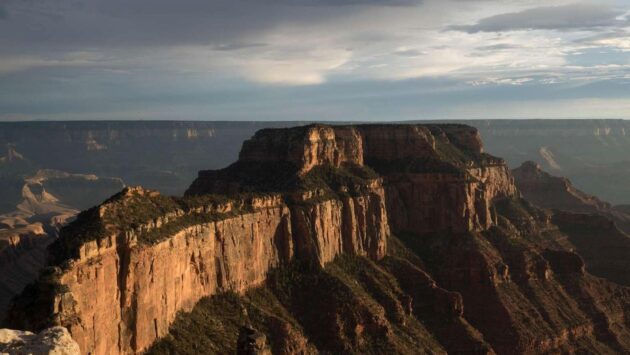
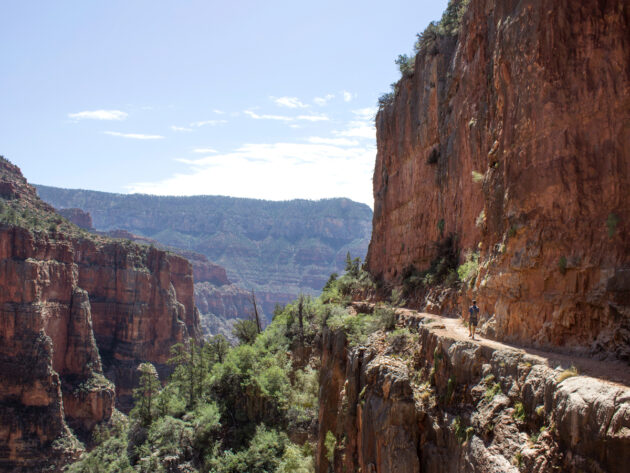
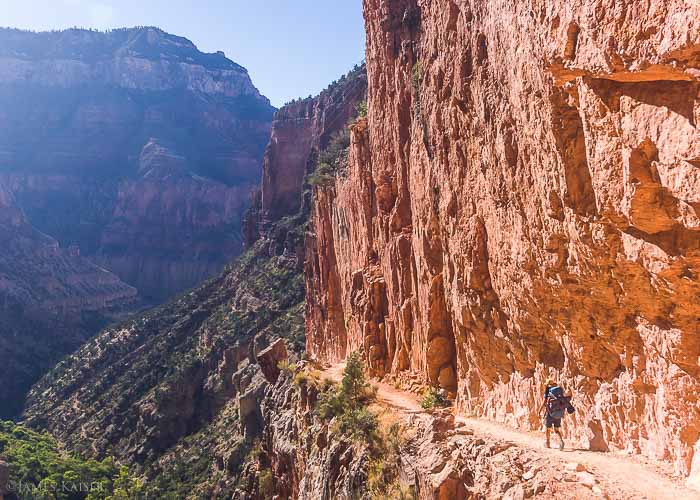
Hiking: North Kaibab Trail: The only maintained trail into the canyon from the North Rim, leading to Roaring Springs (9.4 miles round-trip, strenuous).
Widforss Trail: A gentle 10-mile round-trip through forests with rim views.
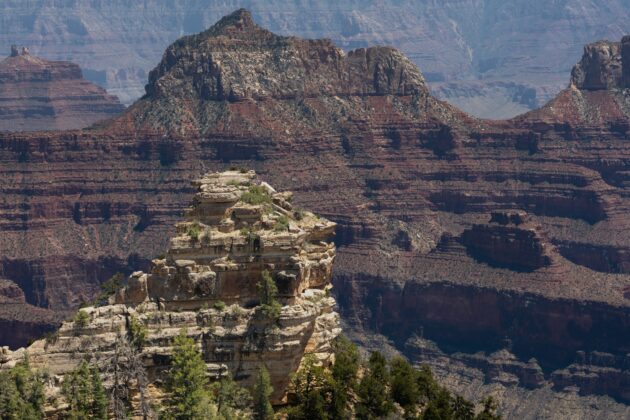
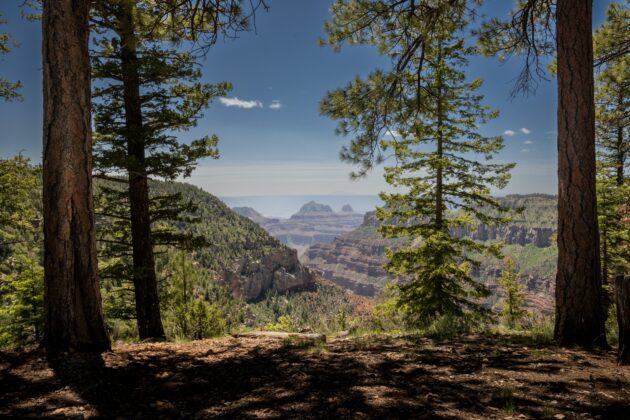
Stargazing: The North Rim’s remote location makes it ideal for stargazing, with ranger-led programs in summer.
Cultural Experiences
Tusayan Museum and Ruin: Explore Ancestral Puebloan history with artifacts and a reconstructed village (near Desert View). Grand Canyon Village: Visit historic buildings like El Tovar Hotel and Hopi House, showcasing Native American crafts. Ranger Programs: Free talks on geology, wildlife, and history are offered daily at both rims.
Where to Eat
South Rim: El Tovar Dining Room: Upscale dining with American and Southwestern cuisine ($30–50 per entrée). Bright Angel Restaurant: Casual family-friendly meals ($10–20). Maswik Food Court: Affordable fast food like pizza and burgers ($8–15). General Stores: In Grand Canyon Village and Tusayan for snacks and picnic supplies.
North Rim: Grand Canyon Lodge Dining Room: Offers hearty meals with canyon views ($15–35). Deli in the Pines: Quick bites like sandwiches ($8–12). Coffee Shop: Light breakfast options near the lodge.
Tip: Bring your own food for picnics to save money and enjoy scenic viewpoints. Water stations are available at both rims—carry a reusable bottle.
Where to Stay
Inside the Park: El Tovar Hotel: Historic luxury lodge, from $250–500/night. Bright Angel Lodge: Rustic cabins and rooms, $100–200/night. Maswik Lodge: Budget-friendly, $90–150/night. Grand Canyon Lodge: The only in-park lodging, with cabins and motel rooms ($130–200/night). Book via grandcanyonforever.com.
Outside the Park (Tusayan, 7 miles away): Grand Hotel at the Grand Canyon: Modern comfort, $150–300/night. Holiday Inn Express: Affordable, $100–200/night. Jacob Lake Inn (45 miles away) or Kanab, Utah (80 miles), offer motels and campgrounds ($50–150/night).
Camping: Mather Campground: Tent and RV sites, $18–25/night, book via recreation.gov. Desert View Campground: First-come, first-served, $18/night (seasonal). North Rim Campground: $18–25/night, reservations recommended. Backcountry Camping: Requires a permit ($10 + $8/person/night) for hikes like Bright Angel or North Kaibab.
Tips for a Great Visit
Plan Ahead: Book lodging, tours, and permits early, especially for summer or mule rides. Stay Hydrated: The arid climate dehydrates quickly—carry at least 2 liters of water for hikes.
Dress in Layers: Temperatures vary widely, especially at the North Rim or during early morning/evening visits. Respect Wildlife: Keep a safe distance from elk, deer, and condors.
Sun Protection: Wear sunscreen, hats, and sunglasses; UV exposure is high at 7,000–8,000 ft elevation. Combine Your Trip: Pair with nearby attractions like Sedona (2 hours from South Rim), Zion National Park (3 hours from North Rim), or Las Vegas.
Final Thoughts
Grand Canyon National Park is a bucket-list destination that captivates with its vastness, vibrant colors, and endless adventure opportunities. Whether you’re watching a sunrise at Mather Point, hiking into the canyon’s depths, or learning about its Native American heritage, the park offers something for everyone. Plan your visit carefully, embrace the natural splendor, and let the Grand Canyon’s majesty leave you inspired.
Happy travels!