
A Travel Guide to Phoenix
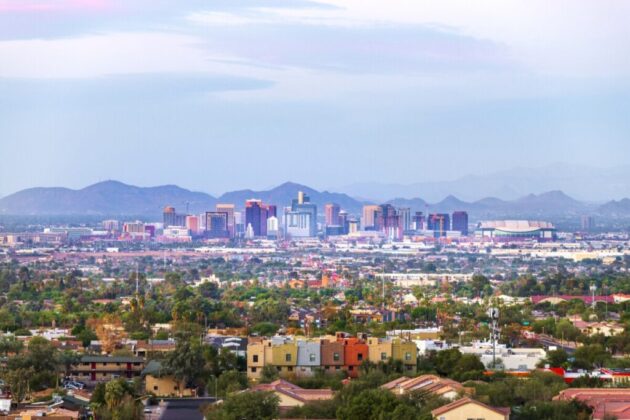
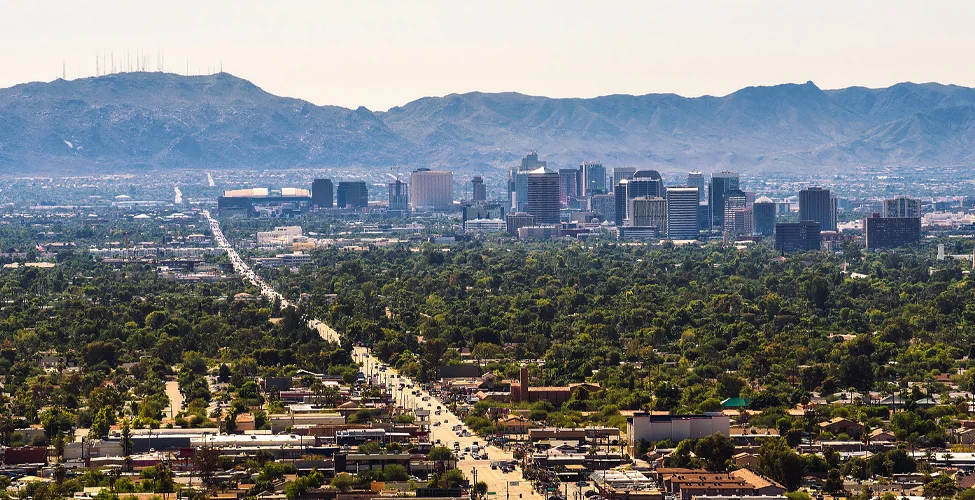
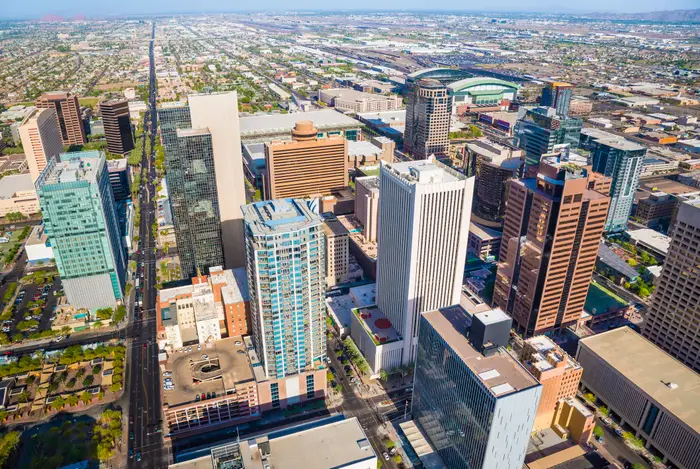
Phoenix, Arizona, known as the “Valley of the Sun,” is a vibrant desert metropolis that blends stunning natural landscapes, rich cultural heritage, and urban sophistication. As the capital of Arizona and the fifth-largest city in the U.S., Phoenix offers year-round sunshine, world-class resorts, outdoor adventures, and a thriving arts and culinary scene. Whether you’re hiking iconic trails, exploring Native American history, or savoring Southwestern cuisine, this guide will help you plan an unforgettable trip to Phoenix.
Why Visit Phoenix?
Phoenix is a destination that caters to diverse travelers. Its Sonoran Desert setting provides a dramatic backdrop for outdoor activities like hiking, golfing, and hot-air ballooning. The city’s cultural attractions, including the Heard Museum and Phoenix Art Museum, showcase Native American heritage and global art. With over 200 golf courses, luxurious spas, and a dynamic food scene featuring James Beard-awarded chefs, Phoenix is ideal for adventure seekers, families, and luxury travelers alike. Its proximity to iconic sites like the Grand Canyon makes it a perfect base for exploring Arizona.
How to Get There
By Air: Phoenix Sky Harbor International Airport (PHX), located 3 miles southeast of downtown, is a major hub for American Airlines and Southwest Airlines, serving over 20 carriers. Nonstop flights connect Phoenix to major U.S. cities, Canada, Mexico, and Europe. Phoenix-Mesa Gateway Airport (AZA), 30 miles southeast, is a smaller airport serving Allegiant and Sun Country Airlines, ideal for budget travelers. From Sky Harbor, taxis, rideshares (Uber/Lyft), or the Valley Metro light rail (to downtown) cost $10–25. The airport’s Rental Car Center, accessible via shuttle, offers major car rental companies.
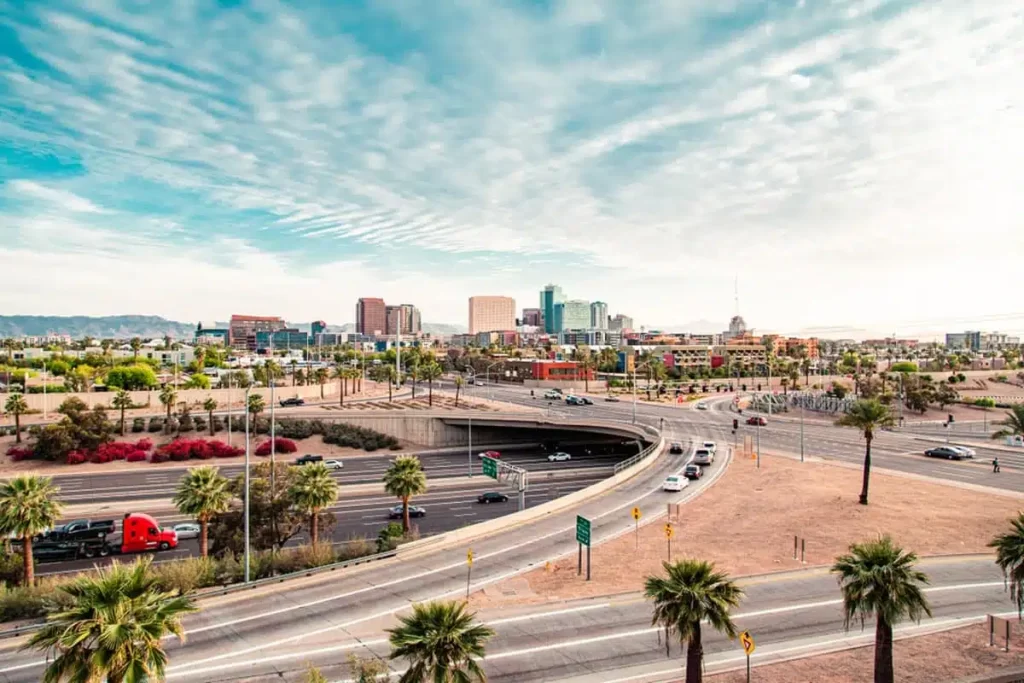
By Car: Phoenix is crisscrossed by major freeways, including I-10, I-17, and Loop 101. From Los Angeles, it’s a 6-hour drive (370 miles); from Las Vegas, 4.5 hours (300 miles). Note: Phoenix is car-centric, and a rental car is recommended for exploring suburbs like Scottsdale or Mesa.
By Public Transport: Amtrak service to Phoenix was discontinued, with the nearest station in Maricopa (35 miles south), connected by shuttle or taxi. Valley Metro light rail and buses serve downtown, Tempe, and Mesa, with an all-day pass costing $4.
Best Time to Visit
November–April (Peak Season): Mild temperatures (60s–80s°F) make this ideal for outdoor activities. Expect higher hotel rates and crowds, especially during spring training (February–March) and golf tournaments. Book early for events like the Waste Management Phoenix Open.
May–October (Low Season): Summer highs often exceed 100°F, but hotel rates drop significantly, with luxury resorts offering deals. Indoor attractions and early morning hikes are recommended to beat the heat.
Events: Visit during First Friday art walks in Roosevelt Row (monthly) or seasonal events like ZooLights at Phoenix Zoo (November–January) for festive vibes.
Weather Tip: Always carry sunscreen, a hat, and water, especially in summer. Spring and fall offer comfortable conditions for hiking and golfing.
Things to Do
Desert Botanical Garden
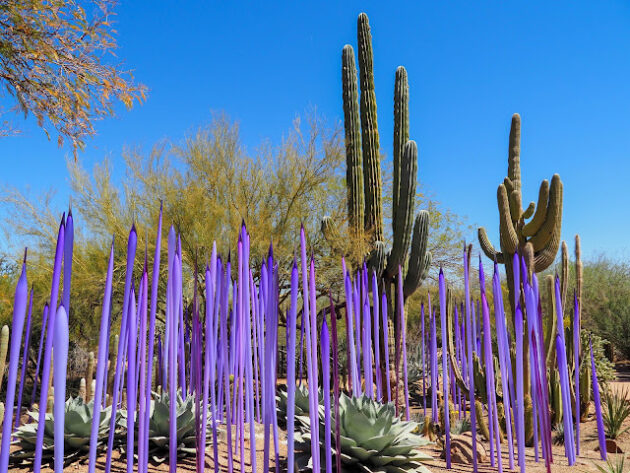
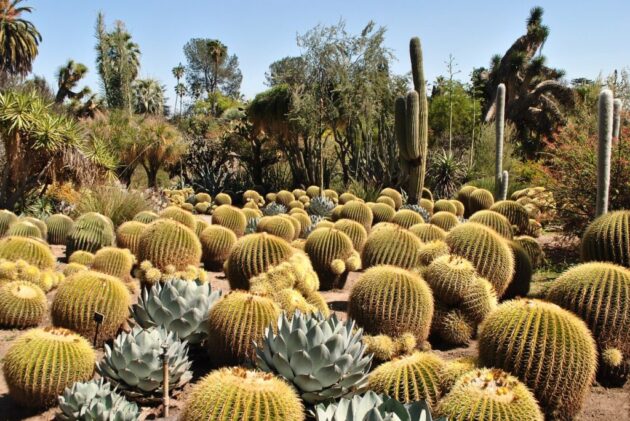
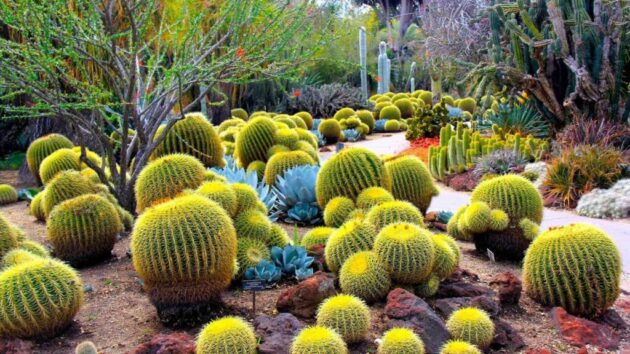
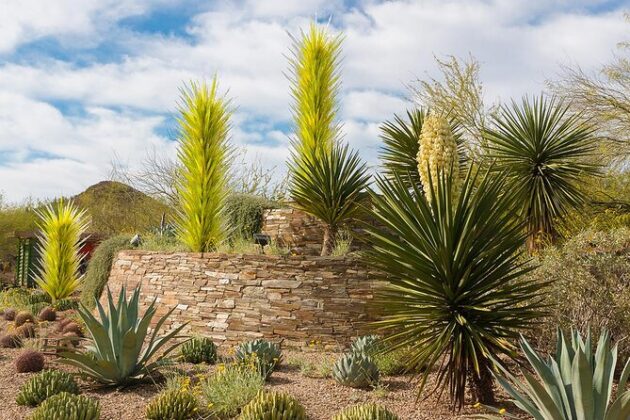
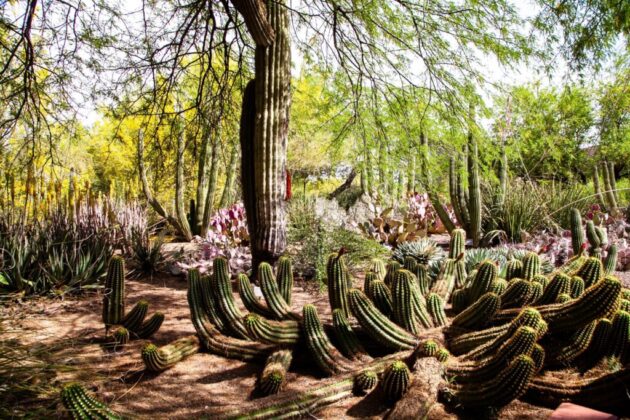
The Desert Botanical Garden in Phoenix, Arizona, is one of the world’s largest outdoor collections of desert plants, spanning 140 acres and showcasing over 50,000 plants, including rare and endangered species. Established in 1939, it features five thematic loop trails highlighting desert flora, wildlife, and indigenous uses of plants. The garden also offers educational programs, seasonal events, art exhibitions, and dining options, blending conservation, research, and tourism.
Phoenix Zoo
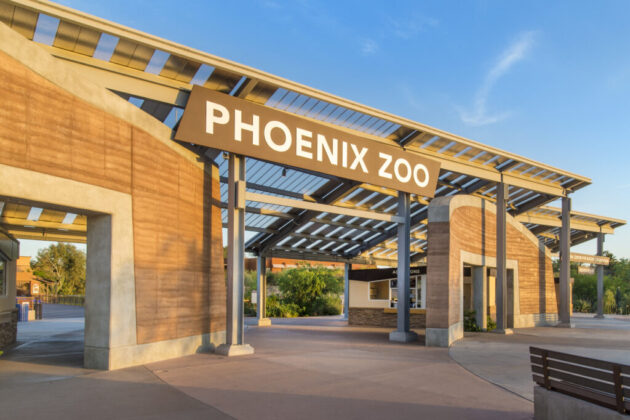
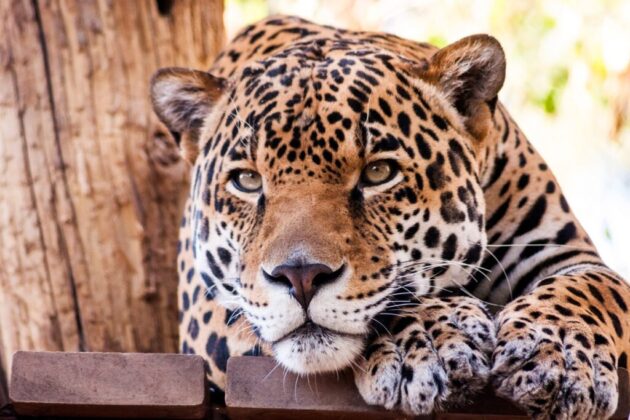
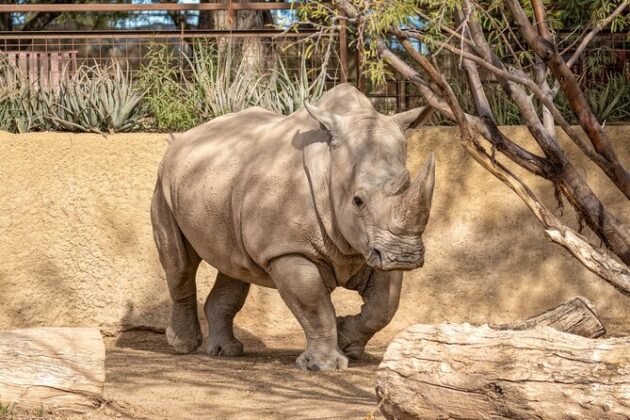
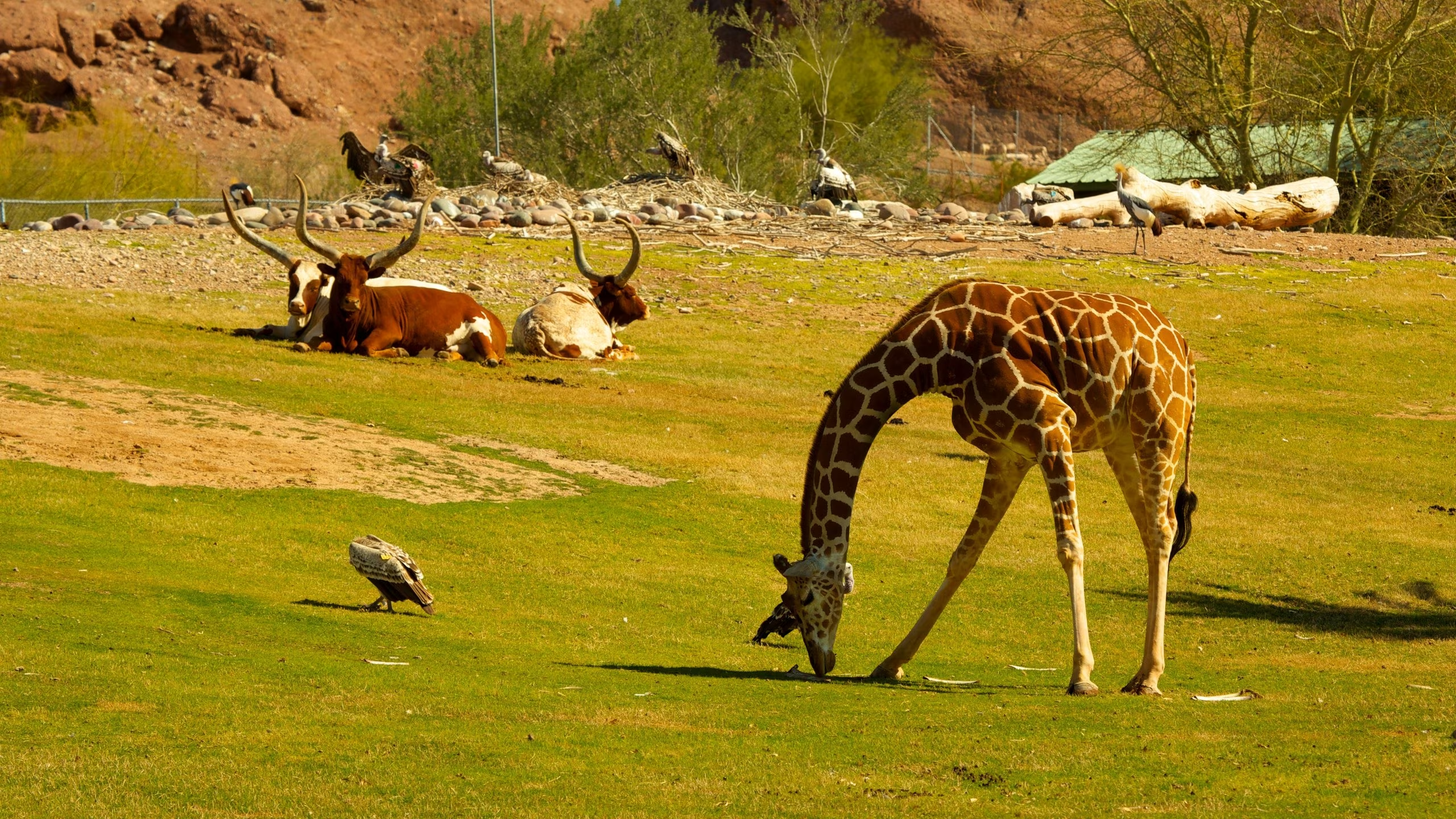
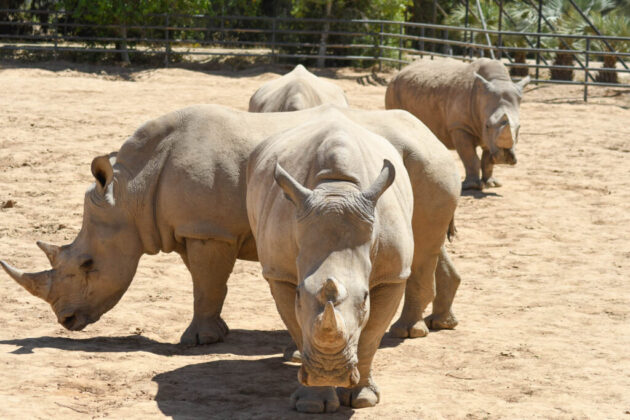
The Phoenix Zoo, located in Phoenix, Arizona, is one of the largest non-profit zoos in the United States, founded in 1962 by Robert Maytag. Spanning 125 acres (0.51 km²), it houses over 1,300 animals, including 200 endangered species. The zoo is divided into four main regions: Arizona Trail, Africa Trail, Tropics Trail, and Children’s Trail, featuring exhibits like stingray bays, lions, giraffes, and a petting zoo for kids. Visitors can explore via 4 km of walking trails or guided tours. Seasonal hours vary, with summer closures as early as 2 PM due to heat.
South Mountain Park and Preserve
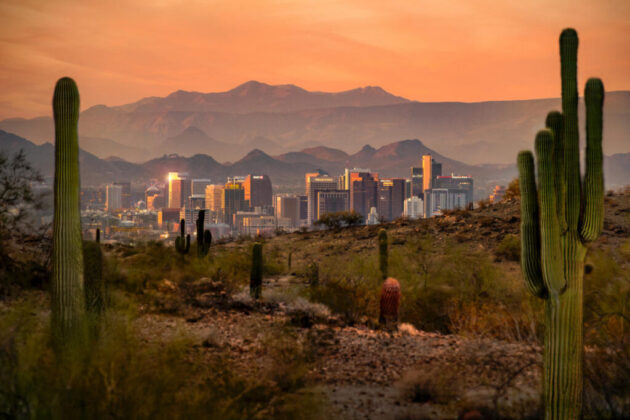
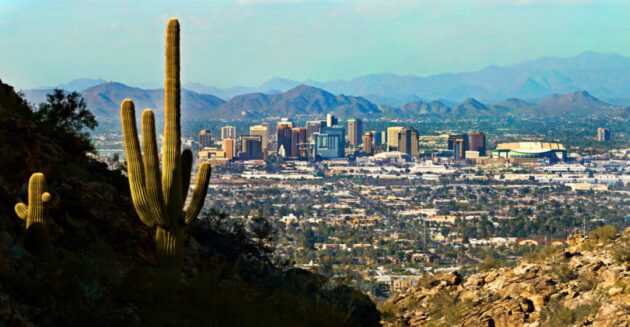
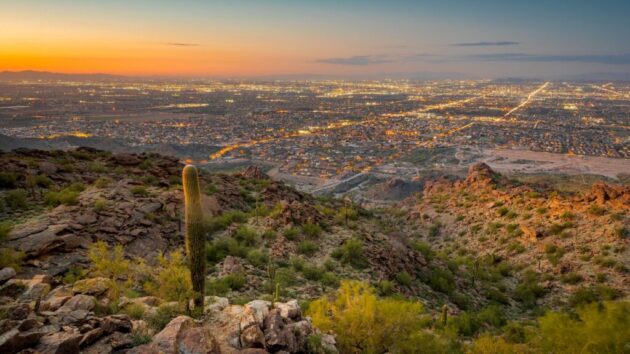
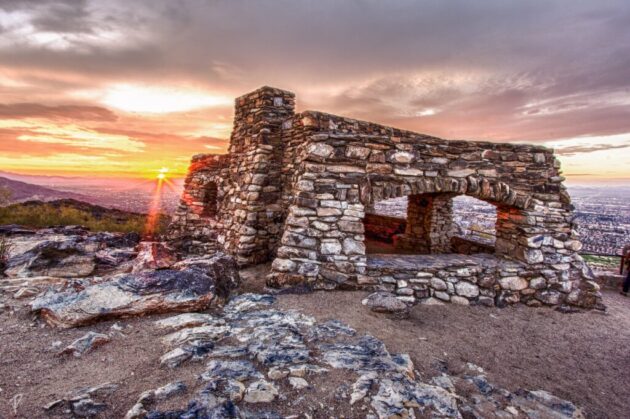
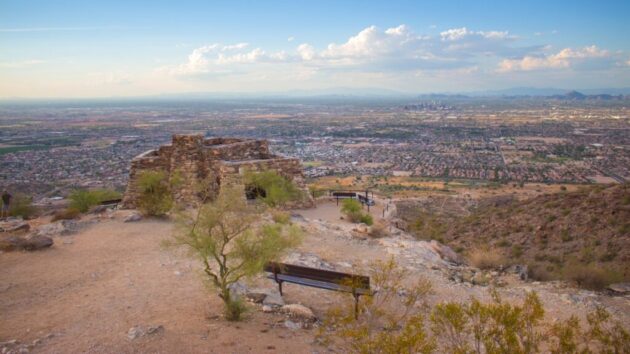
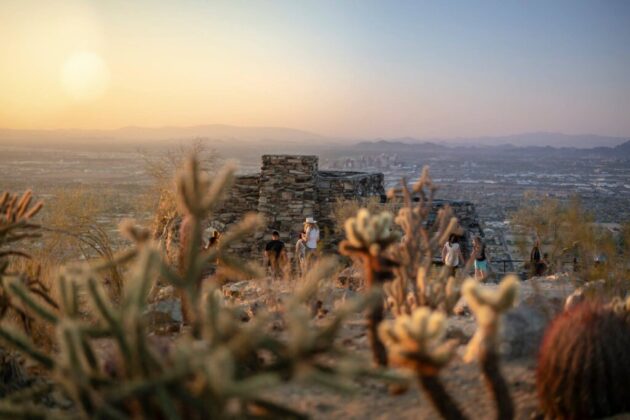
South Mountain Park and Preserve in Phoenix, Arizona, is one of the largest municipal parks in the world, spanning over 16,000 acres (approximately 6,475 hectares). It offers a variety of outdoor activities, including hiking, mountain biking, and horseback riding, with trails ranging from easy walks to challenging climbs. The park features scenic viewpoints like Dobbins Lookout, providing stunning panoramic views of Phoenix, especially at sunrise or sunset. Admission is free, and visitors can explore its desert landscapes, historical exhibits at the Environmental Center, and picnic areas.
Camelback Mountain
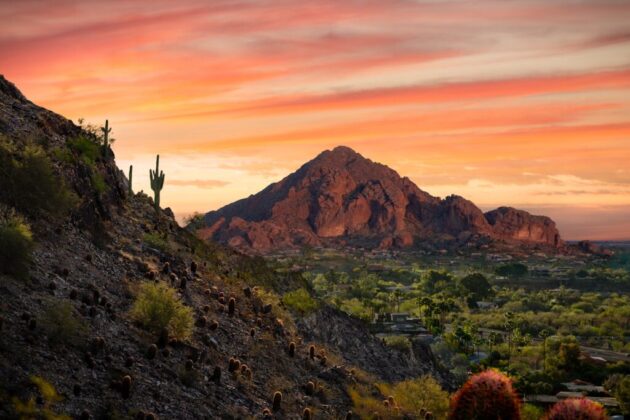
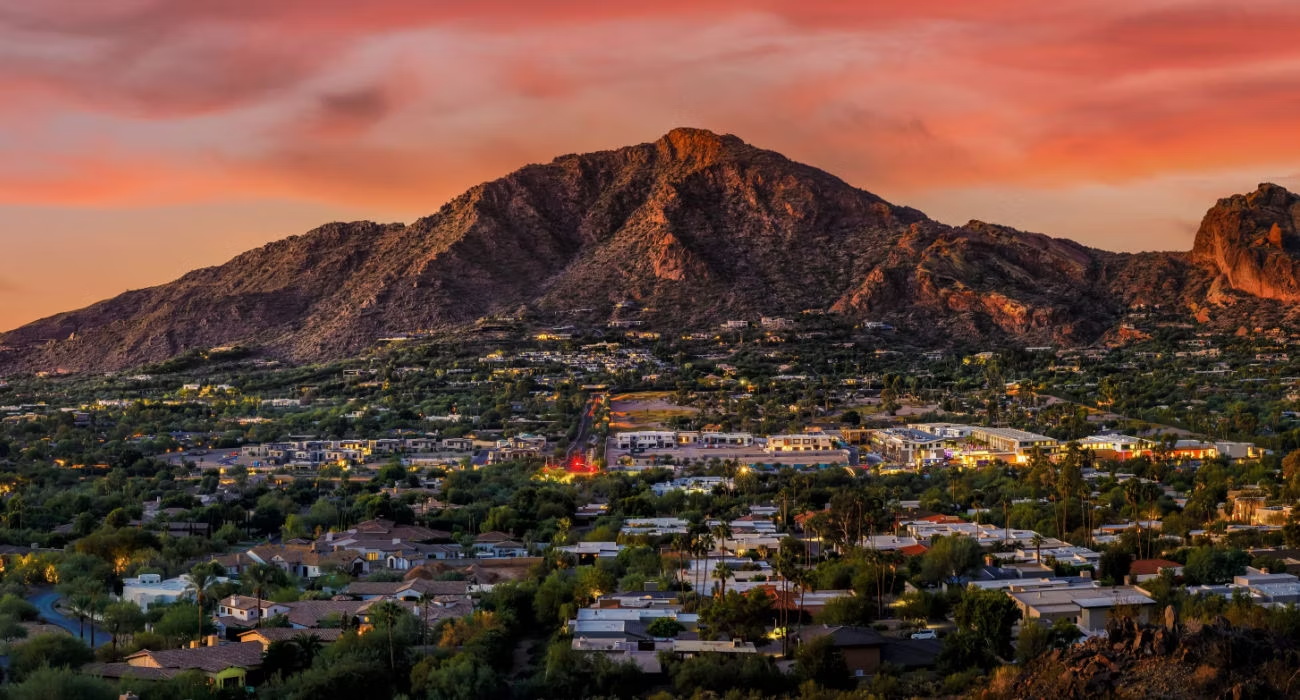
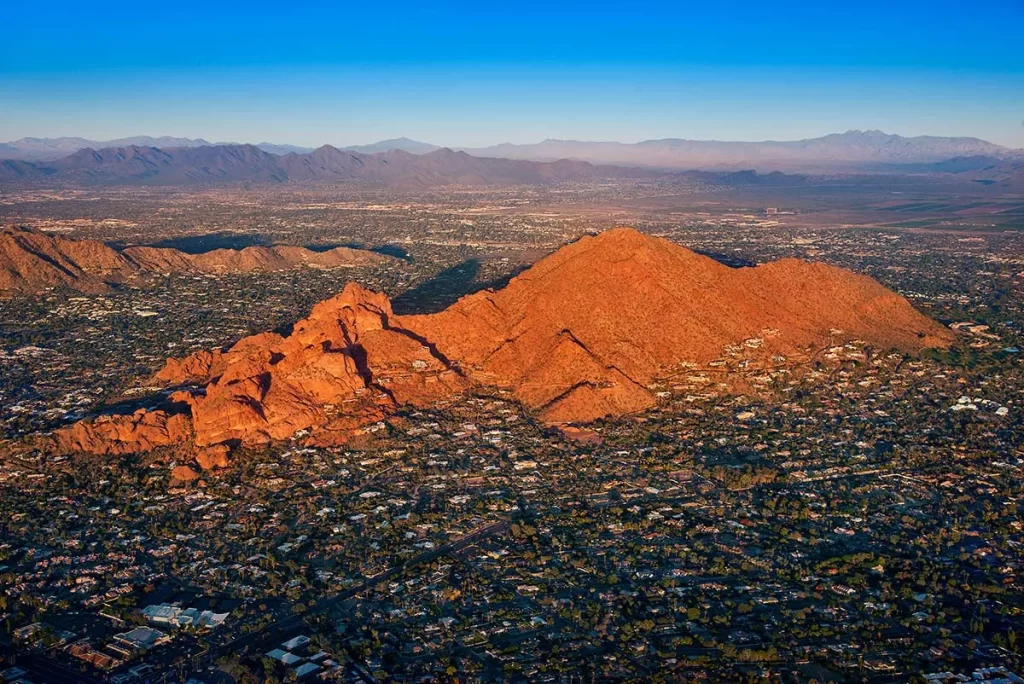
Camelback Mountain is a prominent landmark in Phoenix, Arizona, known for its distinctive camel-like shape formed by its sandstone “head” and granite “hump.” Rising to 2,704 feet (824 meters), it offers two challenging hiking trails—Echo Canyon (1.1 miles) and Cholla Trail (1.4 miles)—both featuring steep climbs and rewarding panoramic views of the Phoenix Valley. Popular among hikers, the mountain is part of the Echo Canyon Recreation Area and is best visited in cooler months due to extreme summer heat.
Heard Museum
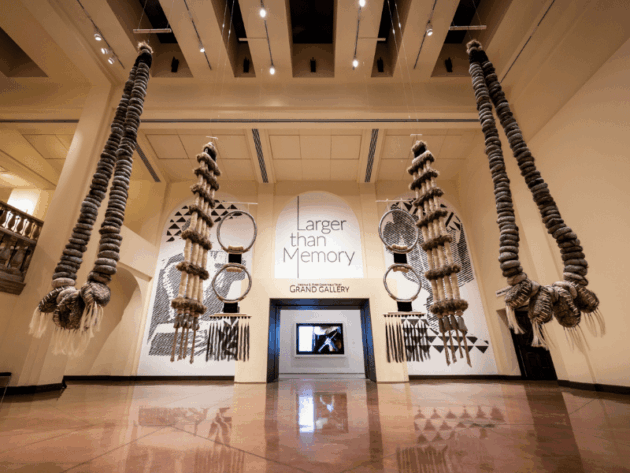
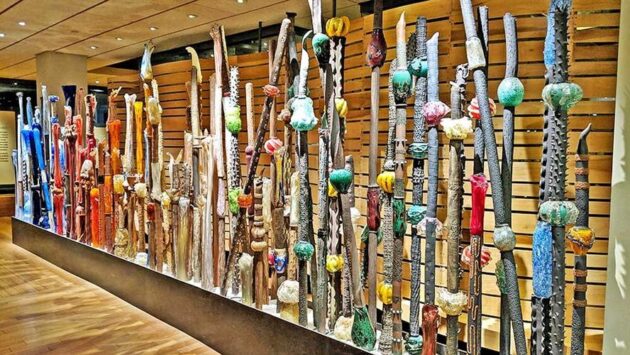
The Heard Museum in Phoenix, Arizona, is a renowned institution dedicated to Native American art and culture. Established in 1929, it houses over 40,000 artifacts, including pottery, textiles, jewelry, and the famous Hopi Kachina dolls. The museum features 12,000 square meters of exhibition space, cultural performances, educational programs, and annual events like the World Championship Hoop Dance Contest. It also offers a café, a research library, and free admission for Native Americans.



Papago Park
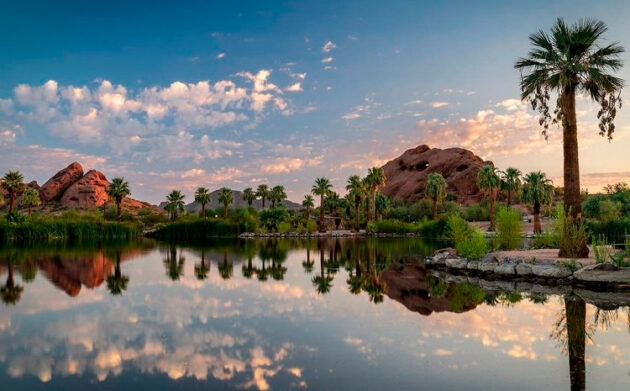
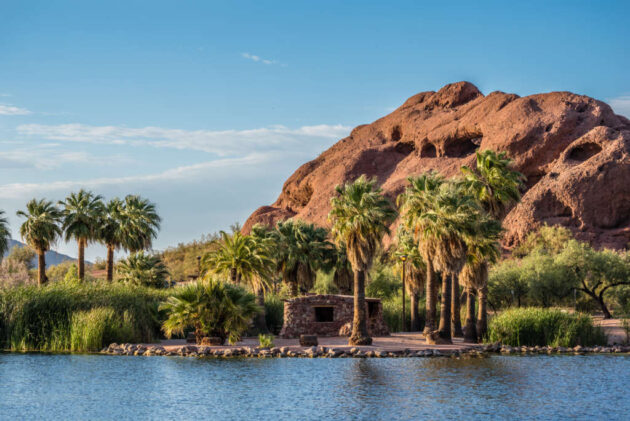
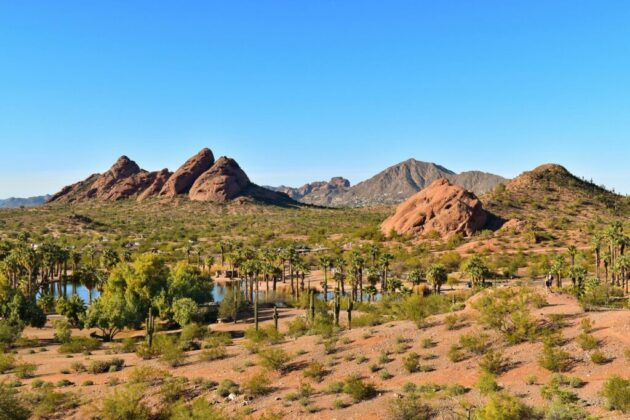
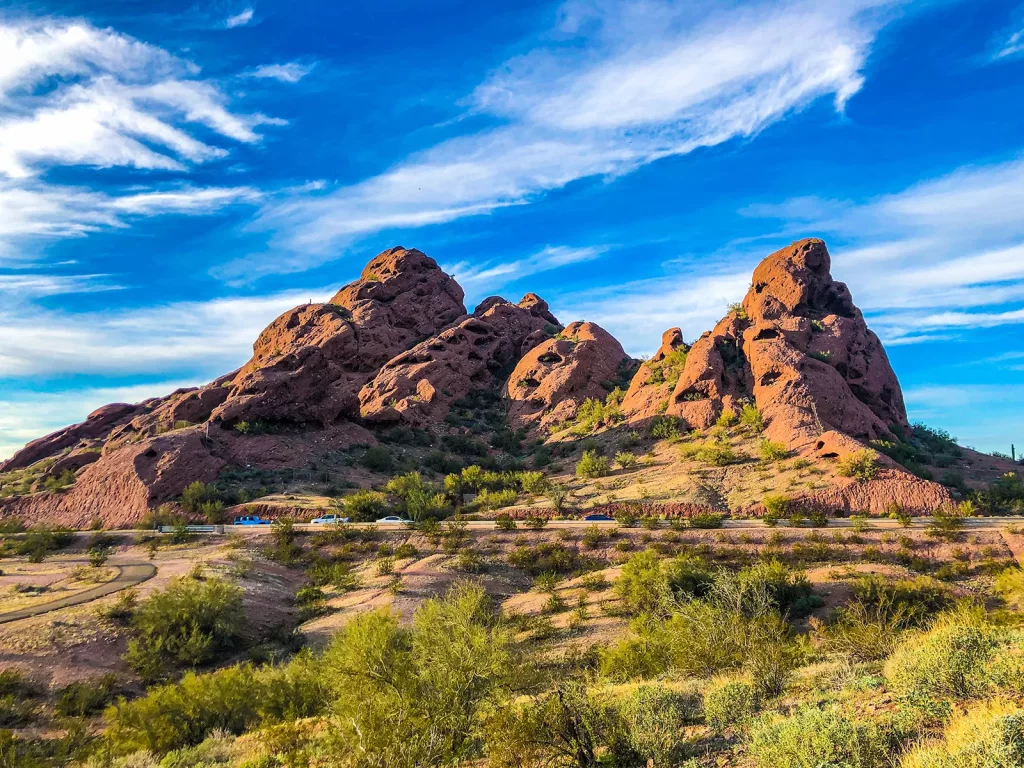
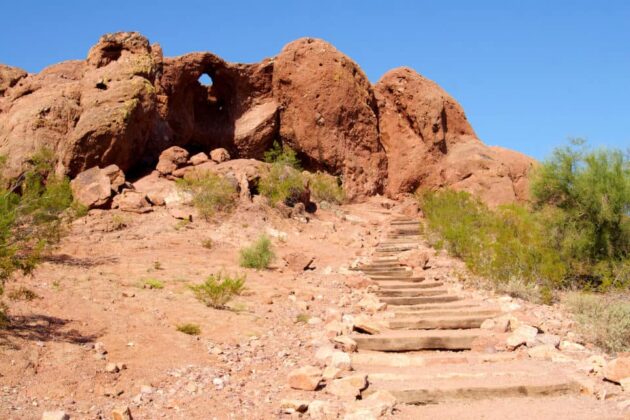
Papago Park in Phoenix, Arizona, is a renowned desert park featuring unique red sandstone formations, scenic hiking trails, and the famous Hole-in-the-Rock, a natural geological wonder formed over millions of years of erosion. Visitors can enjoy panoramic views of the city and desert landscapes, especially at sunset. The park also houses the Phoenix Zoo and the Desert Botanical Garden, showcasing diverse wildlife and thousands of cacti species.
Phoenix Art Museum
The Phoenix Art Museum, located in Phoenix, Arizona, is the largest visual arts museum in the southwestern United States. Established in 1959, it spans 285,000 square feet and houses a diverse collection of over 18,000 artworks, including American, Asian, European, Latin American, and contemporary art, as well as fashion design. The museum features rotating international exhibitions, interactive galleries for children (such as The Hub), a sculpture garden, and hosts cultural events, film screenings, and educational programs year-round.





Musical Instrument Museum
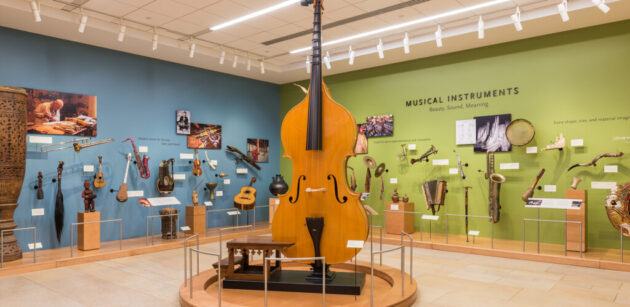
The Musical Instrument Museum (MIM) in Phoenix, Arizona, is the world’s largest museum dedicated to musical instruments, featuring over 15,000 instruments from 200+ countries. Opened in 2010, it spans 19,000 square feet and offers an immersive experience with wireless headphones that play corresponding music as visitors approach exhibits. Highlights include the Mechanical Music Gallery, showcasing rare self-playing instruments, and the Artist Gallery, displaying iconic instruments used by legends like Elvis Presley and Taylor Swift.


Old Town Scottsdale
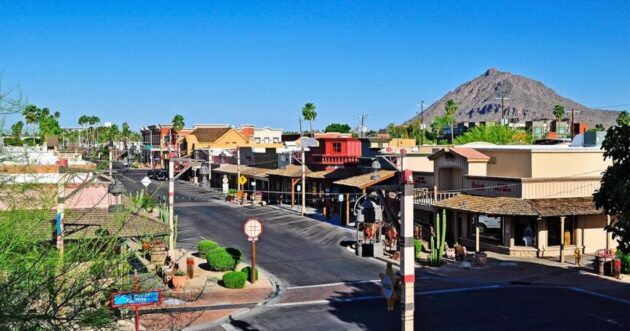
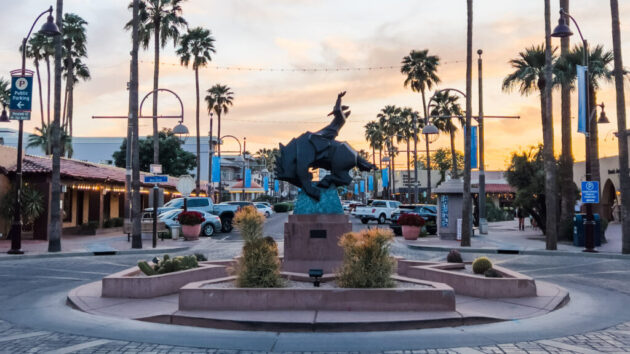
Old Town Scottsdale, located in Phoenix, Arizona, is a charming historic district known for its blend of Southwestern culture, art galleries, boutique shops, and vibrant dining and nightlife. This walkable area features iconic landmarks like the Bronze Horse Fountain, adobe-style architecture, and the lively 5th Avenue Shops with unique crafts and souvenirs. It also hosts events like the Scottsdale Art Walk and offers easy access to upscale shopping at Scottsdale Fashion Square.

Where to Eat
Phoenix’s culinary scene is diverse, with award-winning restaurants and authentic Southwestern flavors:
Kai (Chandler): A luxury Native American dining experience with seasonal tasting menus. Reservations required; expect $100–200 per person. Pizzeria Bianco: James Beard-awarded for its wood-fired pizzas. Try the Margherita for $15–20.
Barrio Café: Elevated Mexican cuisine, famous for its chiles en nogada. Entrées $20–30. Fry Bread House: Native American diner serving tacos on fry bread for $10–15.
Durant’s: Classic steakhouse with a retro vibe, known for its porterhouse ($40–60). Ocotillo: Modern farm-to-table dishes with a desert-chic patio. Mains $15–25.
Tip: Reserve tables in advance for fine dining, especially in winter. For casual eats, food trucks in Roosevelt Row offer affordable options during First Fridays.
Where to Stay
Arizona Biltmore (Biltmore Area): A historic luxury resort with seven pools and award-winning dining. Rooms start at $300/night in peak season. The Camby (Biltmore Area): A stylish boutique hotel with desert-inspired decor, from $150–250/night.
Hyatt Regency Phoenix (Downtown): Convenient for sports and concerts, with rates of $100–200/night. Motel 6 Phoenix Airport (Airport Area): Budget-friendly, with rooms around $60–80/night. Scottsdale Resorts: Nearby resorts like Adero Scottsdale or JW Marriott Camelback Inn offer luxury with mountain views, starting at $200–400/night.
Booking Tip: Use AAA, Booking.com, or visitphoenix.com for discounts. Summer rates are often 30–50% lower than winter.
Tips for a Great Visit
Stay Hydrated: Carry a reusable water bottle, especially for outdoor activities. Summer heat can be dangerous without preparation. Plan for Traffic: Phoenix’s sprawl means attractions can be 20–30 minutes apart by car. Use Waze or Google Maps to navigate freeways.
Dress in Layers: Desert nights are cooler, even in summer. Comfortable shoes are a must for hiking or walking downtown. Explore Day Trips: The Grand Canyon (3.5 hours), Sedona (2 hours), or Tonto National Forest (1 hour) are accessible via guided tours or car.
Respect Nature: Stick to marked trails to protect fragile desert ecosystems. Avoid touching cacti or wildlife. Language: English is primary, but Spanish is widely spoken due to the large Hispanic population.
Final Thoughts
Phoenix, Arizona, is a dynamic destination where desert beauty meets urban energy. From hiking Camelback Mountain to savoring Native American cuisine at Kai, the city offers endless ways to connect with its landscapes and culture. Plan around the seasons, embrace the sunshine, and let Phoenix’s Southwestern charm create lasting memories. For more tips, order a free travel guide at visitphoenix.com.
Happy travels!