A Travel Guide to Saguaro National Park
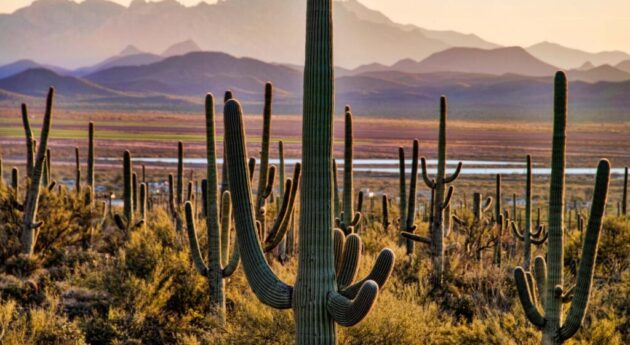
Saguaro National Park, located in southern Arizona near Tucson, is a stunning showcase of the Sonoran Desert’s iconic giant saguaro cacti, the towering symbols of the American Southwest. Spanning over 91,000 acres, the park is divided into two districts—Tucson Mountain District (West) and Rincon Mountain District (East)—flanking the city of Tucson. With its dramatic desert landscapes, diverse wildlife, and rich cultural history, this national park offers a unique blend of natural beauty and adventure. Whether you’re hiking among cacti, chasing sunsets, or exploring ancient petroglyphs, this guide will help you plan an unforgettable visit.
Why Visit Saguaro National Park?
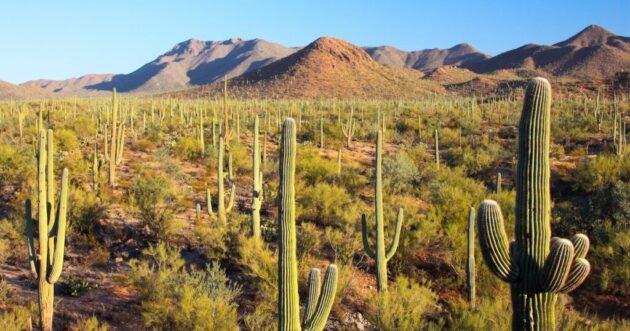
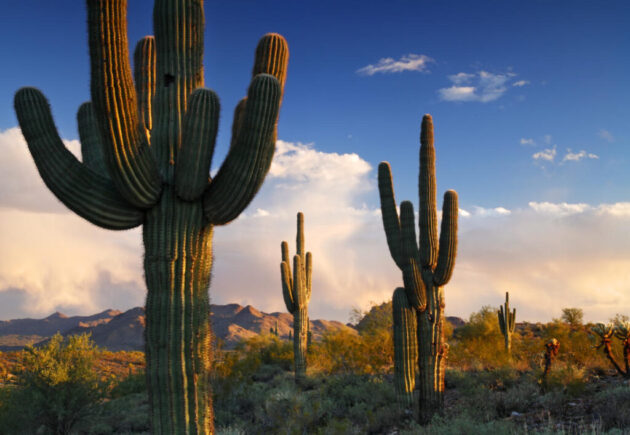
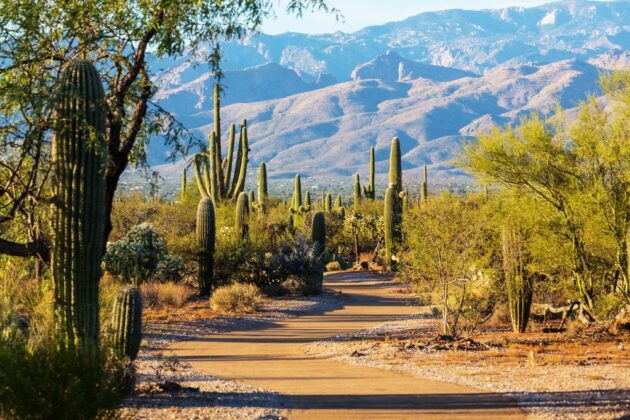
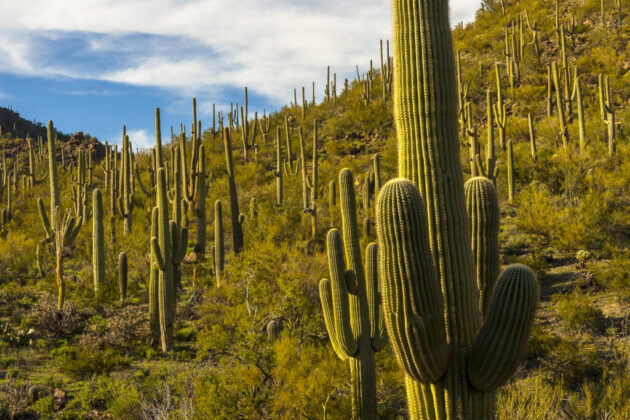
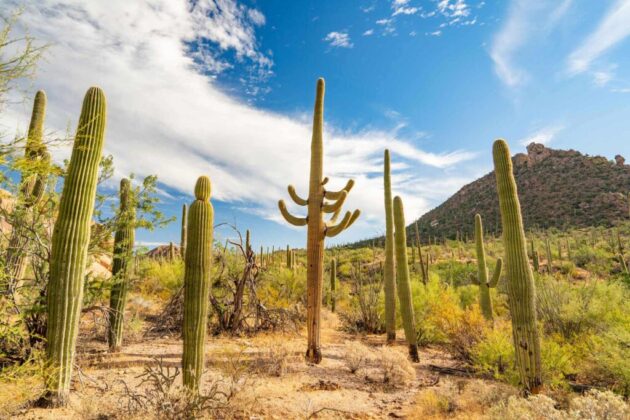
Saguaro National Park is renowned for its dense forests of saguaro cacti, which can grow up to 50 feet tall and live for over 200 years. These majestic plants, unique to the Sonoran Desert, are joined by over 25 other cactus species, vibrant wildflowers, and wildlife like javelinas, roadrunners, and Gila monsters. The park’s two districts offer distinct experiences: the West District boasts denser saguaro populations and rugged terrain, while the East District features higher elevations and greater biodiversity, including black bears and oak woodlands. With 165 miles of trails, scenic drives, and cultural ties to the Tohono O’odham people, the park is a must-visit for nature lovers and photographers.
How to Get There
Saguaro National Park is easily accessible from Tucson, Arizona, with both districts about 10–15 miles from the city center.
By Air: Tucson International Airport (TUS) is the closest airport, about 25 minutes from either district. It serves major airlines like Delta, United, and Southwest. Phoenix Sky Harbor International Airport (PHX) is an alternative, about a 90-minute drive to Tucson via Interstate 10.
By Car: Tucson Mountain District (West): Use the address 2700 N. Kinney Road, Tucson, AZ 85743. From Tucson, it’s a 30-minute drive via Speedway Blvd or Gates Pass, a scenic route with stunning views. Avoid relying on GPS alone, as it may lead you astray. Rincon Mountain District (East): Use the address 3693 S. Old Spanish Trail, Tucson, AZ 85730. It’s about a 25-minute drive from downtown Tucson. Rental cars are affordable at Tucson Airport (as low as $25/day) and recommended for flexibility.
By Public Transport: Public buses in Tucson (Sun Tran) don’t directly reach the park, but you can take a bus to central Tucson and then use a taxi or ride-hailing service (e.g., Uber, Lyft) to the park entrances.
Tip: The West District is closer to other attractions like the Arizona-Sonora Desert Museum, making it a good base for a day trip.
Best Time to Visit
Spring (March–May): Ideal for cactus blooms and wildflowers, with vibrant colors and mild temperatures (60–80°F). The cactus flower season (April–May) is a highlight, with magentas, reds, and yellows dotting the desert. Fall (October–November): Pleasant daytime temperatures (70–85°F) and fewer crowds make this a great time for hiking.
Winter (December–February): Daytime highs of 50–70°F are comfortable, but nights can drop below freezing. Perfect for avoiding summer heat. Summer (June–September): Hot (90–100°F+) and prone to monsoon storms with flash floods, so early morning visits are best. Avoid July for heavy rains.
Crowds: The park is busiest from November to March. For fewer visitors and vivid blooms, aim for mid-March to mid-April.
Tickets and Opening Hours
Opening Hours: The park is open 24/7 for pedestrians and cyclists. Vehicle access is from sunrise to sunset in the West District and 6:00 AM (or earlier if staffed) to sunset in the East District. Red Hills Visitor Center (West): 9:00 AM–5:00 PM (October–May), 8:00 AM–4:00 PM (June–September). Rincon Mountain Visitor Center (East): 9:00 AM–5:00 PM year-round.
Entrance Fees: $25 per vehicle, $20 per motorcycle, $15 per pedestrian/cyclist (valid for 7 days, both districts). America the Beautiful Pass ($80 annually) covers entry to all U.S. national parks and is a great value for frequent visitors. Payment is cashless (credit/debit cards only) at visitor centers or online via Recreation.gov. Free entrance days occur on holidays like Martin Luther King Jr. Day (January 20). Check www.nps.gov for updates.
Tip: No reservations are required for entry, but backcountry camping in the East District needs a permit.
What to See and Do
Tucson Mountain District (West)
Bajada Loop Drive: A 6-mile scenic gravel road with pull-offs for photos and trail access. Highlights include the Valley View Overlook Trail (0.8 miles, easy) for panoramic views and the Signal Hill Trail (0.5 miles, easy) to see ancient Hohokam petroglyphs.
Hiking: The Hugh Norris Trail (9.8 miles round-trip, strenuous) leads to Wasson Peak, the highest point in the Tucson Mountains, with stunning saguaro vistas. The Sendero Esperanza Trail (6.4 miles, moderate) is another favorite.
Nearby Attractions: Combine your visit with the Arizona-Sonora Desert Museum (2 miles away), a world-class zoo and botanical garden, or Old Tucson, a Western-themed park.
Rincon Mountain District (East)
Cactus Forest Drive: An 8-mile paved loop with scenic pull-offs like Javelina Rocks and access to easy trails like the Mica View Trail (2 miles, easy, wheelchair-accessible). Perfect for families and photography.
Hiking: The Tanque Verde Ridge Trail (0.5 miles to viewpoint, moderate) offers epic sunset views. For advanced hikers, the Arizona Trail connects to backcountry routes through the Rincon Mountains.
Backcountry Camping: Available only in the East District, with permits required. Ideal for those seeking solitude.
General Activities
Wildlife Viewing: Spot coyotes, roadrunners, Gila monsters, and over 350 bird species like the cactus wren (Arizona’s state bird). In the East District, look for black bears at higher elevations.
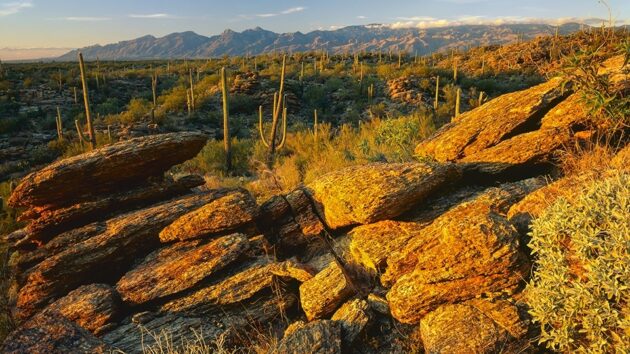
Sunset Watching: The West District’s Gates Pass Overlook and the East District’s Javelina Rocks are prime spots for breathtaking desert sunsets.
Cultural Exploration: Learn about the Tohono O’odham’s connection to the saguaro, whose fruit is harvested for traditional foods and medicines. Ranger-led talks at the visitor centers cover this history.
Safety Tips: Bring plenty of water (1 liter per hour of hiking), wear sun protection, and stay on trails to avoid rattlesnakes and cactus spines. Carry tweezers or a multi-tool for spine removal.
Where to Eat
Inside the Park: No dining facilities are available, so pack snacks, water, and a picnic. Picnic areas like Signal Hill (West) are scenic spots to eat.
Nearby: Arizona-Sonora Desert Museum (West): The museum’s restaurant and Coyote Pause Cafe offer casual dining with desert views. Tucson: Downtown Tucson (20–30 minutes away) has excellent Mexican food and other cuisines. Try El Charro Café for authentic Sonoran dishes.
Tip: Stock up on supplies at grocery stores in Tucson before heading to the park.
Where to Stay
Tucson (20–30 minutes from both districts): Luxury: Loews Ventana Canyon Resort (~15 miles from East District), with pools and mountain views, starting at $200/night. Mid-Range: Hotel McCoy (~10 miles from West District), a budget-friendly option with a pool, from $100/night. Budget: Tucson Marriott University Park, near downtown, from $80/night.
Marana (near West District): Offers motels, resorts, and camping options like Catalina State Park for a desert experience.
Camping: Backcountry camping is available in the East District with a permit. Nearby, Gilbert Ray Campground (West District, 5 miles away) offers tent and RV sites.
Booking Tip: Book accommodations early for spring and fall, as Tucson’s mild weather attracts many visitors. Use Booking.com or VisitTucson.org for deals.
Tips for a Great Visit
Choose Your District: If you have limited time (half a day), prioritize the West District for its denser saguaro forests and shorter hikes. With a full day, visit both districts, starting early to avoid heat. Gear Up: Wear sturdy shoes, a hat, and sunscreen. Bring binoculars for wildlife and a camera for sunset shots (saguaros don’t photograph well in low light, so aim for golden hour).
Respect the Environment: Stay on trails, don’t touch cacti, and leave no trace to protect the delicate desert ecosystem. Combine Your Trip: Pair your visit with the Arizona-Sonora Desert Museum or a drive up Mt. Lemmon Scenic Byway for a full Southern Arizona experience. Check Weather: Monsoon season (July–August) brings flash floods, so check forecasts and trail conditions at www.nps.gov/sagu.
Final Thoughts
Saguaro National Park is a celebration of the Sonoran Desert’s raw beauty and resilience, where towering cacti, vibrant wildlife, and dramatic sunsets create an unforgettable experience. Whether you’re hiking to ancient petroglyphs, driving scenic loops, or learning about the Tohono O’odham’s cultural ties, the park offers something for every traveler. Plan your visit to embrace the desert’s magic, and let Saguaro National Park leave you in awe of the American Southwest.
Happy travels!