


A Travel Guide to Death Valley National Park
Death Valley National Park, located in eastern California and straddling the Nevada border, is a land of extremes—known as the hottest, driest, and lowest place in North America. Spanning over 3.4 million acres, it features otherworldly landscapes, from the salt flats of Badwater Basin to the colorful rock formations of Zabriskie Point. Whether you’re an adventure seeker, a photographer, or a nature enthusiast, this guide will help you plan an unforgettable trip to one of the most unique national parks in the United States.
Why Visit Death Valley National Park?
Death Valley is a geological wonder, offering a starkly beautiful mix of deserts, mountains, and canyons. It holds the record for the highest recorded temperature on Earth (134°F/56.7°C in 1913) and is home to Badwater Basin, the lowest point in North America at 282 feet below sea level. Beyond its extremes, the park boasts vibrant wildflower blooms in spring, star-filled night skies, and historical sites like old mining ruins. Its vastness and diversity make it a bucket-list destination for travelers seeking both adventure and solitude.
How to Get There
Death Valley National Park is remote, located about 2–3 hours from Las Vegas, Nevada, and 4–5 hours from Los Angeles, California. Here are the main ways to reach it:
By Car: From Las Vegas (120 miles to Furnace Creek): Take US-95 North to NV-374, or I-15 to CA-127 via Pahrump for a scenic route. The drive takes about 2 hours to the park’s main hub. From Los Angeles (250–300 miles): Take I-15 North to CA-127 or CA-190 via Barstow. Expect a 4–5-hour drive depending on your route.
Car Rental: Available in Las Vegas or Los Angeles. A 4WD vehicle is recommended for off-road areas like Racetrack Playa, but most main roads are accessible with a standard car. Note: Gas stations are scarce within the park. Fill up in Beatty, NV, Pahrump, NV, or Baker, CA, before entering.
By Public Transport: No direct public transit serves the park. The closest option is a bus to Las Vegas (e.g., Greyhound), followed by a rental car or tour.
Guided Tours: Day tours from Las Vegas (e.g., Pink Jeep Tours or Viator) cost $200–300 per person and cover major sites like Badwater Basin and Dante’s View.
Parking: The park has ample parking at major viewpoints and trailheads, with a $30 entrance fee per vehicle (valid for 7 days). National Park Passes ($80/year) are accepted.
Best Time to Visit
Death Valley’s climate is extreme, so timing is crucial:
Spring (March–April): Ideal for mild weather (70–85°F/21–29°C) and wildflower blooms, especially after wet winters. Book accommodations early, as this is peak season. Fall (October–November): Comfortable temperatures (65–80°F/18–27°C) and fewer crowds make this another great time to visit.
Winter (December–February): Cool days (50–70°F/10–21°C) are perfect for hiking, but nights can dip below freezing. Summer (June–August): Avoid unless you’re prepared for intense heat (100–120°F/38–49°C). Many facilities close, and outdoor activities are risky without precautions.
Tip: Check weather forecasts on the National Park Service website (nps.gov/deva) and avoid midday hiking in summer. The park is a designated Dark Sky Park, so any season offers spectacular stargazing.
Tickets and Opening Hours
Entrance Fee: $30 per vehicle, $25 per motorcycle, or $15 per person (on foot or bike), valid for 7 days. America the Beautiful Pass ($80/year) covers entry.
Opening Hours: The park is open 24/7 year-round, but visitor centers (Furnace Creek and Stovepipe Wells) operate from 8:00 AM–5:00 PM, with reduced hours in summer.
Tickets: Pay at entrance stations or self-pay kiosks. Credit cards are accepted at major entry points.
What to See and Do
Badwater Basin: The lowest point in North America (282 feet below sea level), this vast salt flat is a must-see. Walk out onto the crusty salt polygons for surreal views. (0.5-mile round-trip, easy)


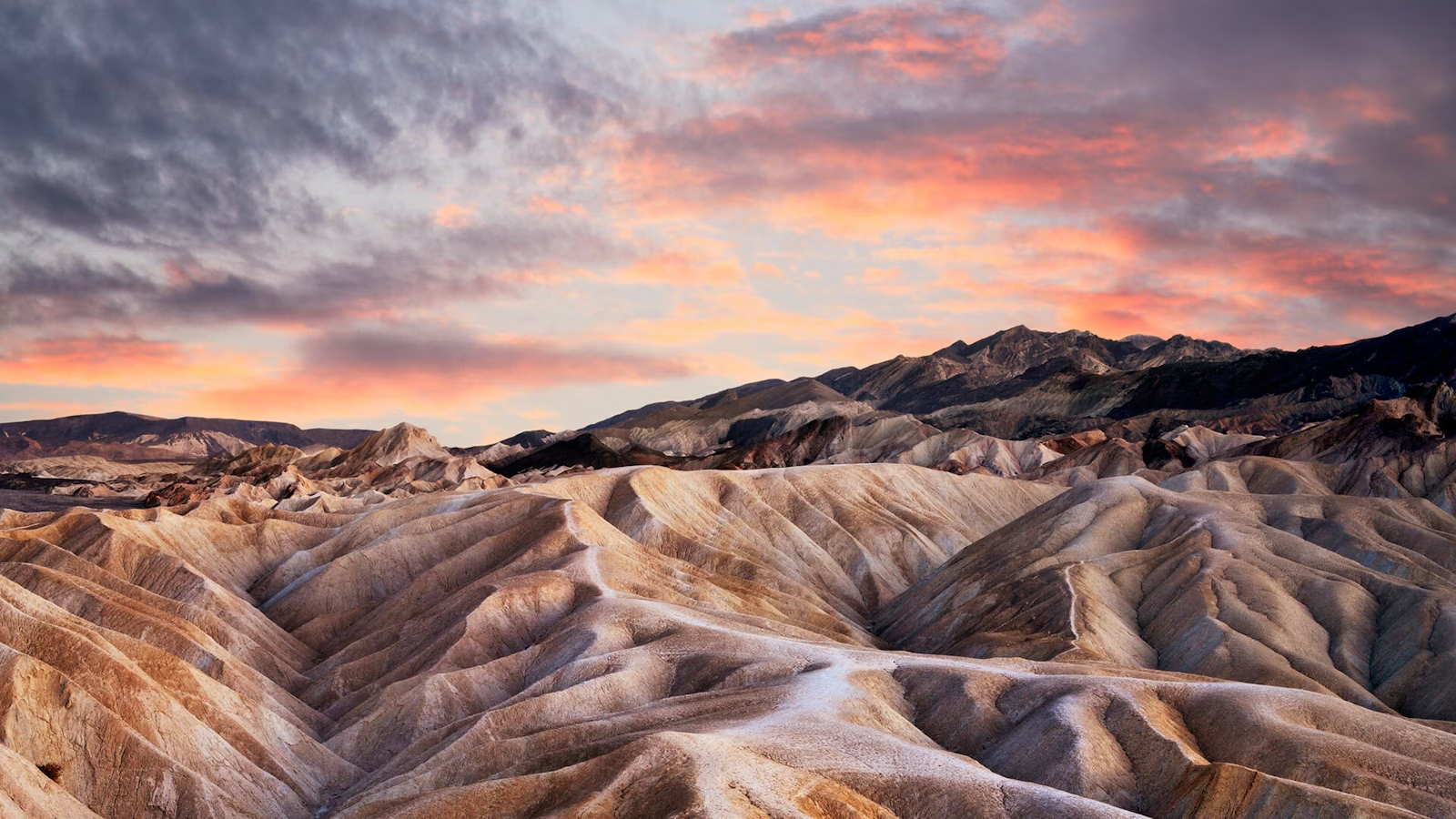
Zabriskie Point: Famous for its colorful, eroded badlands, this viewpoint is stunning at sunrise or sunset. A short paved trail (0.4 miles) leads to panoramic views.


Dante’s View: At 5,475 feet above sea level, this lookout offers sweeping views of Death Valley and Badwater Basin. The 26-mile drive from Furnace Creek is worth it. (No hiking required)


Mesquite Flat Sand Dunes: Accessible near Stovepipe Wells, these golden dunes are perfect for photography and exploring. Wander freely or hike 1–2 miles for a deeper experience. Best at dawn or dusk to avoid heat.


Racetrack Playa: See the mysterious “sailing stones” that leave trails across a dry lakebed. A high-clearance 4WD vehicle is required for the 27-mile gravel road. (Allow 4–6 hours round-trip from Ubehebe Crater)


Hiking: Golden Canyon (3–6 miles, moderate): A scenic trail through colorful rock formations, with optional loops to Red Cathedral or Gower Gulch.


Telescope Peak (14 miles round-trip, strenuous): The park’s highest point (11,049 feet) offers stunning views but requires preparation and a full day.


Mosaic Canyon (4 miles round-trip, moderate): A narrow canyon with polished marble walls, great for families.


Historical Sites: Scotty’s Castle: Currently closed due to flood damage (reopening TBD), but the visitor center offers exhibits on its quirky history.


Harmony Borax Works: Explore remnants of a 19th-century borax mining operation, with a short interpretive trail.


Stargazing: Bring a blanket and head to Mesquite Flat Sand Dunes or Harmony Borax Works for world-class stargazing. Join ranger-led stargazing programs (seasonal, check NPS schedule).
Where to Eat
Inside the Park: The Inn at Death Valley (Furnace Creek): Offers fine dining at the Inn Dining Room (reservations recommended, $30–50 per entrée) and casual fare at the Last Kind Words Saloon. The Ranch at Death Valley: Features the 1849 Buffet ($20–30) and a general store for snacks. Stovepipe Wells Village: Has a restaurant and saloon with affordable meals ($10–20).
Outside the Park: Limited options in Beatty, NV (Taco Bell, local diners) or Pahrump, NV (30–40 minutes away). Tip: Pack a cooler with water and snacks, as food options are limited, and summer heat requires constant hydration.
Where to Stay
Accommodations in Death Valley are limited, so book early, especially in spring and fall:
Inside the Park: The Inn at Death Valley (Furnace Creek): A historic 5-star resort with pool and dining. Rooms start at $300–500/night. The Ranch at Death Valley: A more affordable option with family-friendly amenities, starting at $150–250/night. Stovepipe Wells Village: Basic motel-style lodging, $100–200/night. Panamint Springs Resort: Rustic cabins and camping, $80–150/night.
Camping: Furnace Creek Campground: Most developed, with 136 sites ($14–22/night, some with hookups). Book via recreation.gov. Mesquite Spring or Texas Spring: Quieter, primitive sites ($14/night, first-come, first-served). Backcountry Camping: Free with a permit, ideal for remote areas but requires preparation.
Outside the Park: Beatty, NV (40 miles away) offers budget motels like the El Portal Motel ($70–120/night). Las Vegas (2 hours) has endless hotel options for pre- or post-trip stays.
Tips for a Great Visit
Stay Hydrated: Carry at least 1 gallon of water per person per day, especially for hiking. Summer visitors should avoid midday activities. Dress Appropriately: Wear lightweight, breathable clothing, sturdy shoes, and a hat. Sunscreen and sunglasses are essential year-round.
Check Road Conditions: Some roads (e.g., to Racetrack Playa) require 4WD and may close after rain. Check with the NPS or visitor center. No Cell Service: Most areas lack cell reception. Download offline maps (e.g., Google Maps or AllTrails) and carry a physical map.
Wildlife Caution: Watch for rattlesnakes and scorpions, especially in summer. Keep a safe distance from wild burros. Combine Your Trip: Pair Death Valley with nearby destinations like Joshua Tree National Park (4 hours) or Las Vegas for a varied itinerary.
Final Thoughts
Death Valley National Park is a place of raw, rugged beauty, where vast deserts, towering peaks, and surreal landscapes create an unforgettable experience. From the shimmering salt flats of Badwater Basin to the mysterious moving rocks of Racetrack Playa, every corner tells a story of nature’s extremes. Plan your visit with care—bring plenty of water, time your trip for milder weather, and embrace the solitude of this extraordinary wilderness.
Happy travels!


