A Travel Guide to Highway 1
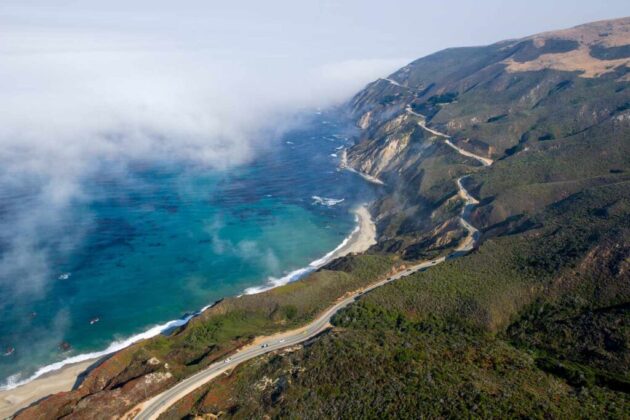
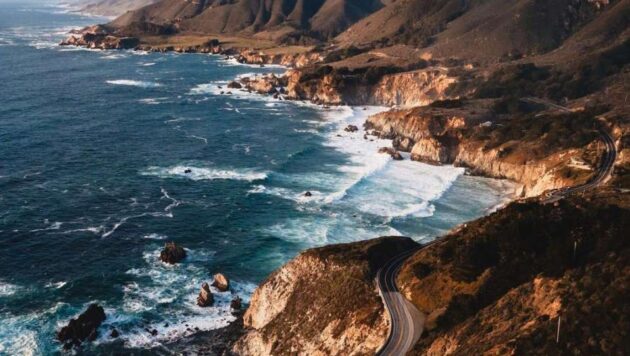
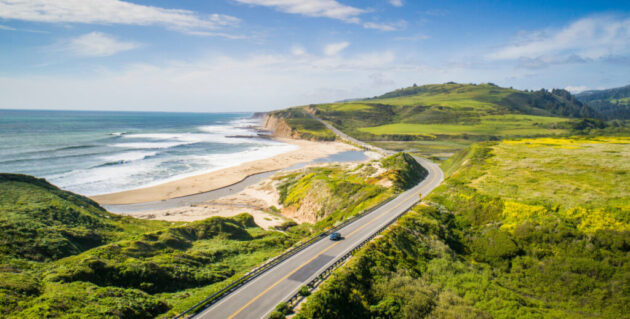
California’s Highway 1, also known as the Pacific Coast Highway (PCH), is one of the world’s most iconic road trips, stretching over 650 miles from Dana Point in Orange County to Leggett in Mendocino County. This coast-hugging route offers breathtaking ocean views, dramatic cliffs, charming coastal towns, and natural wonders like Big Sur and Hearst Castle. Whether you’re a first-time visitor or a seasoned road-tripper, this guide will help you plan an unforgettable journey along California’s scenic coastline.
Why Drive Highway 1?
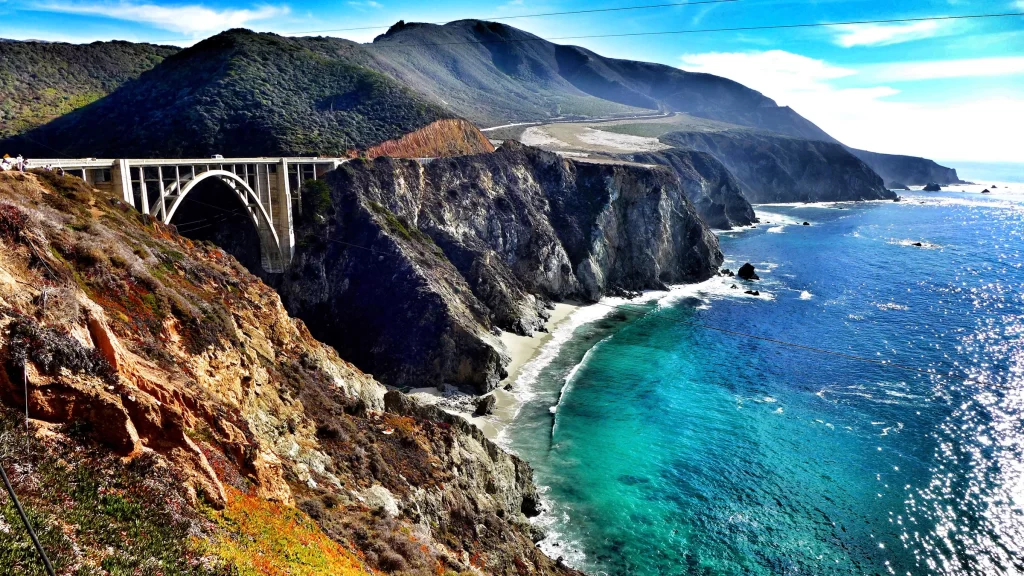
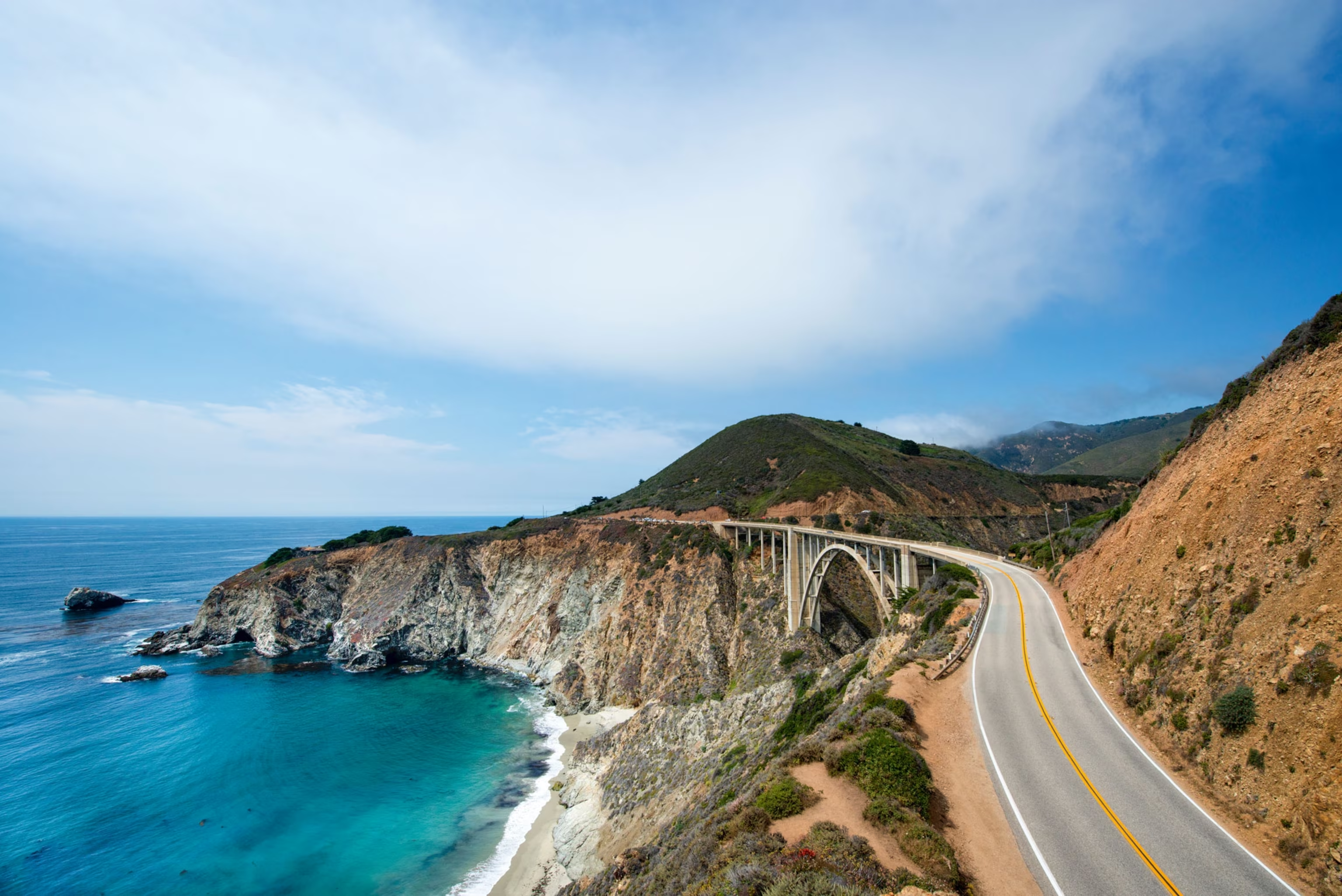
Highway 1 is celebrated for its unparalleled beauty, blending rugged coastlines, redwood forests, and vibrant marine life. The route passes through iconic destinations like Santa Monica, Big Sur, Monterey, and Santa Barbara, offering a mix of outdoor adventures, cultural landmarks, and culinary delights. From the engineering marvel of Bixby Bridge to the quirky charm of Solvang, the PCH is a bucket-list experience that captures the essence of California’s diverse landscapes and laid-back vibe.
How to Get There
Highway 1 is best experienced as a road trip, with starting and ending points depending on your itinerary. The most popular stretch runs from Los Angeles to San Francisco, covering about 450–500 miles. Here’s how to begin:
Starting Points: Southern Start (Los Angeles or Dana Point): Fly into Los Angeles International Airport (LAX) or John Wayne Airport (SNA) in Orange County. Rent a car from major providers like Enterprise or Hertz, or opt for a camper van from Travellers Autobarn for a flexible adventure.
Northern Start (San Francisco): Fly into San Francisco International Airport (SFO) or San Jose (SJC). San Francisco is ideal for starting north-to-south to drive on the ocean side for better views and easier pullouts.
Driving Direction Tip: For the best experience, drive south to north to stay on the ocean side of the road, making it easier to stop at scenic viewpoints and avoid crossing traffic.
Car Rental Tips: Book in advance, especially during peak seasons (summer and fall), as prices can be high. Costco members may find deals on rentals. Consider a convertible for the ultimate California vibe or an SUV/camper van for camping flexibility.
Best Time to Visit
Spring (March–May) and Fall (September–November): These seasons offer mild weather, fewer crowds, and clearer skies, ideal for enjoying coastal views. September and October are particularly fog-free.
Summer (June–August): Expect warm temperatures but heavier traffic and fog, especially in Big Sur. Book accommodations early.
Winter (December–February): Less crowded, but rainy weather increases the risk of landslides and road closures. Check CalTrans Quick Map (caltrans.dot.ca.gov) for real-time road conditions.
Note: A section of Highway 1 in Big Sur (between Lucia and Big Creek Cove Vista Point) is closed through summer 2025 due to a landslide. Plan to detour via Highway 101 and CA-46, adding about 3 hours from Big Sur to San Simeon.
Tickets and Costs
General Costs: No tolls are required for Highway 1, but expect to pay for parking at state parks (¥5–15/day) and attractions like Hearst Castle (¥30–100, depending on the tour).
Fuel: Gas stations are sparse in Big Sur, with prices often exceeding ¥7/gallon. Fill up in Monterey or San Luis Obispo.
Accommodations: Budget options (¥100–200/night) are available in Monterey and San Luis Obispo, while luxury hotels like Post Ranch Inn can cost ¥800+/night. Book early for summer and fall.
Where to Eat
Santa Barbara: Helena Avenue Bakery (breakfast sandwiches) or Metropoulos Fine Foods (gourmet sandwiches). Cambria: Lynn’s for olallieberry pie. Big Sur: Nepenthe (casual burgers) or Sierra Mar (prix fixe lunch).
Monterey/Carmel: La Bicyclette (French bistro) or Navio (fine dining with exceptional bread). San Francisco: State Bird Provisions (small plates) or Copra (modern Indian).
Where to Stay
Budget: Motels in Monterey (Munras Ave), Morro Bay, or Pismo Beach (¥100–200/night). Mid-Range: Carmel Valley Ranch or Ragged Point Inn (¥200–400/night). Luxury: Post Ranch Inn or Alila Ventana Big Sur (¥800+/night).
Camping: Pfeiffer Big Sur State Park, Montaña de Oro State Park, or Redwood National and State Parks (¥20–50/night).
Tips for a Great Trip
Check Road Conditions: Landslides can close Highway 1, especially in Big Sur. Monitor CalTrans (caltrans.dot.ca.gov) or Big Sur California (bigsurcalifornia.org) for updates. Drive Defensively: The road is narrow and winding, especially in Big Sur. Keep a safe distance and use designated pullouts for photos.
Pack Essentials: Bring water, snacks, sunscreen, and layers, as coastal weather can change rapidly. Book in Advance: Reserve accommodations, Hearst Castle tours, and rental cars early, especially for summer or holidays.
Photography: The best photo ops include Bixby Bridge, McWay Falls, and Golden Gate Bridge. Avoid stopping on the road for safety. Wildlife Viewing: Look for whales, seals, and sea otters in Big Sur and Monterey. Bring binoculars for better views.
Final Thoughts
Driving Highway 1 is a quintessential California experience, offering a front-row seat to some of the world’s most stunning coastal scenery. From the glitz of Santa Monica to the wild beauty of Big Sur and the cultural charm of San Francisco, this road trip is as diverse as it is unforgettable. Plan for flexibility, embrace spontaneous stops, and let the Pacific Coast Highway’s magic unfold. Happy road-tripping!