
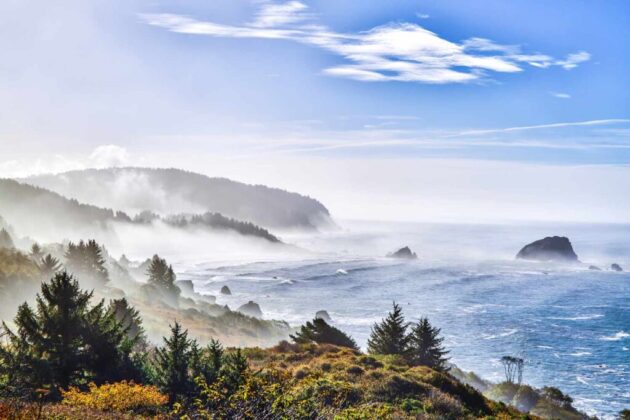
A Travel Guide to Redwood National Parks
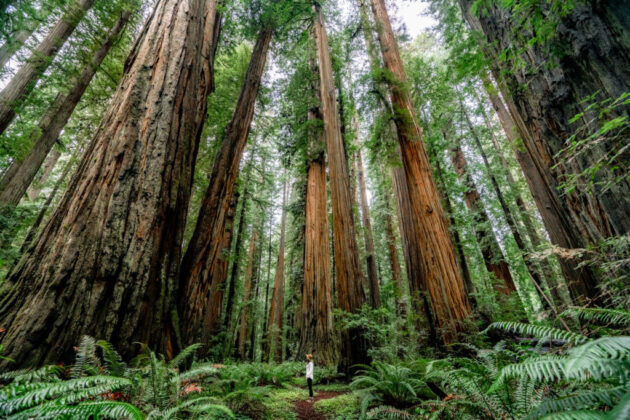
Nestled along the northern coast of California, Redwood National Parks encompass a breathtaking network of protected forests, home to the world’s tallest trees—the majestic coast redwoods. Spanning over 139,000 acres across Del Norte and Humboldt Counties, this UNESCO World Heritage Site and International Biosphere Reserve offers awe-inspiring landscapes, diverse wildlife, and a serene escape into nature. Whether you’re a hiker, photographer, or nature lover, this guide will help you plan an unforgettable visit to one of America’s most iconic natural wonders.
Why Visit Redwood National Parks?
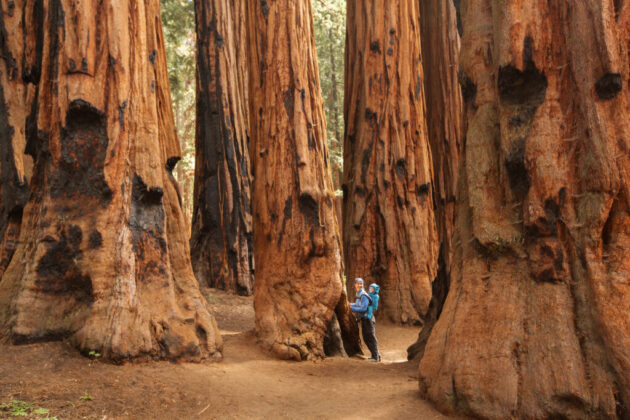
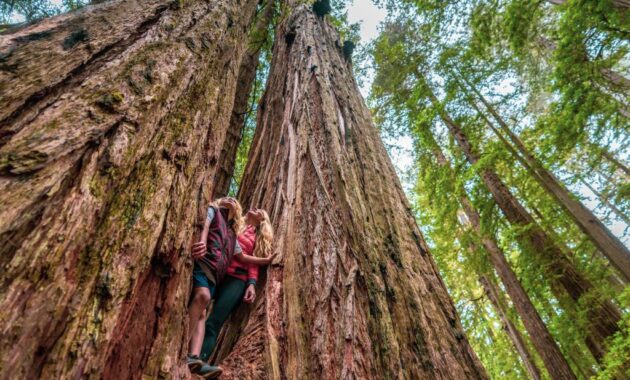
The parks, which include Redwood National Park and three state parks (Jedediah Smith Redwoods, Del Norte Coast Redwoods, and Prairie Creek Redwoods), are renowned for their towering redwoods, some reaching over 370 feet tall and living for up to 2,000 years. Beyond the trees, the area boasts rugged coastlines, pristine rivers, and abundant wildlife, including elk, black bears, and bald eagles. With over 200 miles of trails, scenic drives, and unique attractions like Fern Canyon, the parks offer endless opportunities for adventure and tranquility.
How to Get There
Redwood National Parks are located in Northern California, about 300 miles north of San Francisco. The parks are spread along Highway 101, with key access points near Crescent City (north) and Arcata/Eureka (south). Here’s how to reach them:
By Air: The closest airport is Crescent City’s Jack McNamara Field (CEC), served by regional flights from San Francisco or Sacramento. From there, it’s a 10-minute drive to the northern park areas. Alternatively, fly into Eureka-Arcata Airport (ACV), about 40 miles south of the parks’ main visitor centers (45-minute drive). Major airports like San Francisco International (SFO) or Oakland (OAK) are 5–6 hours away by car but offer more flight options.
By Car: Driving is the most practical way to explore the parks, as public transport is limited. Highway 101 (the Redwood Highway) runs through the parks, connecting key areas. From San Francisco, take US-101 north (approx. 5–6 hours to Crescent City). From Portland, Oregon, it’s about a 5-hour drive south. Car rentals are available in Crescent City, Eureka, or major cities.
By Bus: Limited bus services, like Redwood Coast Transit, connect Crescent City, Arcata, and nearby towns. However, buses don’t enter the park’s interior, so a car is recommended for full exploration.
Tip: Download offline maps or pick up a park map at a visitor center, as cell service is spotty in many areas.
Best Time to Visit
Spring (March–May): Mild temperatures (50–65°F), blooming wildflowers, and fewer crowds make spring ideal for hiking and photography. Waterfalls and rivers are at their fullest.
Summer (June–August): Warm weather (55–75°F) and long daylight hours are great for exploring, but expect more visitors, especially in July and August. Coastal fog is common in the mornings.
Autumn (September–November): Crisp air, vibrant foliage, and fewer crowds create a peaceful experience. Elk mating season (fall) offers a chance to hear bugling in Prairie Creek.
Winter (December–February): Heavy rainfall (up to 100 inches annually) makes trails muddy but enhances waterfalls and rivers. Some roads may close due to flooding.
Weather Tip: The region is cool and damp year-round, with coastal areas often foggy. Pack layers, waterproof gear, and sturdy hiking boots.
Tickets and Fees
Entrance Fees: Entry to Redwood National Park is free. State park areas (Jedediah Smith, Del Norte Coast, and Prairie Creek) charge a $8 day-use fee per vehicle for developed areas like campgrounds or specific trailheads. An America the Beautiful Pass ($80 annually) covers day-use fees for all state and national parks.
Permits: Backcountry camping requires a free permit, available at visitor centers. Special permits may be needed for activities like fishing or large group events.
Opening Hours: The parks are open 24/7, but visitor centers operate from 9:00 AM–5:00 PM (may vary seasonally). Some roads and facilities close in winter—check the National Park Service (NPS) website for updates.
Tip: Stop by a visitor center (e.g., Kuchel Visitor Center near Orick or Crescent City Information Center) for maps, permits, and ranger-led program schedules.
What to See and Do
The parks offer a range of activities, from easy strolls to challenging hikes and scenic drives. Here are the highlights:
Top Trails and Hikes: Lady Bird Johnson Grove (1.4 miles, easy): A flat loop through a serene redwood grove, perfect for families and accessible for wheelchairs.
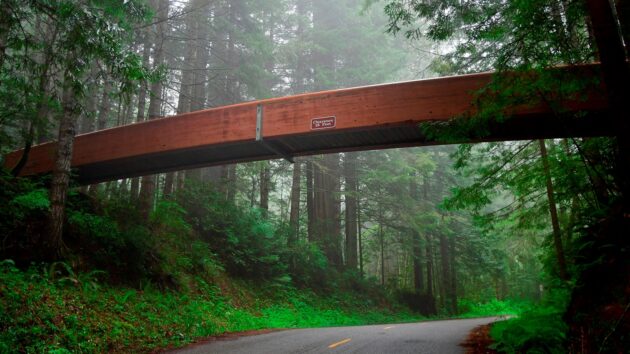
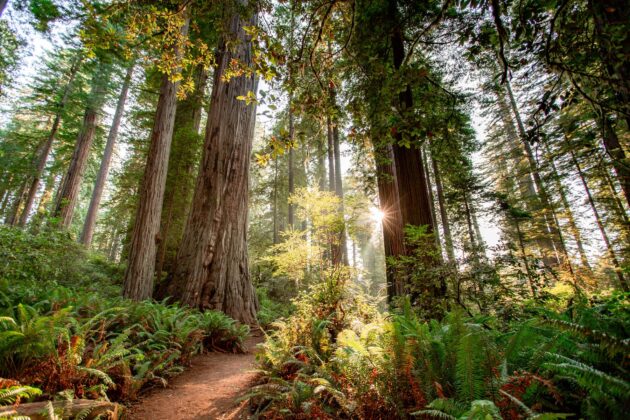
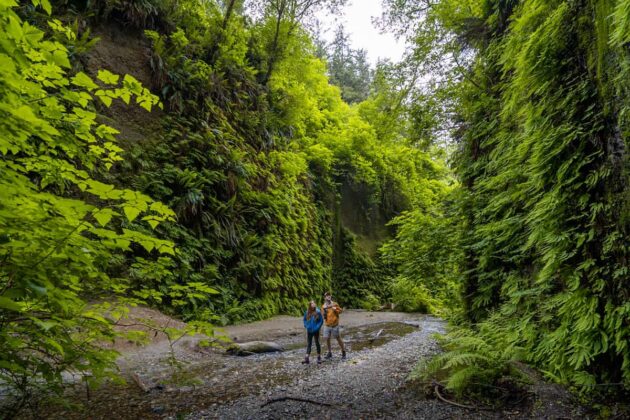
Fern Canyon (1.1 miles, easy-moderate): A stunning canyon with lush fern-covered walls, featured in Jurassic Park. Requires a short drive on Davison Road (check for seasonal closures).
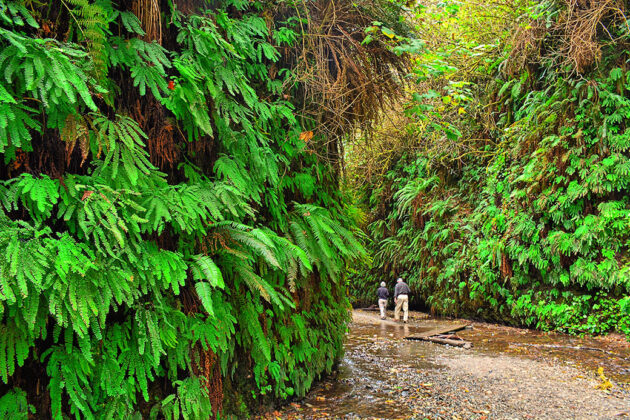
Boy Scout Tree Trail (5.5 miles, moderate): A peaceful hike in Jedediah Smith Redwoods to a massive double redwood tree, with a spur to a waterfall.
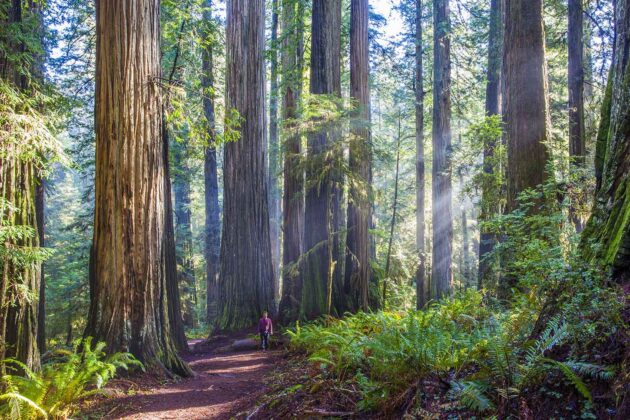
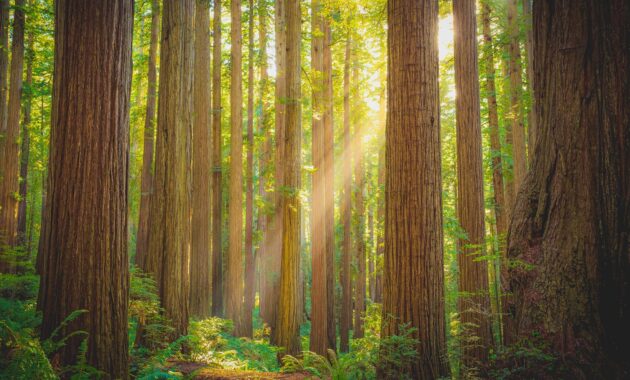
Tall Trees Grove (4 miles, strenuous): Home to some of the tallest trees on Earth, including the former record-holding Libbey Tree. Requires a free permit and a long drive on a gravel road.
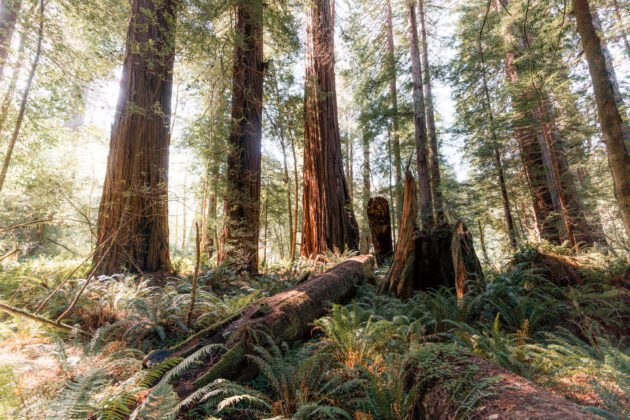
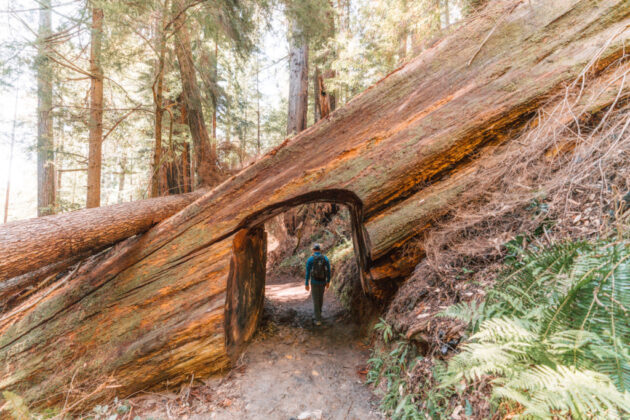
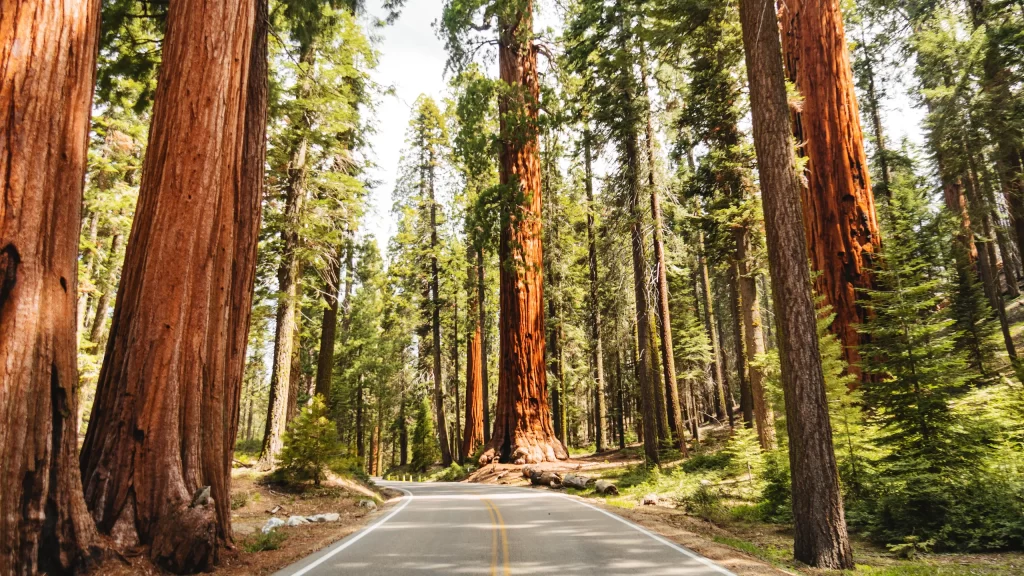
Scenic Drives: Newton B. Drury Scenic Parkway (10 miles): A paved road through Prairie Creek Redwoods, with chances to spot Roosevelt elk and pass the iconic Big Tree. Howland Hill Road (10 miles, unpaved): A narrow, winding route through Jedediah Smith Redwoods, offering intimate views of old-growth forests. Coastal Drive Loop (8 miles): Combines ocean vistas, WWII history (radar station ruins), and access to High Bluff Overlook for whale watching.
Wildlife Viewing: Spot Roosevelt elk in Prairie Creek’s Elk Prairie or Gold Bluffs Beach, especially at dawn or dusk. Look for gray whales (winter migrations) along the coast, or banana slugs and black bears in the forests (keep a safe distance).
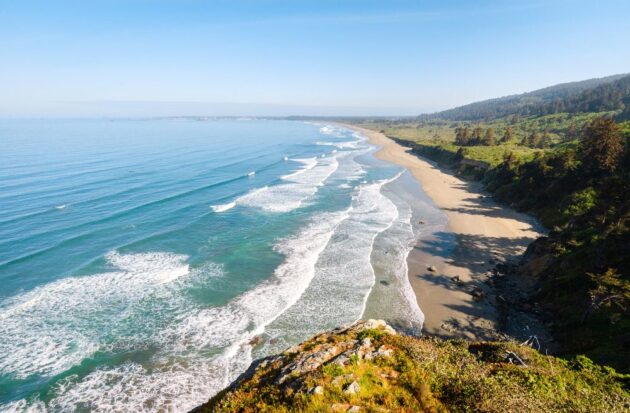
Beach and Coastal Activities: Visit Gold Bluffs Beach for a remote, windswept shoreline with camping options. Explore tide pools at Enderts Beach or Wilson Creek during low tide.
Ranger-Led Programs: Free guided walks, talks, and junior ranger programs are offered seasonally. Check schedules at visitor centers or the NPS website.
Where to Stay
Camping: Developed Campgrounds: Four campgrounds (Jedediah Smith, Mill Creek, Elk Prairie, and Gold Bluffs Beach) offer sites for tents and RVs ($35/night). Amenities include restrooms, showers, and fire pits. Book via recreation.gov for summer visits. Backcountry Camping: Free with a permit, available in designated areas like Tall Trees Grove or Redwood Creek. Tip: Book early for summer, as sites fill quickly.
Lodging: Crescent City: Budget motels like Curly Redwood Lodge ($80–120/night) or mid-range options like Best Western Plus Northwoods Inn ($150–200/night). Arcata/Eureka: More options, including Holiday Inn Express Arcata ($130–180/night) or charming B&Bs like Carter House Inns ($200–300/night). Klamath: Rustic options like Trees of Mystery Motel (~$100–150/night) near the park’s iconic gondola ride.
Tip: Book accommodations 6–12 months in advance for peak seasons (summer and fall).
Where to Eat
Inside the Parks: No dining facilities exist within the parks, so bring your own food for picnics. Popular spots include Elk Prairie or Stout Grove.
Nearby: Crescent City: Try Good Harvest Café for hearty American breakfasts or SeaQuake Brewing for craft beer and pub fare (meals $10–20). Arcata/Eureka: Café Brio offers artisanal sandwiches and coffee, while Lost Coast Brewery is great for local brews and burgers ($12–25).
Tip: Stock up on groceries in Crescent City or Eureka for picnics or camping meals. Markets like Safeway or North Coast Co-op are convenient.
Tips for a Great Visit
Dress in Layers: Coastal areas are cool and foggy, while inland forests can be warmer. Waterproof gear is essential in winter. Stay on Trails: Protect fragile ecosystems by sticking to marked paths. Redwoods have shallow roots and are sensitive to trampling.
Wildlife Safety: Keep at least 100 yards from elk and bears. Store food securely to avoid attracting wildlife. No Cell Service: Many areas lack reception, so plan routes and download maps in advance.
Combine Your Trip: Pair your visit with nearby attractions like Trees of Mystery (gondola and Paul Bunyan statue) or Humboldt Redwoods State Park for more redwood adventures.
Final Thoughts
Redwood National Parks offer a humbling journey into one of Earth’s most magnificent ecosystems. Walking among ancient giants, exploring fern-lined canyons, and breathing in the fresh coastal air create memories that last a lifetime. Plan ahead for permits and accommodations, embrace the region’s wild beauty, and tread lightly to preserve this natural treasure for future generations.
Happy travels!