Sequoia National Park Travel Guide (2026)
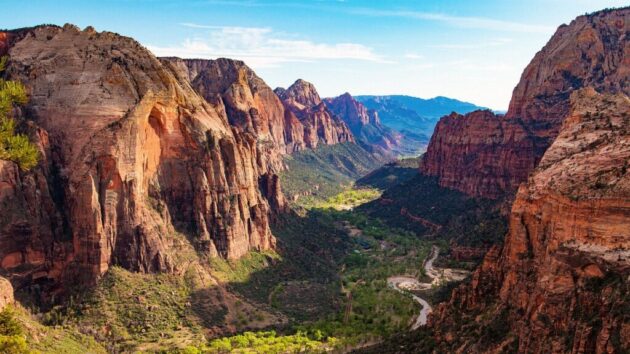
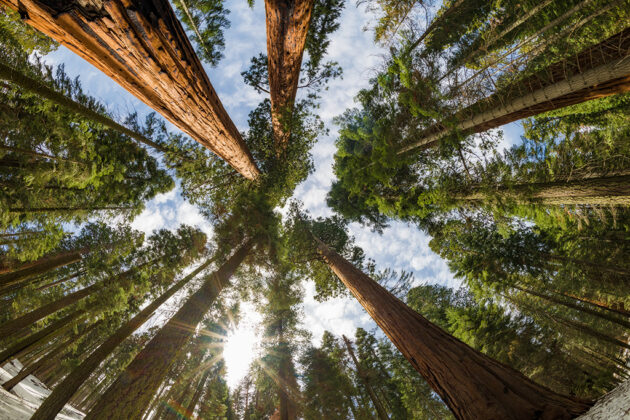
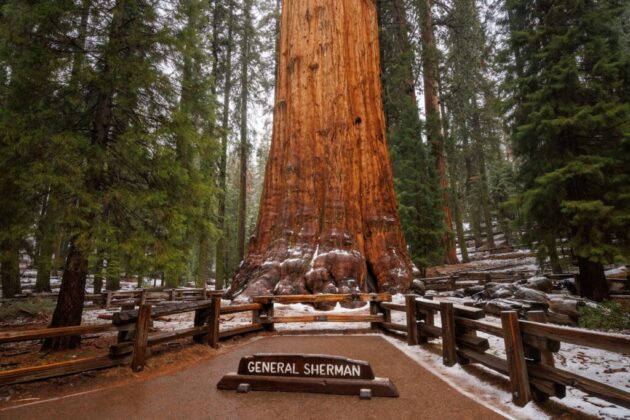
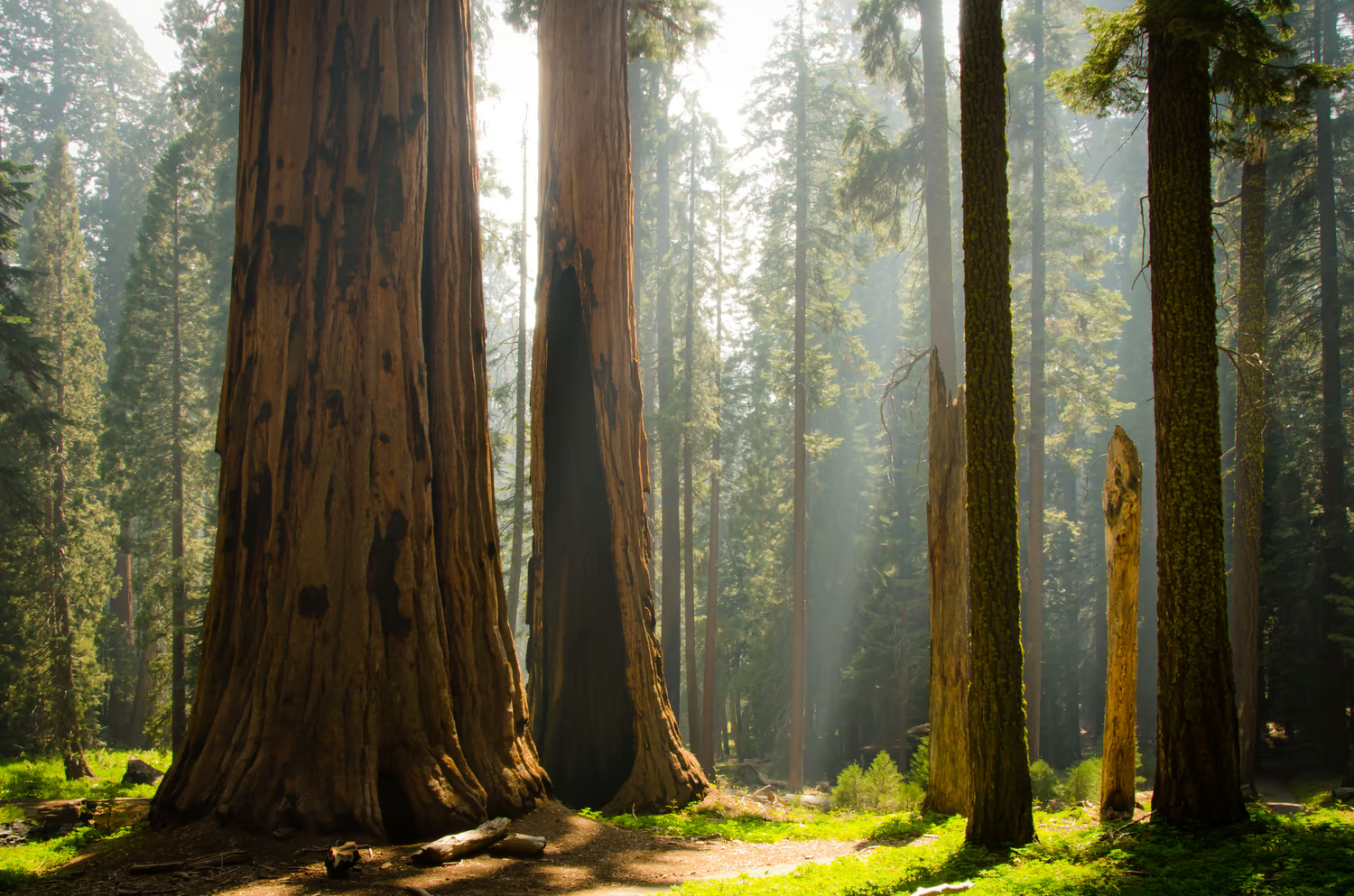
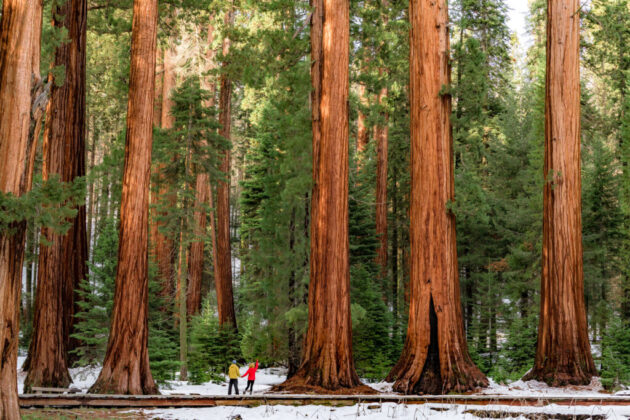
Sequoia National Park, located in California’s Sierra Nevada mountains, is a natural wonderland famous for its towering giant sequoia trees, rugged peaks, and breathtaking vistas. Home to the world’s largest tree, General Sherman, and vast wilderness areas, this park offers a perfect blend of adventure, serenity, and awe-inspiring scenery.
Why Visit Sequoia National Park?
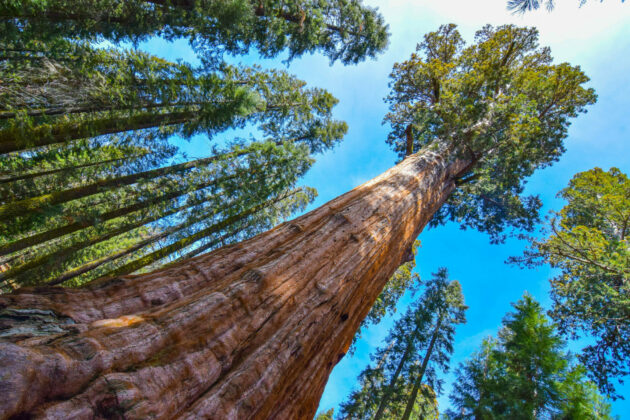
Sequoia National Park, established in 1890, is renowned for its massive sequoia trees, some of which are over 2,000 years old. Spanning 404,064 acres, it features diverse landscapes, from lush meadows to granite peaks like Mount Whitney, the highest point in the contiguous U.S.
The park’s proximity to Kings Canyon National Park allows visitors to explore both in a single trip. With activities ranging from scenic drives to challenging hikes and stargazing under pristine skies, Sequoia offers something for everyone.
How to Get There
Sequoia National Park is located in central California, about 4–5 hours’ drive from Los Angeles or San Francisco. The main entrance is via the Ash Mountain Entrance on Highway 198 near Three Rivers, CA.
By Car: From Los Angeles: Take I-5 North to CA-99 North, then CA-198 East to the park entrance (220 miles, ~4 hours). From San Francisco: Take I-580 East to CA-99 South, then CA-180 East to the Big Stump Entrance (shared with Kings Canyon, 225 miles, ~4.5 hours).
Car Rental: Available at major airports like Fresno Yosemite International (FAT, 1-hour drive) or Los Angeles (LAX). Note: Generals Highway, the main road through the park, is winding and narrow; drive cautiously, especially in winter when chains may be required.
By Public Transport: Limited options exist. Take a Greyhound or Amtrak to Visalia (40 miles from the park), then use the Sequoia Shuttle (seasonal, May–September, ~$20 round-trip) from Visalia to the park’s Giant Forest area. Book shuttle tickets in advance via the Sequoia Shuttle website.
By Air: The closest airport is Fresno Yosemite International (FAT), 60 miles away. Rent a car for the 1-hour drive to the park.
Parking: Ample parking is available at major sites like Giant Forest and Lodgepole, but spaces fill up quickly in summer. Parking fees are included in the entrance fee.
Entrance Fees and Permits
Entrance Fee: $35 per vehicle (valid for 7 days, covers both Sequoia and Kings Canyon National Parks). Alternatively, purchase an America the Beautiful Pass ($80) for annual access to all U.S. national parks. Operating Hours: The park is open 24/7 year-round, but some roads and facilities close seasonally due to snow (November–April).
Permits: Day Hiking: No permits required for day hikes. Backcountry Camping: A wilderness permit ($15 + $5/person, apply via recreation.gov) is required for overnight backpacking. Cave Tours: Crystal Cave tickets ($16–$22) must be purchased in advance online.
Best Time to Visit
Spring (April–May): Mild weather (50–70°F), blooming wildflowers, and fewer crowds. Waterfalls like Tokopah Falls are at their peak due to snowmelt. Summer (June–August): Warm days (60–80°F), ideal for hiking and camping, but expect crowds and book accommodations early. Fire season may cause occasional closures.
Fall (September–October): Cooler temperatures (40–70°F), vibrant foliage, and fewer visitors. Perfect for photography and hiking. Winter (November–March): Snow transforms the park into a winter wonderland, ideal for snowshoeing and cross-country skiing. Many high-elevation areas close, but lower areas like Foothills remain accessible.
Tip: Summer and fall offer the best access to trails and attractions, but book lodging and tours well in advance. Check the National Park Service (NPS) website for road closure updates.
Top Attractions and Activities
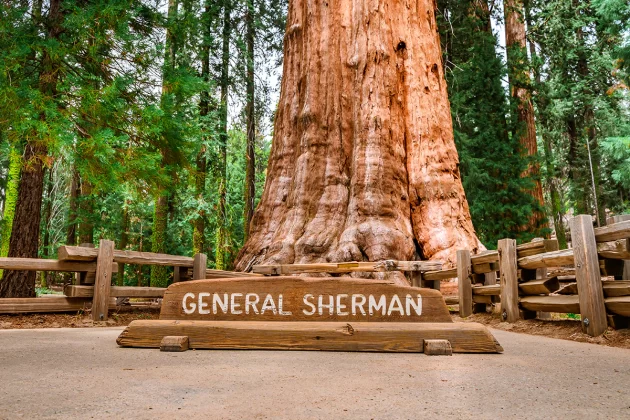
General Sherman Tree: The world’s largest tree by volume, standing 275 feet tall and over 36 feet in diameter. A short 0.5-mile paved trail from the parking lot leads to this iconic sequoia in the Giant Forest. Tip: Arrive early to avoid crowds; the nearby Congress Trail (2 miles, easy) showcases more giant sequoias.
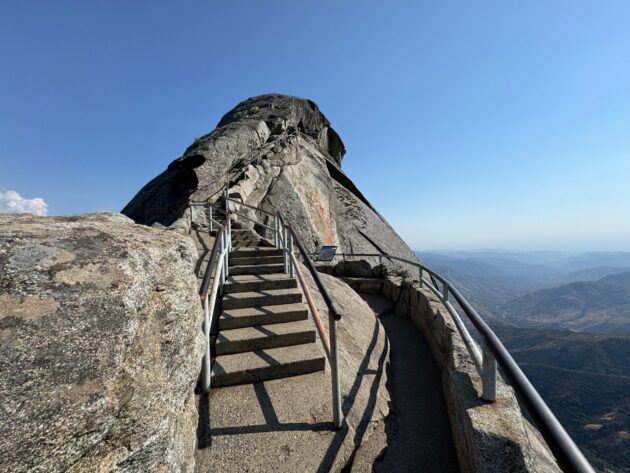
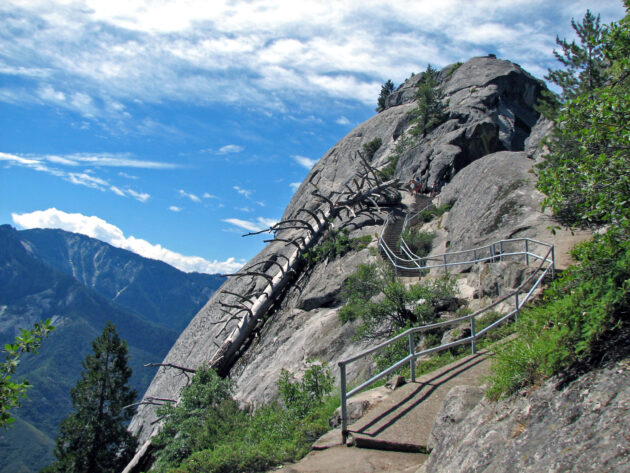
Moro Rock: A 0.5-mile round-trip hike (300 steps) to a granite dome offering panoramic views of the Sierra Nevada and Great Western Divide. Best at sunrise or sunset. Note: Steep and exposed; not recommended for those with a fear of heights.
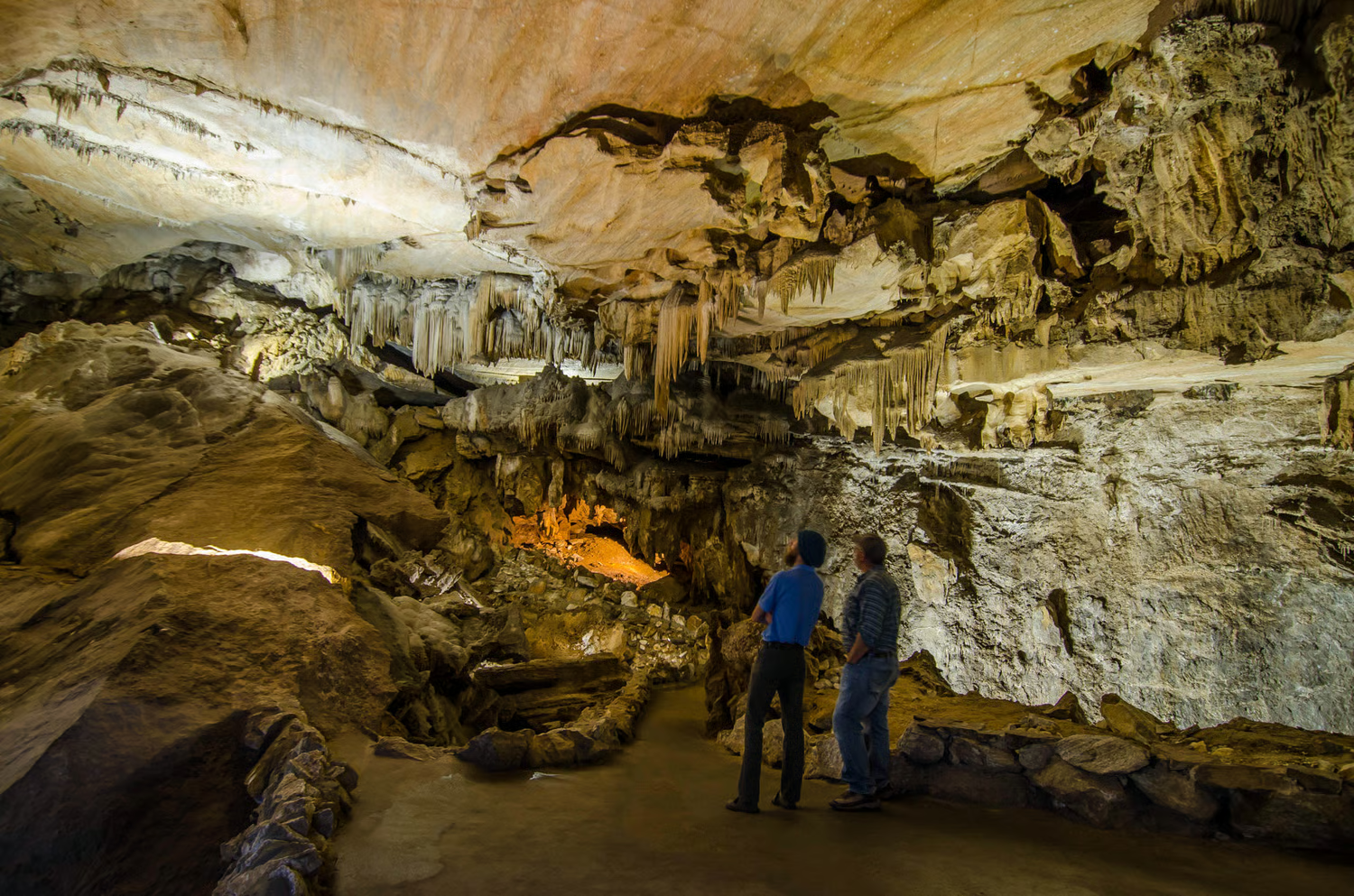
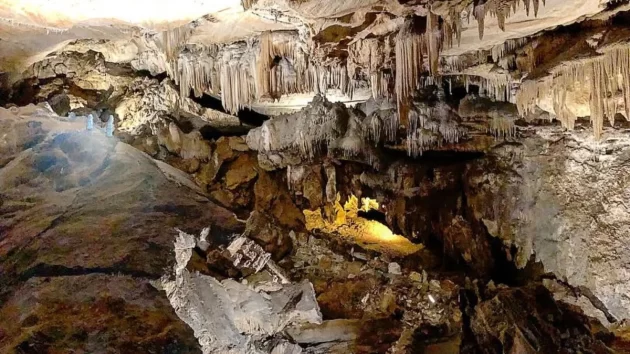
Crystal Cave: A guided tour (45–90 minutes, May–October) through a marble cave with stunning stalactites and stalagmites. Tickets ($16–$22) must be purchased in advance at recreation.gov. Tip: Bring a jacket; the cave is a constant 50°F.
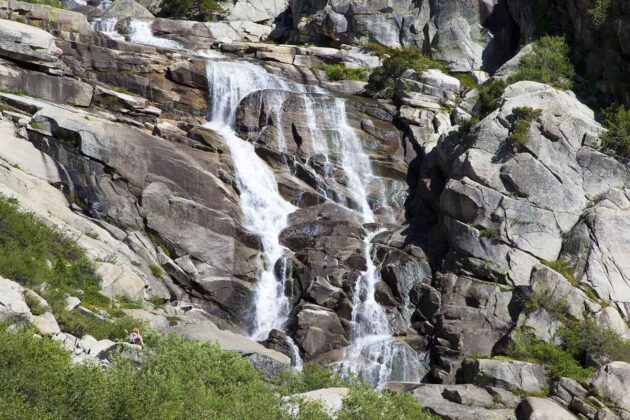
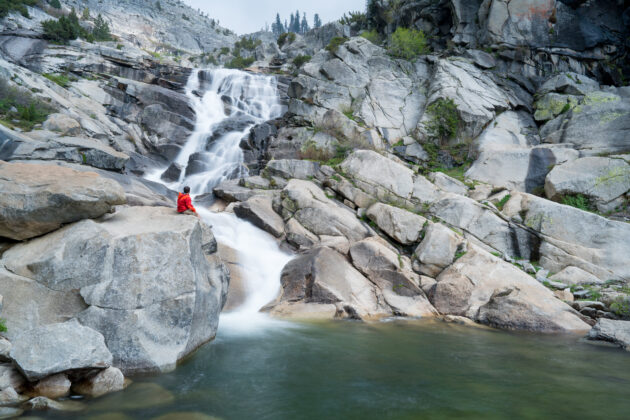
Hiking Trails: Tokopah Falls Trail (3.4 miles, moderate): A scenic hike along the Marble Fork Kaweah River to a 1,200-foot waterfall.
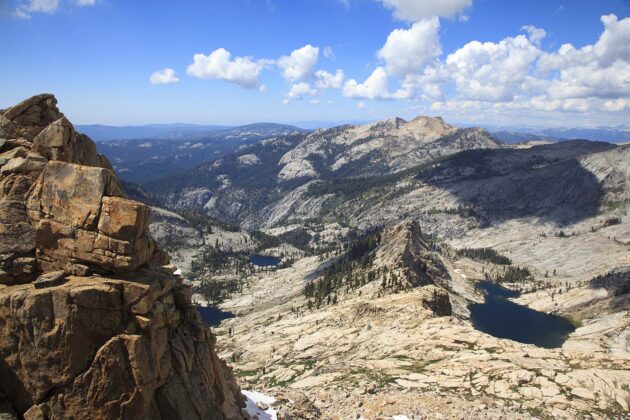
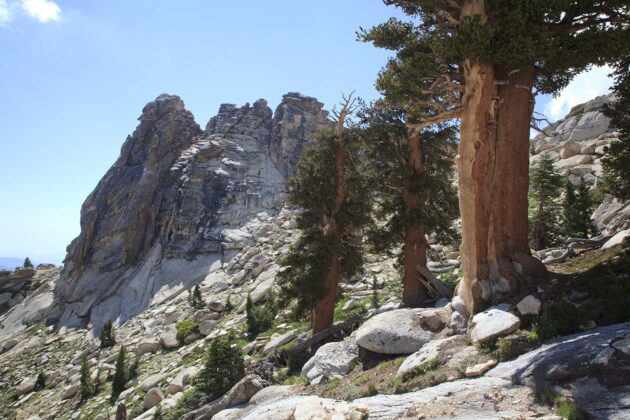
Alta Peak Trail (14 miles, strenuous): A challenging climb to a 11,204-foot summit with sweeping views.
Big Trees Trail (1.2 miles, easy): A flat loop around Round Meadow, perfect for families and wheelchair users.
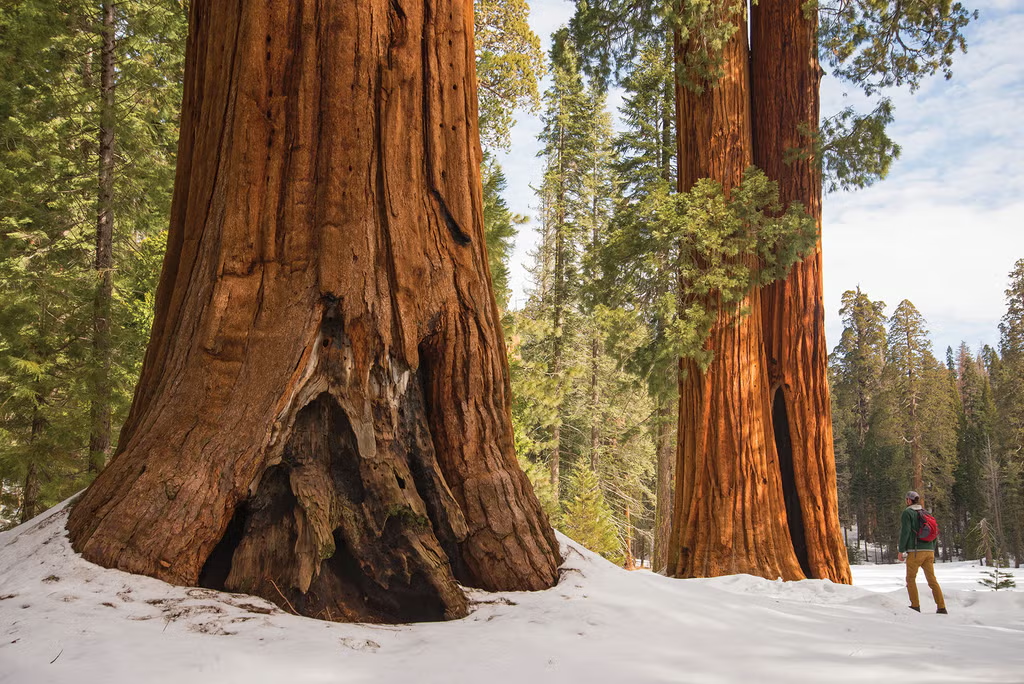
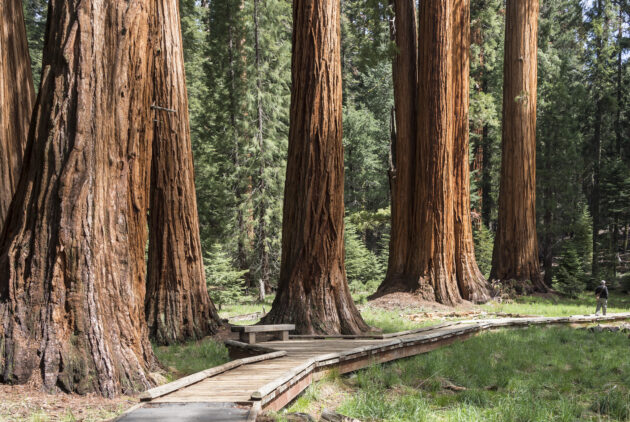
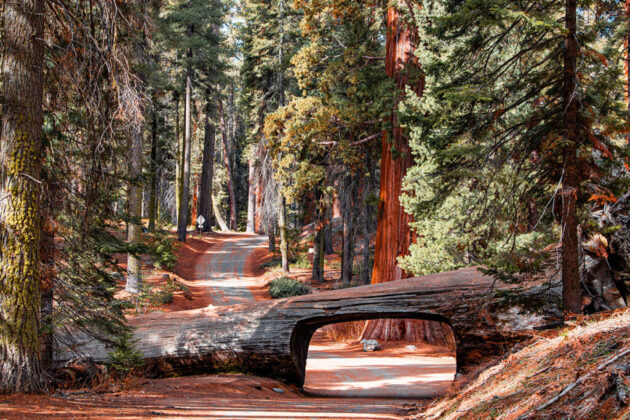
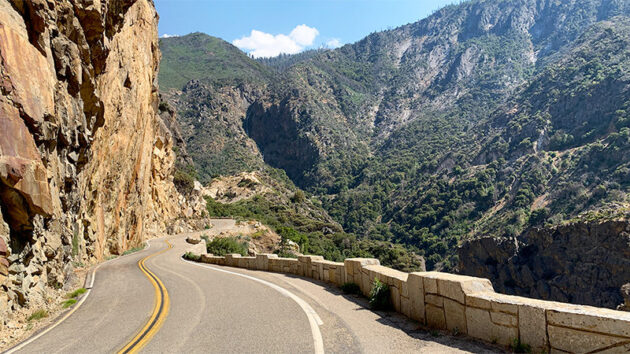
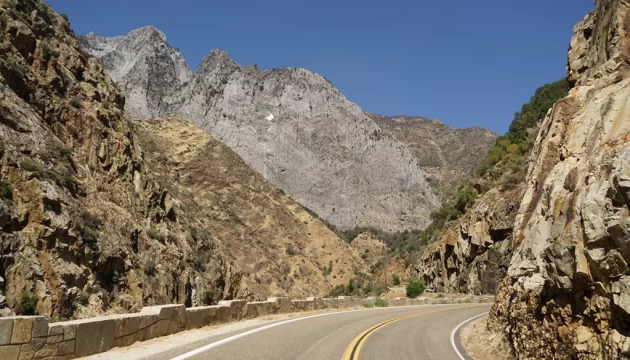
Scenic Drives: Generals Highway: Connects key sites like Giant Forest and Lodgepole, with pullouts for views and short trails.
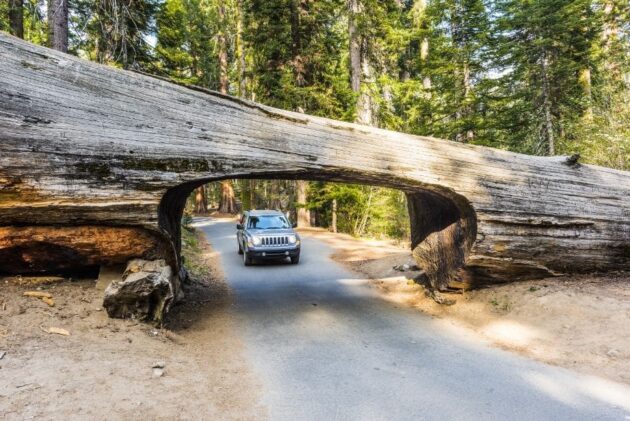
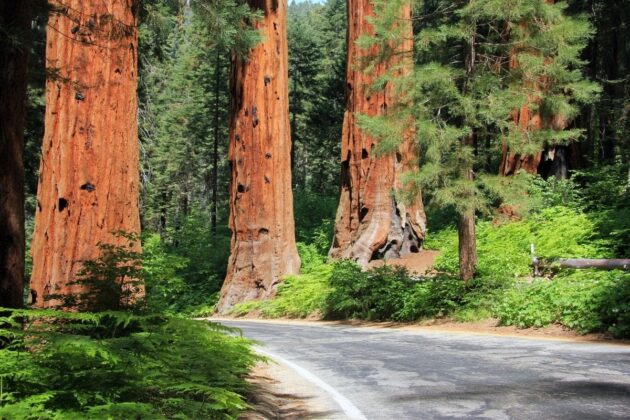
Kings Canyon Scenic Byway (CA-180): Extends into Kings Canyon National Park, offering dramatic canyon vistas (seasonal access).
Wildlife and Stargazing: Look for black bears, mule deer, and marmots. Follow NPS guidelines for safe wildlife viewing. The park’s dark skies are ideal for stargazing. Join ranger-led night sky programs (summer only) or visit Crescent Meadow for clear views.
Where to Stay
Inside the Park: Wuksachi Lodge: The park’s main lodging, offering cozy rooms and cabins near Giant Forest. Rates: $150–$300/night. Book early via sequoia-kingscanyon.com. Campgrounds: Lodgepole, Dorst Creek, and Potwisha are popular (from $22–$32/night). Reserve via recreation.gov up to 6 months in advance. Backcountry Camping: Free with a wilderness permit, ideal for experienced hikers.
Nearby Towns: Three Rivers (5 miles from Ash Mountain Entrance): Offers motels, Airbnbs, and B&Bs like Comfort Inn & Suites ($100–$200/night). Visalia (40 miles away): More budget options, including chain hotels like Hampton Inn ($90–$150/night).
Tip: Summer and fall bookings fill up fast; reserve 6–12 months in advance for in-park lodging.
Where to Eat
Inside the Park: Wuksachi Lodge Dining Room: Serves American cuisine (burgers, salads, $15–$30). Open for breakfast, lunch, and dinner. Lodgepole Market: Grab-and-go sandwiches, snacks, and camping supplies ($5–$15). Tip: Pack a picnic for remote areas like Crescent Meadow, as dining options are limited.
Outside the Park: Three Rivers: Local spots like Sierra Subs and Salads offer sandwiches and wraps ($10–$15). Visalia: More variety, including Mexican, Italian, and fast food (e.g., In-N-Out Burger).
Tips for a Great Visit
Plan for Altitude: Many attractions are at 6,000–7,000 feet; stay hydrated and take it slow if unaccustomed to high elevations. Bear Safety: Store food in bear-proof lockers or canisters. Never leave food in vehicles.
Pack Layers: Weather varies widely (30–80°F); bring a jacket, hat, and sunscreen. No Cell Service: Most of the park lacks cell reception. Download offline maps (e.g., Google Maps or Gaia GPS) and carry a physical map.
Combine with Kings Canyon: The parks share an entrance fee and are connected by Generals Highway, making a dual visit seamless. Respect Nature: Stick to trails to protect fragile sequoia roots and follow Leave No Trace principles.
Final Thoughts
Sequoia National Park is a bucket-list destination that showcases the grandeur of nature, from the colossal General Sherman Tree to the serene alpine meadows. Whether you’re hiking to waterfalls, climbing Moro Rock, or simply soaking in the tranquility of the Giant Forest, the park offers an unforgettable escape. Plan ahead for lodging and permits, embrace the slower pace of the wilderness, and let Sequoia’s ancient giants leave you in awe.
Happy travels!