Yosemite National Park Travel Guide (2026)
Yosemite National Park, located in California’s Sierra Nevada mountains, is a UNESCO World Heritage Site renowned for its dramatic granite cliffs, towering waterfalls, giant sequoias, and diverse wildlife. Spanning over 1,200 square miles, it’s a haven for outdoor enthusiasts, photographers, and nature lovers.
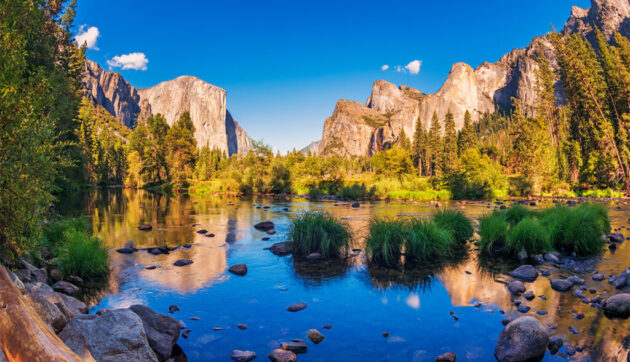
Iconic landmarks like Half Dome, El Capitan, and Yosemite Falls draw millions of visitors annually. This guide will help you plan an unforgettable trip to one of America’s most spectacular national parks.
Why Visit Yosemite National Park?
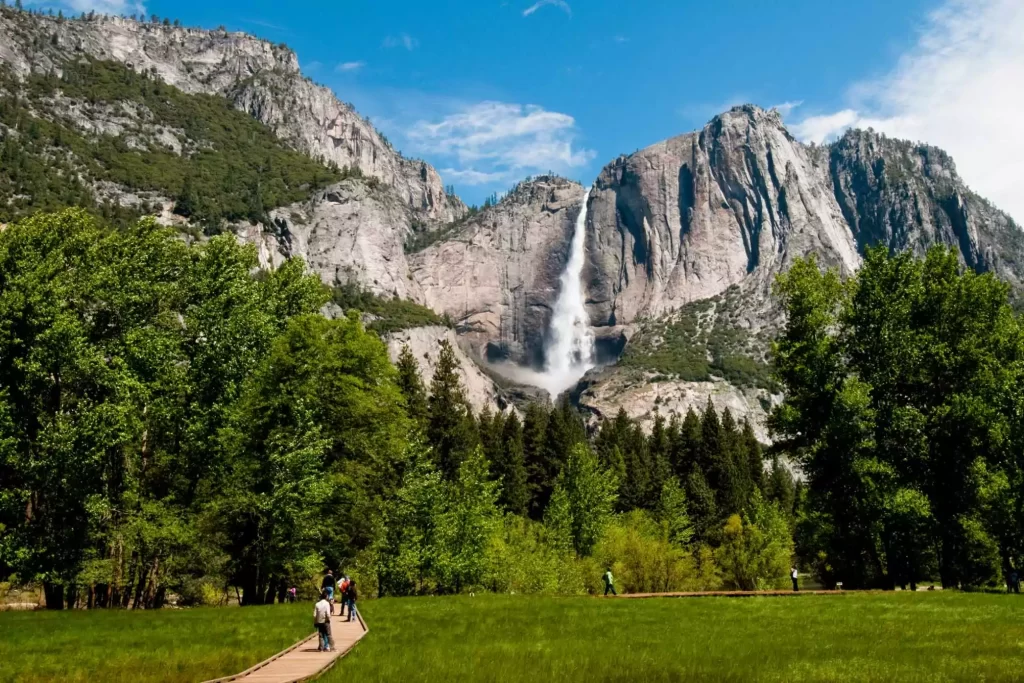
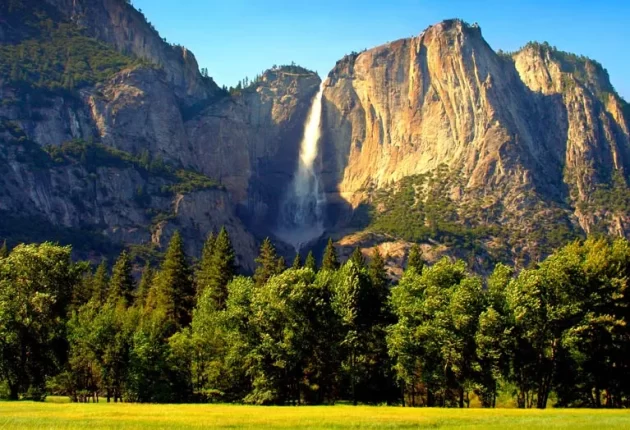
Yosemite offers breathtaking landscapes and a range of activities year-round. From hiking to world-class rock climbing, serene valley strolls to backcountry adventures, the park caters to all levels of adventurers. Its natural wonders, including the tallest waterfall in North America (Yosemite Falls) and ancient sequoia groves, make it a bucket-list destination.
The park’s rich biodiversity, with black bears, deer, and over 400 species of animals, adds to its allure. Whether you’re seeking adrenaline-pumping hikes or tranquil vistas, Yosemite delivers an unparalleled experience.
How to Get There
Yosemite is approximately 200 miles (320 km) east of San Francisco and 300 miles (480 km) north of Los Angeles. Here are the main ways to reach the park:
By Car: From San Francisco: Take I-580 E and CA-120 E to the park’s Big Oak Flat Entrance (about 4 hours). This is the most popular route. From Los Angeles: Drive I-5 N and CA-99 N to CA-140 E, entering via the Arch Rock Entrance (about 6 hours).
Note: A vehicle reservation is required to enter the park from late April to mid-October (7 AM–4 PM). Book online at recreation.gov ($2 fee). Parking inside the park is available at Yosemite Valley ($35/vehicle, valid for 7 days).
By Public Transit: YARTS (Yosemite Area Regional Transportation System): Offers bus services from nearby cities like Fresno, Merced, and Mariposa to Yosemite Valley. A round-trip ticket from Merced costs ~$25. Check schedules at yarts.com. Amtrak: Take a train to Merced, then transfer to a YARTS bus (total travel time from San Francisco: ~6 hours).
By Air: The closest major airport is Fresno Yosemite International Airport (FAT) (1.5 hours from the park). Alternatively, fly into San Francisco (SFO) or Sacramento (SMF) and rent a car. Small private flights land at Mariposa-Yosemite Airport, but commercial options are limited.
Shuttle Within the Park: Free shuttle buses operate in Yosemite Valley, connecting major sites like Yosemite Village, Curry Village, and trailheads. Runs 7 AM–10 PM in peak season.
Tip: CA-120 (Tioga Road) to the Tioga Pass Entrance is closed from November to May due to snow. Check road conditions at nps.gov/yose.
Best Time to Visit
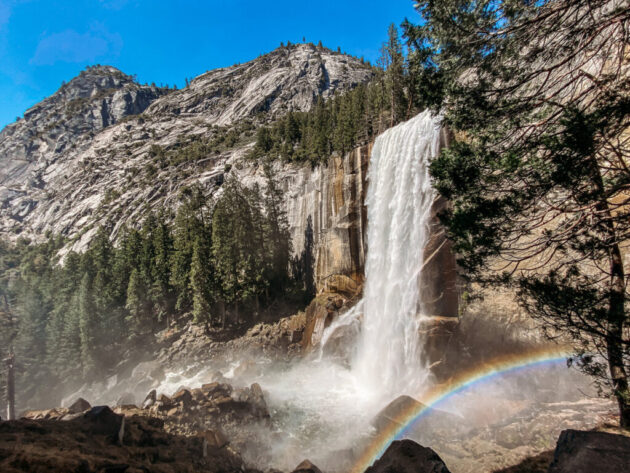
Spring (April–May): Waterfalls are at their peak due to snowmelt, with Yosemite Falls and Bridalveil Fall at their most spectacular. Crowds are moderate, but trails may be wet or muddy.
Summer (June–August): Ideal for hiking and exploring higher elevations like Tuolumne Meadows. Expect warm weather (70–85°F/21–29°C) but heavy crowds and higher accommodation costs.
Fall (September–October): Fewer visitors, cooler temperatures (50–75°F/10–24°C), and vibrant foliage. Some waterfalls may dry up, but trails remain accessible.
Winter (November–March): Snow transforms the park into a winter wonderland, perfect for snowshoeing or skiing at Badger Pass. Many roads (like Glacier Point Road) close, but Yosemite Valley remains open. Crowds are minimal, and rates are lower.
Crowd Tip: Visit midweek and arrive early to avoid peak crowds, especially in summer. Book reservations well in advance.
Tickets and Fees
Entrance Fee: $35 per vehicle, $30 per motorcycle, or $20 per person (on foot/bus). Valid for 7 days. Purchase at entrance stations or online at recreation.gov. Annual Pass: The America the Beautiful Pass ($80) covers all U.S. national parks for one year.
Peak-Hour Reservation: Required April 25–October 15 (7 AM–4 PM) for non-overnight visitors. Free with lodging or camping reservations inside the park. Free Days: Entry is free on select days, like National Public Lands Day (late September) and Veterans Day (November 11).
What to See and Do
Yosemite offers a range of activities catering to different interests and fitness levels:
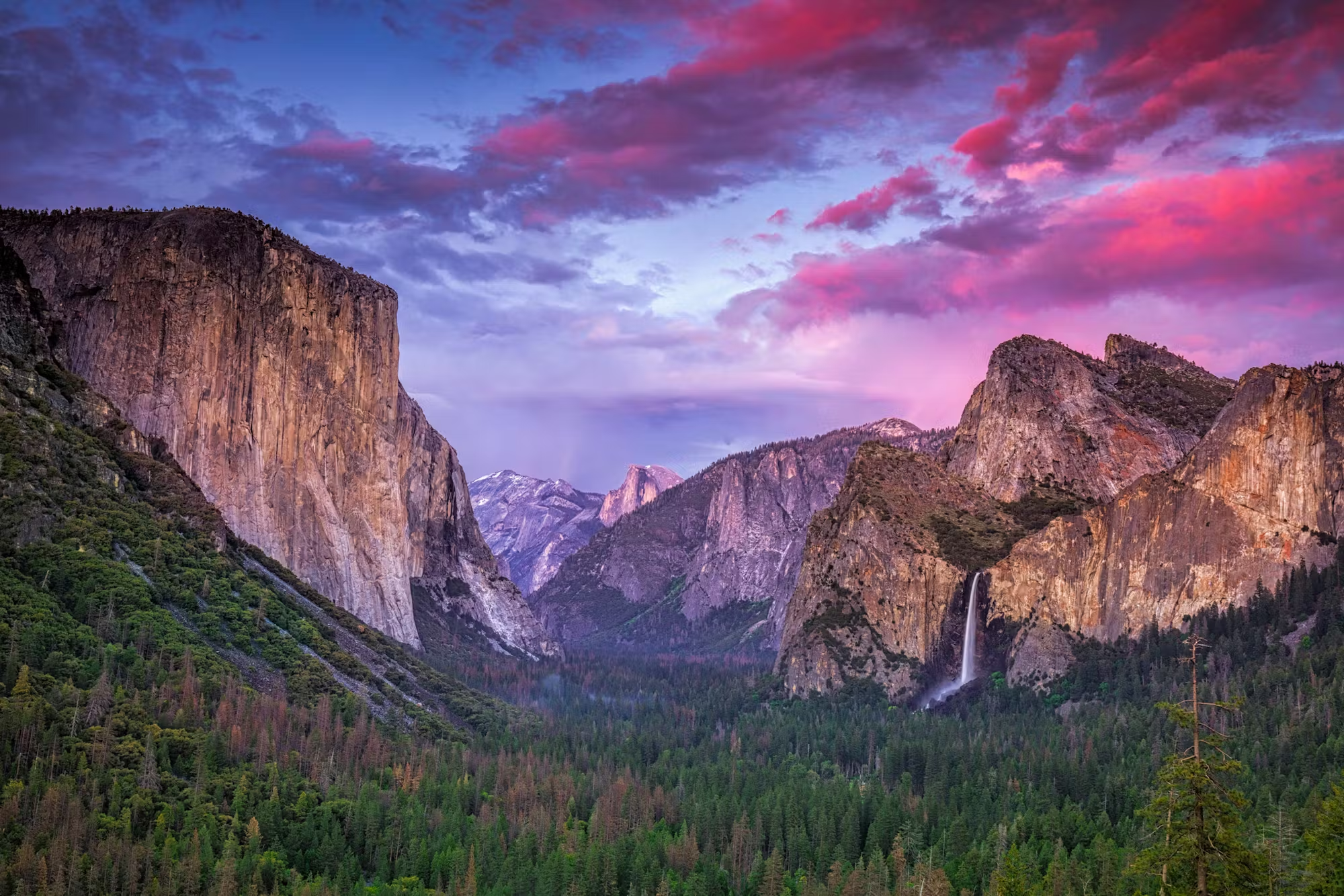
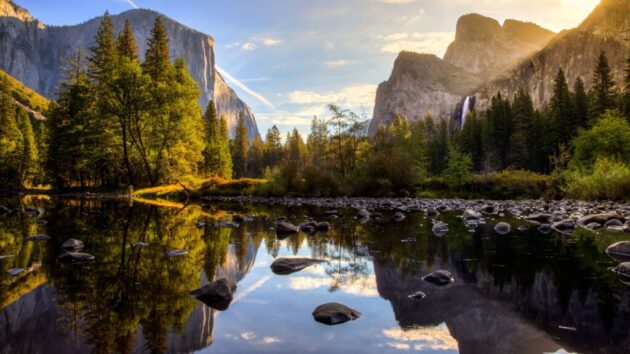
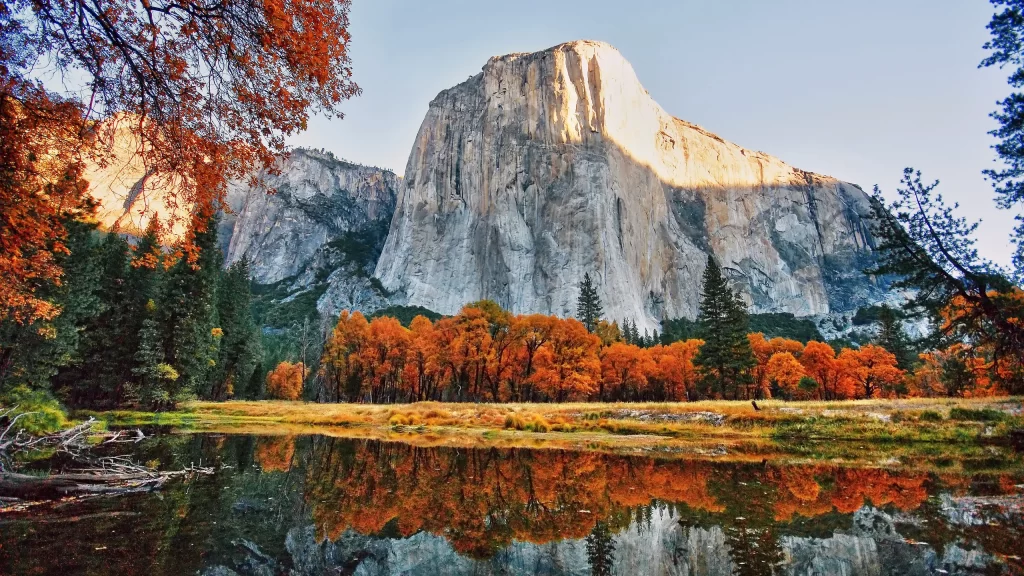
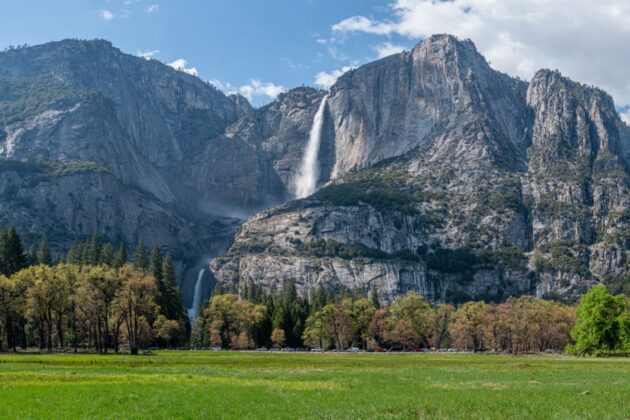
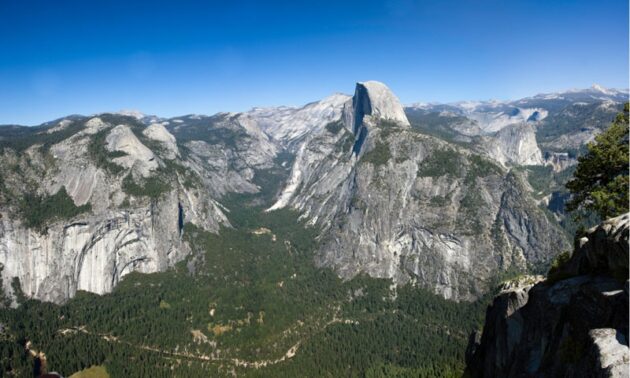
Iconic Landmarks: Yosemite Valley: The park’s heart, home to Half Dome, El Capitan, and Yosemite Falls (2,425 ft, North America’s tallest). Visit Tunnel View for a postcard-perfect vista.
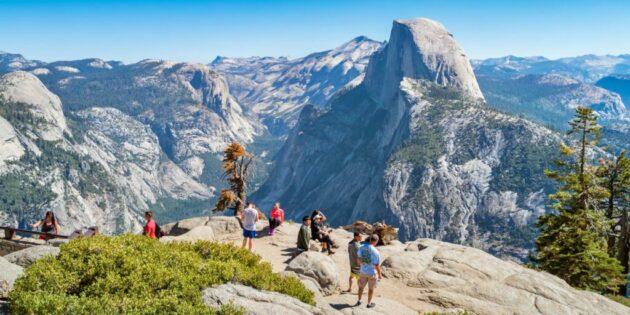
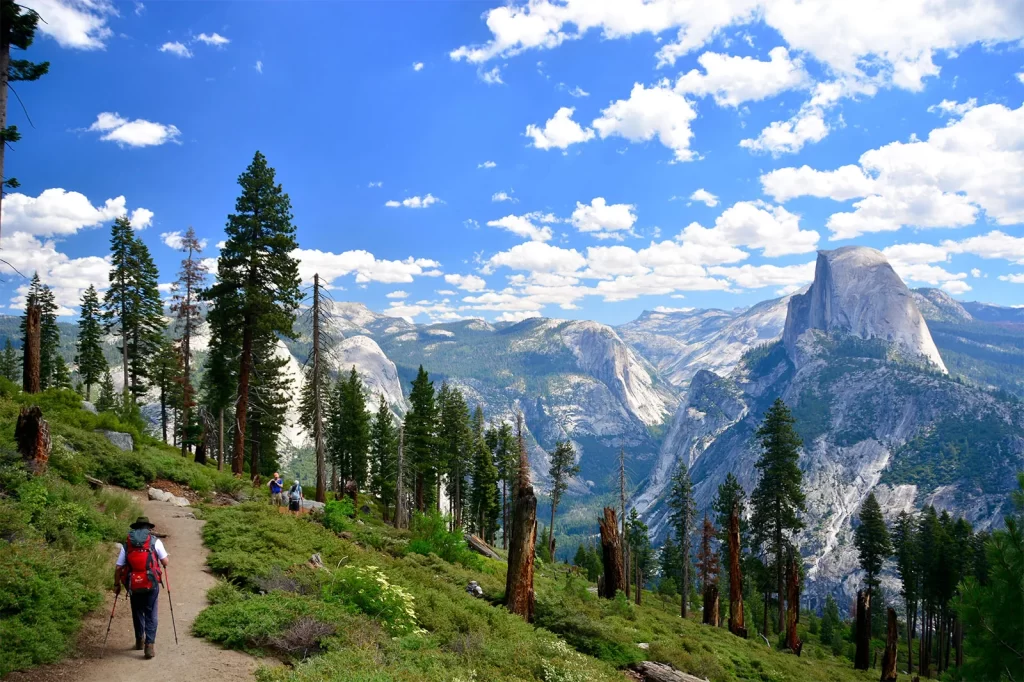
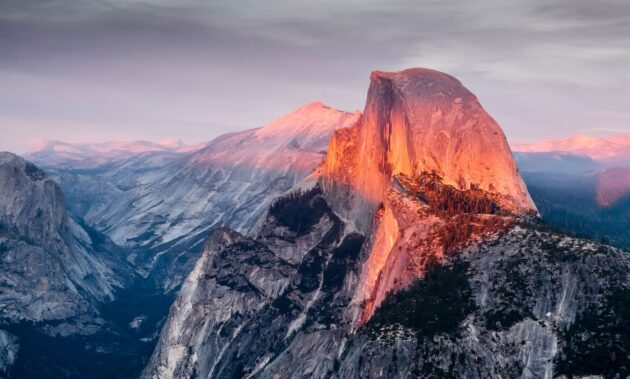
Glacier Point: Offers panoramic views of Half Dome and the Sierra Nevada. Accessible by car (May–October) or a strenuous hike via the Four Mile Trail.
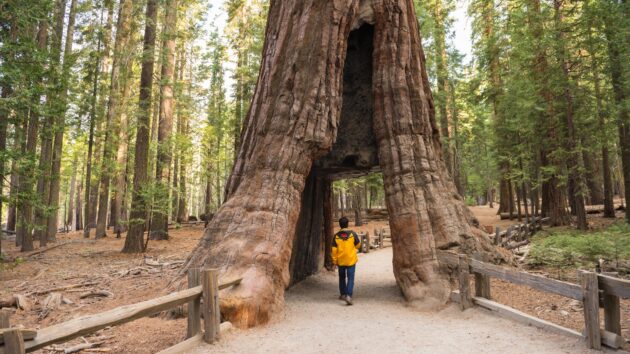
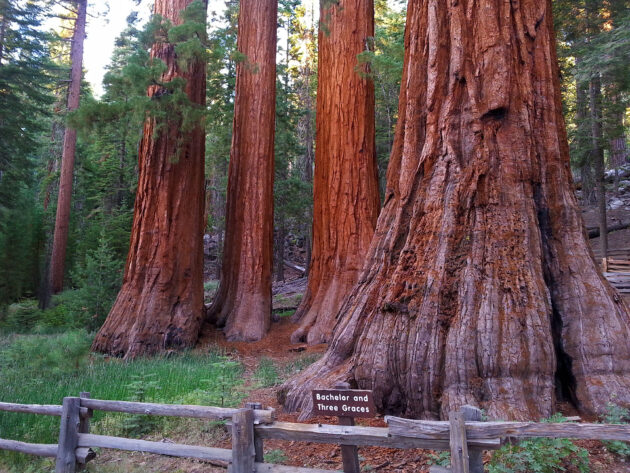
Mariposa Grove: Explore over 500 giant sequoias, including the 1,800-year-old Grizzly Giant. A tram tour ($30) is available in summer.
Hiking: Easy: Lower Yosemite Fall Trail (1 mile, flat, 30 minutes) offers close-up views of the waterfall. Mirror Lake (2 miles, easy) is great for families.
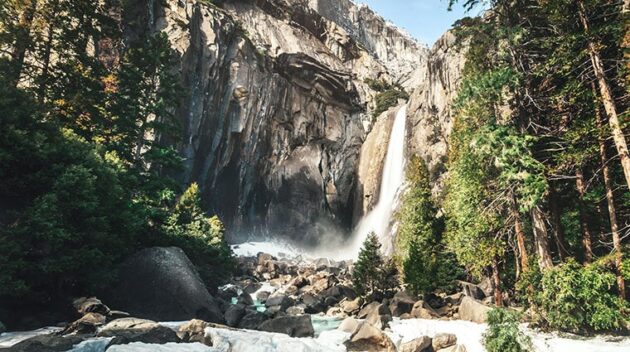
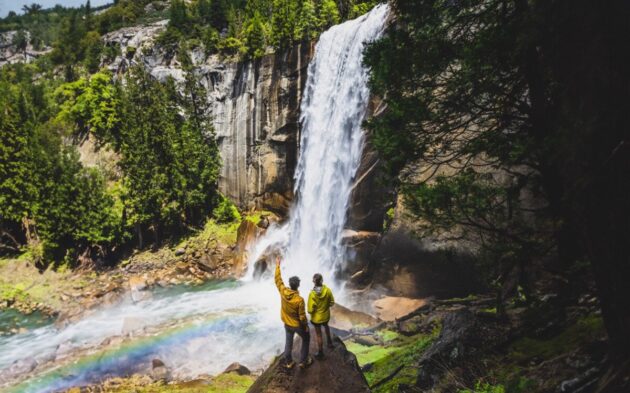
Moderate: Mist Trail to Vernal and Nevada Falls (3–7 miles, 3–5 hours) is a bucket-list hike with misty views (wear waterproof gear).
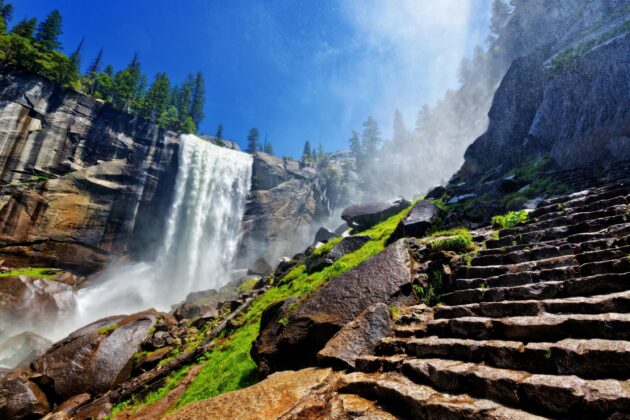
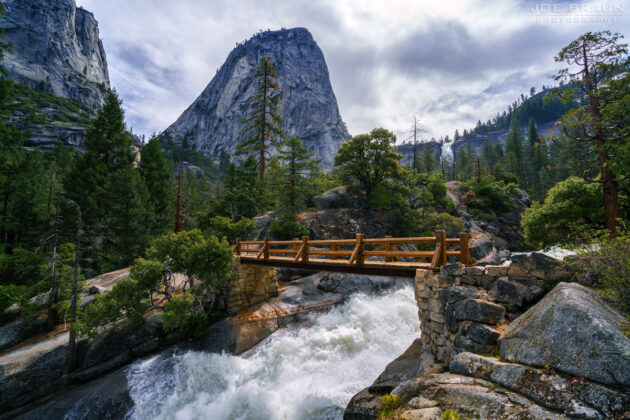
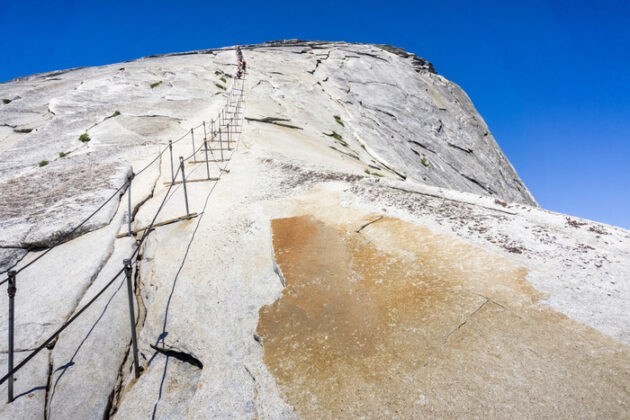
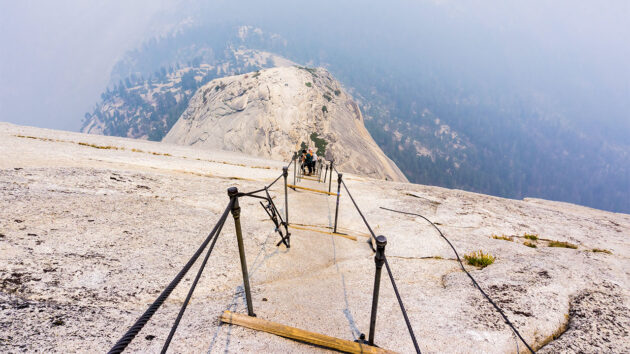
Strenuous: Half Dome (14.5 miles, 10–12 hours, permit required) is a challenging climb with epic summit views. Apply for permits ($10) via recreation.gov.
Rock Climbing: Yosemite is a global climbing mecca, with El Capitan’s 3,000-foot face attracting experts. Beginners can try guided climbs or bouldering in Curry Village.
Wildlife and Photography: Spot black bears, mule deer, or marmots in Yosemite Valley or Tuolumne Meadows. Early morning or dusk is best for wildlife. Photographers flock to Inspiration Point and Glacier Point for sunrise/sunset shots.
Winter Activities: Ski or snowboard at Badger Pass Ski Area (open December–March). Rentals and lessons available. Ice skate at Curry Village or snowshoe along marked trails.
Where to Stay
Inside the Park: The Ahwahnee Hotel: A historic 4-star lodge with stunning views. Rates start at $400/night. Book 6–12 months in advance. Yosemite Valley Lodge: Near Yosemite Falls, more affordable at $200–300/night.
Curry Village: Offers canvas tents and cabins ($100–200/night). Ideal for budget travelers. Camping: Sites like Upper Pines or Tuolumne Meadows cost $26–36/night. Book via recreation.gov up to 5 months in advance.
Outside the Park: Mariposa: Charming town 1 hour from Yosemite Valley with B&Bs like Mariposa Lodge ($100–150/night). Oakhurst: Closer to the South Entrance, with chain hotels like Best Western Plus ($120–200/night). Groveland: Near the Big Oak Flat Entrance, offering cozy inns like Hotel Charlotte ($90–150/night).
Where to Eat
Inside the Park: The Ahwahnee Dining Room: Upscale dining with dishes like roasted salmon ($30–50). Reservations recommended. Yosemite Valley Lodge Food Court: Casual options like burgers and pizza ($10–20).
Degnan’s Kitchen: Sandwiches and coffee in Yosemite Village ($8–15). Tip: Bring snacks or a picnic to save money. Groceries are available at Yosemite Village Store.
Outside the Park: Mariposa and Oakhurst offer restaurants like Savoury’s (fine dining, $20–40) or South Gate Brewing Company (pub fare, $10–20).
Tips for a Great Visit
Pack Smart: Bring layers (weather varies widely), sturdy hiking shoes, a reusable water bottle, and bear-proof food storage (required for camping). Wildlife Safety: Keep 100 yards from bears and store food securely. Never feed animals.
Leave No Trace: Pack out all trash and stick to trails to protect the ecosystem. Connectivity: Cell service is spotty; download offline maps (e.g., Maps.me) and carry a park map. Combine Your Trip: Visit nearby Sequoia and Kings Canyon National Parks (3 hours away) or spend a day in San Francisco.
Final Thoughts
Yosemite National Park is a masterpiece of nature, offering awe-inspiring views, thrilling adventures, and serene moments in equal measure. Whether you’re scaling Half Dome, marveling at ancient sequoias, or simply soaking in the beauty of Yosemite Valley, the park promises memories that last a lifetime. Plan ahead, respect the environment, and prepare for an extraordinary journey into one of America’s greatest treasures.
Happy travels!