




A Travel Guide to Denver
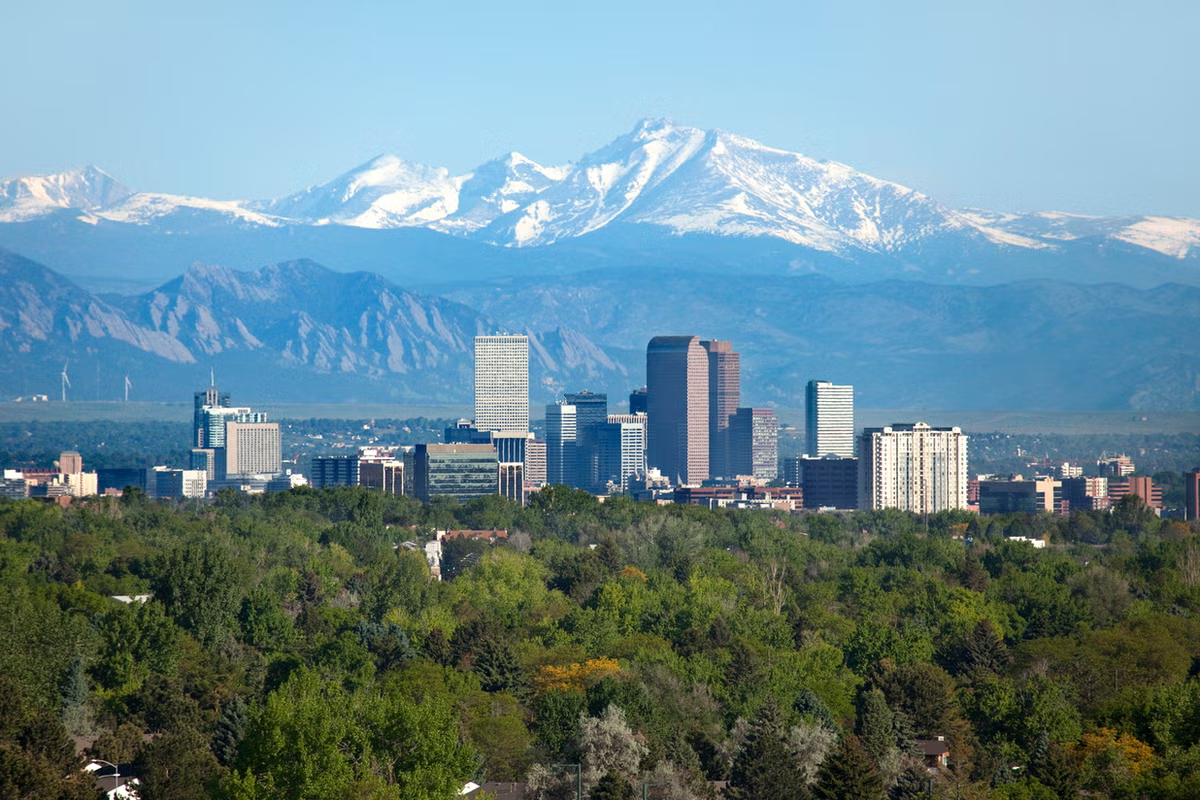
Denver, known as the Mile High City for its elevation of exactly 5,280 feet (1,609 meters), is the vibrant capital of Colorado, blending urban sophistication with unparalleled access to the Rocky Mountains. With 300 days of sunshine, a thriving arts scene, craft breweries, and proximity to outdoor adventures, Denver offers something for every traveler. Whether you’re into culture, cuisine, or nature, this guide will help you plan an unforgettable trip to Denver in 2025.
Why Visit Denver?
Denver is a dynamic destination where cosmopolitan cool meets the rugged spirit of the American West. Its walkable downtown is packed with farm-to-table restaurants, craft breweries, and world-class museums, while the nearby Rockies offer hiking, skiing, and breathtaking scenery. The city’s diverse neighborhoods, like the artsy River North (RiNo) and historic Lower Downtown (LoDo), provide endless exploration opportunities. From catching a game at Coors Field to stargazing at Red Rocks Amphitheatre, Denver delivers a unique mix of urban excitement and natural beauty.
How to Get There
By Air: Denver International Airport (DEN) is one of the busiest airports in the U.S., offering direct flights from major cities worldwide. From the airport, take the A Line train to Union Station in downtown Denver (37 minutes, ~$10.50). Taxis or ride-hailing services (Uber, Lyft) cost $40–60 and take 25–35 minutes, depending on traffic.
By Train: Amtrak’s California Zephyr stops at Denver Union Station, connecting the city to Chicago and San Francisco. The scenic route through the Rockies is a bucket-list journey. Book tickets via Amtrak’s website.
By Car: Denver is accessible via I-70 (east-west) and I-25 (north-south). From Salt Lake City, it’s a 5-hour drive; from Colorado Springs, it’s about 1 hour. Parking downtown can be pricey ($10–20/day), so consider public transit for city exploration.
By Bus: Greyhound and FlixBus serve Denver from major U.S. cities. Buses arrive at Union Station or other downtown hubs. Fares from nearby cities like Boulder start at $10.
Tip: Denver’s altitude can cause mild discomfort (headaches, nausea) for newcomers. Stay hydrated, eat potassium-rich foods (bananas, avocados), and ease into physical activities on your first day to avoid altitude sickness.
Best Time to Visit
Spring (April–May): Mild temperatures (50–70°F/10–21°C) and fewer crowds make this ideal for hiking and city exploration. Expect occasional rain. Summer (June–August): Warm days (70–85°F/21–29°C) are perfect for outdoor festivals, Red Rocks concerts, and mountain day trips. Book accommodations early, as summer is peak season.
Fall (September–October): Crisp weather (40–70°F/4–21°C) and vibrant foliage in the Rockies make this a favorite for photographers. The Great American Beer Festival (late September/early October) draws beer enthusiasts. Winter (November–March): Cold (20–50°F/-7–10°C) with snowfall, ideal for skiing at nearby resorts like Vail or Breckenridge (1.5–2 hours away). Denver’s holiday light displays, like at the Botanic Gardens, add festive charm.
Weather Tip: Pack layers, as temperatures can vary widely, especially if combining city and mountain activities. Sunscreen is a must due to high UV exposure at this altitude.
Top Attractions
Denver Art Museum
The Denver Art Museum (DAM), located in Denver, Colorado, is one of the largest art museums between Chicago and the West Coast. Founded in 1893 as the Denver Artists Club, it now houses over 70,000 artworks spanning diverse cultures, including American Indian, Asian, European, African, and modern and contemporary art. The museum is renowned for its striking architecture, particularly the titanium-clad Frederic C. Hamilton Building designed by Daniel Libeskind, inspired by Colorado’s Rocky Mountains.


Meow Wolf Denver
Meow Wolf Denver, located at 1338 1st St, Denver, Colorado, is an immersive art and entertainment experience known for its interactive, surreal installations blending storytelling, technology, and multi-sensory exploration. Its flagship exhibit, Convergence Station, transports visitors into a sci-fi-inspired multiverse with four alien worlds to explore, featuring puzzles, hidden narratives, and visually stunning environments. Since opening in 2021, it has become a major attraction, praised for its creativity and family-friendly appeal, with exhibits incorporating VR, MR, and 5G-enhanced elements.


Denver Museum of Nature & Science
The Denver Museum of Nature & Science (DMNS), located in Denver, Colorado, is one of the largest natural history museums in the U.S., established in 1900. It features over 1 million specimens across anthropology, geology, paleontology, space science, and zoology, with highlights including dinosaur fossils, Egyptian mummies, wildlife dioramas, and interactive space exhibits. The museum also offers IMAX films, planetarium shows, and educational programs, attracting millions of visitors annually.


Red Rocks Amphitheatre
Red Rocks Amphitheatre, located near Denver, Colorado, is a world-renowned outdoor concert venue uniquely built into natural red sandstone formations. Known for its exceptional acoustics and stunning scenery, it features a stage nestled between three massive rock formations—Ship Rock, Creation Rock, and Stage Rock—creating a one-of-a-kind performance space. Since its official opening in 1941, it has hosted legendary artists like The Beatles, U2, and Jimi Hendrix. When not in use for concerts, the venue serves as a public park for hiking, yoga, and fitness activities.


Denver Botanic Gardens
The Denver Botanic Gardens, located in Denver, Colorado, is a 23-acre public botanical garden renowned for its diverse plant collections, particularly cold temperate species from around the world. It features themed gardens such as a Tropical Conservatory, Japanese Garden, Rock Alpine Garden, and a Children’s Garden, along with educational programs and seasonal events like summer concerts. The gardens also emphasize sustainability, housing the world’s first Xeriscape demonstration garden showcasing drought-resistant plants.


Denver Zoo
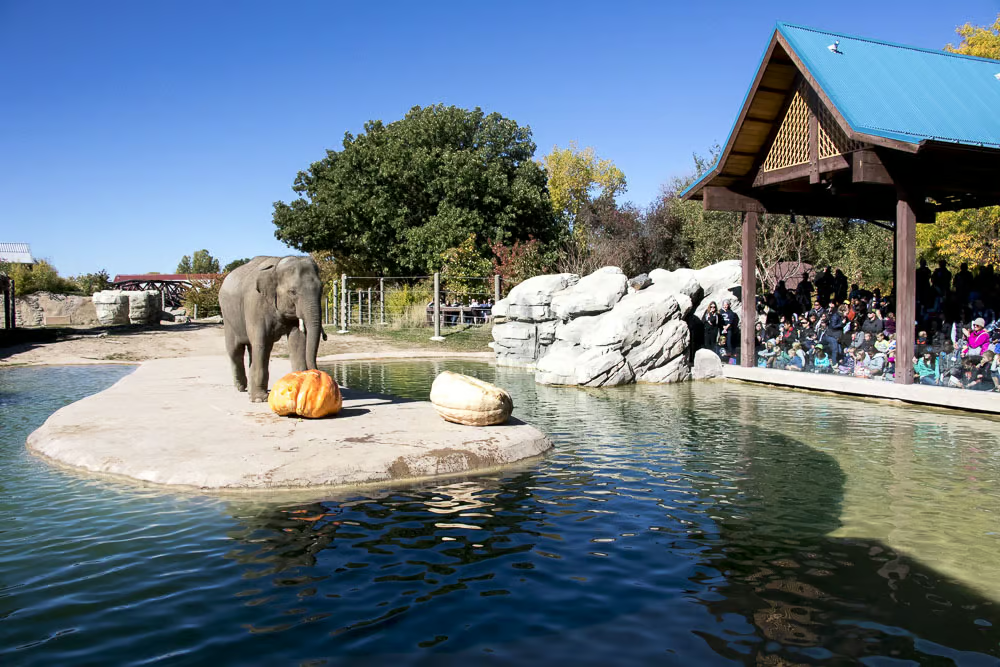
The Denver Zoo, located in Denver, Colorado, is one of the most popular zoos in the United States, established in 1896 and spanning 80 acres within City Park. It houses nearly 4,000 animals representing over 700 species, including lions, tigers, giraffes, and rare birds like African penguins and Egyptian vultures. Known for its innovative open-air enclosures (being the first U.S. zoo to use natural barriers instead of cages), it features exhibits such as a tropical rainforest habitat, a primate section, and a large aquatic display.


16th Street Mall
The 16th Street Mall in Denver, Colorado, is a vibrant 1.25-mile (2 km) pedestrian and transit mall lined with shops, restaurants, and entertainment venues. Designed by architect I.M. Pei and opened in 1982, it features granite-paved walkways, tree-lined streets, and a free shuttle bus service that enhances accessibility while maintaining a pedestrian-friendly environment. The mall connects Denver’s Union Station to the Civic Center, serving as a central hub for commerce, culture, and community events.


City Park
City Park in Denver, Colorado, is the city’s largest urban park, established in 1882, offering a blend of natural beauty, recreational activities, and cultural attractions. Spanning 320 acres, it features highlights such as the Denver Zoo, the Denver Museum of Nature & Science, and Ferril Lake, which is ideal for boating and picnics. The park hosts free summer jazz concerts, has walking and biking trails, sports facilities, and beautifully landscaped gardens.


Mount Evans Scenic Byway
Mount Evans Scenic Byway, located near Denver, Colorado, is the highest paved road in North America, reaching an elevation of 14,130 feet (4,307 meters) at its summit parking lot. This breathtaking route stretches from Idaho Springs to the peak of Mount Evans, offering stunning alpine views, wildlife sightings (such as mountain goats and bighorn sheep), and dramatic high-altitude landscapes. Open seasonally from late May to early September, the byway features steep, winding roads with no guardrails, making it both thrilling and challenging for drivers.


Cherry Creek State Park
Cherry Creek State Park, located in Aurora, Colorado near Denver, is a sprawling 4,200-acre natural oasis offering diverse outdoor activities. Centered around an 880-acre reservoir, the park features extensive trails for hiking, biking, and horseback riding, along with opportunities for boating, fishing, and wildlife viewing with over 40 mammal and 171 bird species. Established in 1959 as Colorado’s first state recreation area, it combines scenic prairie landscapes with amenities like campgrounds, picnic areas, and a 12-mile horseback riding stable, making it a year-round destination for nature lovers and adventure seekers.


Where to Eat
Cherry Cricket (LoDo): A local favorite for burgers and craft beers ($10–20). Mercantile Dining & Provision (Union Station): Farm-to-table dishes with a modern twist ($20–40).
Tokio Ramen (RiNo): Authentic Japanese ramen in a cozy setting ($12–18). Snooze A.M. Eatery (Union Station): Creative breakfast and brunch, famous for pancakes ($10–20). Food Halls: Try Denver Central Market or The Source for diverse options, from tacos to sushi ($8–15).
Tip: Denver’s culinary scene includes international cuisines and cannabis-friendly dining (for those 21+, in private settings). Check local regulations for marijuana use, as public consumption is illegal.
Where to Stay
The Crawford Hotel (Union Station): A luxurious, historic hotel with rooms starting at $250/night. Magnolia Hotel (LoDo): Pet-friendly with old-world charm, from $150/night.
The Source Hotel (RiNo): Sleek, industrial-style rooms in the trendy art district, from $180/night. Budget Options: Hostels like Hostel Fish in LoDo offer dorms from $40/night, or try Airbnb for apartments starting at $80/night.
Booking Tip: Book early for summer and fall, as hotels fill up during festivals and ski season. Use VISIT DENVER’s website for deals.
Tips for a Great Visit
Getting Around: Denver is walkable downtown, with the free 16th Street Mall Shuttle. Use the RTD light rail or buses for suburbs ($2.60–$5.25). Bikes and e-scooters are widely available via apps like Lyft. Pack Smart: Bring sunscreen, a reusable water bottle, and layers for unpredictable weather. Comfortable shoes are a must for hiking or walking.
Explore Neighborhoods: LoDo for history, RiNo for art and nightlife, and Cherry Creek for upscale shopping. Check Events: Follow @visitdenver on X for updates on festivals, concerts, and deals. Altitude Safety: Drink water, avoid heavy alcohol on day one, and pace yourself during outdoor activities.
Final Thoughts
Denver is a city of contrasts—where skyscrapers meet mountains, and craft beer flows as freely as mountain streams. Whether you’re exploring the vibrant RiNo murals, hiking in nearby Rocky Mountain National Park, or savoring a burger at a local haunt, the Mile High City promises a memorable adventure. Plan your visit with this guide, embrace the laid-back vibe, and let Denver’s 300 days of sunshine light up your trip.
Happy travels!


