A Travel Guide to Great Sand Dunes National Park
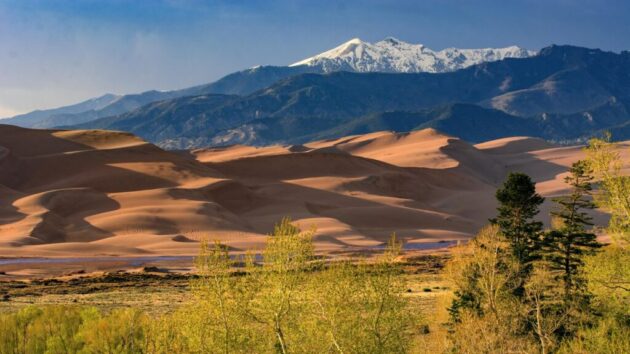
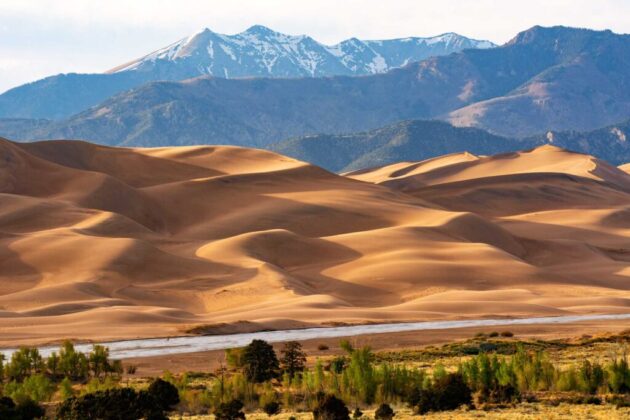
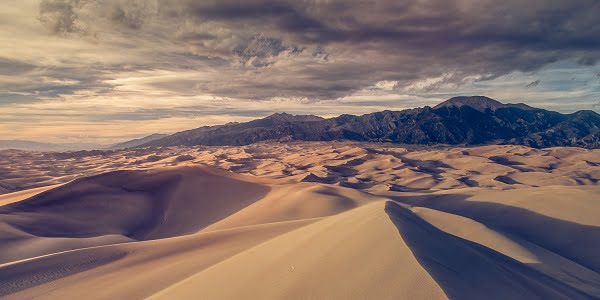
Located in the heart of Colorado’s San Luis Valley, Great Sand Dunes National Park and Preserve is a geological marvel featuring the tallest sand dunes in North America, rising up to 750 feet against the dramatic backdrop of the Sangre de Cristo Mountains. Spanning 149,028 acres, the park offers a diverse landscape of dunes, grasslands, wetlands, forests, alpine lakes, and tundra, making it a unique destination for adventurers, families, and nature lovers. Whether you’re hiking towering dunes, sandboarding, or stargazing under an International Dark Sky Park, this guide will help you plan an unforgettable visit.
Why Visit Great Sand Dunes National Park?
The park’s surreal landscape, where vast sand dunes meet rugged mountains, creates an otherworldly experience. Formed over 440,000 years ago after Lake Alamosa dried up, the dunes are shaped by winds and fed by Medano and Sand Creeks, offering a dynamic, ever-changing environment. Beyond the dunes, the park’s diverse ecosystems support pronghorn, elk, and sandhill cranes, while its remote location ensures pristine night skies for stargazing. Activities like sandboarding, hiking, and splashing in seasonal Medano Creek make it a playground for all ages.
How to Get There
Great Sand Dunes National Park is located in south-central Colorado, near Mosca, approximately 35 miles northeast of Alamosa. It’s remote, so plan your route carefully:
By Car: From Denver: Drive 234 miles (4 hours) via I-25 south to Walsenburg, then west on US-160 to CO-150 north to the park entrance. From Albuquerque, NM: Drive 246 miles (4 hours) via US-285 north to Alamosa, then east on US-160 to CO-150 north. From Colorado Springs: Drive 116 miles (2.5–3 hours) via US-24 west and CO-17 south to CO-150 north. The park is at the end of CO-150, with the main entrance near the Visitor Center and Dunes Parking Lot.
By Air: The closest airports are San Luis Valley Regional Airport (ALS) in Alamosa (35 miles, 40 minutes) or Colorado Springs Airport (COS) (171 miles, 2.5–3 hours). Denver International Airport (DEN) is farther but offers more flights. Rent a car from any of these airports, as public transport to the park is limited.
By Public Transport: There’s no direct public transit to the park. From Colorado Springs, you can take a bus to Walsenburg, then drive or arrange a taxi (costing $50–70). Ride-hailing services like Uber or Lyft are unreliable in this remote area, so a rental car is recommended.
Tip: The park is open 24/7 year-round, with no reservations or timed entries required. A 7-day vehicle pass costs $25.
Best Time to Visit
Spring (April–June): Ideal for mild weather (daytime highs 60–75°F) and Medano Creek’s peak flow (May–June), perfect for wading. The creek’s unique “surge flow” creates wave-like ripples. Avoid peak crowds on Memorial Day weekend. Fall (September–October): Comfortable temperatures (50–70°F), fewer crowds, and vibrant aspen groves along Medano Pass. Best for stargazing on moonless nights.
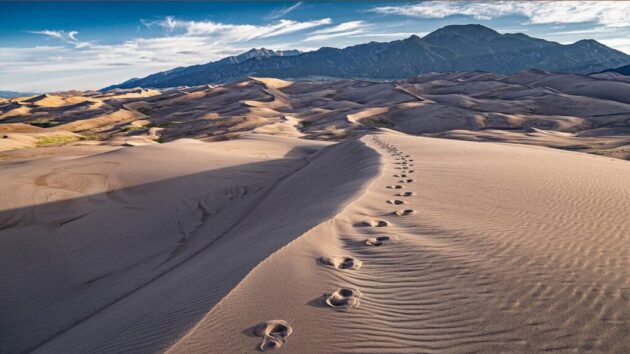
Summer (July–August): Hot (up to 85°F), with sand surface temperatures reaching 150°F, making early morning or evening visits essential. Crowds peak, and afternoon storms are common. Winter (November–March): Cooler (20–50°F) with possible snow on dunes, ideal for solitude and unique photography. High-elevation trails may be snowbound.
Weather Tip: The park’s elevation (7,515–13,604 ft) means rapid weather changes and altitude effects. Bring layers, sunscreen, and plenty of water to avoid altitude sickness.
Tickets and Opening Hours
Opening Hours: The park is open 24/7, 365 days a year. The Visitor Center operates from 9:00 AM–4:30 PM (winter) or 8:30 AM–5:00 PM (summer).
Entrance Fees: Non-commercial vehicle: $25 (7-day pass); Individual (on foot/bicycle): $15; Motorcycle: $20; Interagency Access Pass (for U.S. citizens with disabilities): Free or discounted.
Booking: No reservations needed for entry. Campsites at Piñon Flats Campground can be booked up to 6 months in advance via recreation.gov ($20/night).
Tip: Stop at the Visitor Center for a 15-minute film on the dunes’ history, exhibits, and ranger-led program schedules (summer only).
What to See and Do
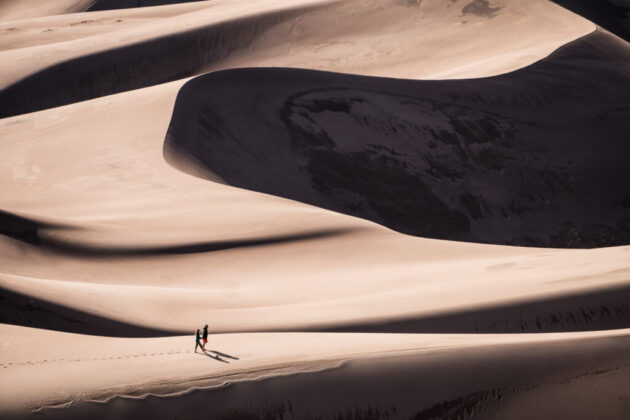
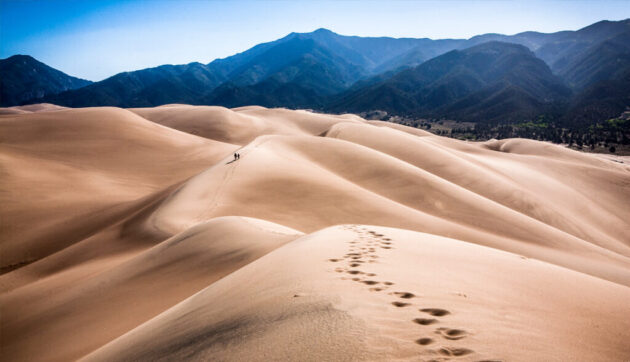
Hiking the Dunes: High Dune on First Ridge: A popular 2.5-mile round-trip hike (650 ft elevation gain, 1–2 hours) with panoramic views. No marked trails; navigate using Google Maps or a compass.
Star Dune: The tallest dune (750 ft), a strenuous 6-mile round-trip hike (6–9 hours). Ideal for experienced hikers or overnight campers. Tips: Wear closed-toe shoes (sand can be scalding), bring water (1L/person), and start early to avoid heat and storms.
Sandboarding and Sledding: Rent sandboards or sleds designed for sand at Oasis Store (near park entrance, spring–fall), Kristi Mountain Sports (Alamosa, year-round), or Sand Dunes Recreation & Hot Springs Pool (Hooper, year-round). Rentals cost $20–25/day. Best dunes for sledding are those with steep slopes near the Dunes Parking Lot. Not all sleds work; use specialized equipment for safety.
Medano Creek: A seasonal stream (peak flow May–June) at the dunes’ base, perfect for wading, building sandcastles, or cooling off. The creek may dry up by late summer.
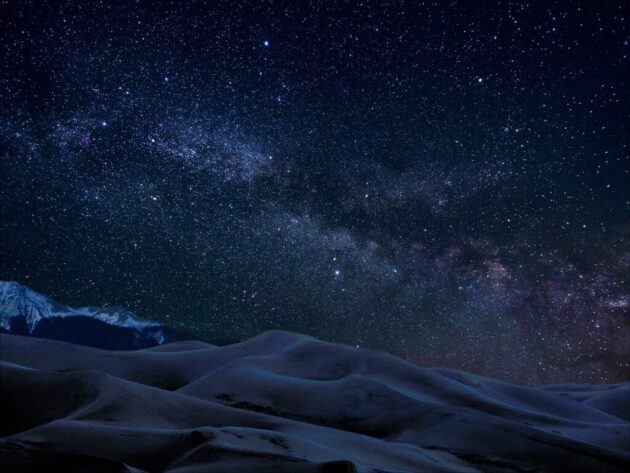
Stargazing: As an International Dark Sky Park, the park offers spectacular night skies, especially on moonless nights. Join ranger-led stargazing programs (summer) or visit independently. Bring a blanket and flashlight.
Other Activities: Mosca Pass Trail: A 7-mile round-trip hike through aspen groves and pine forests, offering dune views and wildlife sightings (3–4 hours). Medano Pass Primitive Road: A 22-mile 4WD road (high-clearance vehicles only) crossing Medano Creek nine times, leading to alpine views. Check road conditions on nps.gov. Zapata Falls: A short, 0.5-mile hike (30 minutes from the park) to a 30-ft waterfall. Wear water shoes for the stream crossing.
Horseback Riding and Biking: Permitted in most areas, with fat-tire bikes recommended for sandy stretches.
Accessibility: The Visitor Center and Dunes Parking Lot have wheelchair-accessible facilities, and an accessible mat extends to Medano Creek.
Where to Eat
Inside the Park: No restaurants are available. Pack food for picnics at the Dunes Parking Lot or Piñon Flats Campground. Bring ample water, as none is available on the dunes.
Nearby: Oasis Grill (near park entrance): Offers burgers, sandwiches, and snacks with good service. Ideal for a quick meal. Alamosa (35 miles): Restaurants like San Luis Valley Brewing Company (craft beer, pub food) and Milagro’s Coffee House (breakfast, sandwiches) provide diverse options.
Tip: Stock up on supplies in Alamosa before heading to the park, as options are limited near Mosca.
Where to Stay
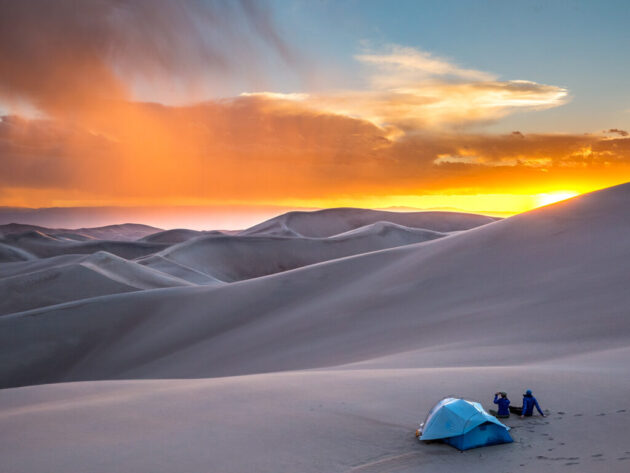
Camping: Piñon Flats Campground: 1 mile from the dunes, with 88 sites ($20/night). Amenities include restrooms, water, and fire pits. Book via recreation.gov. Backcountry Camping: Permitted on the dunes (free, permit required). Remote sites are available in the preserve for backpackers. Great Sand Dunes Oasis: Offers RV sites, tent camping, and cabins near the park entrance.
Lodging: Great Sand Dunes Lodge: Motel-style rooms and glamping domes just south of the entrance, starting at $100/night. Wi-Fi available. Zapata Ranch: A historic bison ranch 10 miles south, offering Southwestern-style lodging and gourmet meals ($150–300/night). Alamosa Hotels: Budget options like Super 8 ($80–120/night) or mid-range Hampton Inn ($120–180/night) provide comfort and proximity.
Tip: Book accommodations early for spring and fall, as availability is limited.
Tips for a Great Visit
Prepare for Sand and Sun: Wear closed-toe shoes, sunglasses, and sunscreen. Sand can be hot, and there’s no shade on the dunes. Pet-Friendly: Pets are allowed in most areas if leashed, but protect their paws from hot sand (dog booties recommended).
Altitude Awareness: The park ranges from 7,515–13,604 ft. Stay hydrated and rest if feeling altitude effects. Stargazing: Arrive 90 minutes before sunrise or sunset for the best dune views, or stay late for stargazing. The road to the entrance offers stunning sunset views.
Combine Your Trip: Visit nearby attractions like Zapata Falls, Colorado Gators Reptile Park, or the UFO Watchtower for a quirky San Luis Valley experience. Check Conditions: Visit nps.gov for updates on Medano Creek flow, road closures, and weather alerts.
Final Thoughts
Great Sand Dunes National Park and Preserve is a bucket-list destination that combines adventure, natural beauty, and cultural history. From climbing Star Dune to splashing in Medano Creek or marveling at a star-filled sky, the park offers endless ways to connect with its unique landscape. Plan your visit for spring or fall for the best conditions, pack for variable weather, and embrace the thrill of exploring North America’s tallest dunes. Whether you’re seeking a family-friendly outing or a challenging hike, this Colorado gem will leave you in awe.
Happy travels!