

A Travel Guide to Florida
Florida, known as the Sunshine State, is a vibrant destination in the southeastern United States, famous for its white-sand beaches, world-class theme parks, diverse ecosystems, and rich cultural heritage. Bordered by the Atlantic Ocean to the east and the Gulf of Mexico to the west, Florida offers something for every traveler—whether you’re seeking adventure, relaxation, or family-friendly fun. This guide will help you plan an unforgettable trip to explore Florida’s iconic attractions, natural wonders, and unique cities.
Why Visit Florida?
Florida’s appeal lies in its diversity. From the magical theme parks of Orlando to the tropical vibes of the Florida Keys, the state caters to families, couples, solo travelers, and thrill-seekers alike. Its 1,300 miles of coastline feature some of the world’s most beautiful beaches, while natural gems like Everglades National Park showcase unique ecosystems teeming with wildlife. Cultural hubs like Miami pulse with Latin American influences, and historic cities like St. Augustine offer a glimpse into America’s past. With year-round sunshine and endless activities, Florida is a bucket-list destination for travelers worldwide.
How to Get There
By Air: Major Airports: Miami International Airport (MIA): A hub for Latin American and Caribbean flights. Orlando International Airport (MCO): Ideal for theme park visitors. Tampa International Airport (TPA) and Fort Lauderdale International Airport (FLL): Great for accessing the Gulf Coast and southeast regions.
Flights from major U.S. cities are frequent, and international connections are robust, especially via Miami. Expect round-trip fares from $100–$400 domestically, depending on the season. Book in advance for peak seasons (December–April) to secure better rates.
By Car: Florida is accessible via major highways like I-95 (east coast) and I-75 (west coast). Driving from nearby states like Georgia or Alabama takes 5–8 hours to reach northern Florida. Renting a car is highly recommended for exploring beyond cities, with daily rates starting at $30–$50.
By Train or Bus: Amtrak offers routes to cities like Miami, Orlando, and Jacksonville from the Northeast, with fares starting at $50 one-way. Greyhound and Megabus provide affordable bus services from major U.S. cities, with tickets as low as $20–$50.
Best Time to Visit
Winter (December–April): The best time for mild weather (60–80°F) and low humidity, ideal for beach visits and outdoor activities. However, this is peak season, with higher crowds and prices, especially during spring break (March–April). Spring (March–May): Blooming flowers and events like the EPCOT International Flower & Garden Festival make this a vibrant time, though spring break crowds can be heavy in Miami and Orlando.
Summer (June–August): Hot and humid (80–95°F), with frequent rain showers and hurricane risks (peak season: late August–October). Hotels offer deals, but theme parks remain crowded. Fall (September–November): Comfortable weather (70–85°F) and fewer crowds, with events like Orlando’s Halloween Horror Nights. Ideal for budget travelers, though hurricane season persists.
Tip: For the best balance of weather and crowds, visit in November or April, avoiding major holidays. Check hurricane forecasts if traveling in fall.
Major Cities
Orlando
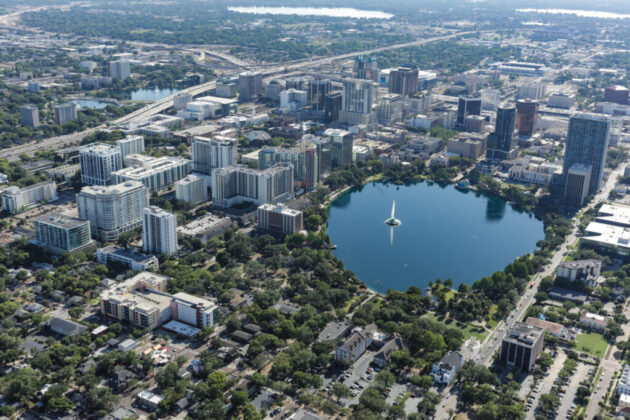
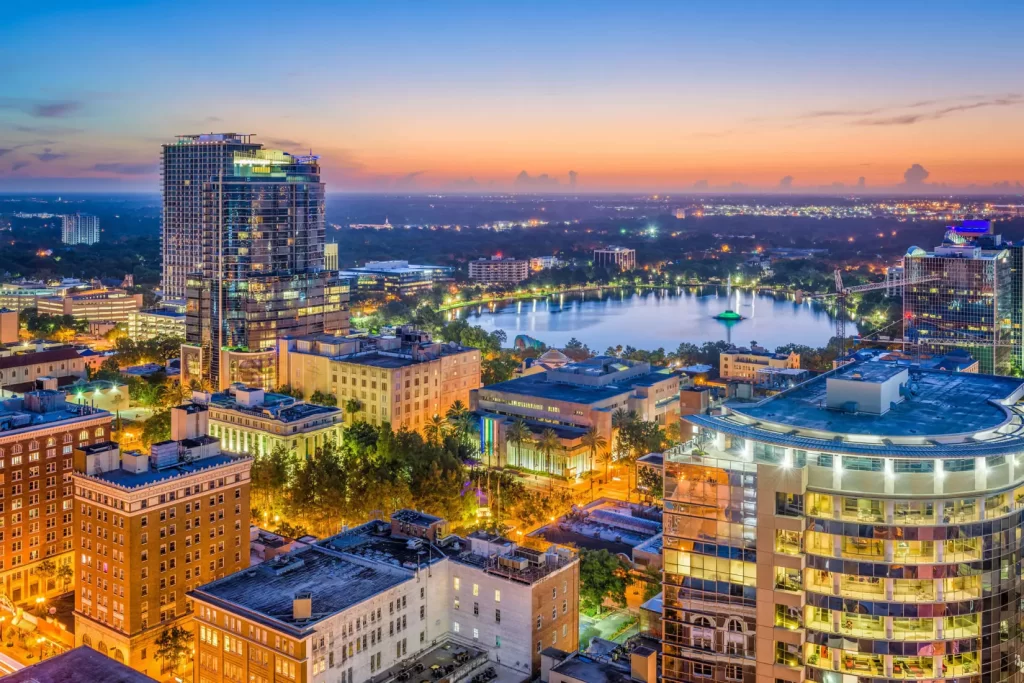
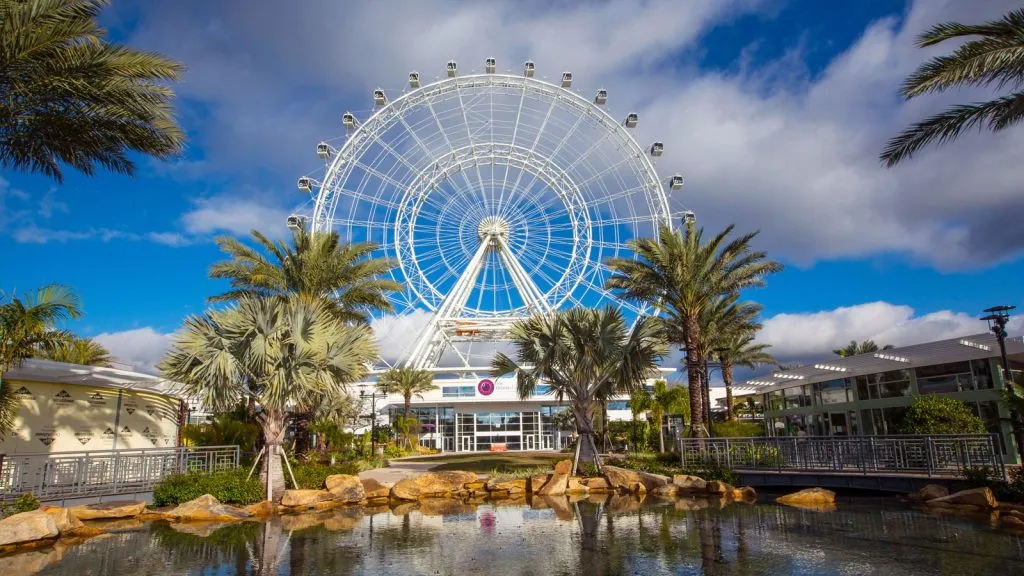
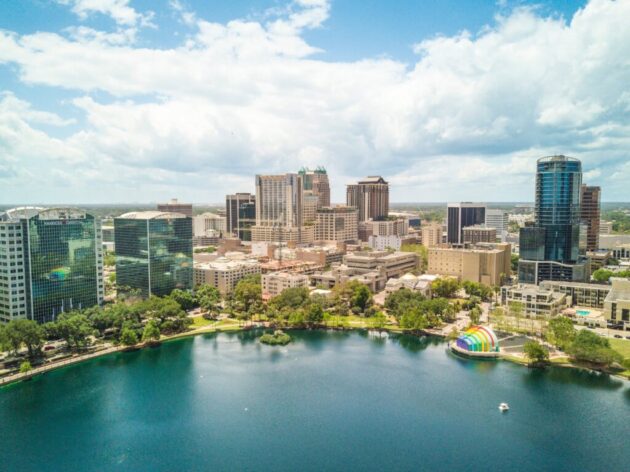
Orlando, located in Central Florida, is globally renowned as a premier travel destination, particularly for its world-class theme parks and family-friendly attractions. From thrilling roller coasters to unique wildlife encounters, this vibrant city offers something for everyone. Whether you’re an adventure seeker, a nature lover, or a culture enthusiast, Orlando promises unforgettable experiences.



Miami
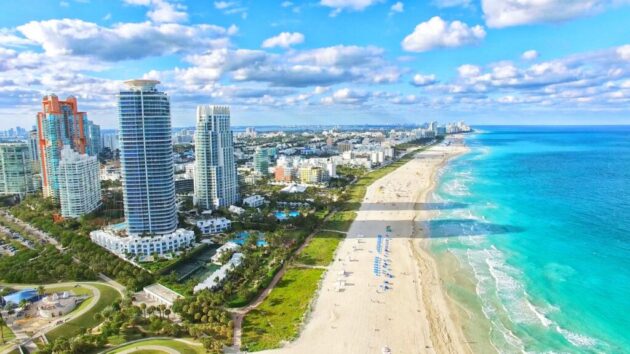
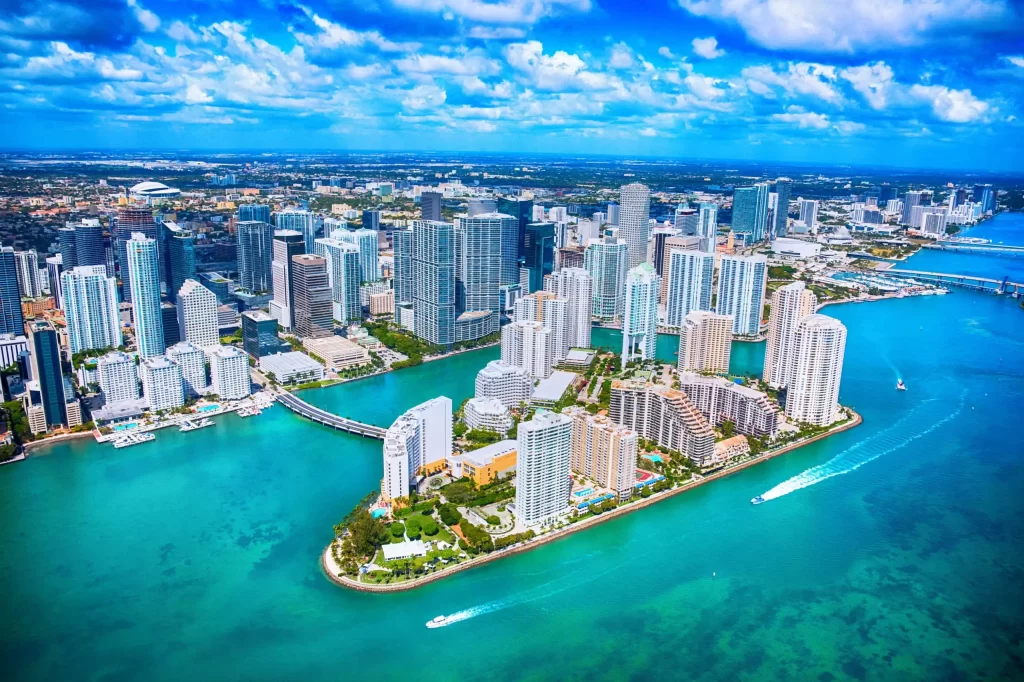
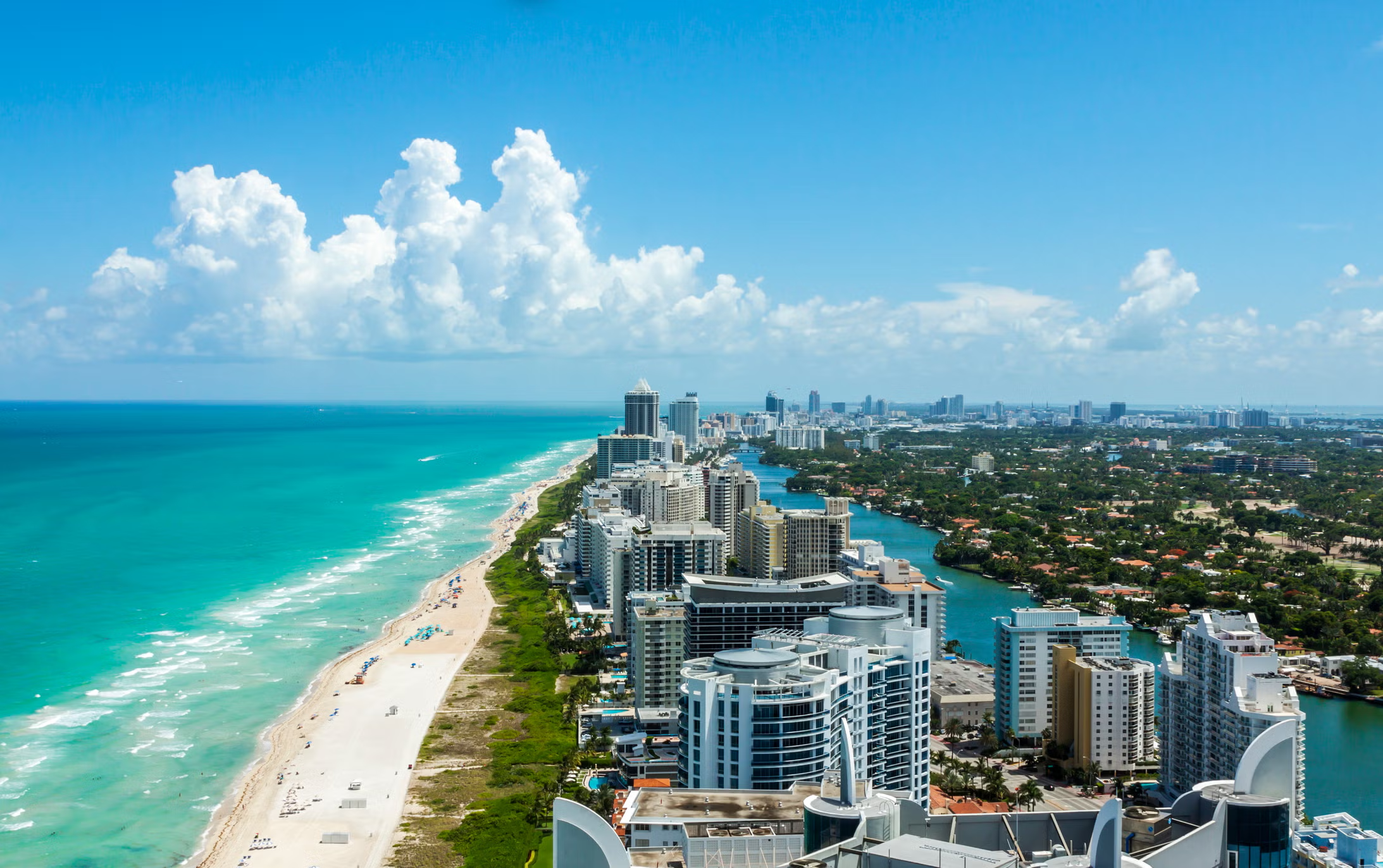
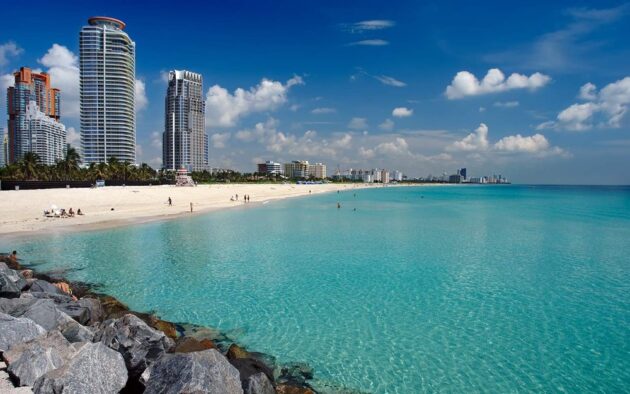
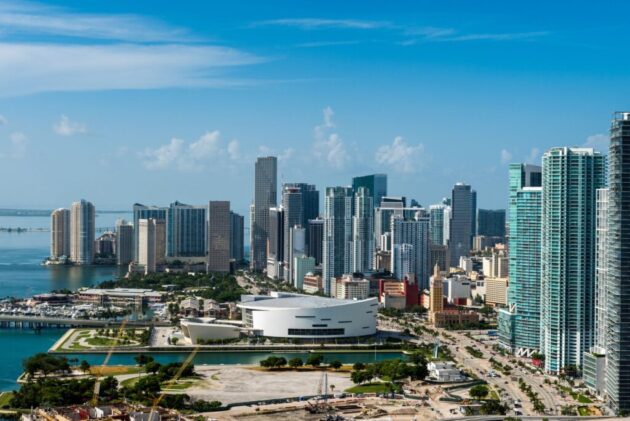
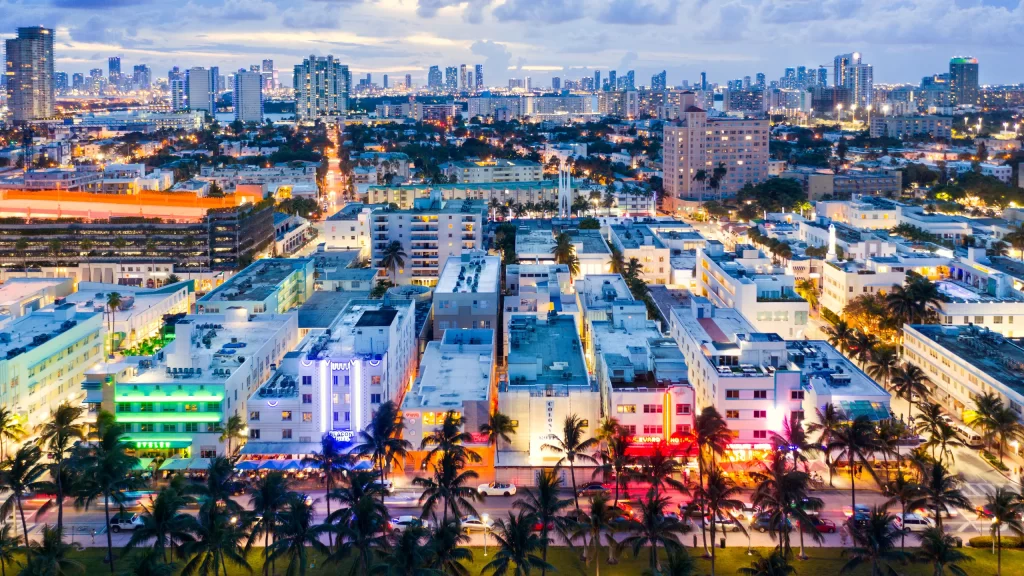
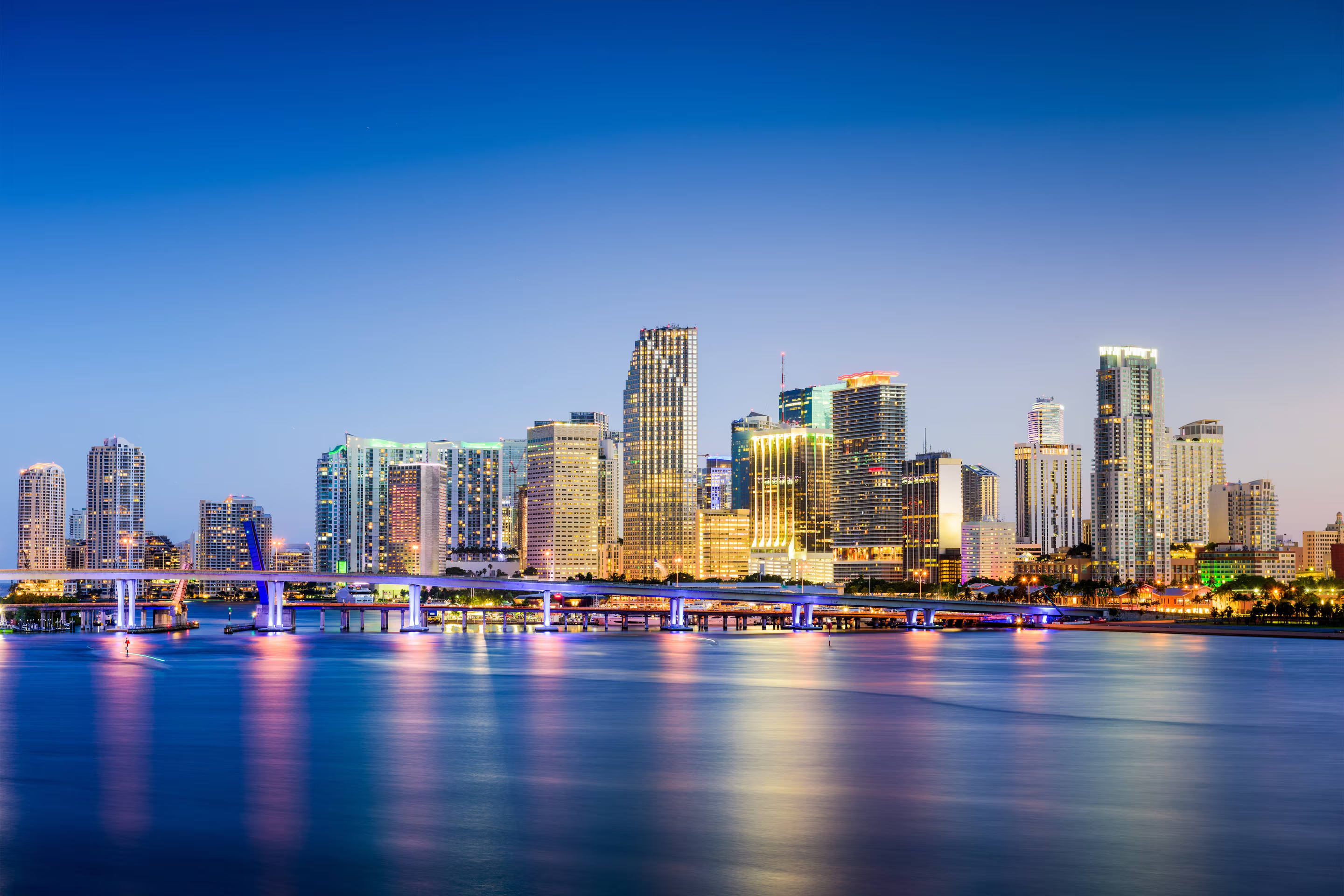
Miami, the vibrant coastal city in southern Florida, is famous for its stunning beaches, vibrant nightlife, cultural diversity, and Art Deco architecture. Whether you’re seeking sun-soaked relaxation, exciting adventures, or a taste of the local art scene, Miami has something for every traveler.

Top Attractions
Everglades National Park
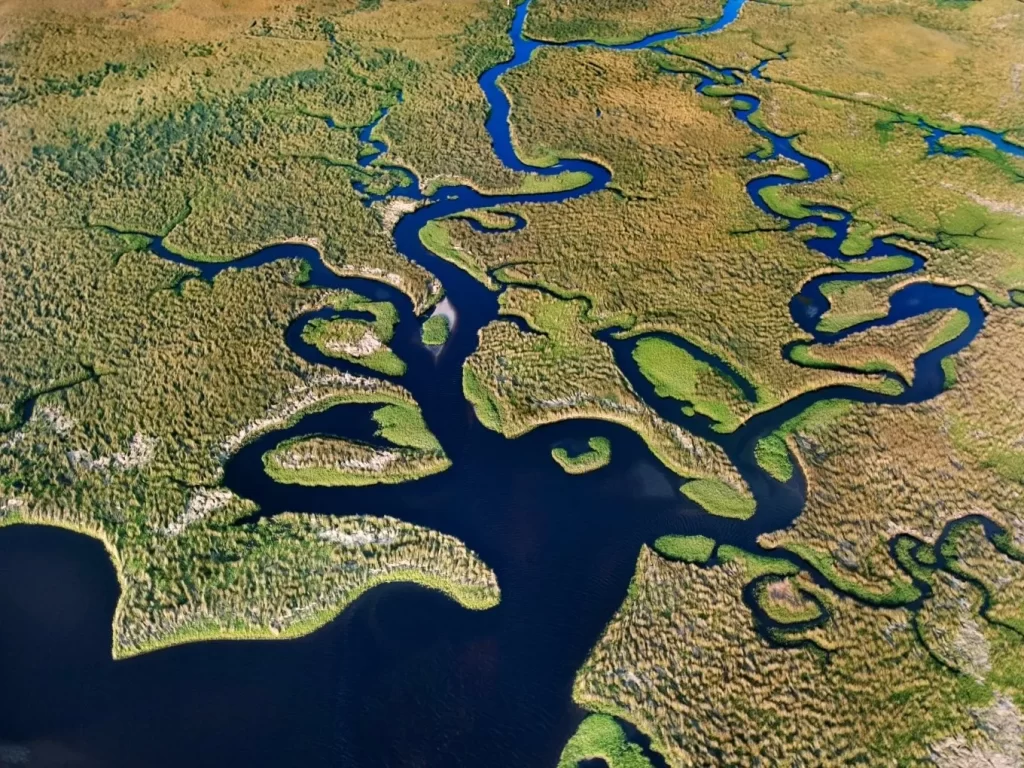
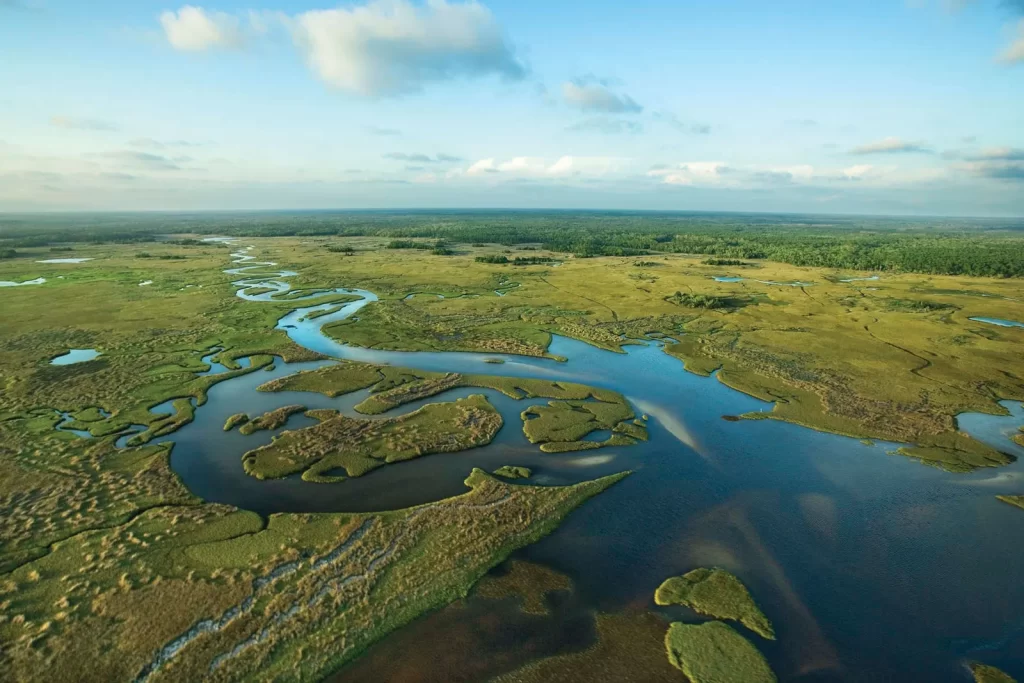
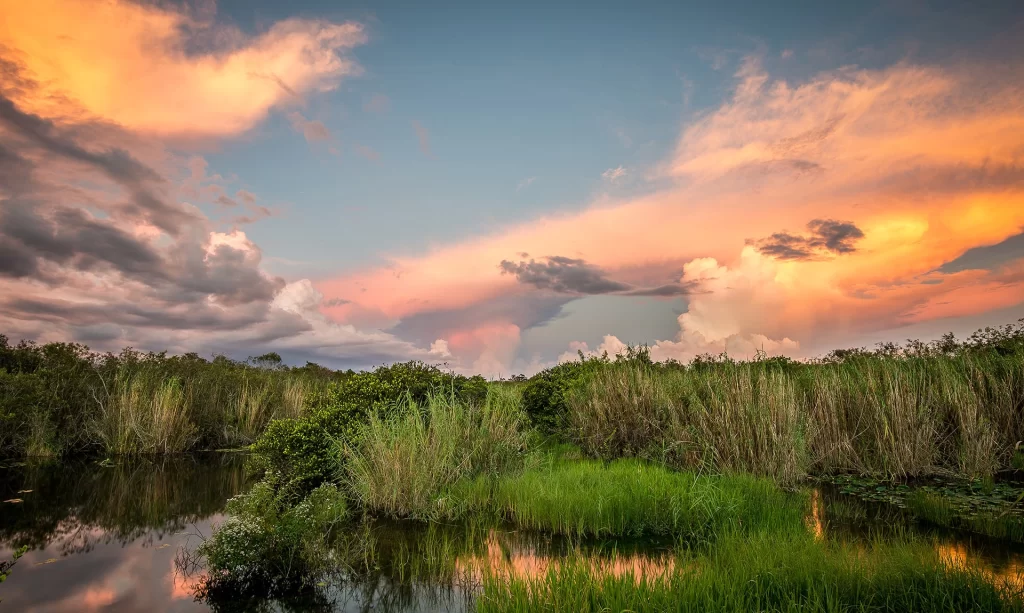
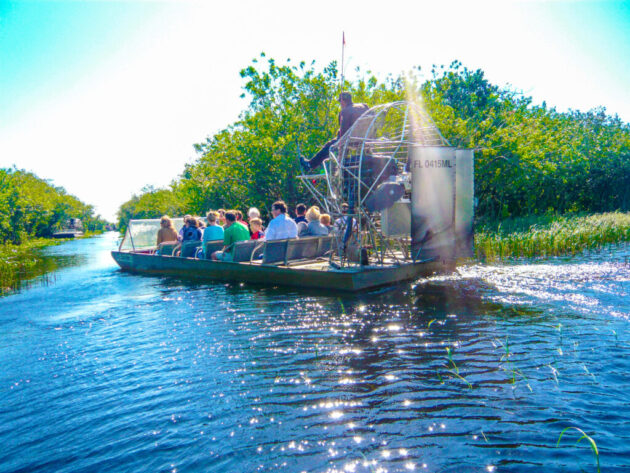
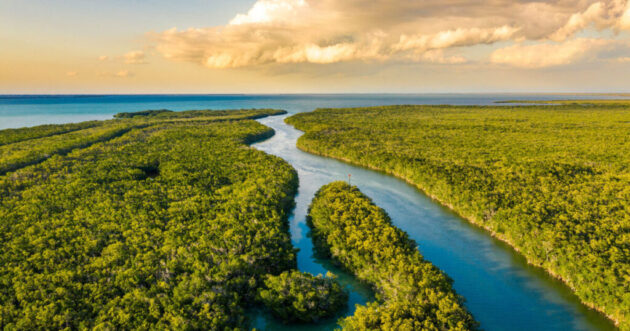
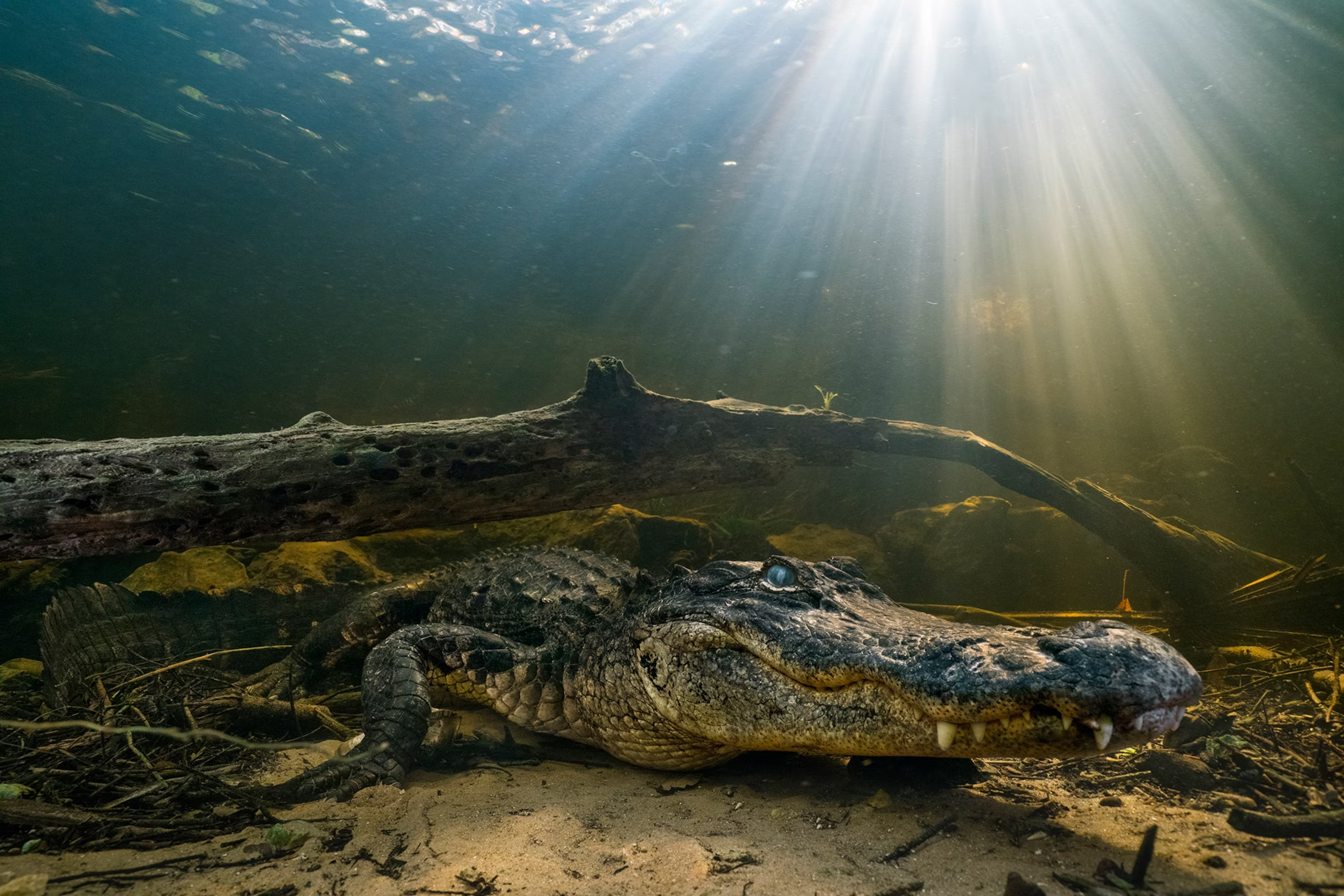
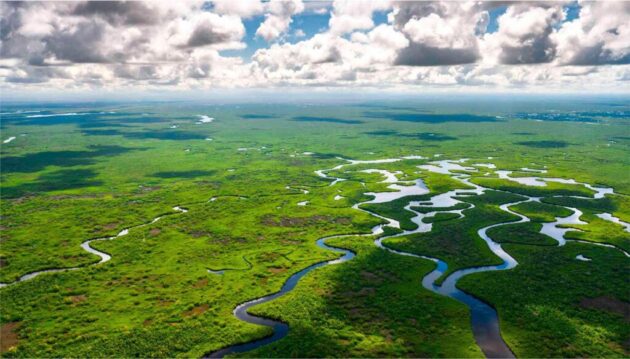
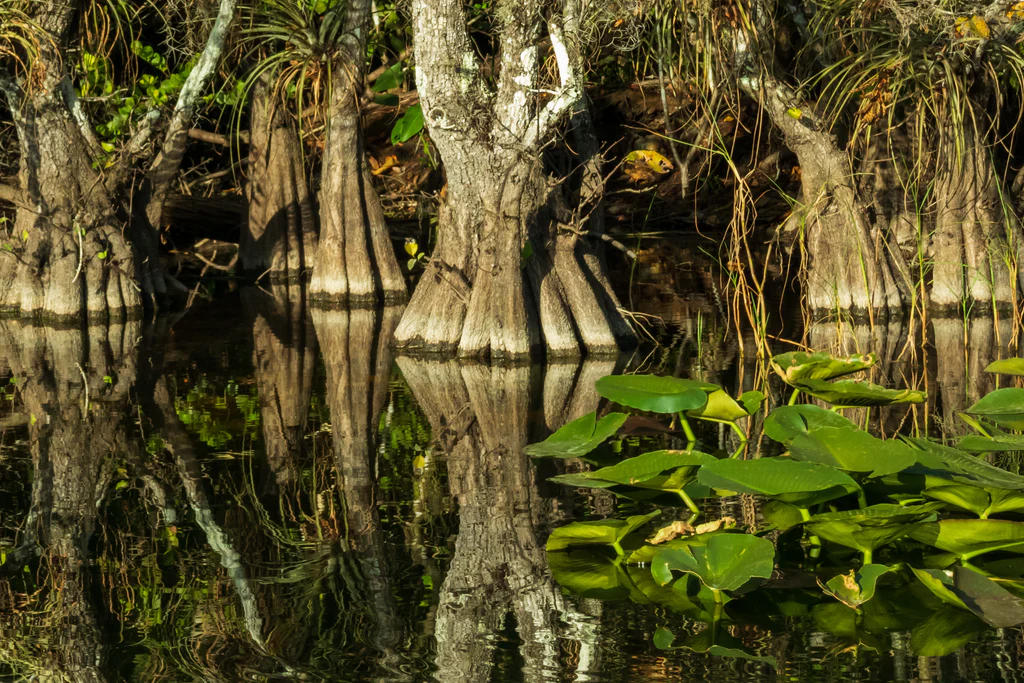
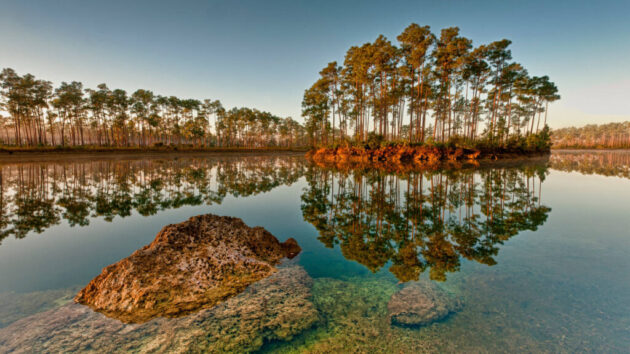
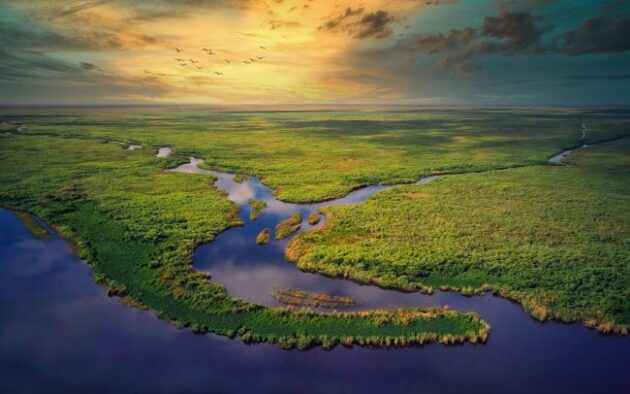
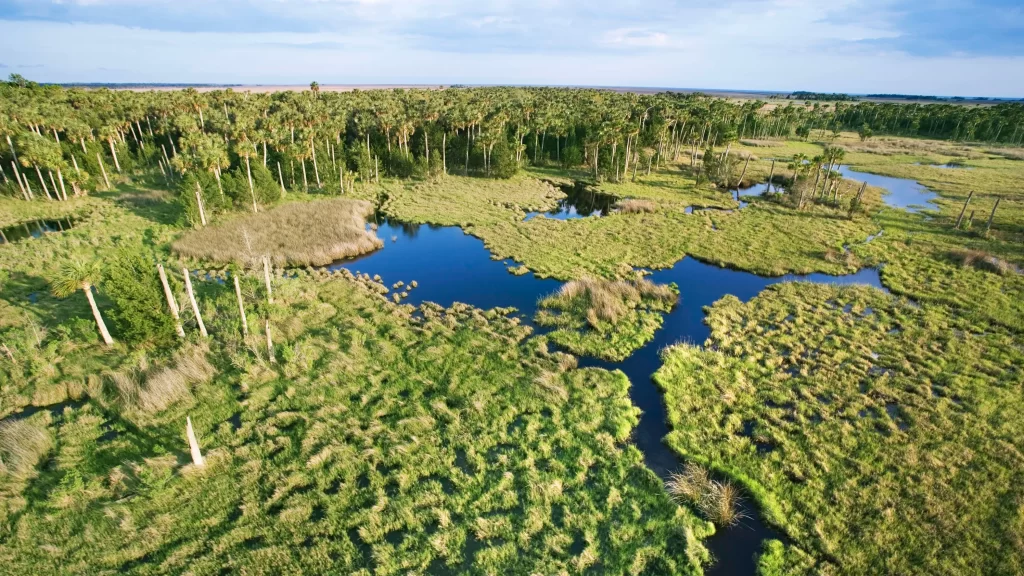
Everglades National Park, located in southern Florida, is a vast and unique ecosystem, known for its subtropical wilderness, expansive wetlands, and remarkable wildlife. Spanning over 1.5 million acres, the park offers visitors an opportunity to experience diverse habitats, from freshwater sloughs and mangrove forests to coastal prairies. It is one of the largest tropical wilderness areas in the U.S. and a UNESCO World Heritage Site.
Dry Tortugas National Park
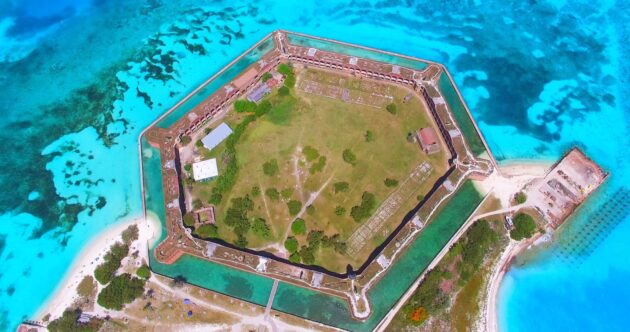
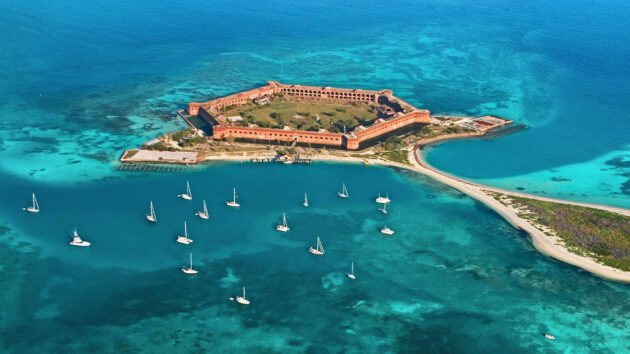
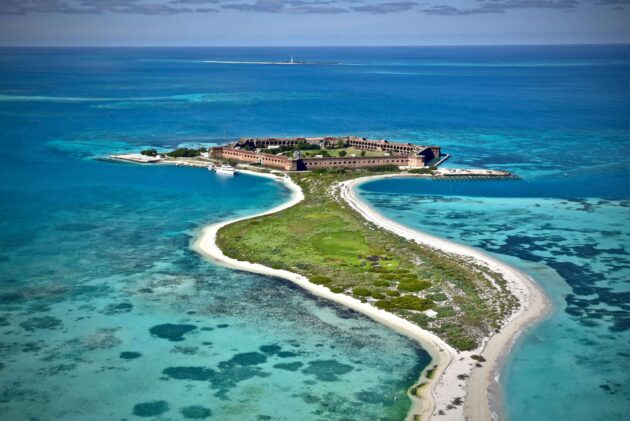
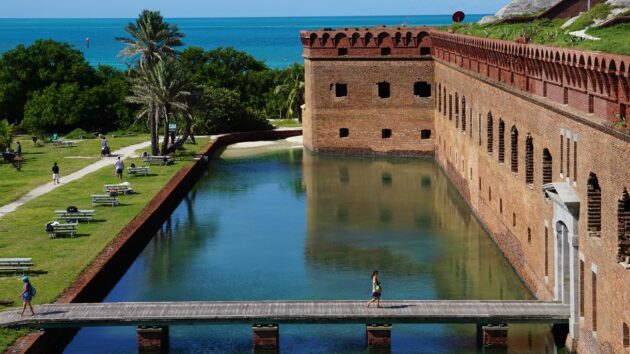
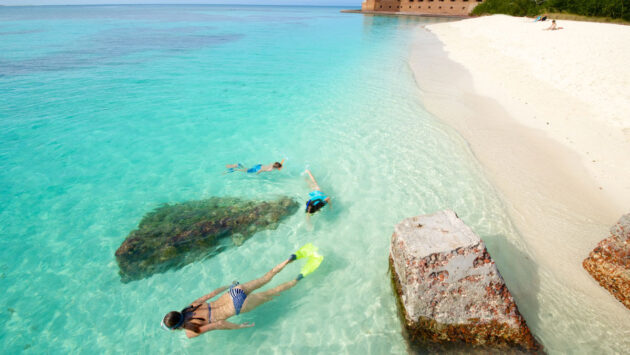
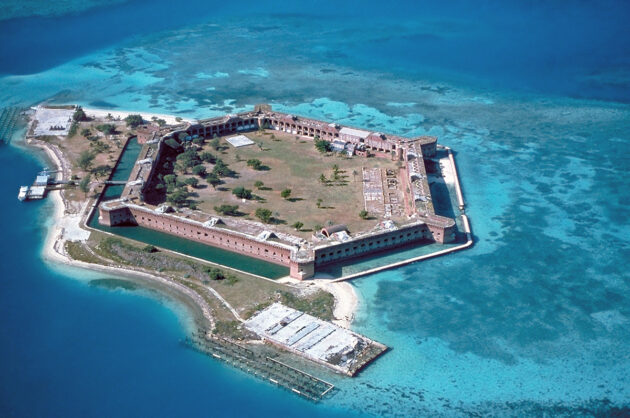
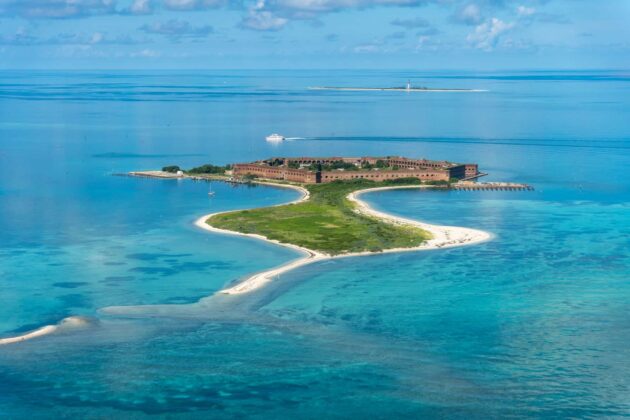
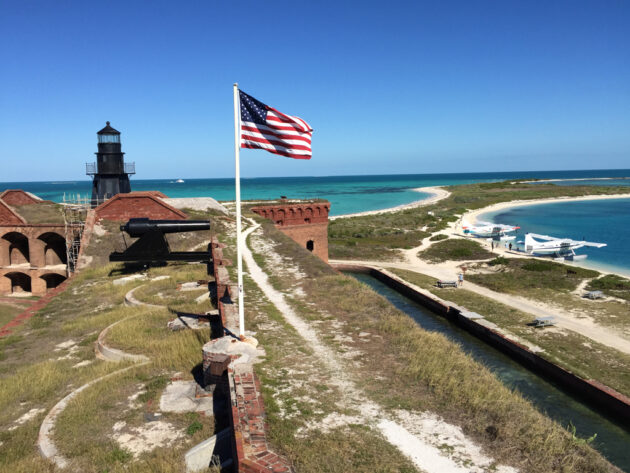
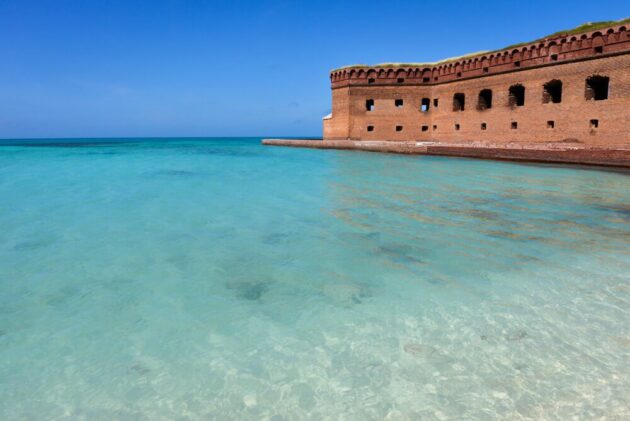
Dry Tortugas National Park, located 70 miles west of Key West in the Gulf of Mexico, is one of the most remote and unique national parks in the United States. Spanning 64,701 acres, with 99% underwater, this park is renowned for its crystal-clear turquoise waters, vibrant coral reefs, abundant marine life, and the historic Fort Jefferson, the largest all-masonry fort in the Western Hemisphere.
Silver Springs State Park
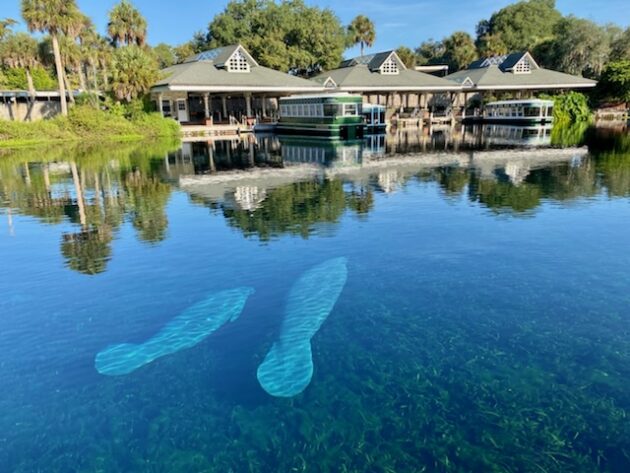
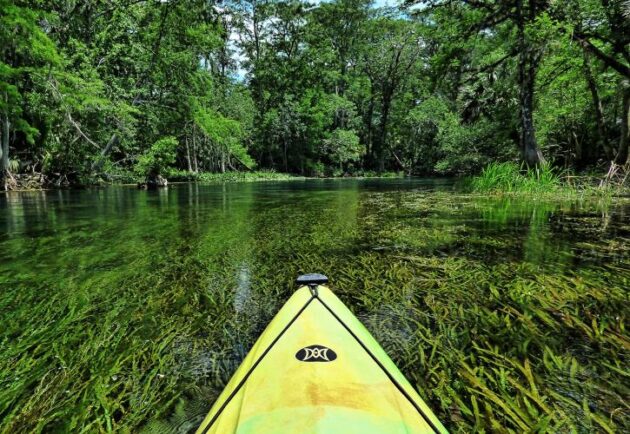
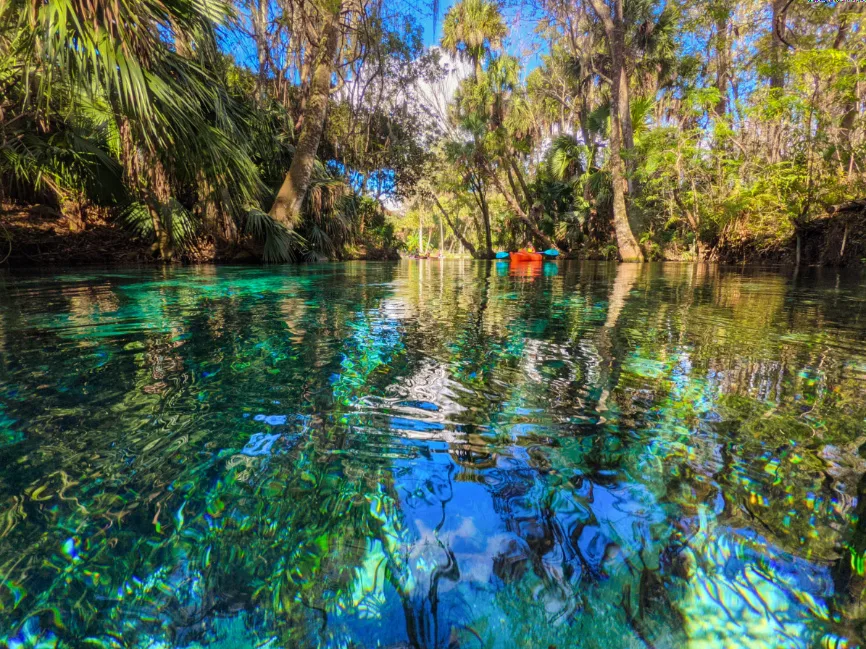
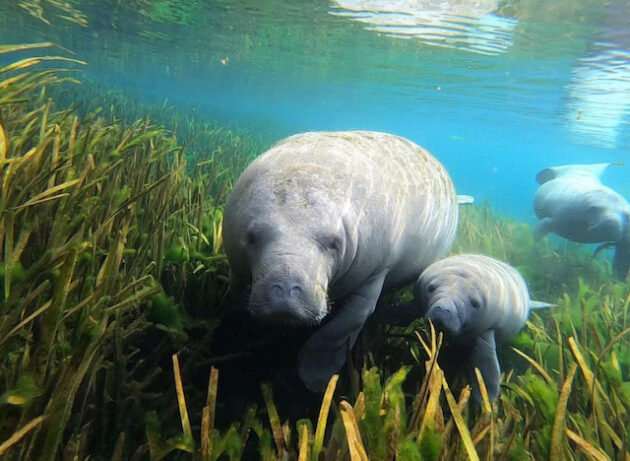
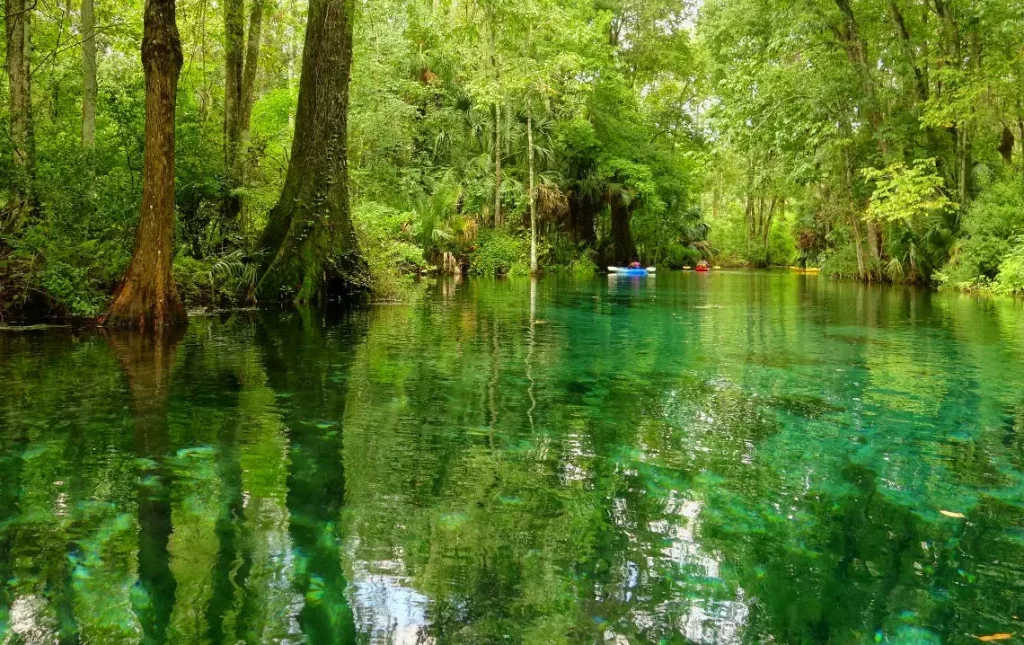
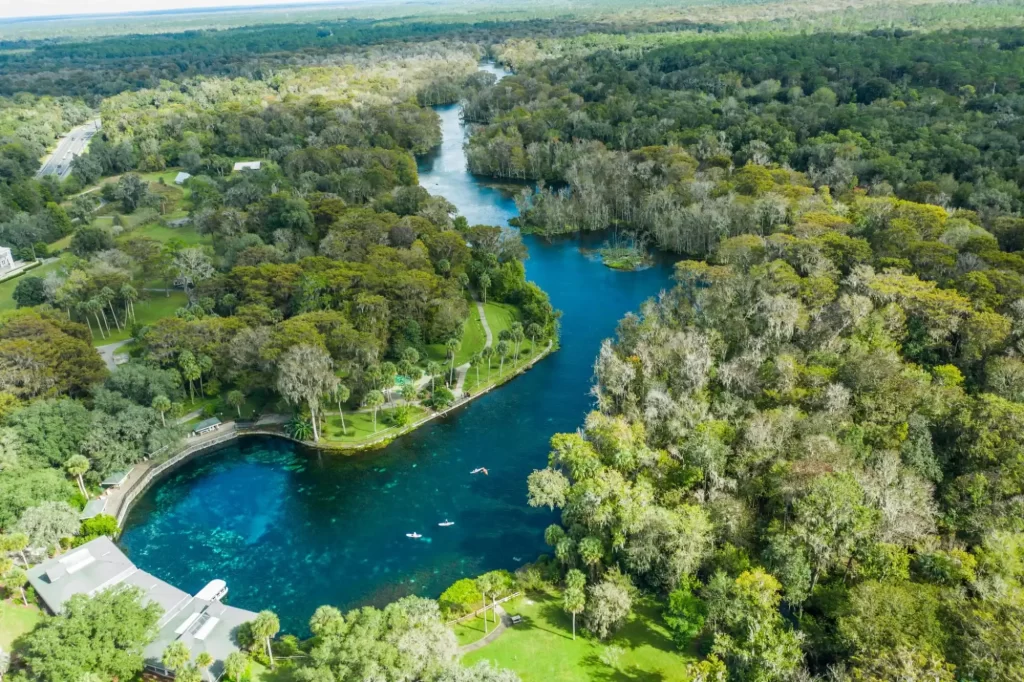
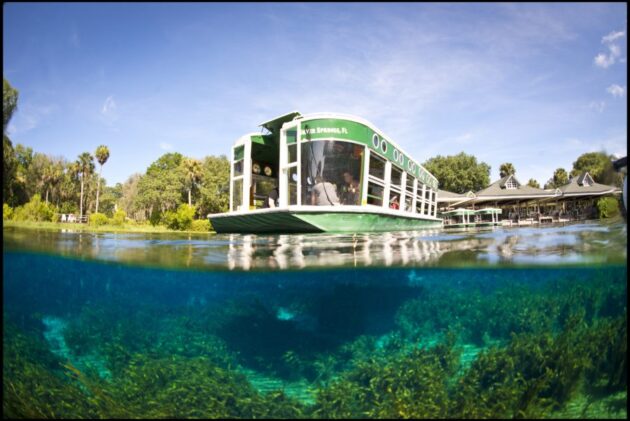
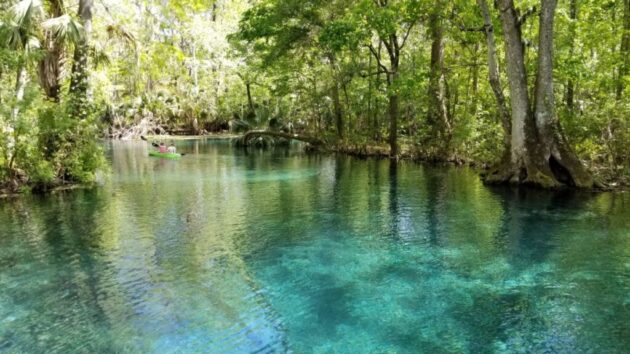
Silver Springs State Park, located in Marion County, Florida, is renowned for its crystal-clear waters and the iconic glass-bottom boat tours that showcase its vibrant underwater ecosystem. As one of America’s largest artesian springs, it discharges over 550 million gallons of water daily, forming the scenic Silver River. The park spans 5,000 acres and offers diverse activities, including kayaking, hiking, camping, and wildlife viewing, with opportunities to spot manatees, alligators, and even a colony of rhesus macaques.
Honeymoon Island State Park
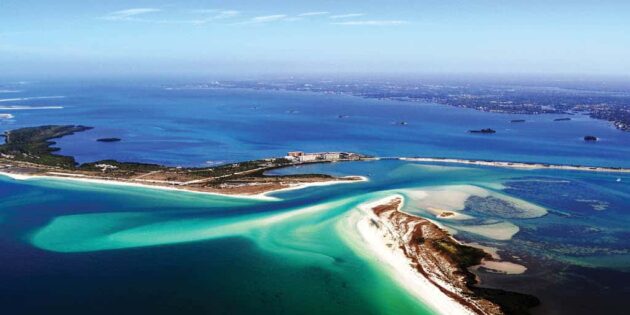
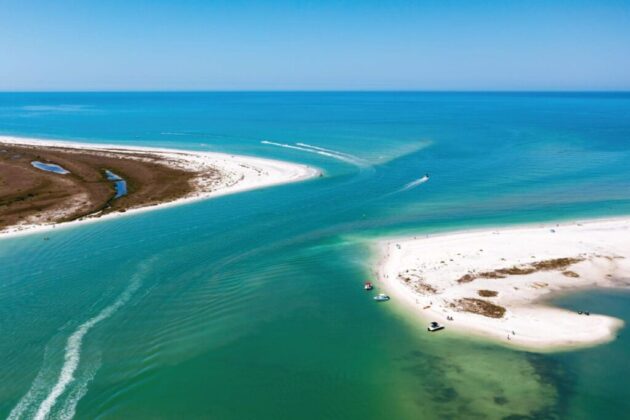
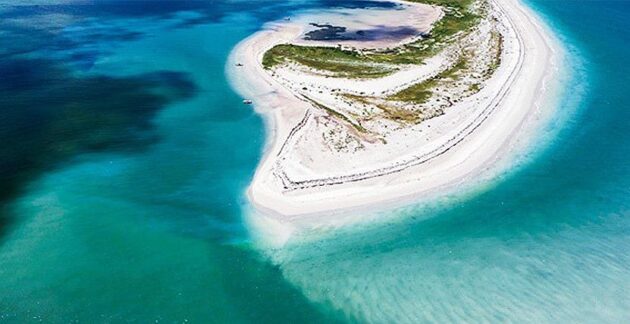
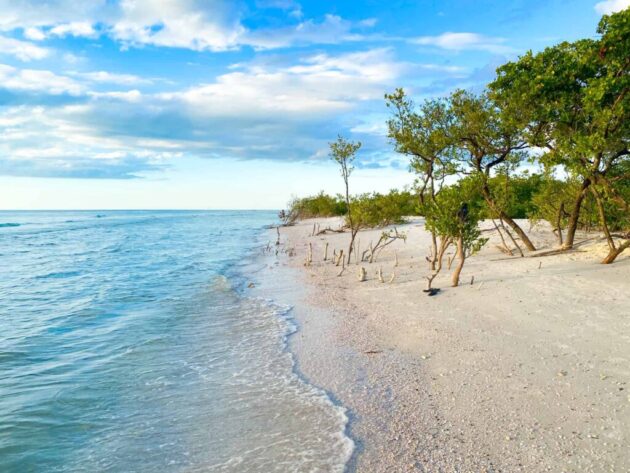
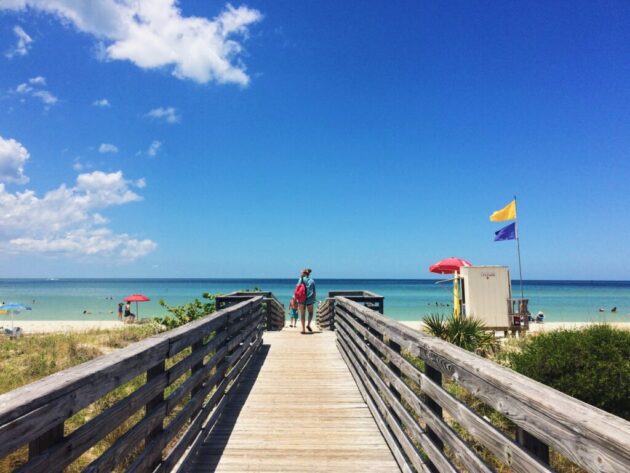
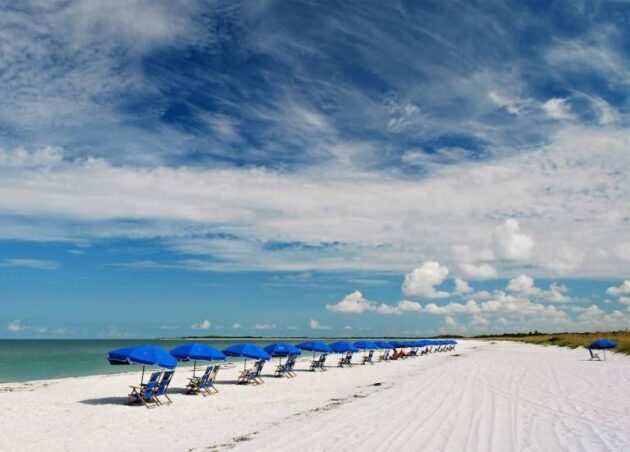
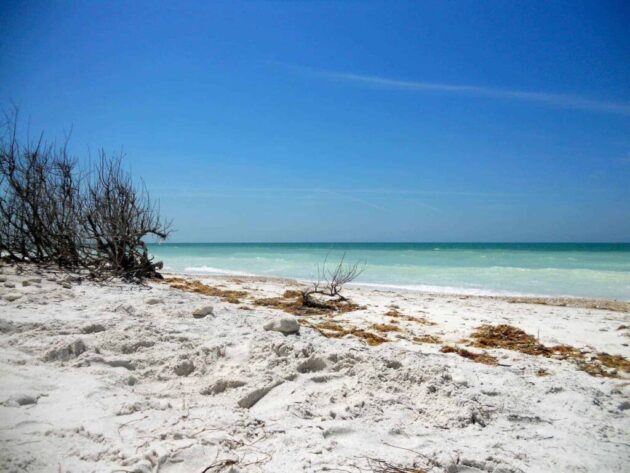
Honeymoon Island State Park, located in Pinellas County, Florida, is a popular barrier island park known for its 4 miles of picturesque beaches, diverse wildlife, and rich history. Originally part of a larger island split by a hurricane in 1921, it now serves as a habitat for species like ospreys, bald eagles, and migratory birds, along with coastal vegetation such as mangroves and slash pines. The park offers recreational activities like hiking, birding, and fishing, with trails such as the Osprey Trail and Pelican Cove Trail. It also features amenities like picnic areas, a nature center, and a ferry to nearby Caladesi Island.

Fort Zachary Taylor Historic State Park
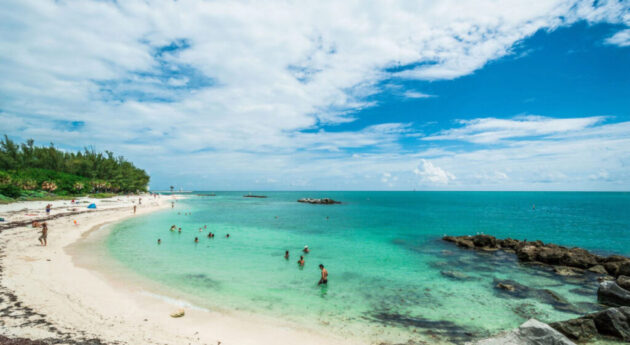
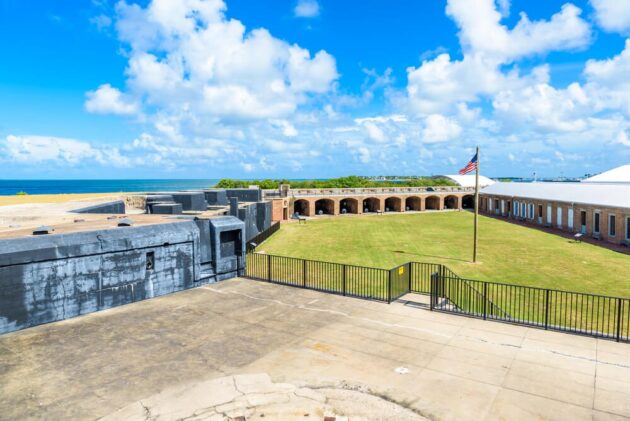
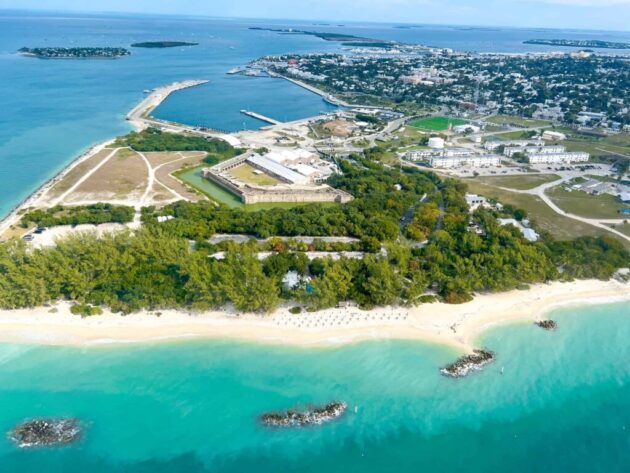
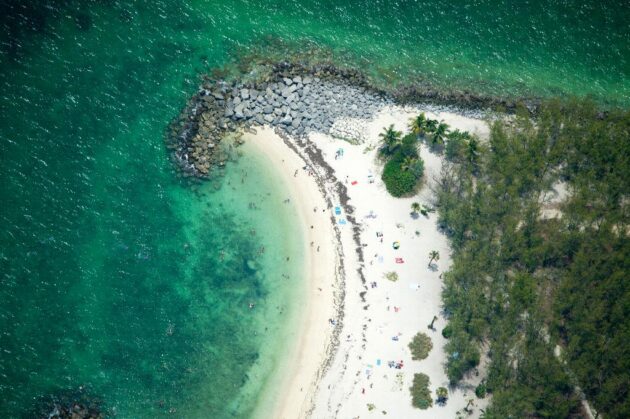
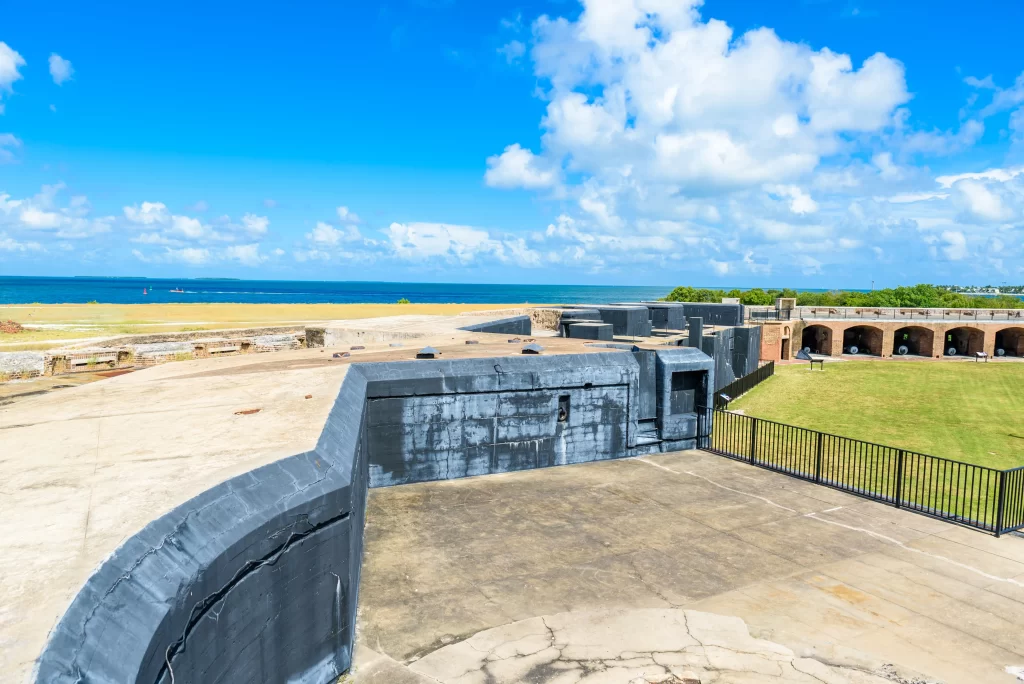
Fort Zachary Taylor Historic State Park, located in Key West, Florida, is a unique blend of natural beauty and historical significance. Established in 1845 and named after President Zachary Taylor, this National Historic Landmark played crucial roles in the Civil War and Spanish-American War, housing the largest collection of Civil War-era seacoast cannons in the U.S.. The park features a well-preserved fort with guided tours, monthly historical reenactments, and scenic red-brick corridors showcasing military history.

Henderson Beach State Park
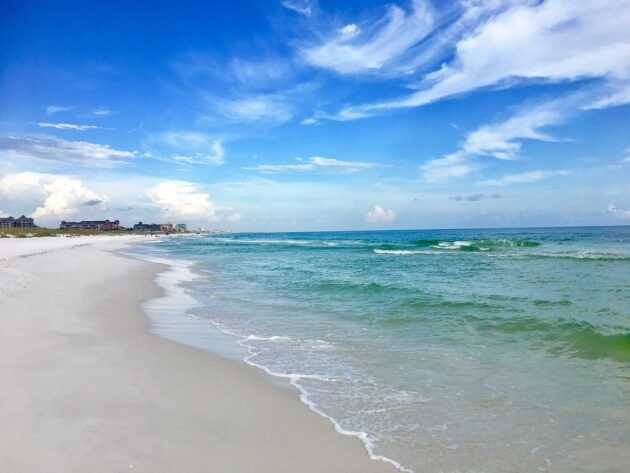
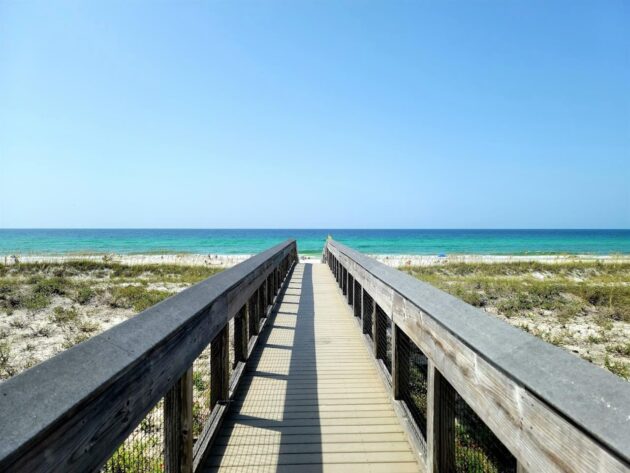
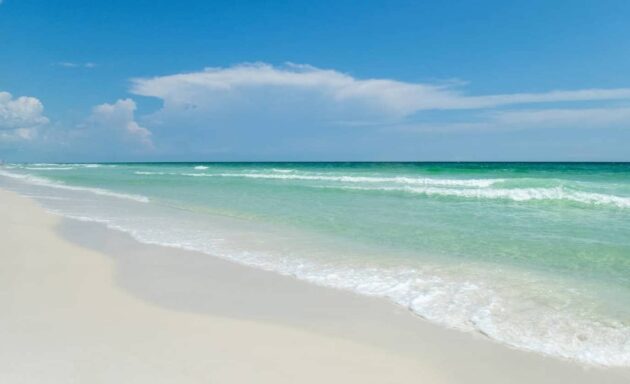
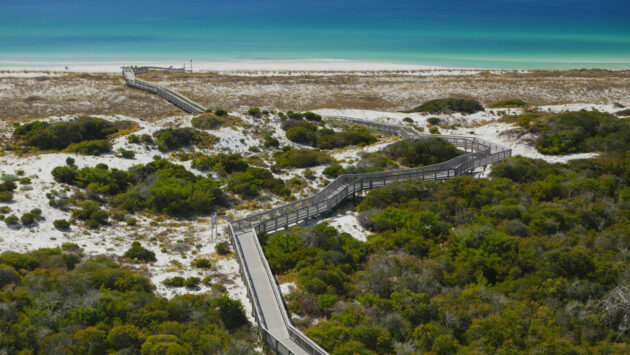
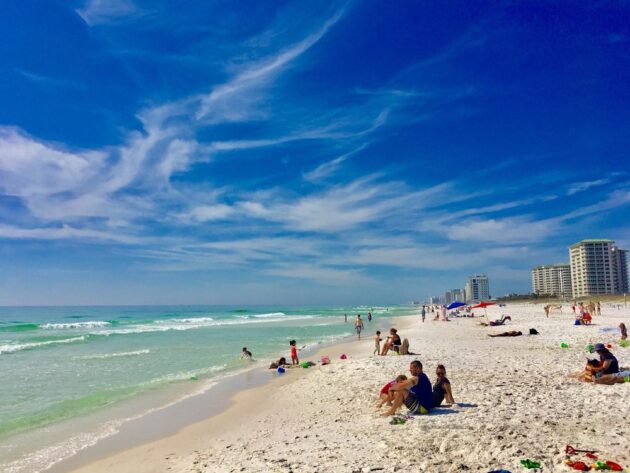
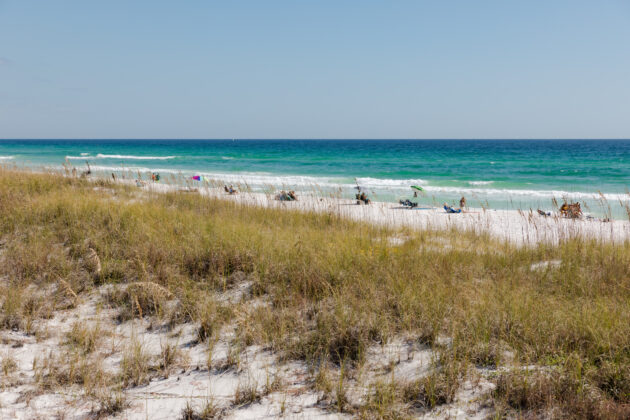
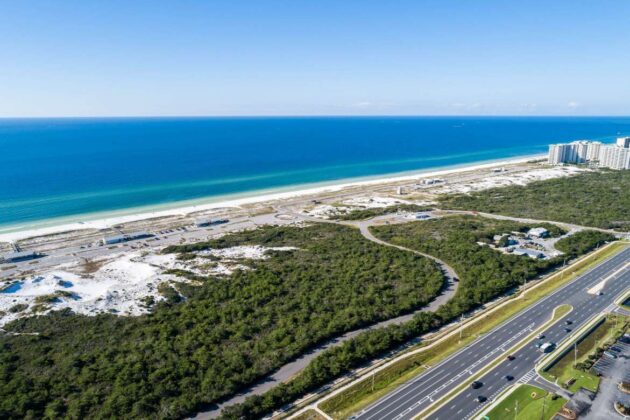
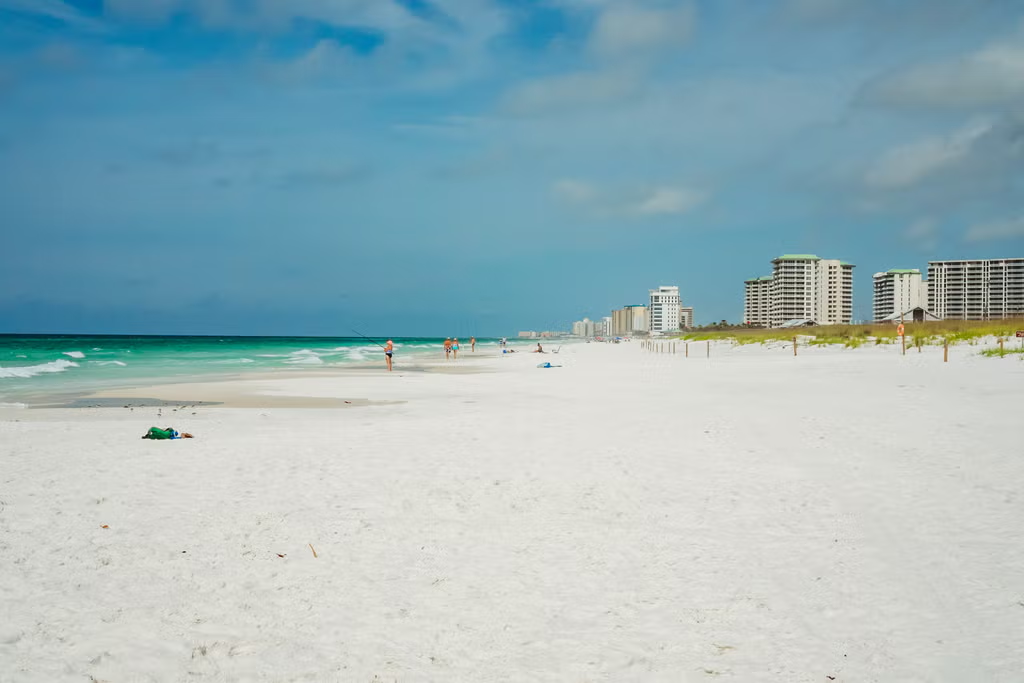
Henderson Beach State Park, located in Destin, Florida, is a stunning coastal park known for its 30-foot-high white sand dunes, pristine beaches along the Emerald Coast, and warm Gulf waters. The park offers activities like swimming, fishing, hiking on nature trails, and camping with 60 well-equipped sites (though currently under construction as of 2024). Visitors can enjoy picnic areas, wildlife viewing (including dolphins and sea turtles), and ADA-accessible facilities, including beach wheelchairs. The park is open daily from 8 a.m. to sundown with a $6 vehicle entry fee.
National Naval Aviation Museum
The National Naval Aviation Museum, located at Naval Air Station Pensacola, Florida, is one of the world’s largest naval aviation museums, showcasing over 150 restored aircraft from the U.S. Navy, Marine Corps, and Coast Guard. Established in 1962, it features historic exhibits like the Curtiss NC-4 (first transatlantic flight aircraft), Blue Angels A-4 Skyhawks, and the S-3 Viking used as “Navy One.” The museum spans 300,000 sq ft indoors and 37 acres outdoors, offering flight simulators, an IMAX theater, and the Emil Buehler Naval Aviation Library.







Clearwater Beach
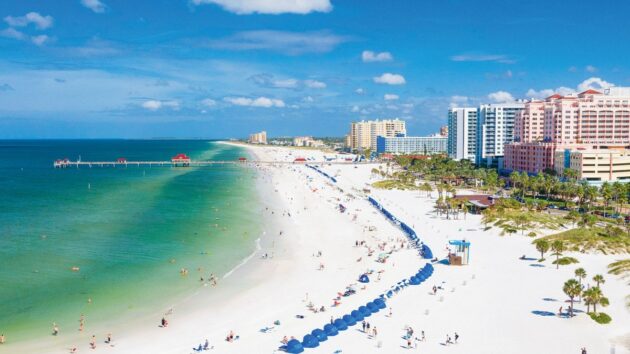
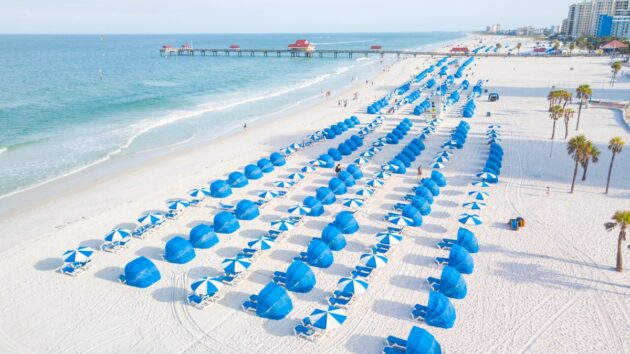
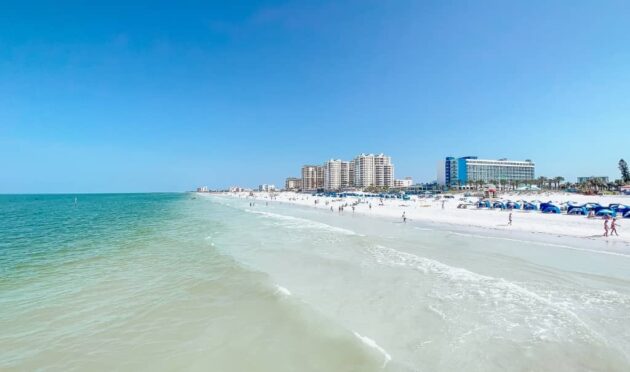
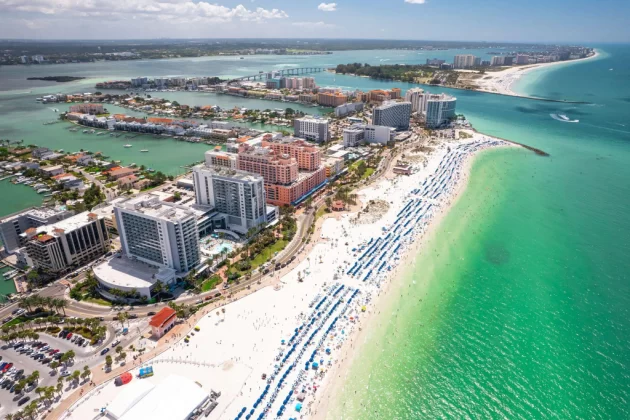
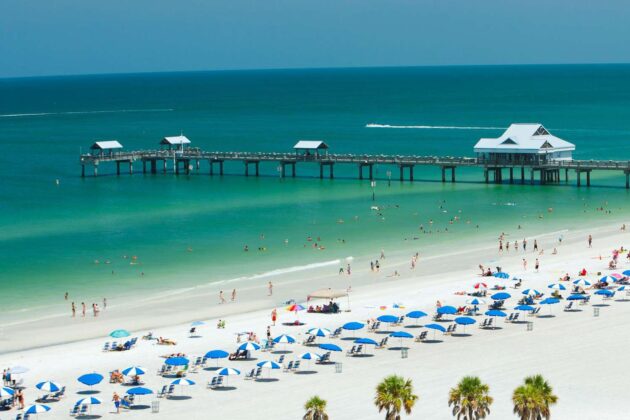
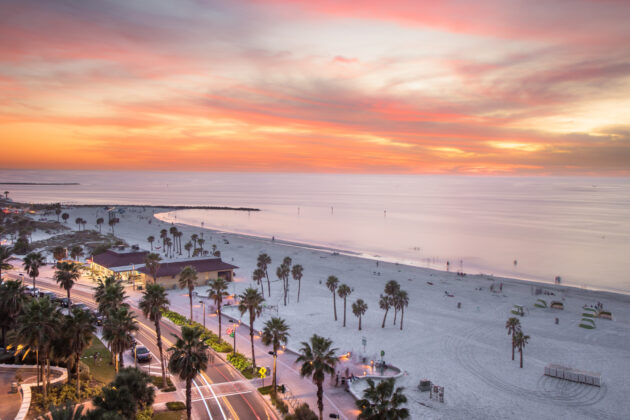
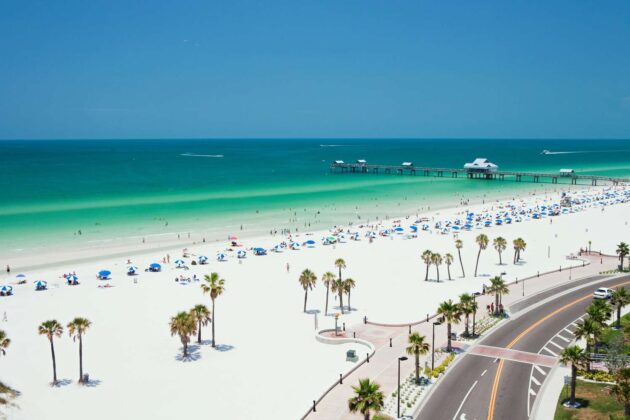
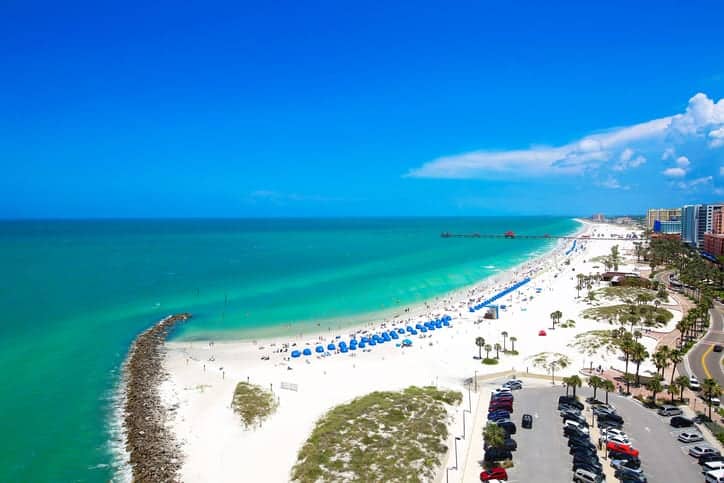
Clearwater Beach, located on a barrier island in the Gulf of Mexico, Florida, is renowned for its pristine white sand beaches stretching 2.5 miles (4 km) and crystal-clear blue waters. It offers a variety of activities, including parasailing, jet skiing, dolphin-watching boat tours, and fishing charters, along with vibrant nightlife and dining options. The beach features attractions like Pier 60, known for its sunset celebrations and artisan markets, and is connected to nearby Sand Key. Recognized as one of the best beaches in the U.S., it boasts a warm subtropical climate with year-round sunshine, making it a top destination for tourists.
Where to Eat
Miami: Savor Cuban dishes like ropa vieja in Little Havana or fresh seafood in South Beach. Try Versailles for authentic Cuban cuisine ($15–$30). Key West: Indulge in key lime pie at Kermit’s Key Lime Shop or conch fritters at Conch Republic Seafood Company ($10–$25).
Tampa: Enjoy grouper sandwiches or stone crab at Rusty Pelican along the waterfront ($20–$40). Orlando: Downtown offers Asian-inspired dining in Mills 50 or upscale restaurants like The Boheme ($20–$50).
Tip: Coastal restaurants often serve seasonal seafood like stone crab (October–May). Book ahead for popular spots.
Where to Stay
Miami: South Beach: Fontainebleau Miami Beach (luxury, $200–$500/night) or Freehand Miami (budget hostel, $30–$80/night). Wynwood: Boutique hotels like Arlo Wynwood ($150–$300/night).
Orlando: Disney Resorts: Disney’s Pop Century (budget, $100–$200/night) or Grand Floridian (luxury, $400–$800/night). Downtown: Grand Bohemian Hotel ($150–$300/night).
Key West: Old Town: Eden House (mid-range, $150–$350/night) or Southernmost Beach Resort (luxury, $300–$600/night). Tampa: Ybor City: Hotel Haya (mid-range, $120–$250/night). Waterfront: JW Marriott Tampa (luxury, $200–$400/night).
Camping: State parks like Bahia Honda (Florida Keys) or Anastasia State Park (St. Augustine) offer campsites for $20–$40/night. Tip: Book early for peak seasons, and consider vacation rentals via Vrbo or Airbnb for groups.
Tips for a Great Visit
Stay Hydrated: Florida’s heat and humidity, especially in summer, can be intense (heat index up to 120°F in Tampa). Bring water and sunscreen. Plan Theme Park Visits: Arrive early, use fast passes, and check crowd calendars to avoid long lines.
Wildlife Safety: Follow guidelines in natural areas like the Everglades, as alligators and other wildlife are common. Hurricane Preparedness: Check weather forecasts during hurricane season (June–November) and have a flexible itinerary.
Visa and Entry: U.S. citizens need no visa, but international visitors may require an ESTA ($21) or visa. Check travel.state.gov for requirements. Pack Light: Bring lightweight clothing, a jacket for winter evenings, and comfortable shoes for walking.
Final Thoughts
Florida is a destination where dreams come to life—whether you’re soaring through roller coasters in Orlando, kayaking with manatees in the Everglades, or sipping a mojito on Miami’s South Beach. Its blend of natural beauty, cultural richness, and endless attractions makes it a must-visit. Plan your trip around your interests, embrace the Sunshine State’s diversity, and get ready for an adventure filled with sun, sand, and unforgettable memories.
Happy travels!