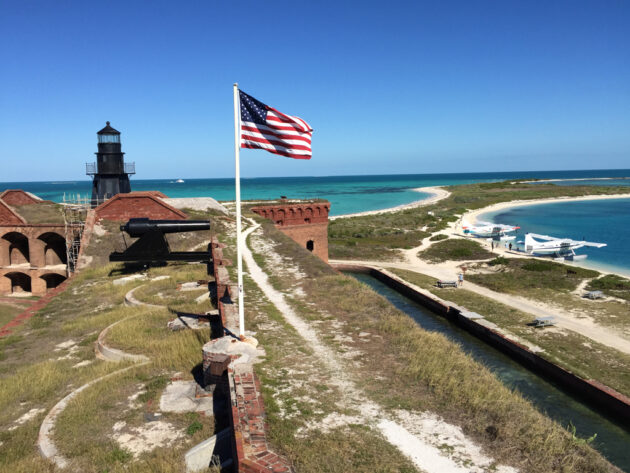
A Travel Guide to Dry Tortugas National Park
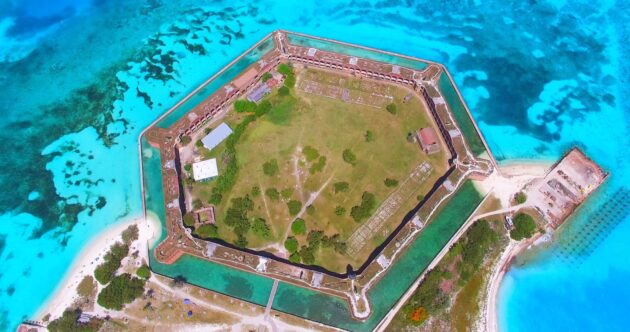
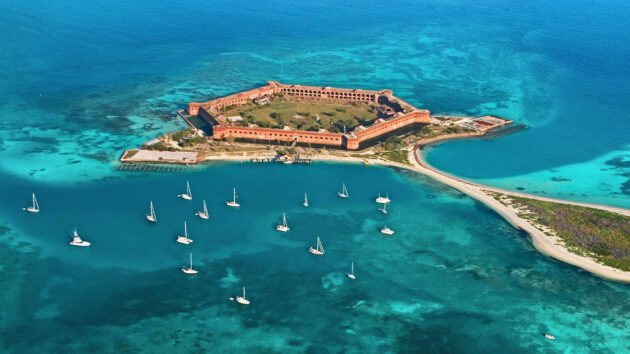
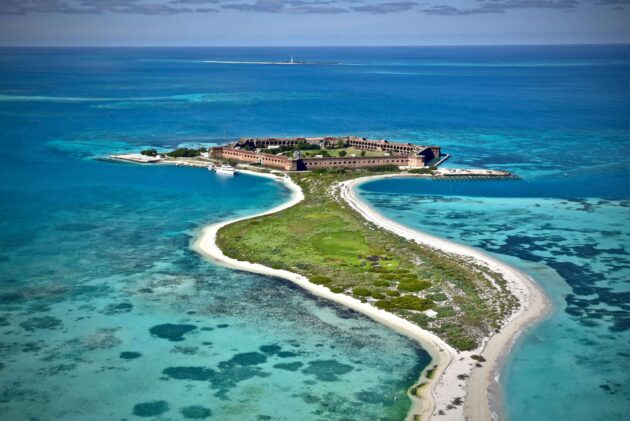
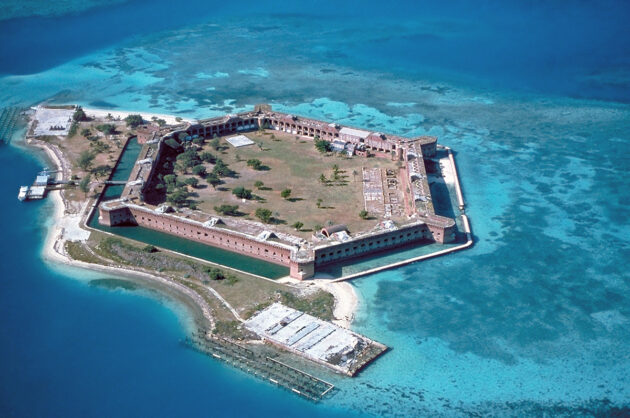
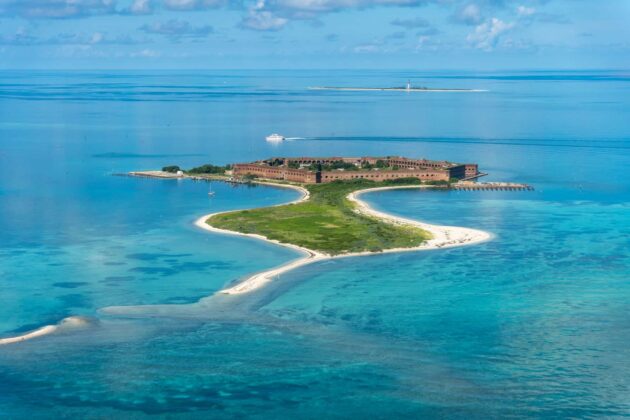
Dry Tortugas National Park, located 70 miles west of Key West in the Gulf of Mexico, is one of the most remote and unique national parks in the United States. Spanning 64,701 acres, with 99% underwater, this park is renowned for its crystal-clear turquoise waters, vibrant coral reefs, abundant marine life, and the historic Fort Jefferson, the largest all-masonry fort in the Western Hemisphere. Whether you’re a history buff, a snorkeling enthusiast, or a nature lover, this guide will help you plan an unforgettable adventure to this isolated paradise.
Why Visit Dry Tortugas National Park?
Dry Tortugas offers a rare blend of natural beauty and historical significance. The park’s pristine coral reefs, part of the third-largest coral reef system in the world, are a haven for snorkelers and divers, teeming with tropical fish, sea turtles, and shipwrecks. Fort Jefferson, built in the 19th century, provides a fascinating glimpse into America’s military and Civil War history. With only about 80,000 visitors annually, the park’s remoteness ensures a serene experience, far from crowded tourist spots. Its designation as a critical bird rookery and sea turtle nesting site adds to its ecological allure, making it a bucket-list destination for adventurers and wildlife enthusiasts alike.
How to Get There
Dry Tortugas National Park is accessible only by boat or seaplane, as there are no roads or bridges connecting it to the mainland. The journey itself is part of the adventure, offering stunning views of the Gulf of Mexico.
By Ferry: The Yankee Freedom III, the park’s official ferry, departs daily from Key West’s Historic Seaport (100 Grinnell Street) at 8:00 AM. The trip takes about 2.5 hours each way, providing 4–5 hours on the island.
Cost: $220 for adults, $165 for children (4–16), $210 for seniors/students, free for infants (0–3). National Park Pass holders receive a $15 refund per person (up to four people). The price includes park entry, breakfast, lunch, and snorkeling gear.
Booking: Reservations are essential, often 9–12 months in advance, as the ferry carries only 250 passengers and sells out quickly. Book online at the Yankee Freedom website.
By Seaplane: Key West Seaplane Adventures offers half-day (4 hours, 2.5 hours on the island) and full-day (8 hours, 6.5 hours on the island) trips from Key West International Airport (3471 South Roosevelt Boulevard). The 40-minute flight provides breathtaking aerial views of the Florida Keys, shipwrecks, and Fort Jefferson.
Cost: $451 (half-day) or $792 (full-day) for adults; $360.80 (half-day) or $633.60 (full-day) for children (12 and under); free for children under 2. A $15 park entry fee applies (not included).
Booking: Limited to 10 passengers per flight, so book 2–3 weeks in advance. Seaplanes cannot transport camping gear.
By Private Boat: Experienced mariners can navigate to Garden Key, where Fort Jefferson is located, but must obtain a free boating permit at the park headquarters. Anchoring is allowed only in sandy bottoms within one nautical mile of the Garden Key lighthouse, except in Special Protection Zones. Mooring buoys in the Research Natural Area are limited to 2 hours.
Safety: Monitor weather conditions, as the Gulf of Mexico can be unpredictable. Share your itinerary with someone onshore.
Tip: Arrive early for ferry check-in (7:00 AM) to secure a good seat. Parking at the Key West City Parking Garage (300 Grinnell Street) costs about $40/day.
Best Time to Visit
Optimal Season: November to April offers calmer seas, milder temperatures (high 70s°F), and lower humidity, ideal for snorkeling and ferry travel. This period coincides with bird migration, enhancing wildlife viewing.
Summer (May–October): Warmer waters and clearer snorkeling conditions, but higher humidity and hurricane season (June–November) may cause rough seas or trip cancellations. May–June is best for spotting sea turtles nesting.
Birdwatching: April to mid-May is peak migration season for spotting magnificent frigatebirds, sooty terns, and other species. Note that Bush Key is closed from February to September for nesting.
Weather Tip: Check forecasts for the Rebecca Channel, as conditions in Key West may differ from those at the park. High winds can cancel ferry or seaplane trips.
Tickets and Permits
Park Entry Fee: $15 per person (valid for 7 days), free for children under 16. Included in ferry tickets but additional for seaplane passengers. An America the Beautiful Pass covers the fee for up to four people.
Camping Permits: Camping on Garden Key costs $15/night (individual sites) or $30/night (group sites, 10–20 people). Sites are first-come, first-served, with a 3-night maximum via ferry or 14 nights via private boat. Book ferry camper spots early, as only 10 are available daily.
Boating Permits: Free, required for private vessels docking or anchoring. Obtain at Garden Key headquarters.
What to See and Do
Dry Tortugas offers a mix of historical exploration, water activities, and wildlife observation. Most activities are centered on Garden Key, home to Fort Jefferson.
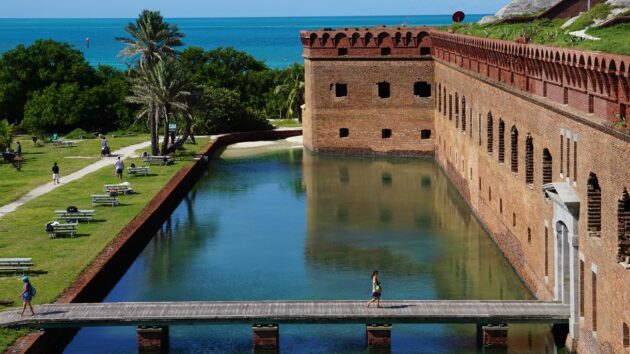
Tour Fort Jefferson: This massive 19th-century fortress, built with 16 million bricks, is the park’s centerpiece. Explore its corridors, moat, and historical exhibits, including stories of its Civil War role and Dr. Samuel Mudd, a famous prisoner linked to Lincoln’s assassination.
Guided Tours: Ferry passengers can join a 45-minute ranger-led tour (included in the ticket) for insights into the fort’s history. Self-guided tours are also available, with plaques explaining key features.
Photo Tip: Climb to the third floor for panoramic views of the turquoise waters and snap photos of the brick arches on the second floor.
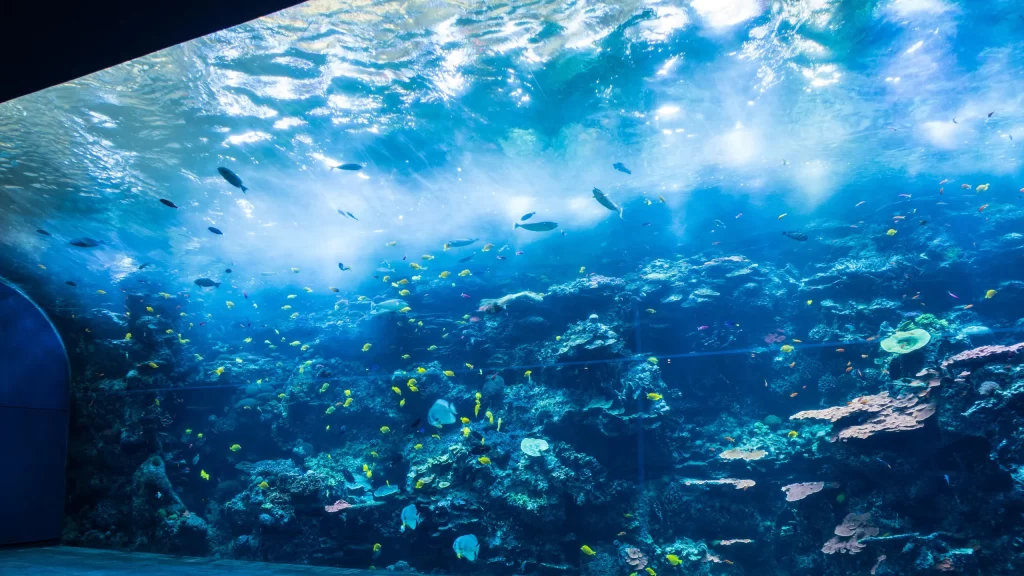
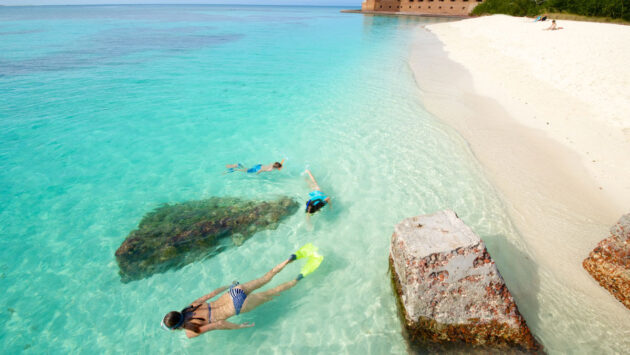
Snorkeling and Swimming: The park’s coral reefs and clear waters are among the best in the U.S. for snorkeling. Popular spots include the moat wall (colorful fish and coral), coaling dock ruins, and small patch reefs offshore (possible tarpon sightings). Snorkeling gear is provided free with ferry tickets or seaplane tours.
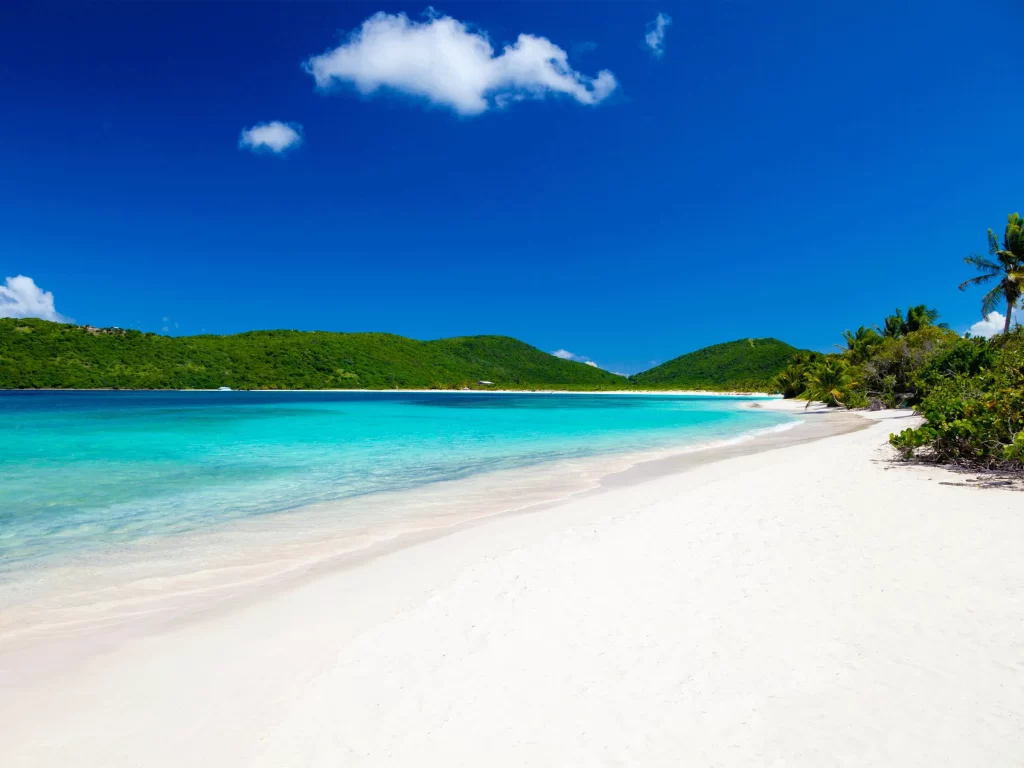
Swimming: Garden Key’s white sand beaches, especially the South Swim Beach, are ideal for a dip, even in rougher conditions. Note that snorkeling visibility may be reduced during high sea swells.
Note: Diving requires booking with an authorized dive operator, as listed on the NPS website.
Birdwatching: Dry Tortugas is a hotspot for birders, with nearly 300 species, including magnificent frigatebirds and masked boobies. Bring binoculars and visit during spring migration (April–May). Bush Key, connected to Garden Key by a sandbar, has a 1-mile trail (open October–January, closed during nesting season).
Camping: Garden Key offers 8 primitive campsites (first-come, first-served) with picnic tables and elevated grills. Bring all supplies, including 2 gallons of water per person per day, a tent, food, and a stove (no wood fires allowed). Pack out all trash. Composting toilets are available but closed 10:00 AM–3:00 PM, when ferry facilities are used. Stargazing is a highlight for campers.
Kayaking Bonus: Campers can bring kayaks (book ferry spots in advance) for a 3-mile paddle to Loggerhead Key, which offers secluded beaches and snorkeling.
Stargazing and Night Programs: With no light pollution, the park offers exceptional stargazing. Campers and full-day visitors can attend ranger-led night sky programs (seasonal).
What to Bring
Essentials: Sunscreen, sunglasses, hat, water shoes, and a reusable water bottle. No food, water, or fuel is available on the islands, so pack snacks and drinks (ferry provides meals). Snorkeling Gear: Provided by ferry/seaplane, but bring your own mask for a better fit if preferred.
Camping Supplies: Tent, sleeping bag, stove, fuel, 2 gallons of water per person/day, and trash bags for pack-out. Other: Binoculars for birdwatching, camera (drones are prohibited), and a National Park Pass for fee discounts.
Where to Stay
On the Island: Camping on Garden Key is the only overnight option. No hotels or lodges exist. In Key West: Since most visitors start from Key West, stay there the night before your trip:
Luxury: Margaritaville Beach House ($250–400/night) or The Perry Hotel ($200–350/night). Mid-Range: Eden House ($150–250/night) or Havana Cabana ($120–200/night). Budget: NYAH Key West (~$80–150/night) or Airbnb rentals.
Book via Booking.com or Expedia for deals, especially 9–12 months out for peak seasons.
Tips for a Great Visit
Book Early: Ferry and seaplane reservations fill up fast, especially in spring. Secure spots 9–12 months in advance for February–April visits. Weather Awareness: Check Gulf of Mexico forecasts, as high winds or storms can cancel trips. Flexible travel dates help.
Leave No Trace: Pack out all trash and avoid touching coral or wildlife to protect the fragile ecosystem. No Cell Service: The park has no cell reception or Wi-Fi, so plan to disconnect and enjoy the off-grid experience.
Combine Your Trip: Pair your visit with Key West attractions like Duval Street, Ernest Hemingway House, or a sunset sail for a fuller experience. Safety Note: Sharks (e.g., nurse sharks) are present but rarely aggressive. Swim/snorkel in designated areas and avoid provoking marine life.
Final Thoughts
Dry Tortugas National Park is a hidden gem that combines adventure, history, and unparalleled natural beauty. From exploring the massive Fort Jefferson to snorkeling in vibrant coral reefs and spotting migratory birds, the park offers a unique escape that feels like stepping into another world. Plan ahead, pack wisely, and prepare for a journey that’s as memorable as the destination itself. Whether you’re kayaking through turquoise waters or stargazing under a pristine sky, Dry Tortugas promises an experience you’ll never forget.
Happy travels!