




A Travel Guide to Everglades National Park
Everglades National Park, a UNESCO World Heritage Site and International Biosphere Reserve, is a sprawling 1.5-million-acre wetland preserve in southern Florida, renowned for its unique ecosystem, diverse wildlife, and unparalleled natural beauty. Known as the “River of Grass,” it’s one of the most significant subtropical wilderness areas in the United States, offering opportunities for wildlife viewing, kayaking, hiking, and immersive nature experiences. This guide will help you plan a memorable visit to this ecological treasure.
Why Visit Everglades National Park?
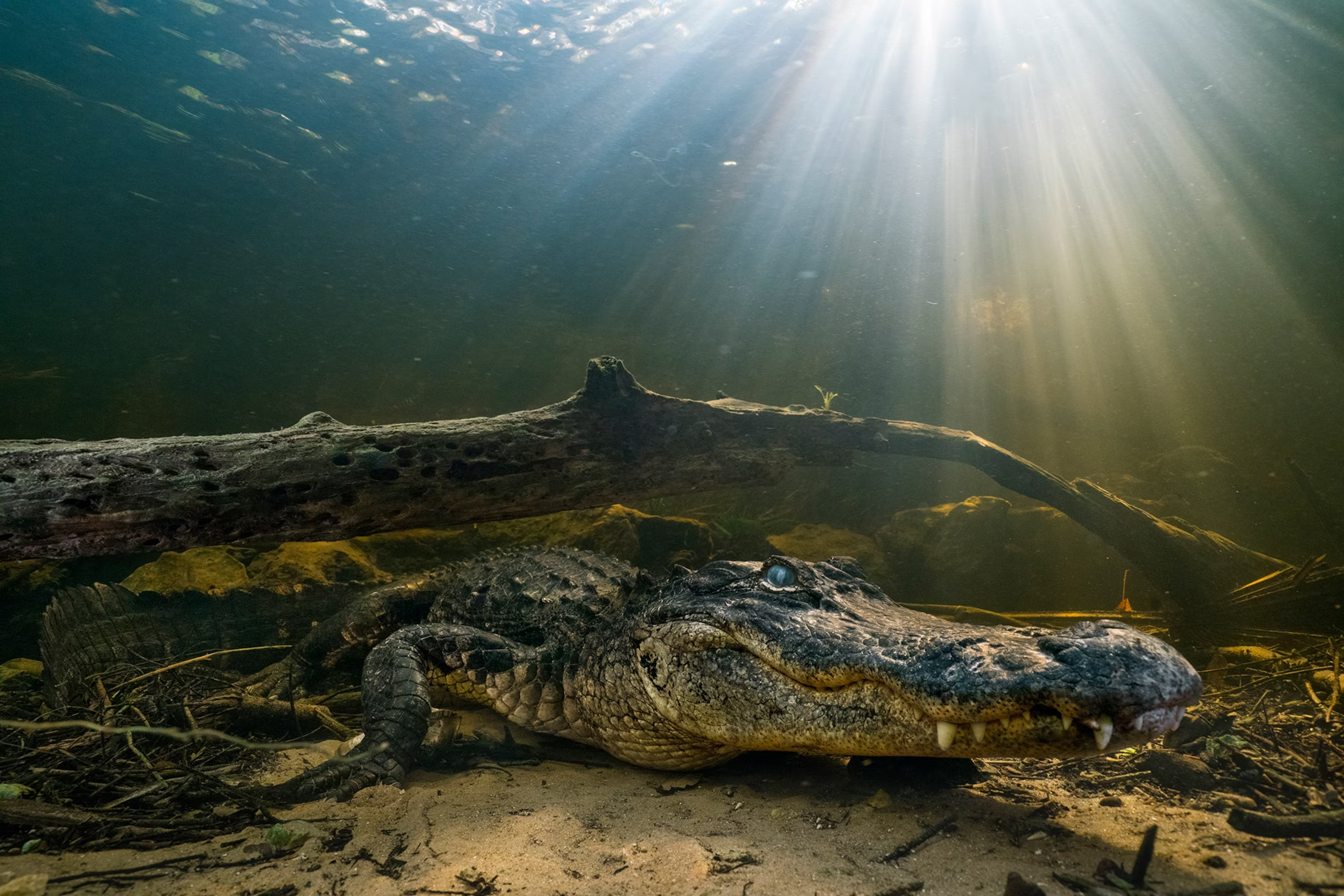
The Everglades is a biodiversity hotspot, home to rare species like the American alligator, Florida panther, manatee, and over 350 bird species. Its vast mangrove forests, sawgrass prairies, and coastal estuaries create a stunning landscape unlike any other. Whether you’re an adventure seeker, a wildlife enthusiast, or simply looking to connect with nature, the park offers a range of activities, from airboat tours to serene trails, all set against the backdrop of one of the world’s most fragile ecosystems. Visiting the Everglades also supports conservation efforts to protect this endangered environment.
How to Get There
Everglades National Park has multiple entrances, with the main ones being in Homestead (Ernest F. Coe Visitor Center), Miami (Shark Valley), and Everglades City (Gulf Coast Visitor Center). The park is easily accessible from major Florida cities:
From Miami: To Ernest F. Coe Visitor Center (Homestead): 40 miles, ~1-hour drive via FL-9336/SW 344th St. To Shark Valley: 35 miles, ~45-minute drive via US-41 (Tamiami Trail). By Public Transport: Limited options exist; consider a taxi or rideshare (Uber/Lyft, ~$50–80 one-way to Homestead or Shark Valley).
From Naples (to Gulf Coast Visitor Center): 36 miles, ~45-minute drive via US-41.
By Car: Renting a car is highly recommended for flexibility. Major highways like US-41 and FL-9336 connect the park to Miami, Naples, and Fort Lauderdale. Parking is available at all visitor centers ($8–10/day).
Guided Tours: Many operators offer day trips from Miami or Fort Lauderdale, including transportation and activities like airboat rides (starting at $50–100/person).
Tip: The Homestead entrance is best for a comprehensive park experience, Shark Valley for biking and tram tours, and Everglades City for mangrove and coastal exploration.
Best Time to Visit
Dry Season (November–April): The best time to visit, with mild temperatures (60–80°F/15–27°C), lower humidity, and fewer mosquitoes. Wildlife is more concentrated around water sources, making sightings easier. This is also peak season, so book tours and accommodations early.
Wet Season (May–October): Hotter (80–90°F/27–32°C), humid, and rainy, with frequent afternoon storms. Mosquitoes are abundant, but the park is less crowded, and water levels are higher, ideal for kayaking. Some trails may be flooded.
Note: Hurricane season (June–November) can bring heavy rain or closures, so check weather forecasts and park alerts.
Tickets and Opening Hours
Opening Hours: The park is open 24/7, but visitor centers and specific areas have set hours: Ernest F. Coe Visitor Center (Homestead): 8:00 AM–5:00 PM (November–April), 9:00 AM–5:00 PM (May–October).
Shark Valley Visitor Center: 8:30 AM–6:00 PM (tram tours and bike rentals have specific schedules). Gulf Coast Visitor Center (Everglades City): 8:00 AM–5:00 PM (November–April), 9:00 AM–5:00 PM (May–October).
Entrance Fees: $30 per vehicle (valid for 7 days across all entrances). $25 per motorcycle, $15 per pedestrian/cyclist. Free for holders of the America the Beautiful National Parks Pass ($80/year). Children under 16 enter free.
Booking: No reservations are needed for general entry, but book guided tours (airboats, kayaking, tram) in advance, especially in peak season. Tickets for ranger-led programs or tram tours can be reserved via the park’s website or authorized operators.
What to See and Do
Ernest F. Coe Visitor Center (Homestead):
Trails: Explore short, accessible trails like the Anhinga Trail (0.8 miles, perfect for alligator and bird sightings) and Gumbo Limbo Trail (0.4 miles, through a hardwood hammock).
Royal Palm Area: A hotspot for wildlife, including herons, egrets, and turtles. Ranger-led walks are available (check schedules).
Longer Hikes: The Flamingo Area (38 miles from the entrance) offers coastal trails and views of Florida Bay. Look for manatees and crocodiles.
Shark Valley: Tram Tours: A 2-hour guided tram tour ($30/adult) along a 15-mile loop offers narrated insights into the ecosystem and frequent wildlife sightings (alligators, wading birds).
Biking: Rent bikes ($10/hour) or bring your own to cycle the loop, a flat and scenic ride. The Observation Tower at the halfway point provides panoramic views.
Walking: The Bobcat Boardwalk (0.5 miles) and Otter Cave Hammock Trail (0.3 miles) are short, easy options.
Gulf Coast Visitor Center (Everglades City): Boat Tours: Explore the Ten Thousand Islands and mangrove tunnels via ranger-led or private boat tours ($40–60/person). Kayak and canoe rentals are available ($30–50/day).
Fishing: The coastal waters are excellent for saltwater fishing (permit required).
Airboat Tours: Offered by private operators outside park boundaries (e.g., Coopertown, Everglades Safari Park), airboat rides ($25–50/person) provide a thrilling way to see the sawgrass prairies. Choose eco-friendly operators to minimize environmental impact.
Wildlife Watching: Look for alligators, wading birds (roseate spoonbills, great blue herons), manatees, and, if lucky, the elusive Florida panther. Bring binoculars and visit early morning or late afternoon for peak activity.
Camping: Long Pine Key and Flamingo Campgrounds offer tent and RV sites ($25–35/night). Book via recreation.gov during peak season.
Where to Eat
Inside the Park: Food options are limited. The Flamingo Visitor Center has a small snack bar with sandwiches and drinks ($5–15). Pack your own meals for picnics (designated areas available).
Nearby: Homestead: Restaurants like La Cruzada (Mexican) or Yardie Spice (Caribbean) offer affordable meals ($10–20). Everglades City: Try City Seafood or Triad Seafood Market for fresh seafood ($15–30).
Tip: Bring water, snacks, and a cooler, as facilities are sparse in remote areas.
Where to Stay
Inside the Park: Camping: Long Pine Key (open November–April) and Flamingo (year-round) offer basic amenities. Flamingo also has eco-tents ($50–70/night). Houseboats: Available at Flamingo Marina for a unique stay ($200–300/night, sleeps 6–8).
Nearby: Homestead: Budget options like Travelodge by Wyndham ($60–100/night) or mid-range Courtyard by Marriott ($100–150/night). Everglades City: Cozy guesthouses like Ivey House Everglades ($100–200/night) cater to nature lovers. Miami: For more amenities, stay in Miami and day-trip to the park. Options range from budget hostels ($30–50/night) to luxury hotels like Fontainebleau Miami Beach ($200+/night).
Booking Tip: Reserve accommodations early via Booking.com or Airbnb, especially for peak season.
Tips for a Great Visit
Dress Appropriately: Wear lightweight, long-sleeved clothing, sturdy shoes, and a hat to protect against sun and mosquitoes. Bring insect repellent (DEET-based) and sunscreen. Stay Safe: Keep a safe distance from wildlife (at least 15 feet from alligators). Avoid swimming in open waters due to alligator and snake presence.
Eco-Conscious Travel: Stick to marked trails, avoid littering, and choose operators committed to conservation (e.g., those certified by the National Park Service). Gear: Bring binoculars, a camera with a zoom lens, and a reusable water bottle. Cell service is spotty, so download offline maps. Combine Your Trip: Pair your visit with nearby attractions like Biscayne National Park (30 miles from Homestead) or the Florida Keys (1–2 hours away).
Final Thoughts
Everglades National Park is a bucket-list destination that showcases the raw beauty and ecological importance of one of America’s most unique landscapes. From gliding through mangroves on a kayak to spotting alligators on the Anhinga Trail, the park offers endless opportunities to connect with nature. Plan your visit during the dry season for comfort, choose activities that match your interests, and take time to appreciate the delicate balance of this extraordinary ecosystem.
Happy exploring!


