
A Travel Guide to Miami
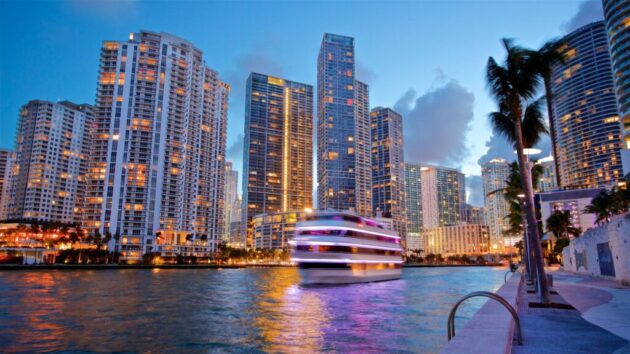
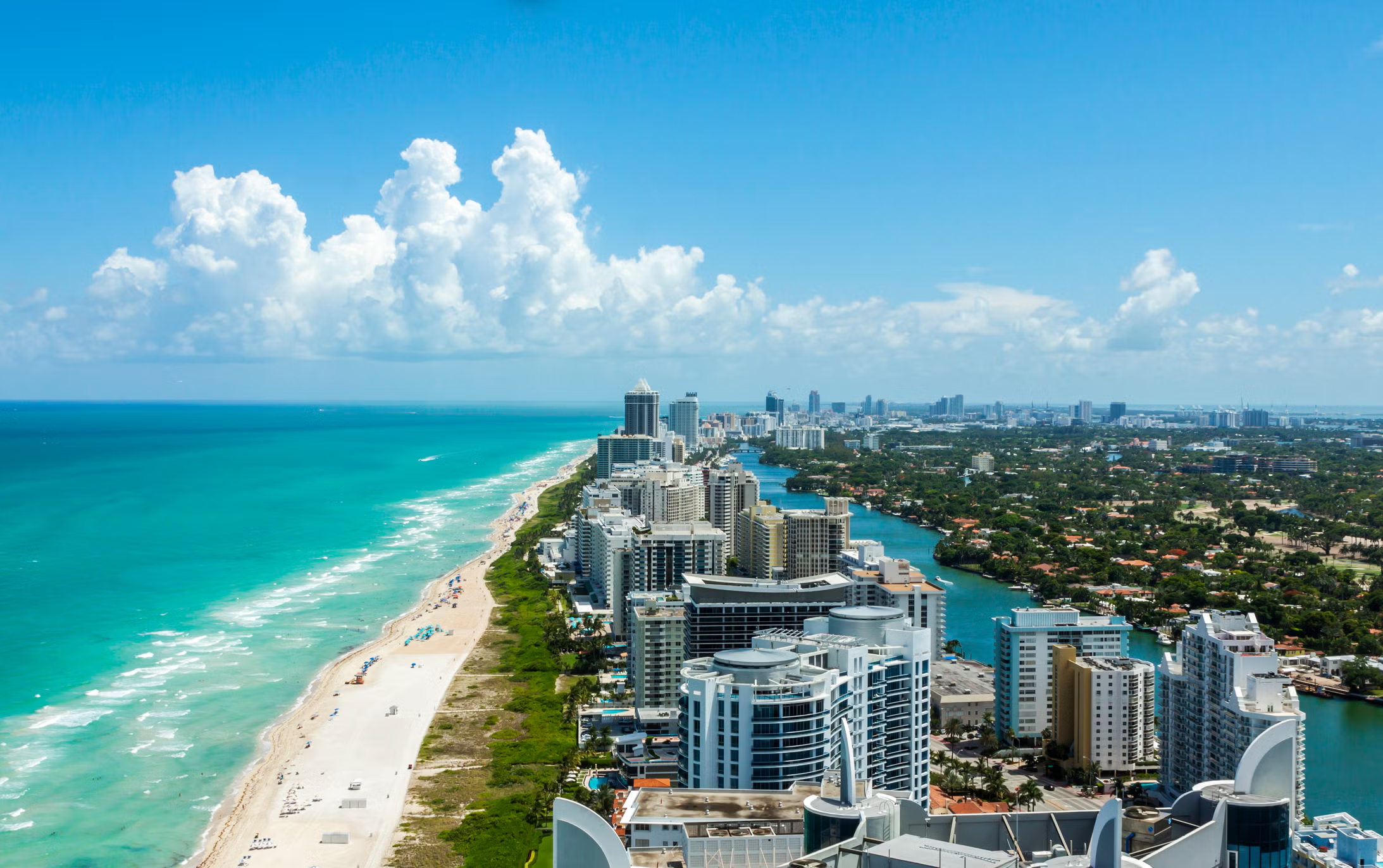
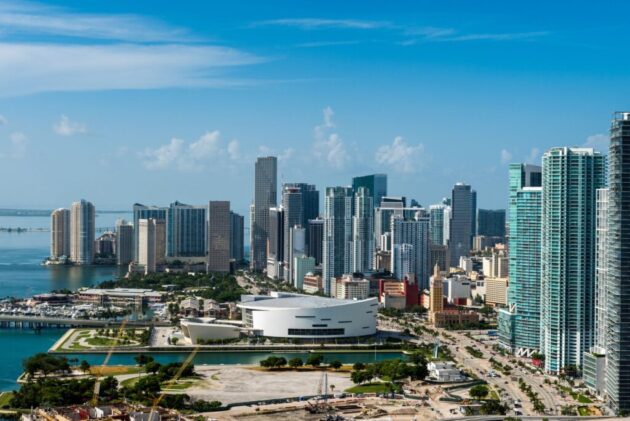
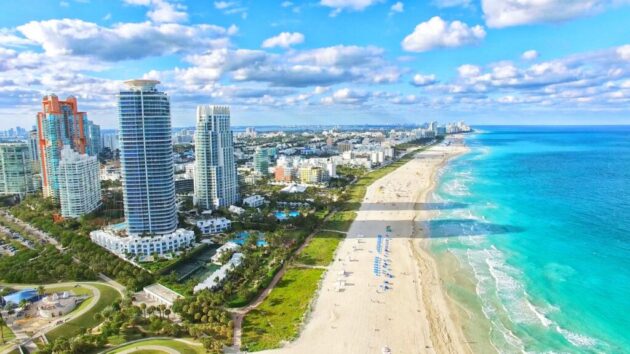
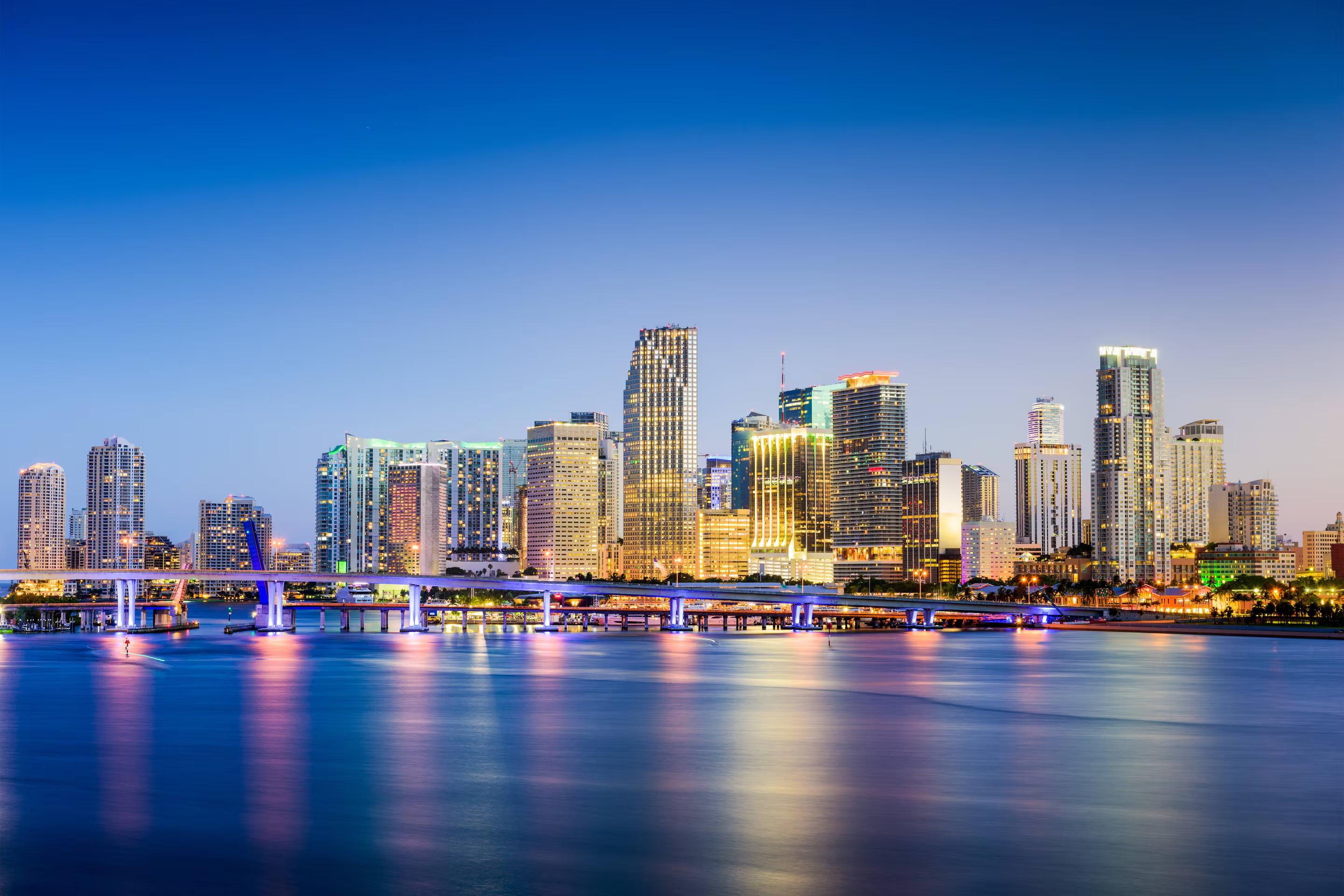
Miami, Florida, is a vibrant coastal city known for its sun-soaked beaches, multicultural vibe, and pulsating nightlife. With its blend of Latin American influences, art deco architecture, and diverse culinary scene, Miami offers something for every traveler—whether you’re seeking relaxation, adventure, or cultural immersion. This guide will help you plan an unforgettable trip to the Magic City.
Why Visit Miami?
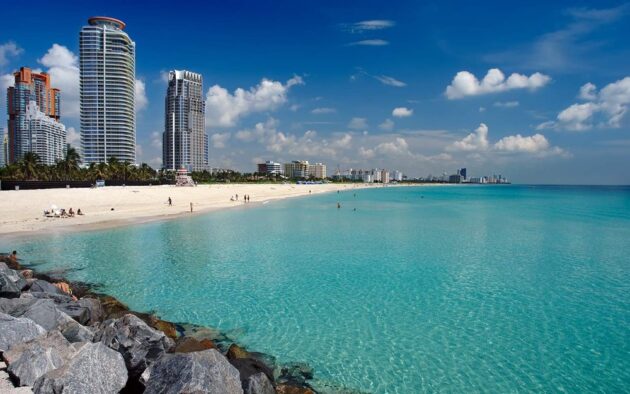
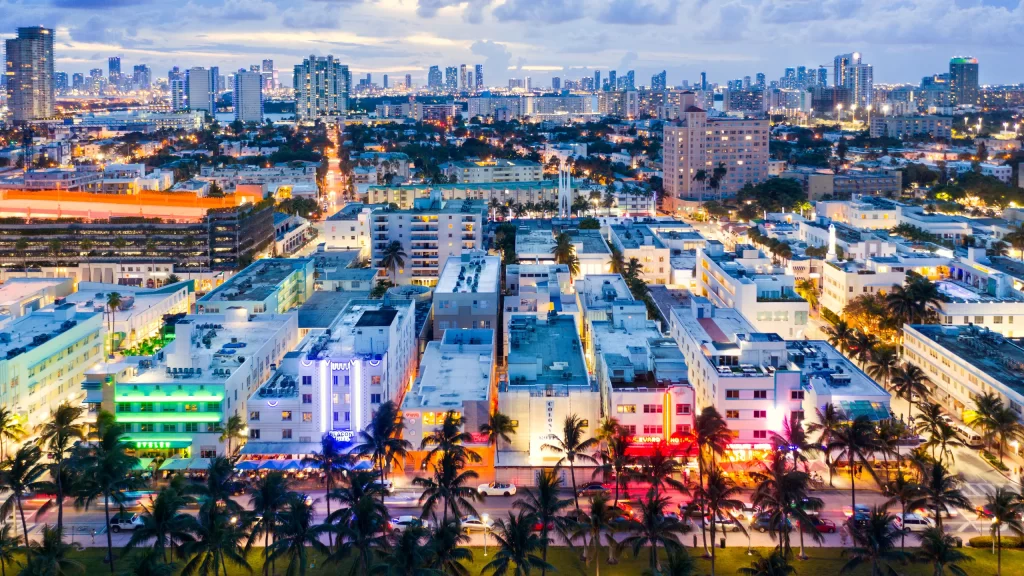
Miami is a melting pot of cultures, where Caribbean, Latin American, and American influences create a unique atmosphere. Its pristine beaches, like South Beach, are world-famous, while neighborhoods like Wynwood and Little Havana showcase art, history, and authentic cuisine. From the colorful Art Deco Historic District to the lush Everglades nearby, Miami is a destination that caters to beachgoers, foodies, art lovers, and outdoor enthusiasts alike. With year-round warm weather, it’s perfect for a winter escape or a summer adventure.
How to Get There
By Air: Miami International Airport (MIA) is a major hub, served by airlines like American Airlines, Delta, and international carriers. It’s 8 miles from downtown Miami (15–20-minute drive). Fort Lauderdale-Hollywood International Airport (FLL), 25 miles north, is a budget-friendly alternative with carriers like Spirit and JetBlue. Taxis, rideshares (Uber/Lyft), or airport shuttles to Miami cost $20–50, depending on the destination.
By Car: Miami is accessible via I-95 (running north-south) or the Florida Turnpike. It’s a 3.5-hour drive from Orlando and a 4-hour drive from Tampa. Parking in Miami Beach and downtown can be expensive ($10–30/day), so consider public transport for city exploration.
By Train/Bus: Brightline offers high-speed rail from Orlando, West Palm Beach, or Fort Lauderdale to MiamiCentral Station (downtown). Tickets start at $15 (Fort Lauderdale) or $79 (Orlando). Amtrak and Greyhound also serve Miami, with stations near downtown.
By Cruise: Miami is the “Cruise Capital of the World,” with PortMiami hosting ships from Royal Caribbean, Norwegian, and others. Many visitors combine a cruise with a city stay.
Best Time to Visit
Winter (December–February): Ideal for pleasant weather (70–80°F/21–27°C), fewer rain showers, and major events like Art Basel (December). Book early as prices rise. Spring (March–May): Warm (75–85°F/24–29°C) with vibrant festivals like Ultra Music Festival (March). Spring break crowds peak in March, so plan accordingly.
Summer (June–August): Hot and humid (80–90°F/27–32°C) with frequent rain, but fewer crowds and lower hotel rates. Hurricane season begins in June, so monitor forecasts. Fall (September–November): Warm weather with occasional rain. September is quieter, while November sees growing crowds for events like the Miami Book Fair.
Tip: Avoid peak spring break (March) and major holidays if you prefer fewer crowds.
Top Attractions
Bill Baggs Cape Florida State Park
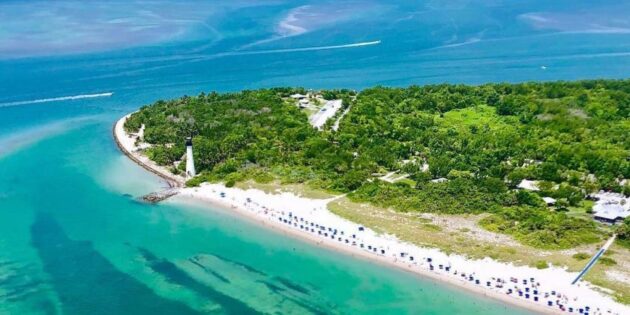
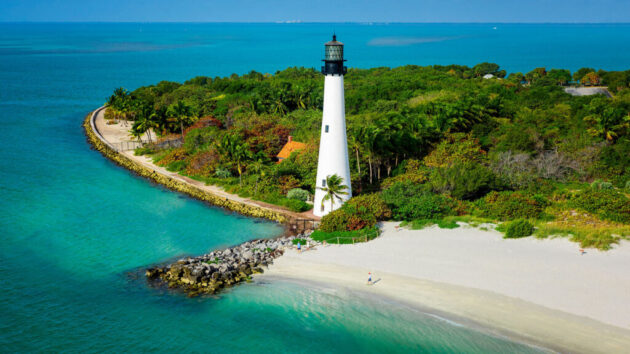
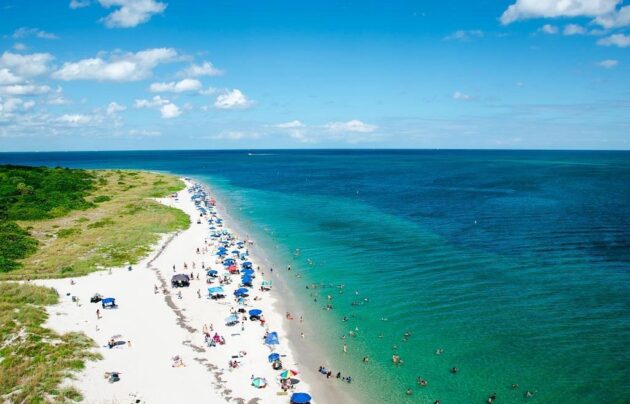
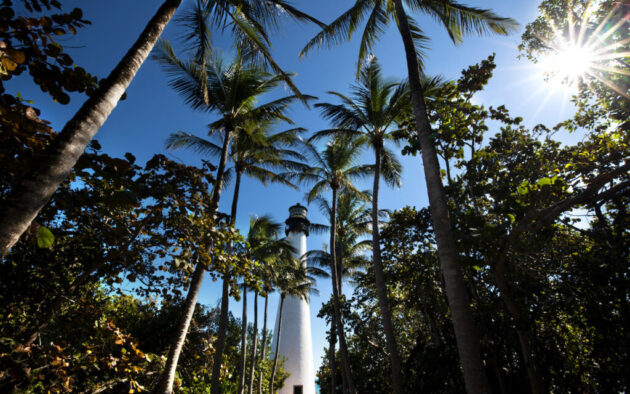
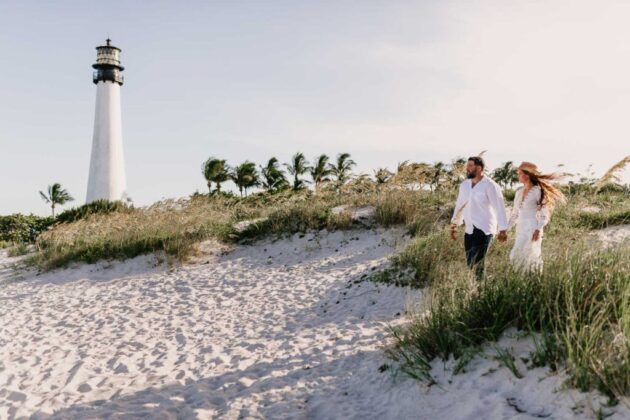
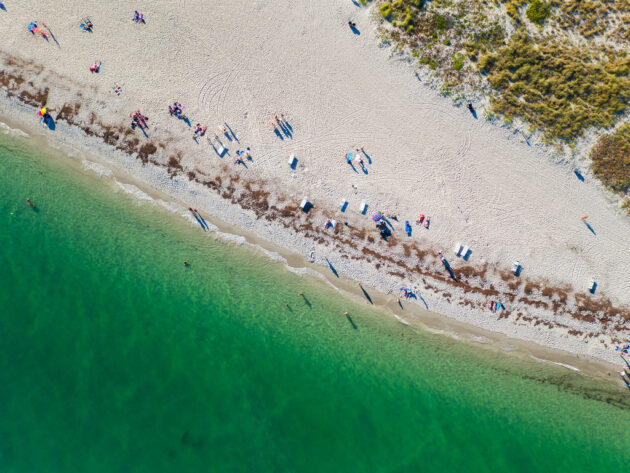
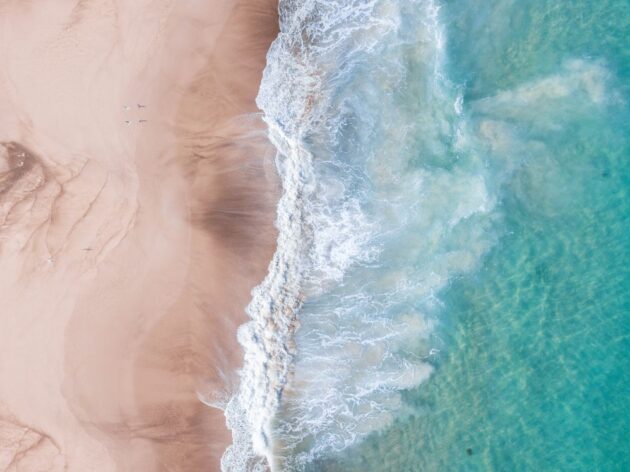
Located at the southern tip of Key Biscayne, Bill Baggs Cape Florida State Park is one of South Florida’s hidden gems. Known for its historic lighthouse, pristine beaches, and lush natural beauty, this park offers a tranquil escape from the bustling Miami metropolis. Whether you’re a nature lover, history enthusiast, or just looking for a relaxing day by the water, Bill Baggs has something for everyone.

Zoo Miami
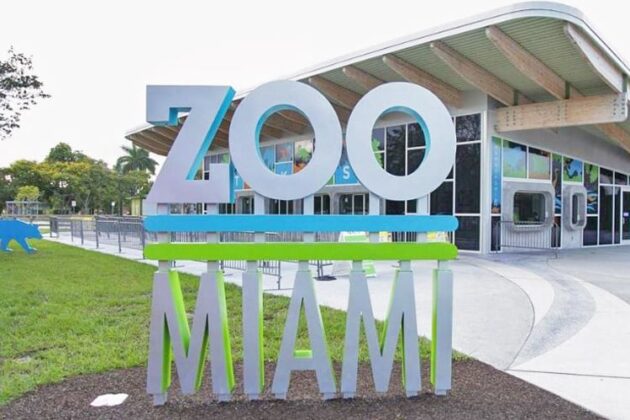
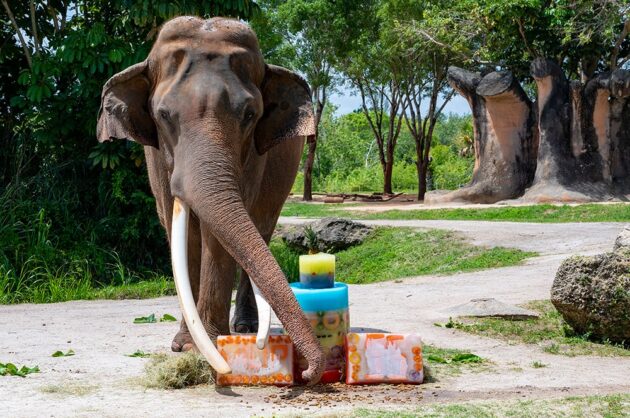
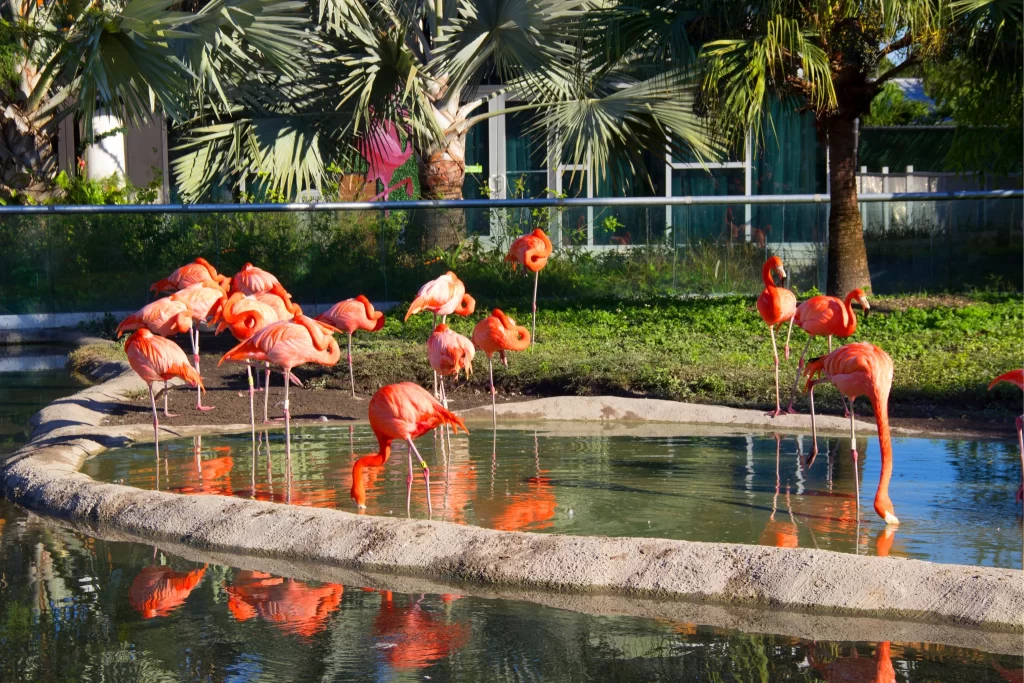
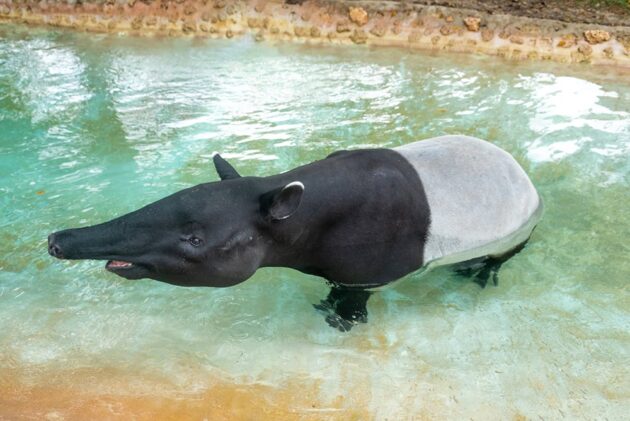
Zoo Miami, also known as Miami-Dade Zoological Park and Gardens, is the largest and oldest zoological garden in Florida. Spanning over 750 acres, it is home to more than 3,000 animals, representing over 500 species. Known for its cageless exhibits, it offers visitors an immersive experience where animals roam in environments similar to their natural habitats. The zoo’s tropical climate allows it to house species from Asia, Africa, the Amazon, and Australia. Whether you’re an animal lover, a family with kids, or someone who enjoys outdoor adventures, Zoo Miami is a perfect day trip destination.




Vizcaya Museum & Gardens
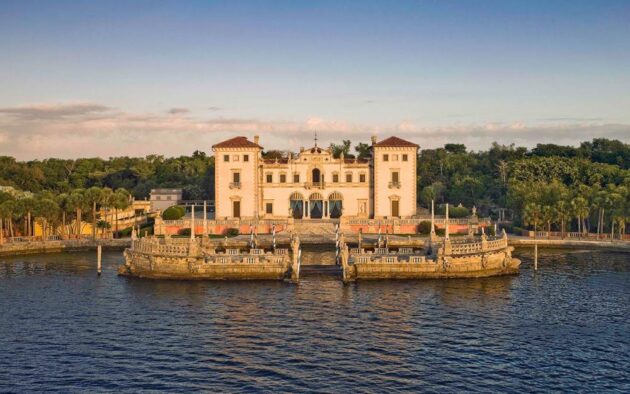
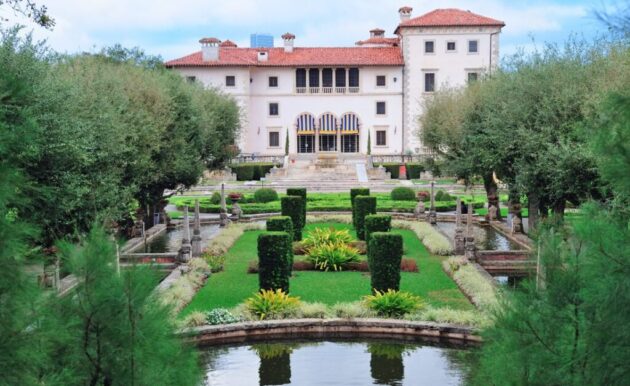
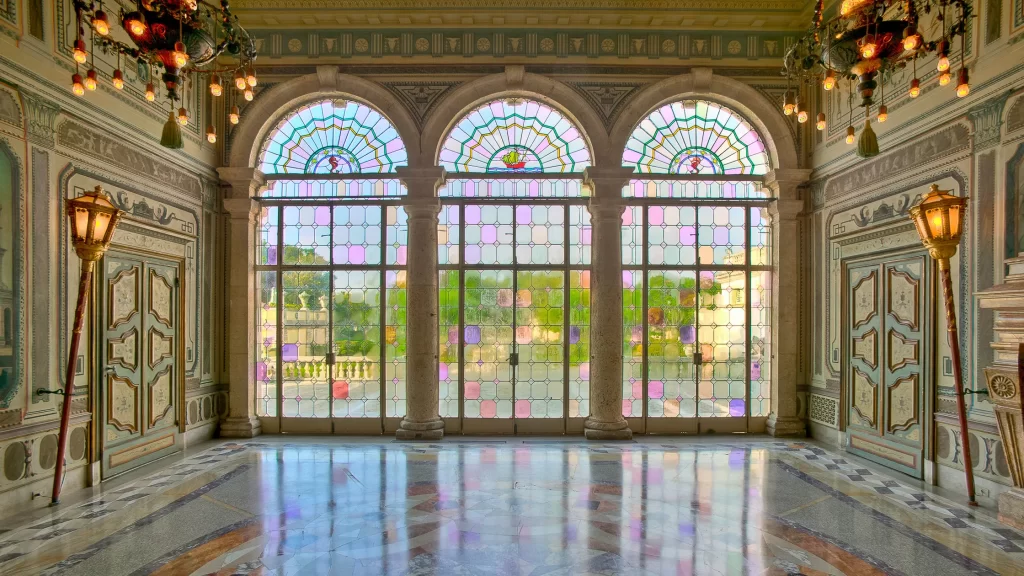
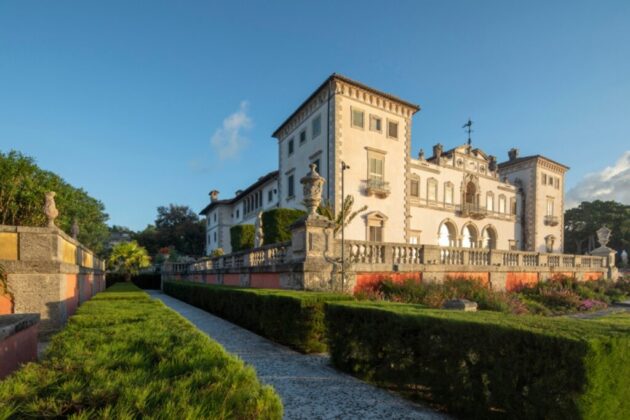
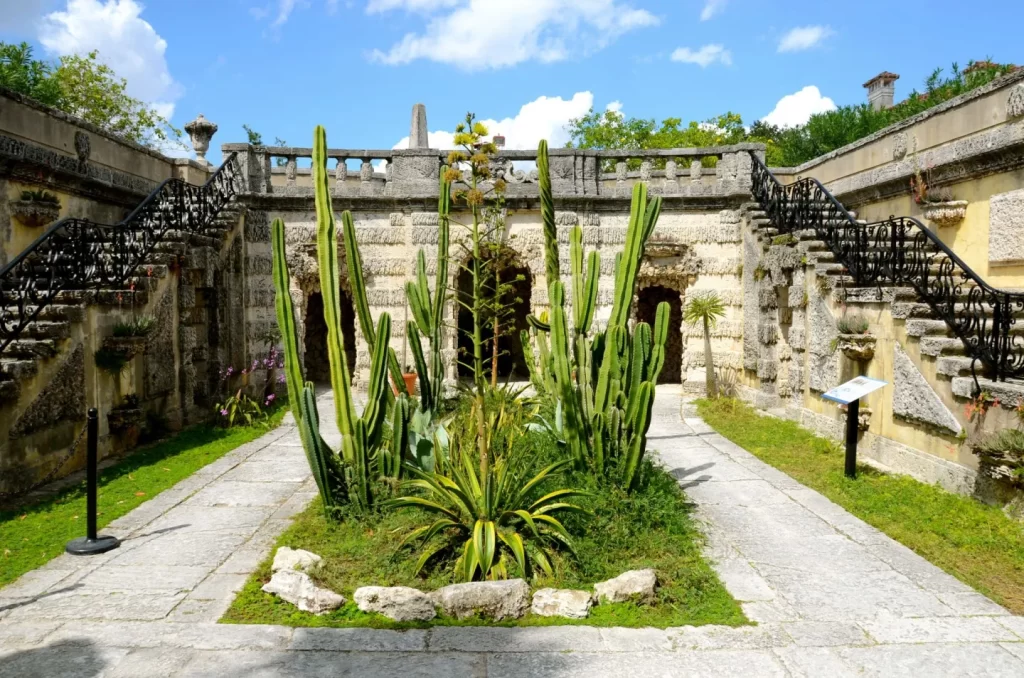
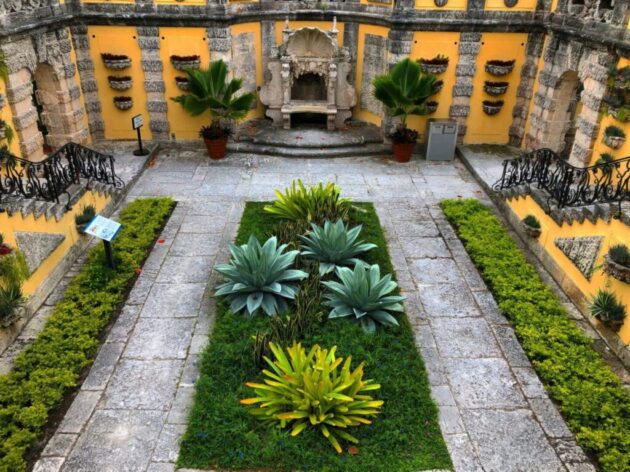
Vizcaya Museum & Gardens, located in Miami, Florida, is a stunning National Historic Landmark that was once the winter estate of industrialist James Deering. Built between 1914 and 1923, this Mediterranean Revival-style villa features 70 rooms filled with European antiques, Renaissance furnishings, and art collections, surrounded by 10 acres of meticulously designed Italian and French-inspired gardens blending tropical flora with classical sculptures and fountains.


Little Havana
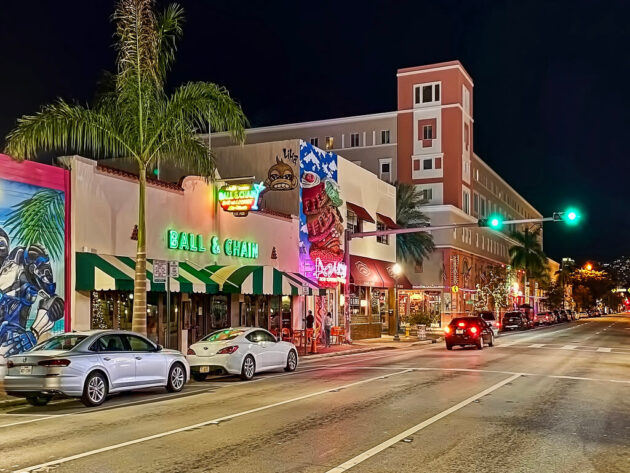
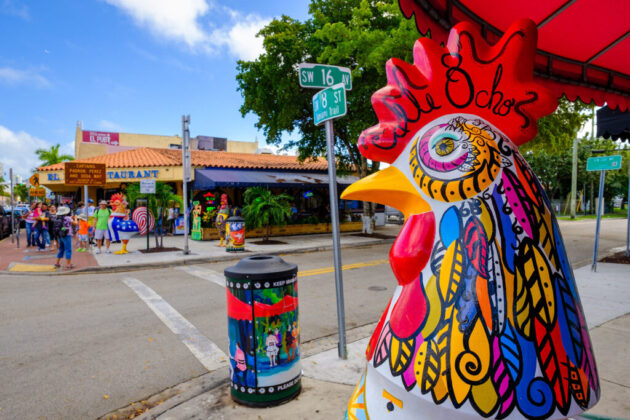
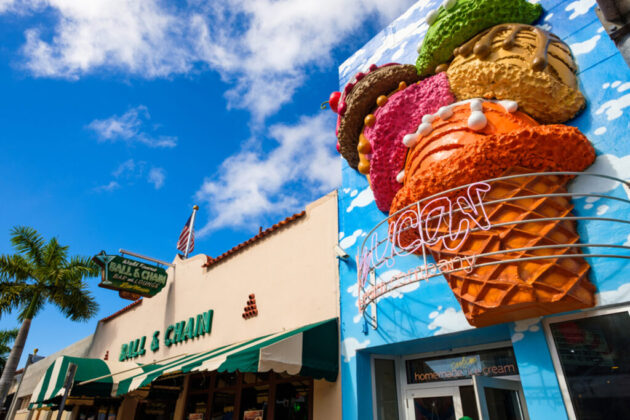
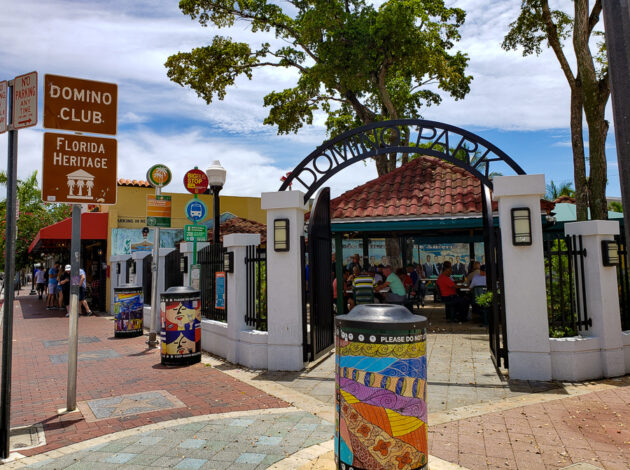
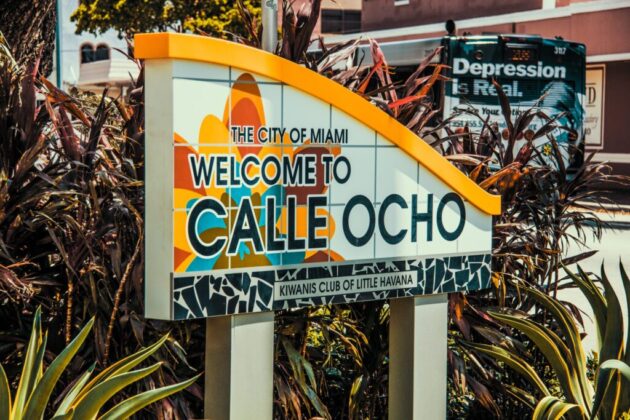
Little Havana is a vibrant neighborhood in Miami, Florida, renowned as the cultural and political heart of the Cuban exile community in the United States. Established in the 1960s after the Cuban Revolution, it became a hub for Cuban refugees and later immigrants from Central and South America. The area is famous for its lively Calle Ocho (SW 8th Street), where Cuban traditions thrive through music, food (like Cuban sandwiches and cafecito), and landmarks such as Máximo Gómez Park (Domino Park). Colorful murals, rooster statues, and Latin festivals like the Calle Ocho Festival showcase its rich heritage.
Lummus Park
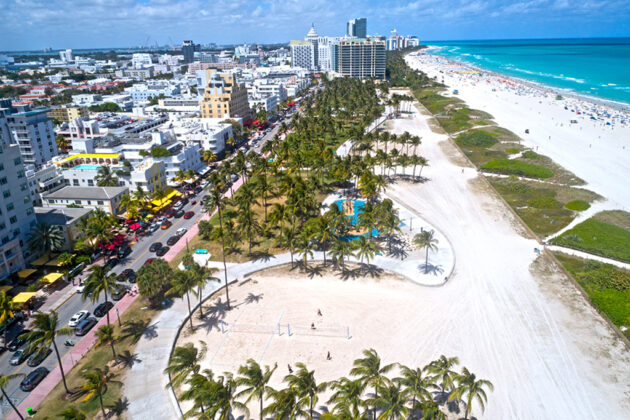
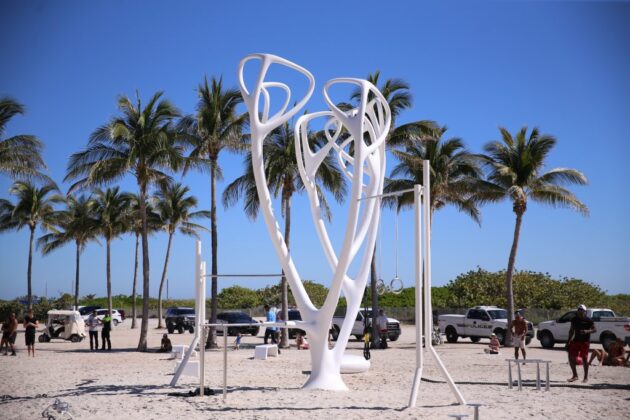
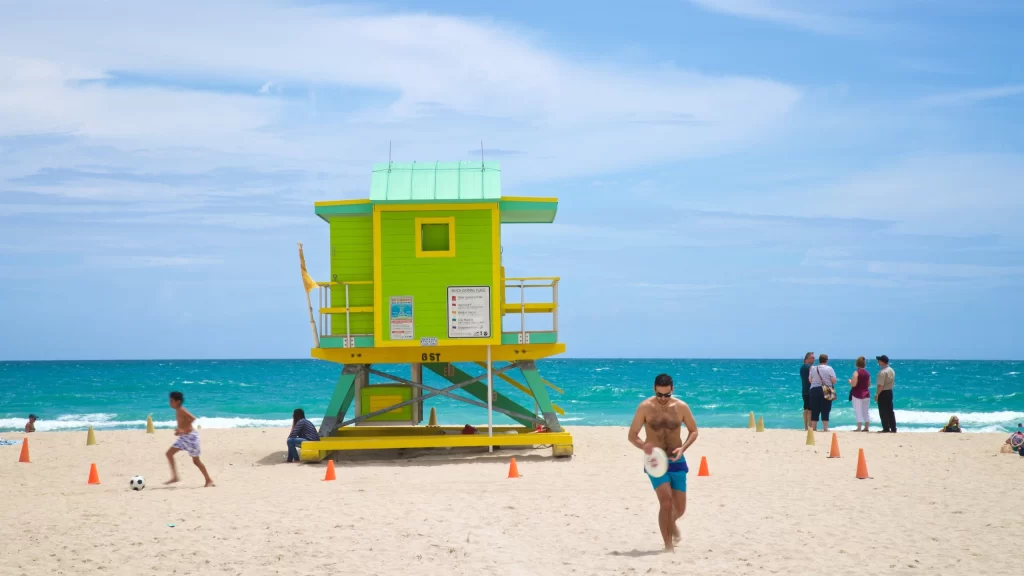
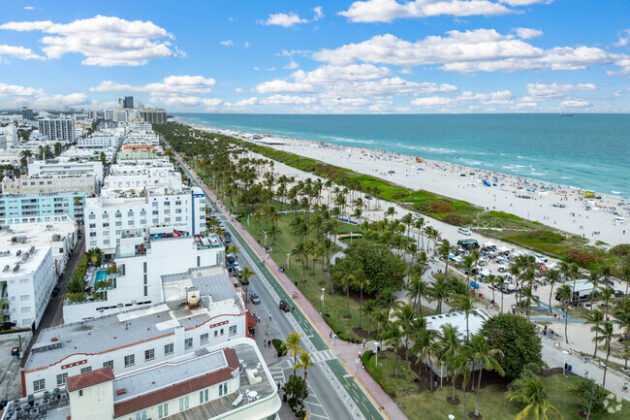
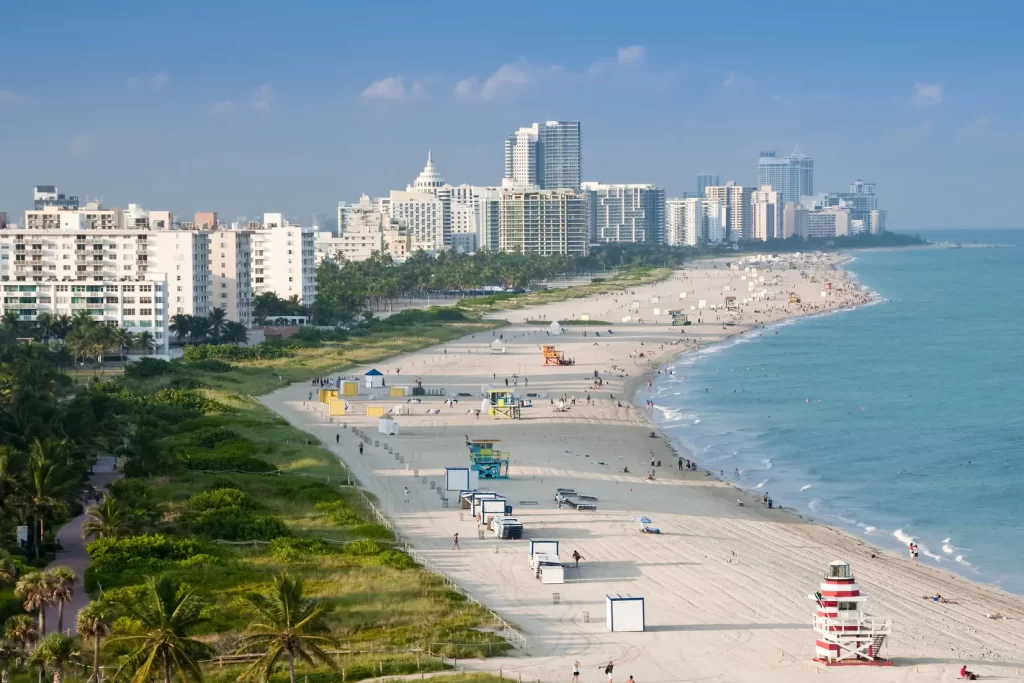
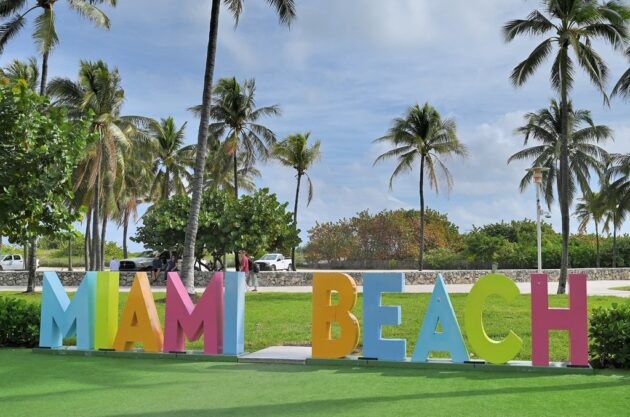
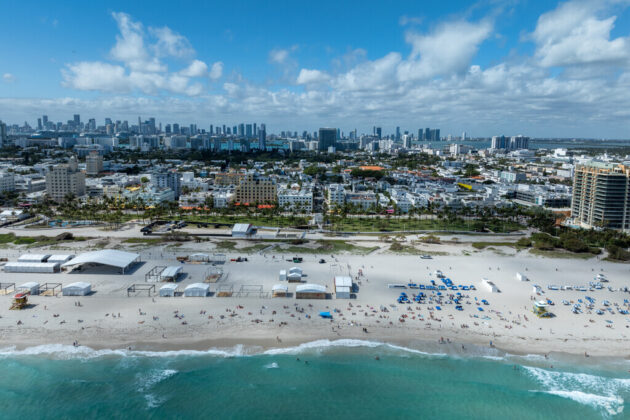
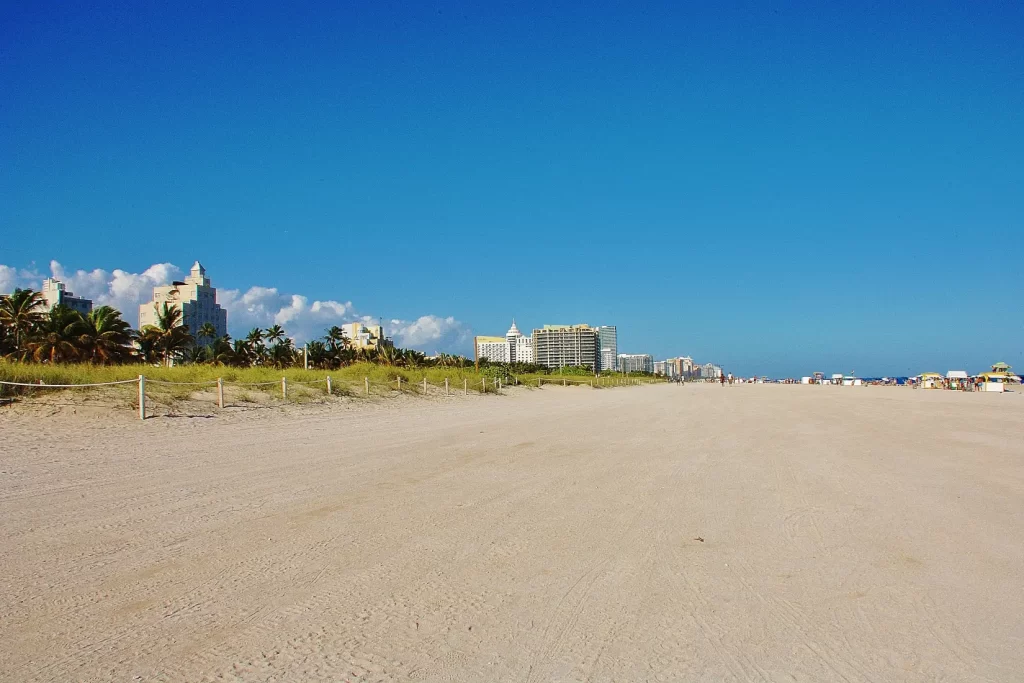
Lummus Park is a famous urban park located in the heart of Miami Beach, Florida. Spanning the length of Ocean Drive between 5th and 14th Streets, this vibrant park is a key part of the iconic South Beach area, offering stunning views of the Atlantic Ocean and easy access to Miami’s bustling nightlife, historic Art Deco architecture, and world-class dining. Whether you’re looking for a relaxing day at the beach or a taste of Miami’s energetic atmosphere, Lummus Park is a must-visit destination.
Wynwood Walls
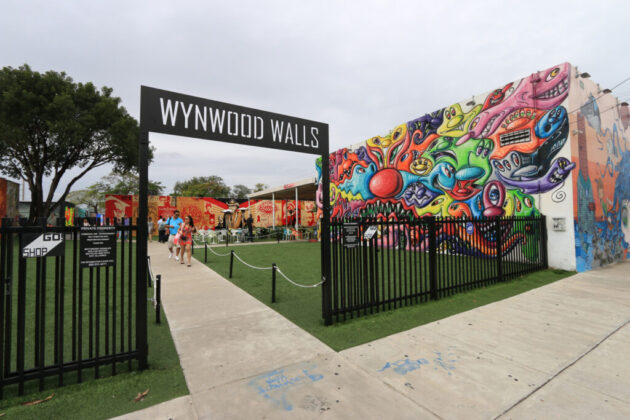
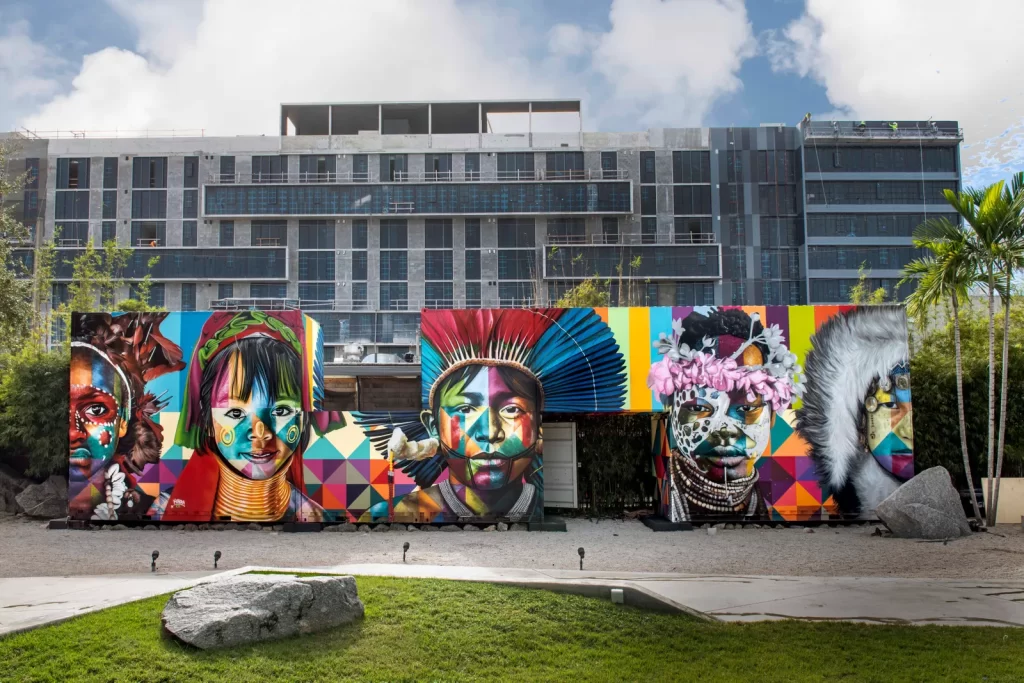
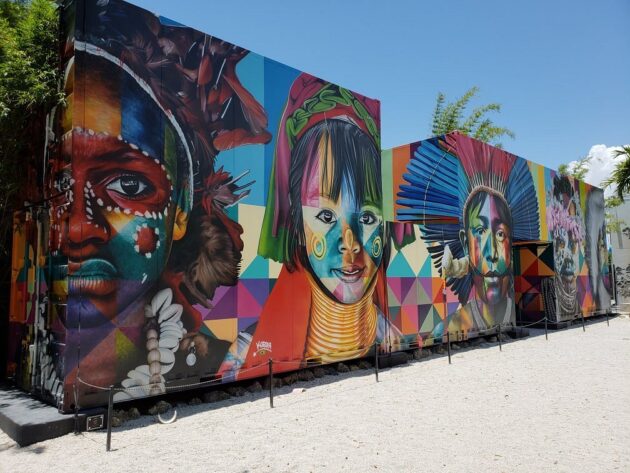
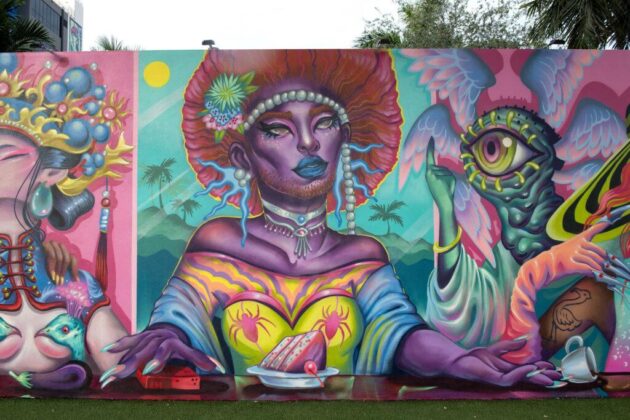
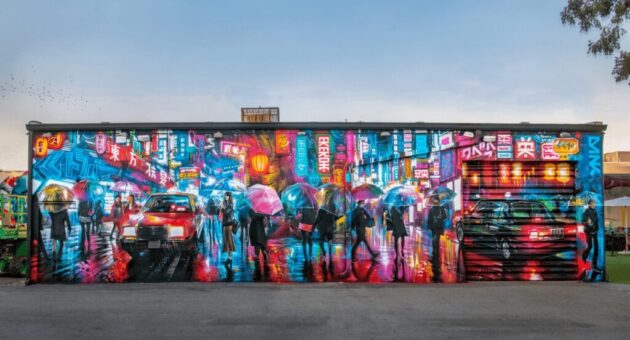
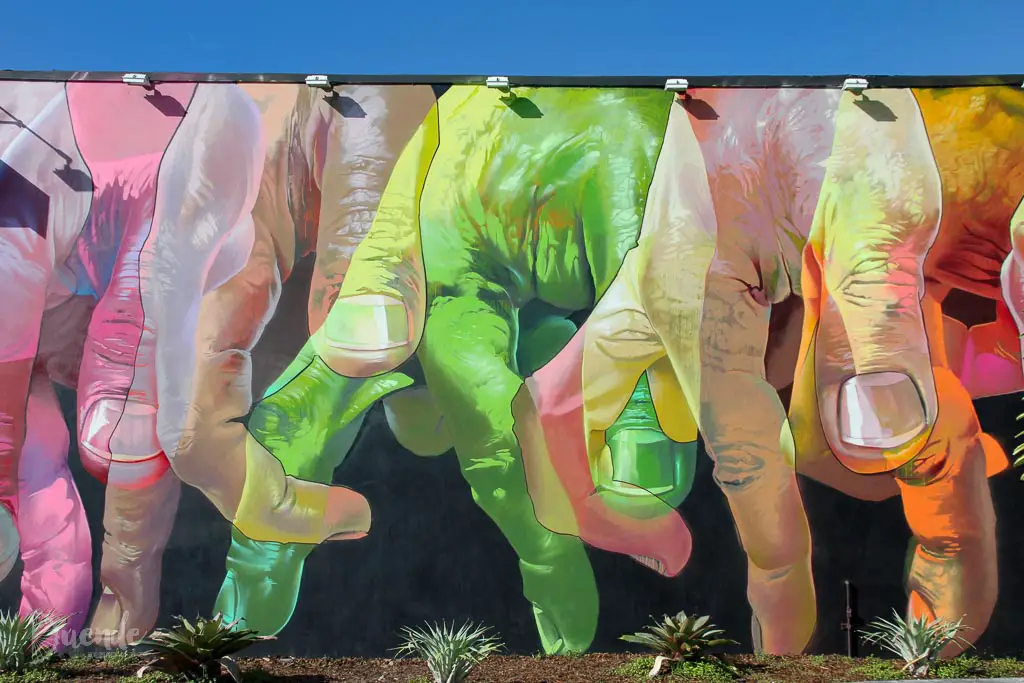
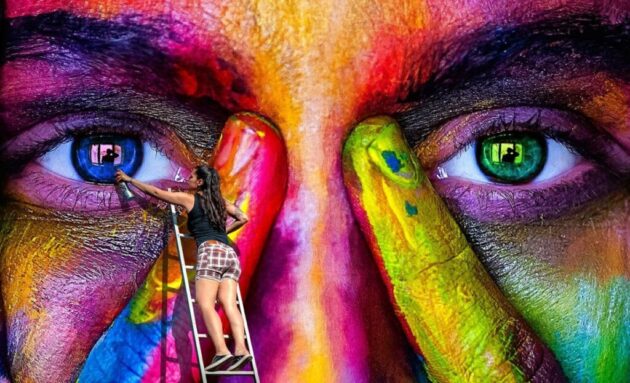
Wynwood Walls in Miami, United States, is an iconic outdoor street art museum founded in 2009 by Tony Goldman. It transformed a former warehouse district into a global hub for urban art, featuring over 80,000 square feet of murals by more than 100 renowned artists from 21 countries. Known for its vibrant, ever-changing displays, it attracts over 3 million visitors annually and has played a key role in revitalizing the Wynwood neighborhood into a cultural hotspot.

Bayside Marketplace
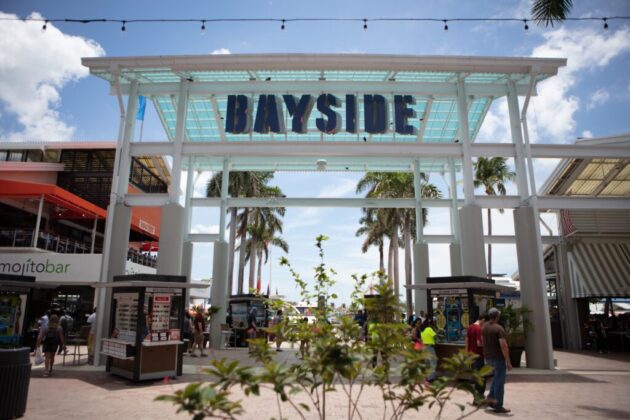
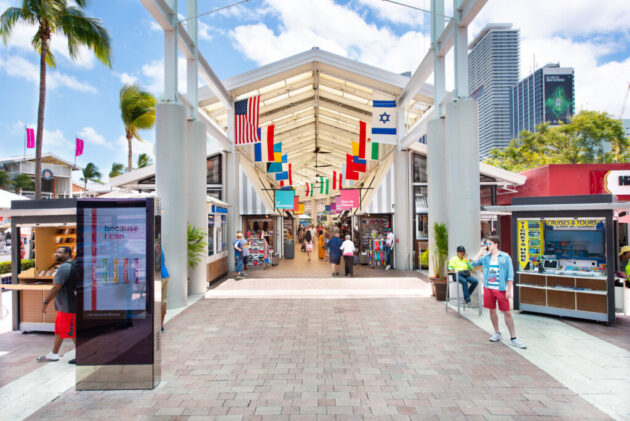
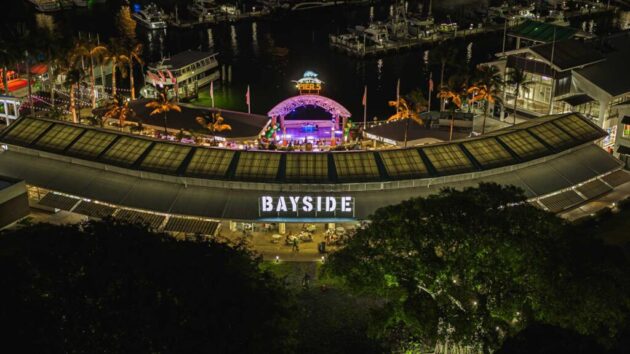
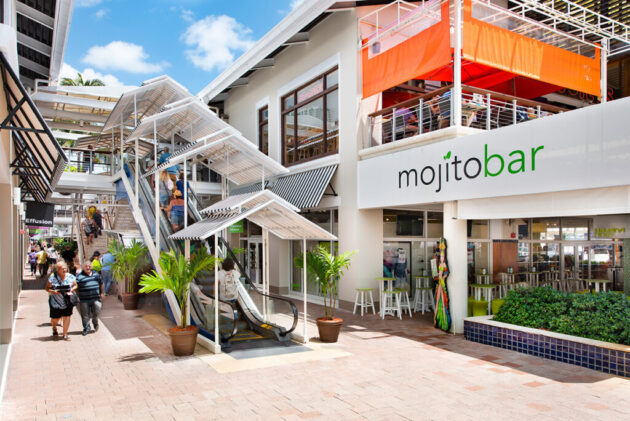
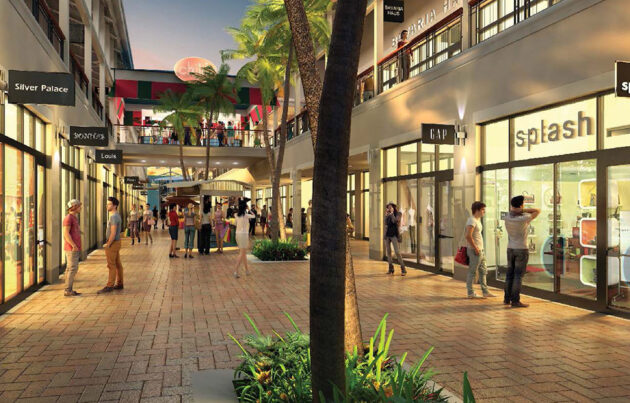
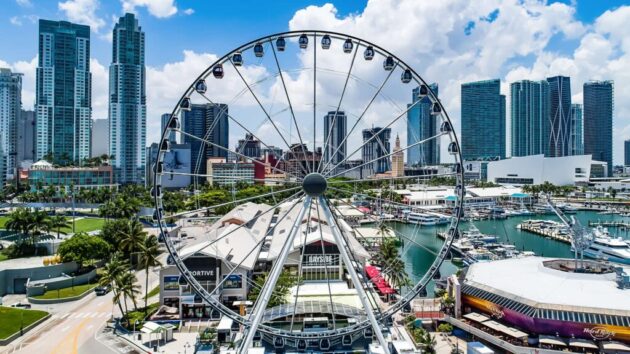
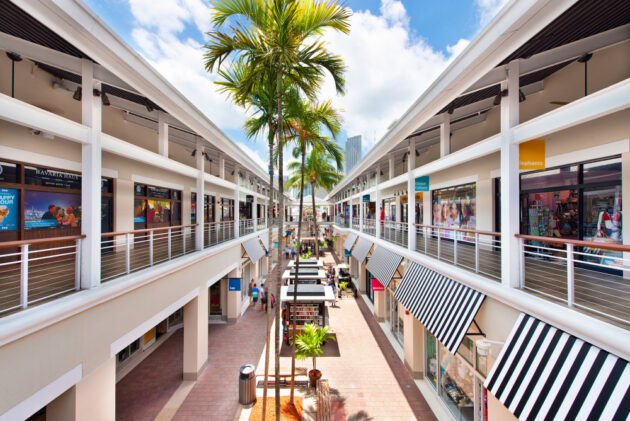
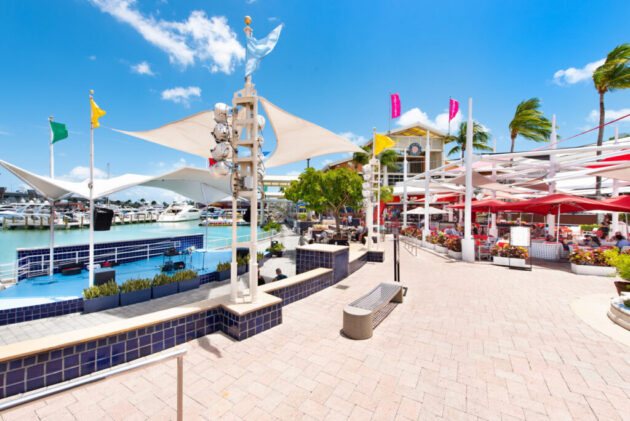
Bayside Marketplace is a vibrant two-story open-air shopping and entertainment complex located in downtown Miami, Florida, along the scenic Biscayne Bay. Opened in 1987, it features over 100 shops, 30 restaurants, and live entertainment, blending retail, dining, and waterfront activities. Visitors can enjoy Latin-inspired music, boat tours, and attractions like the Miami Skyviews observation wheel. Known for its lively atmosphere and proximity to landmarks like the American Airlines Arena, it attracts millions of tourists annually.
Phillip & Patricia Frost Museum of Science
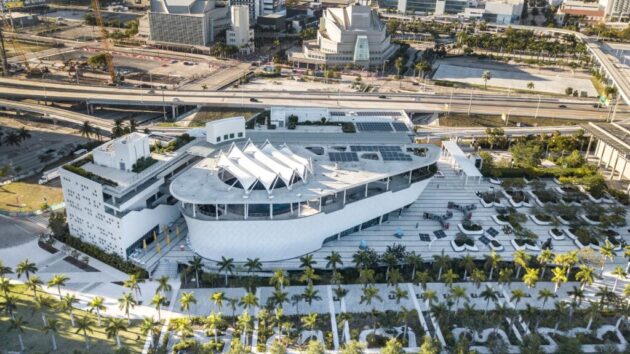
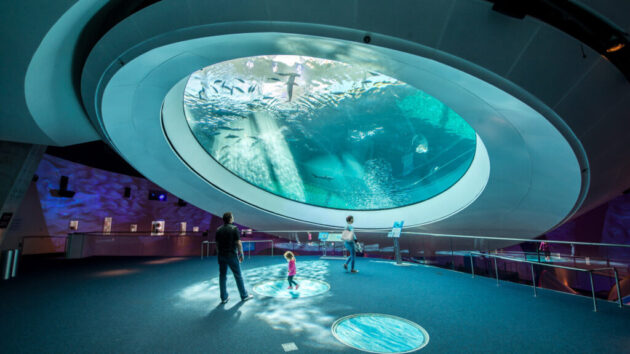
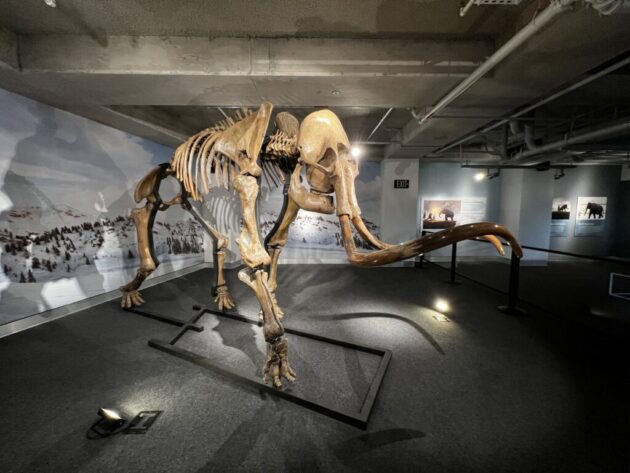
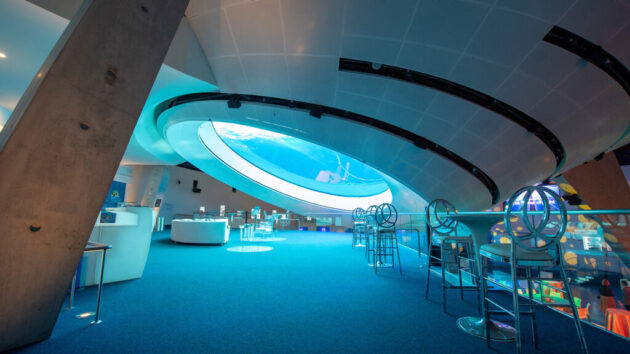
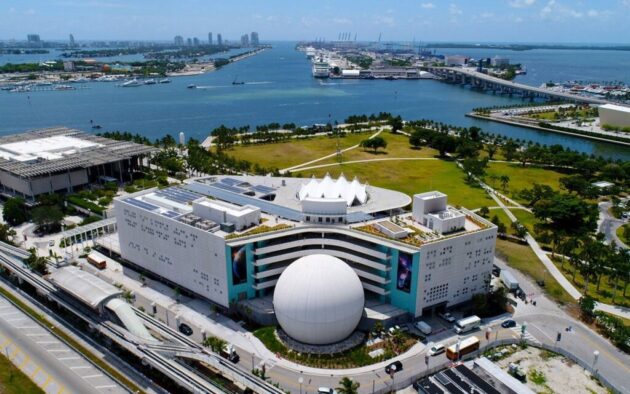
The museum spans six floors and covers a wide range of interactive exhibits and experiences. You’ll get to explore topics like marine life, the solar system, human biology, and environmental science. Highlights include the FPL Solar Terrace, the Frost Planetarium, and the Aquarium that houses a diverse collection of marine creatures.



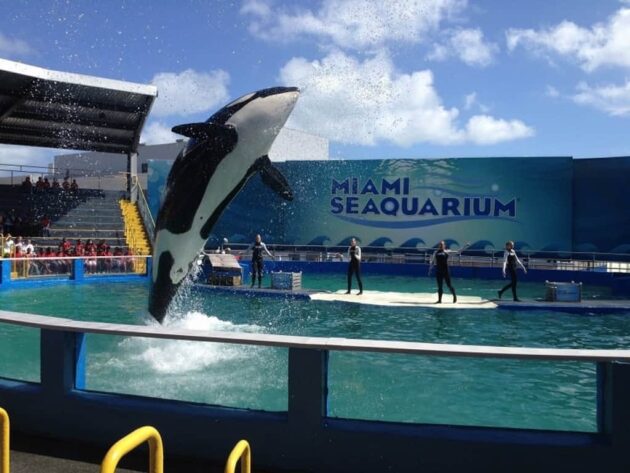
Miami Seaquarium
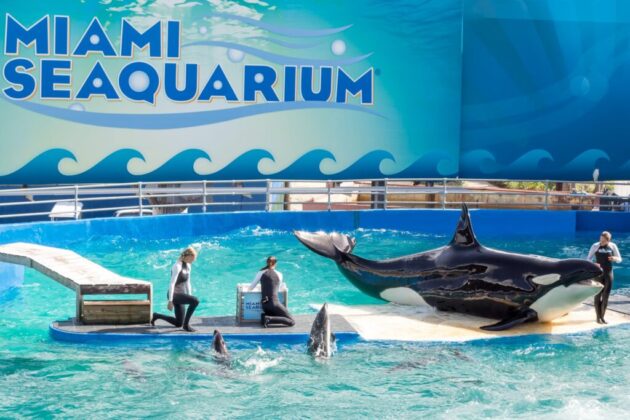
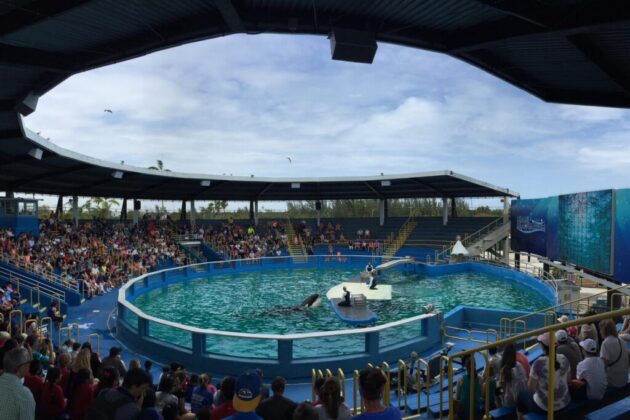
The Miami Seaquarium, located in Miami, United States, is a popular marine-life attraction featuring entertaining shows, interactive exhibits, and educational programs. Visitors can see dolphins, sea lions, manatees, and even orcas, while learning about marine conservation. Established in 1955, it remains a family-friendly destination combining entertainment with ocean awareness.





Where to Eat
Miami’s culinary scene reflects its diversity, from Cuban to seafood to fusion cuisine:
South Beach: Try Joe’s Stone Crab for iconic stone crab claws (season: October–May, $50–100/person) or Yardbird for Southern comfort food ($20–40). Little Havana: Versailles or La Carreta serve authentic Cuban dishes like ropa vieja or cubano sandwiches ($10–20).
Wynwood: Grab tacos at Coyo Taco ($10–15) or craft cocktails at Wynwood Marketplace. Budget Options: Food trucks in Wynwood or downtown offer affordable bites ($5–10). Check Bayside Marketplace for waterfront dining with varied cuisines.
Where to Stay
South Beach: Luxury: The Setai or Fontainebleau Miami Beach ($300–600/night) for oceanfront elegance. Mid-Range: The Marlin Hotel or Hotel Ocean ($100–200/night), steps from the beach. Budget: Hostels like Freehand Miami ($30–60/night for dorms).
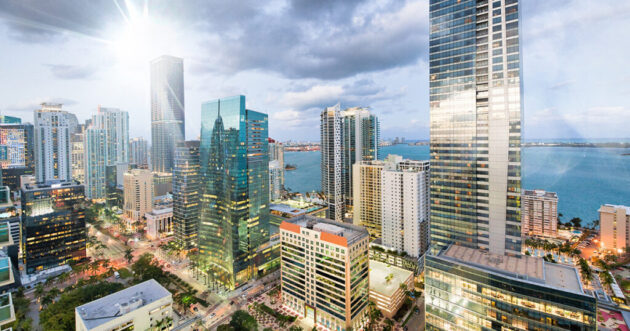
Downtown Miami: Luxury: InterContinental Miami ($200–400/night) with bay views. Mid-Range: Hilton Miami Downtown ($100–200/night). Coconut Grove: Quieter vibe with boutique hotels like The Ritz-Carlton Coconut Grove ($250–500/night).
Booking Tip: Use platforms like Booking.com or Expedia for deals, and book early for winter stays.
Tips for a Great Visit
Sun Protection: Miami’s sun is intense—bring sunscreen, hats, and sunglasses. Dress Code: Casual attire works for most attractions, but upscale restaurants and clubs (e.g., LIV) require stylish outfits (no flip-flops). Language: English and Spanish are widely spoken due to Miami’s large Hispanic population. Basic Spanish phrases can enhance your experience in Little Havana.
Safety: Miami is generally safe, but stay vigilant in crowded areas and avoid isolated spots at night. Combine Your Trip: Pair Miami with a day trip to Key West (3.5-hour drive) or Fort Lauderdale (45-minute drive) for a broader South Florida experience.
Final Thoughts
Miami, Florida, is a dynamic destination where sun, culture, and adventure collide. Whether you’re lounging on South Beach, savoring Cuban coffee in Little Havana, or exploring the wild Everglades, the city offers endless possibilities. Plan around the seasons, embrace the vibrant energy, and immerse yourself in Miami’s unique blend of cultures and landscapes. Your trip to the Magic City will be one to remember!
Happy travels!