
A Travel Guide to Hawaii
Hawaii, a tropical paradise in the Pacific Ocean, is renowned for its stunning beaches, volcanic landscapes, vibrant culture, and aloha spirit. This archipelago of eight main islands—Oahu, Maui, Kauai, the Big Island (Hawai‘i), Molokai, Lanai, Niihau, and Kahoolawe—offers diverse experiences for every traveler, from adventure seekers to those craving relaxation. This guide provides essential tips to plan an unforgettable trip to Hawaii, focusing on the four most visited islands: Oahu, Maui, Kauai, and the Big Island.
Why Visit Hawaii?
Hawaii captivates with its unique blend of natural beauty and cultural richness. Pristine beaches, lush rainforests, active volcanoes, and dramatic cliffs create a breathtaking backdrop. The islands’ Polynesian heritage shines through in hula performances, local cuisine, and warm hospitality. Whether you’re hiking volcanic trails, surfing world-class waves, or exploring historic sites, Hawaii offers something for everyone. Each island has its own distinct vibe, making it ideal for multi-island itineraries or a deep dive into one.
How to Get There
By Air: Major Airports: Honolulu International Airport (HNL) on Oahu is the primary gateway, with direct flights from the U.S. mainland, Asia, and Oceania. Other key airports include Kahului Airport (OGG) on Maui, Lihue Airport (LIH) on Kauai, and Kona (KOA) and Hilo (ITO) on the Big Island.
Flights from the Mainland: Direct flights from cities like Los Angeles, San Francisco, Seattle, and New York take 5–10 hours. Round-trip economy fares range from $300–$800, depending on season and booking time. Inter-Island Flights: Hawaiian Airlines, Southwest, and Mokulele Airlines offer frequent 30–60-minute flights between islands, costing $50–$150 one way.
By Cruise: Cruises from the U.S. West Coast (e.g., Los Angeles or Vancouver) or inter-island cruises with companies like Norwegian Cruise Line are a scenic but pricier option, starting at $1,000–$2,000 per person for a week.
Best Time to Visit
High Season (Mid-December to April, June–August): Warm weather (75–85°F/24–29°C), ideal for beach activities, but expect higher prices and crowds. Book accommodations and activities early.
Shoulder Seasons (May, September–Mid-December): Fewer crowds, lower prices, and pleasant weather. September and October are great for budget travelers, though hurricane season peaks then.
Rainy Season (November–March): More rain, especially on windward (eastern) coasts, but it’s rarely disruptive. The Big Island and Maui’s leeward sides stay drier.
Tip: For whale watching, visit between January and March when humpback whales migrate to Hawaii’s warm waters.
Main Hawaiian Islands
Oahu (The Gathering Place)
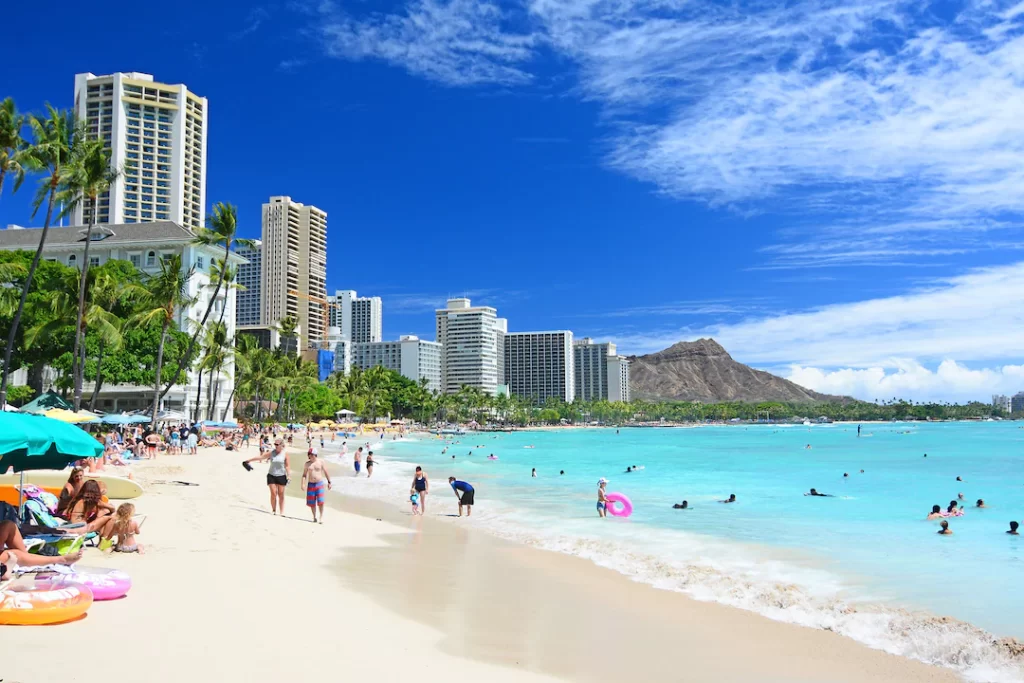
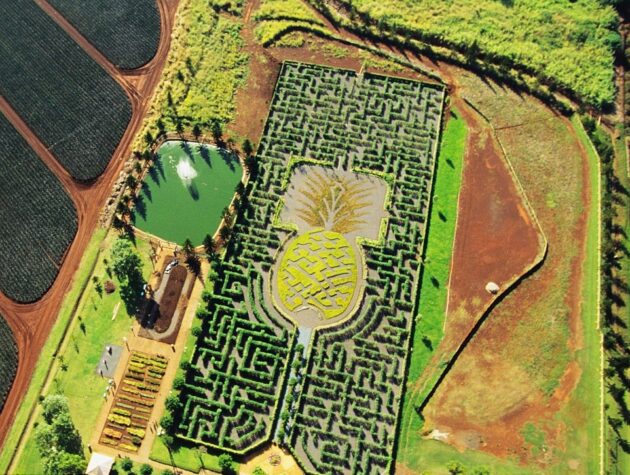
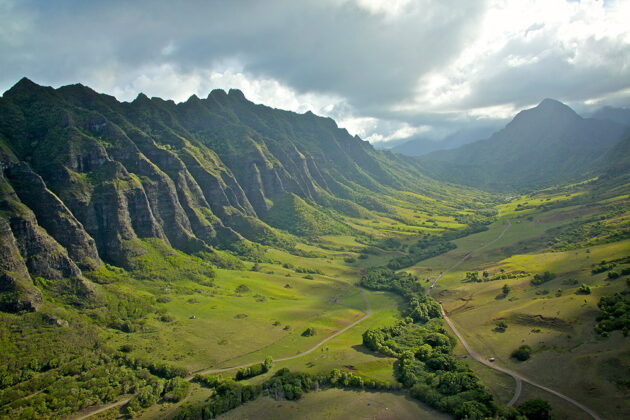
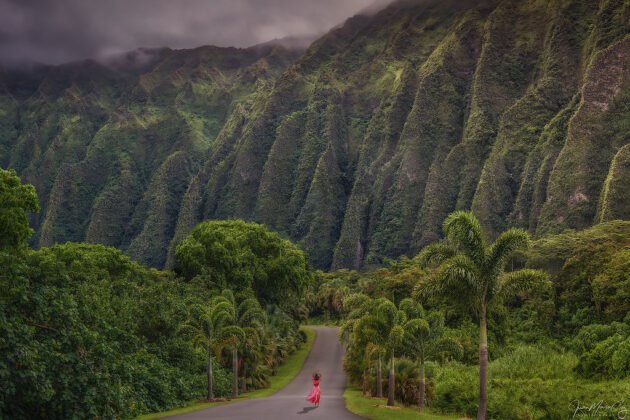
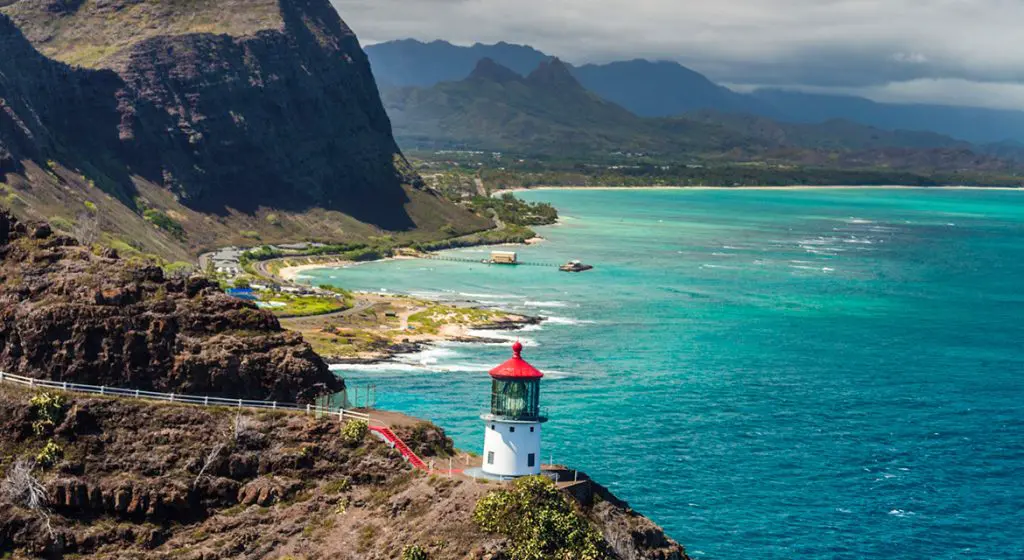
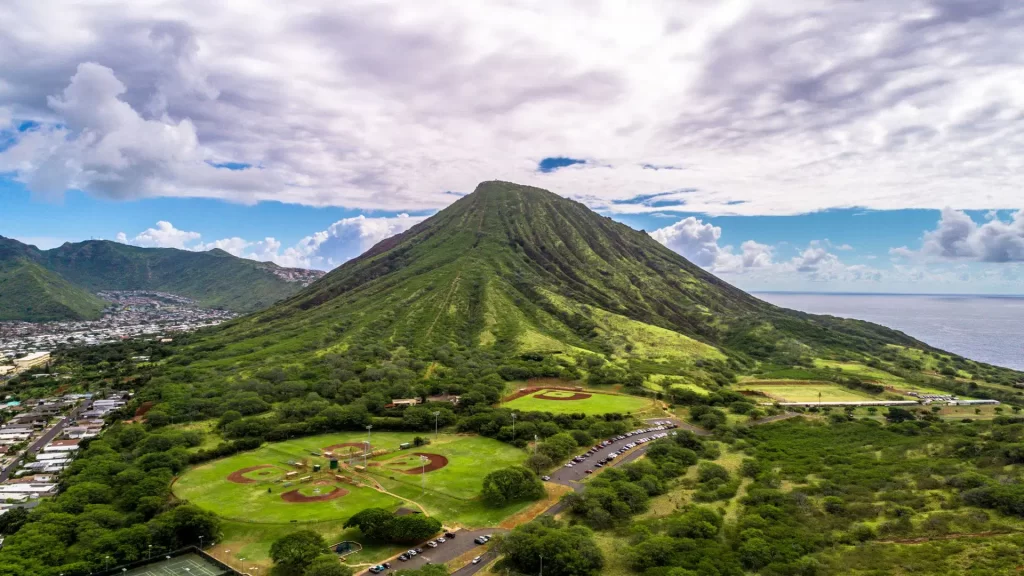
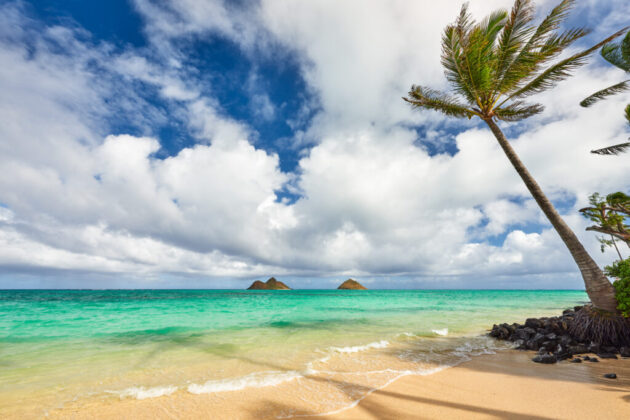
Oahu, known as “The Gathering Place,” is the most populous and visited of the Hawaiian Islands, blending vibrant urban life with breathtaking natural beauty. Home to Honolulu, the state capital, and the iconic Waikiki Beach, Oahu offers a unique mix of cultural heritage, world-class beaches, historical landmarks, and outdoor adventures.

Maui (The Valley Isle)
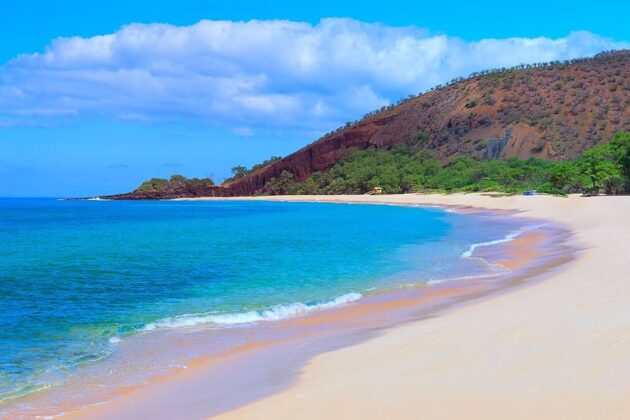
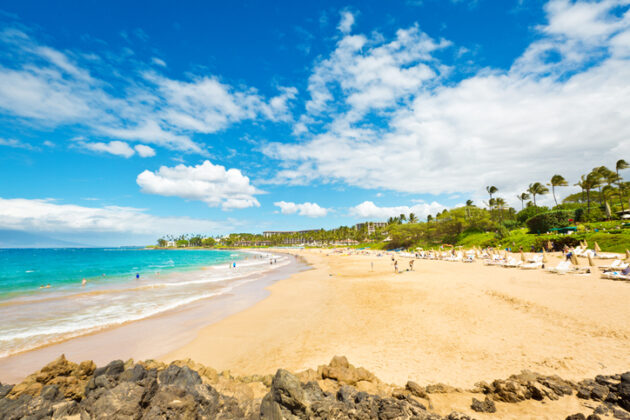
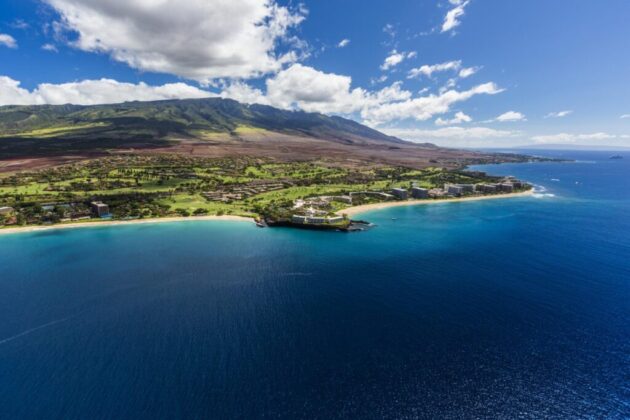
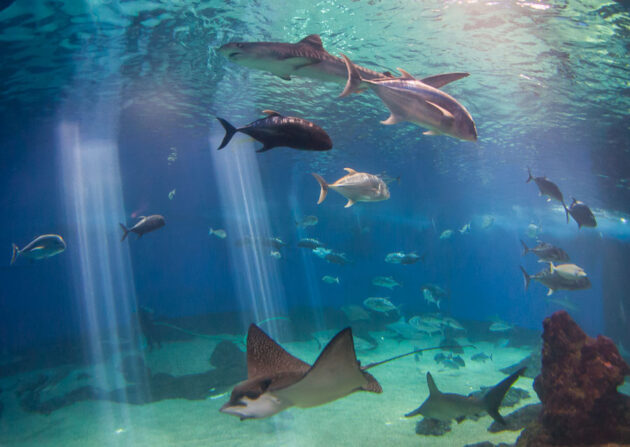
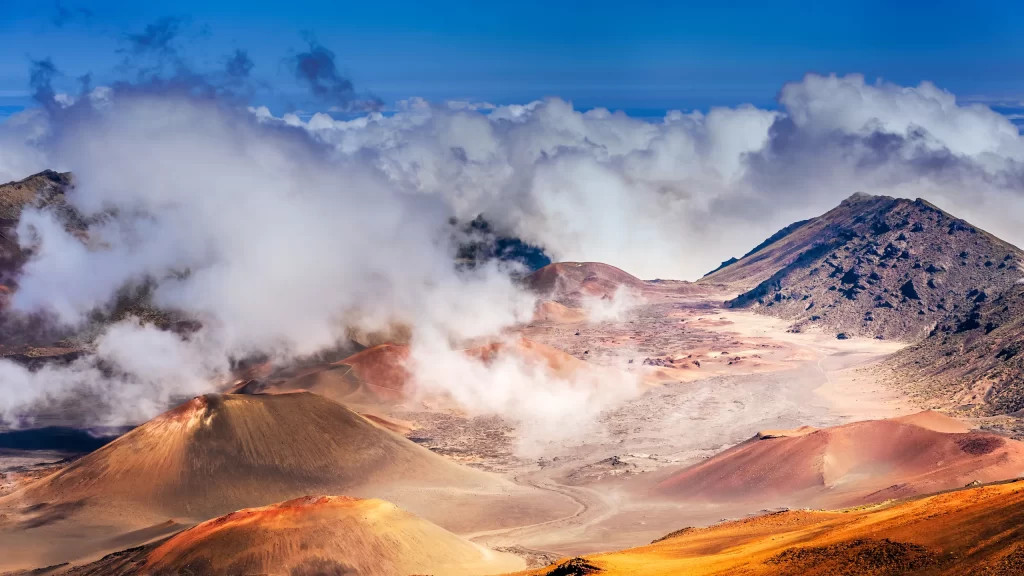
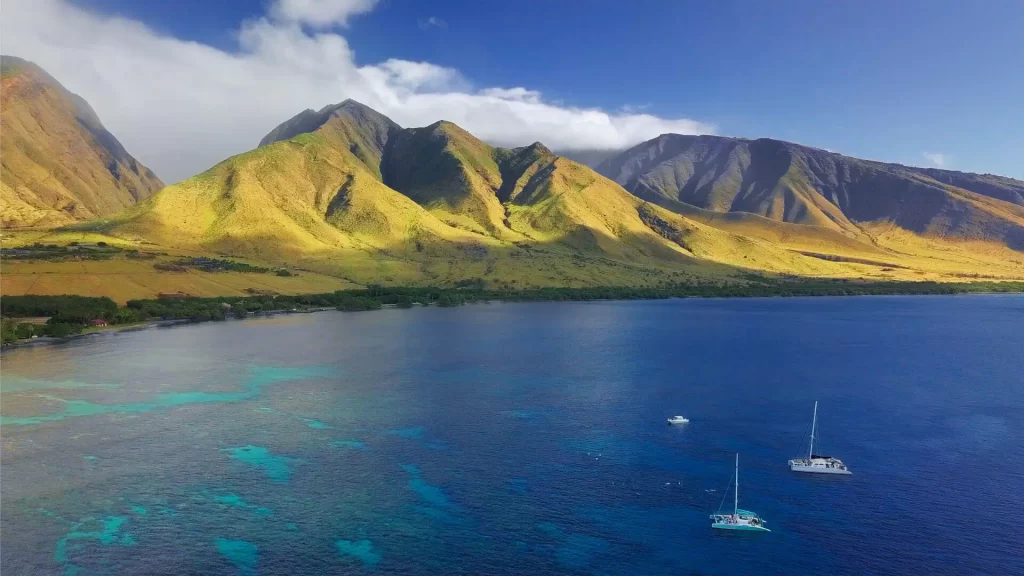
Maui’s diverse landscapes and activities make it a top destination for travelers. From the golden sands of Wailea Beach to the dramatic Haleakalā National Park, the island caters to beach lovers, adventurers, and culture enthusiasts alike. Its warm “Aloha spirit,” vibrant food scene, and opportunities to engage with Native Hawaiian traditions create a unique experience. Despite the devastating 2023 wildfires that impacted areas like Lahaina, Maui is welcoming visitors with a focus on mindful tourism to support local recovery.
Big Island (Island of Hawaii)
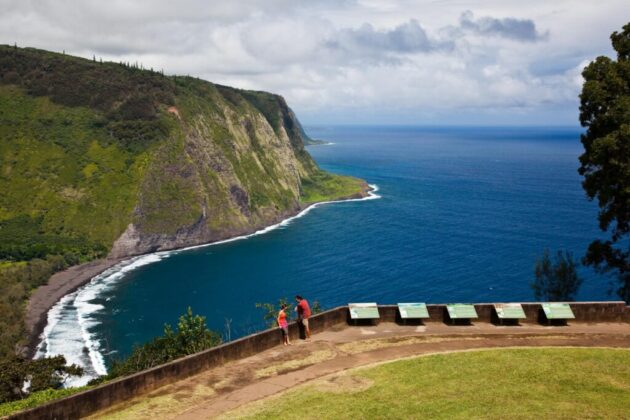
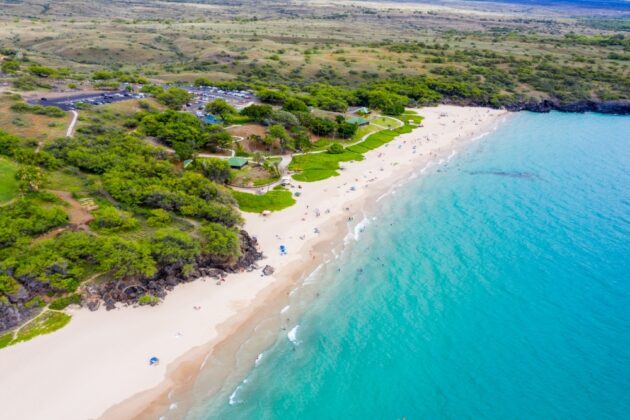
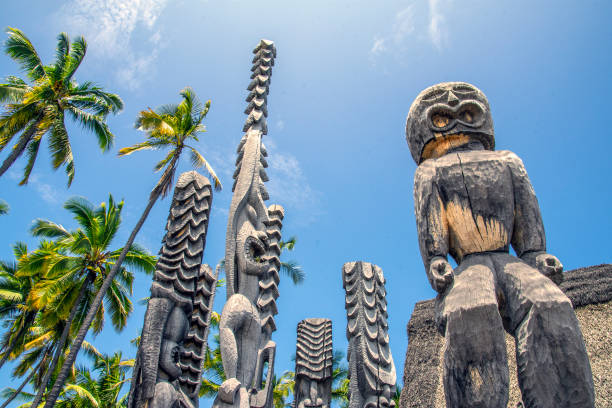
The Big Island of Hawaii, also known as Hawaiʻi Island, is the largest and youngest of the Hawaiian archipelago, spanning over 4,000 square miles—nearly twice the size of all other Hawaiian islands combined. Renowned for its diverse landscapes, active volcanoes, and rich cultural heritage, the Big Island offers an unparalleled adventure for travelers.
Kauai (The Garden Isle)
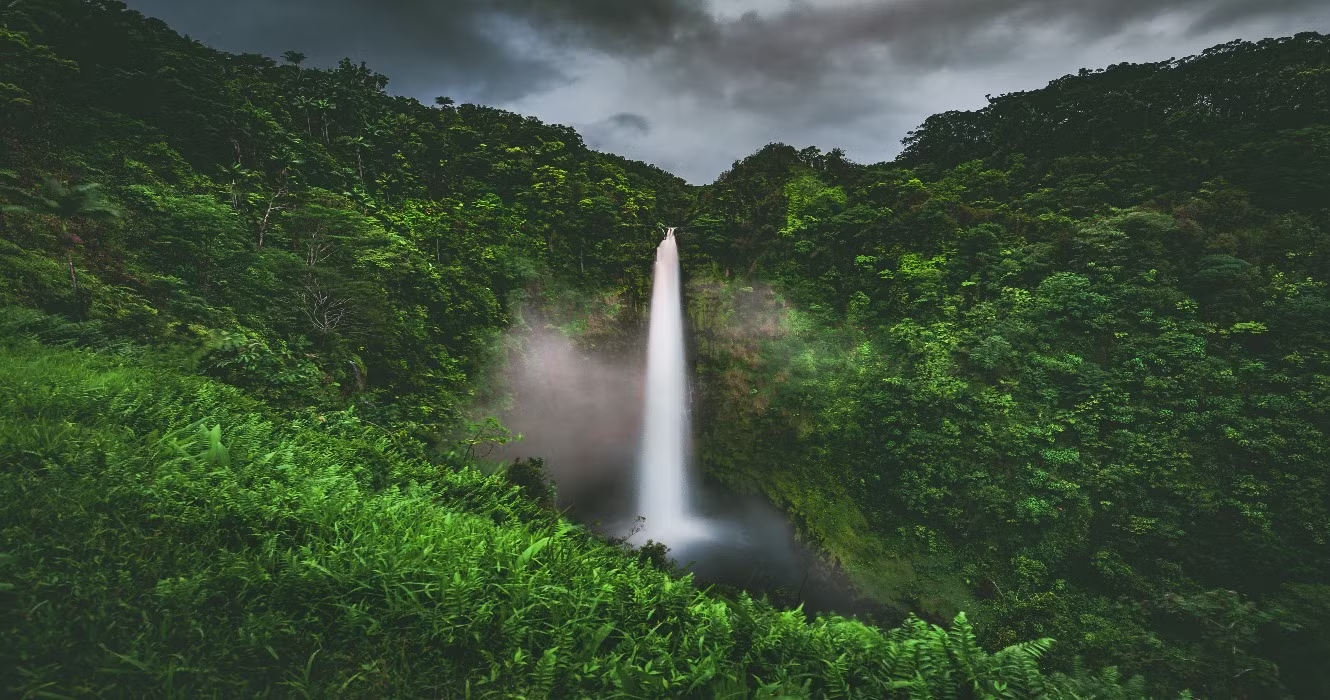
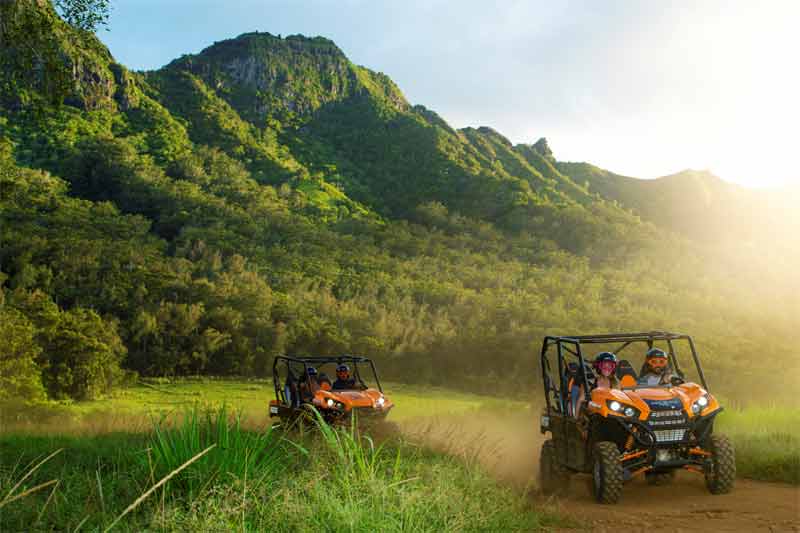
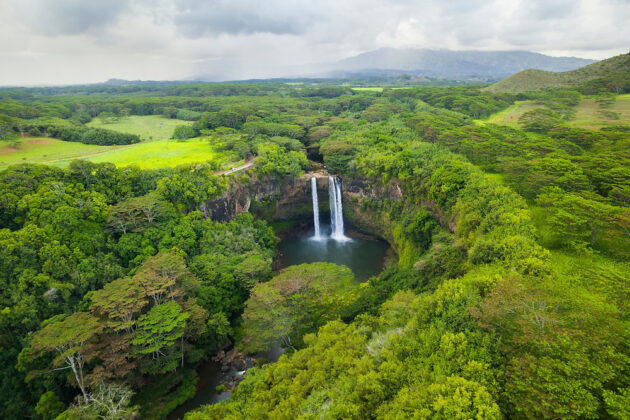
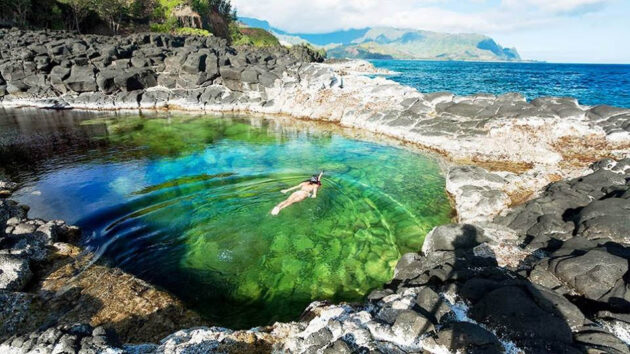
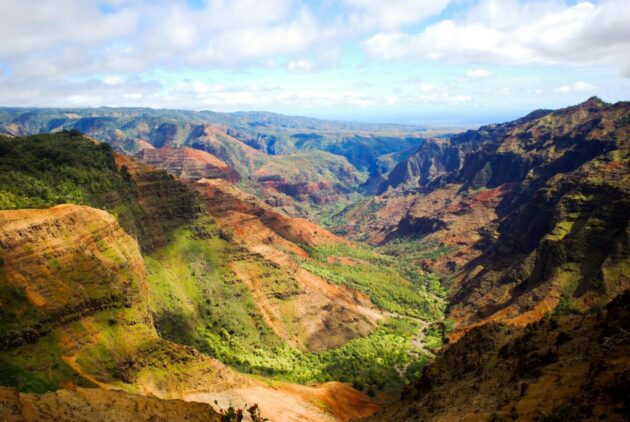
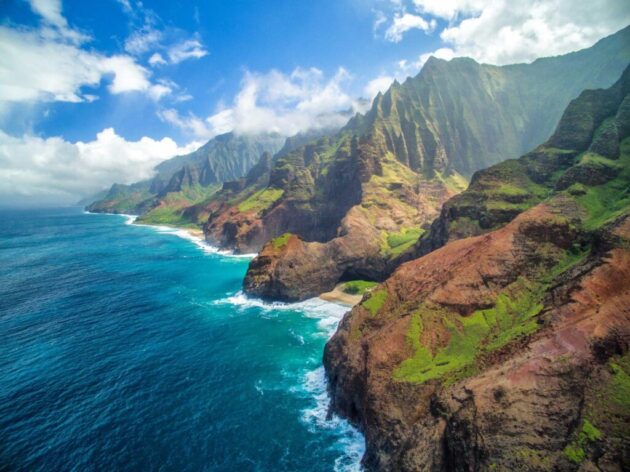
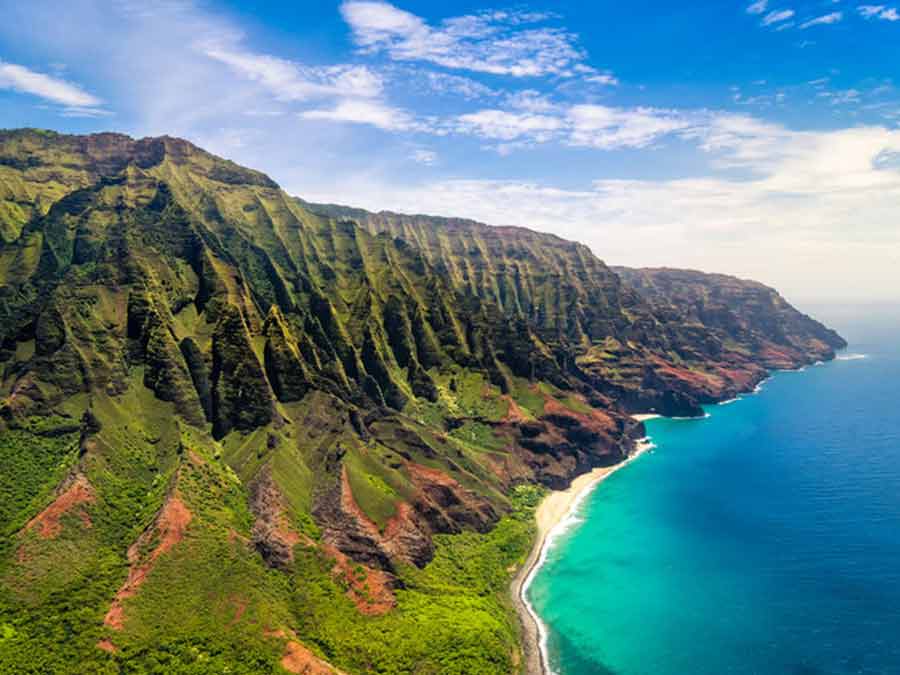
Kauai, known as the “Garden Isle,” is Hawaii’s fourth-largest island, renowned for its lush rainforests, dramatic cliffs, cascading waterfalls, and pristine beaches. As the oldest of the main Hawaiian Islands, Kauai offers a blend of natural beauty, outdoor adventures, and a laid-back aloha spirit that makes it a paradise for nature lovers, adventure seekers, and those craving tranquility.

Molokai (The Friendly Isle)
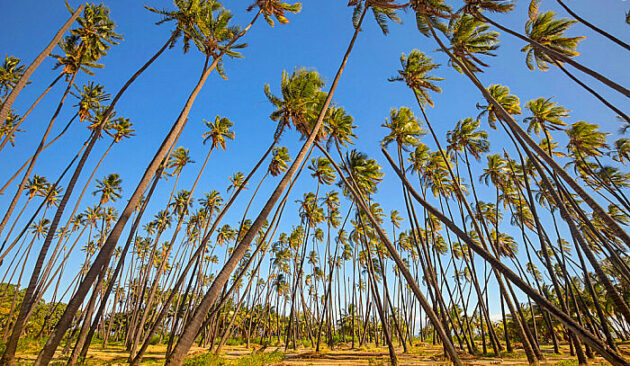
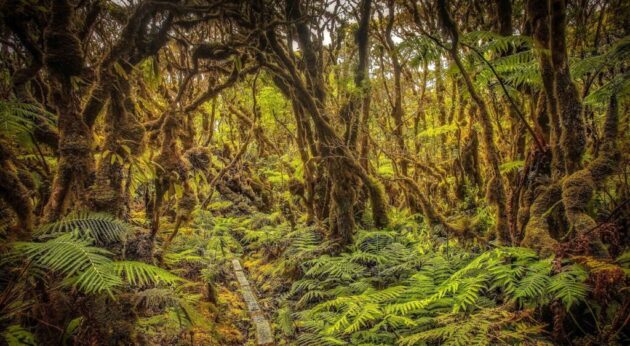
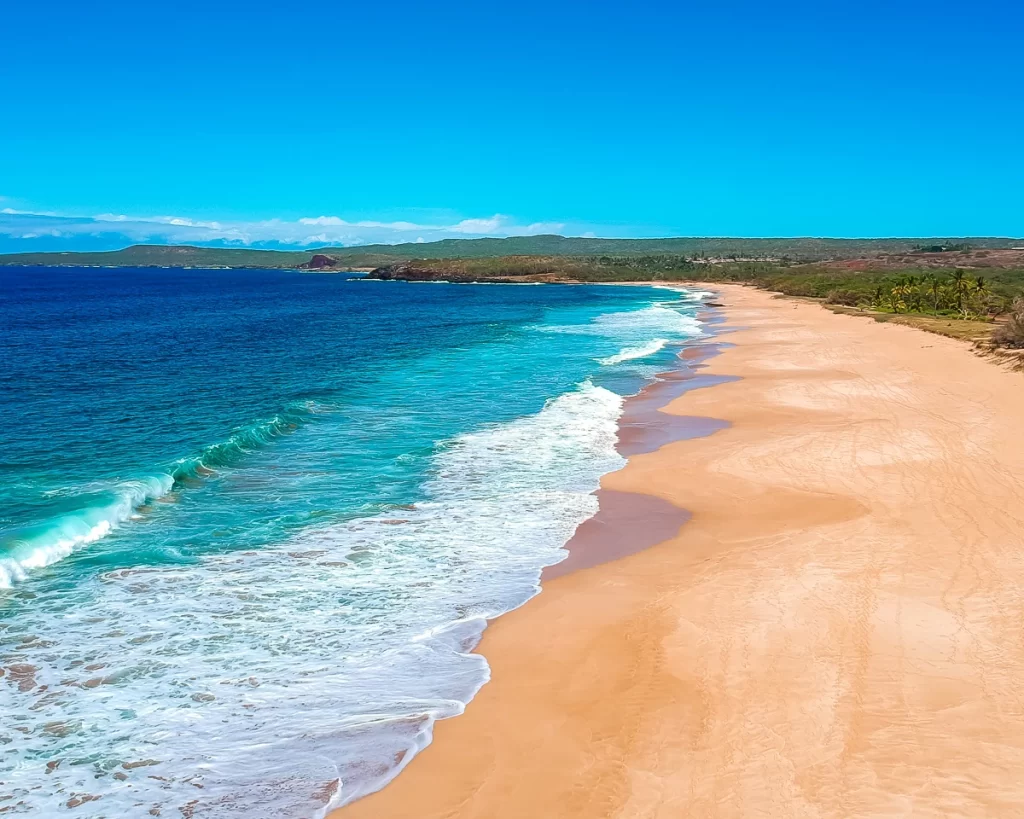
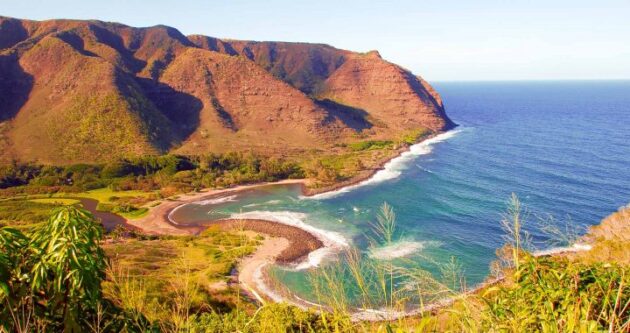
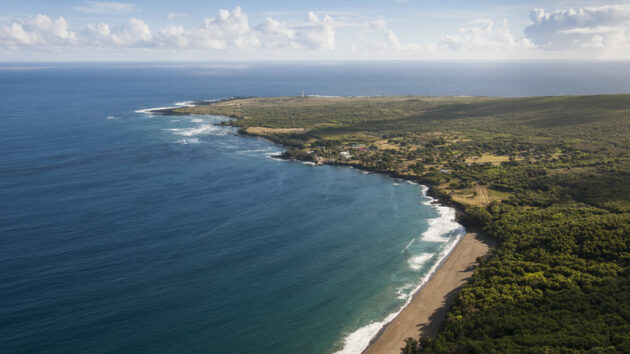
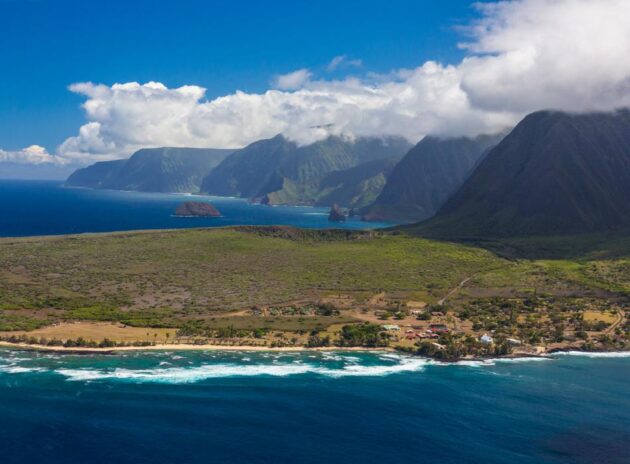
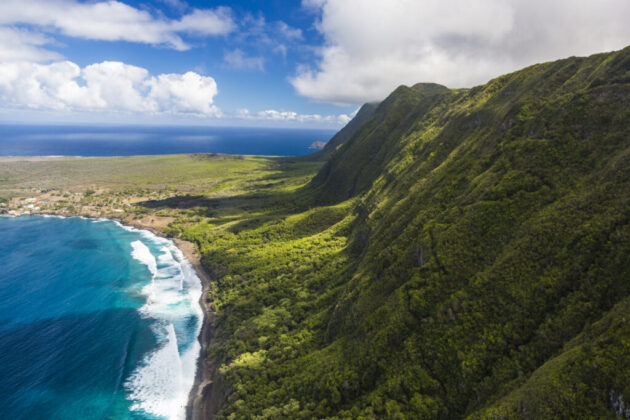
Known as “The Friendly Isle,” Molokai is Hawaii’s fifth-largest island, offering an authentic, unspoiled experience of Hawaiian culture and natural beauty. Stretching 38 miles long and 10 miles wide, Molokai is home to just 7,000 residents, over half of whom are of Native Hawaiian descent. With no traffic lights, no major resorts, and minimal tourism infrastructure, it embodies the spirit of “Old Hawaii.”
Lanai (The Pineapple Isle)
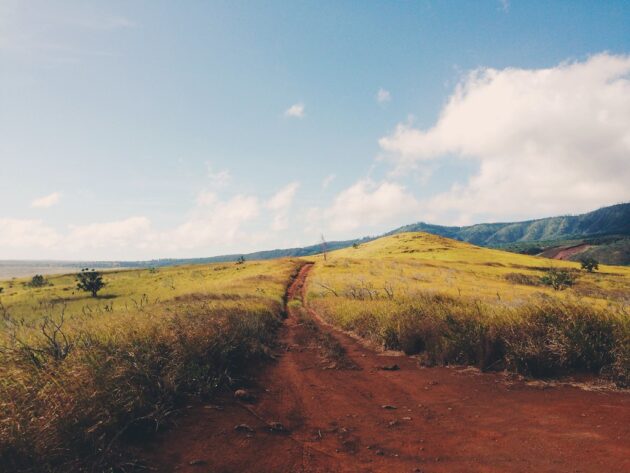
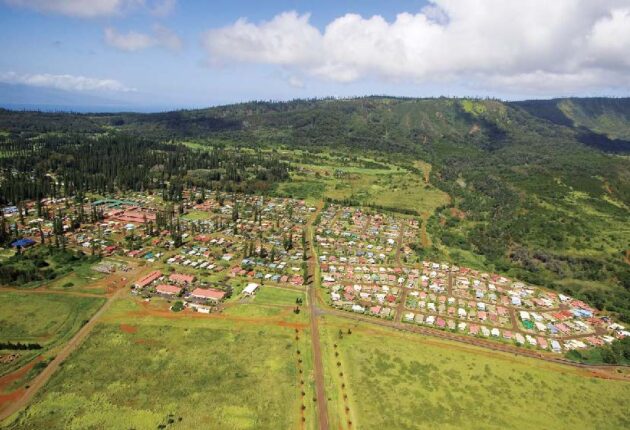
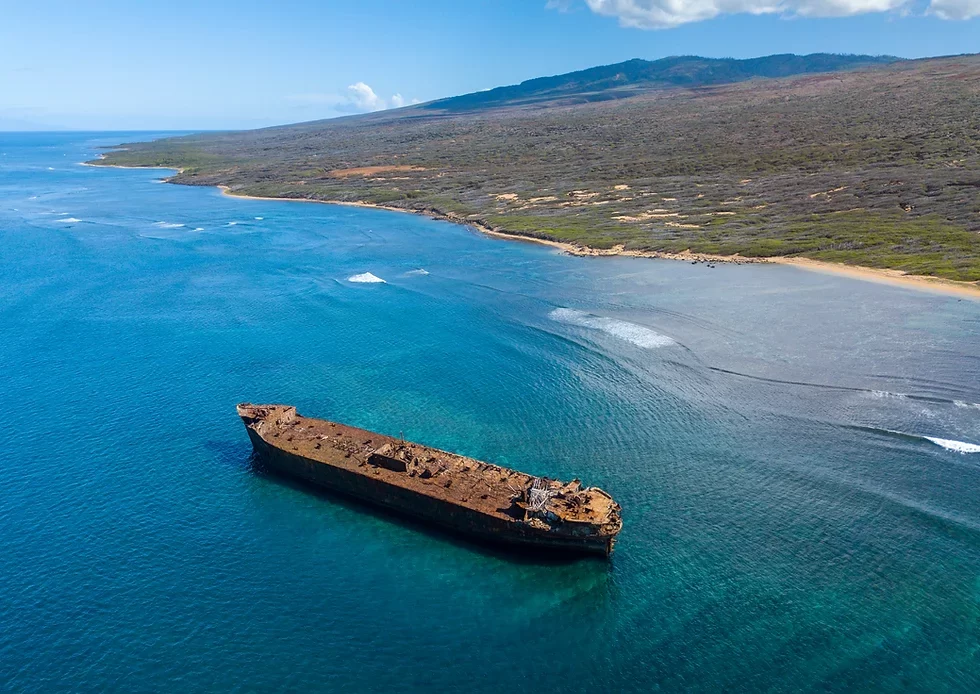
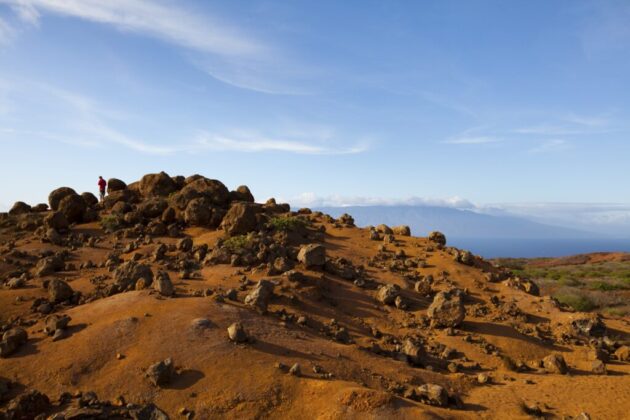
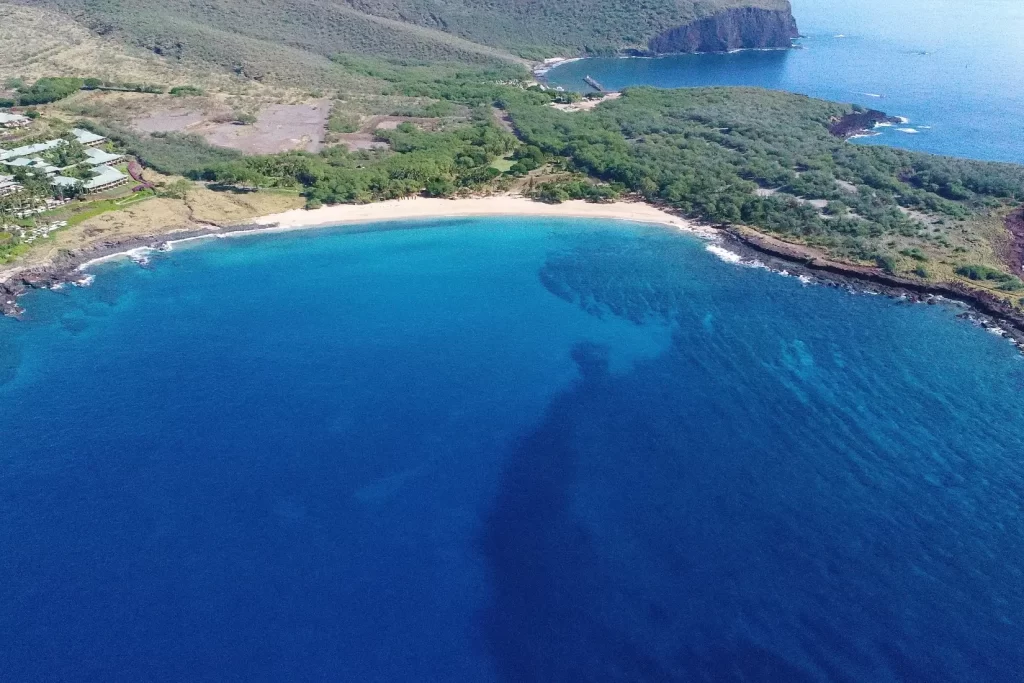
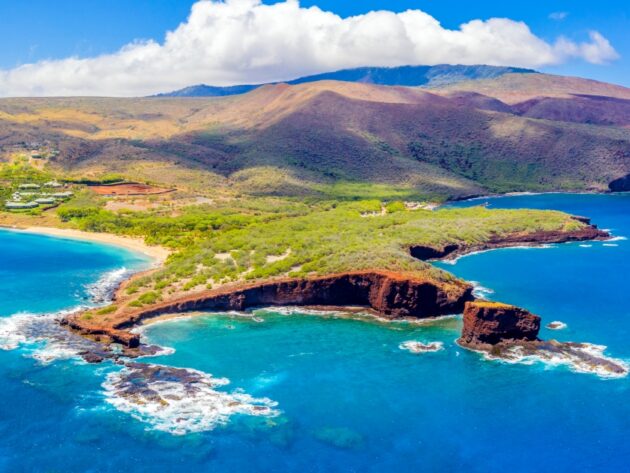
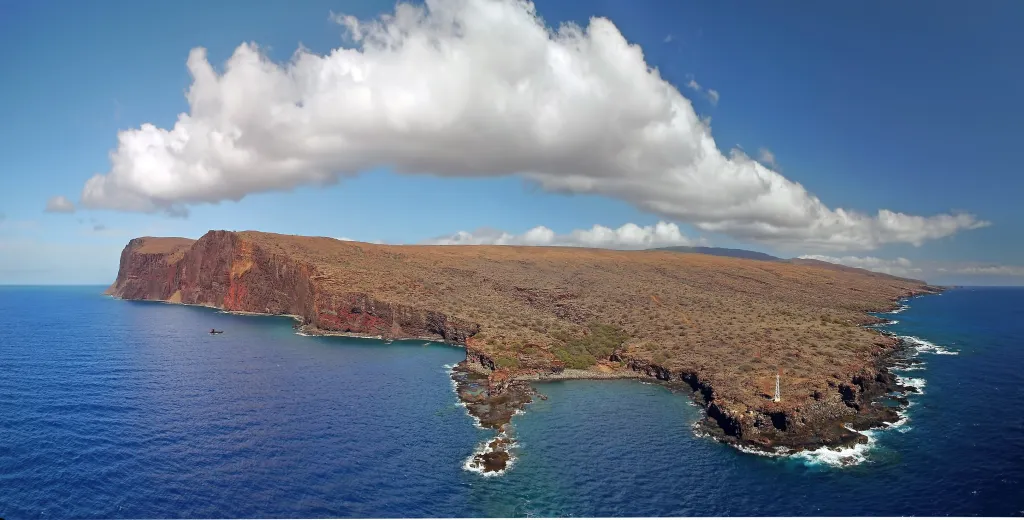
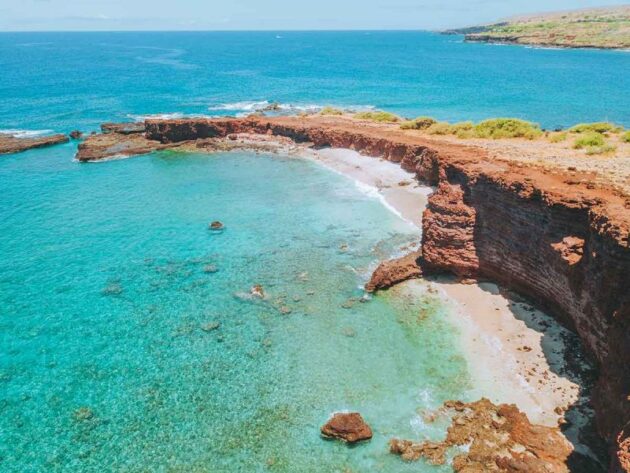
Lanai, often called the “Pineapple Island,” is Hawaii’s smallest publicly accessible island, spanning just 140 square miles. Known for its unspoiled landscapes, luxurious resorts, and serene atmosphere, Lanai offers a unique escape from the crowds of more popular Hawaiian islands like Maui or Oahu. With only 3,000 residents and no traffic lights, it blends rustic charm with upscale amenities, making it ideal for travelers seeking tranquility, adventure, or a mix of both.
Top Attractions
Nāpali Coast State Park
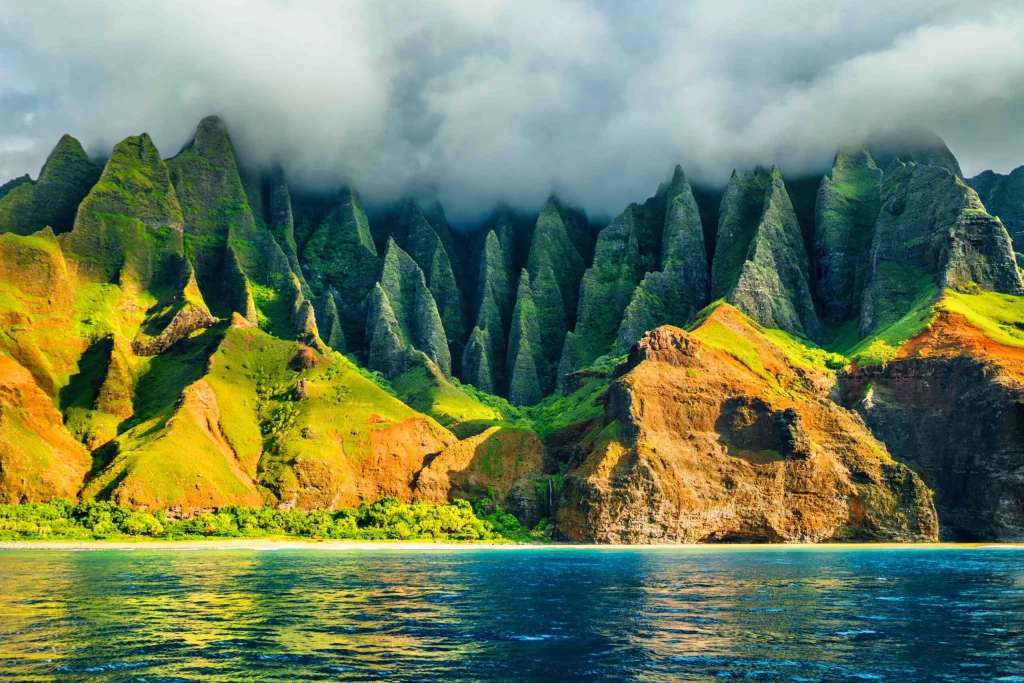
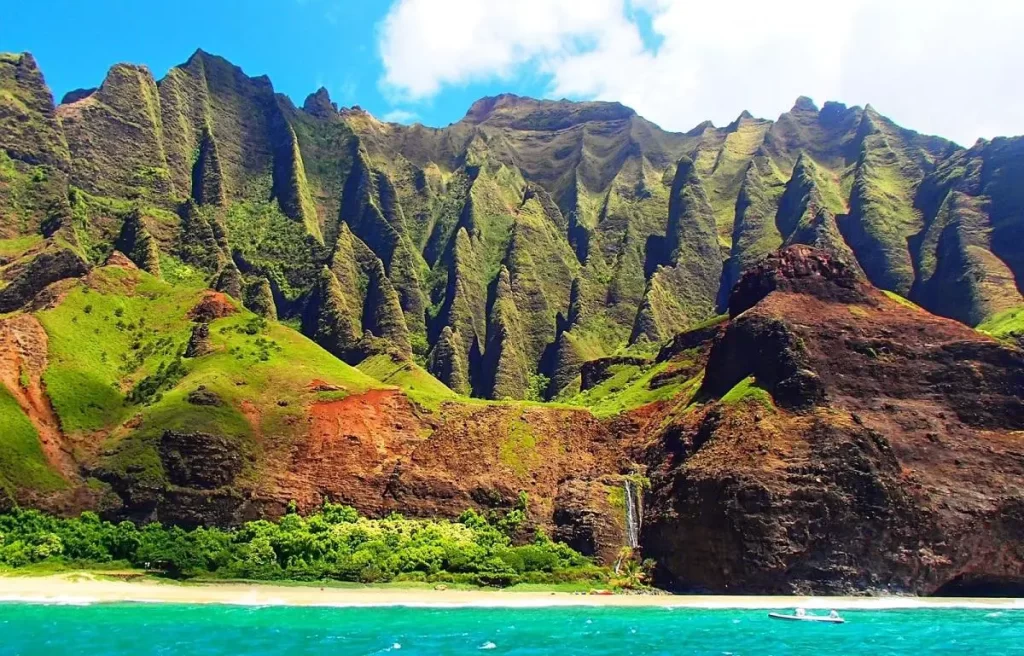
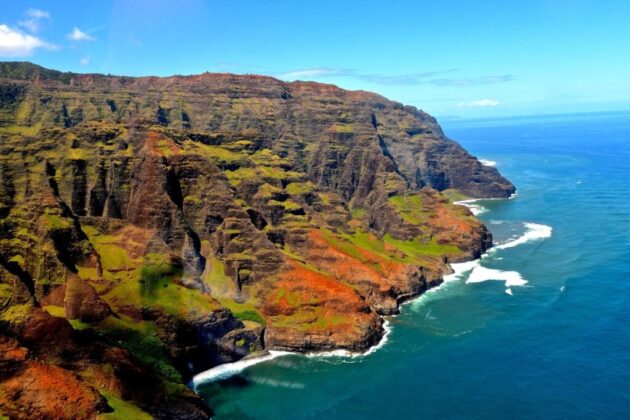
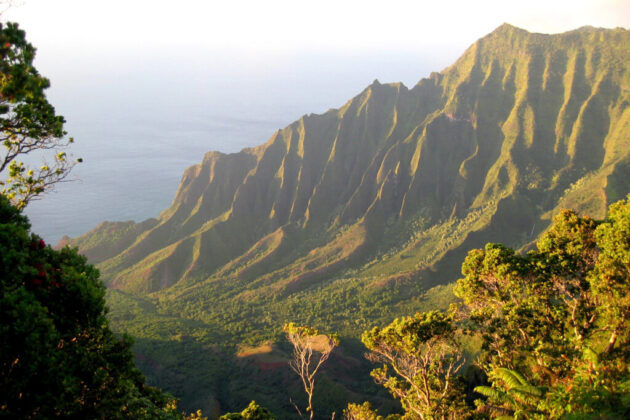
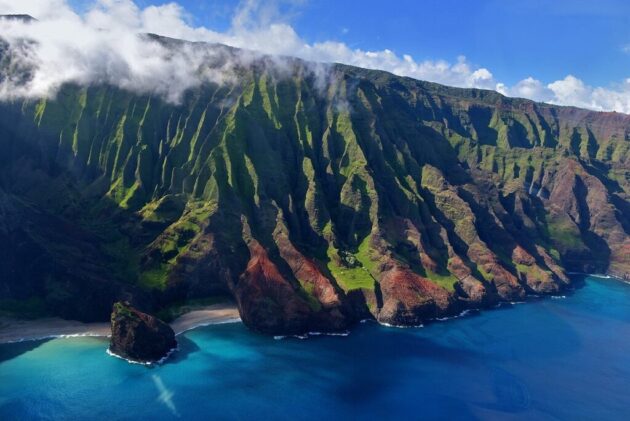
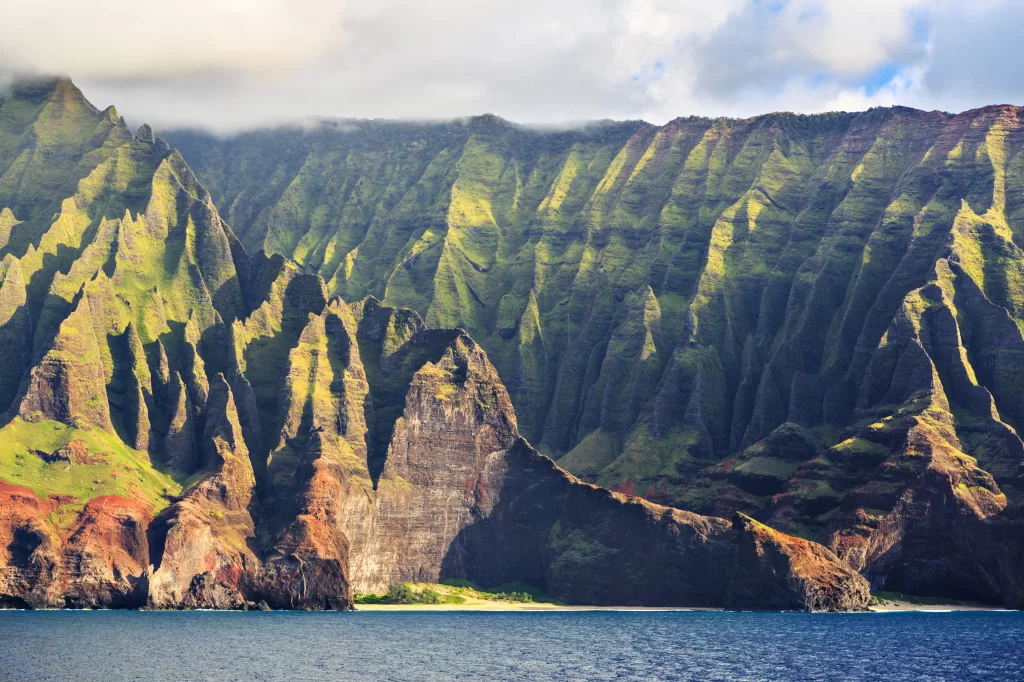
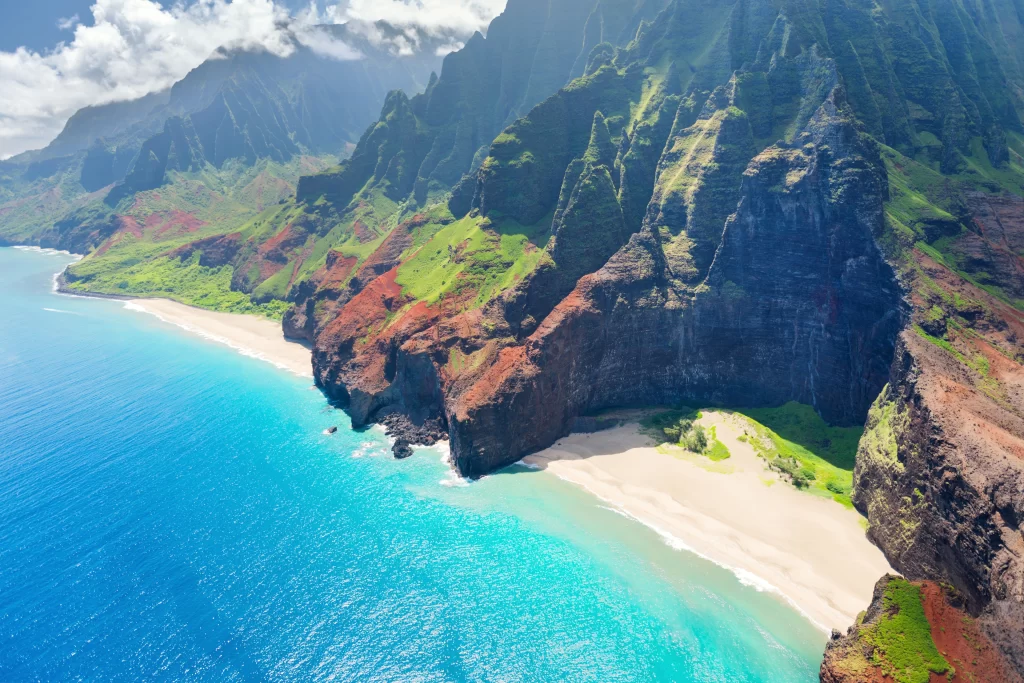
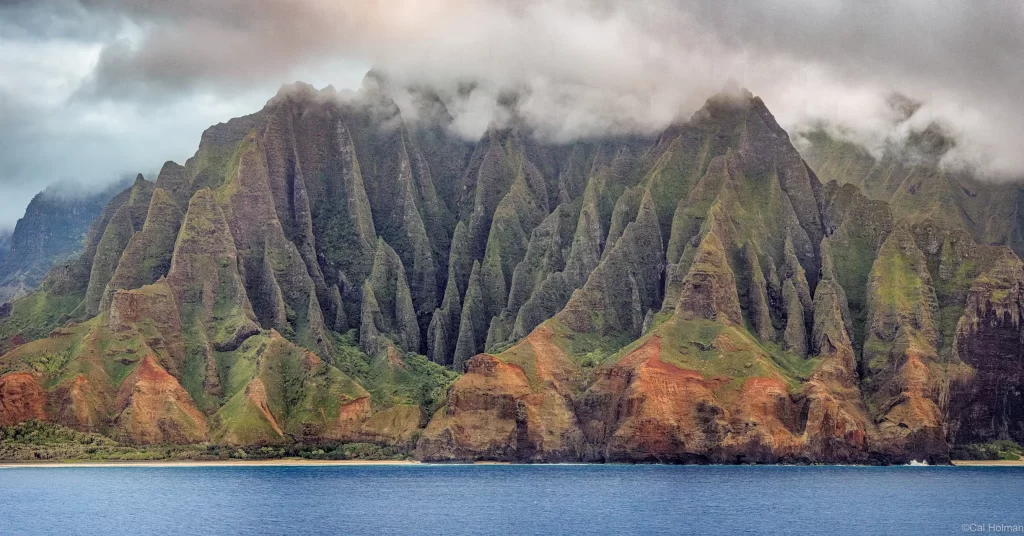
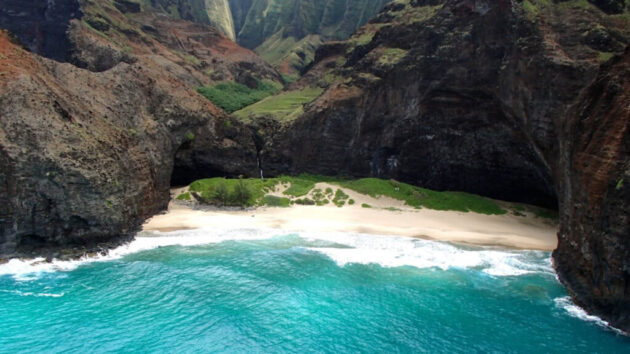
The Nāpali Coast State Wilderness Park, located on the northwest shore of Kauai, Hawaii, is one of the most breathtaking and rugged coastlines in the world. Stretching 17 miles from Ke’e Beach to Polihale Beach, this pristine wilderness features dramatic cliffs (pali) rising up to 4,000 feet above the Pacific Ocean, lush valleys, cascading waterfalls, and hidden beaches. Once home to ancient Hawaiian communities, the Nāpali Coast is now a protected state park, offering unparalleled natural beauty and adventure.
Waikiki Beach
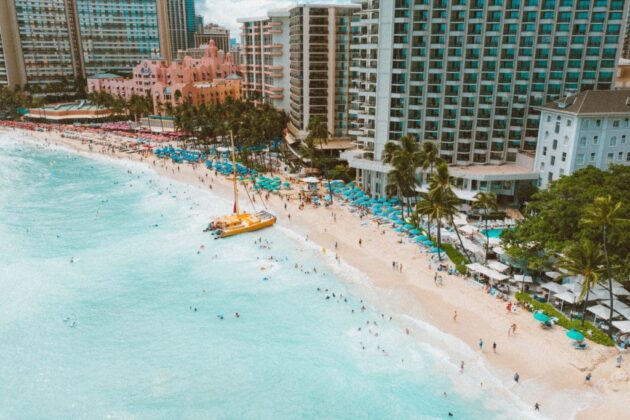
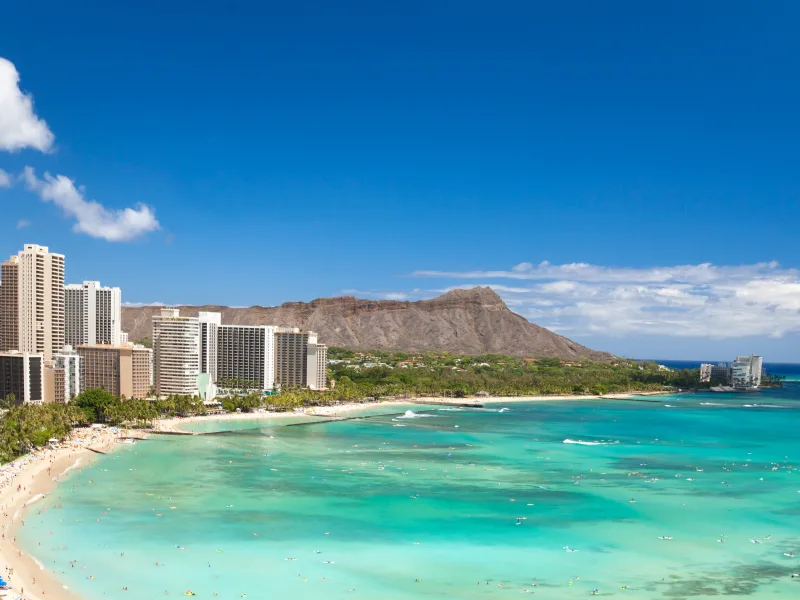
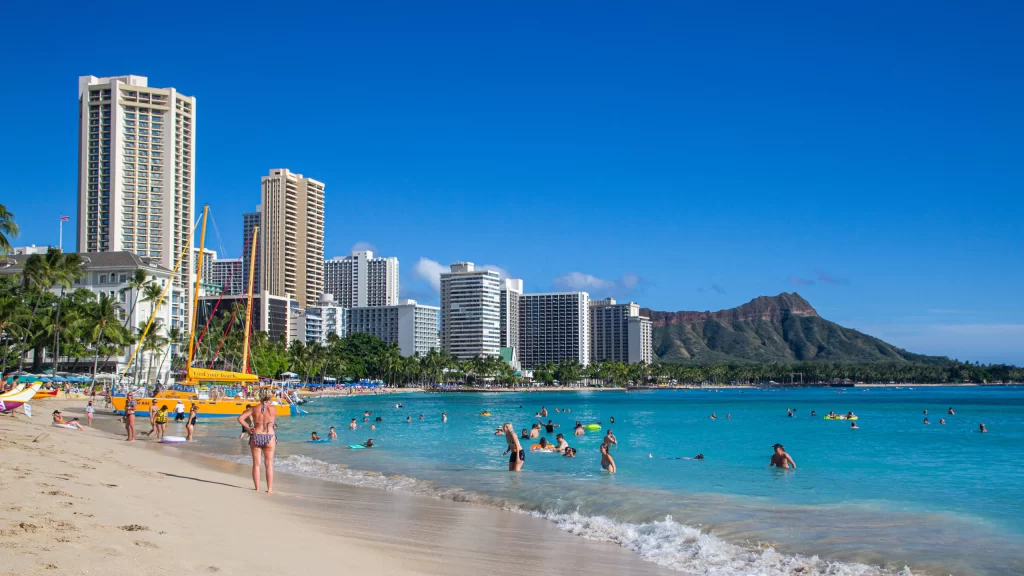
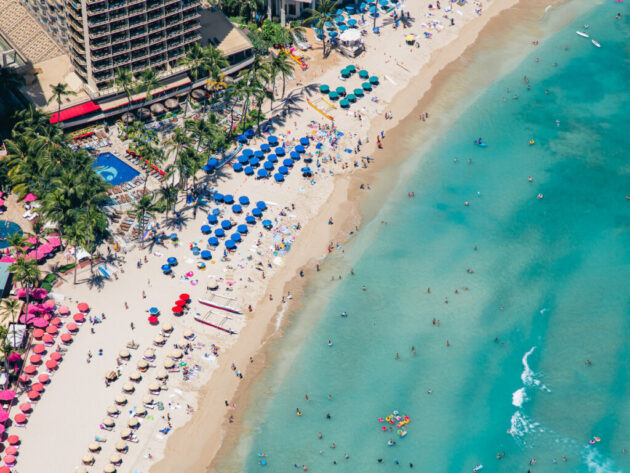
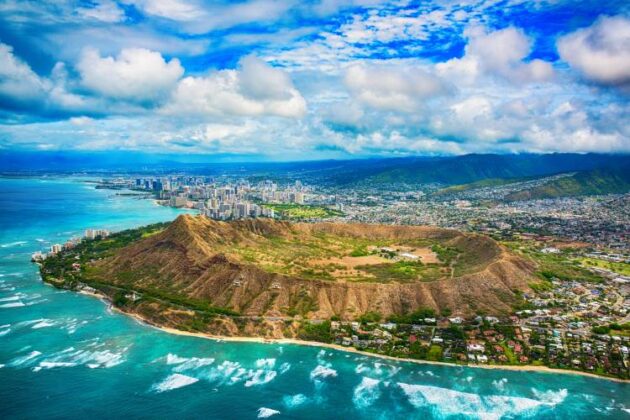
One of the most famous beaches in the world, Waikiki Beach is a must-visit for sunbathers, surfers, and water sports enthusiasts. The beach is lined with hotels, restaurants, and shops, making it a hub for visitors. You can take a surfing lesson, rent a paddleboard, or simply relax and enjoy the stunning views of Diamond Head in the background.
Diamond Head State Monument
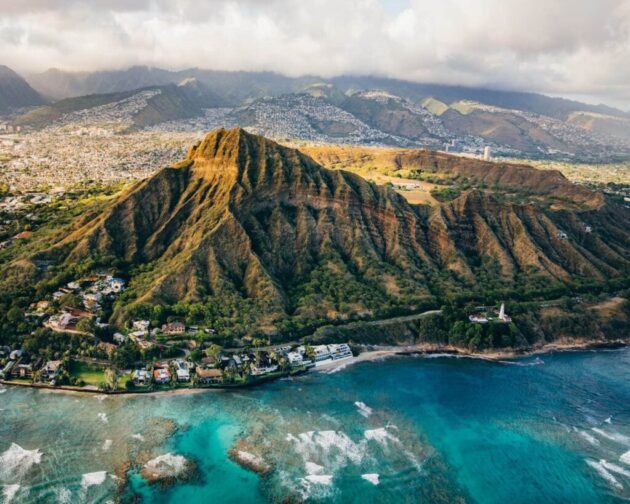
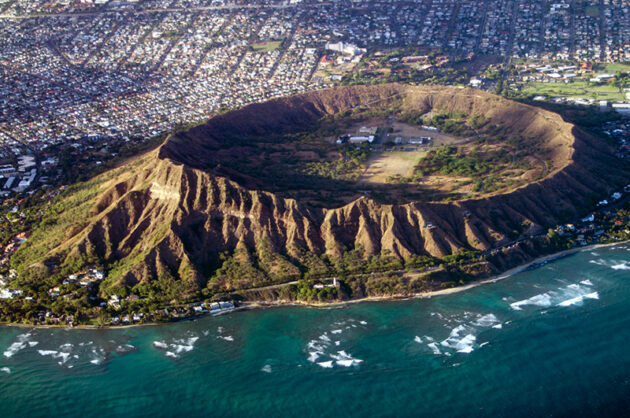
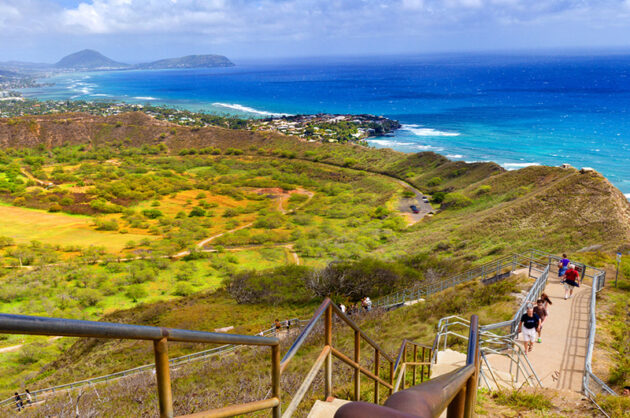
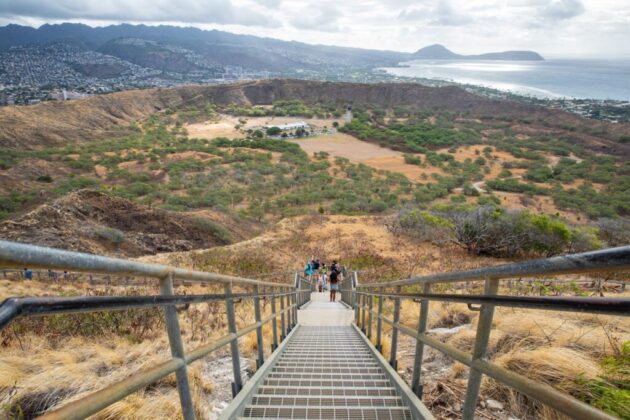
Diamond Head State Monument, known to Native Hawaiians as Lē‘ahi, is one of Oahu’s most iconic landmarks, offering a blend of natural beauty, geological significance, and historical intrigue. Located just east of Waikiki in Honolulu, this volcanic tuff cone, formed 300,000 years ago, is famous for its rewarding summit hike, panoramic coastal views, and military history. Spanning 475 acres, the monument attracts over 3,000 visitors daily, making it one of Hawaii’s most popular destinations.
Hanauma Bay Nature Preserve
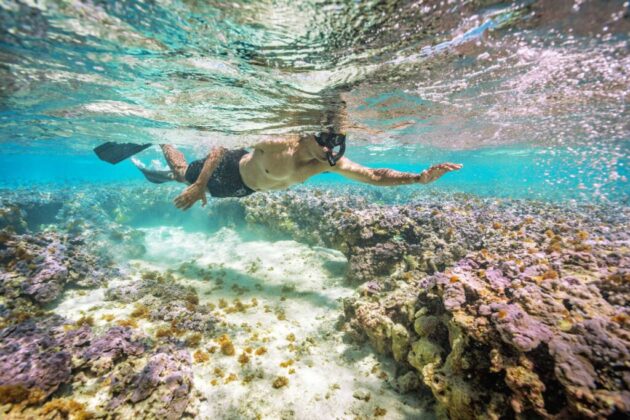
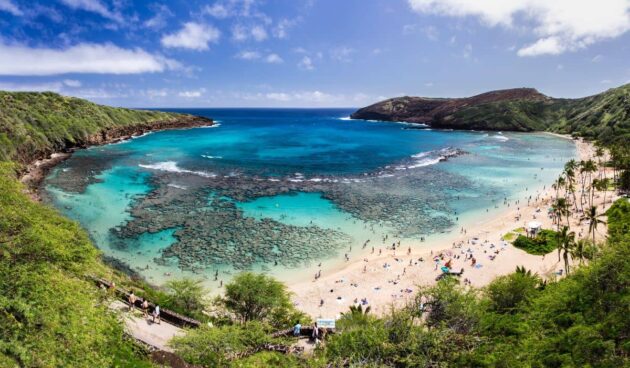
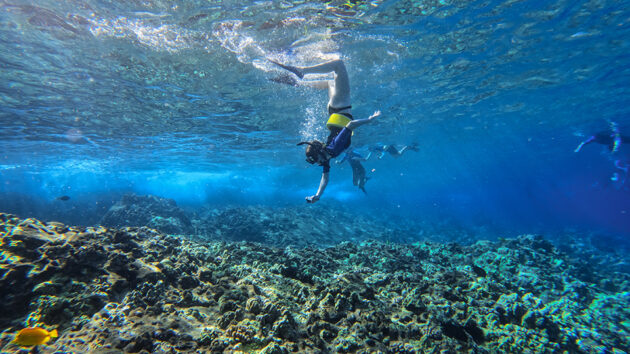
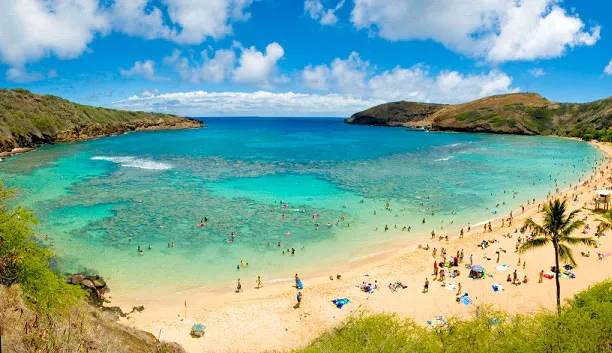
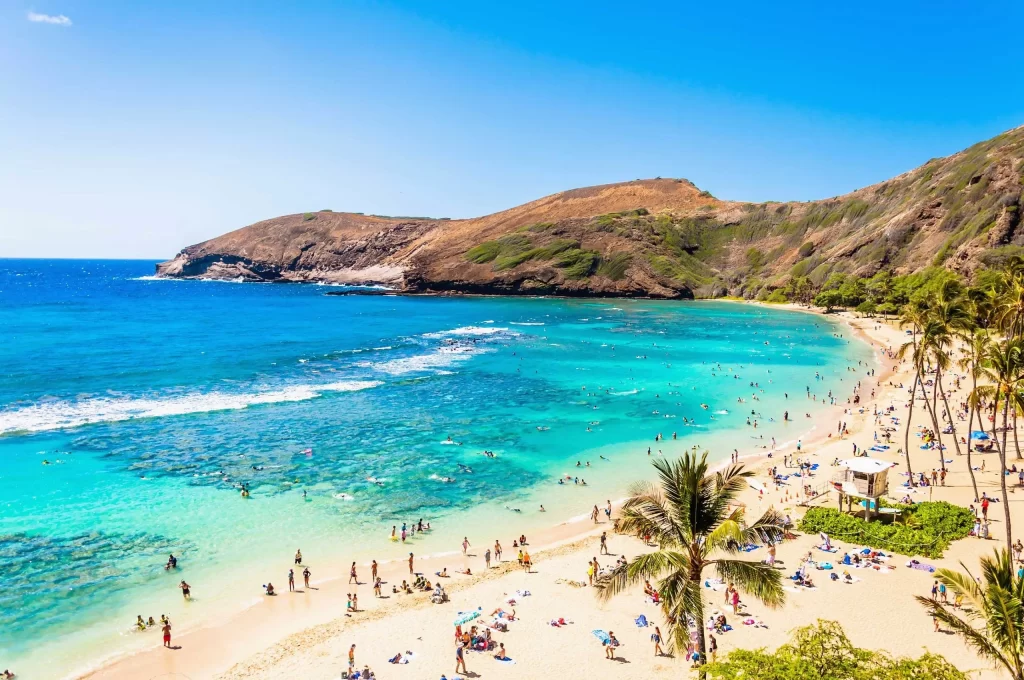
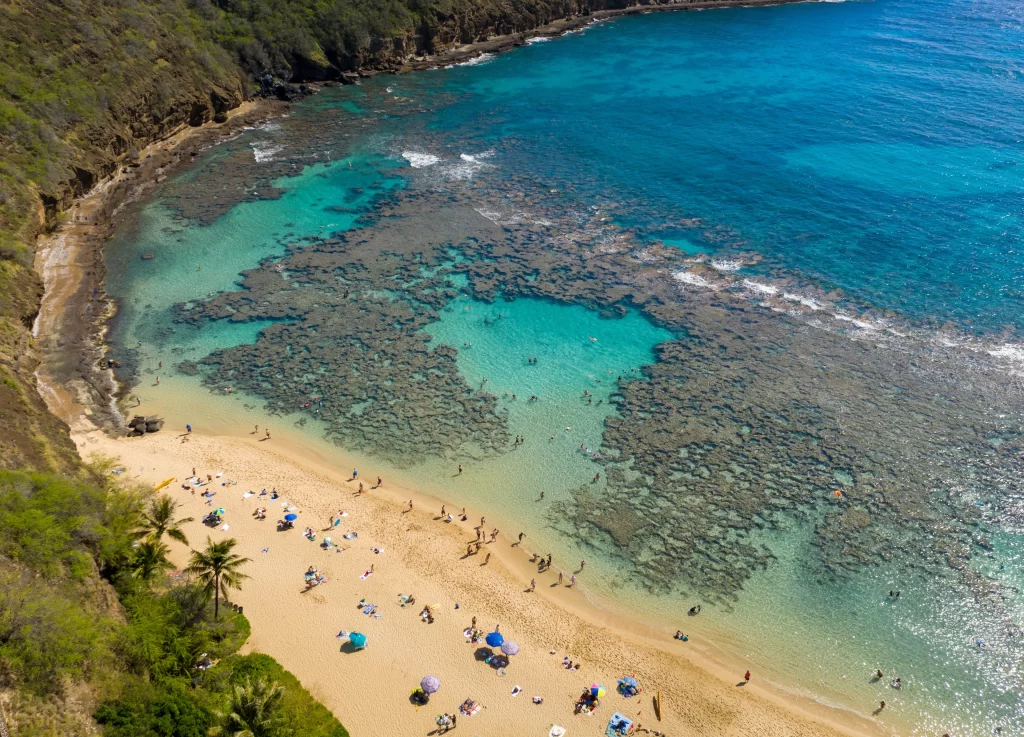
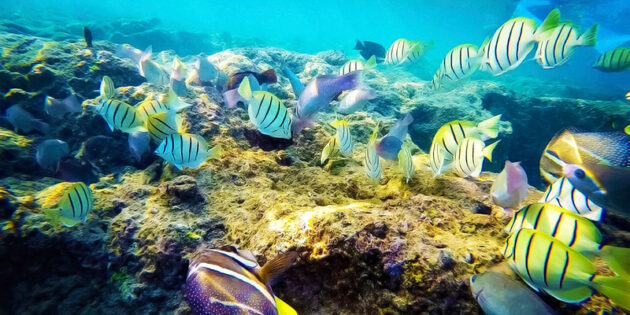
Located on the southeastern coast of Oahu, Hanauma Bay Nature Preserve is one of Hawaii’s most iconic destinations, renowned for its vibrant marine life, crystal-clear waters, and stunning volcanic landscape. Formed within a volcanic cone, this protected Marine Life Conservation District offers some of the best snorkeling in the world, attracting visitors eager to explore its thriving coral reefs and diverse aquatic species.
Polynesian Cultural Center
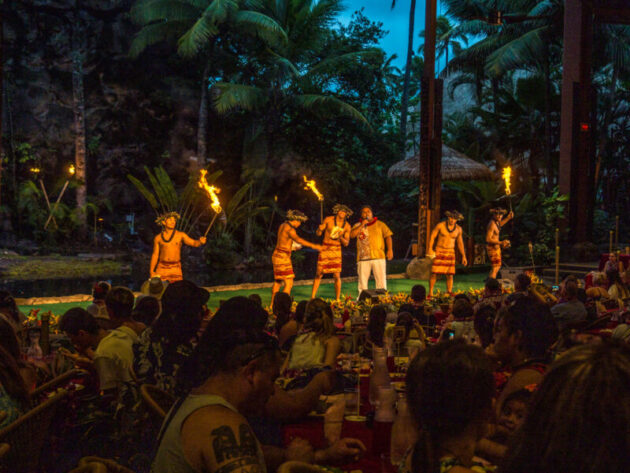
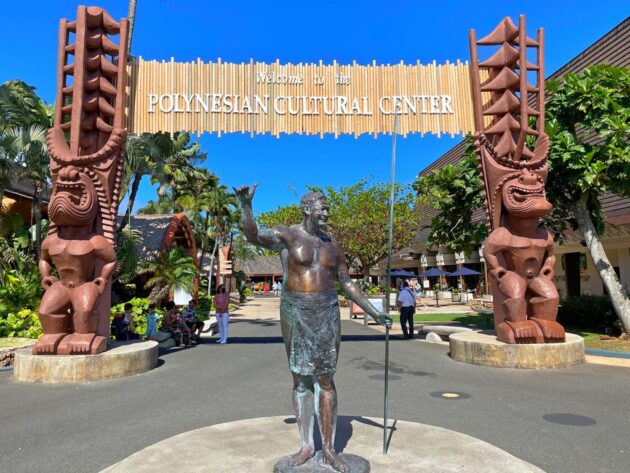
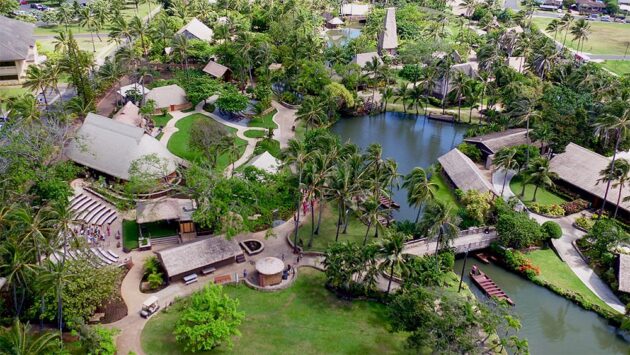
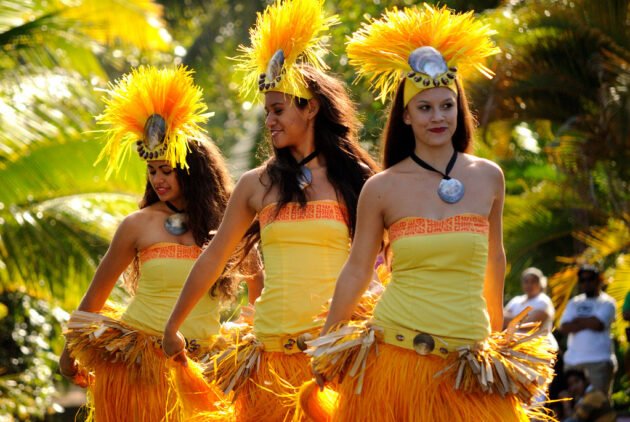
Located about an hour’s drive from Honolulu, the Polynesian Cultural Center offers an immersive experience into the cultures of Hawaii and other Polynesian islands. Visitors can explore different villages representing various islands, watch traditional performances, and enjoy a luau with authentic Hawaiian food and entertainment.

Haleakalā National Park
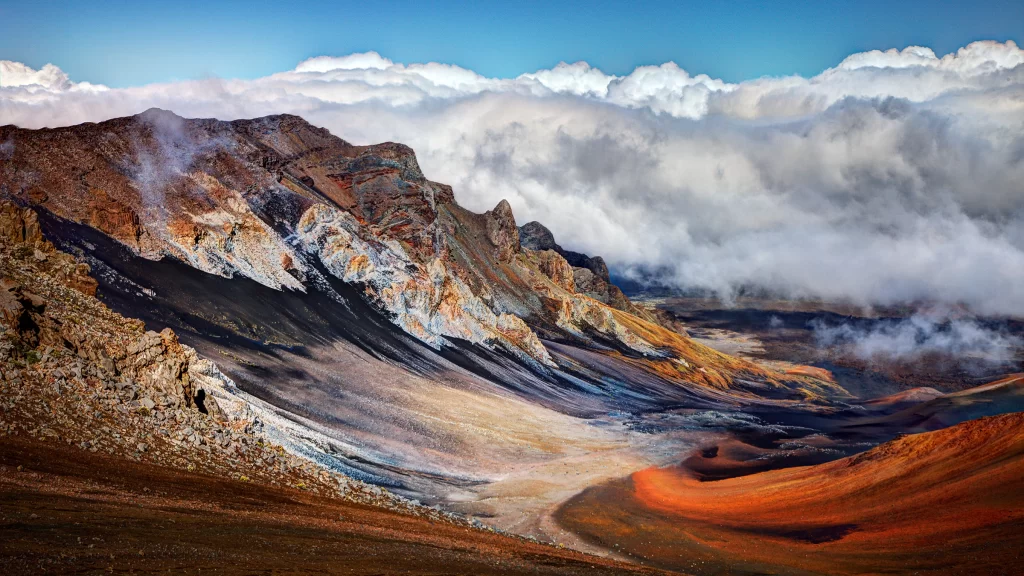
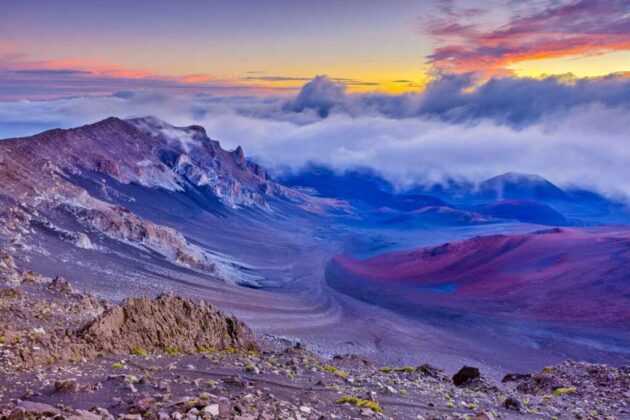
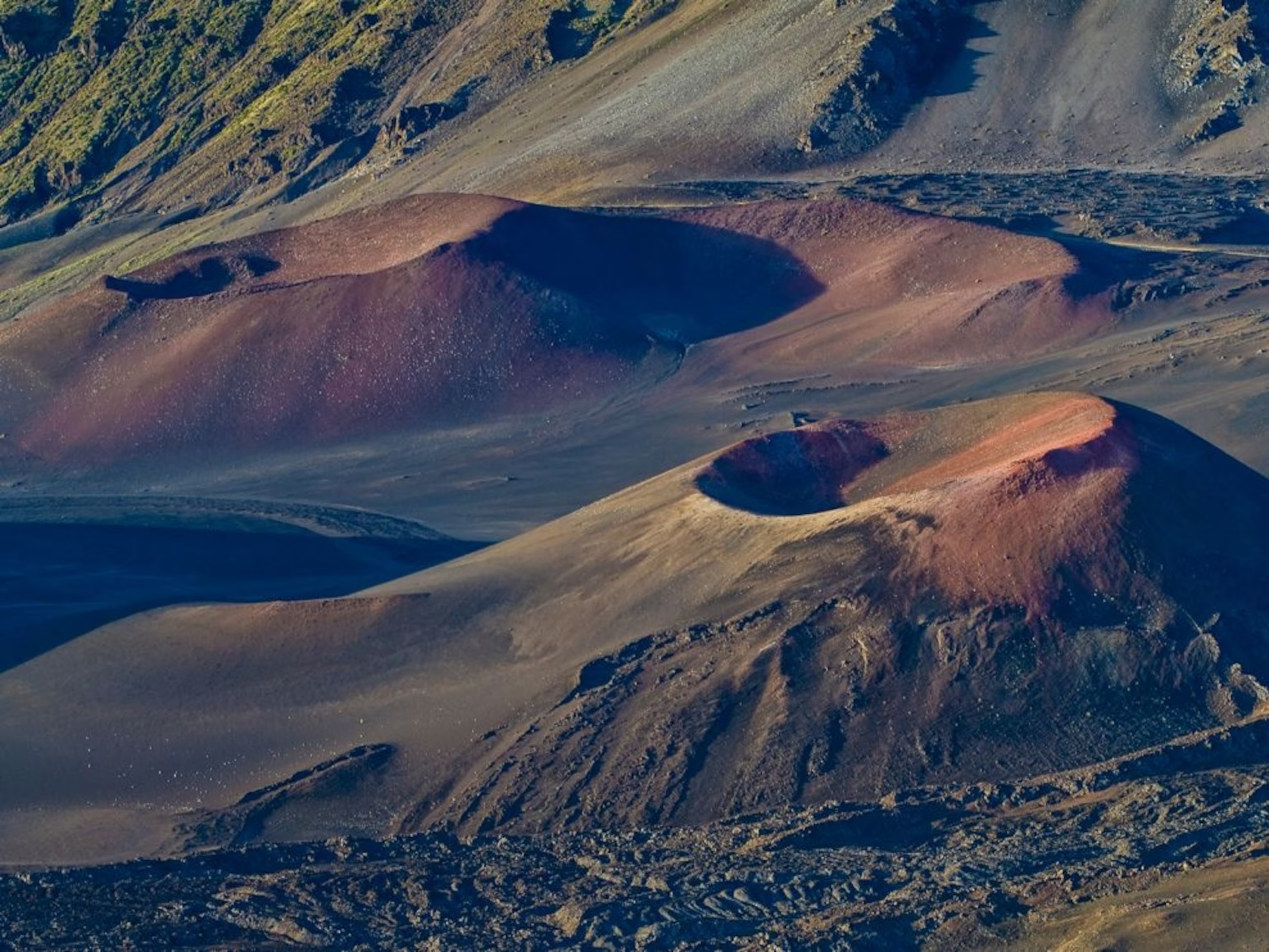
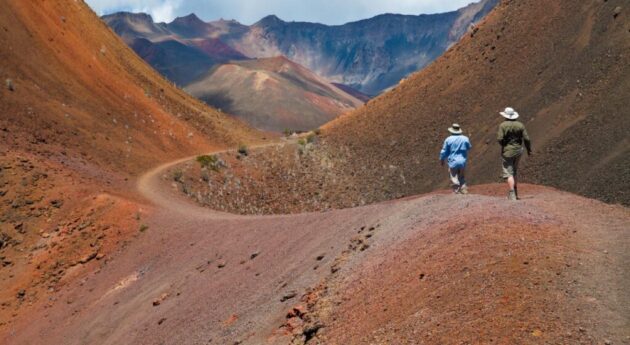
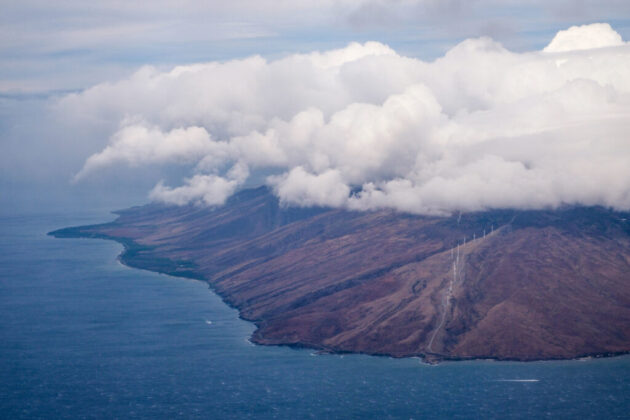
Haleakalā National Park, located on the island of Maui in Hawaii, is a breathtaking destination known for its dramatic volcanic landscapes, vibrant sunrises, and rich biodiversity. Spanning over 30,000 acres, the park encompasses two distinct regions: the Summit District, featuring the massive Haleakalā Crater, and the Kīpahulu District, a lush coastal rainforest. Named “House of the Sun” in Hawaiian, Haleakalā is steeped in cultural significance and offers unforgettable experiences for hikers, stargazers, and nature lovers.
Road to Hana
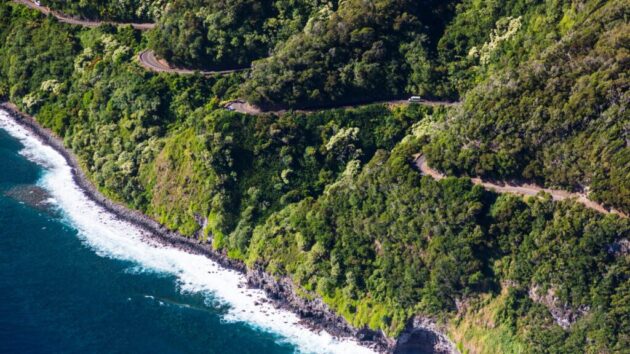
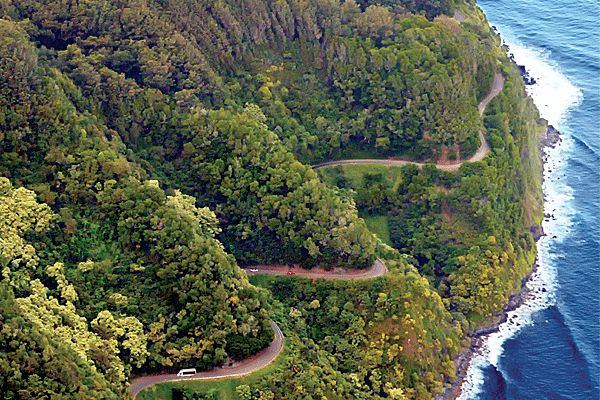
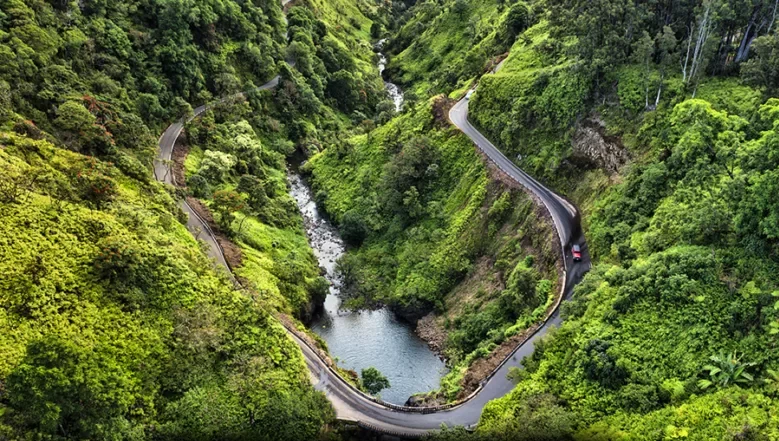
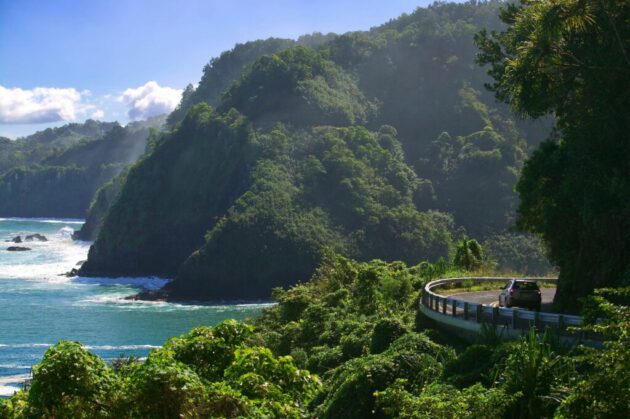
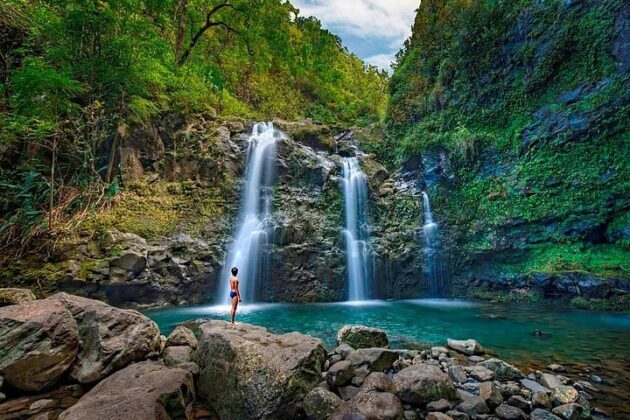
The Road to Hana, or Hana Highway, is one of the most iconic scenic drives in the world, winding 64.4 miles along Maui’s northeastern coast from Kahului to the tranquil town of Hana. This 83-kilometer stretch of Hawaii Routes 36 and 360 is famous for its lush rainforests, cascading waterfalls, black sand beaches, and over 600 curves, including 59 one-lane bridges. Known as both a thrilling journey and a cultural experience, the Road to Hana is as much about the stops along the way as the destination itself.
Molokini Crater
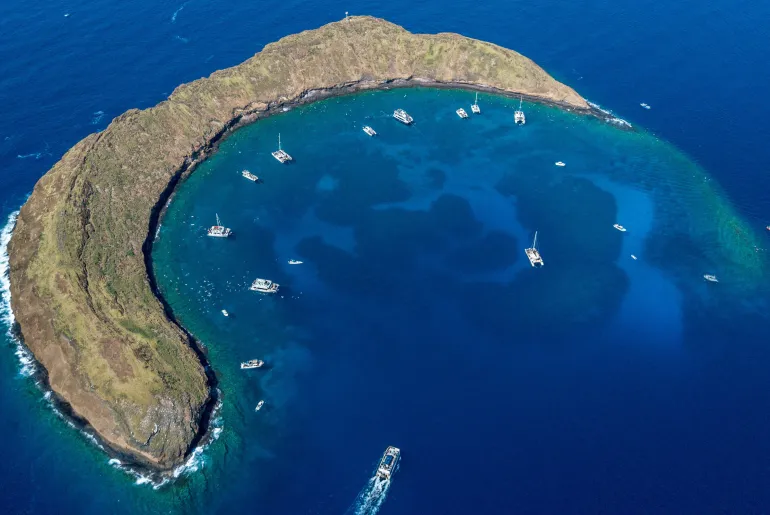
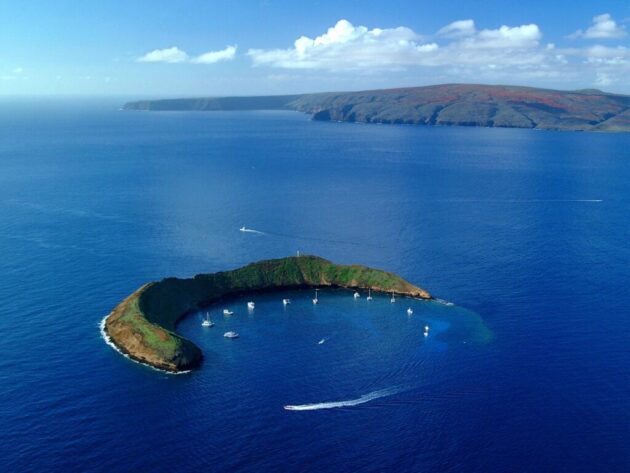
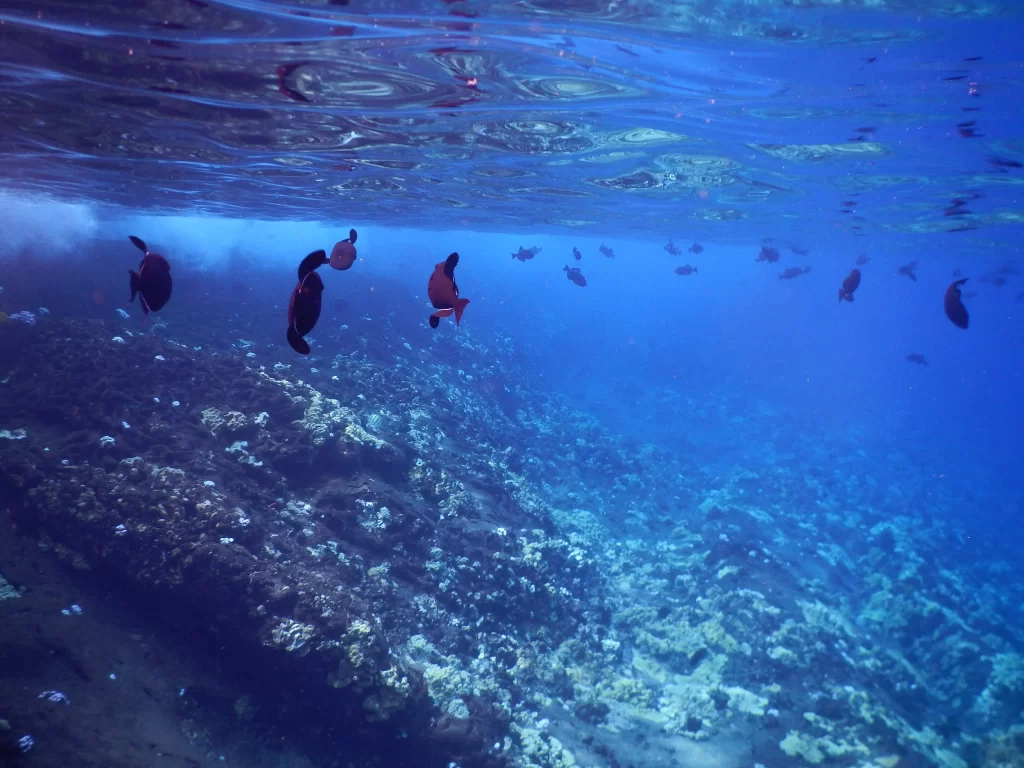
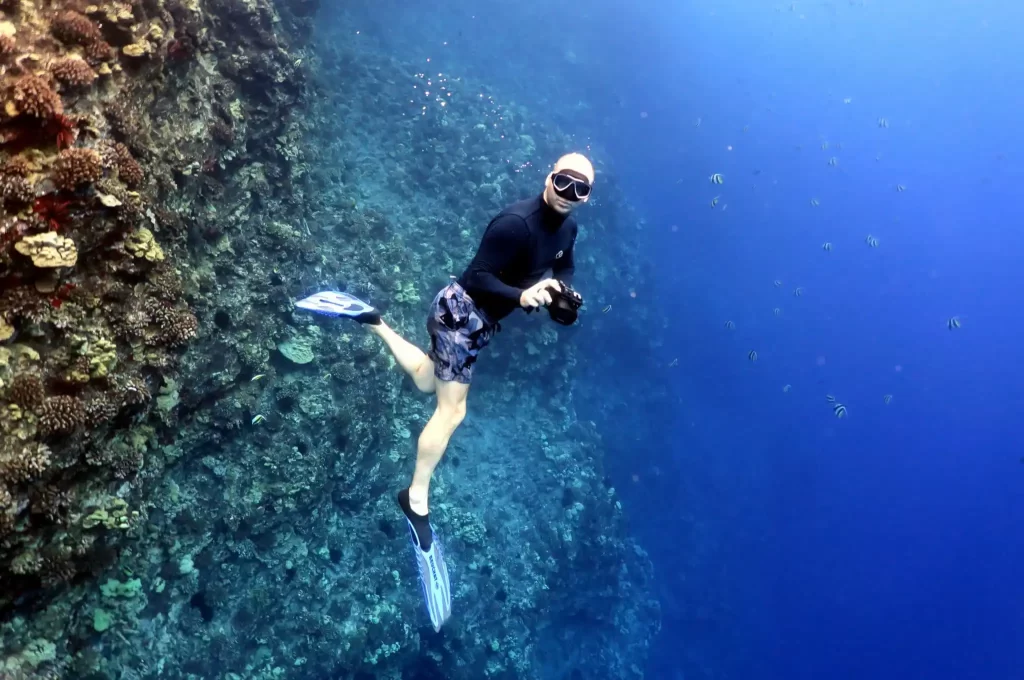
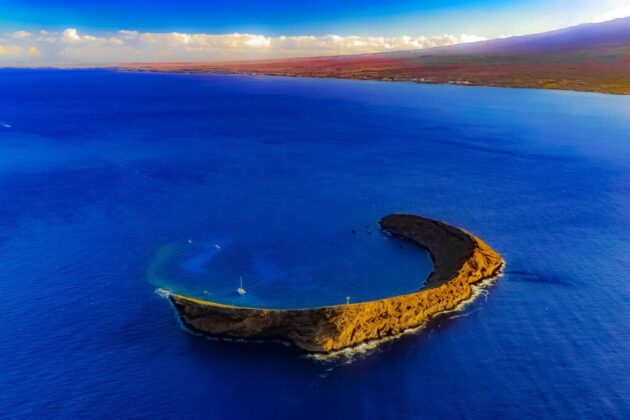
Molokini Crater, a crescent-shaped, partially submerged volcanic islet off the southern coast of Maui, Hawaii, is one of the world’s premier snorkeling and diving destinations. Formed approximately 230,000 years ago by a volcanic eruption, this federally protected Marine Life Conservation District and Hawaii State Seabird Sanctuary is renowned for its crystal-clear waters, vibrant coral reefs, and diverse marine life. With visibility often exceeding 150 feet and over 250 species of tropical fish, Molokini offers an unparalleled underwater adventure.
Hawaii Volcanoes National Park
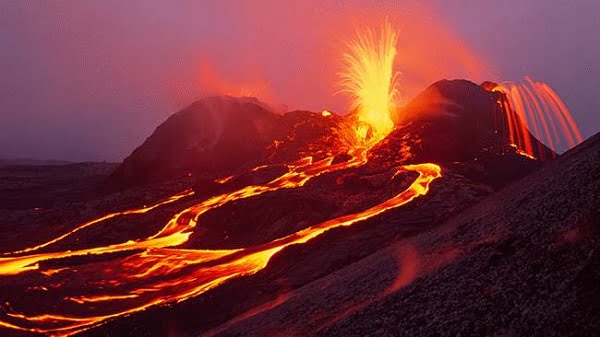
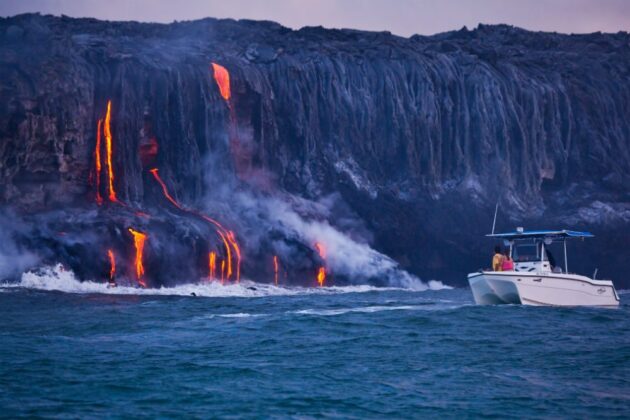
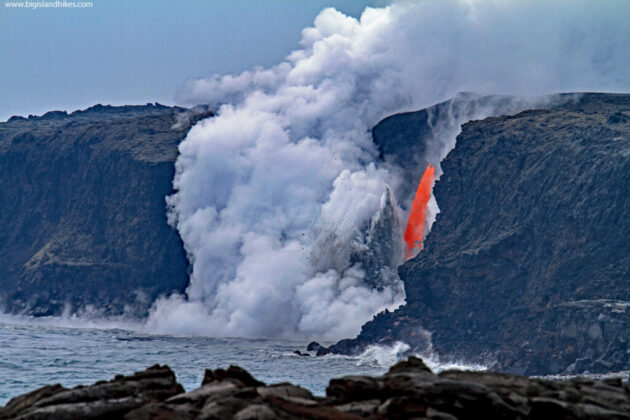
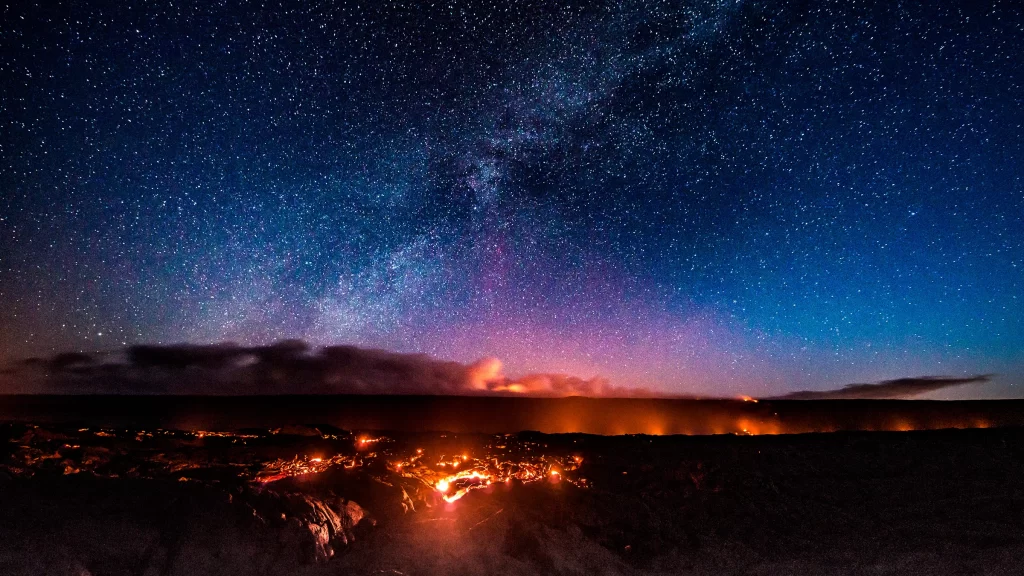
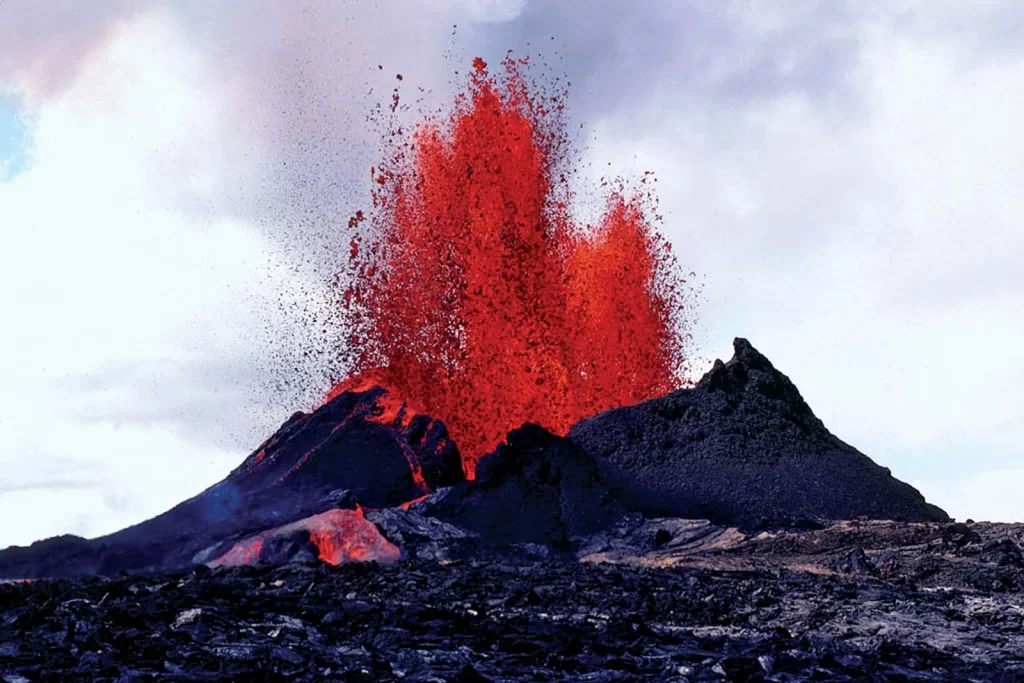
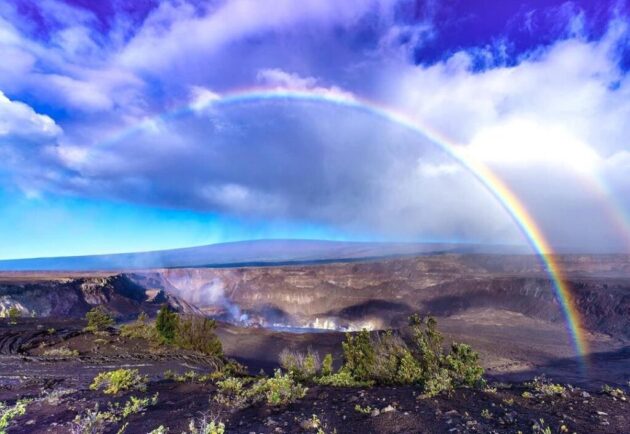
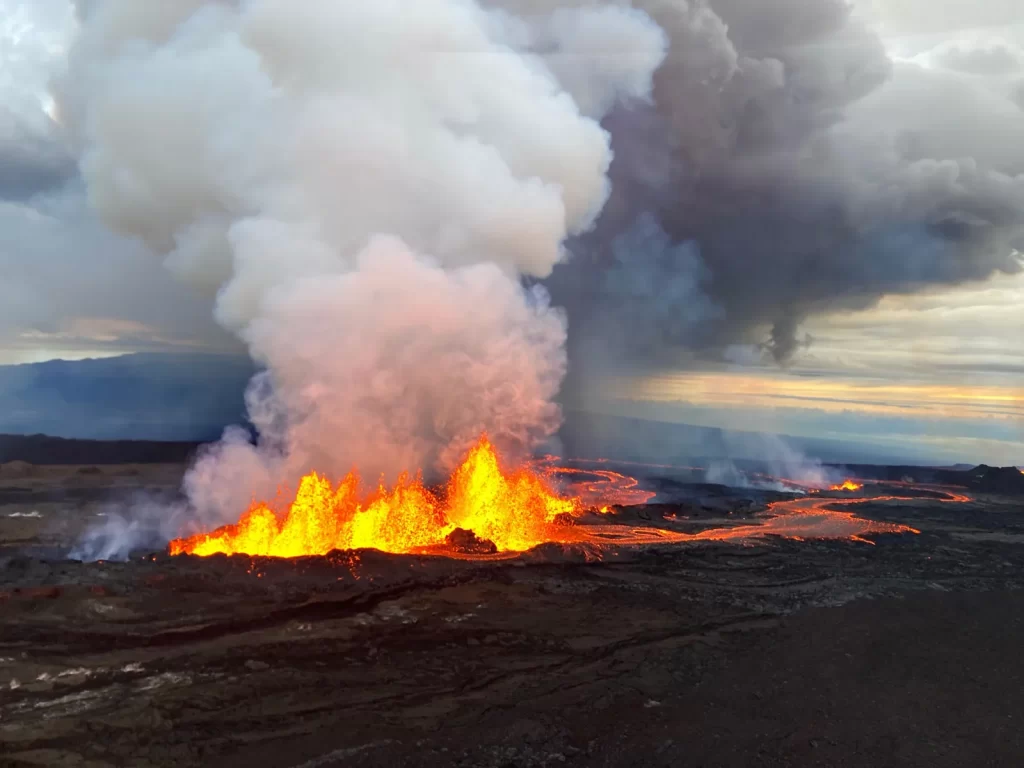
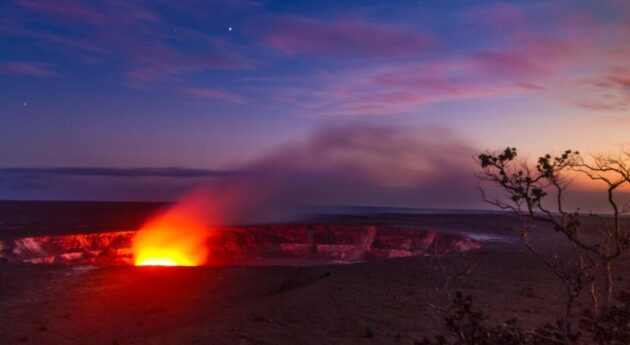
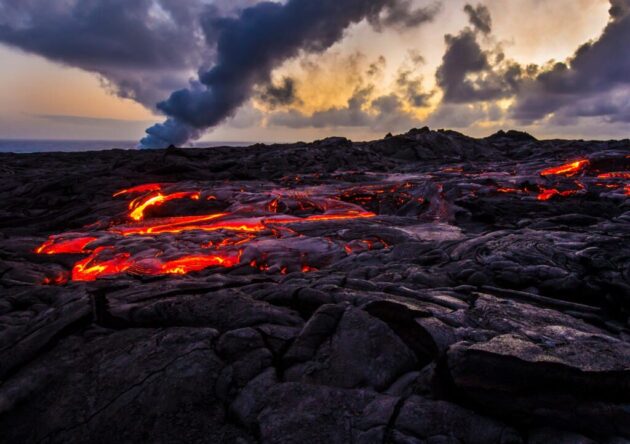
Hawaii Volcanoes National Park, located on the Big Island of Hawaii, is a breathtaking destination that showcases the raw power and beauty of two of the world’s most active volcanoes: Kīlauea and Mauna Loa. Spanning over 335,000 acres, this UNESCO World Heritage Site and International Biosphere Reserve offers visitors a chance to witness dramatic volcanic landscapes, lush rainforests, and unique cultural heritage.
Mauna Kea Summit
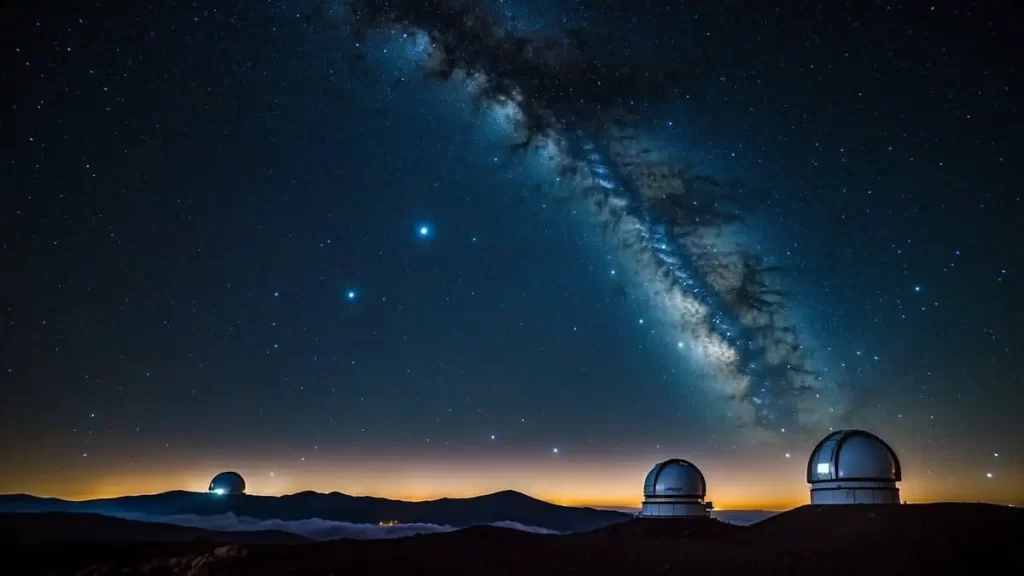
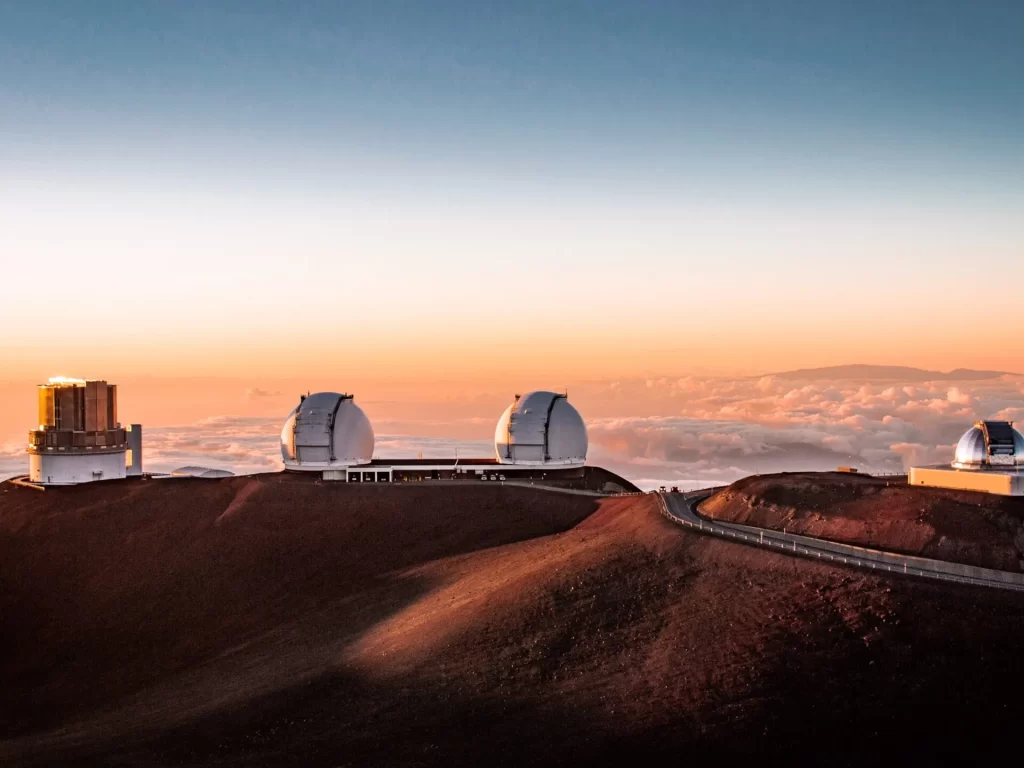
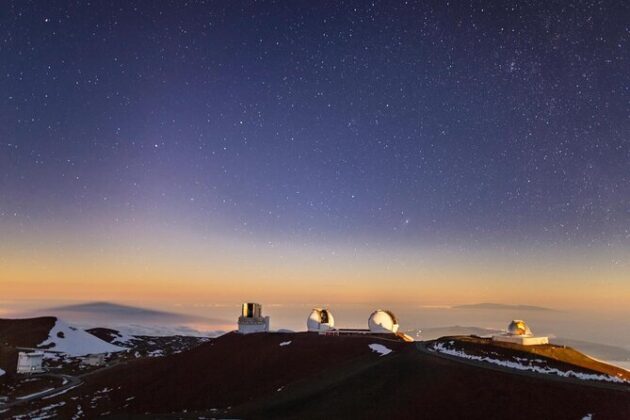
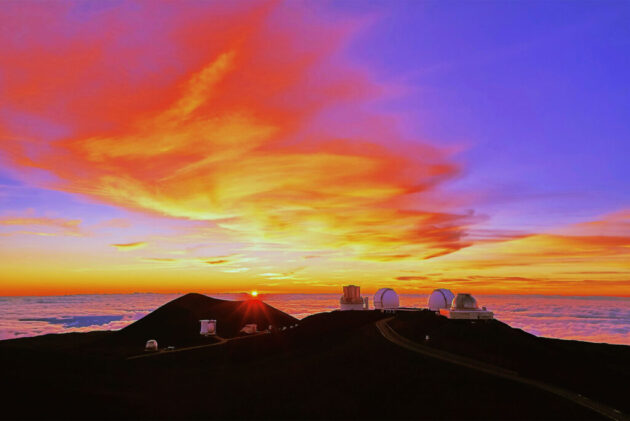
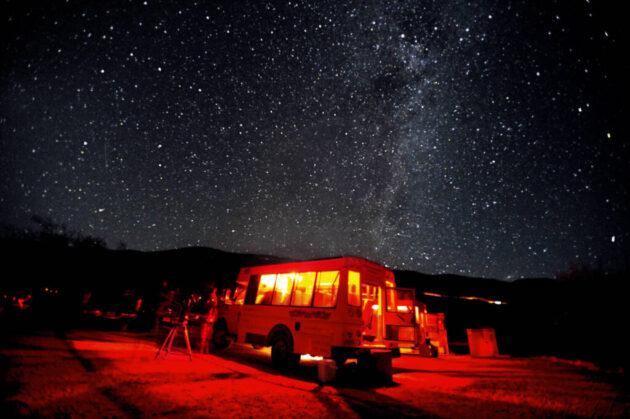
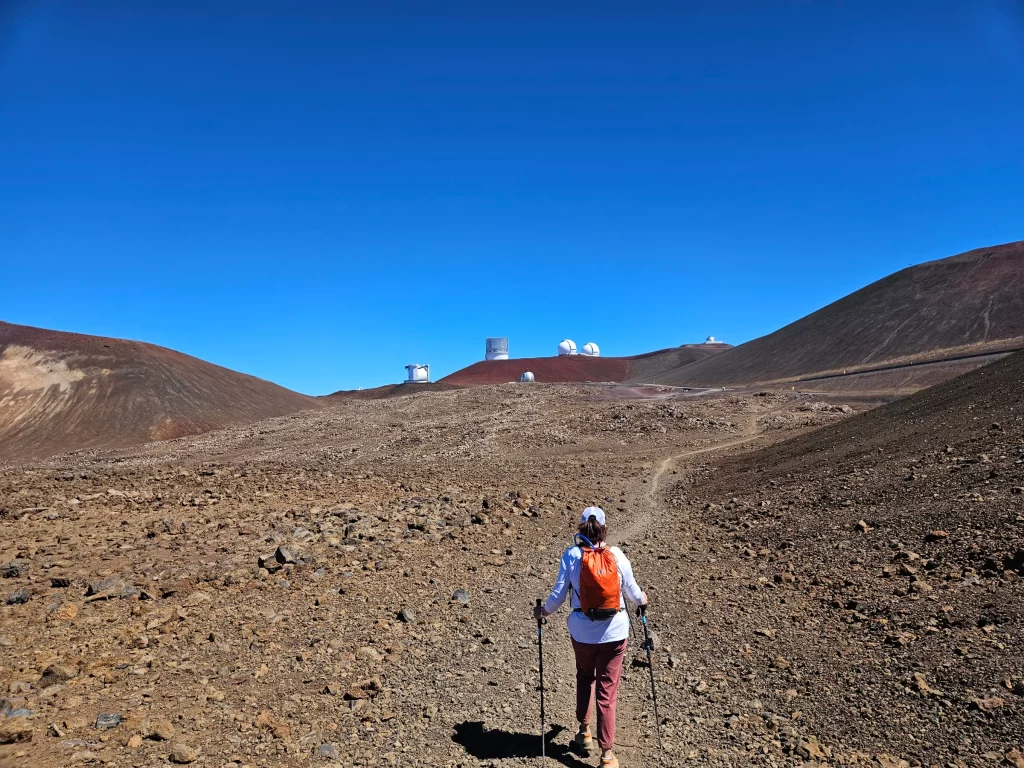
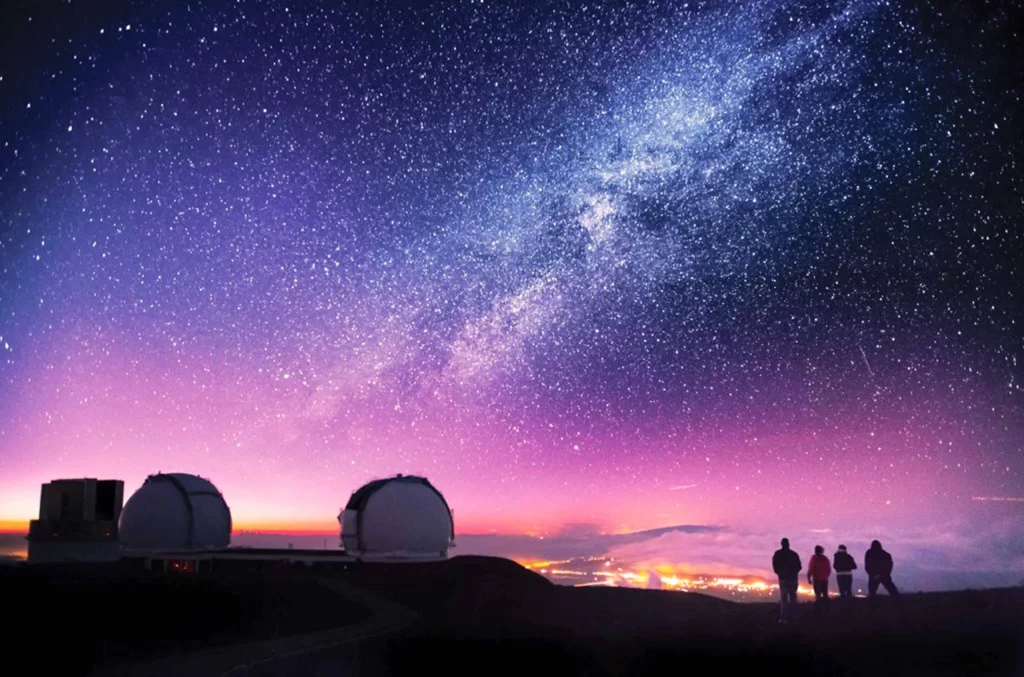
Mauna Kea, standing at 13,796 feet (4,205 meters) above sea level, is the highest peak in Hawaii and the tallest mountain in the world when measured from its base on the ocean floor. Located on the Big Island, this dormant volcano is a sacred site for Native Hawaiians, home to world-class astronomical observatories, and a bucket-list destination for breathtaking sunsets and stargazing.

Where to Eat
Must-Try Dishes: Poke (raw fish salad), kalua pork, loco moco (rice, burger, egg, and gravy), laulau (pork wrapped in taro leaves), and shave ice.
Oahu: Leonard’s Bakery (malasadas), Helena’s Hawaiian Food (traditional plates). Maui: Leoda’s Kitchen and Pie Shop (banana cream pie), Paia Fish Market (fresh fish tacos). Kauai: Duke’s Kauai (hula pie), Hanalei Bread Company (breakfast). Big Island: Umeke’s (poke bowls), Kona Brewing Co. (craft beer and pizza).
Budget Tip: Food trucks across all islands offer affordable, delicious meals ($8–$15).
Practical Tips
Transportation: Rent a car to explore each island fully ($50–$100/day). Public buses (e.g., TheBus on Oahu) are cheaper but limited. Taxis and rideshares (Uber/Lyft) are available but costly. What to Bring: Sunscreen (reef-safe to protect coral), water shoes, lightweight rain gear, and a reusable water bottle. Pack layers for cooler evenings or high-altitude areas like Haleakalā or Mauna Kea.
Respect the Land: Follow “Leave No Trace” principles, avoid touching coral, and respect sacred sites. Learn basic Hawaiian phrases like “aloha” (hello) and “mahalo” (thank you) to show appreciation. Safety: Check ocean conditions before swimming (strong currents are common), and follow ranger guidelines in national parks. Stay hydrated and protect against sunburn.
Budgeting: Expect higher costs than mainland U.S. A week-long trip for two averages $3,000–$5,000 (flights, mid-range lodging, food, and activities).
Final Thoughts
Hawaii is a destination that blends adventure, relaxation, and cultural immersion like no other. From Oahu’s vibrant city life to Kauai’s rugged wilderness, Maui’s romantic shores, and the Big Island’s volcanic wonders, each island offers a unique slice of paradise. Plan ahead, embrace the aloha spirit, and let Hawaii’s beauty captivate you.
Aloha and happy travels!