A Travel Guide to the Big Island
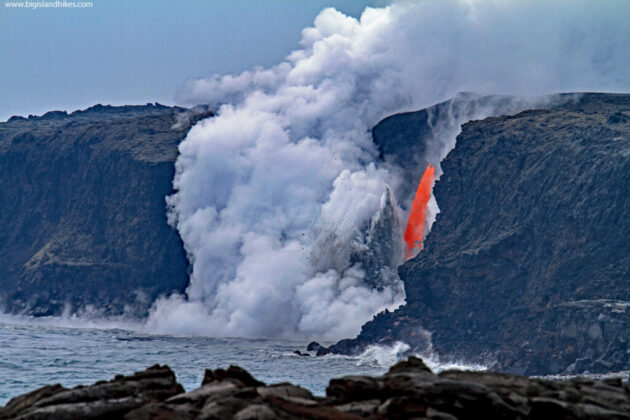
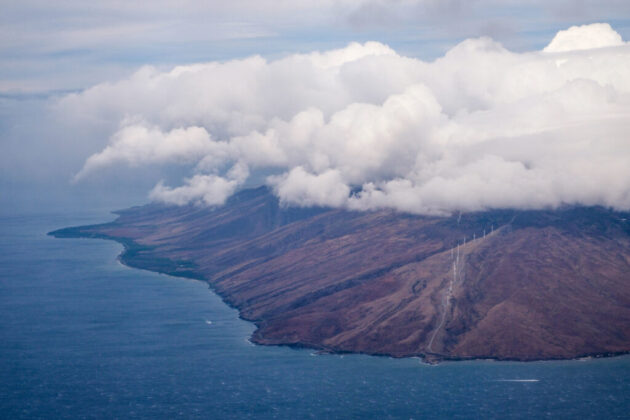
The Big Island of Hawaii, also known as Hawaiʻi Island, is the largest and youngest of the Hawaiian archipelago, spanning over 4,000 square miles—nearly twice the size of all other Hawaiian islands combined. Renowned for its diverse landscapes, active volcanoes, and rich cultural heritage, the Big Island offers an unparalleled adventure for travelers. From black sand beaches to snow-capped peaks, lush rainforests to barren lava fields, this island is a paradise for nature lovers, adventure seekers, and culture enthusiasts. Here’s a comprehensive guide to help you plan your visit.
Why Visit the Big Island?
The Big Island’s sheer diversity sets it apart. It encompasses 12 of the world’s 13 climate zones, from tropical rainforests to polar tundra atop Mauna Kea. Home to Hawaiʻi Volcanoes National Park, where you can witness the raw power of Kilauea, one of the world’s most active volcanoes, the island is a living testament to nature’s forces. Beyond geology, it offers pristine beaches, world-class stargazing, vibrant marine life, and a deep connection to Native Hawaiian culture. Whether you’re hiking through lava tubes, snorkeling with manta rays, or exploring historic sites, the Big Island promises a unique and unforgettable experience.
How to Get There
The Big Island is accessible via two main airports:
Kona International Airport (KOA): Located on the west (leeward) side in Kailua-Kona, this is the primary entry point for most visitors. Direct flights are available from major U.S. cities (e.g., Los Angeles, San Francisco, Seattle) and some international destinations. Airlines like Hawaiian Airlines, Southwest, and United operate frequent flights. Travel time from the U.S. mainland is about 5–6 hours.
Hilo International Airport (ITO): On the east (windward) side, Hilo is primarily used for inter-island flights from Honolulu (Oʻahu) or Kahului (Maui), taking 35–40 minutes. It’s a good option if you plan to focus on the Hilo side or volcano areas. Consider flying into Kona and out of Hilo (or vice versa) to explore both sides without backtracking, but check for car rental drop-off fees.
Getting Around: Car Rental: Essential for exploring the island’s vast terrain. Rentals are available at both airports through companies like Alamo, Hertz, or Discount Hawaii Car Rental. Expect costs of $50–100/day. The island’s size (a 220-mile loop) and spread-out attractions make driving the most practical option. Public Transit: The Hele-On Bus is affordable ($2/trip) but limited in coverage and frequency, best for short trips in Kona or Hilo.
Taxis/Rideshare: Available in Kona and Hilo but expensive for long distances. Use Didi or Uber for shorter trips. Biking/Walking: Feasible in small towns like Kailua-Kona or Hilo, but the island’s size and rugged terrain make these impractical for most sightseeing.
Best Time to Visit
Year-Round Appeal: The Big Island’s tropical climate ensures warm weather year-round, with temperatures ranging from 66°F–83°F (20°C–28°C). The west (Kona) side is drier, with over 300 sunny days annually, while the east (Hilo) side is wetter, averaging 125 inches of rain yearly.
Peak Seasons: December–March is busiest, with higher hotel rates and crowds, especially during whale-watching season (humpback whales migrate from November–April). Book accommodations early. Off-Peak Seasons: April–May and September–October offer fewer crowds, pleasant weather, and better deals on hotels and flights. May and October are particularly ideal for lower costs and great conditions.
Events to Note: The Kona Coffee Cultural Festival (November) and Merrie Monarch Festival (April, Hilo) draw crowds but showcase Hawaiian culture. Avoid these if you prefer quieter visits.
Weather Tip: Winter brings rougher surf, especially on the north and west coasts, so exercise caution when swimming. Always check ocean conditions and avoid swimming alone.
Top Destinations and Attractions
Hawaii Volcanoes National Park
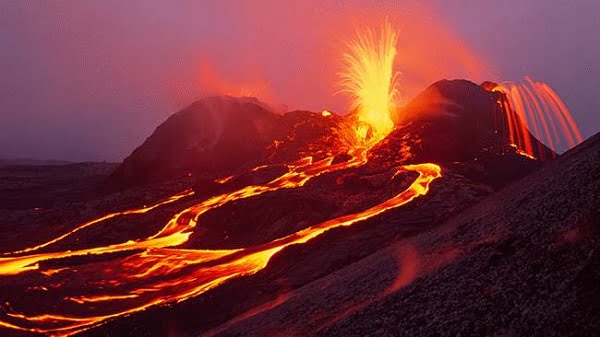
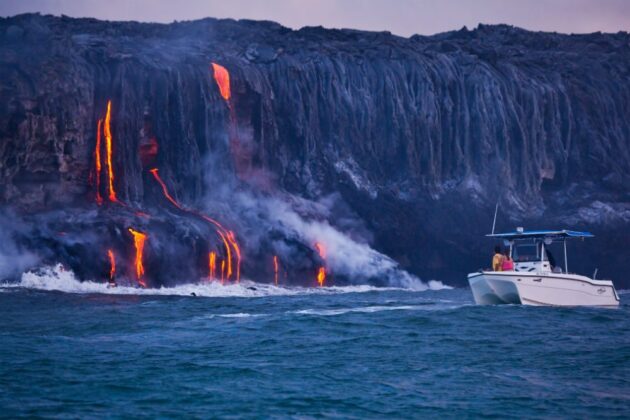
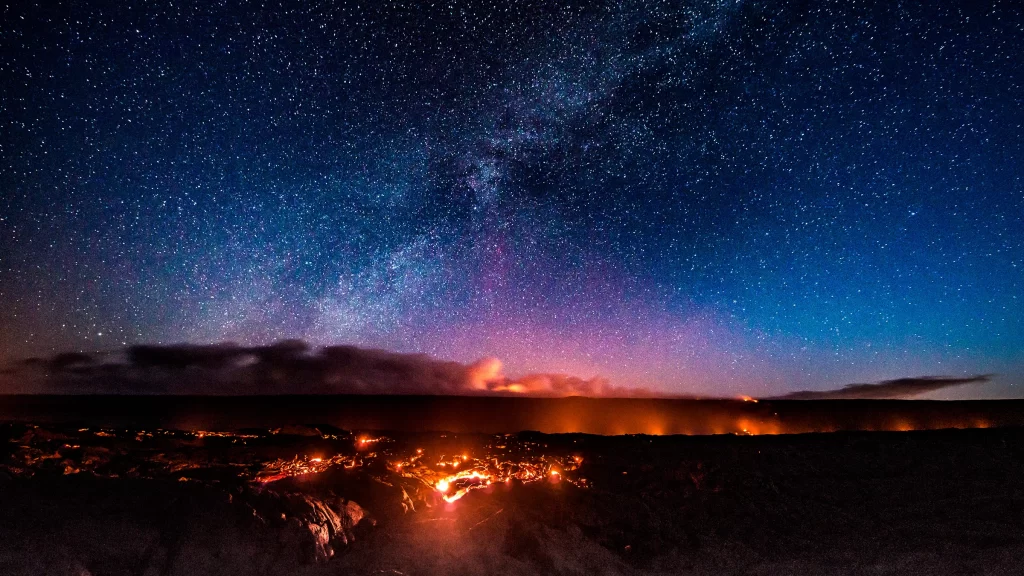
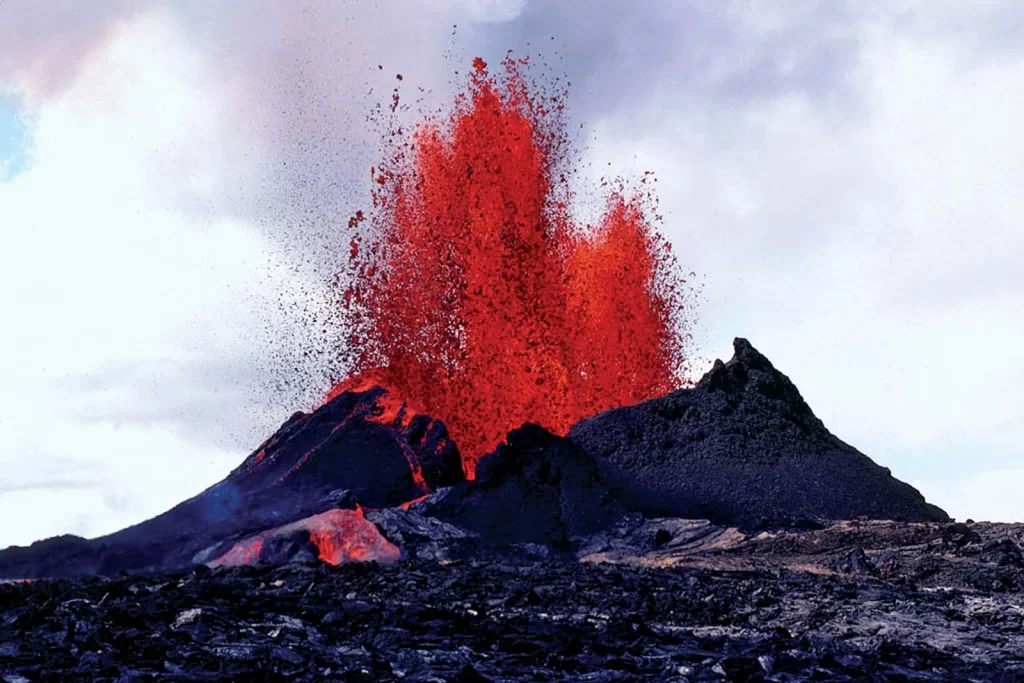
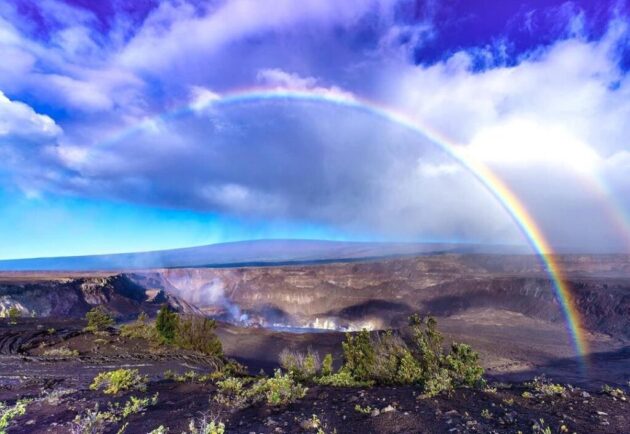
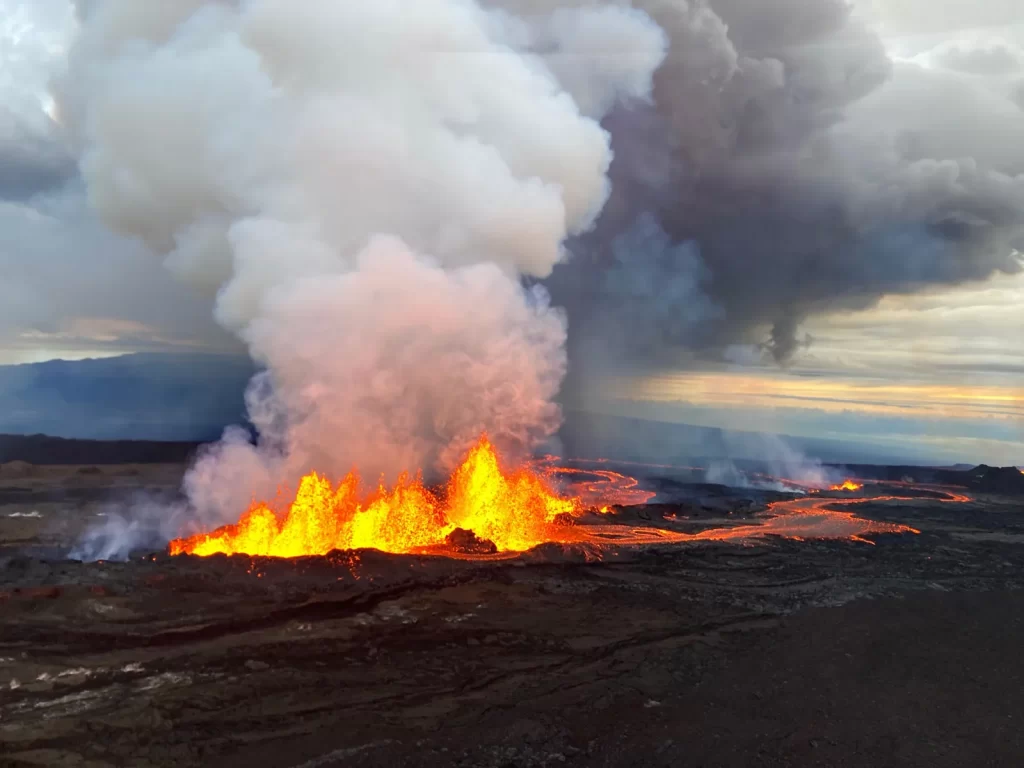
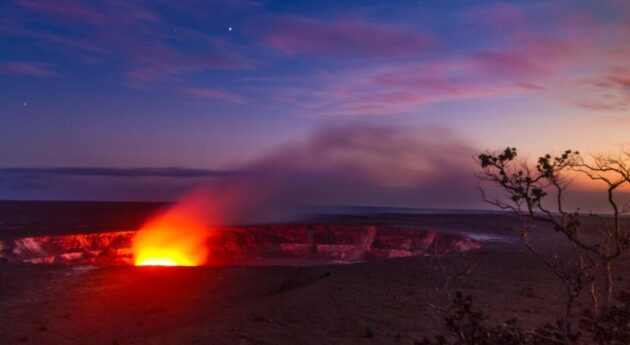
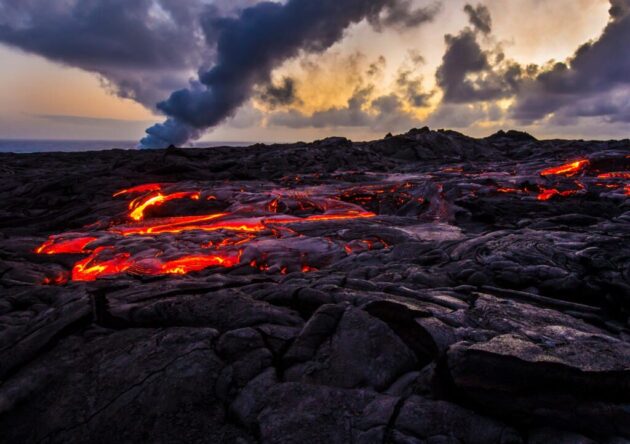
Hawaii Volcanoes National Park, located on the Big Island of Hawaii, is a breathtaking destination that showcases the raw power and beauty of two of the world’s most active volcanoes: Kīlauea and Mauna Loa. Spanning over 335,000 acres, this UNESCO World Heritage Site and International Biosphere Reserve offers visitors a chance to witness dramatic volcanic landscapes, lush rainforests, and unique cultural heritage.
Mauna Kea Summit
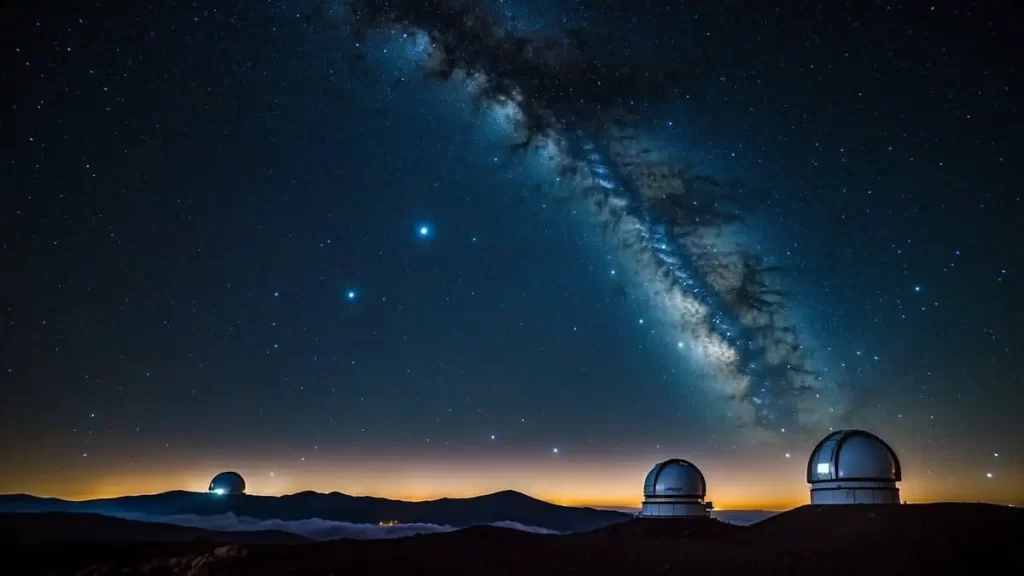
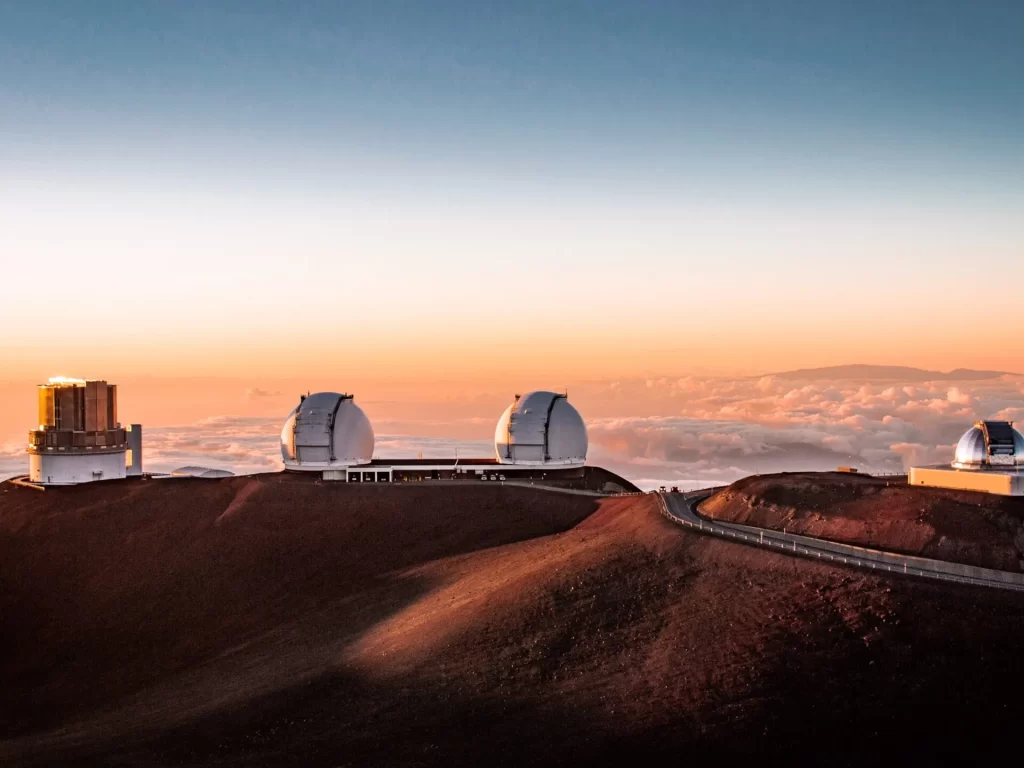
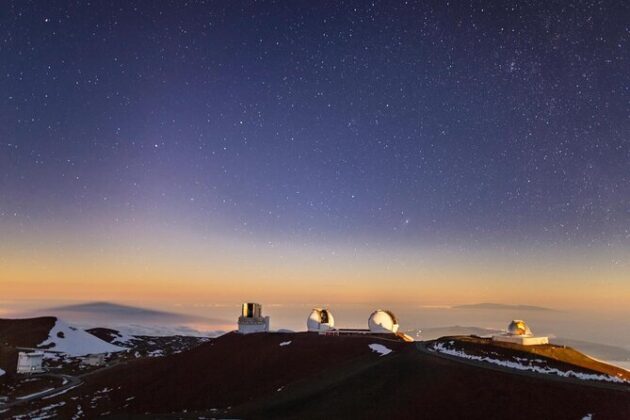
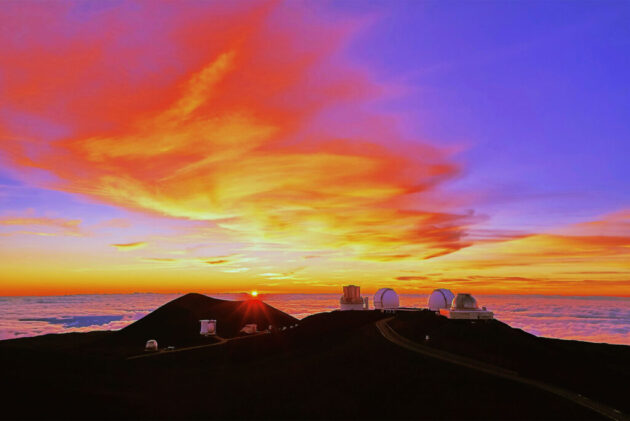
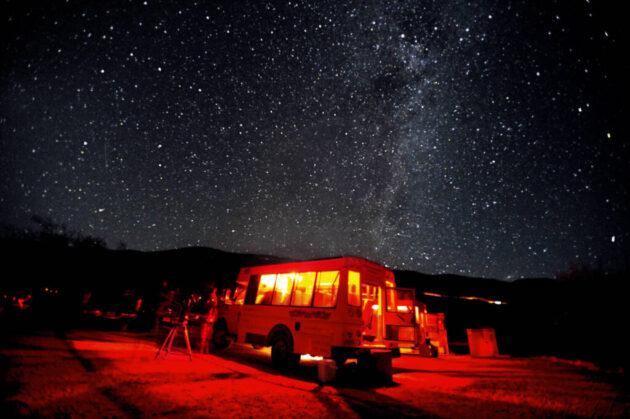
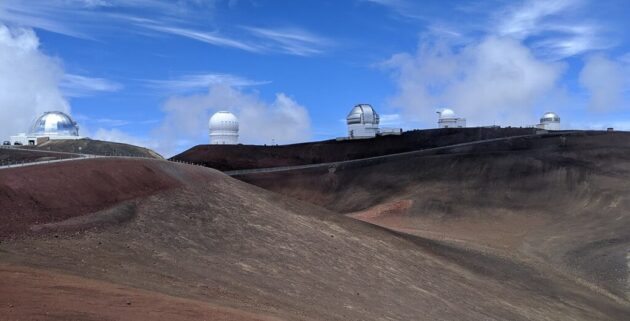
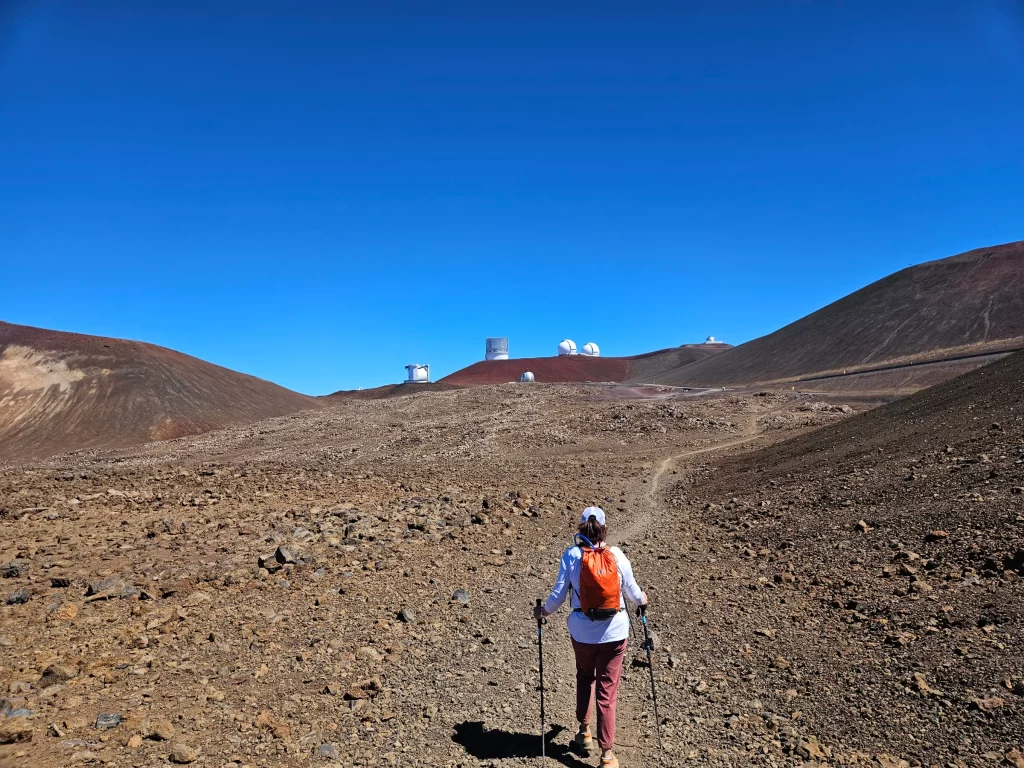
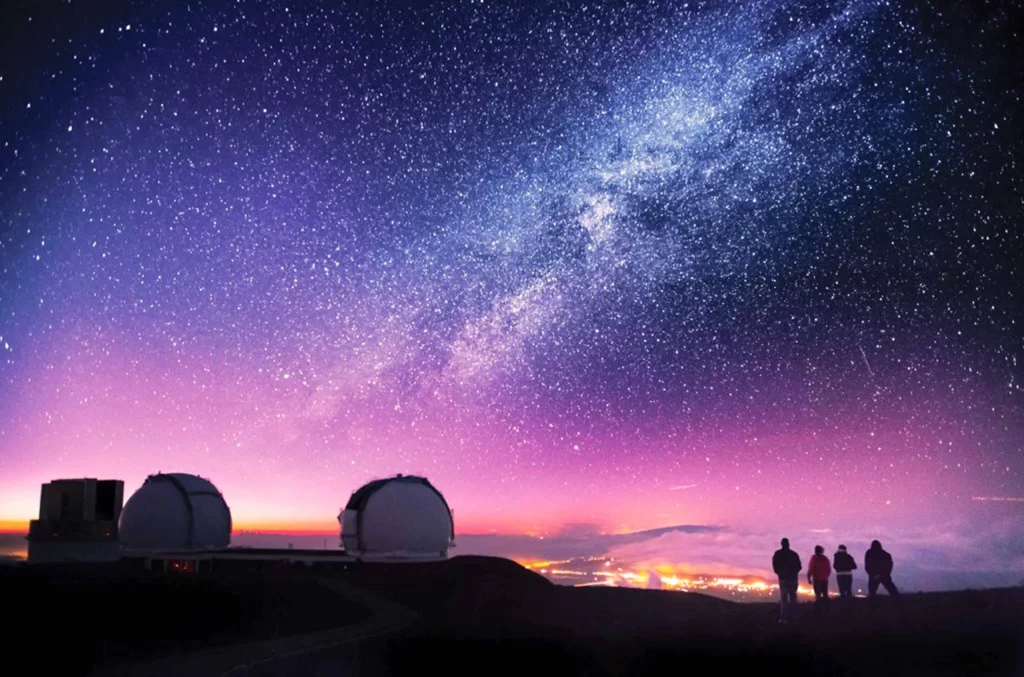
Mauna Kea, standing at 13,796 feet (4,205 meters) above sea level, is the highest peak in Hawaii and the tallest mountain in the world when measured from its base on the ocean floor. Located on the Big Island, this dormant volcano is a sacred site for Native Hawaiians, home to world-class astronomical observatories, and a bucket-list destination for breathtaking sunsets and stargazing.
Akaka Falls State Park
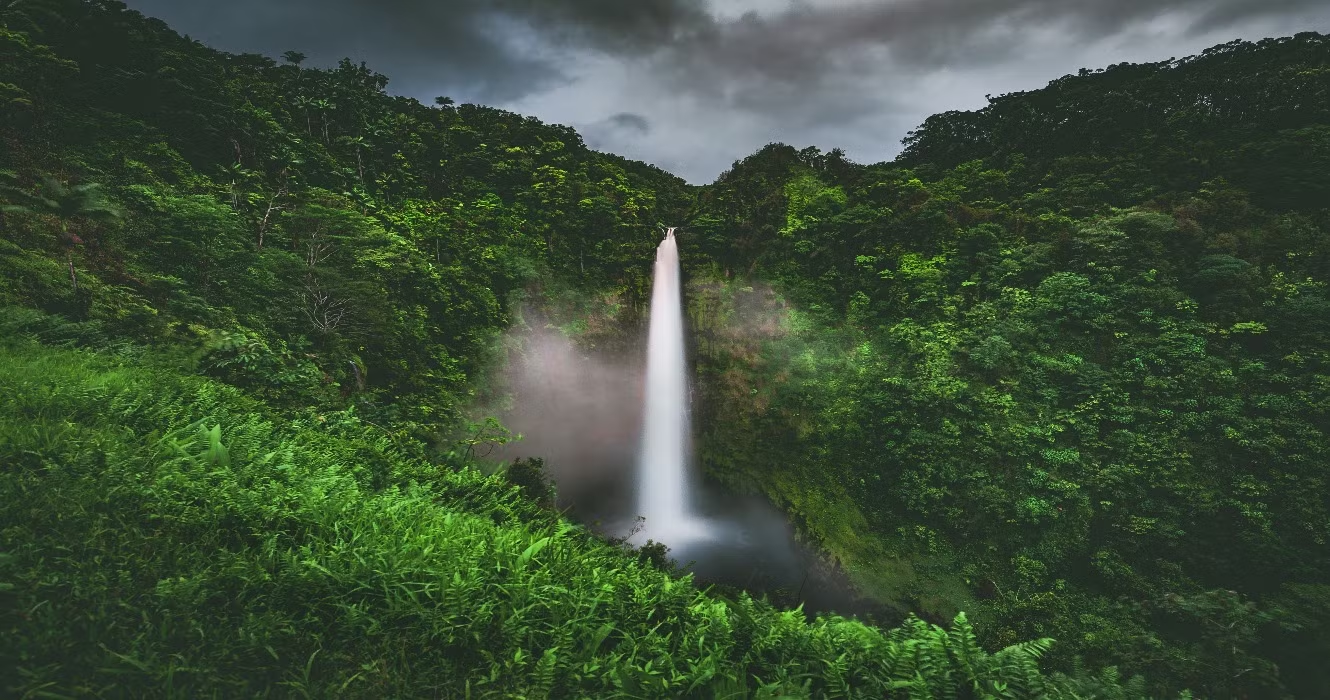
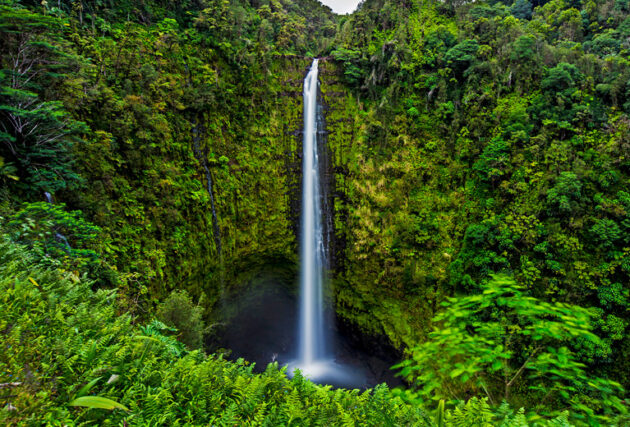
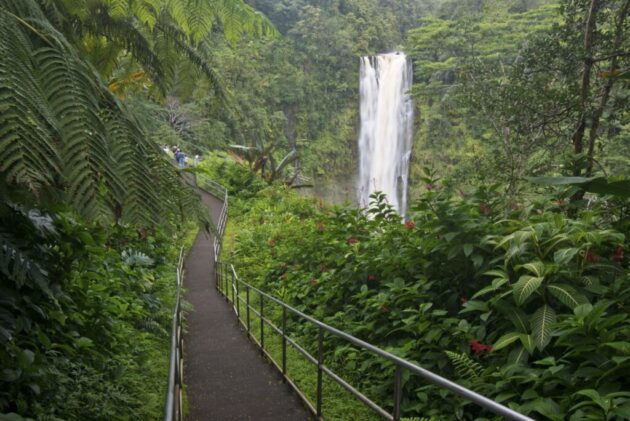
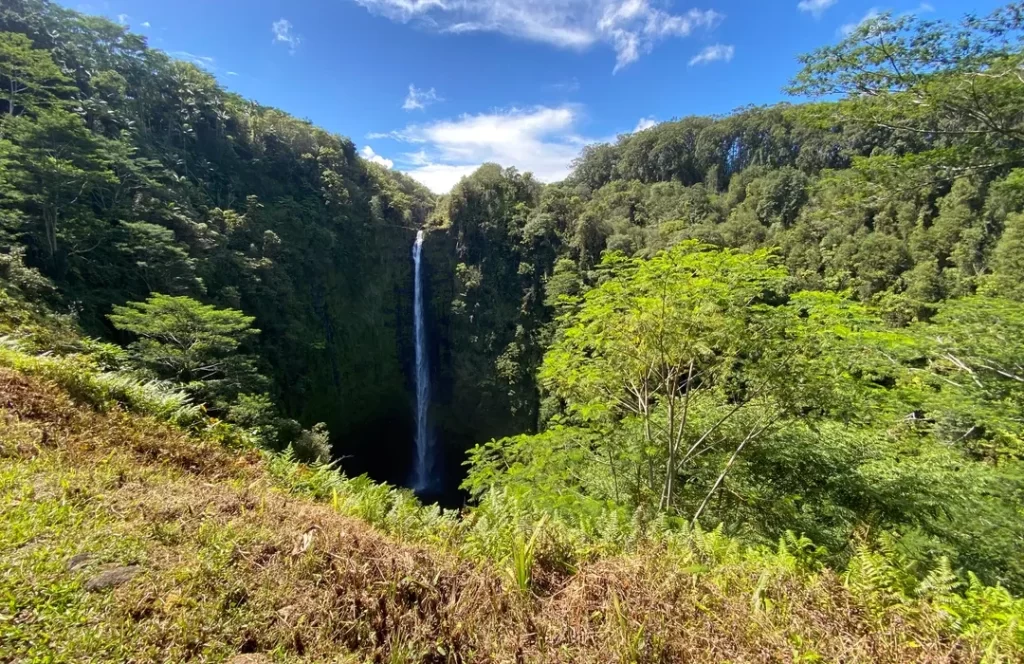
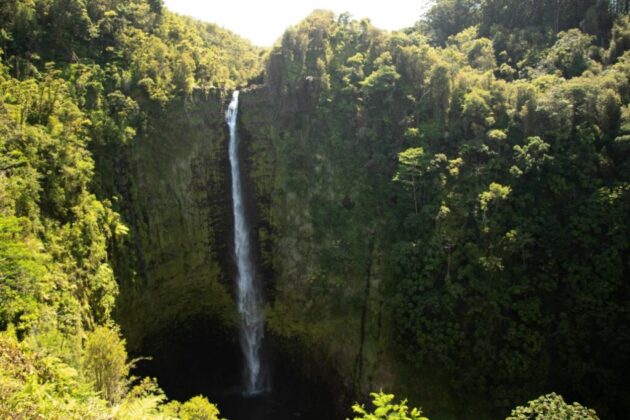
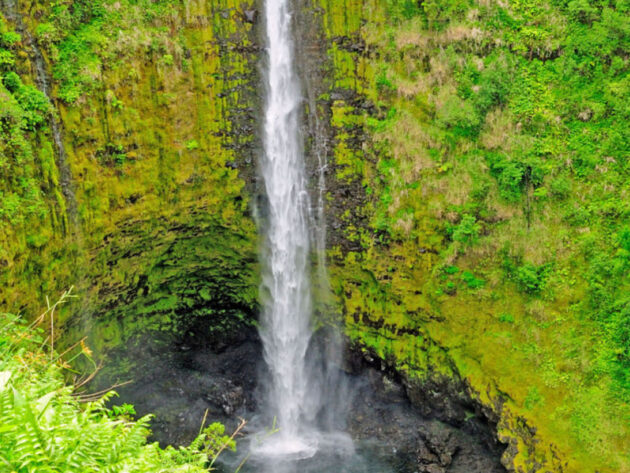
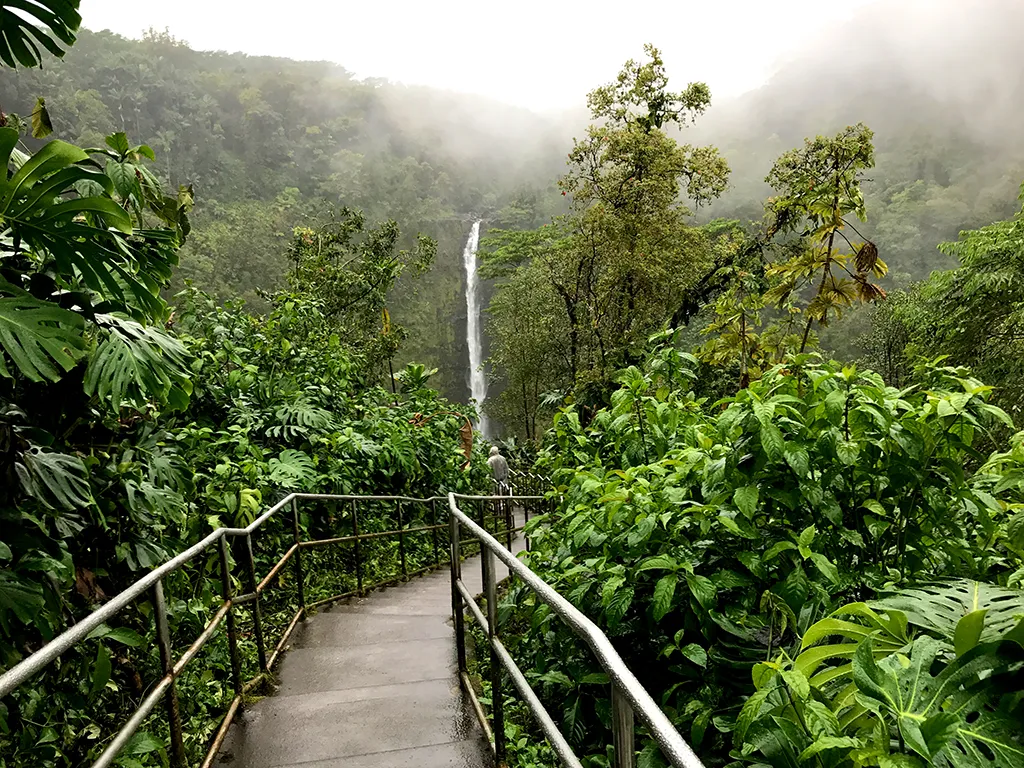
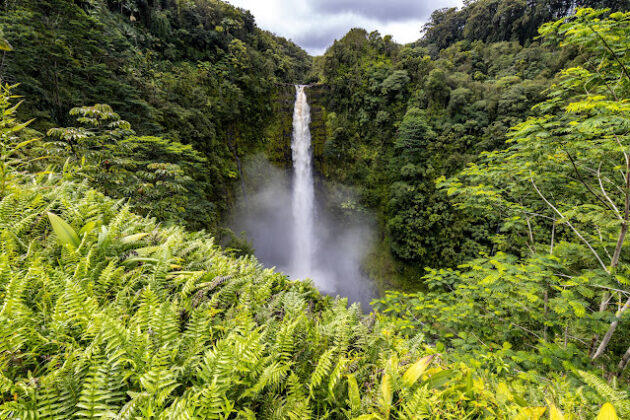
Akaka Falls State Park is a must-visit for its breathtaking scenery and accessibility. The towering Akaka Falls, plunging into a stream-eroded gorge, is twice the height of Niagara Falls, surrounded by a lush rainforest filled with bamboo, wild orchids, and native birds. The park’s 0.4-mile loop trail makes it an easy and family-friendly destination, offering dramatic views of two waterfalls in under an hour. Rich in Hawaiian culture and history, the park is named after Chief ‘Akaka, tied to a legend of love and tragedy, adding a mystical allure to the experience.
Pu’uhonua o Hōnaunau National Historical Park
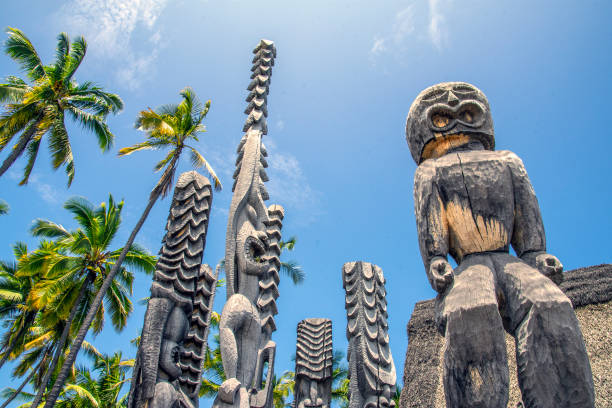
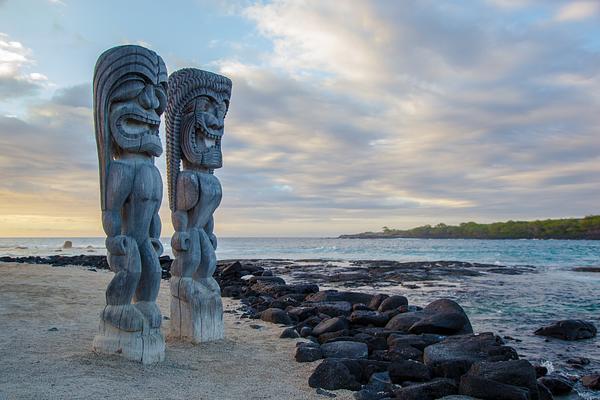
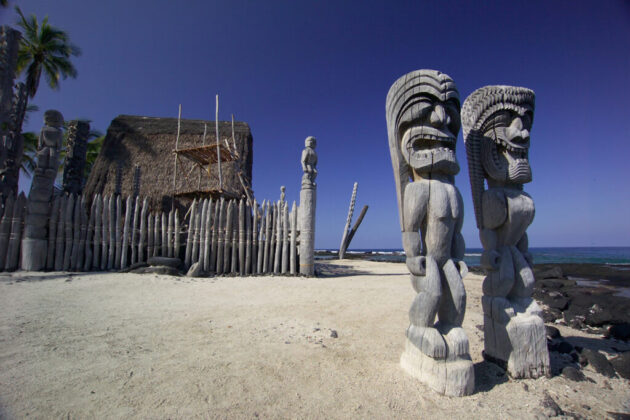
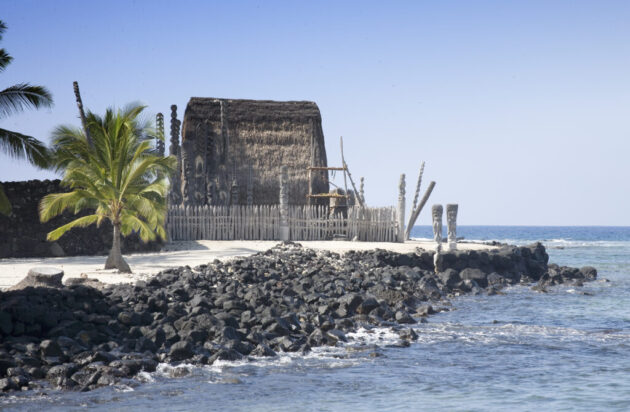
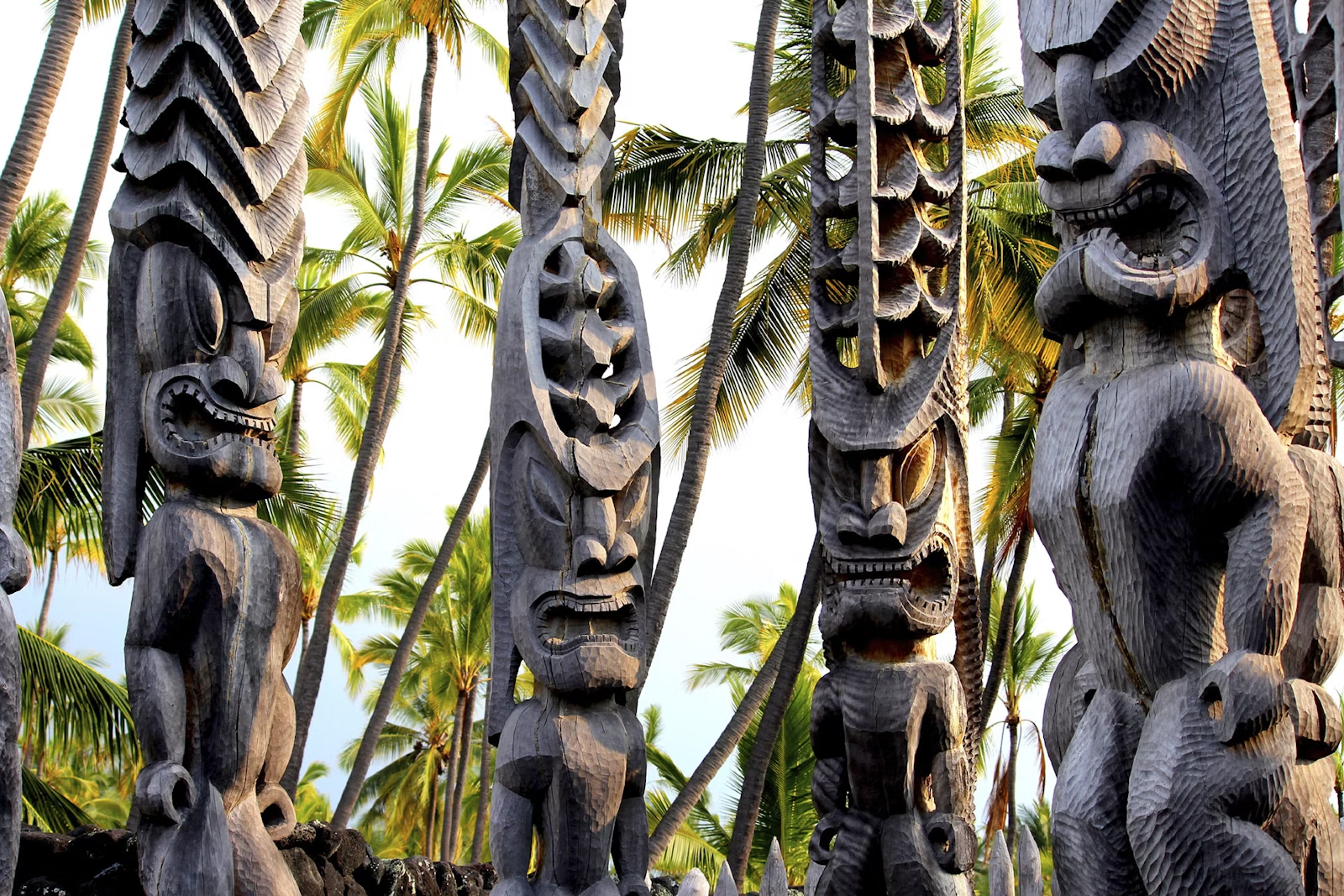
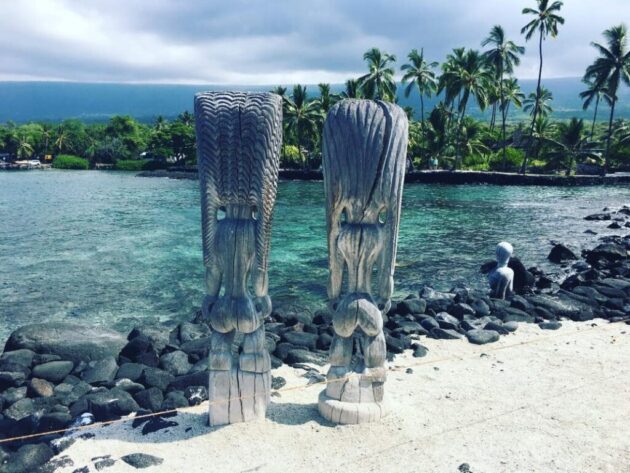
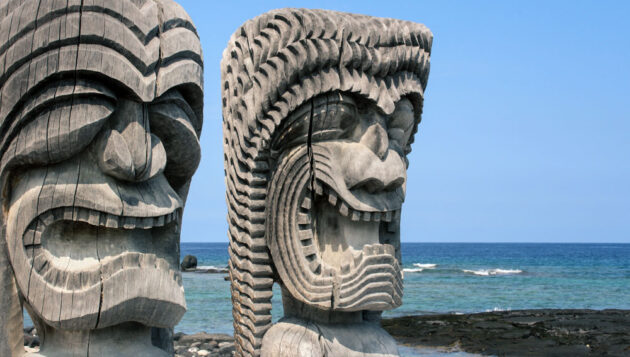
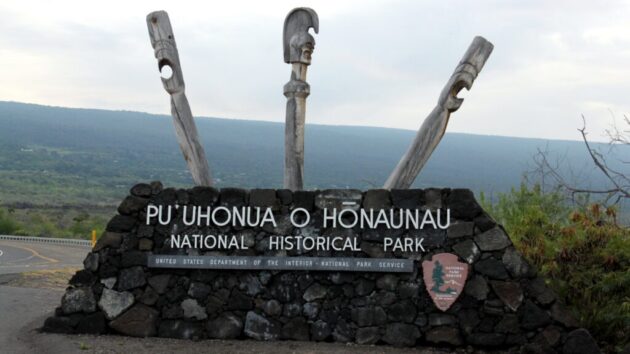
Puʻuhonua o Hōnaunau is one of Hawaii’s most sacred historical sites, offering a unique glimpse into the spiritual and political life of ancient Hawaiians. The park features the Great Wall, a 400-year-old, 965-foot-long stone structure, and the Hale o Keawe Heiau, a reconstructed temple once housing the bones of 23 chiefs. Visitors can explore royal grounds, see traditional wooden kiʻi (carved statues), and learn about the kapu system, which governed Hawaiian society with strict rules.
Hapuna Beach State Recreation Area
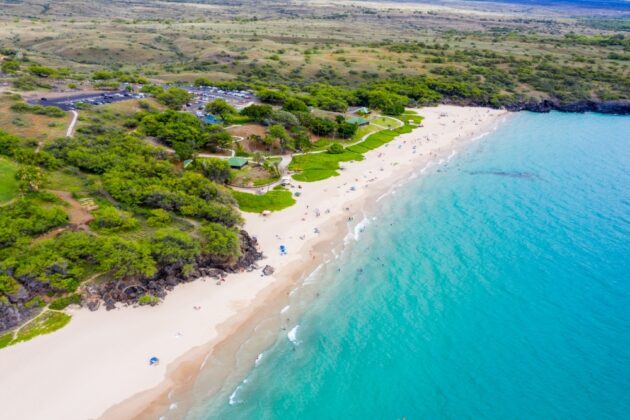
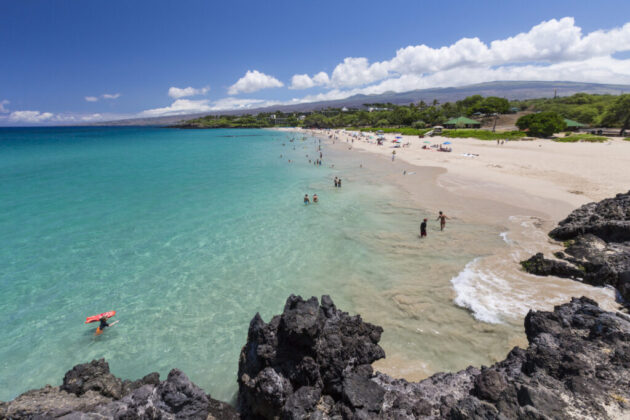
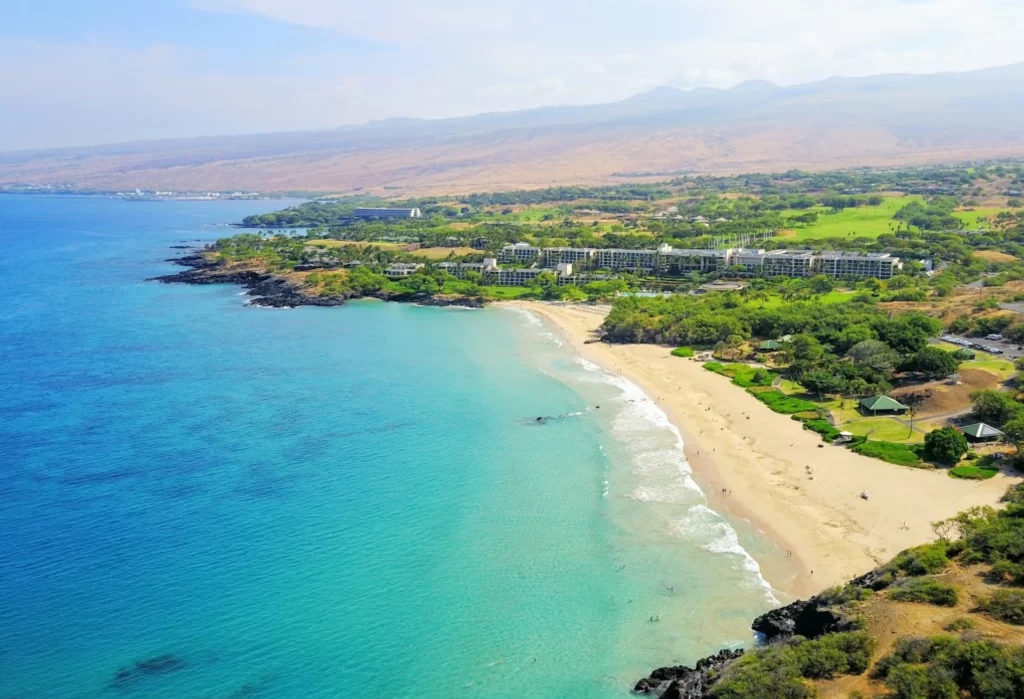
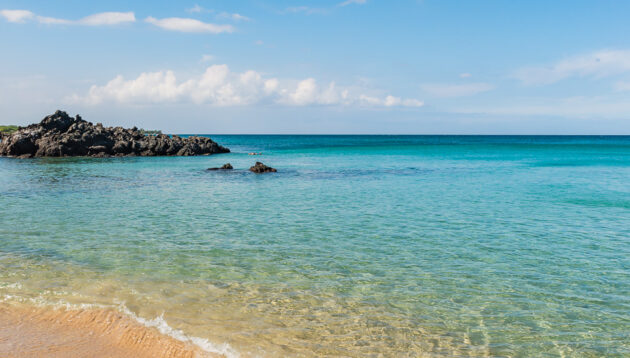
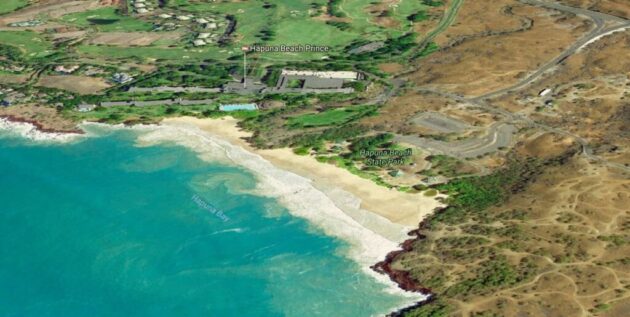
Hapuna Beach State Recreation Area, located on the Kohala Coast of Hawaii’s Big Island, is a world-renowned destination celebrated for its half-mile stretch of pristine white sand and turquoise waters. Consistently ranked among the best beaches in the United States by outlets like Condé Nast Traveler and Dr. Beach, this 61.8-acre park offers a perfect blend of natural beauty, family-friendly amenities, and diverse recreational opportunities.
Waipiʻo Valley Lookout
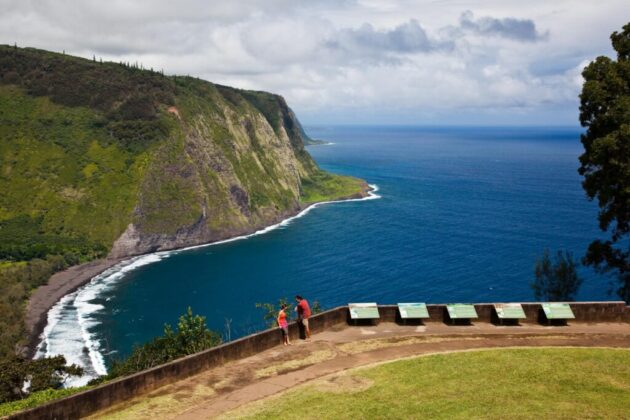
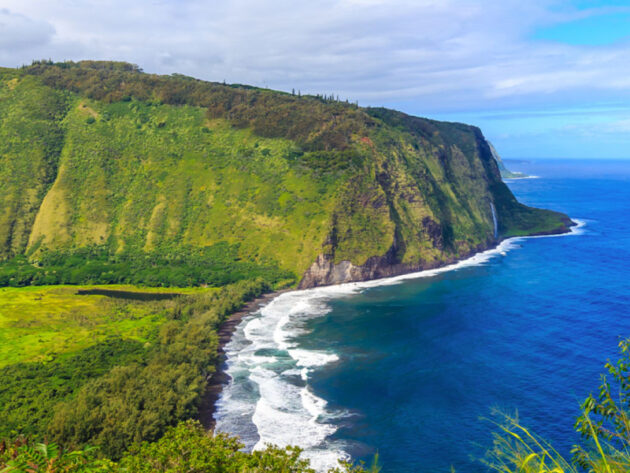
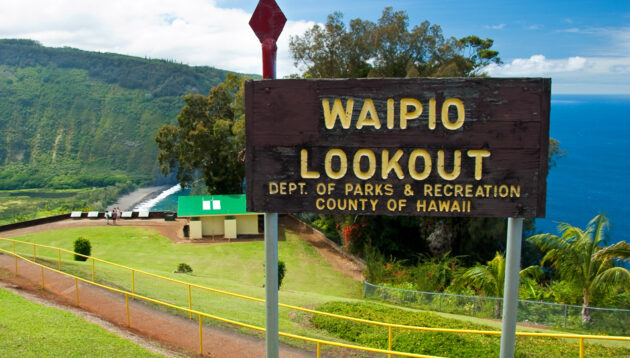
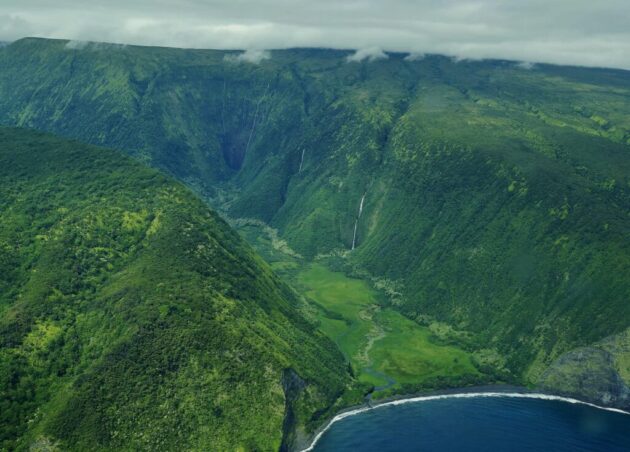
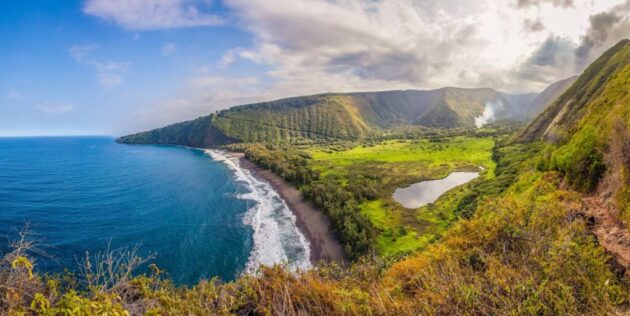
Waipiʻo Valley is a place of profound beauty and cultural significance. The lookout offers panoramic views of a one-mile-wide, six-mile-deep valley framed by 2,000-foot cliffs, cascading waterfalls, and the Pacific Ocean. The valley’s rich history as a political and religious center for Native Hawaiians, combined with its lush greenery and black sand beach, makes it a must-see. While access to the valley floor is restricted, the lookout alone is worth the journey for its jaw-dropping scenery and connection to Hawaii’s heritage.
Where to Eat
Kona (West Side): ULU Ocean Grill (Four Seasons Resort Hualalai): Upscale Hawaiian fusion with ocean views. Expect $40–60/entree. 808 Grindz Café: Affordable local eats like loco moco and Kona coffee ($10–15). Kona Brewing Co.: Casual spot for craft beer and Hawaiian-style pizza ($15–25).
Hilo (East Side): Hilo Bay Café: Known for sushi and fresh seafood with bay views ($20–35). Pineapples: A local favorite for poke bowls and tropical cocktails ($15–25). Puka Puka Kitchen: Budget-friendly Hawaiian plates and malasadas ($8–15).
Local Tips: Try Kona coffee at farms like Hula Daddy or Mountain Thunder Coffee Plantation. Visit farmers’ markets in Hilo or Kona for fresh produce and malasadas (Portuguese donuts).
Where to Stay
Kona and Kohala Coast: Four Seasons Resort Hualalai: Luxury with beach access and top dining ($800+/night). Fairmont Orchid: Family-friendly with snorkeling and pools ($400–600/night). Hilton Waikoloa Village: Resort with lagoons and dolphin encounters ($250–400/night). Kings’ Land by Hilton Grand Vacations: Spacious units with access to Waikoloa amenities ($200–350/night).
Hilo: Hilo Hawaiian Hotel: Comfortable, centrally located with bay views ($150–250/night). SCP Hilo Hotel: Eco-conscious, budget-friendly option ($100–200/night).
Volcano Village: Volcano House: Unique lodging near Hawaiʻi Volcanoes National Park with crater views ($200–300/night). Puakea Ranch: Secluded cottages for a rural escape ($150–250/night).
Tip: Book accommodations 3–6 months in advance for peak seasons. For budget travelers, consider short-term rentals in Hilo or Kona, but check local regulations, as restrictions are increasing.
Tips for a Great Visit
Pack Smart: Bring layers for diverse climates (e.g., rain gear for Hilo, warm clothes for Mauna Kea). Sunscreen and sturdy shoes are essential for hiking and beaches. Respect the Environment: Follow the Hawaiʻi Pono Pledge to protect the island’s ecosystem. Don’t touch sea turtles or remove lava rocks, and stick to marked trails.
Safety First: Check ocean conditions before swimming, as currents can be strong, especially in winter. For hiking, carry water and inform someone of your plans. Mindful Travel: Respect Native Hawaiian culture by learning basic phrases (e.g., “aloha,” “mahalo”) and supporting local businesses. Avoid importing prohibited items like fruits or seeds to protect the ecosystem.
Plan for Distance: Driving from Kona to Hilo takes ~2.5 hours. Split your stay between both sides for a fuller experience. Connectivity: Wi-Fi is reliable in Kona and Hilo, with free public hotspots available.
Final Thoughts
The Big Island of Hawaii is a destination of superlatives—home to the world’s most active volcano, the tallest mountain from seafloor to summit, and some of the planet’s best stargazing. Its blend of adventure, culture, and natural beauty makes it a must-visit. Whether you’re snorkeling with manta rays, hiking volcanic trails, or savoring Kona coffee, the island’s aloha spirit and mindful pace will leave you inspired. Plan for at least a week to explore its vast wonders, travel respectfully, and embrace the magic of this extraordinary island.
Happy travels, and aloha!