Hawaii Volcanoes National Park Travel Guide (2026)
Hawaii Volcanoes National Park, located on the Big Island of Hawaii, is a breathtaking destination that showcases the raw power and beauty of two of the world’s most active volcanoes: Kīlauea and Mauna Loa. Spanning over 335,000 acres, this UNESCO World Heritage Site and International Biosphere Reserve offers visitors a chance to witness dramatic volcanic landscapes, lush rainforests, and unique cultural heritage.
From glowing lava flows to ancient petroglyphs, this park is a must-visit for adventurers, nature lovers, and those curious about the geological forces that shaped the Hawaiian Islands. Here’s your comprehensive guide to planning an unforgettable trip.
Why Visit Hawaii Volcanoes National Park?
Established in 1916, Hawaii Volcanoes National Park is one of the most dynamic and geologically significant sites in the world. It’s home to Kīlauea, one of the most active volcanoes globally, known for its 2018 eruption that reshaped the landscape, and Mauna Loa, the largest active volcano by volume.
The park’s diverse terrain ranges from barren lava fields to vibrant rainforests, offering hiking, stargazing, and cultural exploration. Visitors can walk across land younger than themselves, explore lava tubes, and learn about Hawaiian mythology, including Pele, the goddess of fire and volcanoes. With nearly 2 million annual visitors, it’s the Big Island’s top attraction, promising an otherworldly experience.
How to Get There
Hawaii Volcanoes National Park is located on the southeastern side of the Big Island, accessible from the island’s two main hubs: Hilo and Kailua-Kona.
From Hilo: Drive 30 miles southwest on Highway 11 (45 minutes). The route is straightforward, passing through the town of Volcano. Hele-On Bus: The island’s public bus service offers limited routes from Hilo to the park for ~$2, but schedules are sparse, so check in advance.
From Kailua-Kona: Drive 96 miles southeast on Highway 11 (2 hours) or 125 miles via highways 19 and 11 through Waimea and Hilo (2.5–3 hours). A scenic but longer option for those staying on the west coast.
By Air: Fly into Hilo International Airport (ITO) for the closest access (30 miles away) or Ellison Onizuka Kona International Airport (KOA) (96 miles away). Flights from Honolulu or other Hawaiian islands are frequent, with prices starting at $50–$100 one-way. Rent a car at either airport for flexibility, as public transport is limited.
By Tour: Guided tours from Hilo, Kona, or even inter-island from Oʻahu or Maui are popular. Options include bus tours, helicopter tours for aerial lava views, or small-group hikes with certified guides. Prices range from $100–$300 per person.
Address: P.O. Box 52, Hawaii National Park, HI 96718
Best Time to Visit
Year-Round Access: The park is open 24/7, 365 days a year, with the Kīlauea Visitor Center open daily from 9:00 AM to 5:00 PM. The Big Island’s weather is mild (66–85°F), but the park’s higher elevations (up to 13,680 feet) can be cooler and wetter, with over 200 inches of annual rainfall in some areas.
Spring (March–May) and Fall (September–November): These seasons offer fewer crowds, milder weather, and better trail conditions. Avoid peak summer and winter holidays (e.g., Christmas, National Day) for a quieter experience.
Winter (December–February): Rainier and cooler, with occasional snow on Mauna Loa’s summit. Hurricane season (June–November) may bring tropical storms.
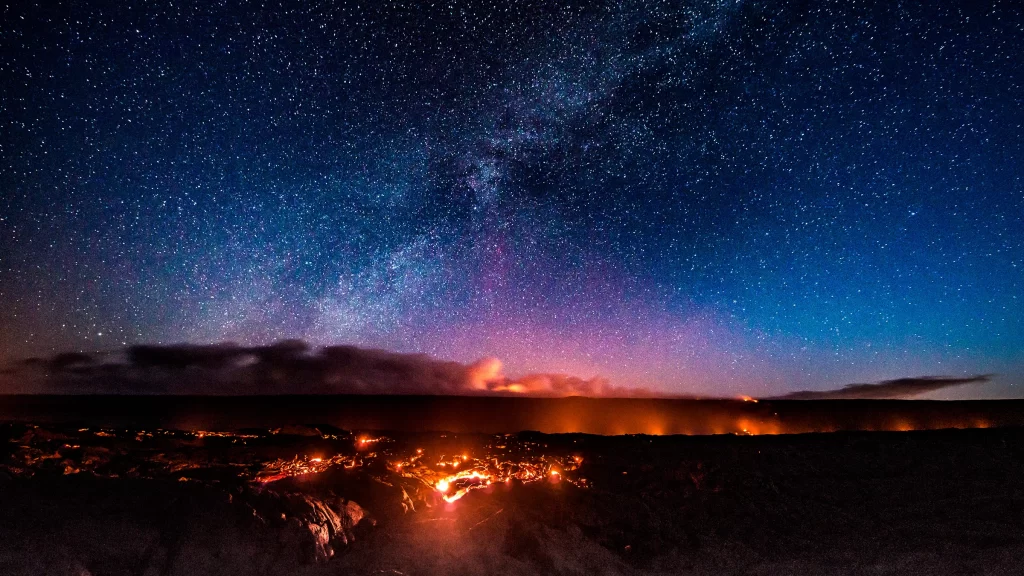
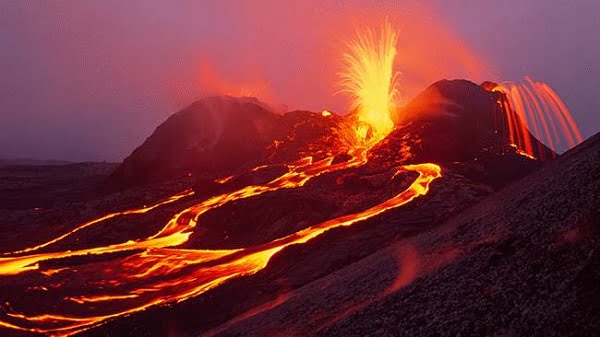
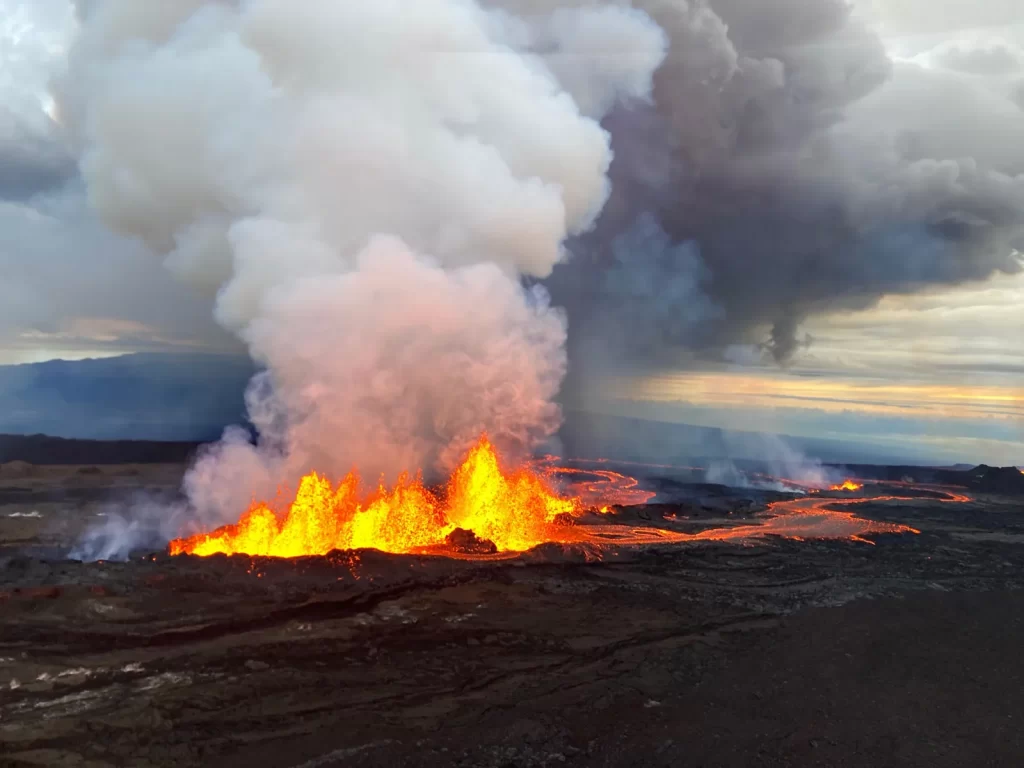
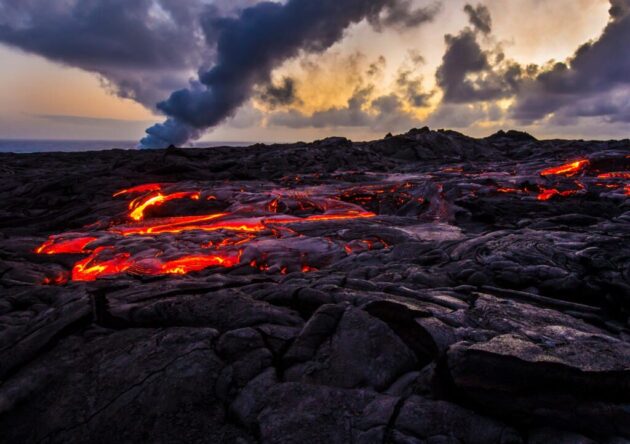
Lava Viewing: Kīlauea’s activity is unpredictable, with intermittent eruptions (e.g., recent activity in May 2025 at Halemaʻumaʻu Crater). Check the USGS Hawaiian Volcano Observatory or park’s social media (Facebook, Instagram, Twitter) for real-time eruption updates. Night visits enhance the glow of molten lava, if active.
Note: A two-year construction project (ongoing as of 2025) to repair 2018 eruption damage may cause closures or delays. Check the park’s website for updates.
Tickets and Fees
Entrance Fees (valid for 7 days): $30 per vehicle (up to 15 passengers); $25 per motorcycle; $15 per pedestrian or cyclist; Free on designated National Park free days (check www.nps.gov for dates).
Camping Fees: Nāmakanipaio Campground: $15/night (cabins available, sleep 4). Kulanaokuaiki Campground: $10/night ($5 with Senior/Access passes), no water, pets prohibited.
Backcountry Hiking: Some areas require a $10 permit.
Tip: Purchase tickets at the park entrance or online via www.nps.gov. Arrive before 10:00 AM to secure parking, as lots fill quickly.
What to See and Do
Kīlauea Visitor Center: Start here for maps, ranger talks, and eruption updates. Watch a 25-minute film introducing the park’s geology and Hawaiian culture (9:00 AM–5:00 PM). The gift shop sells sweatshirts for cooler weather.
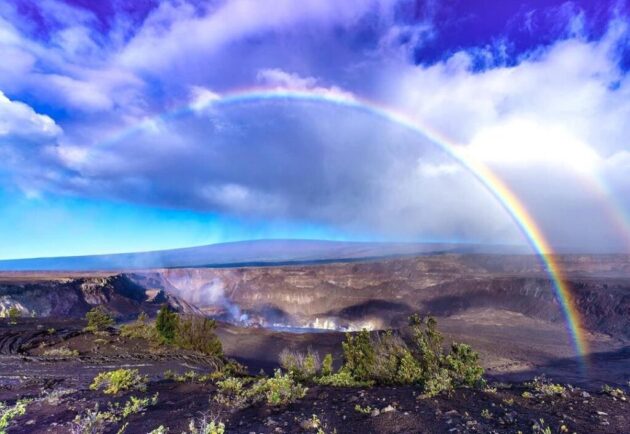
Crater Rim Drive: This 10.6-mile scenic drive circles Kīlauea Caldera, offering stops at: Uēkahuna: The highest point on the rim with views of Kīlauea, Mauna Loa, and Native Hawaiian cultural sites.
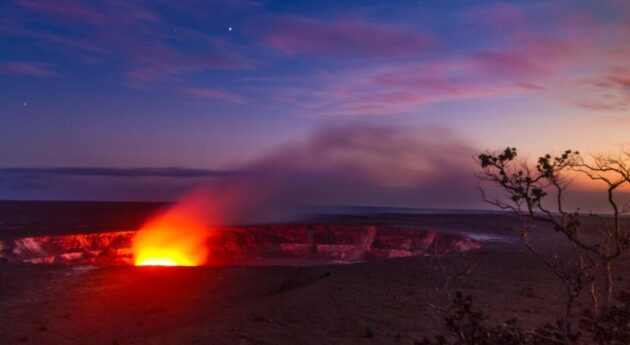
Kīlauea Overlook: Stunning views of Halemaʻumaʻu Crater, home to Pele, with glowing lava visible at night during eruptions.
Wahinekapu (Steaming Bluff): See steam vents where groundwater meets hot rock.
Haʻakulamanu (Sulphur Banks): A paved trail through colorful volcanic mineral deposits.
Nāhuku (Thurston Lava Tube): Walk through a 500-year-old lava tube formed by flowing lava. Tip: Some sections may be closed due to construction; check park status.
Chain of Craters Road: A 30-mile drive from Kīlauea’s summit to the Pacific Ocean, passing craters like Puʻu Ōʻō, Lua Manu, and Pauahi. Highlights include: Holei Sea Arch: A 27.5-meter arch carved by waves. Puʻu Loa Petroglyphs: Over 23,000 ancient Hawaiian carvings, a sacred site (1200–1450 AD). Open 10:00 AM–9:00 PM. Allow 2–3 hours round-trip, as it’s a dead-end road.
Kīlauea Iki Trail: A 4-mile moderate loop (2–3 hours) descending into the Kīlauea Iki Crater, formed in 1959. Hike across a solidified lava lake surrounded by native ferns and ʻōhiʻa trees. Start at Kīlauea Iki Overlook and go counterclockwise to avoid crowds. For a longer trek (6 miles), begin at Devastation Trail. Tip: Wear sturdy shoes; the trail includes a 400-foot elevation change.
Devastation Trail: A 1-mile round-trip walk through a landscape reshaped by the 1959 Kīlauea Iki eruption. See regenerating ʻōhiʻa trees and aerial roots adapting to volcanic ash. Highly photogenic.
Hiking and Backpacking: The park offers 150 miles of trails, from easy walks to multi-day treks. Notable hikes include:
Kīpukapuaulu Trail: A 1.2-mile loop through a native forest “island” surrounded by lava flows, ideal for birdwatching (ʻelepaio, ʻōmaʻo, ʻākepa).
Mauna Loa Summit Trail: A challenging 4–5-day backpacking trip to 13,679 feet, requiring a permit. Check trail conditions at the Visitor Center, as volcanic activity or construction may close paths.
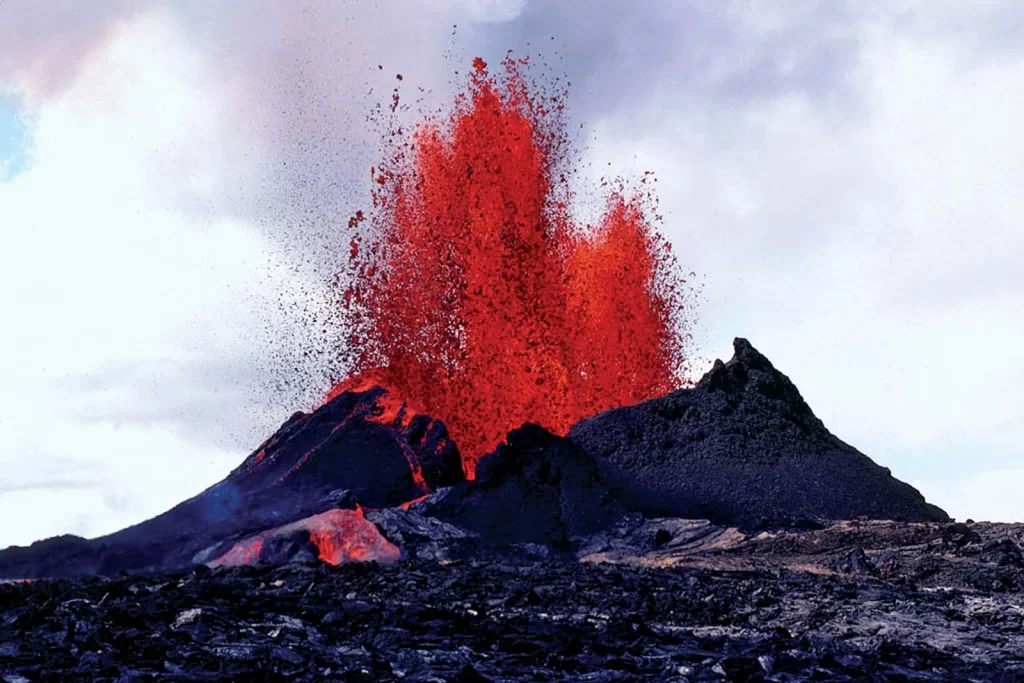
Lava Viewing: Kīlauea’s Halemaʻumaʻu Crater occasionally hosts lava fountains (e.g., 700–1,000 feet high in May 2025). Night visits enhance visibility of the red glow. Always check USGS updates and stay out of closed areas due to volcanic gas risks. Helicopter Tours: For a safe aerial view of lava flows, book with operators like Paradise Helicopters ($300–$500).
Birdwatching: Spot endemic species like the nēnē (Hawaiian goose), ʻio (Hawaiian hawk), and ʻiʻiwi (scarlet honeycreeper). The Kīpukapuaulu Trail is a hotspot for rare birds.
Cultural Exploration: Learn about Pele and Hawaiian traditions through ranger talks or exhibits at the Visitor Center. The park’s Kahuku Unit (1-hour drive from Kīlauea, open weekends 9:00 AM–3:00 PM) offers insights into Hawaiian ranching history and native ecosystems.
Volcano Art Center: Near the Visitor Center, explore works by over 300 Hawaiian artists. Open 9:00 AM–5:00 PM, with workshops and nature walks. The nearby Niaulani Campus Trail (0.7 miles) winds through a 200-year-old rainforest.
Where to Eat
Inside the Park: Options are limited. The Volcano House (on Crater Rim Drive) has a restaurant serving local dishes ($20–$40) and stunning caldera views. Bring snacks and water, as other food outlets are scarce.
Volcano Village (5-minute drive): Ohelo Café: Wood-fired pizzas, local fish, and Hawaiian-inspired dishes ($15–$30). Reservations recommended; closed Tuesdays/Wednesdays. Tuk-Tuk Food Wagon: Authentic Thai food at Akatsuka Orchid Gardens ($10–$20). Volcano Winery: America’s southernmost winery, offering tastings of unique volcanic-soil wines like guava or macadamia nut honey wine ($10–$15). Book in advance.
Hilo (30 miles away): Stock up on snacks at Island Naturals or Hilo Farmers Market (open daily).
Where to Stay
Inside the Park: Volcano House Hotel: Historic lodge with caldera views, starting at $200/night. Book early. Nāmakanipaio Campground: Cabins ($80–$100) and tent sites ($15). Restrooms, picnic tables, and firepits available. Kulanaokuaiki Campground: Basic tent sites ($10), no water. 7-day stay limit.
Volcano Village: Chalet Kilauea: Cozy B&Bs with fireplaces, $100–$200/night. Vacation Rentals: Numerous Airbnbs with hot tubs, starting at $80/night.
Hilo (30 miles): Hilo Hawaiian Hotel: Mid-range, oceanfront, $150–$250/night. Grand Naniloa Hotel: Upscale, $200–$350/night.
Kailua-Kona (96 miles): Courtyard by Marriott King Kamehameha’s Kona Beach Hotel: Beachfront, $250–$400/night. Hostels: Budget options like Kona Hostel ($40–$80/night).
Tips for a Great Visit
Safety First: Stay on marked trails, heed warning signs, and avoid closed areas due to volcanic gases or unstable ground. Check air quality if you have respiratory issues. Pack Smart: Bring hiking shoes, layers (temperatures vary from 50–85°F), sunscreen, water, snacks, and a flashlight/headlamp for night visits.
Lava Viewing Safety: Never approach active lava flows on foot; use guided tours or helicopter views for safety. Follow USGS and park ranger advice. Avoid Crowds: Arrive before 9:00 AM to beat tour buses. Parking at popular spots like Thurston Lava Tube fills fast.
Combine Your Trip: Visit nearby Punaluʻu Black Sand Beach (1-hour drive) to see green turtles or Mauna Kea for world-class stargazing. Respect the Land: Take the Hawaiʻi Pono Pledge to preserve natural and cultural resources. Don’t touch wildlife or plants, and pack out all trash.
Construction Note: Ongoing repairs from the 2018 eruption may limit access to some areas. Check www.nps.gov/havo for updates.
Final Thoughts
Hawaii Volcanoes National Park is a geological marvel and a cultural treasure, offering a rare chance to witness the Earth’s creative and destructive forces. Whether hiking across a crater, marveling at glowing lava, or exploring Hawaiian heritage, the park delivers an adventure unlike any other. Plan ahead, stay safe, and let the Big Island’s volcanic majesty leave you in awe.
Happy travels!