Mauna Kea Summit Travel Guide (2026)
Mauna Kea, standing at 13,796 feet (4,205 meters) above sea level, is the highest peak in Hawaii and the tallest mountain in the world when measured from its base on the ocean floor. Located on the Big Island, this dormant volcano is a sacred site for Native Hawaiians, home to world-class astronomical observatories, and a bucket-list destination for breathtaking sunsets and stargazing.
Why Visit Mauna Kea Summit?
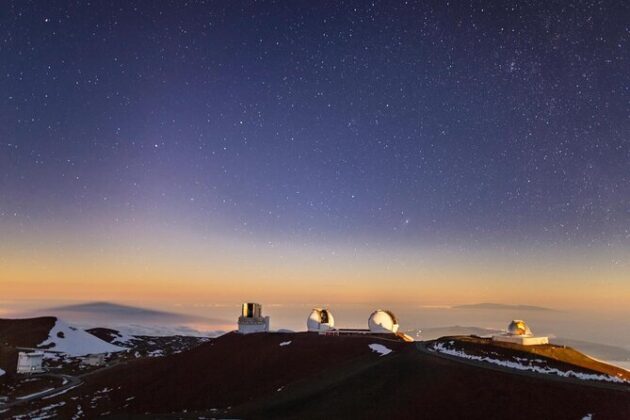
Mauna Kea offers a surreal experience unlike the typical tropical Hawaiian getaway. Its summit, often dusted with snow, provides a stark contrast to the island’s beaches below. The mountain is renowned for its clear, dark skies, making it one of the world’s best locations for stargazing, hosting 13 advanced telescopes from 11 countries.
The summit’s sacred status, tied to Native Hawaiian culture as the home of snow goddess Poli‘ahu, adds a profound spiritual dimension. From witnessing a sunset above the clouds to marveling at the Milky Way, Mauna Kea is a must-visit for a unique Big Island adventure.
How to Get There
Mauna Kea is located centrally on the Big Island, accessible from Kona, Hilo, or Waimea. The summit requires a 4WD vehicle or a guided tour due to the steep, unpaved road beyond the Visitor Information Station (VIS) at 9,200 feet.
By Car: From Kona (west coast): Take Highway 190 to the Saddle Road (Highway 200), then turn left onto the Mauna Kea Access Road at mile marker 28 (2-hour drive, ~45 miles). The VIS is a 15-minute drive from this turn. From Hilo (east coast): Take Saddle Road (Highway 200) west to the Access Road (1-hour drive, ~35 miles).
Important: Beyond the VIS, the 5-mile summit road is steep, gravel, and requires a true 4WD vehicle with low range. Most rental car companies (e.g., Hertz, Enterprise) prohibit their vehicles on this road, except for Harper Car and Truck Rental. Check your rental agreement to avoid fines or towing costs.
By Guided Tour: Tours are the safest and most informative option, offering 4WD transport, warm clothing, meals, and expert guides. Popular operators include Mauna Kea Summit Adventures ($216–$250/person) and Hawaii Forest & Trail ($179–$221/person). Pickups are available from Kona, Waikoloa, or the VIS. Tours typically include sunset at the summit and stargazing at the VIS.
By Public Transport: No public buses serve Mauna Kea. Taxis or ride-hailing services like Uber are impractical due to the remote location and road conditions.
Tip: Stop at the Onizuka Visitor Information Station (VIS) at 9,200 feet to acclimate for 30–60 minutes to reduce altitude sickness risks. The VIS offers restrooms, snacks, and educational displays. Open daily 9:00 AM–5:00 PM (closing earlier from December 2024 due to renovations).
Best Time to Visit
Year-Round Appeal: Mauna Kea is accessible year-round, but conditions vary. The summit road may close due to snow, ice, or high winds, especially in winter (October–April). Check road conditions at (808) 935-6268 or the Mauna Kea Weather Center website.
Snow Season: For a chance to see snow, visit between October and April, with the best opportunities in winter months. Snow is rare in summer (May–September).
Sunset and Stargazing: Aim for sunset tours (4–5 PM arrival at the summit) for dramatic views above the clouds. Moonless nights are ideal for stargazing, as moonlight can dim fainter stars. Check the lunar calendar and VIS stargazing program schedule.
Weather Tip: Temperatures at the summit average 32°F (0°C) and can drop below freezing, with strong winds common. Bring multiple layers, including a jacket, hat, gloves, long pants, and closed-toe shoes.
Tickets and Access
Cost: The summit and VIS are free to visit. Guided tours range from $179–$250, including transport, gear, meals, and stargazing. The VIS stargazing program is free but reservation-based during renovations (starting December 2024).
Restrictions: Visitors must leave the summit 30 minutes after sunset to avoid interfering with observatory operations. Only 4WD vehicles are allowed beyond the VIS. Rangers may check vehicles for compliance.
Health precautions: The summit’s 13,796-foot elevation poses risks of altitude sickness. Acclimatize at the VIS for at least 30 minutes. Pregnant women, children under 13, those with heart/respiratory issues, or recent scuba divers (within 24 hours) should not ascend beyond the VIS.
What to See and Do
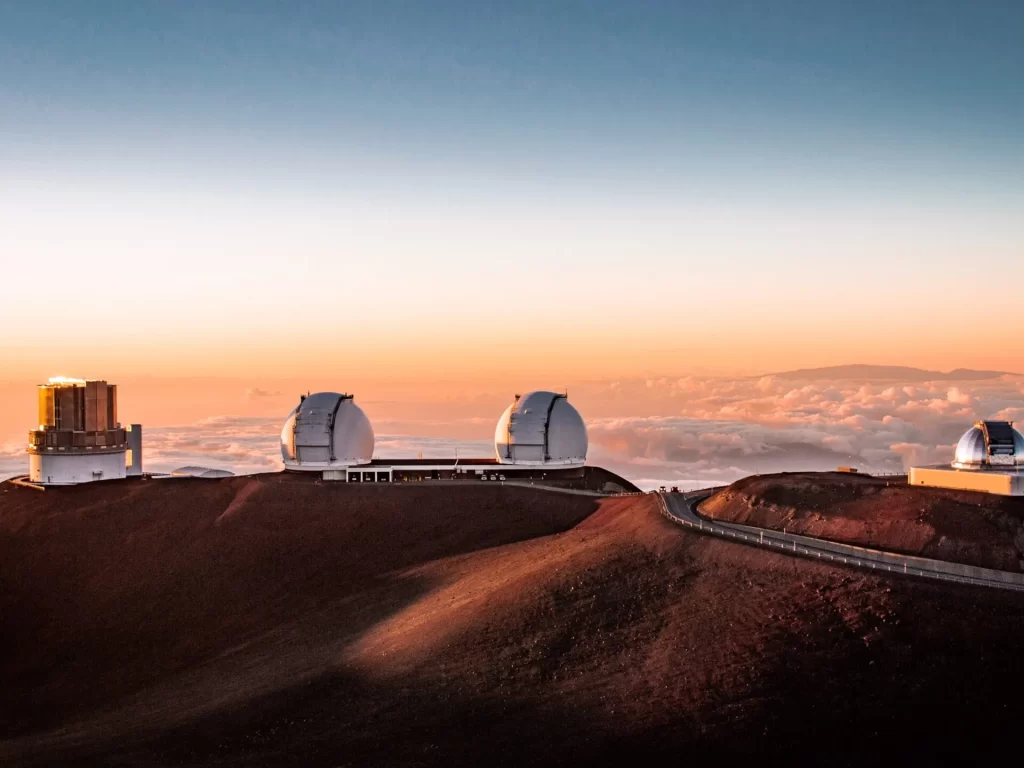
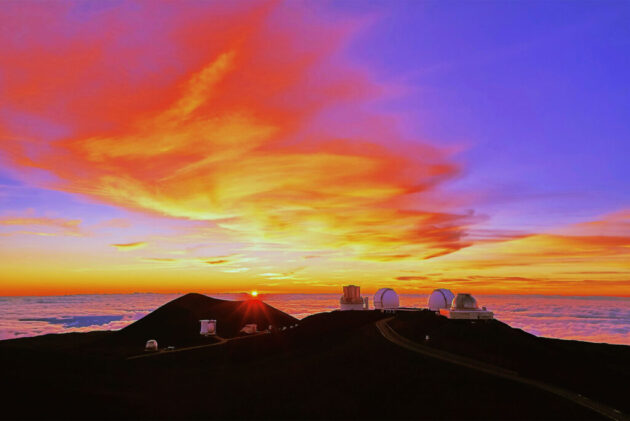
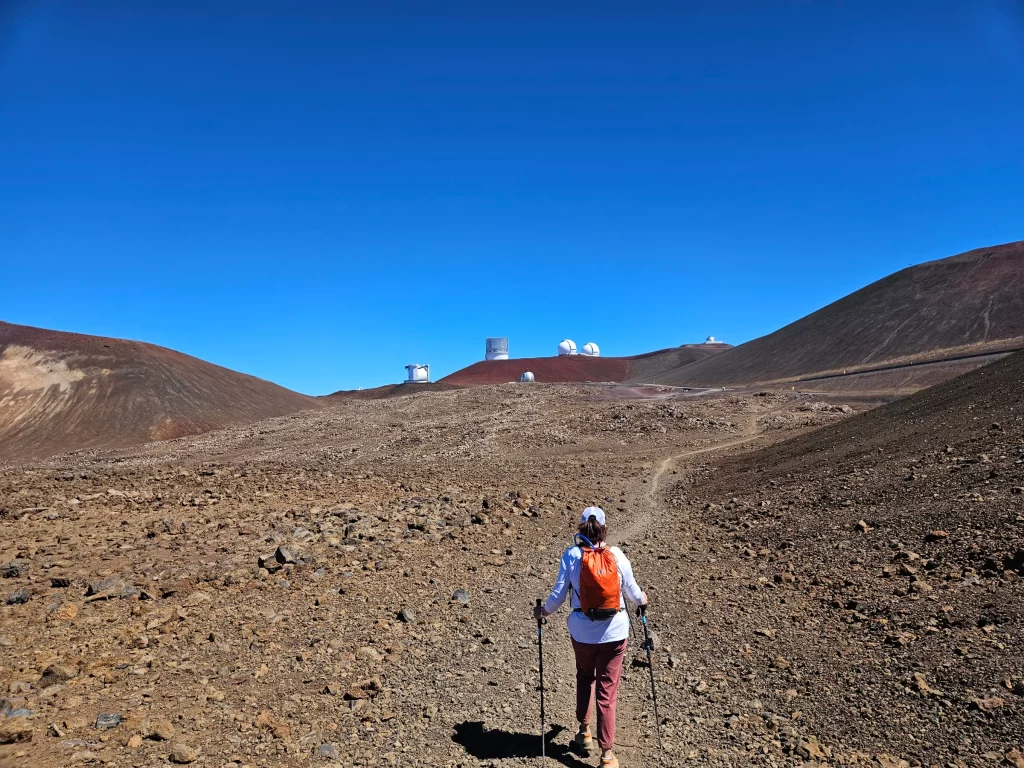
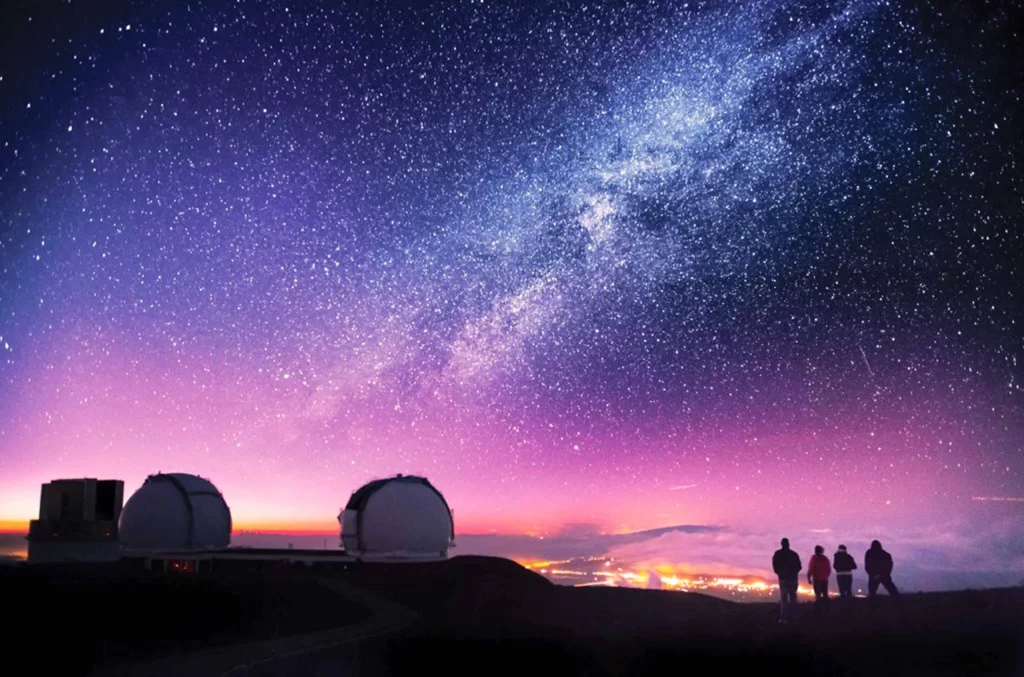
Sunset at the Summit: Watch the sun dip below a sea of clouds, casting vibrant hues over Mauna Loa, Hualalai, and even Haleakalā on Maui. The summit’s otherworldly landscape, dotted with cinder cones and telescopes, feels like another planet. Choose a spot with minimal observatory domes for unobstructed views.
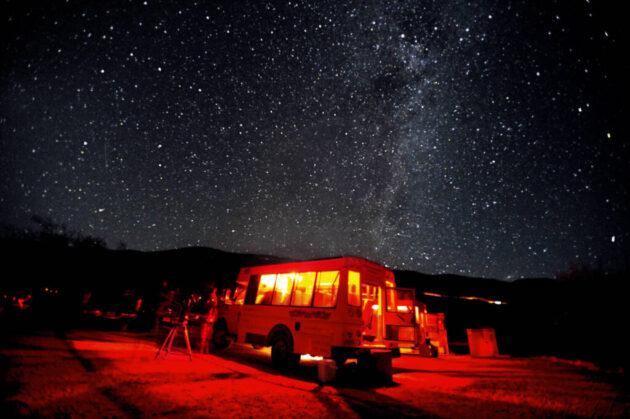
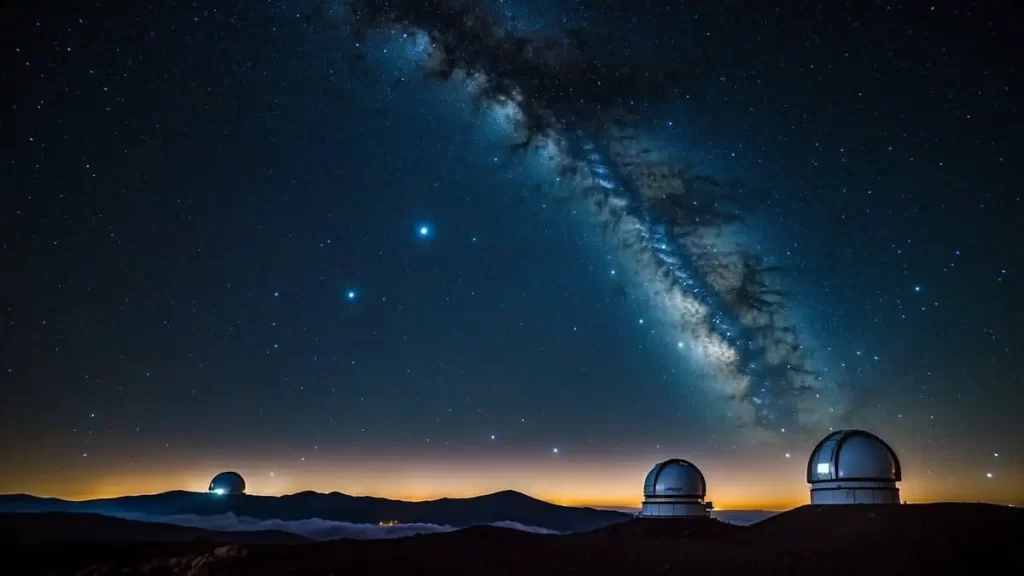
Stargazing: Mauna Kea’s clear, dry skies and minimal light pollution make it a global stargazing mecca. At the VIS (9,200 feet), join free stargazing programs (when available) or guided tours using telescopes like the 11” Celestron to view constellations, the Milky Way, and deep-space objects. Guides often share Hawaiian star navigation stories.
Hiking:
Lake Waiau Trail: A short 0.5-mile hike from the summit road’s switchback leads to Lake Waiau, one of the world’s highest lakes at 13,020 feet. This sacred site is culturally significant—do not enter or disturb the water.
Mauna Kea Summit Trail: A challenging 12-mile round-trip hike from the VIS to the summit, best for experienced hikers due to altitude and terrain.
Pu’u Kalepeamoa: A short hike near the VIS for sunset views if you don’t ascend to the summit.
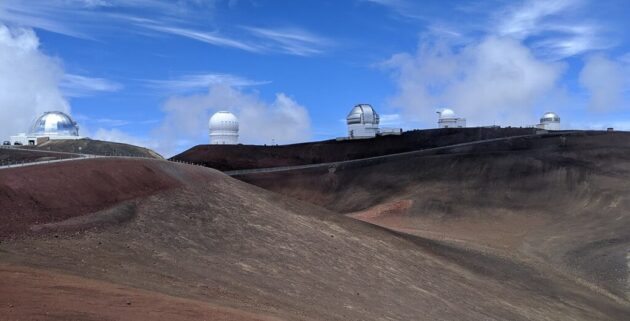
Observatories: The summit hosts world-class telescopes (e.g., Keck, Subaru, Gemini), but they are not open to the public. The W.M. Keck Observatory Visitor Gallery (open weekdays 10 AM–4 PM) offers informational panels and a view of the telescope dome.
Cultural Significance: Respect Mauna Kea’s sacred status. Avoid disturbing rocks or cultural sites, and follow ranger guidelines. Learn about its importance as the home of Poli‘ahu and its role in Hawaiian cosmology at the VIS or through guided tours.
Where to Eat
On-Site: The VIS offers snacks and hot drinks (coffee, hot chocolate) but no full meals. Bring your own food for picnics. Guided tours often include a hot meal (e.g., chicken stew or vegetarian chili) at the VIS or nearby sites like Gilbert Kahele Recreational Park.
Nearby: In Waimea (30 miles away), try Merriman’s for farm-to-table Hawaiian cuisine or Hawaiian Style Café for hearty local dishes. In Hilo (35 miles), Cafe Pesto offers pizza and seafood. Pack snacks and water, as no food is available at the summit.
Where to Stay
Kona (45 miles away): Courtyard by Marriott King Kamehameha’s Kona Beach Hotel (3-star, ~$200–$300/night): Beachfront with cultural activities. Royal Kona Resort (3-star, ~$150–$250/night): Affordable with ocean views.
Waikoloa (30 miles away): Hilton Waikoloa Village (4-star, ~$300–$500/night): Resort with pools and dining. Waikoloa Beach Marriott Resort (4-star, ~$250–$400/night): Beachfront luxury.
Hilo (35 miles away): Grand Naniloa Hotel Hilo (3-star, ~$150–$250/night): Waterfront with cultural programs. Hilo Hawaiian Hotel (3-star, ~$120–$200/night): Budget-friendly with bay views.
Camping: No camping is allowed at the summit or VIS, but Mauna Kea State Park (Halepohaku, near the VIS) offers cabins for rent (book via Hawaii State Parks).
Tips for a Great Visit
Acclimatization: Spend 30–60 minutes at the VIS to adjust to the altitude. Symptoms of altitude sickness include dizziness and nausea—descend immediately if unwell. Dress Warmly: Expect freezing temperatures and wind. Tours provide parkas, but bring your own layers, hat, gloves, and sturdy shoes.
Respect the Land: Mauna Kea is sacred. Do not disturb rocks, build cairns, or enter Lake Waiau. Follow ranger instructions and stay on designated trails. Photography: Bring a camera for sunset and landscape shots, but note that stargazing photos require specialized equipment. Tours may provide digital images.
Combine Your Trip: Pair with nearby attractions like Hawai’i Volcanoes National Park (80 miles from Hilo) or Hapuna Beach (30 miles from Waimea) for a full Big Island experience.
Final Thoughts
Mauna Kea Summit offers a rare chance to stand above the clouds, witness a breathtaking sunset, and gaze at a star-filled sky unmatched anywhere else. Its blend of natural beauty, cultural significance, and scientific importance makes it a highlight of any Big Island trip. Whether you choose a guided tour for convenience or drive yourself for adventure, prepare for the altitude, respect the sacred landscape, and immerse yourself in this once-in-a-lifetime experience.
Happy travels!