A Travel Guide to Maui
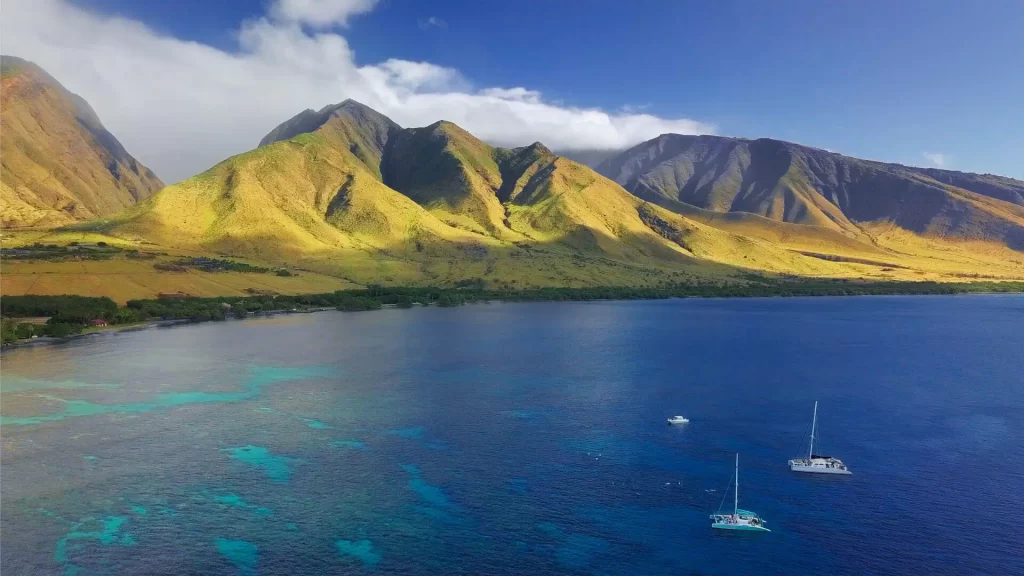
Maui, known as the “Valley Isle,” is the second-largest island in Hawaii and a world-renowned tropical paradise. With its pristine beaches, lush rainforests, towering volcanoes, and rich Native Hawaiian culture, Maui offers a perfect blend of relaxation, adventure, and cultural immersion. Whether you’re seeking to snorkel in turquoise waters, hike volcanic trails, or savor local cuisine, this guide will help you plan an unforgettable trip to Maui in 2025.
Why Visit Maui?
Maui’s diverse landscapes and activities make it a top destination for travelers. From the golden sands of Wailea Beach to the dramatic Haleakalā National Park, the island caters to beach lovers, adventurers, and culture enthusiasts alike. Its warm “Aloha spirit,” vibrant food scene, and opportunities to engage with Native Hawaiian traditions create a unique experience. Despite the devastating 2023 wildfires that impacted areas like Lahaina, Maui is welcoming visitors with a focus on mindful tourism to support local recovery.
How to Get There
By Air: Kahului Airport (OGG): Maui’s main airport, located in Central Maui, serves international and domestic flights from cities like Los Angeles, Seattle, and Honolulu. Non-stop flights are available from major U.S. cities and Canada. A flight from Honolulu (HNL) takes about 30 minutes. Kapalua Airport (JHM): A smaller airport in West Maui, primarily for interisland flights from Honolulu via Mokulele Airlines. Hana Airport (HNM): Used for small interisland flights to East Maui.
Tip: Book flights early, especially during high season (December–April), and consider Discount Hawaii Car Rental for competitive rates.
By Ferry: Daily ferry services connect Maui to Lānaʻi, with no direct ferries to other islands. The Maui-Lānaʻi ferry departs from Lahaina (currently limited due to wildfire recovery).
Visa Requirements: U.S. citizens need no visa or passport. Non-U.S. citizens from Visa Waiver Program countries can visit for up to 90 days without a visa; others should check U.S. entry requirements.
Best Time to Visit
Summer (April–October): Warm, dry weather (75–85°F) with minimal rain, ideal for beach activities and surfing. April–May and September–October are less crowded and more affordable. Winter (November–March): Milder temperatures (70–80°F) with more rain, especially in Upcountry and East Maui. This is peak season for humpback whale watching (December–April).
Hurricane Season: June–November, with peak risk from August to October, though direct hits are rare due to Maui’s geography. Travel insurance is recommended during these months. Tip: Avoid Japan’s Golden Week (late April–early May) for fewer crowds and better availability. For Haleakalā sunrise visits, reserve a pass in advance due to limited spots.
Top Attractions
Haleakalā National Park
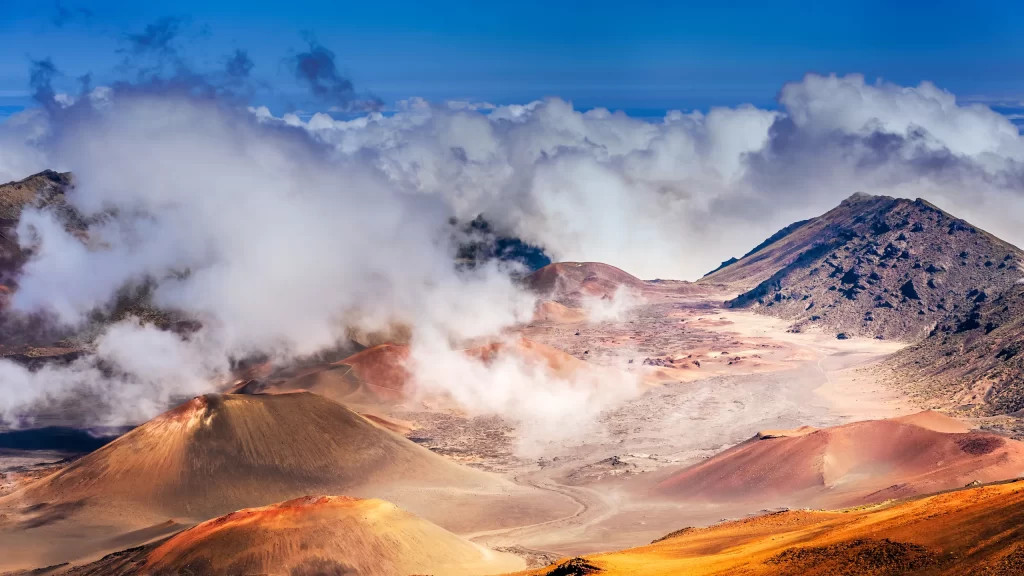
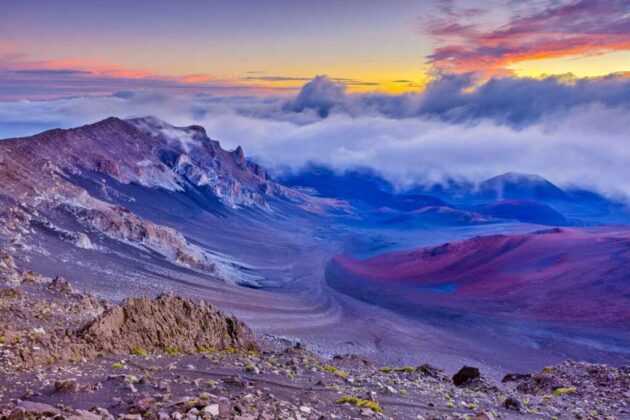
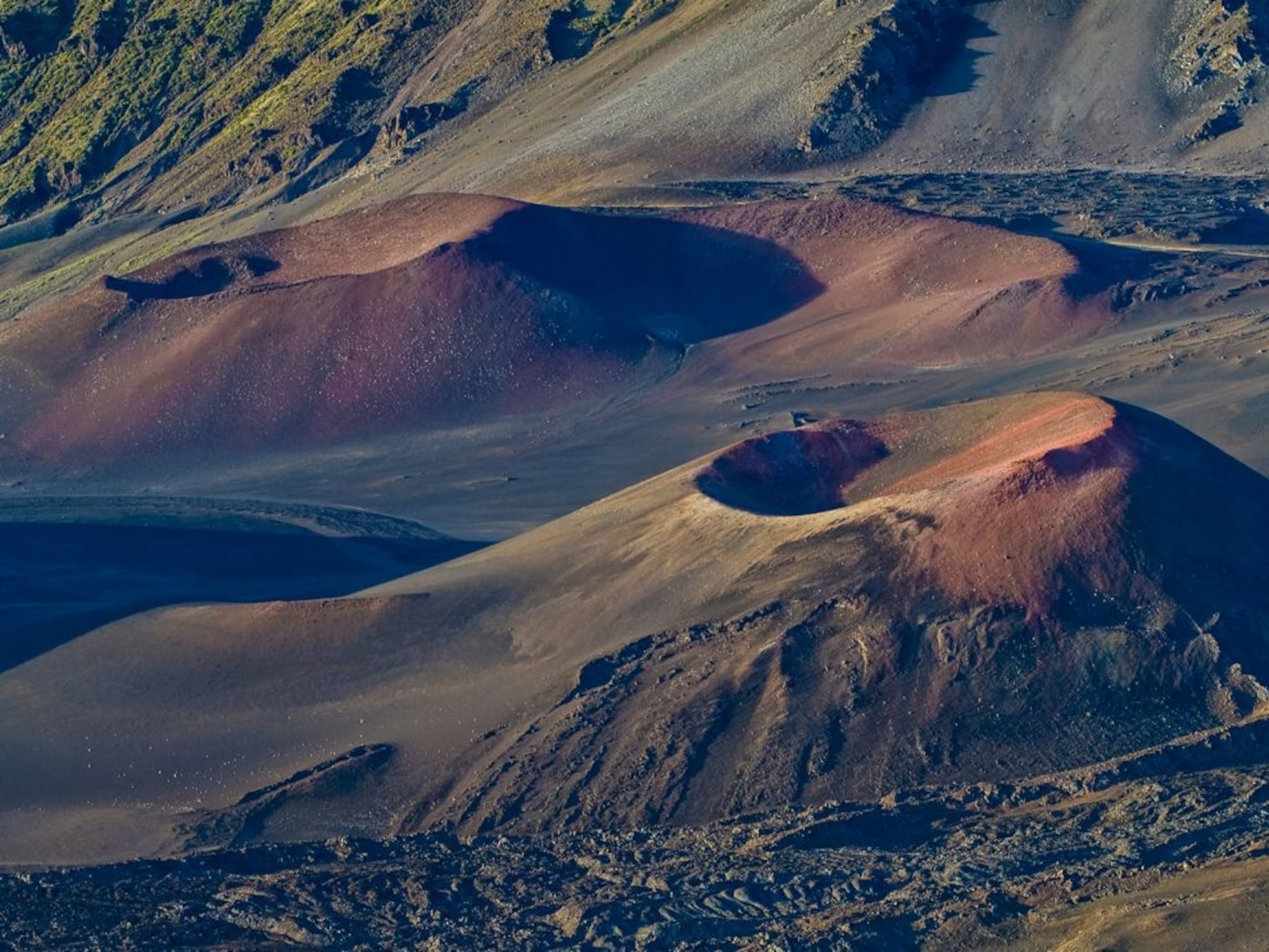
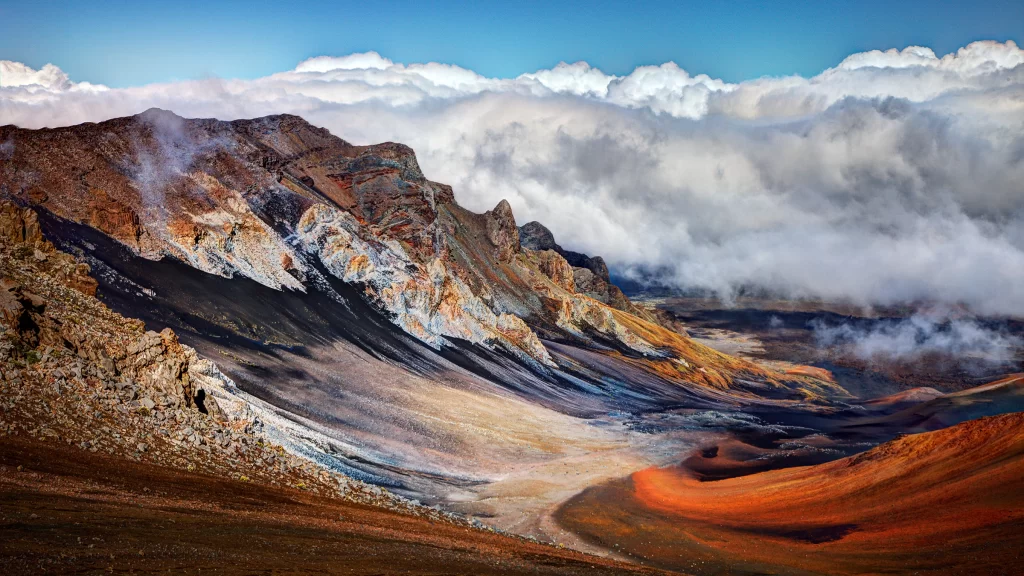
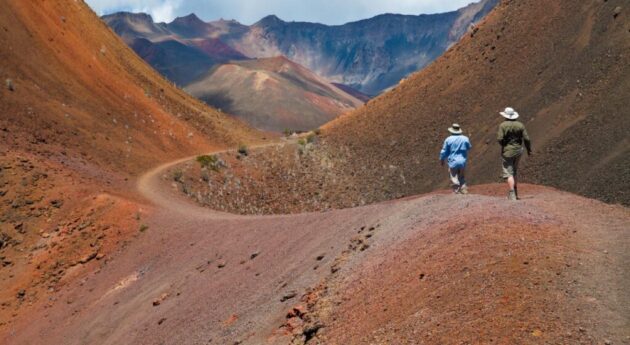
Haleakalā National Park, located on the island of Maui in Hawaii, is a breathtaking destination known for its dramatic volcanic landscapes, vibrant sunrises, and rich biodiversity. Spanning over 30,000 acres, the park encompasses two distinct regions: the Summit District, featuring the massive Haleakalā Crater, and the Kīpahulu District, a lush coastal rainforest. Named “House of the Sun” in Hawaiian, Haleakalā is steeped in cultural significance and offers unforgettable experiences for hikers, stargazers, and nature lovers.
Road to Hana
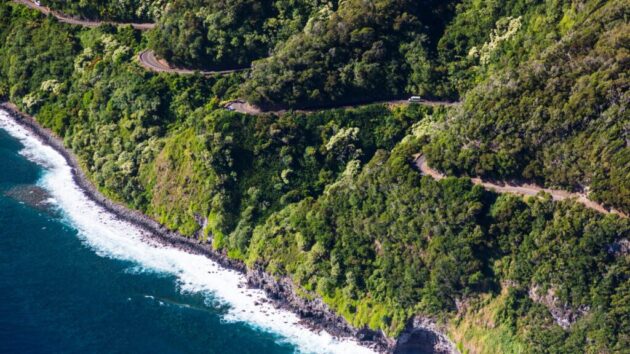
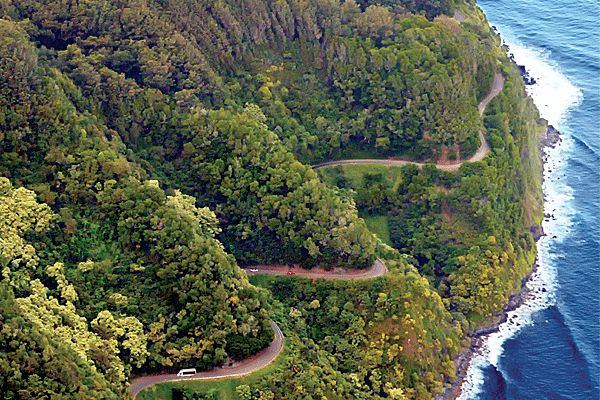
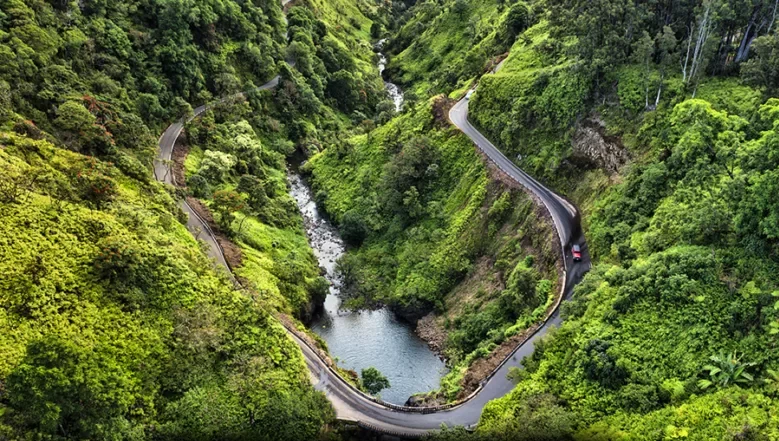
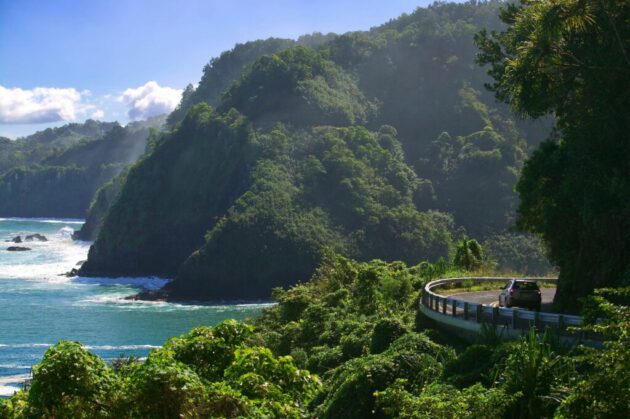
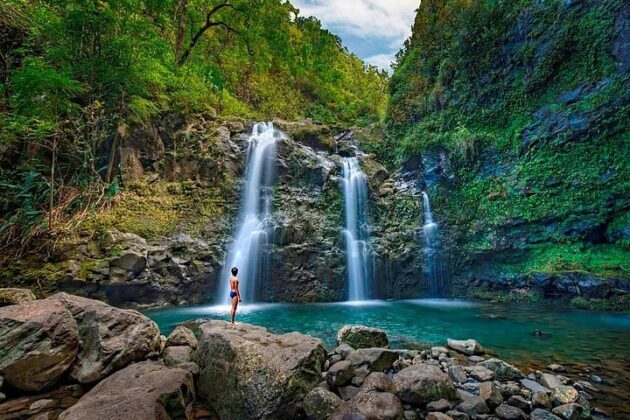
The Road to Hana, or Hana Highway, is one of the most iconic scenic drives in the world, winding 64.4 miles along Maui’s northeastern coast from Kahului to the tranquil town of Hana. This 83-kilometer stretch of Hawaii Routes 36 and 360 is famous for its lush rainforests, cascading waterfalls, black sand beaches, and over 600 curves, including 59 one-lane bridges. Known as both a thrilling journey and a cultural experience, the Road to Hana is as much about the stops along the way as the destination itself.
Molokini Crater
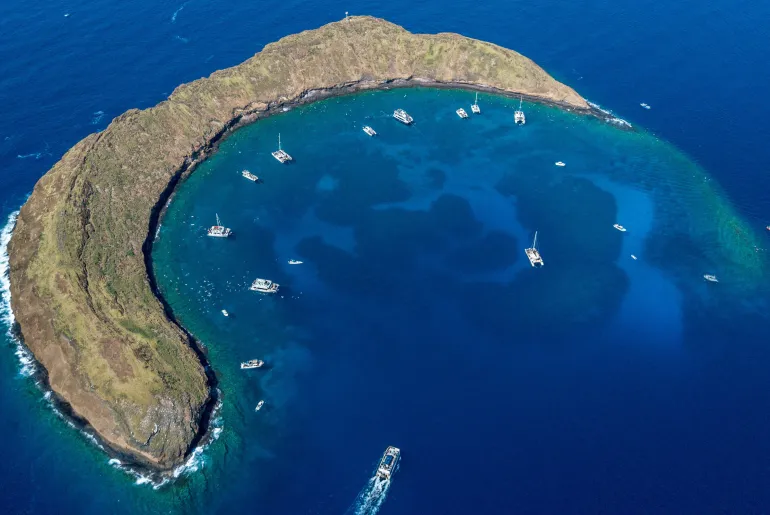
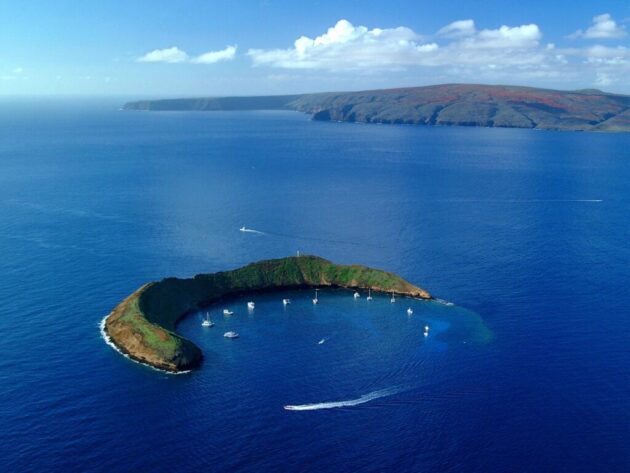
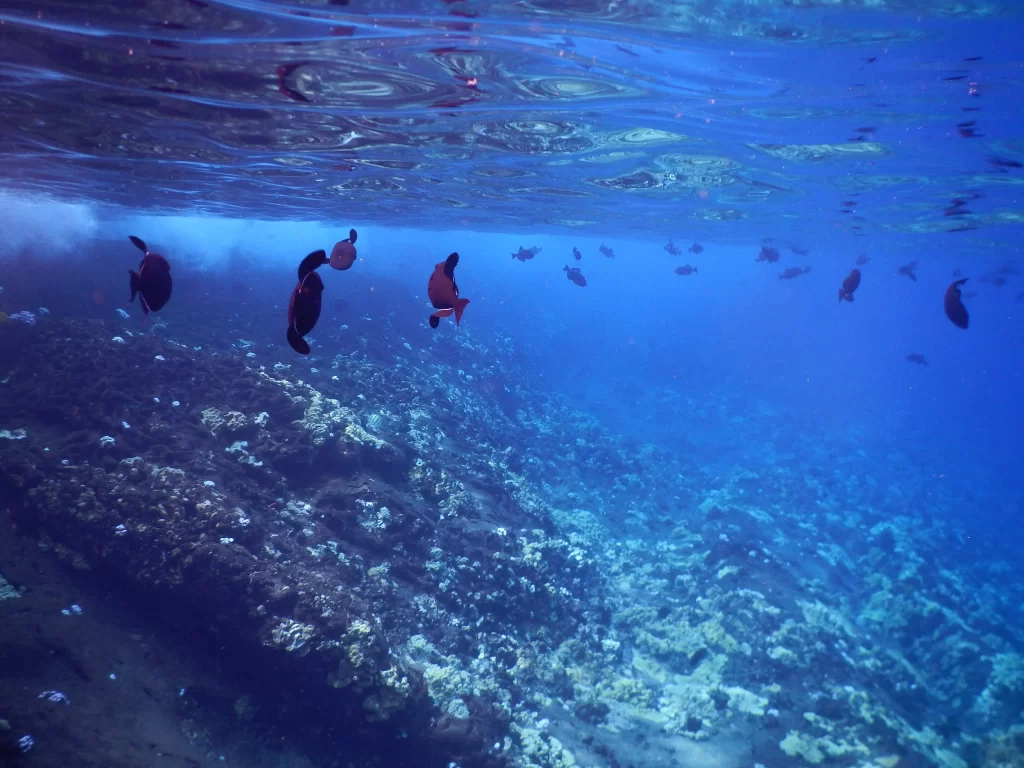
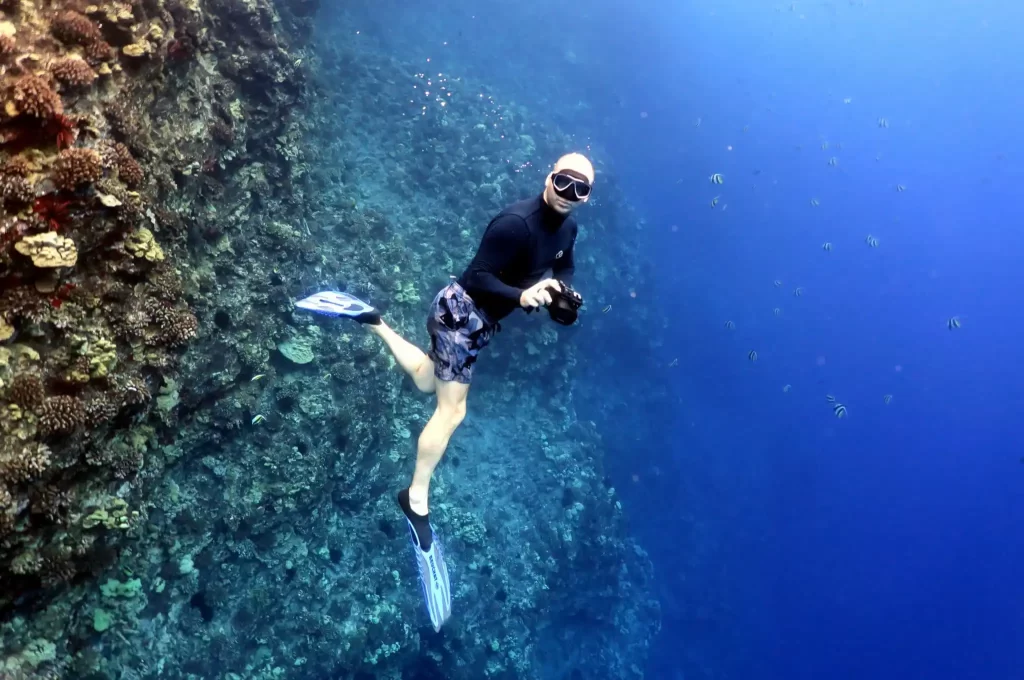
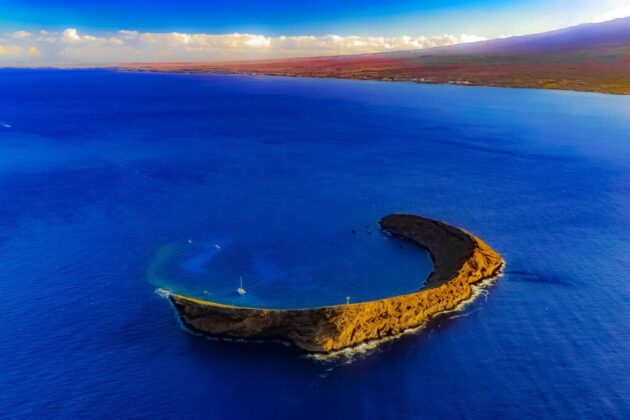
Molokini Crater, a crescent-shaped, partially submerged volcanic islet off the southern coast of Maui, Hawaii, is one of the world’s premier snorkeling and diving destinations. Formed approximately 230,000 years ago by a volcanic eruption, this federally protected Marine Life Conservation District and Hawaii State Seabird Sanctuary is renowned for its crystal-clear waters, vibrant coral reefs, and diverse marine life. With visibility often exceeding 150 feet and over 250 species of tropical fish, Molokini offers an unparalleled underwater adventure.
Maui Ocean Center
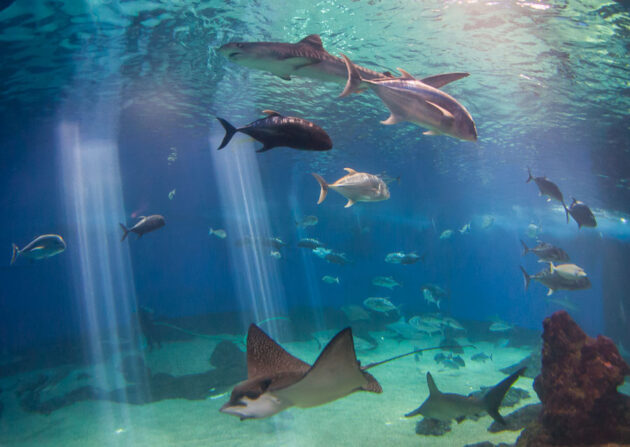
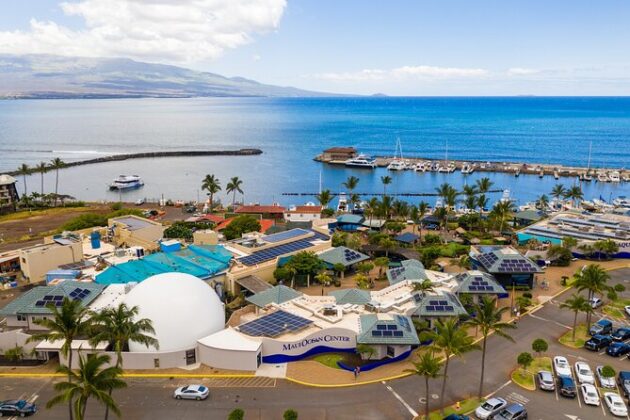
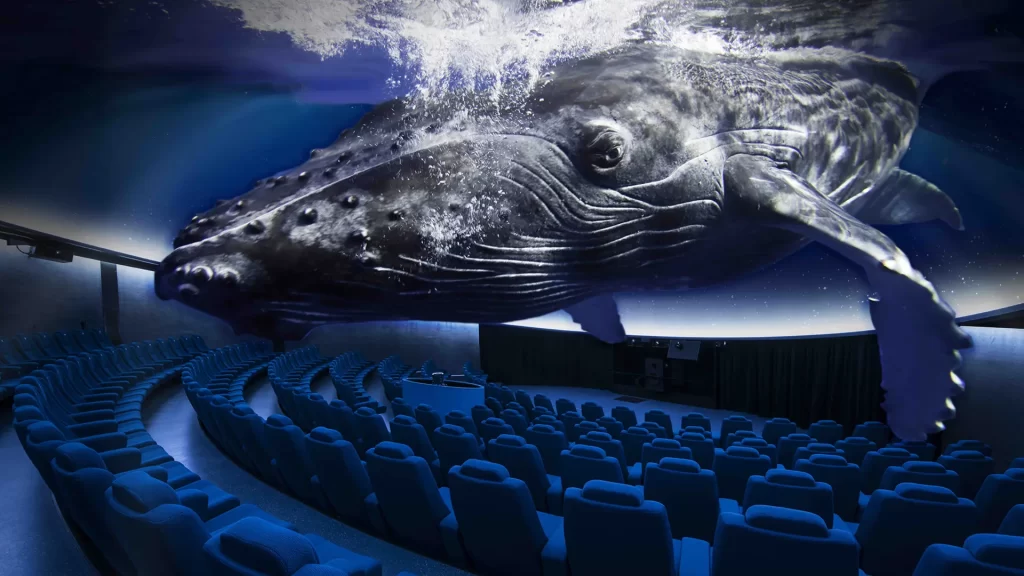
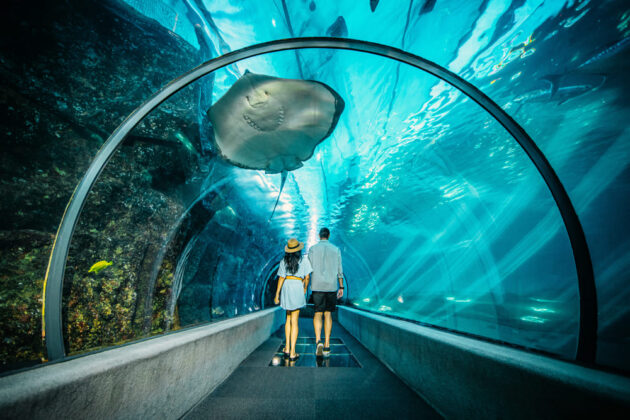
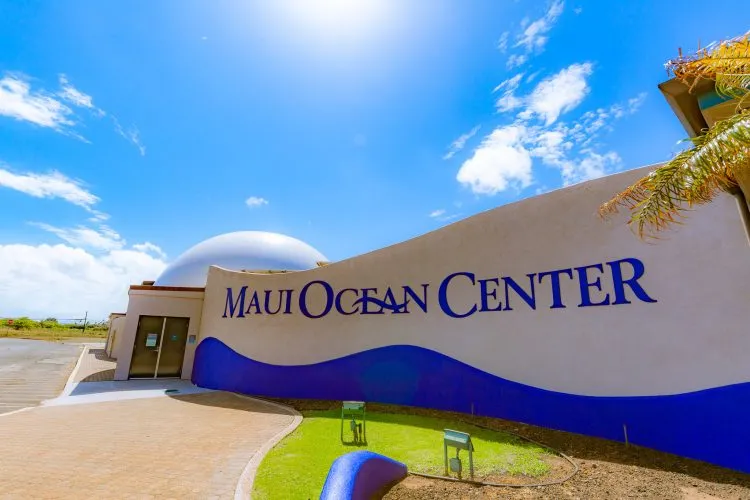
Located in Wailuku, Hawaii, the Maui Ocean Center is a world-renowned aquarium and marine park dedicated to preserving and showcasing Hawaii’s unique marine ecosystem. It’s one of Maui’s top attractions, offering an immersive experience into the Pacific Ocean’s underwater world. With a combination of interactive exhibits, a massive ocean tunnel, and educational programs, it’s perfect for visitors of all ages.
Kaanapali Beach
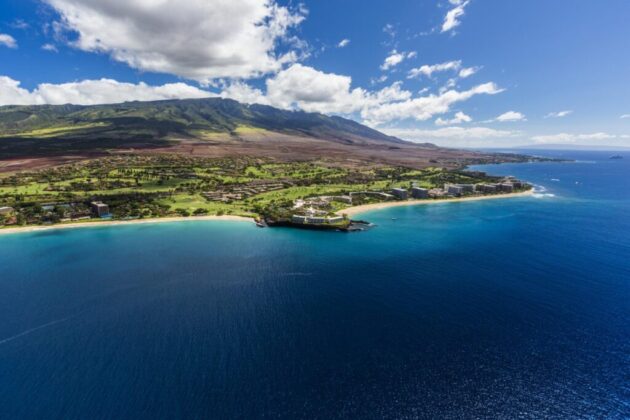
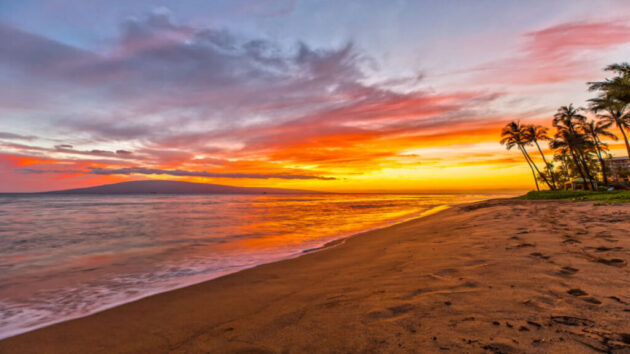
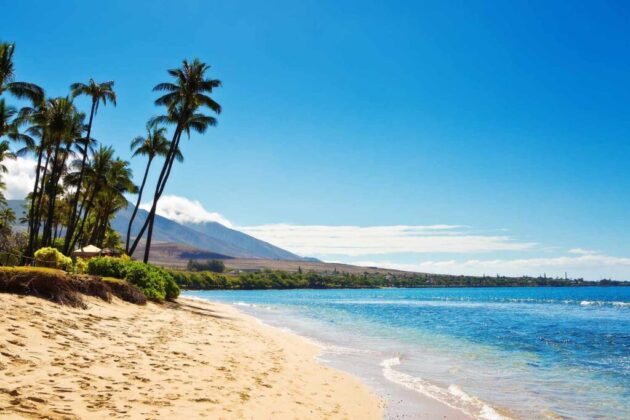
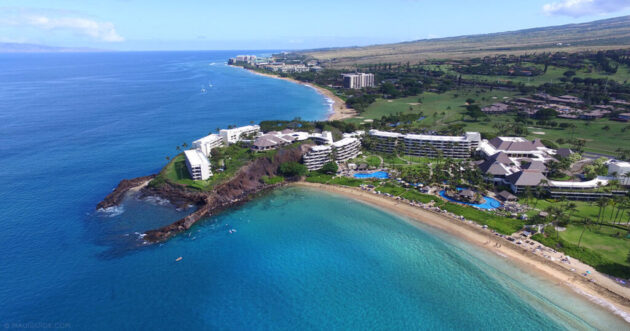
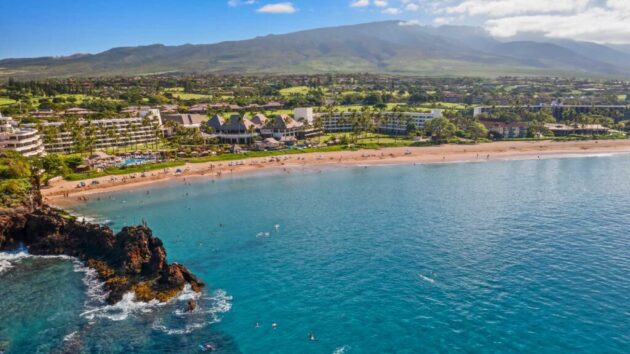
Kaanapali Beach, a stunning three-mile stretch of golden sand on Maui’s west coast, is one of Hawaii’s most iconic destinations. Once a retreat for Hawaiian royalty, this award-winning beach—named America’s Best Beach in the past—offers crystal-clear waters, vibrant marine life, and a lively resort atmosphere. With its blend of natural beauty, cultural experiences, and modern amenities, Kaanapali is perfect for families, couples, and adventure seekers alike.
Wailea Beach
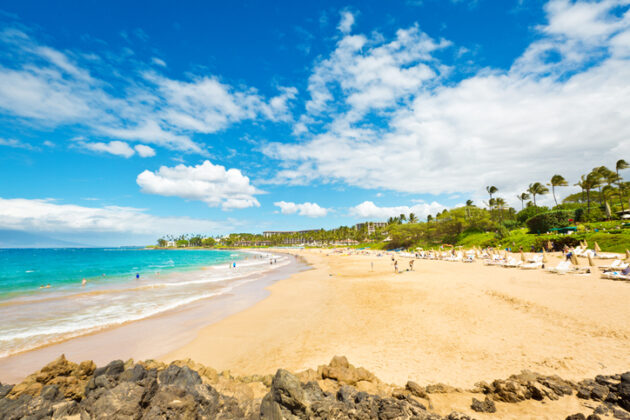
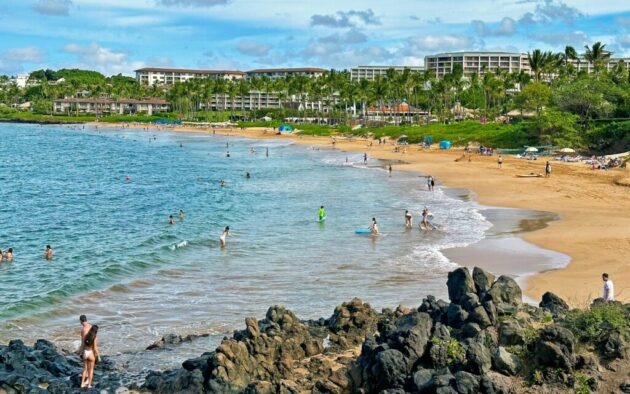
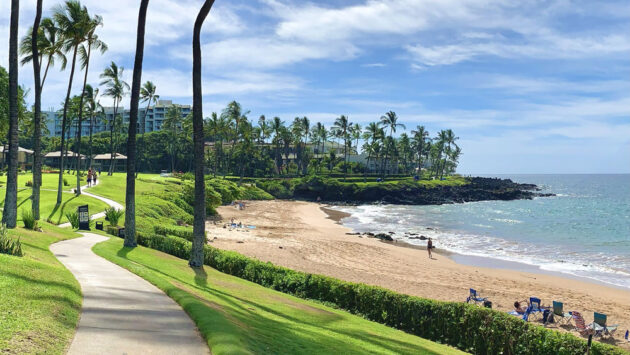
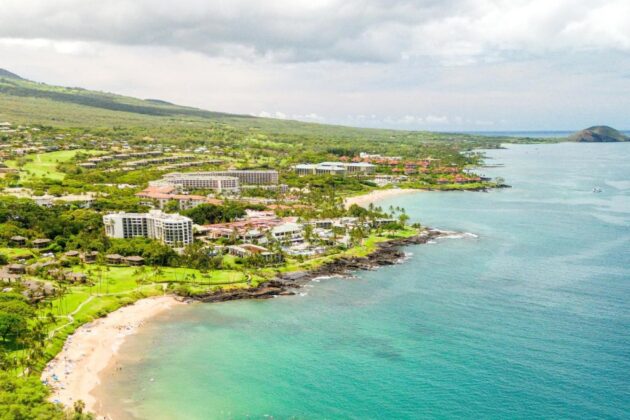
Wailea Beach is the crown jewel of Maui’s prestigious Wailea resort community, a 1,500-acre enclave known for its pristine beaches, world-class golf courses, and high-end accommodations. Named “America’s Best Beach” in 1999, it boasts gentle waves ideal for swimming, snorkeling, and paddleboarding, especially for families and beginners. The beach is framed by lush tropical vegetation and flanked by luxury resorts like the Grand Wailea and Four Seasons Resort Maui, offering easy access to top-tier dining, spas, and cultural experiences.

Makena State Park
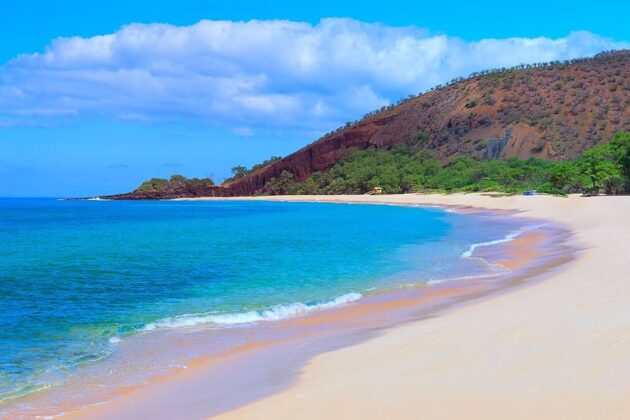
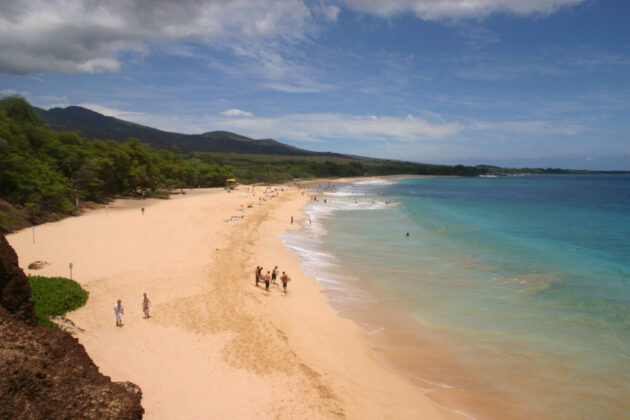
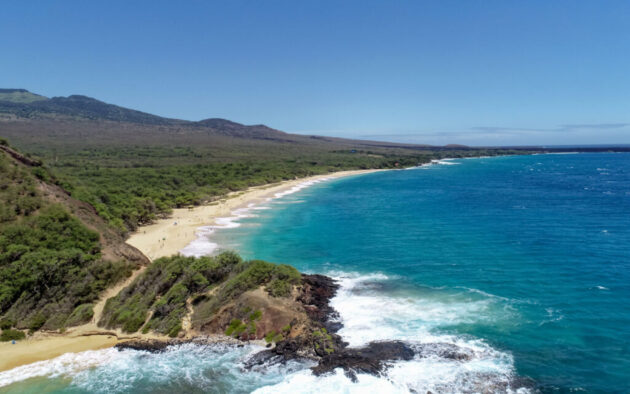
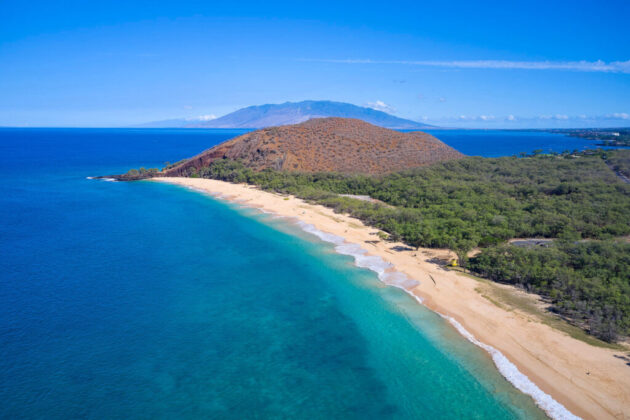
Makena State Park stands out for its undeveloped, natural beauty, free from resorts and commercialization. Its three distinct beaches—Big Beach (Oneloa), Little Beach (Puʻu Olaʻi), and Oneʻuli Beach—cater to different vibes, from expansive sunbathing shores to secluded snorkeling coves. The park’s dramatic volcanic landscapes, including the 360-foot Puʻu Olaʻi cinder cone, offer stunning views and cultural significance, once serving as a site for traditional Hawaiian rituals. With opportunities to spot green sea turtles, dolphins, and humpback whales (November–March), Makena is a haven for nature lovers seeking an authentic Hawaiian experience.

Where to Eat
Maui’s food scene emphasizes local ingredients like fresh fish, taro, and tropical fruits.
Lahaina/Kāʻanapali: Star Noodle (Asian fusion), Lahaina Grill (upscale dining), and Leoda’s Kitchen and Pie Shop (famous for banana cream pie). Kihei/Wailea: Paia Fish Market (fresh seafood), Nalu’s (casual Hawaiian), and Merriman’s (farm-to-table with ocean views).
Paia: Mama’s Fish House, a Maui institution for seafood and Polynesian flavors. Reservations are essential. Farmers’ Markets: Visit markets in Kihei or Wailuku for fresh produce, banana bread, and passion fruit butter.
Local Specialties: Try kalua pork, poi, loco moco, Spam musubi, or haupia (coconut custard). Tip: For budget dining, hit food trucks like the bento-box truck in South Maui Gardens or roadside stands on the Road to Hana.
Where to Stay
West Maui (Kāʻanapali/Kapalua): Hyatt Regency Maui: Beachfront with snorkeling at Black Rock, starting at ~$400/night. Kapalua Villas: Spacious condos with golf course views, ~$300–500/night.
South Maui (Kihei/Wailea): Fairmont Kea Lani: Luxurious suites with ocean views, ~$500–800/night. Mana Kai Maui: Budget-friendly beachfront condos, ~$150–250/night.
Upcountry/East Maui: Bed and breakfasts or Airbnbs for a quieter stay, ~$100–200/night. Camping: Camp Olowalu or Waiʻānapanapa State Park offer budget options (~$30–50/night). Book permits early.
Tip: Book through platforms like Expedia or Air Canada Vacations for deals, especially in spring/fall.
Tips for a Great Visit
Respect Recovery Efforts: Avoid restricted areas in Lahaina and support local businesses to aid post-wildfire recovery. Pack Smart: Bring light clothing, flip-flops (“slippahs”), a windbreaker for Haleakalā, and reef-safe sunscreen.
Transportation: Rent a car for flexibility, as public buses and rideshares (Uber/Lyft) don’t cover all areas. Trolleys operate in resort areas like Kihei and Kāʻanapali. Cultural Etiquette: Learn basic Hawaiian phrases (e.g., “aloha,” “mahalo”), remove shoes before entering homes, and avoid closed leis if pregnant.
Safety: Check Hawaii Beach Safety for ocean conditions, and avoid bringing fresh fruits off the island due to agricultural restrictions. Mālama Maui: Volunteer with local organizations or support eco-friendly tours to give back to the island.
Final Thoughts
Maui’s blend of natural beauty, cultural richness, and adventure makes it a dream destination. From snorkeling at Molokini to hiking the Road to Hana, every moment is infused with the island’s aloha spirit. Travel mindfully, support local communities, and immerse yourself in the magic of the Valley Isle for a trip that will linger in your memories long after you leave.
Happy travels!