Haleakalā National Park Travel Guide (2026)
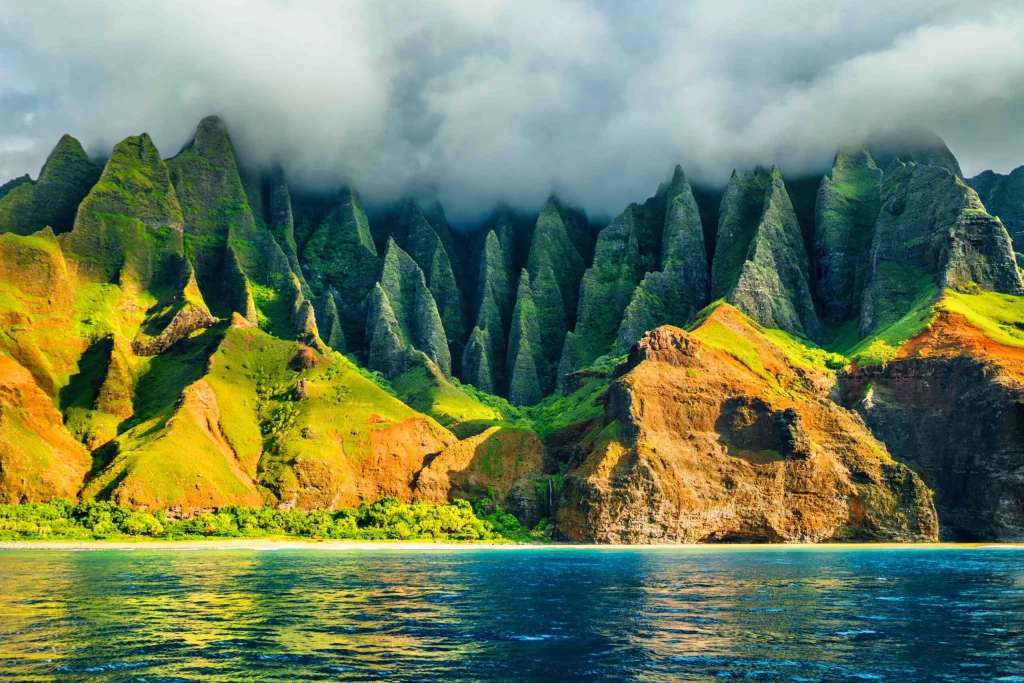
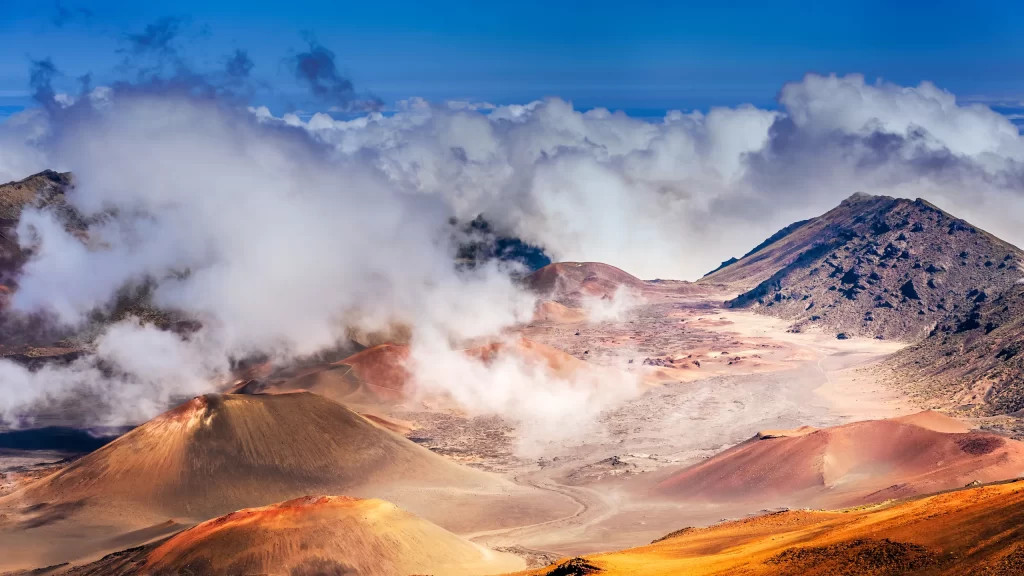
Haleakalā National Park, located on the island of Maui in Hawaii, is a breathtaking destination known for its dramatic volcanic landscapes, vibrant sunrises, and rich biodiversity. Spanning over 30,000 acres, the park encompasses two distinct regions: the Summit District, featuring the massive Haleakalā Crater, and the Kīpahulu District, a lush coastal rainforest.
Named “House of the Sun” in Hawaiian, Haleakalā is steeped in cultural significance and offers unforgettable experiences for hikers, stargazers, and nature lovers. This guide will help you plan a memorable visit to this unique national park.
Why Visit Haleakalā National Park?
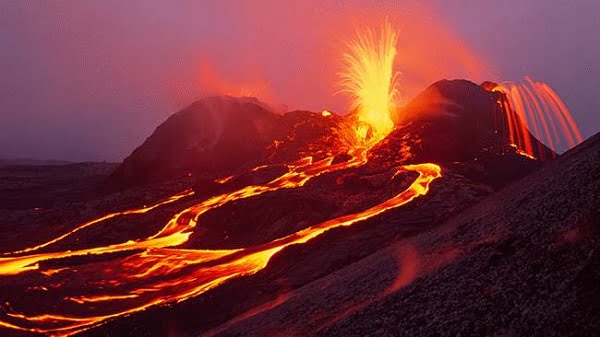
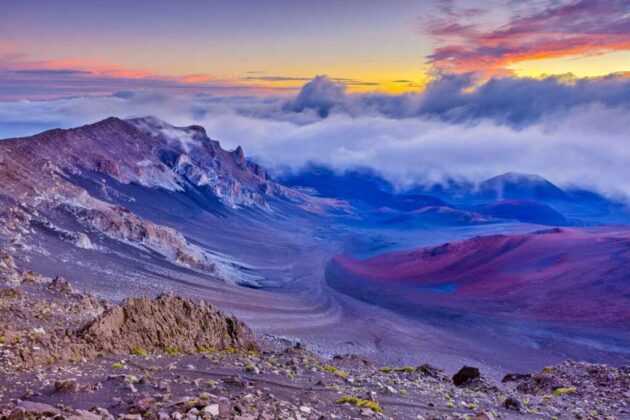
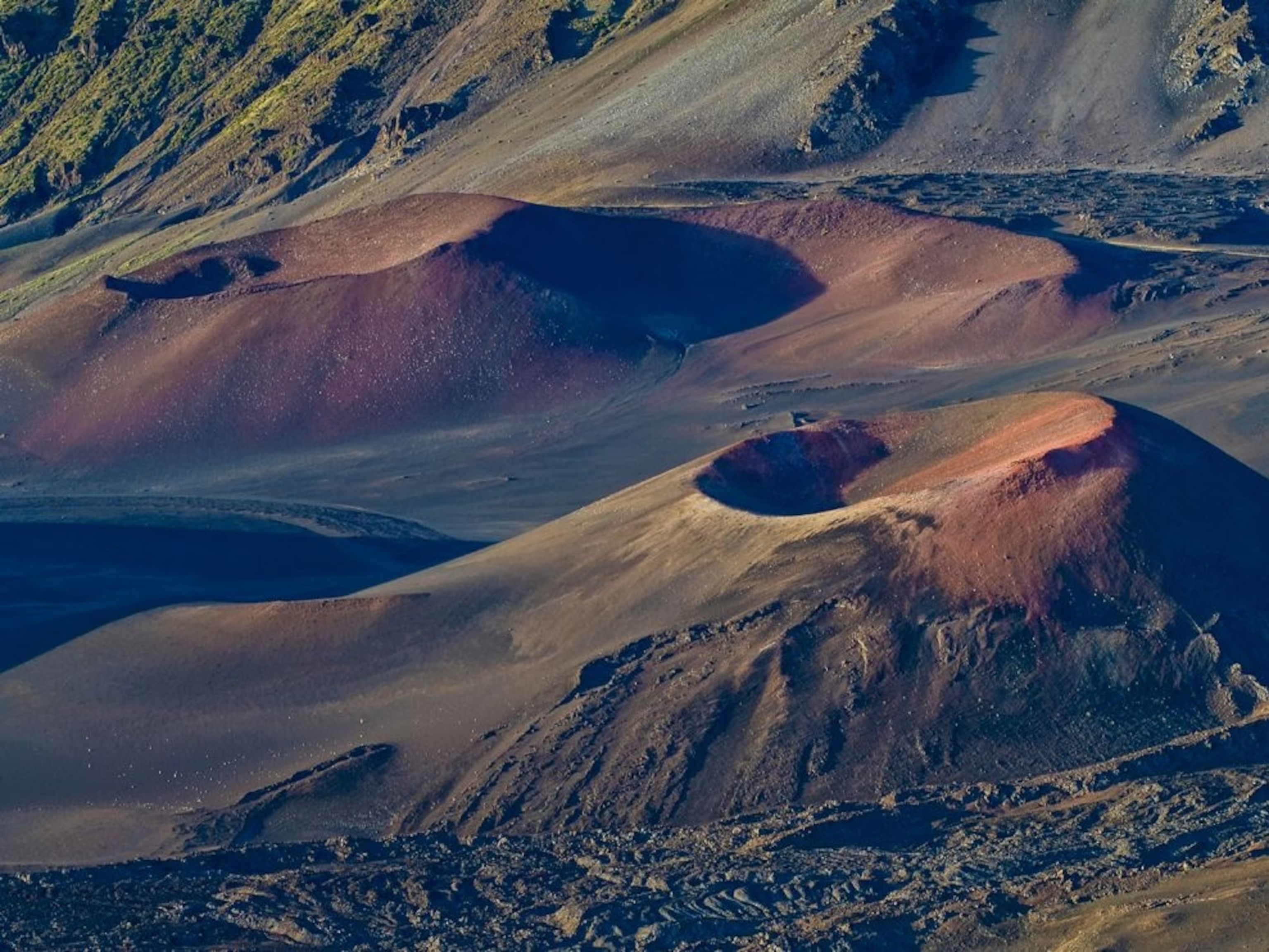
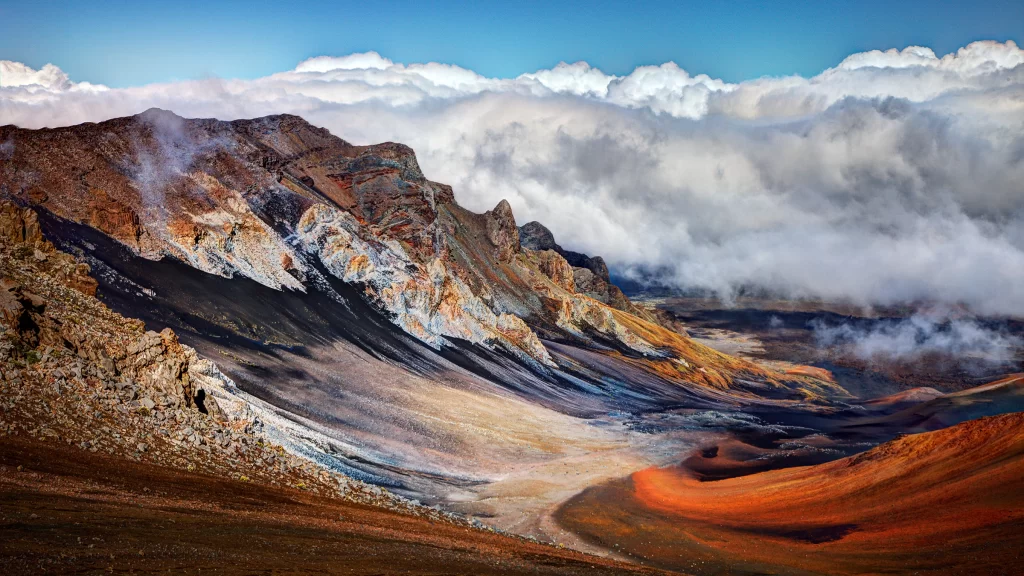
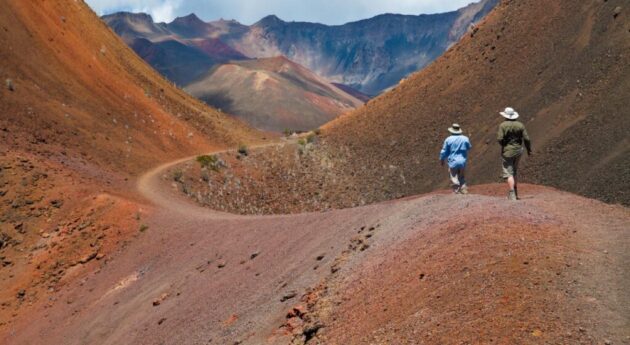
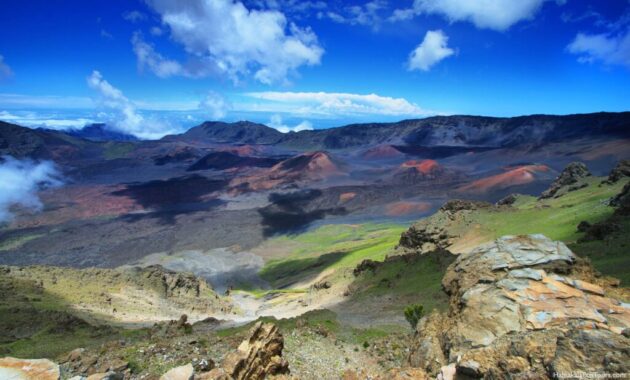
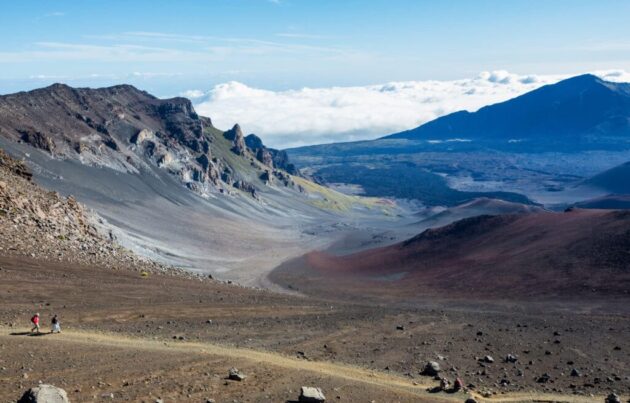
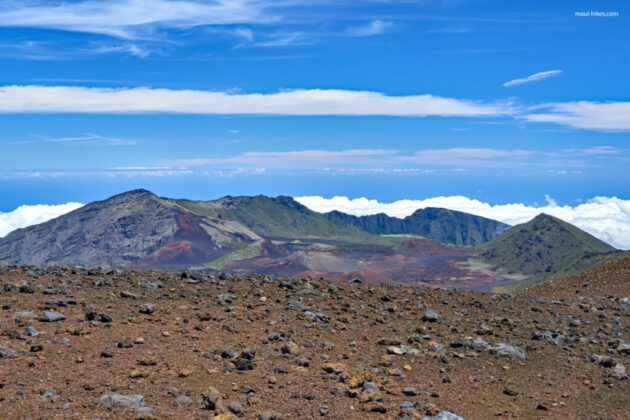
Haleakalā National Park is a geological and ecological marvel. The Summit District, rising to 10,023 feet, offers surreal views of a volcanic “crater” (technically an erosional valley) dotted with cinder cones, often above the clouds. The park is home to more endangered species than any other U.S. national park, including the rare Haleakalā silversword and the nēnē (Hawaiian goose).
The Kīpahulu District, with its waterfalls and bamboo forests, provides a contrasting tropical experience. Whether you’re chasing a legendary sunrise, hiking rugged trails, or exploring Hawaiian culture, Haleakalā delivers an unparalleled adventure.
How to Get There
Haleakalā National Park is located on Maui’s southeastern side, accessible from Kahului Airport (OGG), the island’s main hub.
To the Summit District:
By Car: From Kahului Airport, take Highway 36 to 37, then 377, and finally 378 (Haleakalā Highway) to the park entrance. The 38-mile drive takes 1.5–2 hours due to winding roads and elevation gain.
By Tour: Guided sunrise or sunset tours are popular, costing $150–$250, and include transportation from major resort areas like Wailea or Lahaina. Note: Public transport is limited, so renting a car is recommended for flexibility.
To the Kīpahulu District: Located along the Hana Highway (Route 36 to 360), this area is 62 miles from Kahului Airport, a 3–4-hour drive due to the road’s 600+ curves and 59 bridges. Consider staying in Hana (10 miles away) to break up the journey.
Tip: The Hana Highway is a scenic but challenging drive. Start early and check road conditions.
Park Entrance Fees: $30 per vehicle, valid for 3 days. $15 for pedestrians or cyclists. Annual passes ($55) are available for frequent visitors.
Best Time to Visit
Summit District:
Sunrise/Sunset: The park is famous for its sunrise views, requiring reservations (book 60 or 2 days in advance at recreation.gov, $1 fee). Sunsets are equally stunning and don’t require reservations, with fewer crowds after 3 PM.
Weather: Daytime temperatures range from 50–77°F at the summit, dropping to freezing at night. July–August are warmest; winter brings more rain but clearer skies. Dress in layers for unpredictable weather.
Crowds: Avoid peak holidays (e.g., July 4th, Thanksgiving) for a quieter experience.
Kīpahulu District: Warm year-round (68–86°F), with winter (December–March) bringing more rain. Arrive early or camp overnight to avoid crowds.
Note: The park is open 24/7, but the Summit Visitor Center operates from 8 AM–4 PM, and Kīpahulu Visitor Center from 9 AM–5 PM.
What to See and Do
Summit District:
Sunrise/Sunset Viewing: Watch the sun rise or set over the crater from Puʻuʻulaʻula (Red Hill) at 10,023 feet. The kaleidoscope of colors against the volcanic landscape is unforgettable. Bring blankets and hot drinks for chilly mornings.
Hiking:
Sliding Sands Trail (Keoneheʻeheʻe): A strenuous 11-mile round-trip into the crater, showcasing cinder cones and volcanic rock.
Halemau’u Trail: A moderate 7.4-mile round-trip with switchbacks and crater views.
Hosmer Grove Loop: A short 0.5-mile trail, ideal for birdwatching (spot the i’iwi or nēnē).
Stargazing: The summit’s high elevation and low light pollution make it ideal for astronomy. Rent binoculars or join a guided telescope tour ($100–$150).
Cultural Programs: Stop by the Summit Visitor Center for ranger-led talks on Hawaiian history and legends, like the demigod Maui lassoing the sun.
Kīpahulu District:
Pīpīwai Trail: A 4-mile round-trip hike through bamboo forests to the 400-foot Waimoku Falls. Start early to avoid crowds.
Pools of ‘Ohe’o (Seven Sacred Pools): Scenic tiered pools fed by waterfalls, though swimming is often restricted due to safety concerns.
Cultural Sites: Explore historic rock walls and archaeological sites near the Kīpahulu Campground.
Wildlife: Look for native species like the nēnē goose and Hawaiian petrel.
Other Activities:
Biking: Guided bike tours ($100–$200) offer a thrilling downhill ride from the summit to sea level.
Volunteering: Join programs like the Friends of Haleakalā to help remove invasive plants or support nēnē conservation. Volunteers get free park admission.
Horseback Riding: Guided horseback tours ($150–$250) explore the crater’s trails.
Where to Eat
Inside the Park: No dining facilities are available, so pack food and water. The Pukalani Superette (15 miles from the Summit District) offers Hawaiian meals and snacks for picnics.
Nearby:
Kula Lodge Restaurant (2 miles from the park): Offers Hawaiian-inspired dishes like BBQ pork pizza and watermelon salad, with stunning views. Prices: $15–$40.
Maui Bread Company (9 miles away): Great for breakfast or lunch, with pastries and sandwiches ($8–$15).
Hana General Store (10 miles from Kīpahulu): Stock up on camping supplies and snacks.
Where to Stay
Camping:
Hosmer Grove (Summit District): A drive-up campground with picnic tables and restrooms. Free, but permits are required.
Kīpahulu Campground: Oceanfront camping with no potable water; bring your own. Permits needed ($8–$9/night).
Wilderness Cabins: Three historic cabins in the crater (Holua, Kapalaoa, Palikū) offer a rustic experience ($75/night, 12-person max). Book 6 months in advance.
Nearby Accommodations:
Wailea (1.25-hour drive from Summit): Luxury resorts like Grand Wailea ($500–$1000/night) or mid-range Hotel Wailea ($300–$600/night).
Hana (near Kīpahulu): Hana-Maui Resort offers cozy rooms ($200–$400/night).
Budget Option: Maui Coast Hotel in Kihei (1-hour drive, $150–$250/night).
Tips for a Great Visit
Sunrise Reservations: Secure a sunrise pass at recreation.gov 60 days or 2 days in advance (7 AM Hawaii time). Slots sell out fast. Altitude Awareness: The summit’s 10,000-foot elevation can cause altitude sickness. Stay hydrated and take it slow.
Dress Warmly: Summit temperatures can drop below freezing, especially at sunrise. Bring layers, gloves, and a hat. Respect the Land: Stay on trails to protect fragile ecosystems and cultural sites. Don’t take lava rocks or plants.
Wildlife Caution: Watch for nēnē geese on roads and avoid feeding them. Combine Your Trip: Pair a Summit visit with the Road to Hana or Kīpahulu for a full Maui experience, but plan separate days due to driving time.
Accessibility: The Summit Visitor Center and Kīpahulu Visitor Center are accessible, with paved paths and restrooms. Trails are unpaved and may be challenging for mobility-impaired visitors.
Final Thoughts
Haleakalā National Park is a must-visit for its otherworldly landscapes, from the moonlike crater to the lush Kīpahulu coast. Whether you’re hiking into the crater, marveling at a sunrise above the clouds, or soaking in Hawaiian culture, the park offers a profound connection to nature and history.
Plan ahead for sunrise reservations, pack for variable weather, and respect the sacred land to ensure a memorable and responsible visit. Haleakalā’s beauty and “mana” (spiritual power) will leave you in awe.
Happy travels!