A Travel Guide to the Road to Hana
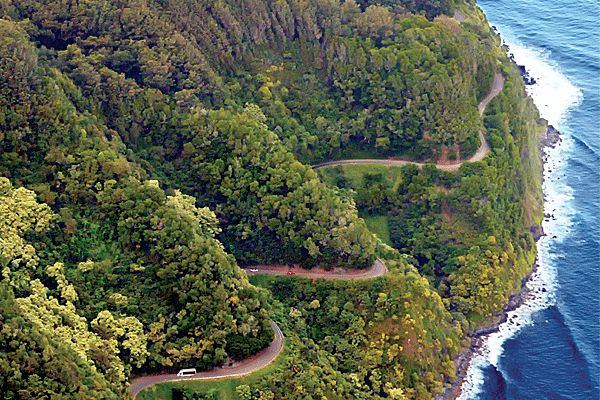
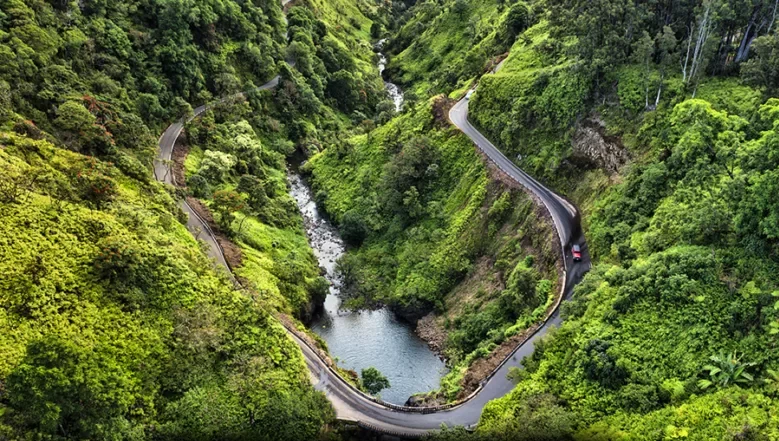
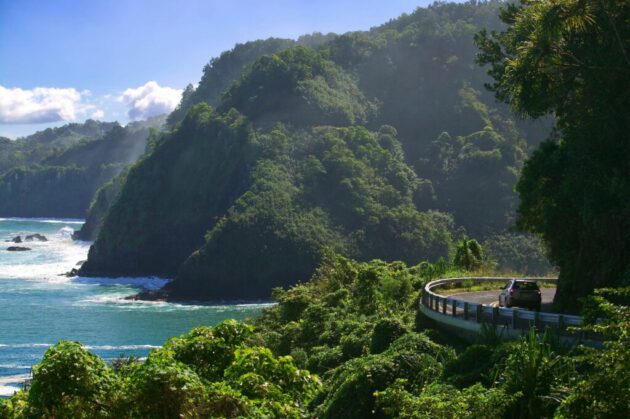
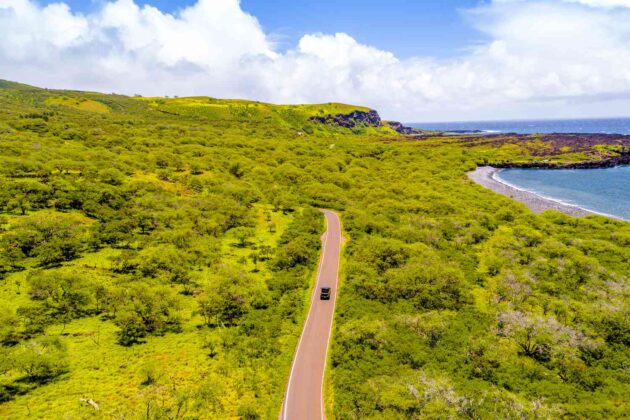
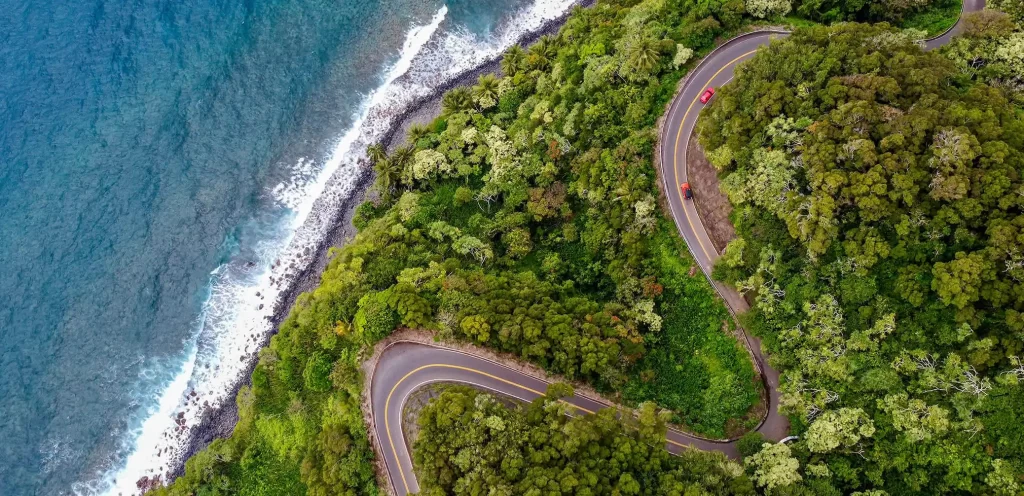
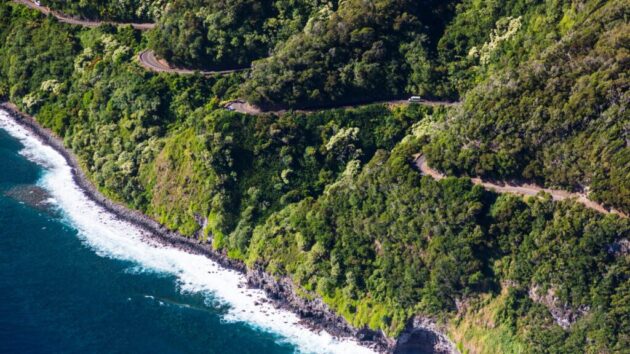
The Road to Hana, or Hana Highway, is one of the most iconic scenic drives in the world, winding 64.4 miles along Maui’s northeastern coast from Kahului to the tranquil town of Hana. This 83-kilometer stretch of Hawaii Routes 36 and 360 is famous for its lush rainforests, cascading waterfalls, black sand beaches, and over 600 curves, including 59 one-lane bridges. Known as both a thrilling journey and a cultural experience, the Road to Hana is as much about the stops along the way as the destination itself. This guide will help you plan an unforgettable adventure.
Why Visit the Road to Hana?
The Road to Hana is a bucket-list experience, offering breathtaking views of Maui’s untouched beauty—verdant jungles, dramatic ocean cliffs, and vibrant tropical flora. With over 400,000 visitors annually, it’s Maui’s top attraction, blending natural wonders with Hawaiian history and culture. From hidden waterfalls to sacred sites like Pi’ilanihale Heiau, the journey immerses you in “Old Hawaii.” Whether you drive yourself or opt for a guided tour, the road’s magic lies in its diverse stops and the chance to connect with Maui’s heritage.
How to Get There
The Road to Hana begins in Kahului, Maui’s main hub, and ends in Hana, with some travelers continuing to the Kipahulu District of Haleakala National Park. Here’s how to start your journey:
By Car: Rent a car in Kahului or Paia (the official start of Route 360 at Mile Marker 0). A small SUV or compact car is ideal for navigating narrow roads. Fill up the gas tank in Paia, as the only gas station en route is in Hana. Expect a full tank to suffice for the round trip (~150 miles if returning the same day).
Drive Time: Without stops, the drive takes 2.5–3 hours one way, but plan for 8–12 hours with stops. Start early (6:00–8:00 AM) to avoid crowds and optimize daylight.
By Guided Tour: Tours depart from Kahului or nearby resorts, offering van or small-group options with expert guides. Prices range from $150–$300 per person, including meals and stops at curated sites. Recommended operators include Valley Isle Excursions and Holo Holo Tours. Tours reduce stress, provide local insights, and help ease road congestion.
From Other Islands: Fly into Kahului Airport (OGG) from Honolulu (Oahu) or other Hawaiian islands (30–45 minutes, ~$50–$100 one way). Alternatively, take a ferry from Lahaina to Kahului (less common, check schedules).
Note: The “back road” (Pi’ilani Highway, Route 31) beyond Hana is narrow and partially unpaved. Most rental car companies prohibit driving this section due to potential damage, and towing is expensive. Stick to the main route unless you have a 4×4 and are prepared for rugged conditions.
Best Time to Visit
Year-Round Appeal: The Road to Hana is accessible year-round, but weather impacts the experience. The dry season (December–March) offers clearer skies and less rain, ideal for hiking and waterfall swims.
Avoid Rainy Seasons: April–November brings heavier rainfall, increasing flash flood risks in streams and muddy trails. Check weather forecasts and avoid entering streams during heavy rain.
Weekdays vs. Weekends: Monday–Thursday mornings are less crowded. Avoid weekends and holidays like National Day for fewer traffic jams.
Early Start: Begin by 8:00 AM to maximize daylight, beat crowds, and secure parking at popular stops like Wai’anapanapa State Park.
Tickets and Reservations
General Access: The Hana Highway is free to drive, but some attractions require fees or reservations: Wai’anapanapa State Park: Mandatory reservation for non-residents ($10 parking + $5/person, free for kids under 3). Book up to 30 days in advance via the park’s website, as slots sell out. Haleakala National Park (Kipahulu District): $30/vehicle for a 3-day pass, covering Ohe’o Gulch and Pipiwai Trail.
Garden of Eden Arboretum: $20/adult, $10/child (cash or card). Kahanu Garden: $10/adult for self-guided tours, reservations recommended.
Tip: Download the Shaka Guide app ($7–$10) for GPS-based audio narration, providing history and stop recommendations, especially useful in areas with no cell service.
What to See and Do
The Road to Hana is packed with over 20 notable stops. Here are the highlights, listed by approximate mile marker (Route 360):
1. Paia Town (Mile 0): A colorful North Shore village with shops and eateries. Grab breakfast or sandwiches at Hana Picnic Lunch Company or coffee at Paia Bay Coffee. Restrooms available.
2. Ho’okipa Beach Park (Mile 9): A world-famous windsurfing and kite-surfing spot. Stop at the lookout to watch surfers or spot sea turtles (no swimming due to rough waves).
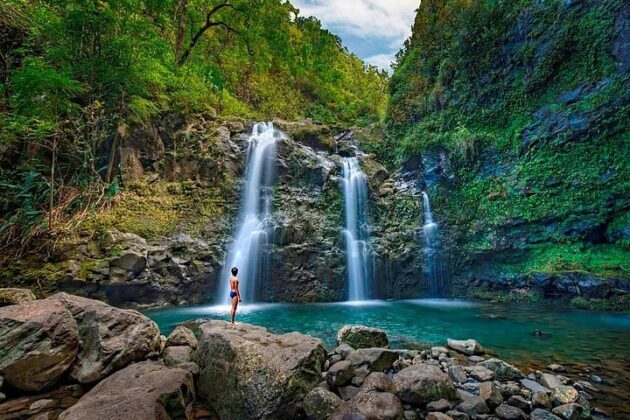
3. Twin Falls (Mile 2): A 1.8-mile round-trip hike leads to two picturesque waterfalls and pools. Swim if conditions are safe, but note the “No Trespassing” signs, as the trail crosses private land. A fruit stand at the trailhead sells smoothies.
4. Waikamoi Ridge Trail (Mile 9.5): A family-friendly 0.8-mile loop through eucalyptus and mahogany forests. Great for a quick leg-stretch with minimal effort.
5. Garden of Eden Arboretum (Mile 10.5): A paid attraction ($20/adult) with exotic plants, coastal views, and the Keopuka Rock (featured in Jurassic Park). Enjoy banana bread at the cafe.
6. Ke’anae Peninsula (Mile 16.8): A historic village with taro fields and a stone church (survivor of a 1946 tsunami). Buy famous Aunty Sandy’s Banana Bread and enjoy ocean views. No swimming due to rocky shores.
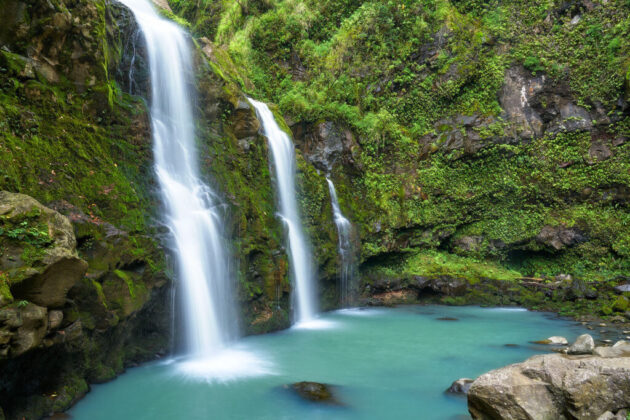
7. Upper Waikani Falls (Three Bears Falls, Mile 19): A photogenic triple waterfall visible from the road. Park in the small lot and take a short trail to swim in the pool if water levels are safe.
8. Kaeleku Cave (Hana Lava Tube, Mile 31): Explore a massive lava tube for $15/adult (closed-toe shoes required). Flashlights provided, and a garden maze adds fun.
9. Wai’anapanapa State Park (Mile 32): A must-visit for its black sand beach (Pa’iloa Beach), sea caves, blowhole, and sea arch. Reservations required. No swimming due to rough currents, but perfect for photos and picnics. Tip: Book early, as slots fill quickly. Public restrooms available.
10. Kahanu Garden (Mile 31, via ‘Ula’ino Road): Home to Pi’ilanihale Heiau, Polynesia’s largest ancient temple, and native Hawaiian plants. Admission: $10. A sacred site, so be respectful.
11. Hana Town (Mile 34): A quiet village with historic St. Sophia’s Church and Hana Tropicals flower farm. Stop for lunch at Hana Farms (pizza, banana bread) or relax at Hana Bay.
12. Wailua Falls (Mile 45): An 80-foot waterfall right off the road, ideal for quick photos. Parking is limited, and locals sell crafts nearby.
13. Haleakala National Park – Kipahulu District (Mile 42, past Hana): Features Ohe’o Gulch (Seven Sacred Pools) and the Pipiwai Trail (4 miles round-trip) to Waimoku Falls through a bamboo forest. Allow 2–3 hours for the hike. Entry: $30/vehicle.
14. Palapala Ho’omau Church (Kipahulu): A historic church and the resting place of aviator Charles Lindbergh. A peaceful stop with lush surroundings.
Note: Avoid stops on private property or those lacking “visitor welcome” signs to respect local residents. Park only in designated areas to avoid $35–$235 fines.
Where to Eat
Roadside Stands: Savor local treats like Aunty Sandy’s Banana Bread (Ke’anae), Coconut Glen’s coconut shrimp, or fresh fruit and smoothies at various stands. Many now accept card payments via Starlink.
Hana Town: Hana Farms offers farm-to-table pizza and baked goods. Hana Picnic Lunch Company in Paia is great for pre-packed lunches.
Picnics: Bring a cooler with snacks and water, as options are limited. Puaa Kaa State Park (Mile 22) has picnic tables and restrooms.
Where to Stay
Hana Overnight: Staying in Hana allows a relaxed two-day trip. Options include: Hana-Maui Resort (luxury, ~$400–$600/night): Oceanfront with pool and spa. Hana Kai Maui (mid-range, ~$200–$300/night): Cozy oceanfront condos. Hana Inn (budget, ~$100–$150/night): Simple and affordable.
Camping: Wai’anapanapa State Park offers campsites ($20–$30/night, reservation required). Haleakala National Park (Kipahulu) also has camping.
Day Trip Base: Stay in Wailea or Kihei (45–60 minutes from Kahului) for easy access. Recommended: Grand Wailea (luxury) or Maui Coast Hotel (mid-range).
Tips for a Great Experience
Drive Safely: The road’s 620 curves and 46 one-lane bridges require caution. Yield to locals, don’t honk (rude in Hawaii), and pull over to let faster drivers pass. Avoid reckless driving. Respect the ‘Aina (Land): Follow the Hana Highway Code of Conduct: park only in designated areas, avoid private property, and don’t litter. Be courteous to locals, as overcrowding has strained the community.
Prepare for Limited Service: Cell service is spotty. Download offline maps (Google Maps) or the Shaka Guide app. Bring cash for some stands. What to Bring: Reef-safe sunscreen, swimwear, towel, water shoes, bug spray, comfortable shoes for hiking, and a camera (though waterfalls are hard to capture).
Road Etiquette: On one-lane bridges, let oncoming cars or locals pass first. Don’t block bridges or park illegally. Avoid Overcrowding: Skip overrated or crowded stops like Nahiku Road (mostly private land). Focus on must-sees like Wai’anapanapa or Pipiwai Trail.
Final Thoughts
The Road to Hana is more than a drive—it’s a journey through Maui’s heart, blending natural splendor with cultural richness. From the jet-black sands of Wai’anapanapa to the serene bamboo forests of Pipiwai Trail, each stop tells a story of Hawaii’s past and present. Whether you drive yourself or join a guided tour, embrace the slow pace, respect the land, and let the road’s magic unfold. Plan wisely, start early, and savor this unforgettable Hawaiian adventure.
Happy travels.