A Travel Guide to Molokai
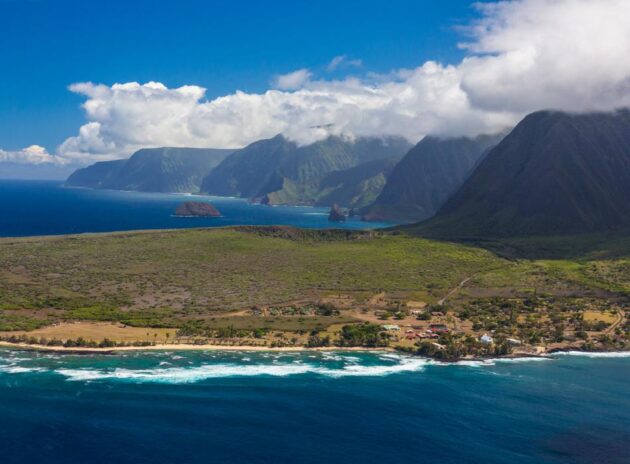
Known as “The Friendly Isle,” Molokai is Hawaii’s fifth-largest island, offering an authentic, unspoiled experience of Hawaiian culture and natural beauty. Stretching 38 miles long and 10 miles wide, Molokai is home to just 7,000 residents, over half of whom are of Native Hawaiian descent. With no traffic lights, no major resorts, and minimal tourism infrastructure, it embodies the spirit of “Old Hawaii.” From the world’s tallest sea cliffs to the longest fringing reef in the U.S., Molokai is a haven for nature lovers and those seeking a slower, more immersive travel experience. This guide will help you plan a memorable visit to this hidden gem.
Why Visit Molokai?
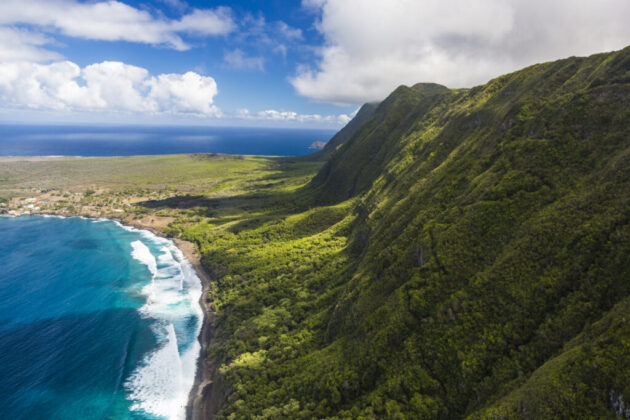
Molokai stands apart from Hawaii’s more commercialized islands like Oahu or Maui. It’s a place where the aloha spirit thrives, and the focus is on connecting with the land and its people rather than chasing tourist attractions. Highlights include the historic Kalaupapa National Historical Park, the pristine Papohaku Beach, and the lush Halawa Valley, believed to be the birthplace of hula. With fewer than 30 visitors daily, Molokai offers solitude, cultural immersion, and breathtaking landscapes, including 3,600–3,900-foot sea cliffs and Hawaii’s tallest waterfall, Oloupena Falls. If you’re looking for a genuine Hawaiian experience without the crowds, Molokai is unmatched.
How to Get There
Molokai is accessible only by air, as the ferry service from Maui ceased operations in 2016.
By Air: Molokai Airport (MKK), also known as Hoolehua Airport, is the island’s main hub, located in central Molokai. Flights are available from Honolulu International Airport (HNL) on Oahu, Kahului Airport (OGG) or Kapalua Airport (JHM) on Maui, and occasionally from Kona or Kamuela on the Big Island.
Airlines: Hawaiian Airlines (via its Ohana subsidiary) and Mokulele Airlines operate daily flights. Mokulele uses smaller, single-engine planes (9–12 seats), and passengers may be weighed with carry-ons for safety (weight limit: 350 lbs). Flights take 25–40 minutes and cost $50–$150 one-way, depending on the season.
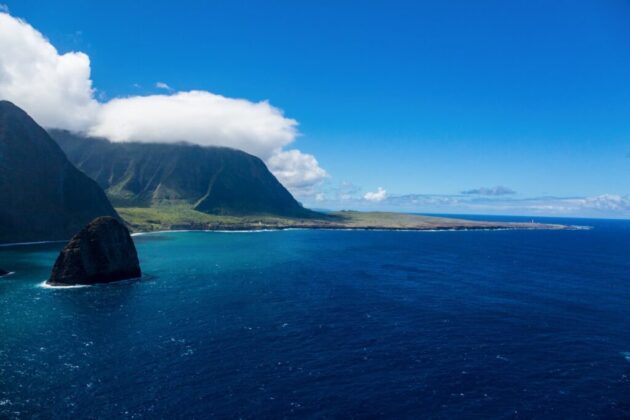
Tip: Book early, as flights are limited and often delayed or canceled. Consider overnighting in Oahu or Maui to avoid missing connections. Flights over Molokai’s north shore offer stunning views of sea cliffs and Kalaupapa.
Getting Around: There’s no public transportation on Molokai, so renting a car is essential. Alamo and Molokai Car Rental offer vehicles in Kaunakakai, with compact cars at $100–$150/day and SUVs at $180–$200/day. A 4WD is recommended for rugged roads. Book well in advance due to limited availability. Taxi: Hele Mai Taxi (+1 808-336-0967) provides island-wide service and private tours but is costly for extended use.
Tip: The island’s main highway is easy to navigate, but many attractions, like Halawa Valley, require 4WD or guided tours.
Best Time to Visit
Molokai’s tropical climate is pleasant year-round, with temperatures ranging from 75°F to 85°F (24–29°C).
Spring (April–June): Ideal for dry weather and fewer crowds. Perfect for hiking and beach visits. Summer (July–September): Warm and sunny, great for snorkeling and water activities, though occasional rain showers may occur.
Fall/Winter (October–March): Wetter, especially in the east, but ideal for whale watching (December–May, peak January–April). The Ka Molokai Makahiki Festival (January) and Molokai Ka Hula Piko (May) celebrate Hawaiian culture with games, hula, and crafts.
Hurricane Season (June–November): Direct hits are rare, but check weather forecasts and consider travel insurance.
Tip: Visit during the new moon for stargazing, as Molokai’s lack of light pollution offers spectacular night skies.
Top Attractions and Activities
Kalaupapa National Historical Park
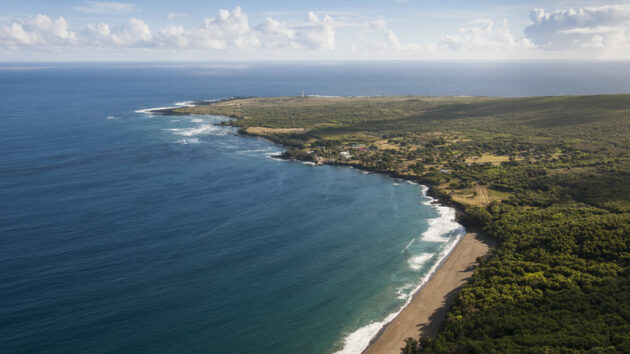
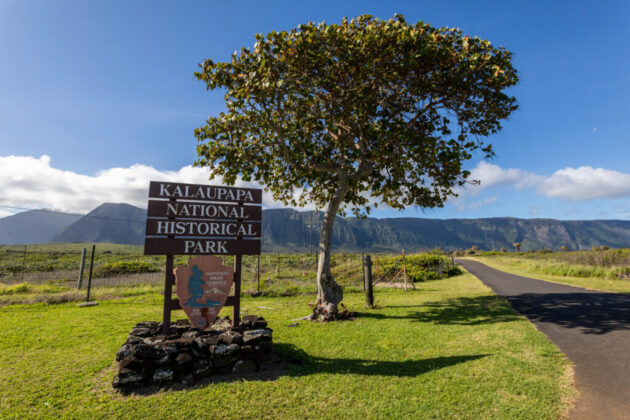
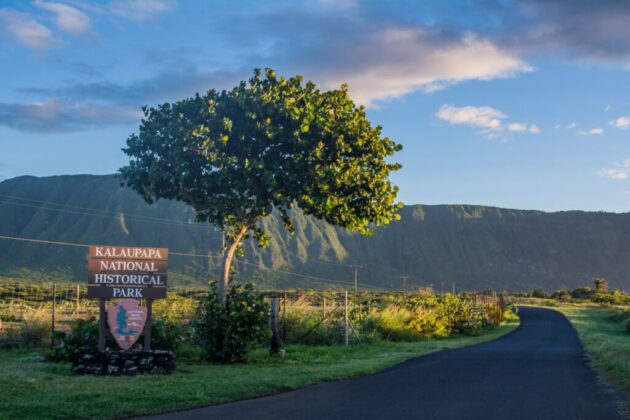
Kalaupapa is a remote peninsula and historic leper colony where Father Damien cared for patients in the late 1800s. Visitors can only access the park via a guided tour, which includes either a hike or mule ride down a rugged 1,700-foot cliff trail. The area is a moving tribute to resilience and compassion and offers dramatic views and historical insights.
Halawa Valley
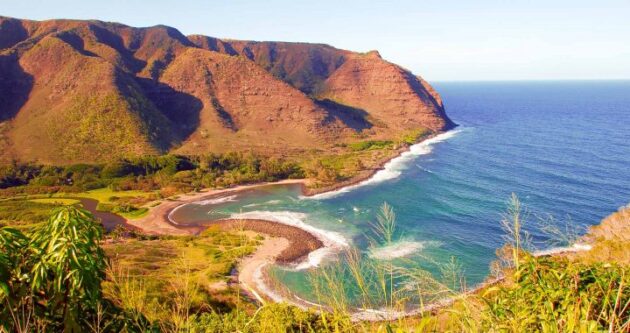
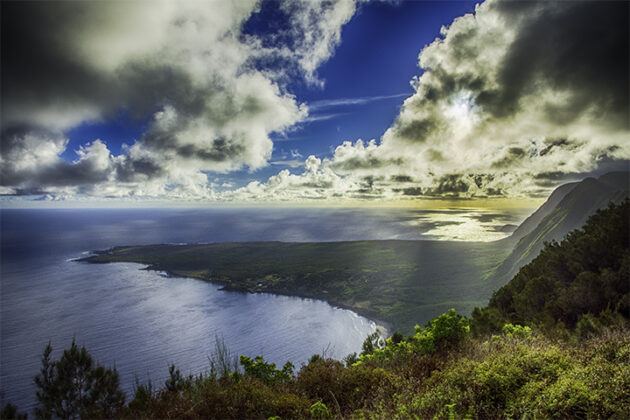
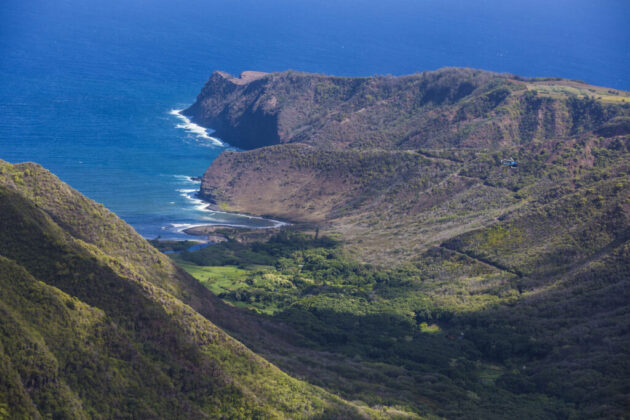
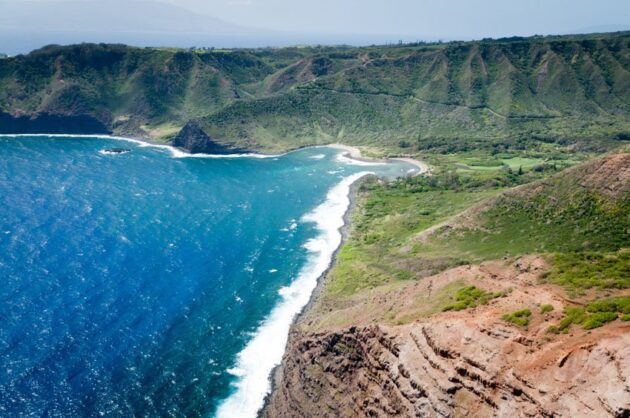
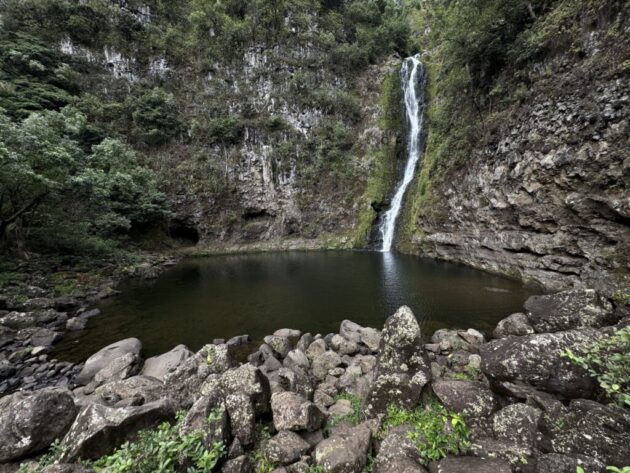
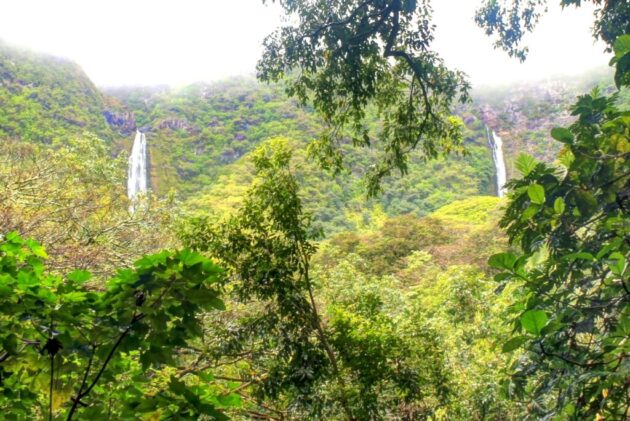
Halawa Valley is one of Hawaii’s oldest continuously inhabited areas. Explore lush landscapes, ancient Hawaiian fishponds, and the stunning Moaʻula and Hipuapua waterfalls. Book a cultural hike with a local guide to gain insight into the area’s rich history, cultural practices, and stories of the valley’s ancestors.
Papohaku Beach
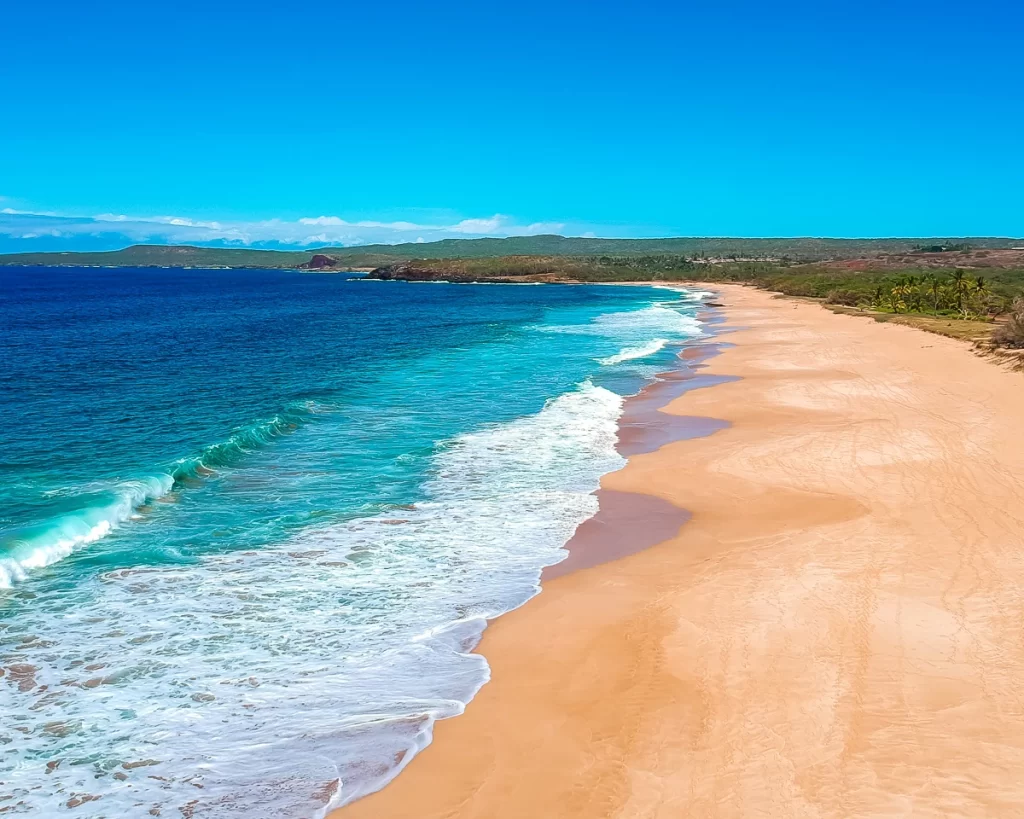
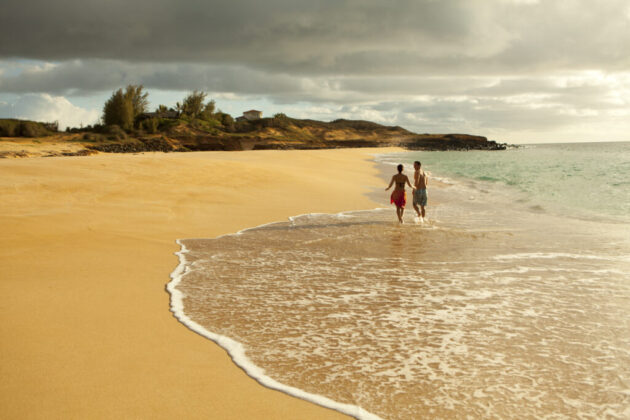
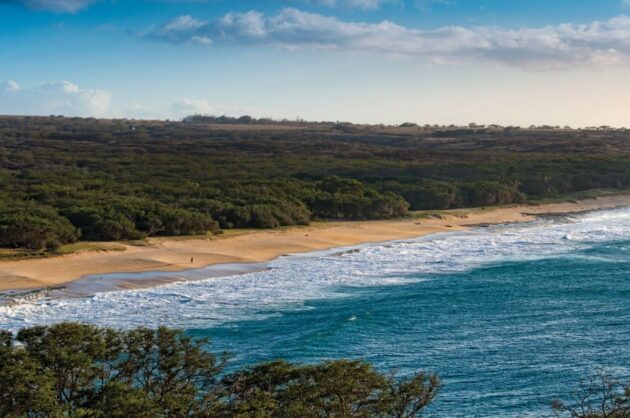
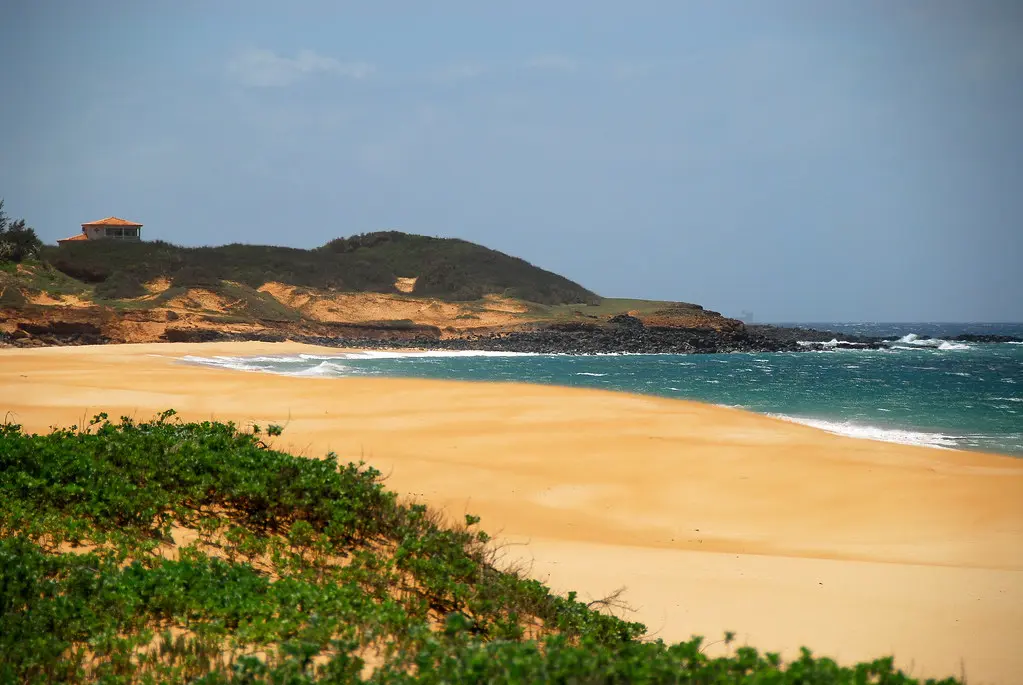
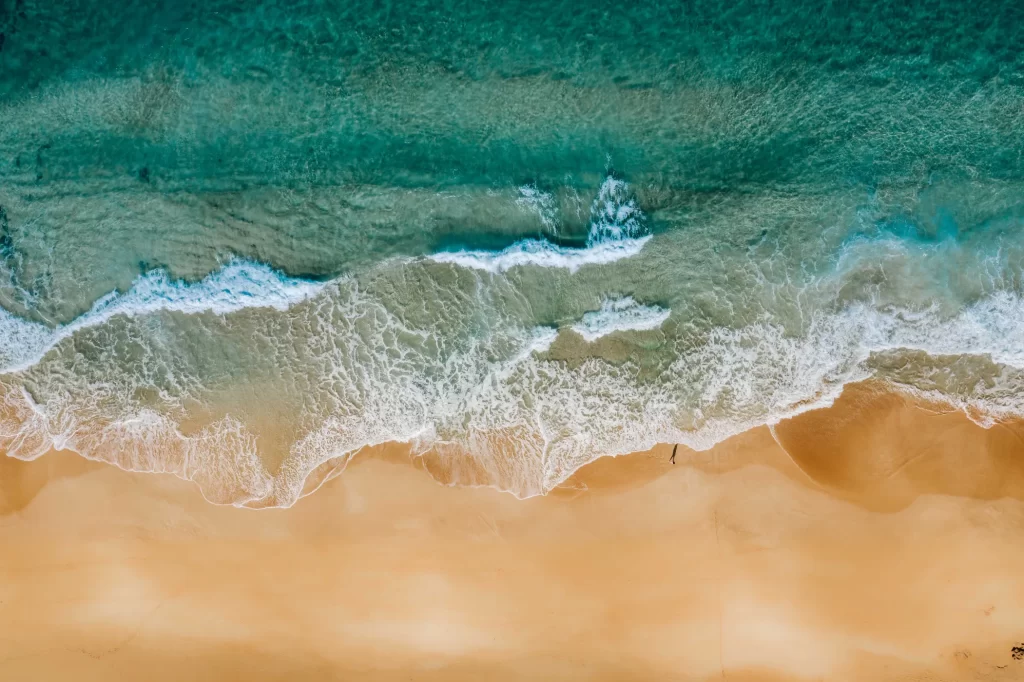
Papohaku Beach, also known as Three Mile Beach, is a hidden gem on the west coast of Molokai, Hawaii’s “Friendly Isle.” Stretching over three miles and up to 100 yards wide, it is one of the largest and most secluded white-sand beaches in the Hawaiian Islands. With its soft sands, stunning sunsets, and minimal crowds, Papohaku offers a serene escape for travelers seeking an authentic, untouched Hawaiian experience.
Molokai Forest Reserve
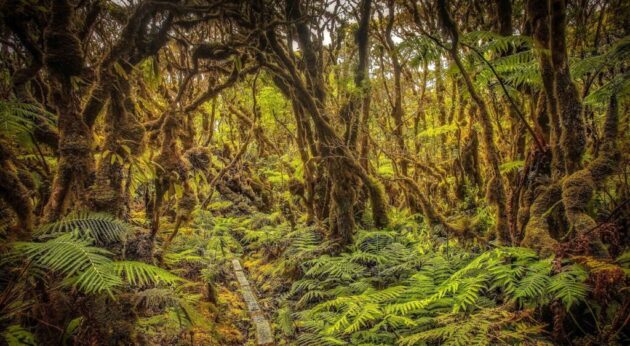
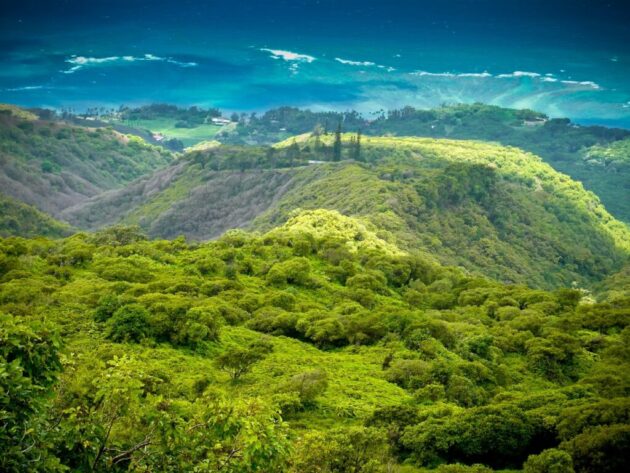
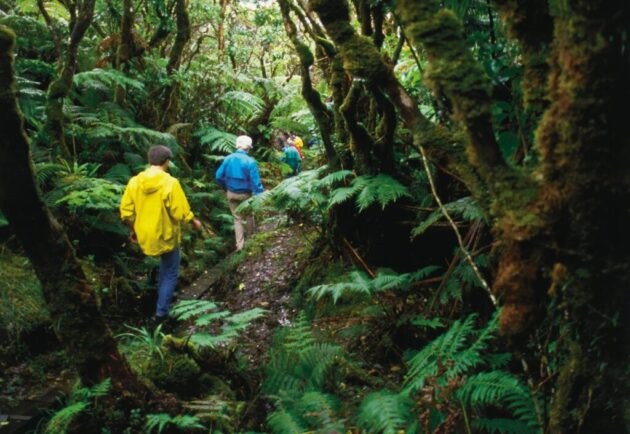
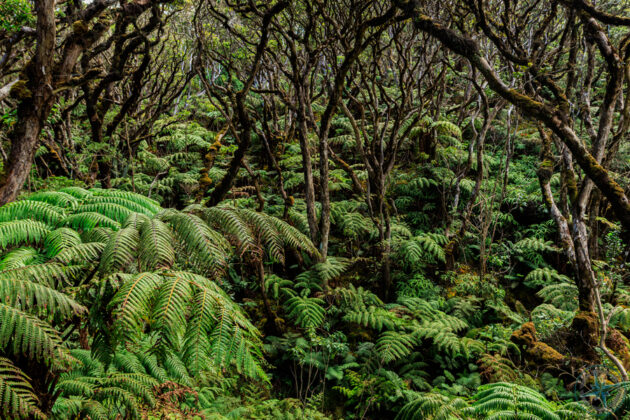
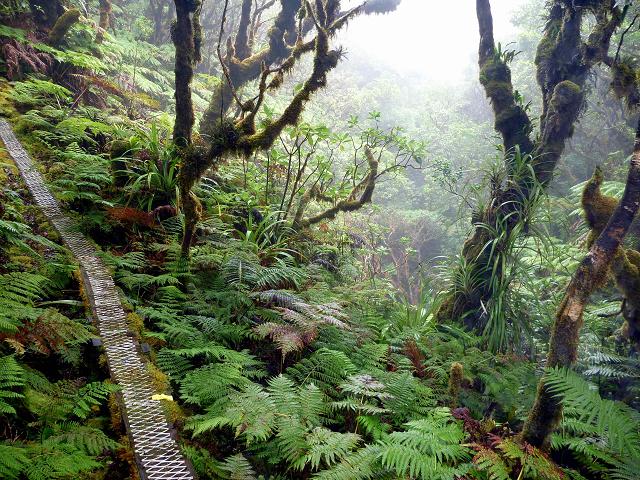
The Molokai Forest Reserve is a haven of biodiversity, featuring native forests, rare Hawaiian plants, and unique wildlife like the endangered Molokai thrush. The reserve includes the Kamakou Preserve, home to over 250 native plant species, many found nowhere else on Earth. Highlights include the Waikolu Lookout, offering panoramic views of the Waikolu Valley and the Pacific Ocean, and the Pēpēʻōpae Bog Trail, a unique boardwalk hike through a pristine mountaintop bog.
Kapuaiwa Coconut Grove
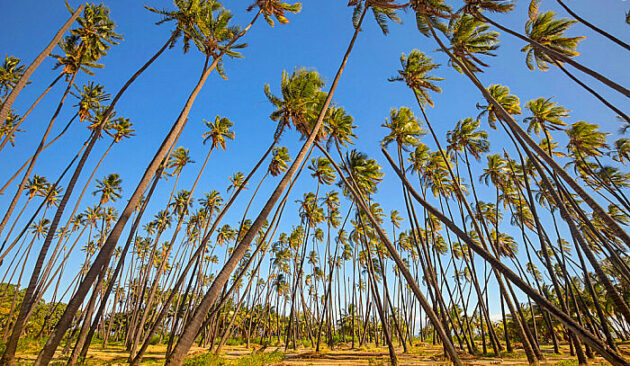
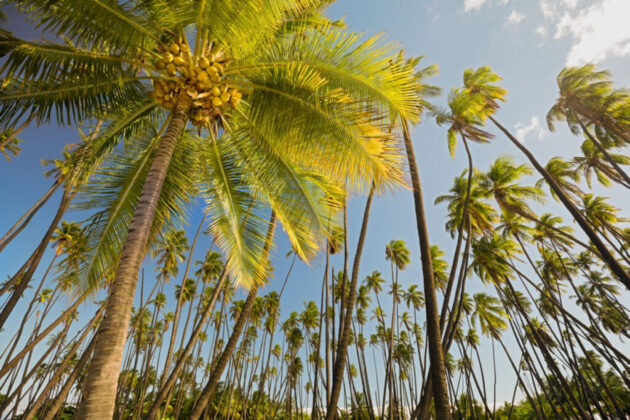
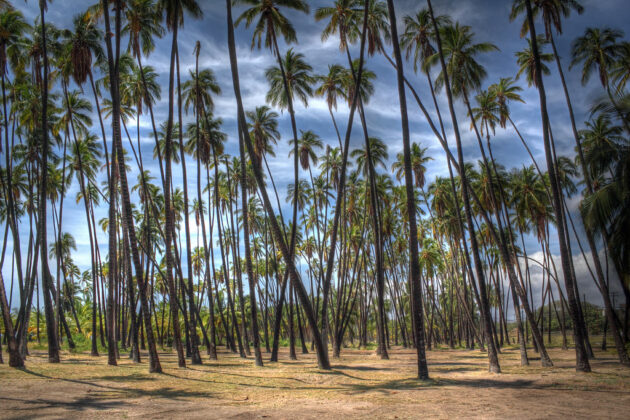
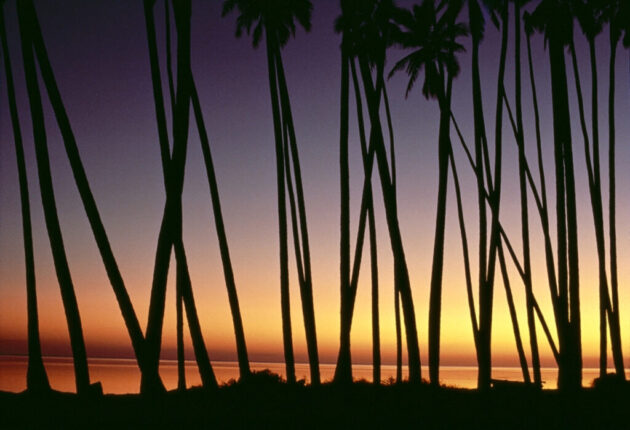
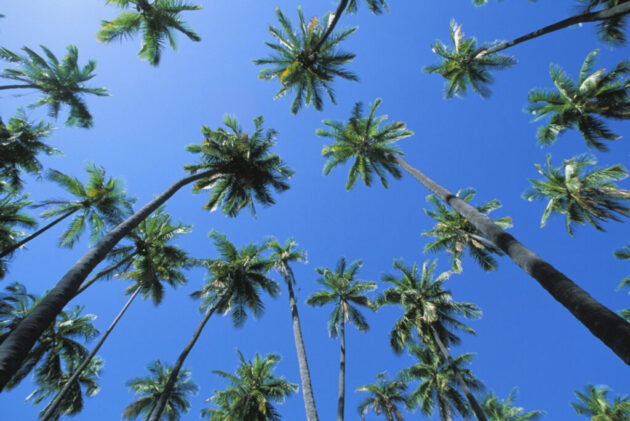
Kapuaiwa Coconut Grove, also known as Kiowea Park, is one of Molokai’s most iconic landmarks, offering a glimpse into Hawaii’s royal history and natural beauty. Located just outside the small town of Kaunakakai on the island’s south shore, this historic coconut grove was planted in the 1860s by King Kamehameha V and is one of the last remaining royal coconut groves in Hawaii. With its swaying palm trees and oceanfront setting, it’s a serene spot perfect for sunset views and a taste of “Old Hawaii.”
Kumimi Beach (also known as 20 Mile Beach)
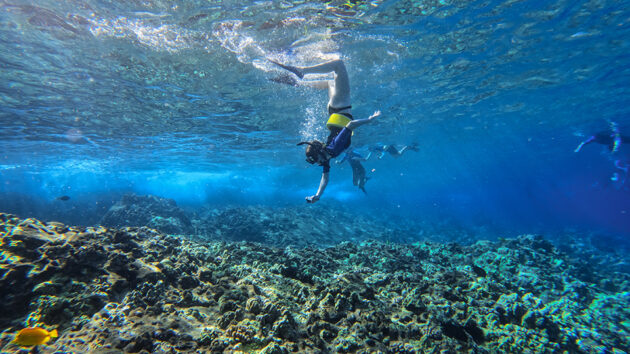
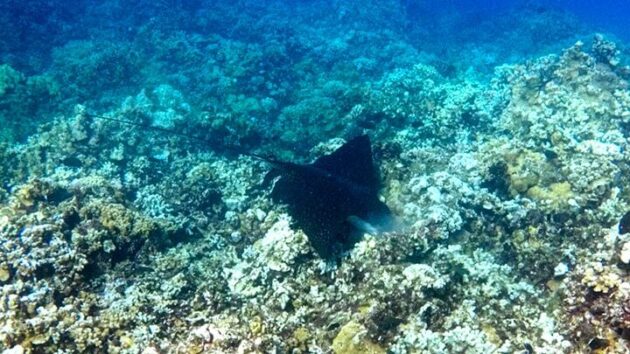
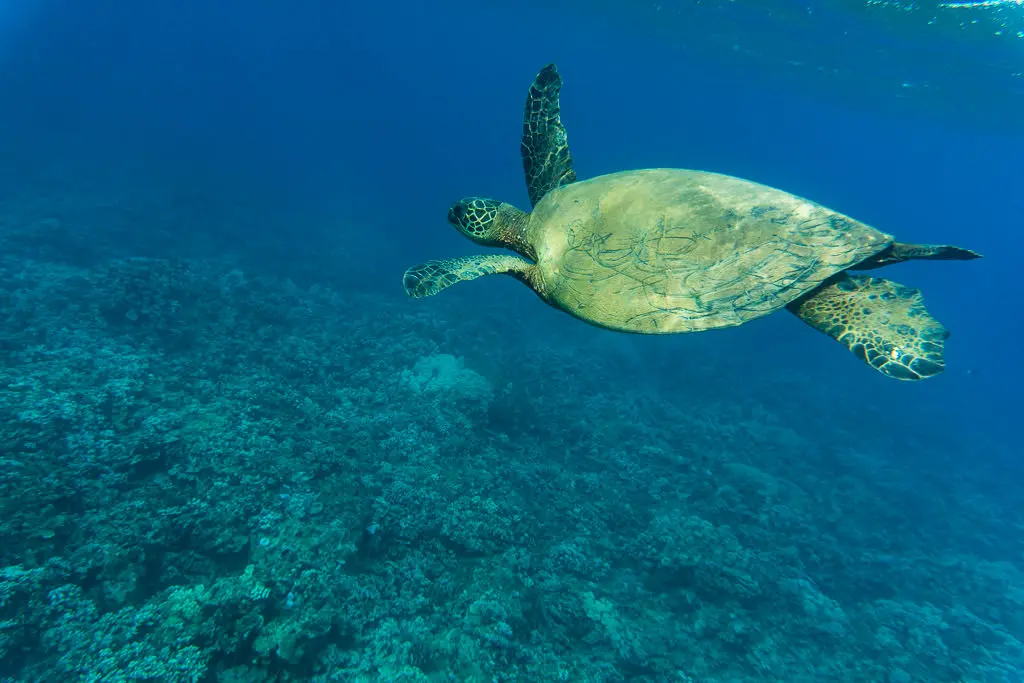
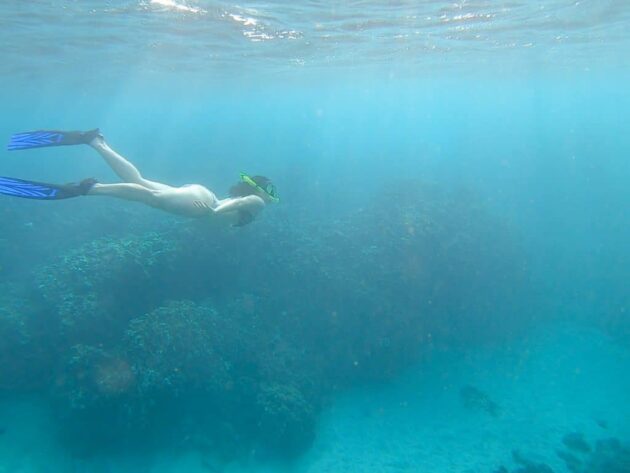
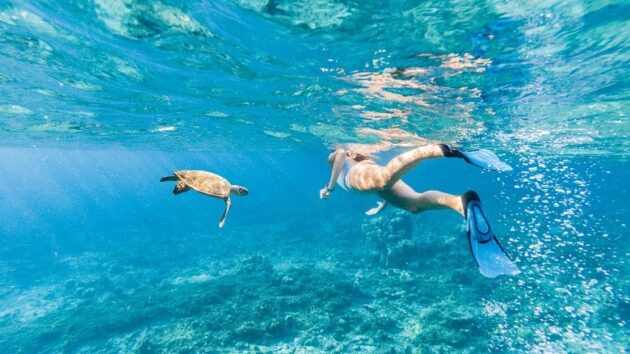
Kumimi Beach stands out for its pristine, unspoiled setting and excellent snorkeling conditions, thanks to a protective offshore reef that creates calm, clear waters teeming with marine life. The beach’s soft golden sand, shallow waters, and lush backdrop of ironwood trees make it ideal for families, snorkelers, and those looking to escape the crowds. Its location along Kamehameha V Highway ensures easy access, yet it retains a sense of seclusion, offering a true taste of “Old Hawaii.” Whether you’re swimming, snorkeling, or simply relaxing with a picnic, Kumimi Beach promises a peaceful retreat.
Where to Eat
Kanemitsu’s Bakery (Kaunakakai): Famous for its hot bread, served nightly in the back alley with toppings like cream cheese or jam ($5–$10). A Molokai tradition. Hiro’s Ohana Grill (Hotel Molokai): Offers fresh seafood, poke bowls, and mai tais with ocean views ($15–$30). Live music on Fridays.
Paddlers Restaurant and Bar (Kaunakakai): Serves American comfort food and Hawaiian dishes like loco moco ($10–$20). Kamoi Snack-n-Go (Kaunakakai): Great for ice cream and quick bites ($5–$10).
Tip: Groceries and toiletries are pricey, so bring essentials like sunscreen. Fresh produce is limited, and importing fruits/vegetables is restricted.
Where to Stay
Molokai lacks large resorts, offering rustic, authentic accommodations:
Hotel Molokai (Kaunakakai): The island’s only true hotel, with oceanfront bungalows and a pool. Rooms start at $150–$250/night. Pet-friendly options available. Wavecrest Resort (East Molokai): A condo complex with ocean views, BBQ areas, and a pool. Units cost $100–$200/night via Booking.com.
Paniolo Hale, Ke Nani Kai, Kaluakoi Villas (West Molokai): Condo rentals with beach access, priced at $120–$220/night. Bed and Breakfasts/Cottages: Small, family-run options in Kaunakakai or Maunaloa cost $80–$150/night. Check Airbnb or Molokai Visitors Association (+1 800-800-6367).
Camping: Papohaku Beach Park offers permits for $10–$20/night via Maui County (+1 808-553-3204). Facilities are basic, so bring supplies.
Tips for a Great Visit
Respect the Culture: Molokai prioritizes “mutually beneficial” tourism. Ask permission before accessing private land, avoid overtourism behaviors, and engage with locals respectfully. Pack Smart: Bring sturdy shoes for hiking, jeans for mule rides (if available), and cash, as many businesses don’t accept cards. Cell service and Wi-Fi are spotty.
Ethical Travel: Support local businesses like Purdy’s Natural Macadamia Nut Farm (free tours, donations appreciated) to learn about island life. Avoid sharing sensitive locations on social media to protect sacred sites. Combine Your Trip: Pair Molokai with a day trip from Maui or Oahu for a multi-island experience. Helicopter tours from Maui offer stunning views of Molokai’s cliffs and waterfalls.
Safety: Check ocean conditions before swimming, as some beaches (e.g., Papohaku) have strong currents. Hurricanes are rare but possible June–November.
Final Thoughts
Molokai is not your typical Hawaiian vacation. It’s a place to slow down, connect with nature, and immerse yourself in authentic Hawaiian culture. From the dramatic cliffs of Kalaupapa to the serene sands of Papohaku, every moment on Molokai feels like stepping back in time. By respecting the island’s traditions and embracing its laid-back vibe, you’ll discover why it’s called “The Most Hawaiian Island.” Plan ahead, travel humbly, and let Molokai’s aloha spirit guide your journey.
Happy travels!