A Travel Guide to Oahu, Hawaii
Oahu, known as “The Gathering Place,” is the most populous and visited of the Hawaiian Islands, blending vibrant urban life with breathtaking natural beauty. Home to Honolulu, the state capital, and the iconic Waikiki Beach, Oahu offers a unique mix of cultural heritage, world-class beaches, historical landmarks, and outdoor adventures. Whether you’re seeking relaxation, adventure, or cultural immersion, this guide will help you plan an unforgettable trip to Oahu in 2025.
Why Visit Oahu?
Oahu is a microcosm of Hawaii’s diversity, combining the cosmopolitan energy of Honolulu with the laid-back surf culture of the North Shore and the serene beauty of the Windward Coast. It’s home to iconic sites like Pearl Harbor, Diamond Head, and the Polynesian Cultural Center, alongside pristine beaches, lush rainforests, and vibrant culinary and arts scenes. With a rich blend of Native Hawaiian, Asian, and American influences, Oahu offers something for every traveler, from history buffs to adrenaline junkies.
How to Get There
Oahu is easily accessible via Daniel K. Inouye International Airport (HNL) in Honolulu, the main gateway to Hawaii. Here are your options:
By Air: HNL serves numerous domestic and international flights from airlines like United, Delta, Hawaiian Airlines, and Air Canada. Round-trip flights from the U.S. mainland (e.g., California) typically cost $200–$500, with cheaper fares in spring (March–May) or fall (September–October). Flight duration: ~5–6 hours from the West Coast, 17–19 hours from London (with stopovers).
By Cruise: Some cruise lines (e.g., Norwegian, Princess) include Honolulu as a port of call. Check itineraries for multi-island Hawaiian cruises.
Getting Around Oahu: Car Rental: Highly recommended for exploring beyond Waikiki. Book in advance through companies like Enterprise or Discount Hawaii Car Rentals for better rates ($50–$100/day). Avoid renting at the airport to save costs. Public Transport: TheBus offers island-wide service, with a day pass at $7.50. It’s reliable but slower for remote areas. Ride-Hailing: Uber and Lyft are widely available in Honolulu and Waikiki ($40–50 from airport to Waikiki). Taxis are also an option but costlier. Biking/Walking: Waikiki is walkable, and bike rentals (e.g., Biki) are available for short distances.
Tip: Oahu’s attractions are spread out, so a car is ideal for reaching the North Shore or Windward Coast. Free parking at some hotels can save costs.
Best Time to Visit
Summer (May–October): Warm (75–88°F), less rain, and ideal for beach activities. Peak crowds in June–August increase hotel and flight costs.
Winter (November–April): Cooler (70–80°F), more rain, but perfect for surfing on the North Shore due to big waves. Fewer crowds in April/May and September/October make these shoulder seasons ideal for savings and pleasant weather.
Events to Note: Vans Triple Crown of Surfing (November–December, North Shore): World-class surf competitions. Aloha Festivals (September): Celebrate Hawaiian culture with music, dance, and parades.
Major City
Honolulu
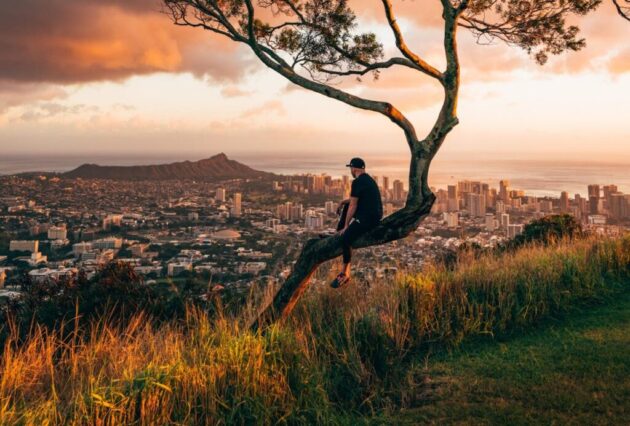
Honolulu, the vibrant capital of Hawaii, is a tropical paradise blending urban sophistication with stunning natural beauty. Located on the island of Oʻahu, it’s home to iconic Waikiki Beach, rich cultural heritage, and a gateway to adventure, from volcanic hikes to historic sites.

Top Attractions
Waikiki Beach
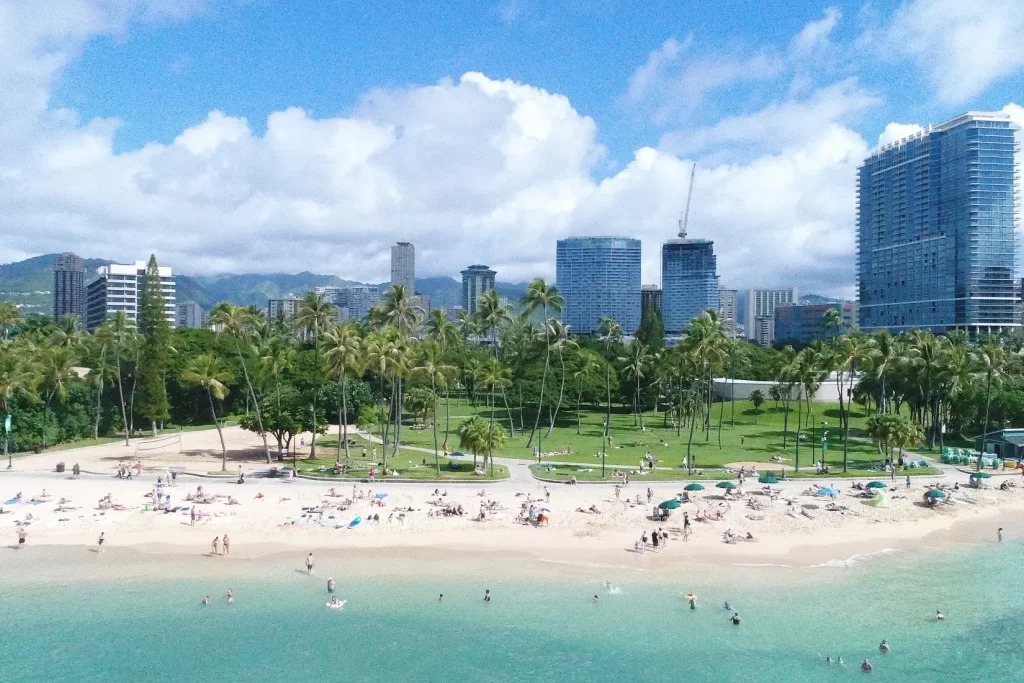
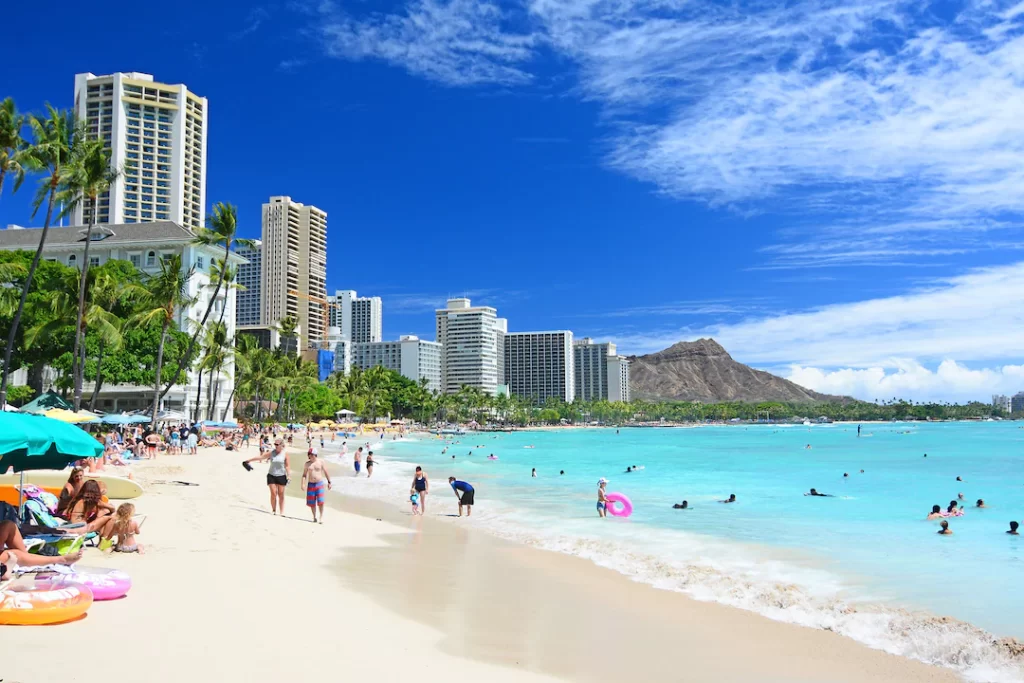
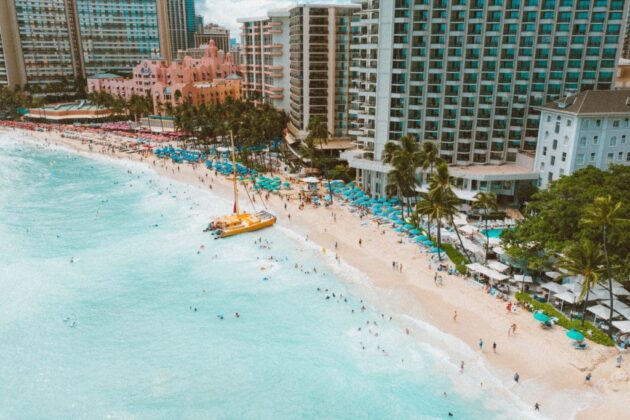
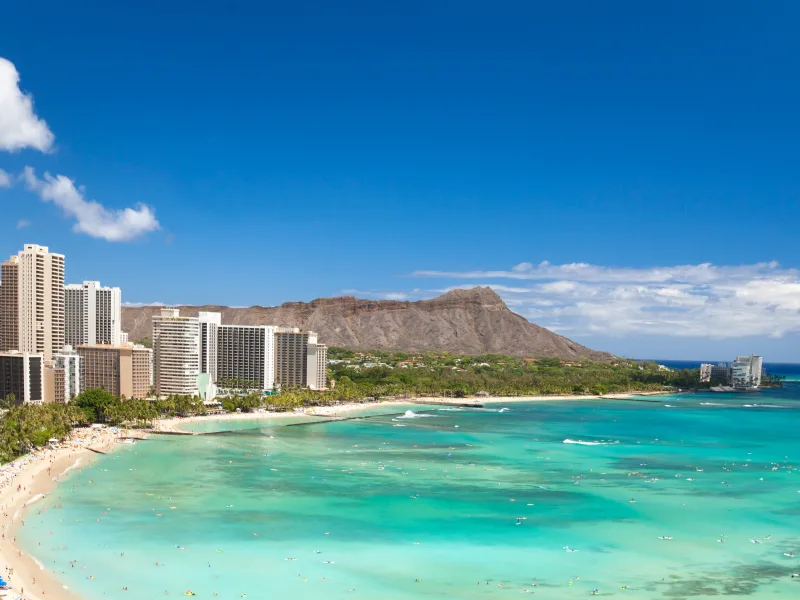
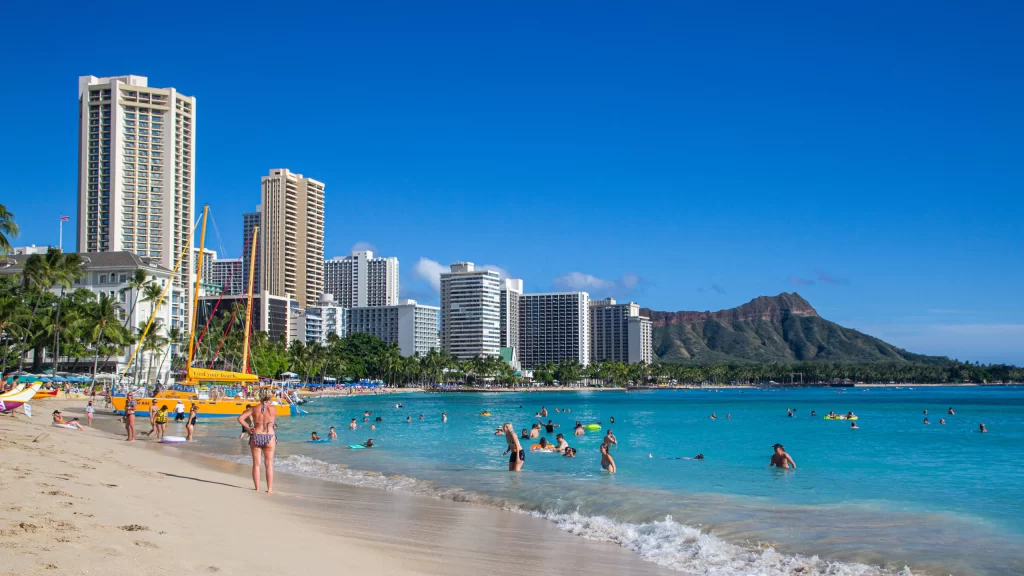
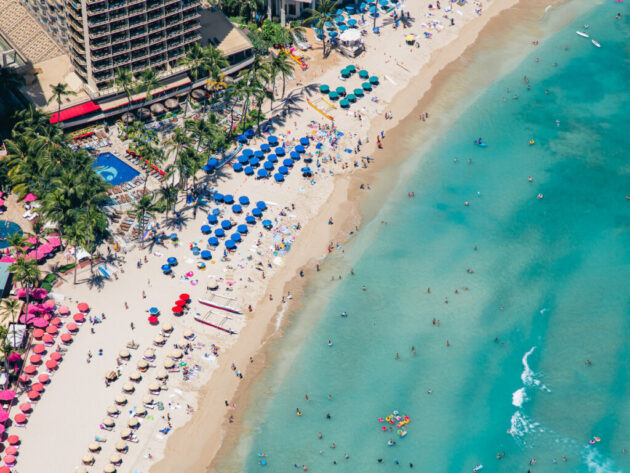
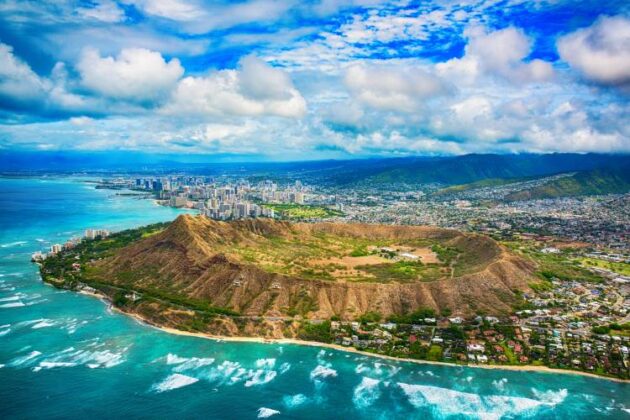
One of the most famous beaches in the world, Waikiki Beach is a must-visit for sunbathers, surfers, and water sports enthusiasts. The beach is lined with hotels, restaurants, and shops, making it a hub for visitors. You can take a surfing lesson, rent a paddleboard, or simply relax and enjoy the stunning views of Diamond Head in the background.
Diamond Head State Monument
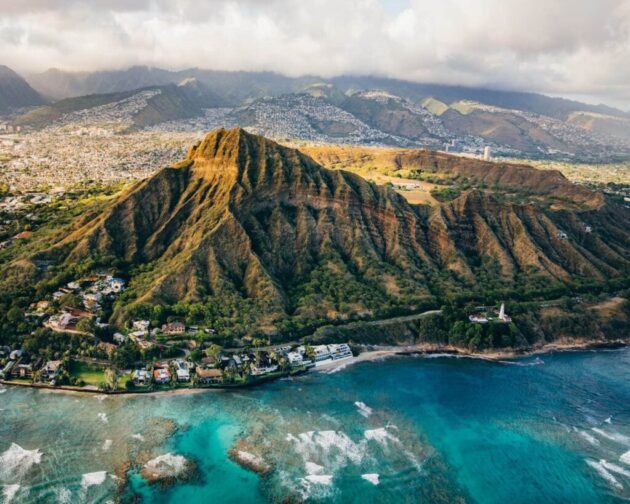
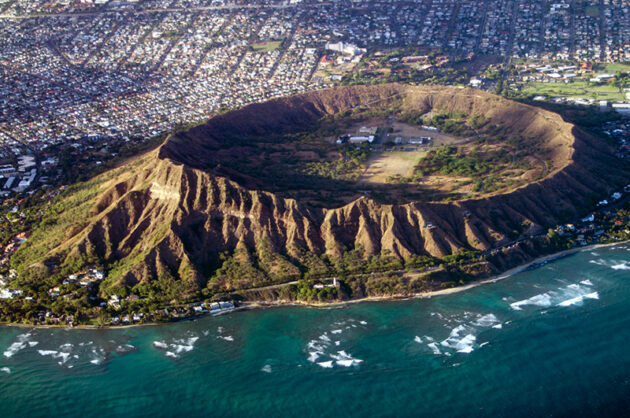
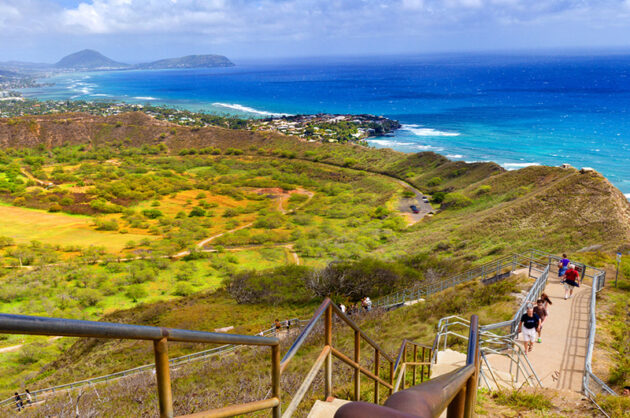
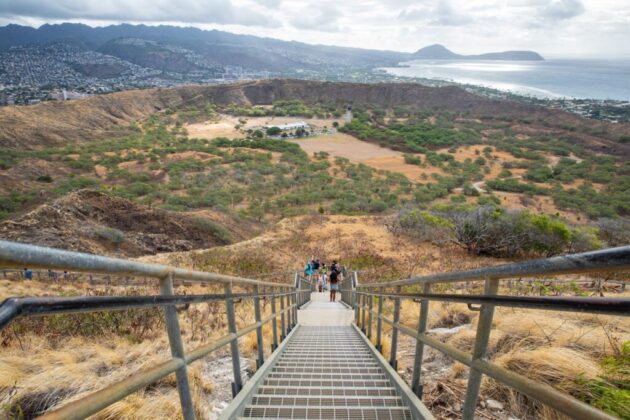
Diamond Head State Monument, known to Native Hawaiians as Lē‘ahi, is one of Oahu’s most iconic landmarks, offering a blend of natural beauty, geological significance, and historical intrigue. Located just east of Waikiki in Honolulu, this volcanic tuff cone, formed 300,000 years ago, is famous for its rewarding summit hike, panoramic coastal views, and military history. Spanning 475 acres, the monument attracts over 3,000 visitors daily, making it one of Hawaii’s most popular destinations.
Hanauma Bay Nature Preserve
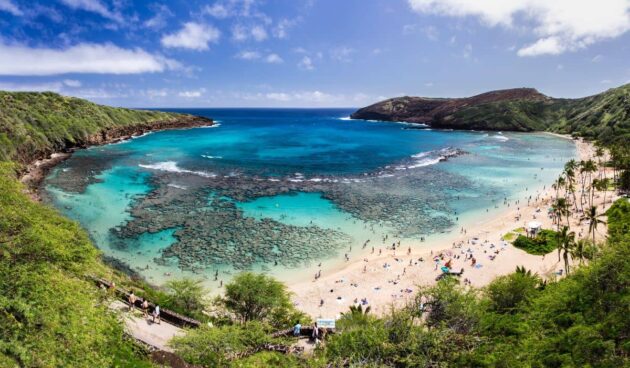
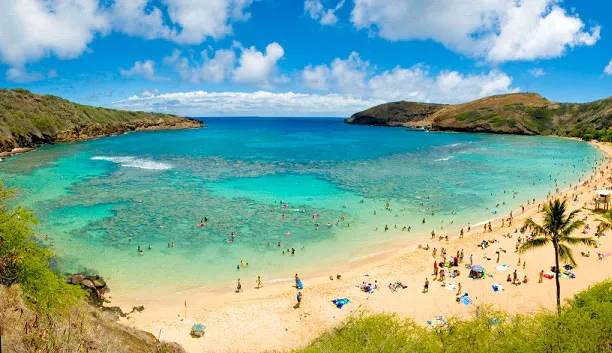
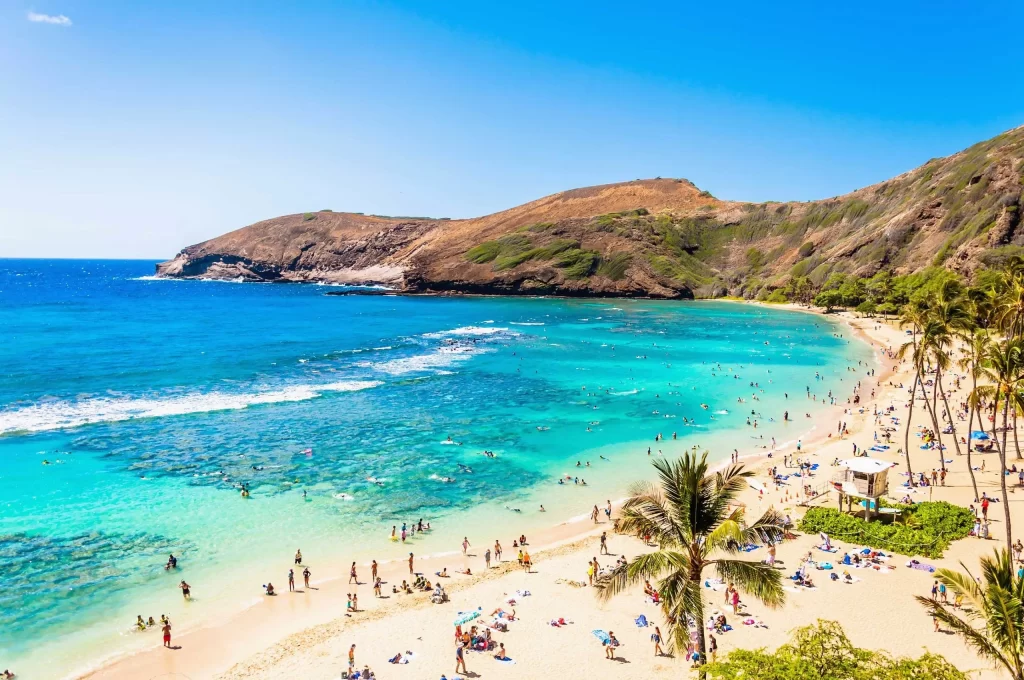
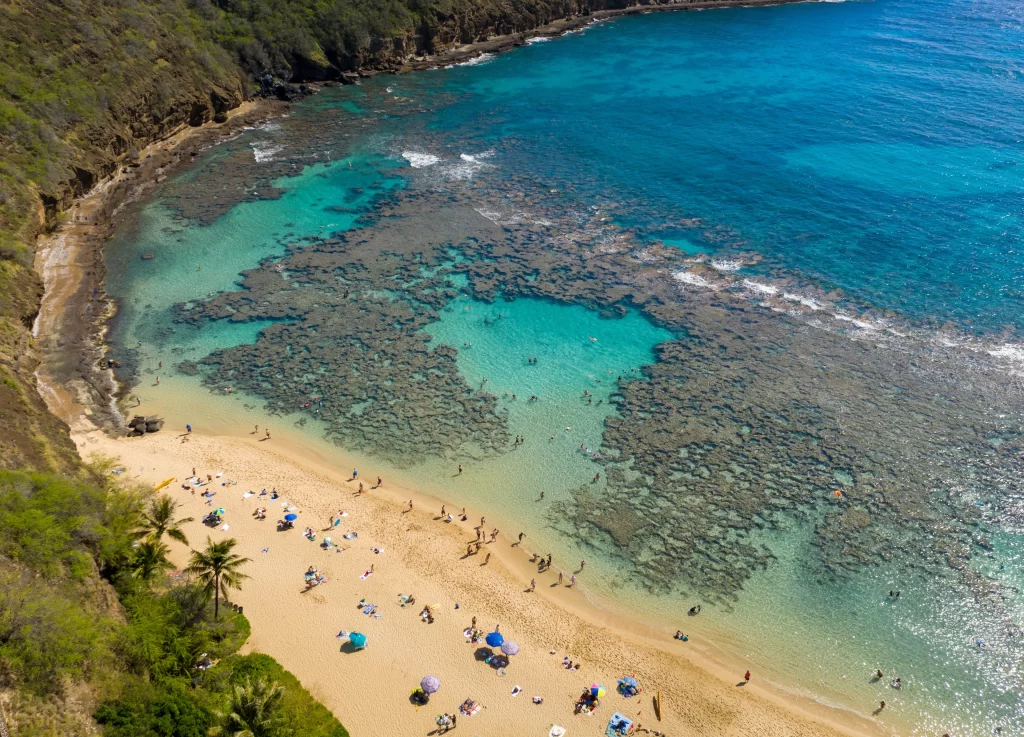
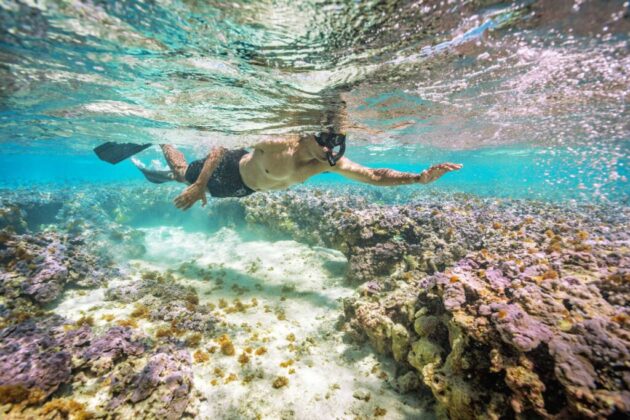
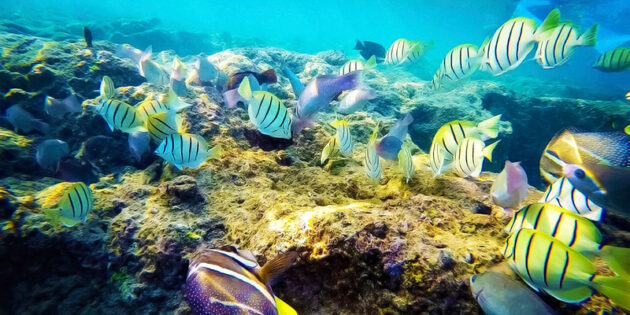
Located on the southeastern coast of Oahu, Hanauma Bay Nature Preserve is one of Hawaii’s most iconic destinations, renowned for its vibrant marine life, crystal-clear waters, and stunning volcanic landscape. Formed within a volcanic cone, this protected Marine Life Conservation District offers some of the best snorkeling in the world, attracting visitors eager to explore its thriving coral reefs and diverse aquatic species.
Polynesian Cultural Center
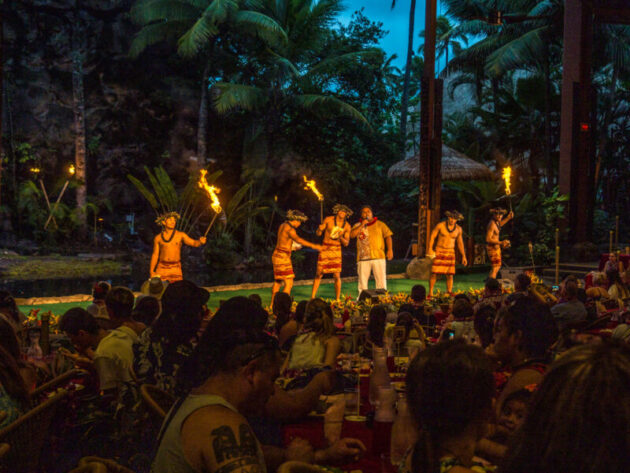
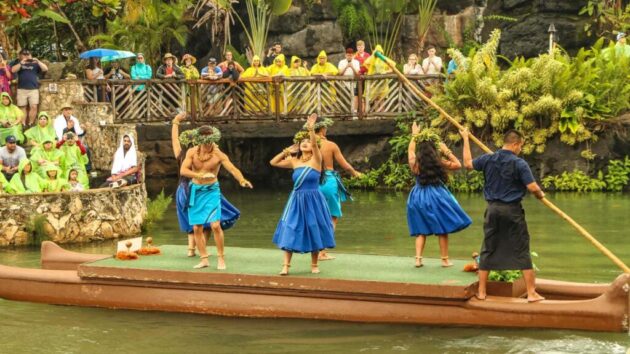
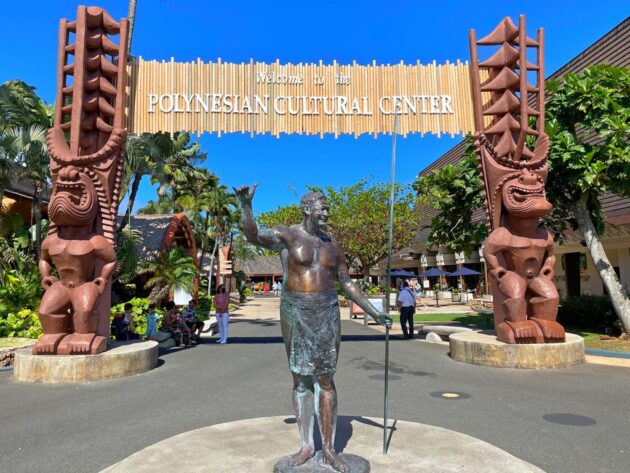
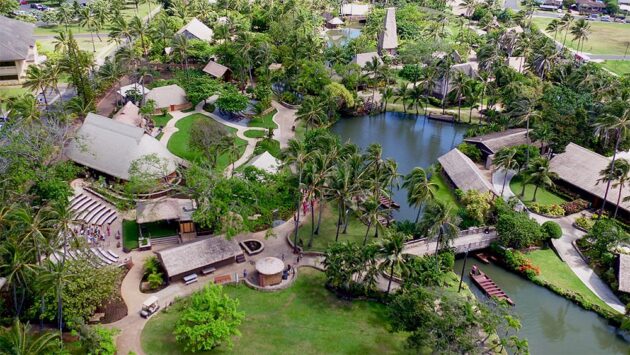
Located about an hour’s drive from Honolulu, the Polynesian Cultural Center offers an immersive experience into the cultures of Hawaii and other Polynesian islands. Visitors can explore different villages representing various islands, watch traditional performances, and enjoy a luau with authentic Hawaiian food and entertainment.
Lanikai Beach
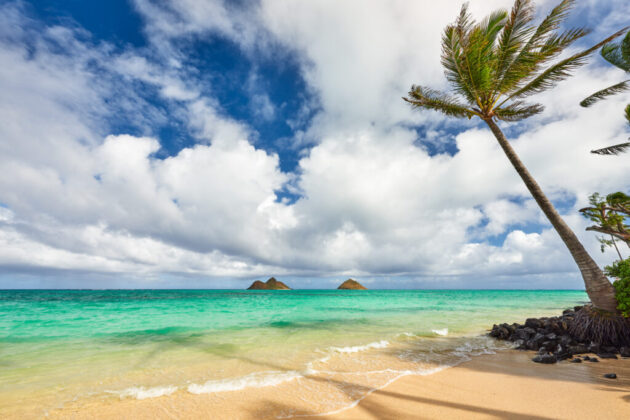
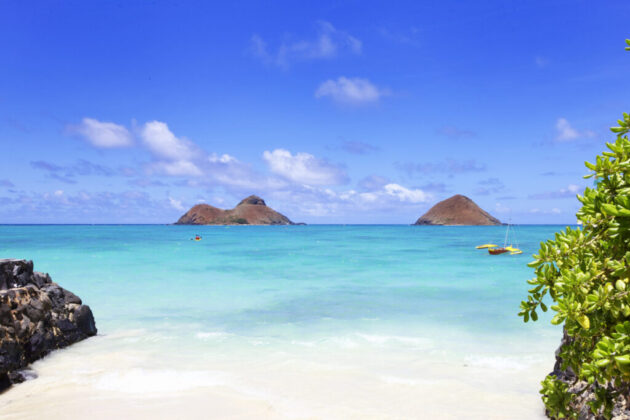
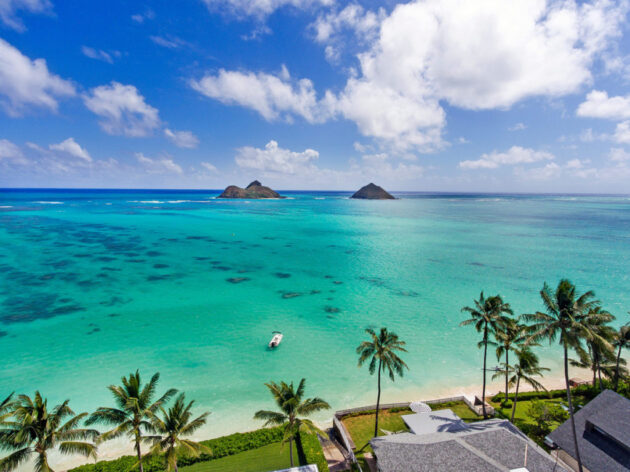
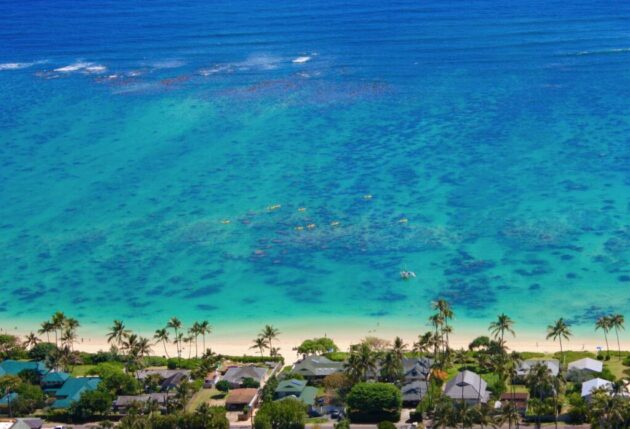
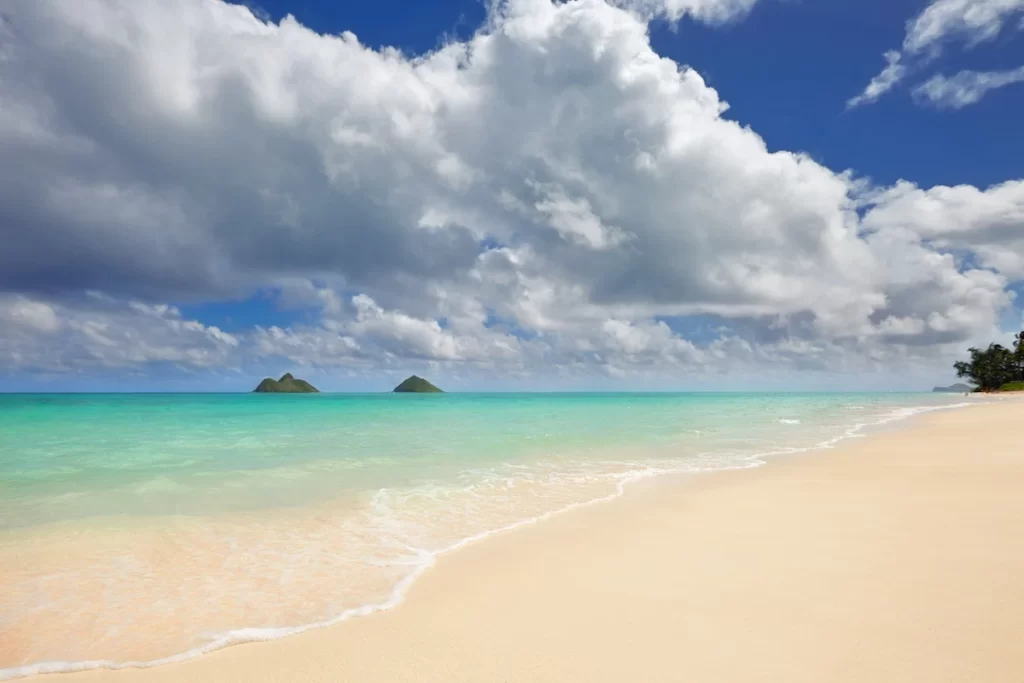
Lanikai Beach, located in the charming town of Kailua on Oahu’s Windward Coast, is often hailed as one of the world’s most beautiful beaches. Known for its powdery white sand, turquoise waters, and stunning views of the Mokulua Islands (locally called “The Mokes”), this half-mile stretch of paradise embodies the quintessential Hawaiian beach experience.
Koko Crater Railway Trailhead
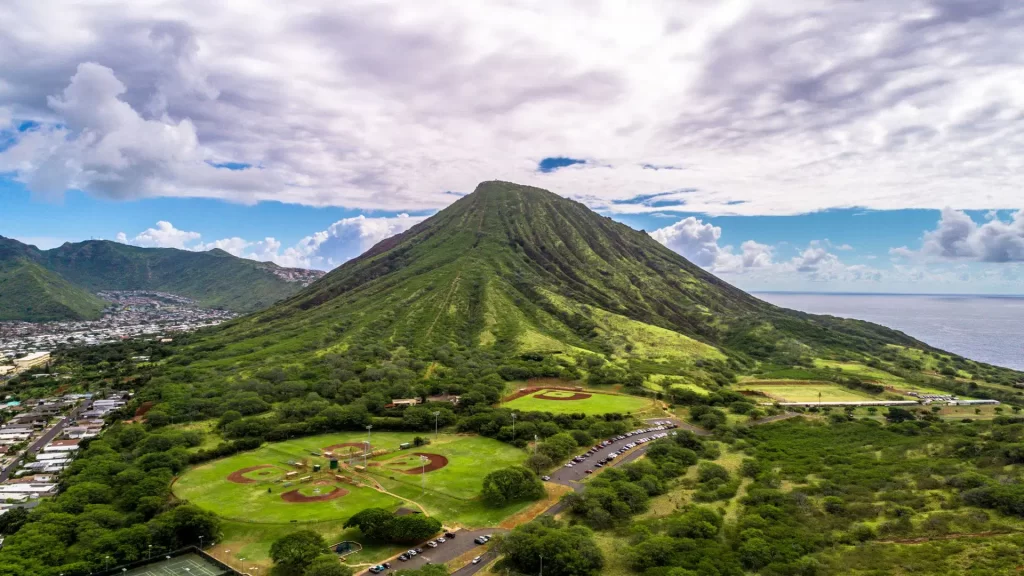
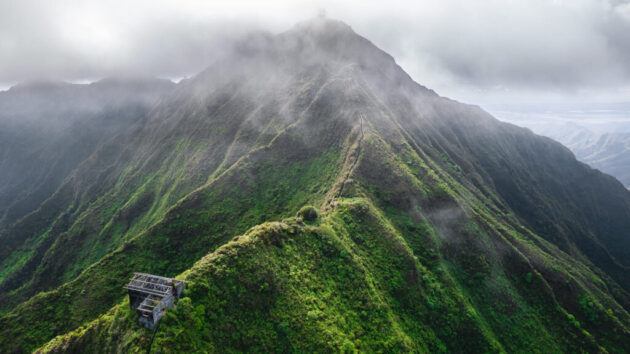
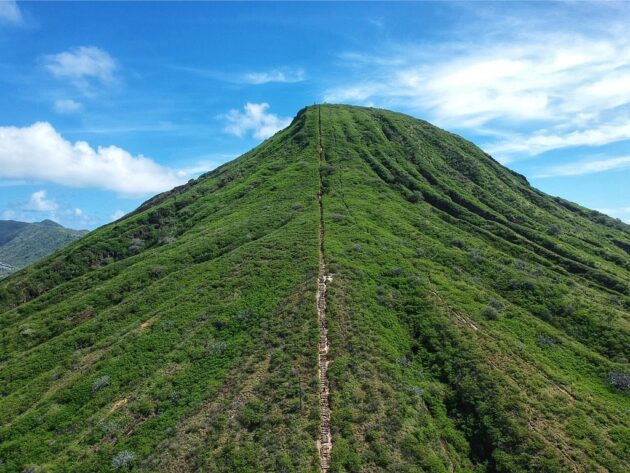
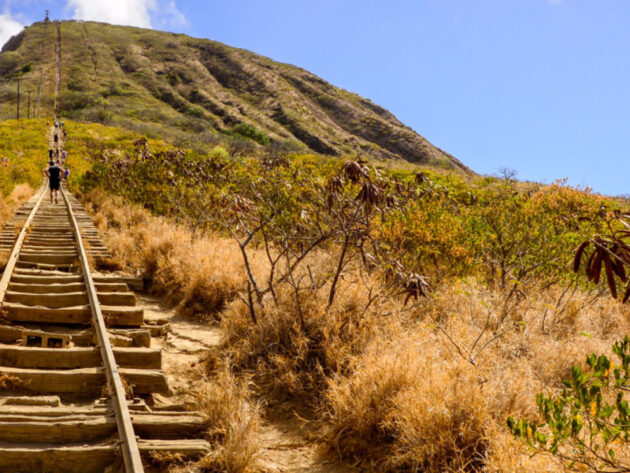
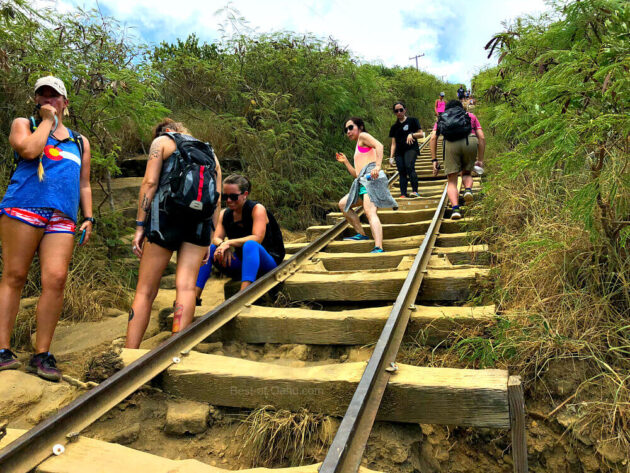
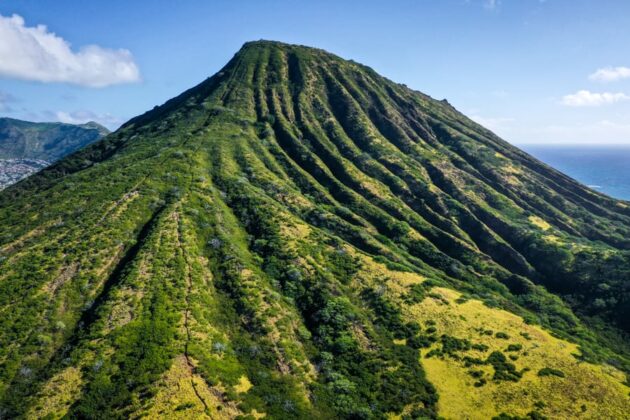
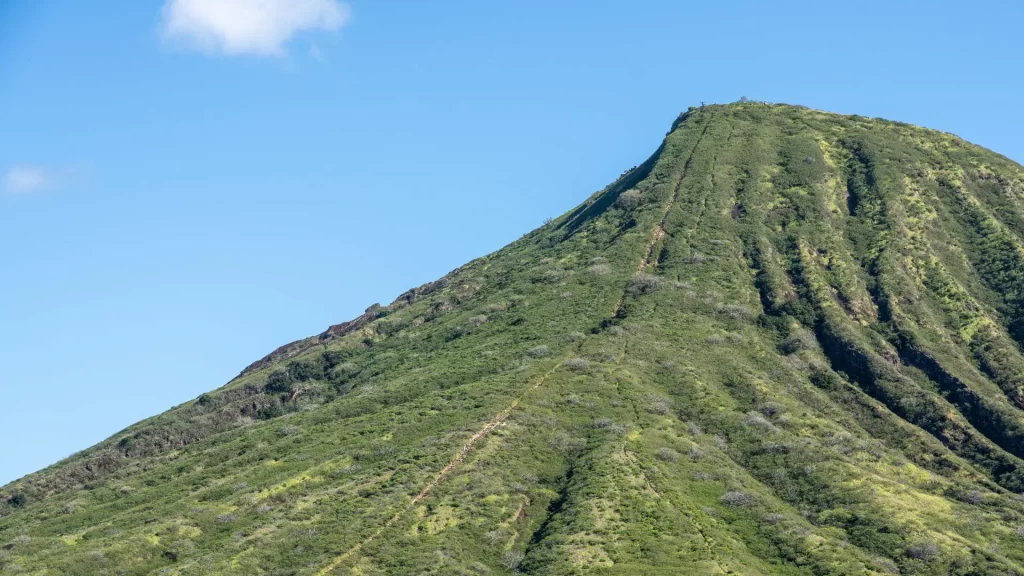
The Koko Crater Railway Trail, also known as the “Koko Head Stairs,” is one of Oahu’s most iconic hikes. It offers breathtaking panoramic views of the southeastern coastline of Oahu, including Hanauma Bay, the Pacific Ocean, and parts of the Koolau Mountain Range. This steep and challenging hike is famous for its ascent along an abandoned WWII-era railway track, once used to transport military supplies to the top of Koko Crater.
Makapu‘u Point Lighthouse Trail
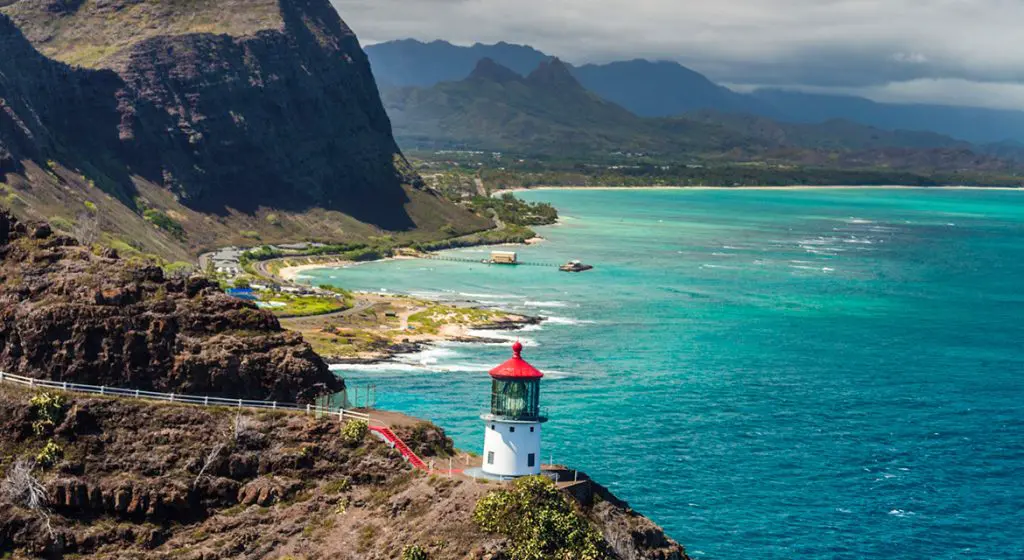
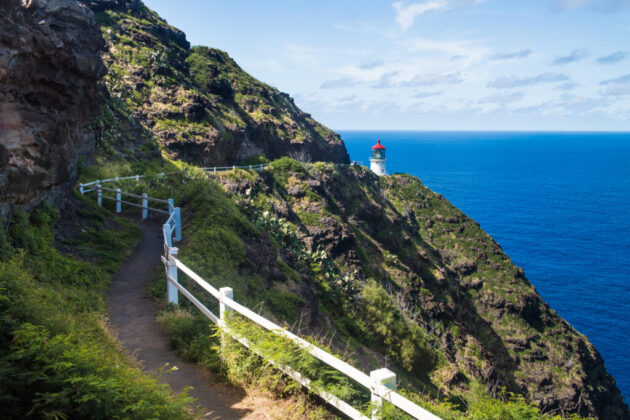
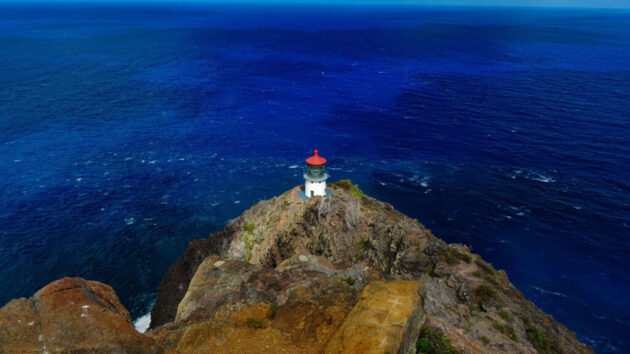
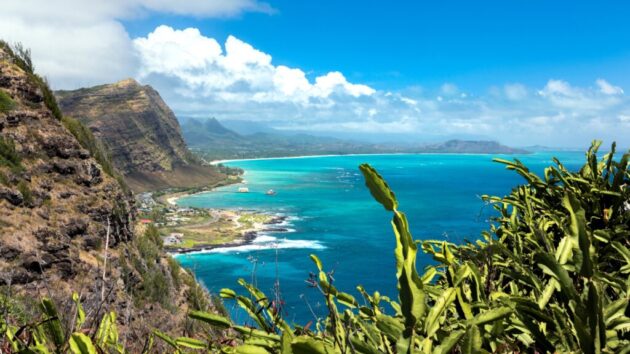
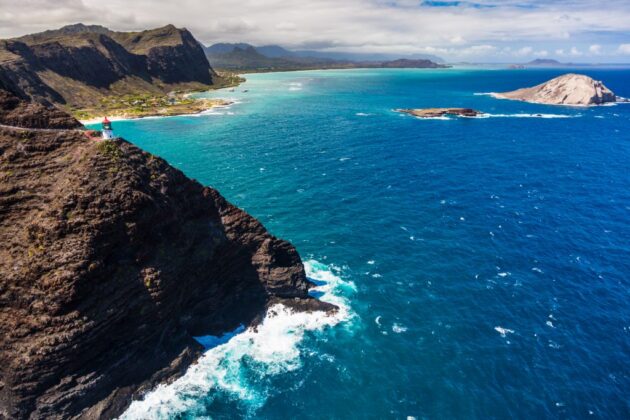
Makapu‘u Point Lighthouse Trail is a popular hike located on the southeastern coast of Oahu, Hawaii. This family-friendly trail offers stunning views of the Pacific Ocean, rugged coastlines, and the historic Makapu‘u Lighthouse. Known for its panoramic vistas, it’s also a great spot for whale watching during the winter months. The trail is easy to moderate, making it accessible for most fitness levels and ages.
Sea Life Park Hawaii
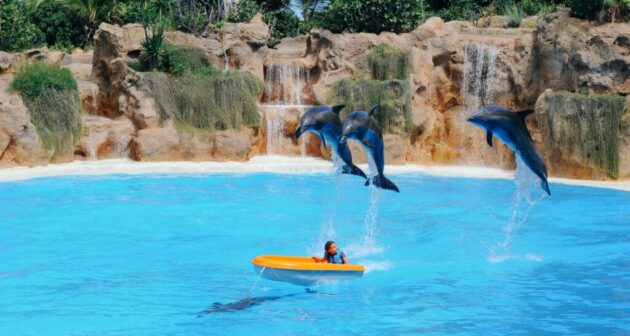
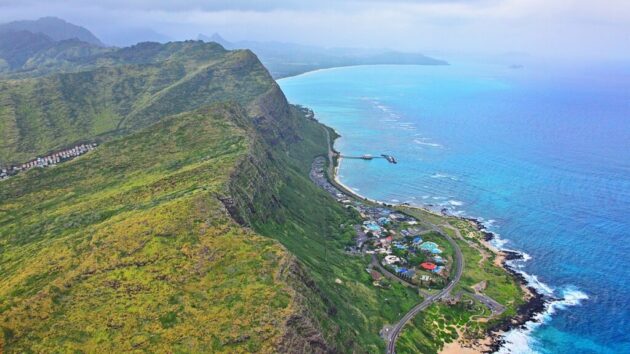
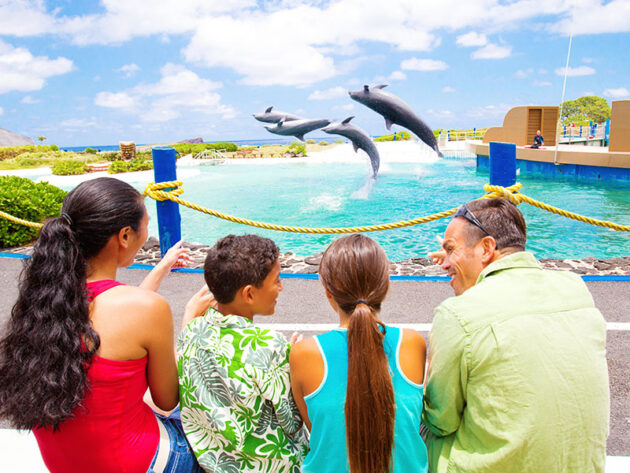
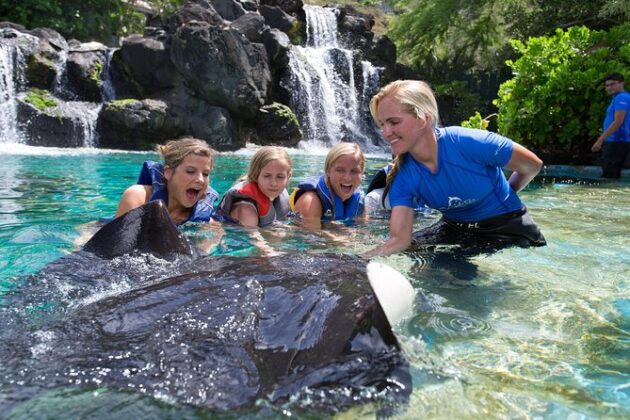
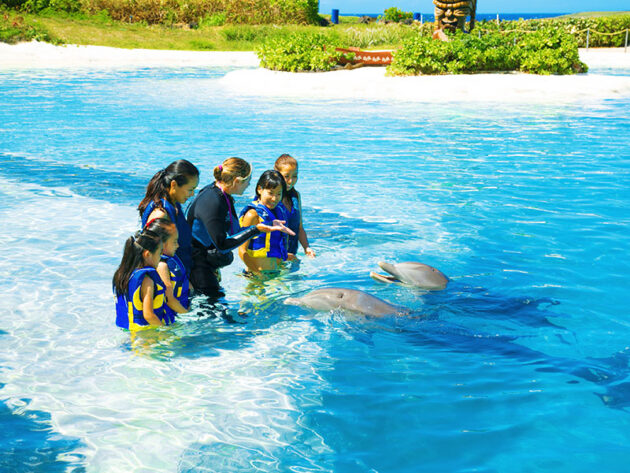
Sea Life Park Hawaii is a family-friendly marine park located on the island of Oahu, about 25 minutes from Waikiki. Nestled between the scenic Makapu’u Point and the Ko’olau Mountains, this oceanfront park offers interactive experiences with marine life, from dolphins and sea lions to sharks and rays. It’s a perfect spot for travelers looking for a fun and educational day immersed in Hawaii’s rich marine environment.
Koko Crater Botanical Garden
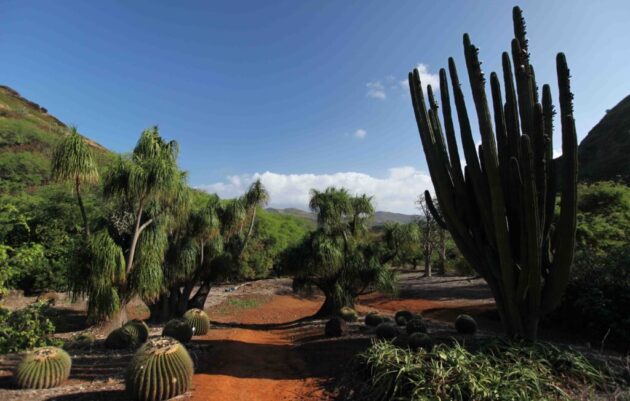
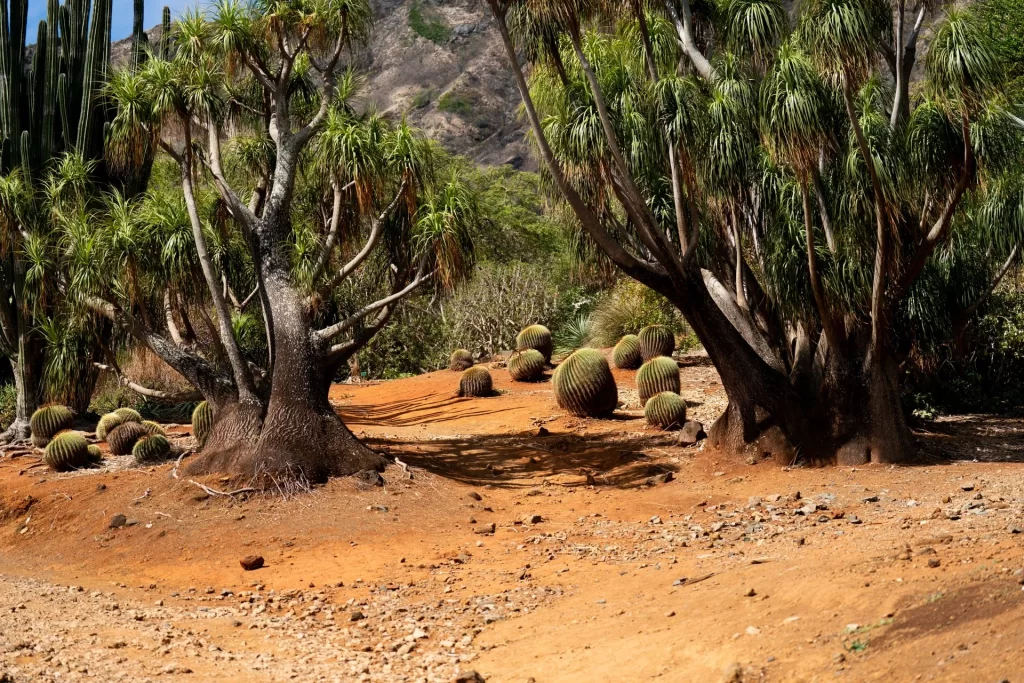
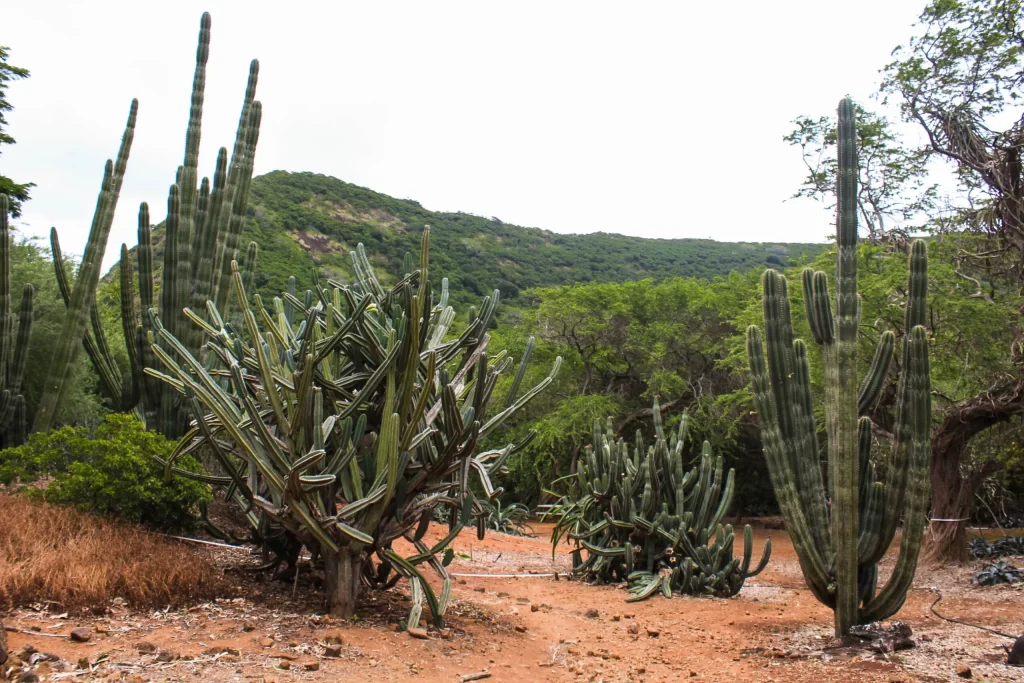
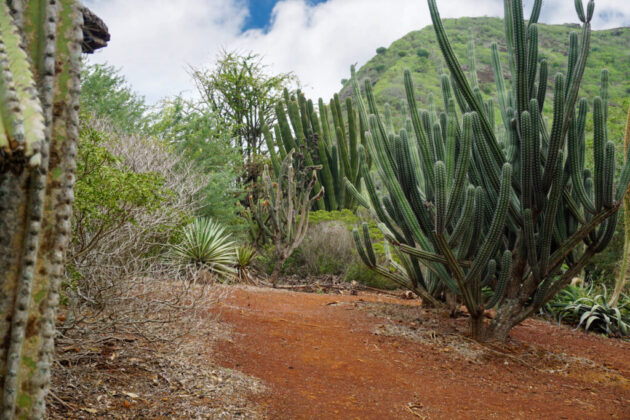
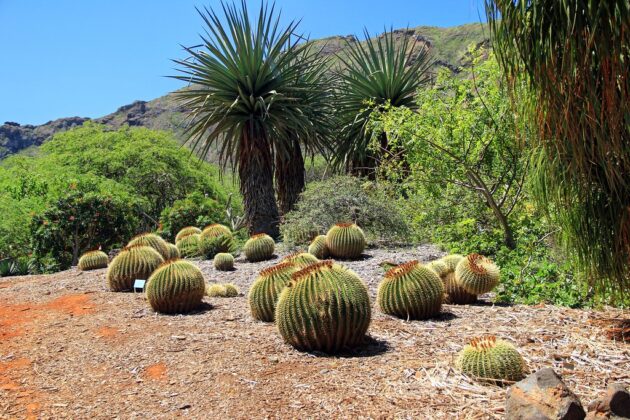
Koko Crater Botanical Garden, located within the larger Koko Crater on the southeastern coast of Oahu, Hawaii, offers a unique botanical experience in a volcanic setting. This 60-acre garden is part of the Honolulu Botanical Gardens and is a must-visit for nature lovers, plant enthusiasts, and hikers. It showcases a variety of plants, particularly those from arid regions, making it distinct from the lush, tropical gardens found elsewhere on Oahu.
Hoʻomaluhia Botanical Garden
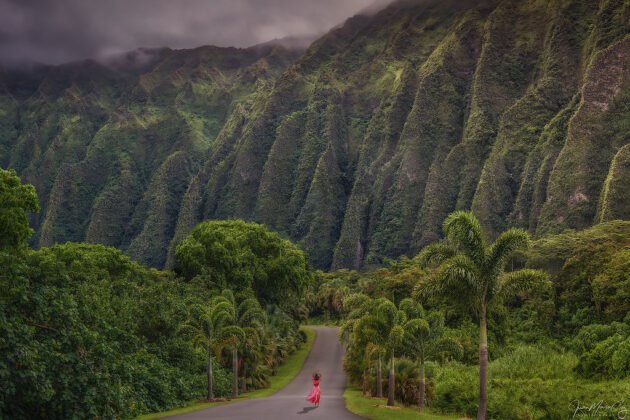
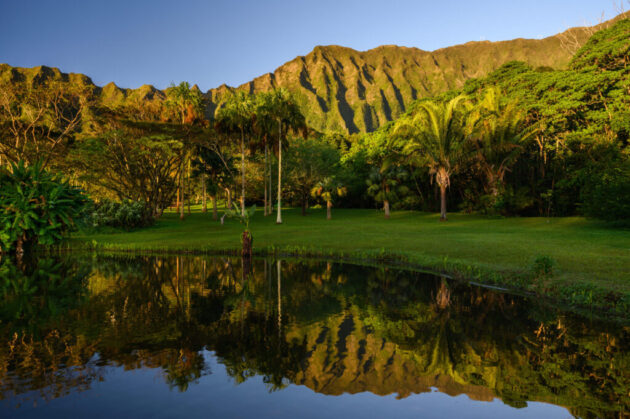
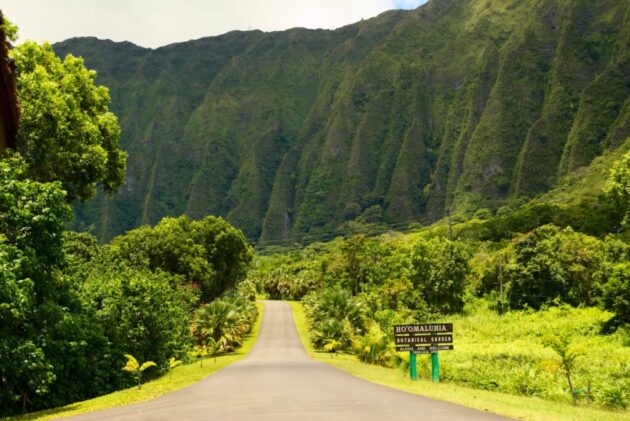
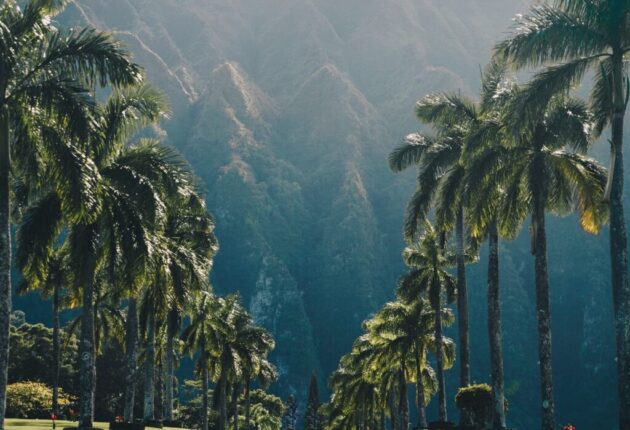
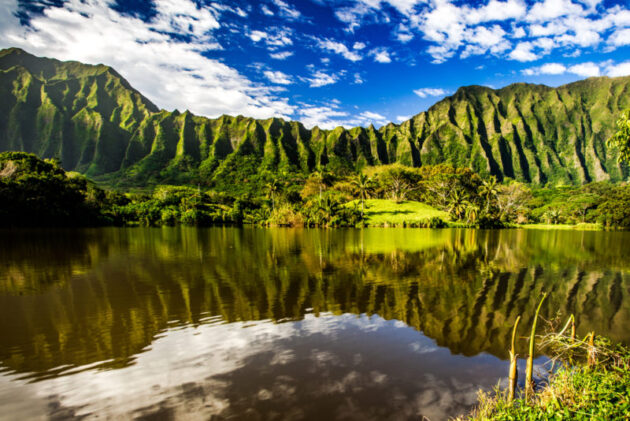
Hoʻomaluhia Botanical Garden, nestled at the base of the Koʻolau Mountain Range on the windward side of Oahu, is a stunning 400-acre garden that showcases tropical plants from around the world. The name “Hoʻomaluhia” translates to “a place of peace and tranquility,” and the garden lives up to its name with its lush land.
Kualoa Ranch
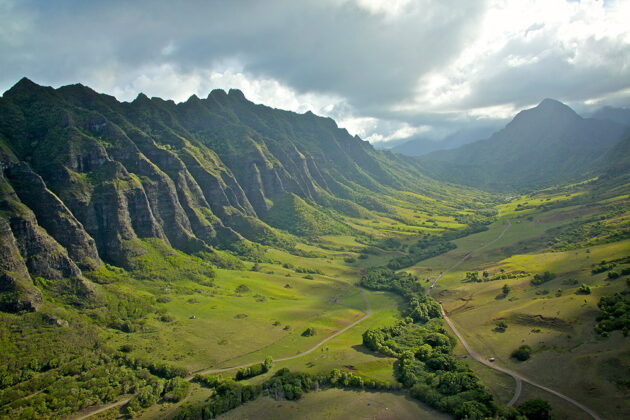
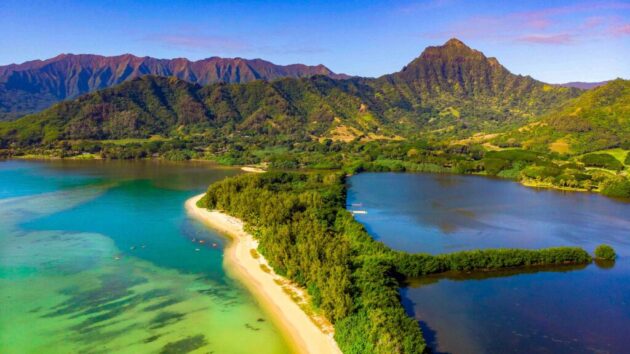
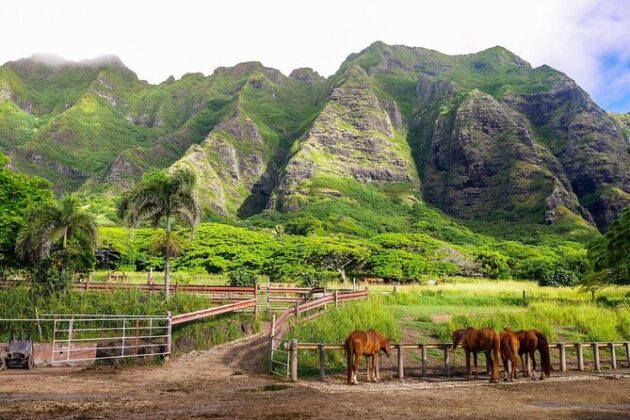
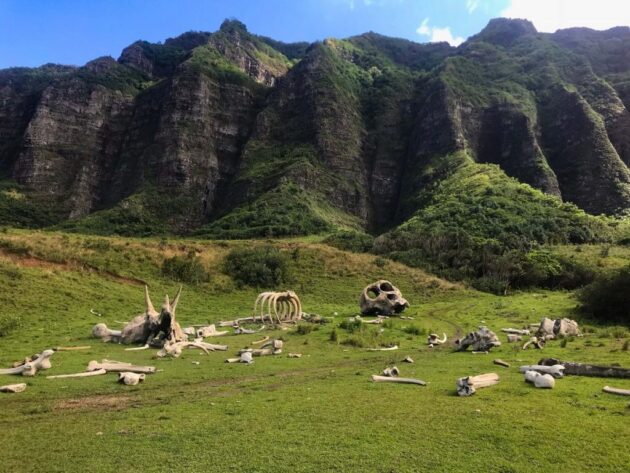
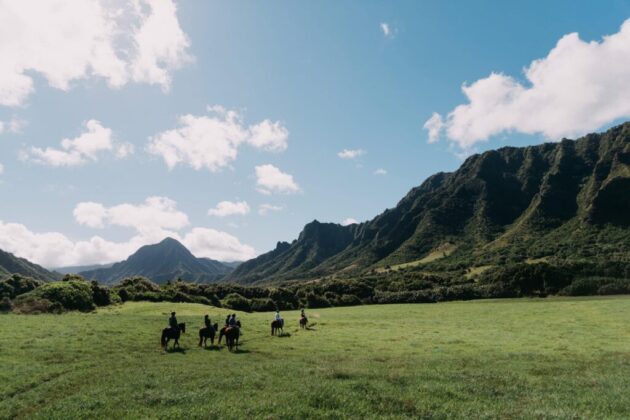
Kualoa Ranch, nestled on the windward coast of Oahu, Hawaii, is a 4,000-acre private nature reserve and working cattle ranch that offers a breathtaking blend of lush valleys, rugged cliffs, and cinematic history. Known as “Hollywood’s Hawaii Backlot,” it has served as a filming location for over 200 movies and TV shows, including Jurassic Park, Jurassic World, Jumanji, and LOST. Beyond its Hollywood fame, Kualoa is steeped in Hawaiian culture and natural beauty, making it a must-visit destination for adventure seekers, movie buffs, and cultural enthusiasts alike.
Dole Plantation
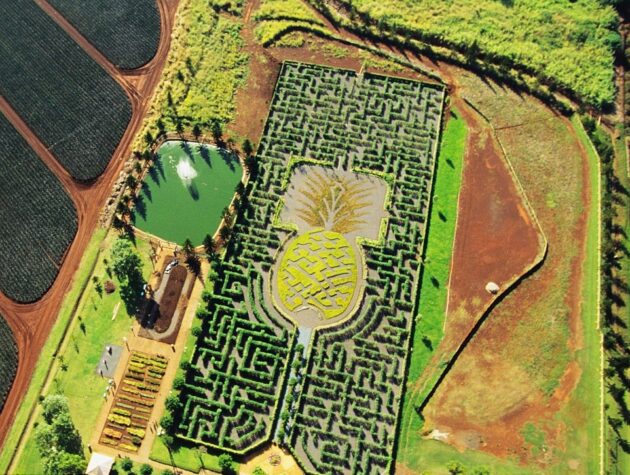
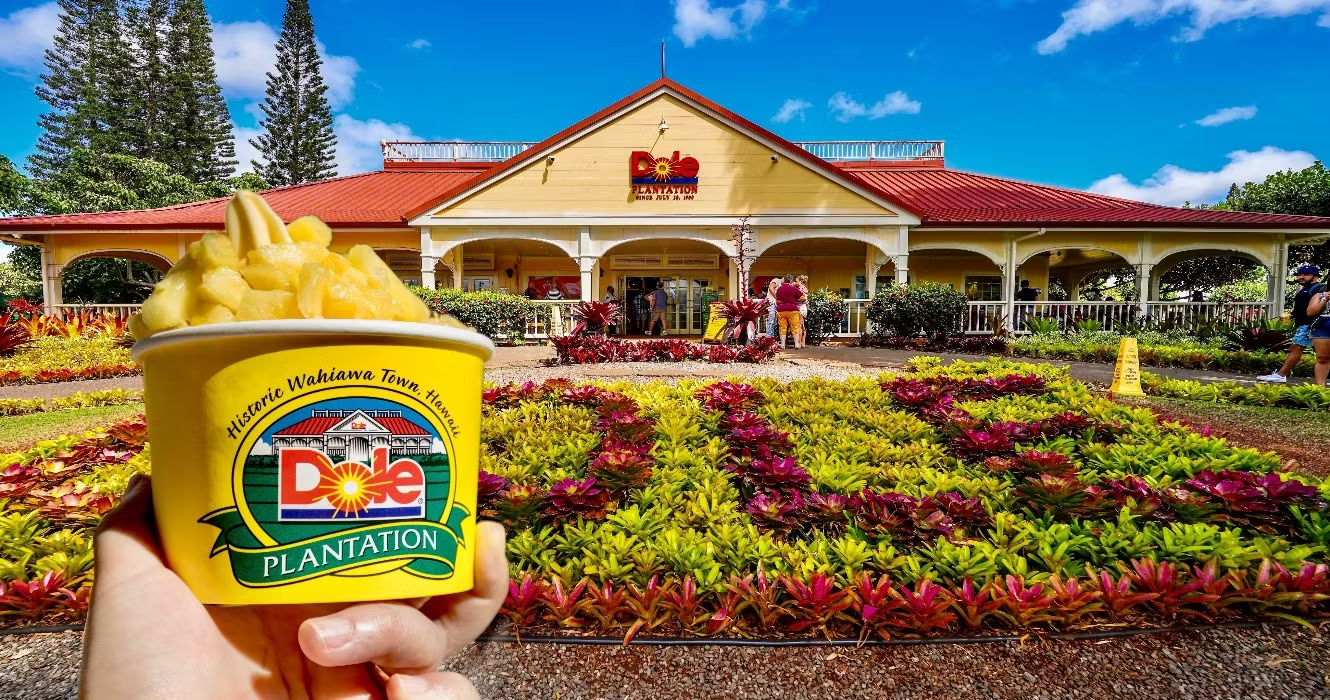
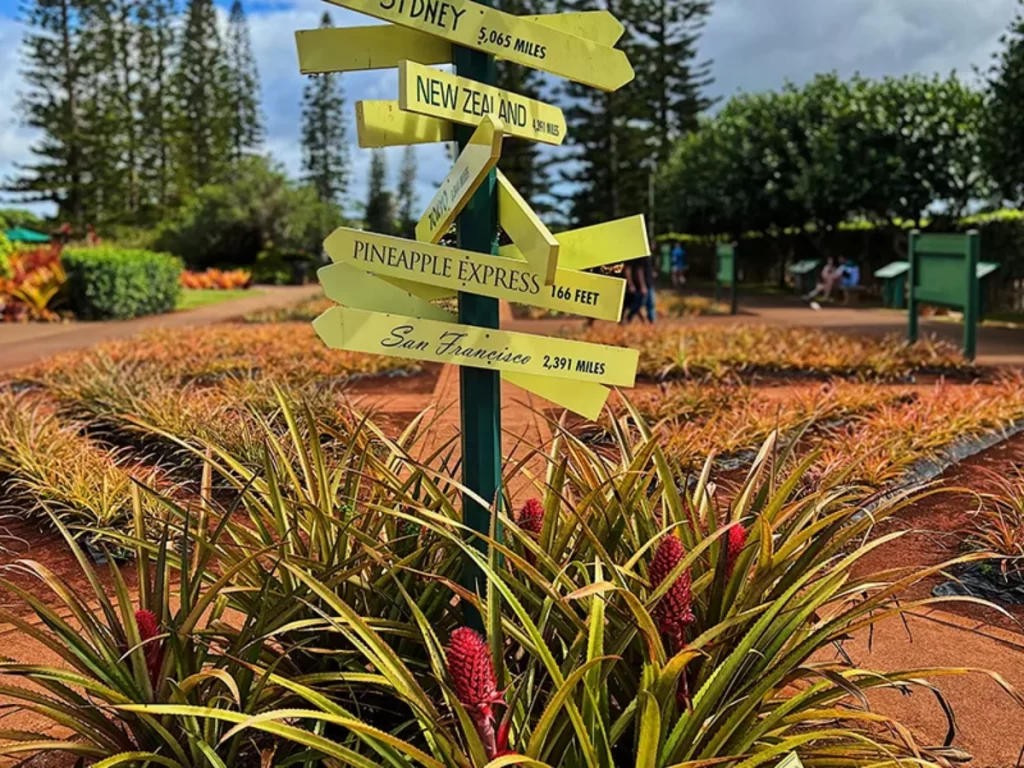
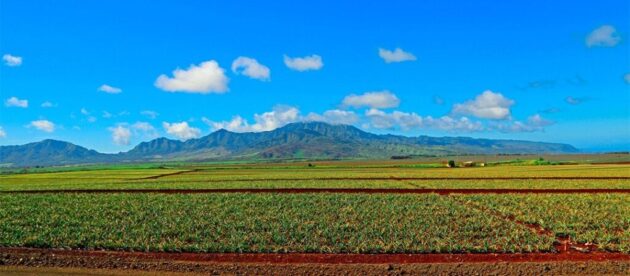
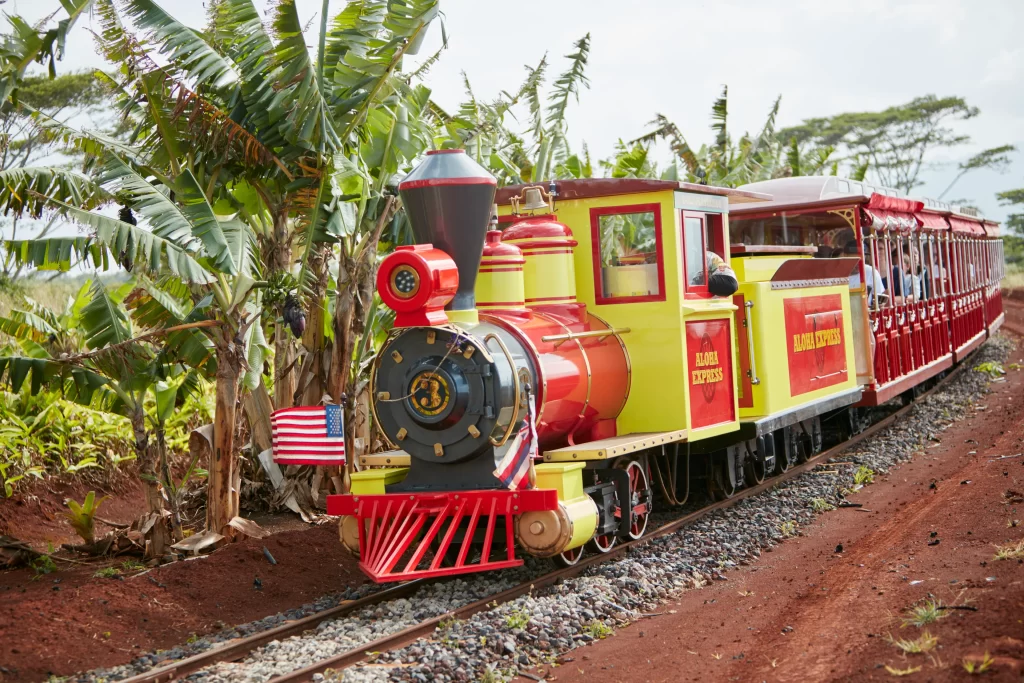
Located in the heart of Oahu’s North Shore, the Dole Plantation is one of Hawaii’s most iconic attractions, offering a deep dive into the island’s pineapple heritage. Originally established in 1901 by James Drummond Dole, the “Pineapple King,” this sprawling plantation in Wahiawa transformed from a modest fruit stand in 1950 into a vibrant tourist destination by 1989. Known as “Hawaii’s Pineapple Experience,” it draws over one million visitors annually with its educational tours, family-friendly activities, and the world-famous Dole Whip.
Waimea Bay Beach Park
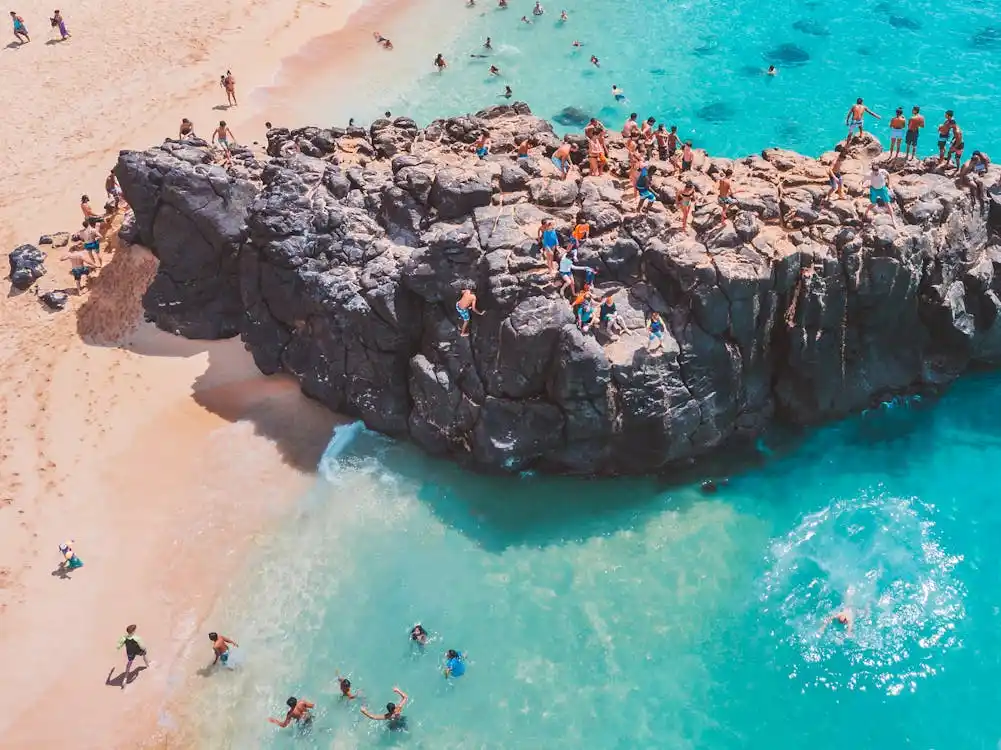
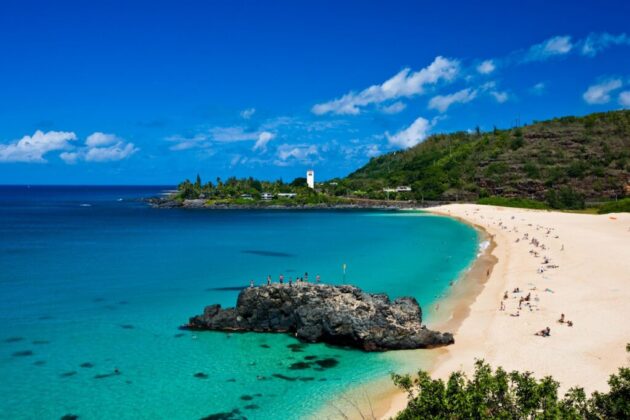
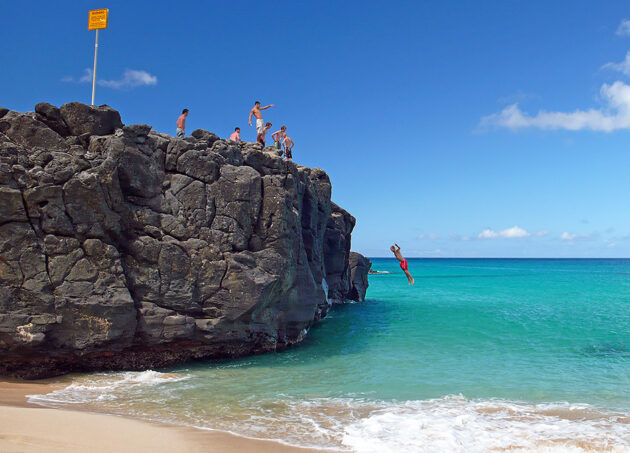
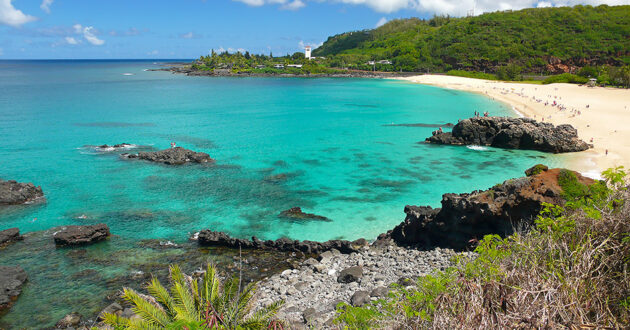
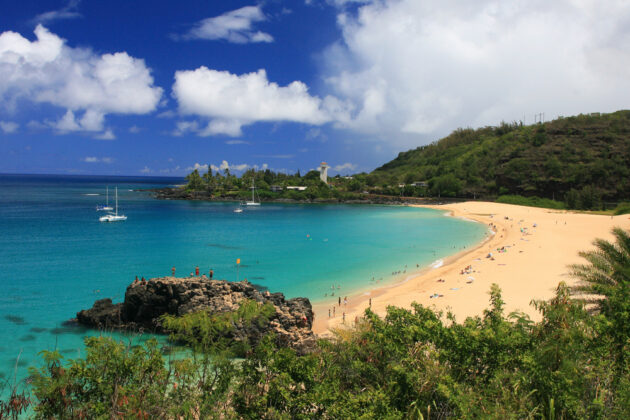
Waimea Bay is a crown jewel of Oahu’s North Shore, famed for pioneering big-wave surfing in the 1950s, with legends like Eddie Aikau shaping its legacy. In winter (November–February), waves can reach 30–40 feet, drawing professional surfers and spectators to events like The Eddie, a prestigious surf competition held only when conditions are perfect. In summer (May–August), the bay becomes a tranquil paradise ideal for swimming, snorkeling, and cliff jumping from the iconic “Jump Rock.”
Where to Eat
Traditional Hawaiian: Try Helena’s Hawaiian Food or Haili’s Hawaiian Foods for kalua pork, laulau, and poke ($10–$20). Plate Lunches: Rainbow Drive-In (Waikiki) and L&L Hawaiian Barbecue serve classics like loco moco and kalbi ribs ($8–$15).
Upscale Dining: Roy’s Waikiki offers Hawaiian fusion cuisine ($30–$50). Casual Bites: Ono Seafood for fresh poke bowls ($10–$15) or Island Vintage Coffee for acai bowls and local coffee ($8–$12). Shave Ice: Matsumoto Shave Ice (North Shore) is a must for tropical-flavored treats ($5–$8).
Tip: Visit farmers’ markets (e.g., KCC Farmers’ Market, Saturday mornings) for fresh produce and affordable local eats.
Where to Stay
Waikiki: Most hotels and resorts are here, from budget to luxury. Hilton Hawaiian Village Waikiki Beach Resort: Oceanfront with multiple pools and cultural activities ($200–$400/night). Royal Grove Waikiki: Budget-friendly, close to the beach ($120–$170/night).
North Shore: Quieter, with options like Turtle Bay Resort ($250–$500/night) or Airbnb cottages. Ko Olina: Family-friendly luxury at Aulani, A Disney Resort & Spa ($400–$600/night). Kailua/Windward Coast: Vacation rentals and boutique stays for a local vibe ($100–$300/night).
Tips for a Great Visit
Respect Local Culture: Use “aloha” (hello/goodbye) and “mahalo” (thank you), and treat locals as American citizens proud of their Hawaiian heritage. Remove shoes when entering homes. Pack Smart: Bring reef-safe sunscreen, water shoes, and light layers for windy hikes.
Sustainability: Support local businesses and avoid touching marine life at Hanauma Bay. Crowd Avoidance: Visit popular sites like Diamond Head or Hanauma Bay early in the morning. Combine Attractions: Pair Pearl Harbor with a downtown Honolulu tour or North Shore with Kualoa Ranch for efficient sightseeing.
Final Thoughts
Oahu is a vibrant island that captures the essence of Hawaii’s aloha spirit. From the bustling streets of Waikiki to the serene beaches of Kailua and the historic significance of Pearl Harbor, it offers endless opportunities for adventure, relaxation, and cultural discovery. Plan around the shoulder seasons for fewer crowds, embrace the island’s diverse cuisine, and immerse yourself in its rich history and natural beauty. Whether you’re hiking volcanic trails, surfing legendary waves, or savoring a plate lunch, Oahu promises a trip filled with unforgettable moments.
Happy travels!