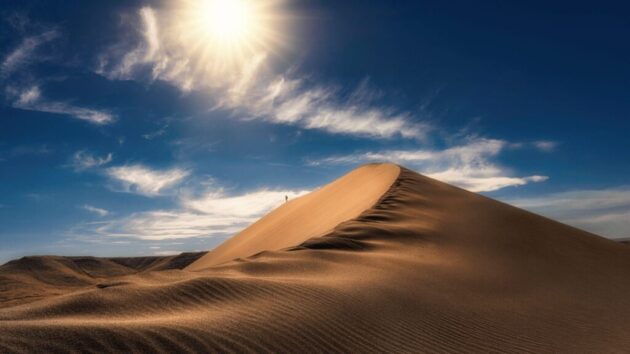
A Travel Guide to Idaho
Idaho, known as the “Gem State,” is a hidden treasure in the northwestern United States, offering a stunning blend of rugged wilderness, vibrant cities, and rich cultural heritage. With more designated wilderness than any other state in the continental U.S., Idaho is a paradise for outdoor enthusiasts, boasting dramatic mountains, pristine lakes, and wild rivers. From the vibrant capital of Boise to the serene beauty of Coeur d’Alene and the iconic Sun Valley, Idaho delivers adventure, relaxation, and unique experiences for every traveler. This guide will help you plan an unforgettable trip to Idaho’s breathtaking landscapes and charming communities.
Why Visit Idaho?
Idaho’s diverse landscapes include 114 mountain ranges, over 3.9 million acres of wilderness, and 31 scenic byways, making it a haven for hikers, skiers, rafters, and nature lovers. The state’s relatively low tourist traffic means you can enjoy its beauty without the crowds found in more popular destinations. Beyond its natural wonders, Idaho offers cultural gems, such as Boise’s Basque community (one of the largest outside Spain) and historical sites tied to the Lewis and Clark expedition and Native American heritage. Whether you’re chasing waterfalls, skiing fresh powder, or exploring quirky attractions like the Idaho Potato Museum, Idaho’s laid-back vibe and friendly locals make it an ideal destination for an authentic American adventure.
How to Get There
Idaho is accessible by air, car, or bus, though its spread-out geography makes a car essential for exploring its vast wilderness.
By Air: Boise Airport (BOI): The state’s largest airport, served by major airlines like Delta, United, Alaska Airlines, and Southwest. It’s the best hub for accessing southern Idaho, including Boise, Twin Falls, and Sun Valley. Spokane International Airport (GEG): Located in Washington, this is a convenient gateway for northern Idaho destinations like Coeur d’Alene and Sandpoint, about 1–2 hours’ drive away. Other Airports: Smaller airports like Idaho Falls (IDA) for Yellowstone access, Twin Falls (TWF), and Friedman Memorial (SUN) near Sun Valley offer limited commercial flights, often connecting through Salt Lake City or Seattle.
By Car: Idaho’s scenic byways, such as the Sawtooth Scenic Byway and Mesa Falls Scenic Byway, make road trips a highlight. Major highways like I-84 (southern Idaho) and US-95 (north-south) connect key destinations. Rent a car in Boise or Spokane for flexibility, and opt for all-wheel drive in winter due to snowy conditions. From Seattle: ~7 hours to Boise or 5 hours to Coeur d’Alene. From Salt Lake City: ~5 hours to Boise or 3 hours to Idaho Falls.
By Bus: Greyhound and regional buses serve Boise, Idaho Falls, and Coeur d’Alene, but schedules are limited, and rural areas are poorly connected. A car is strongly recommended for exploring beyond cities.
Tip: Idaho spans two time zones—Mountain Time (southern Idaho, including Boise) and Pacific Time (northern Idaho, including Coeur d’Alene). Adjust your schedule when traveling between regions.
Best Time to Visit
Spring (March–May): Wildflowers bloom, and rivers swell for whitewater rafting. Ideal for hiking trails like Stevens Lakes near Mullan. Summer (June–August): Perfect for camping, kayaking on Coeur d’Alene or Redfish Lakes, and festivals like the Trailing of the Sheep in Ketchum (October). Warm days (25–35°C) make it great for outdoor adventures.
Autumn (September–November): Vibrant fall foliage in the Sawtooth Mountains and cooler temperatures (10–20°C) are ideal for hiking and scenic drives. Winter (December–February): World-class skiing at Sun Valley, Schweitzer Mountain, and Brundage Mountain, with powdery snow and fewer crowds than other U.S. ski destinations.
Weather Tip: Winters can be harsh with heavy snow in mountainous areas, so check road conditions. Summer is dry but can be hot in southern deserts. Avoid peak holiday periods like July 4th or Thanksgiving for fewer crowds.
Top Attractions
Shoshone Falls Park
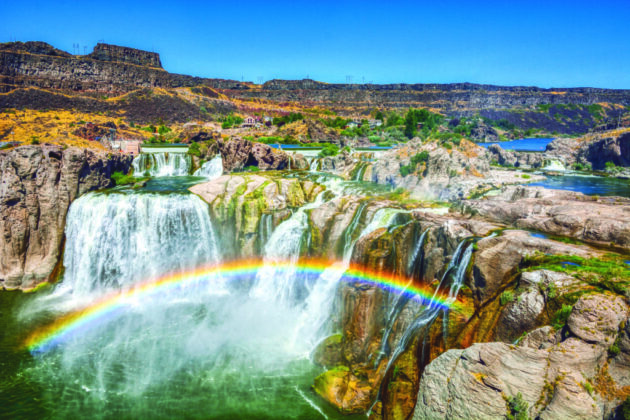
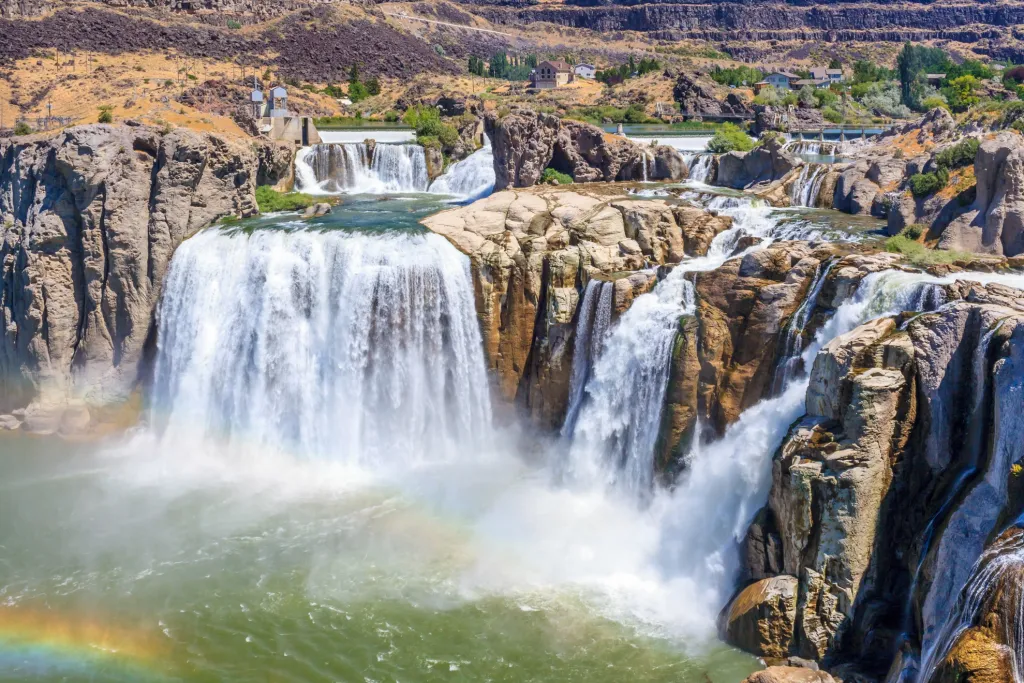
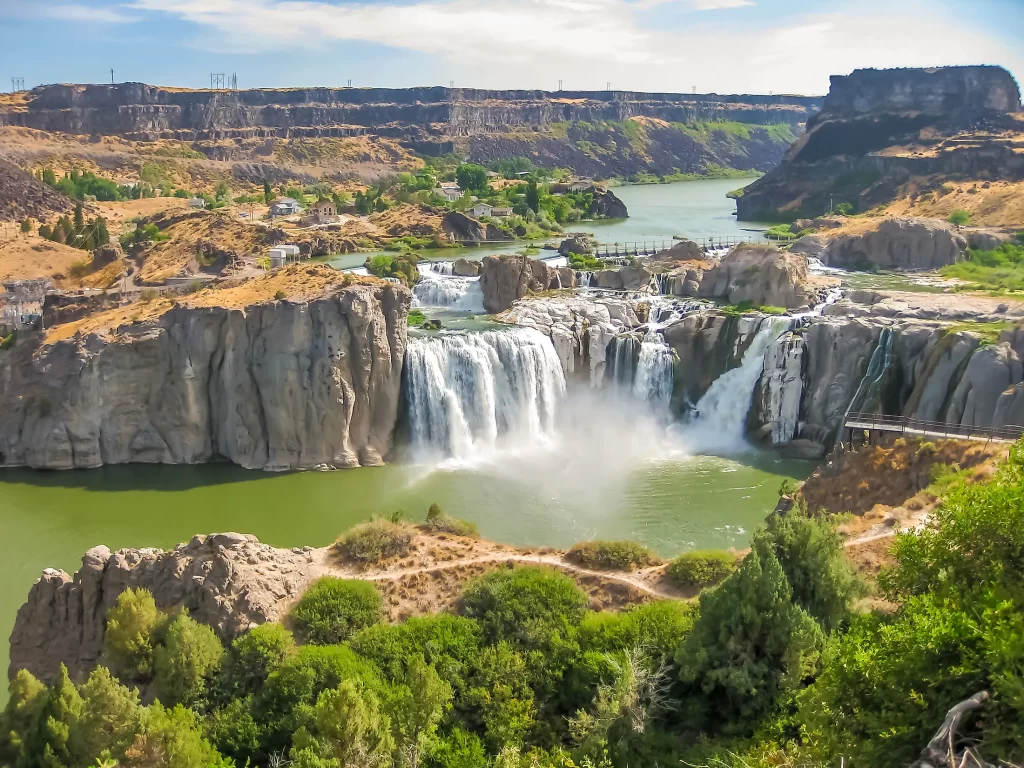
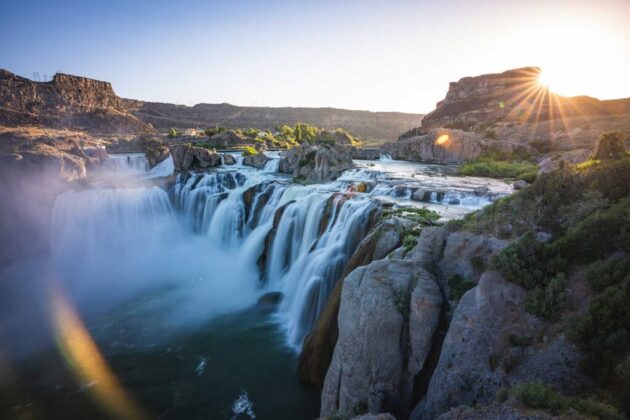
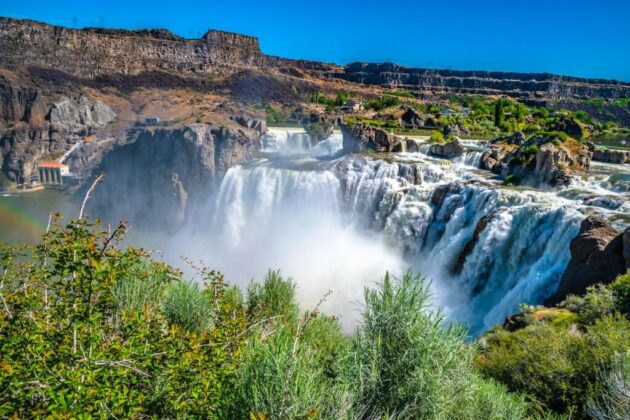
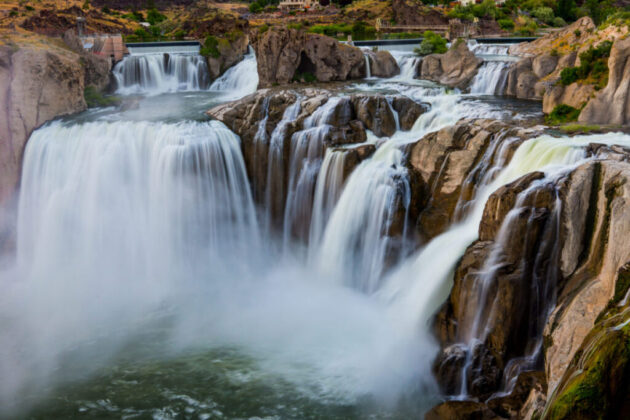
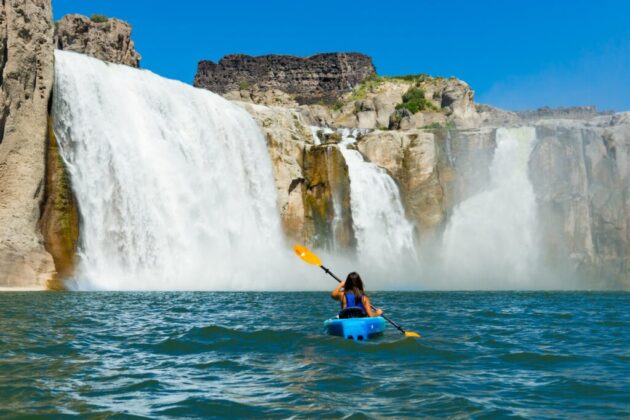
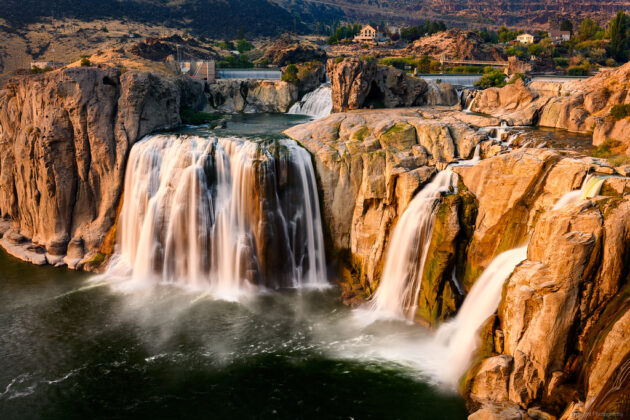
Dubbed the “Niagara of the West,” Shoshone Falls Park in Twin Falls, Idaho, is home to one of the largest and most spectacular waterfalls in the United States. Standing at 212 feet tall and stretching nearly 1,000 feet wide, Shoshone Falls surpasses Niagara Falls in height and offers breathtaking views set against the dramatic Snake River Canyon. This city-owned park, a natural wonder formed over 14,000 years ago during the Bonneville Flood, combines scenic beauty, outdoor activities, and rich history, making it a must-visit destination for travelers exploring Southern Idaho.
Craters of the Moon National Monument and Preserve
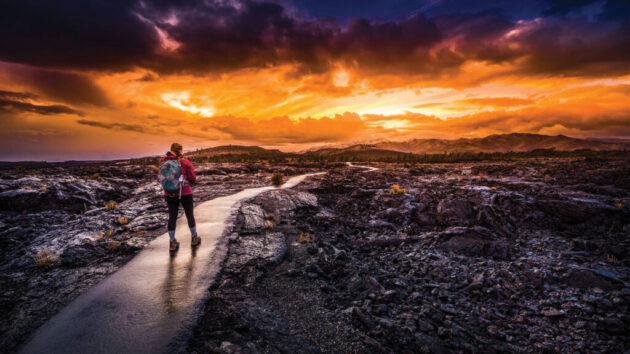
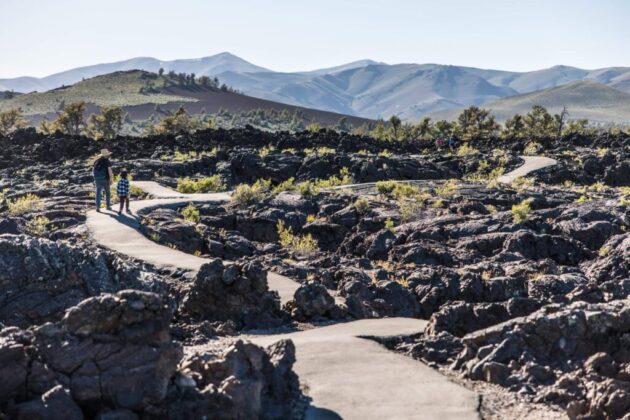
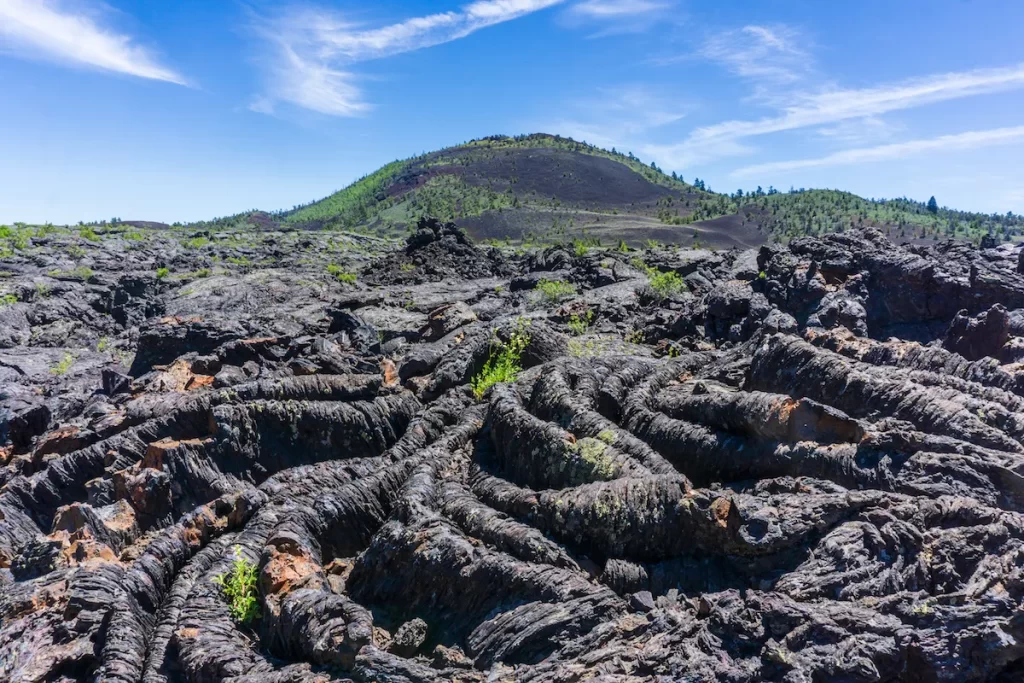
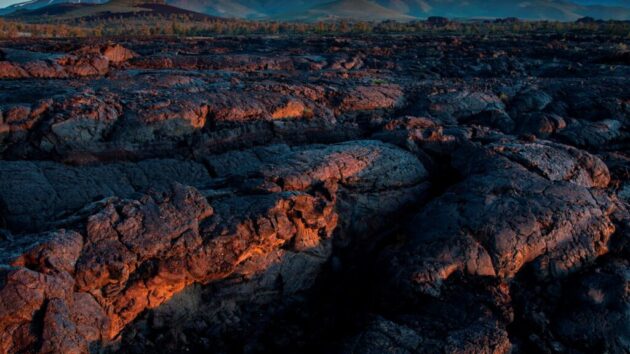
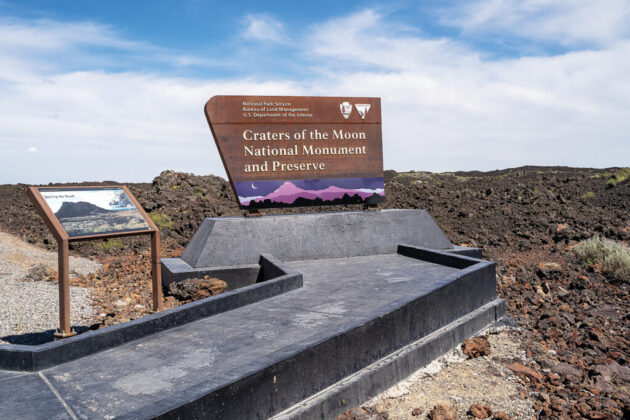
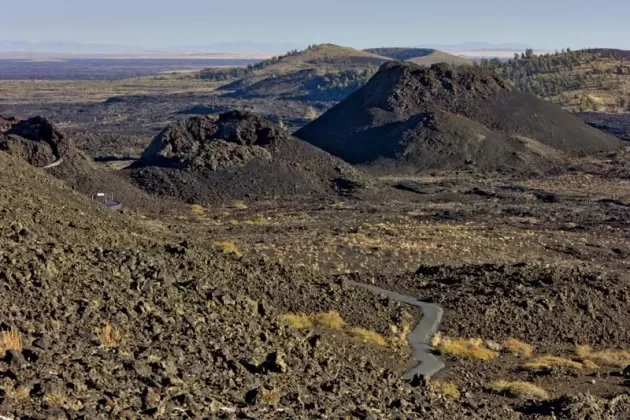
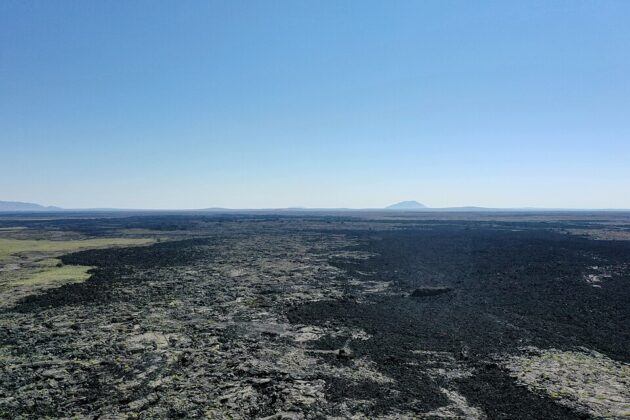
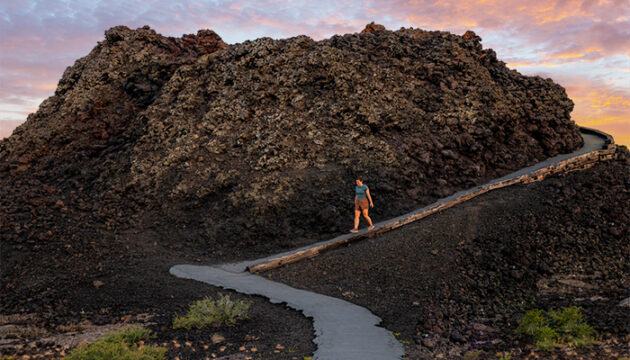
Craters of the Moon National Monument and Preserve, located in Idaho, is a unique volcanic landscape spanning over 700,000 acres. Formed by ancient lava flows, it features rugged lava fields, cinder cones, and lava tubes, resembling a lunar surface. Established in 1924, it offers hiking trails, scenic drives, and caves to explore, showcasing geological wonders and diverse flora and fauna adapted to the harsh environment.
City of Rocks National Reserve
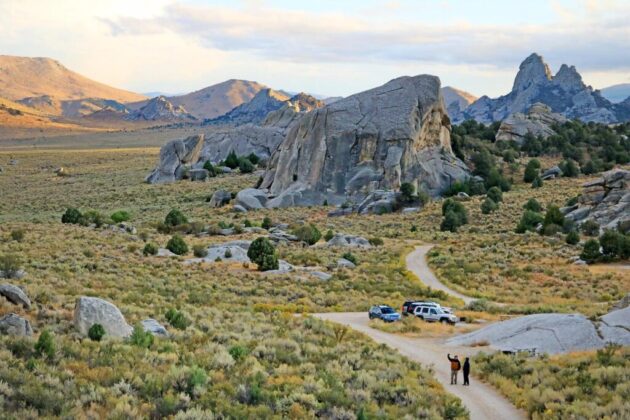
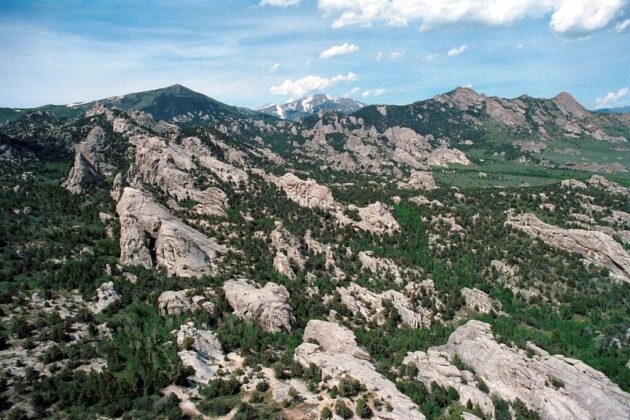
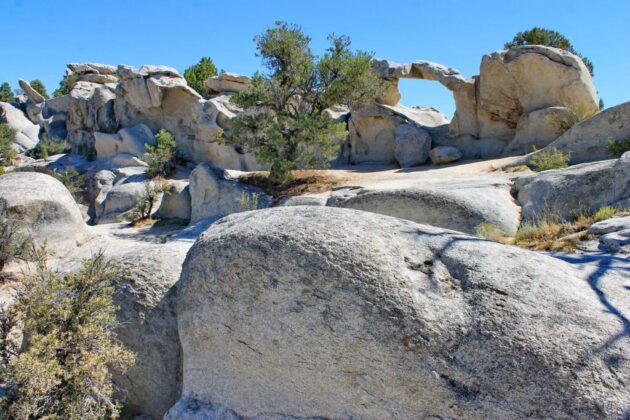
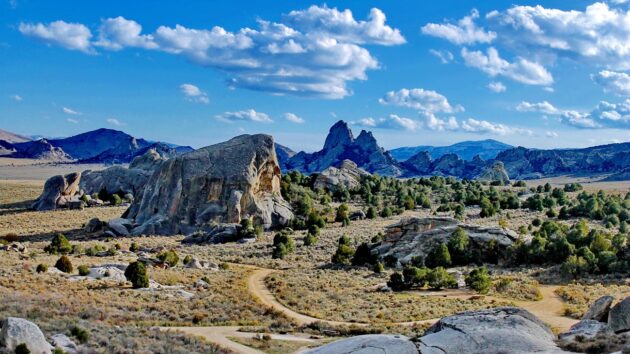
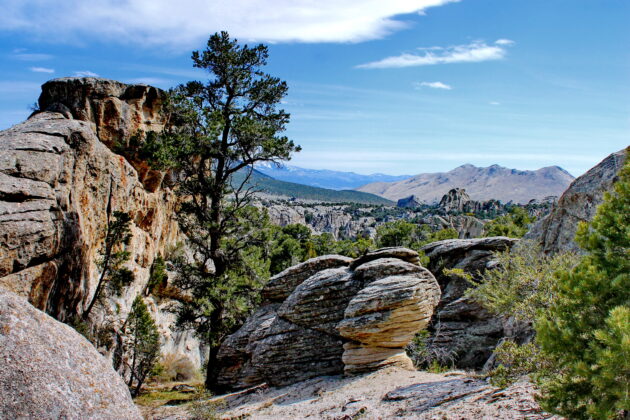
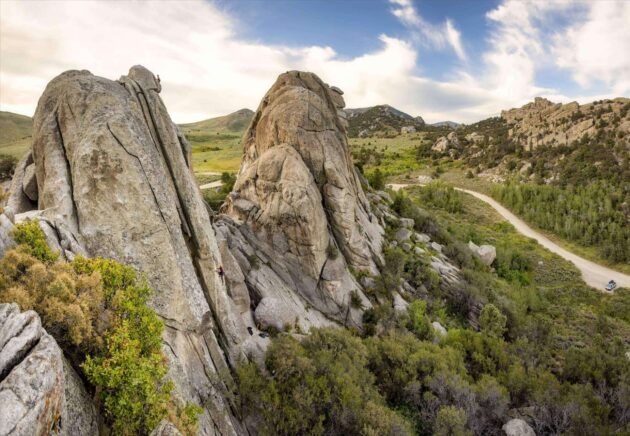
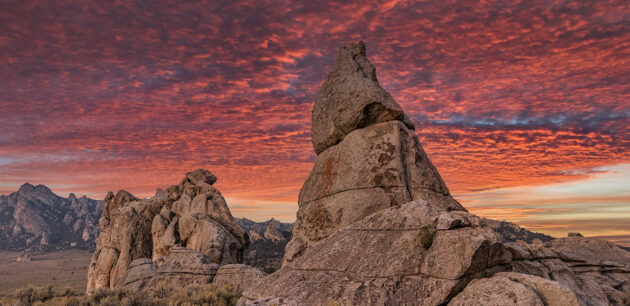
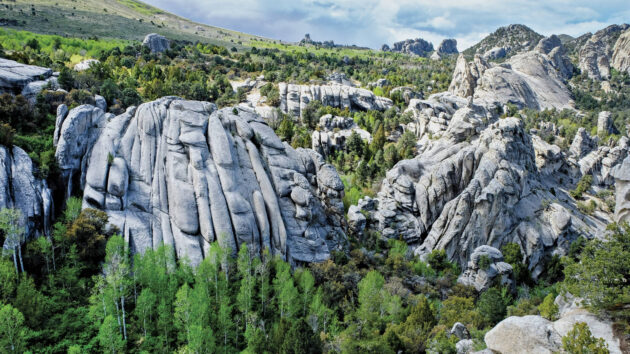
Nestled in the remote sagebrush plains of south-central Idaho near the Utah border, City of Rocks National Reserve is a geological wonderland dubbed the “Silent City of Rocks” by 19th-century California Trail emigrants. Spanning 14,407 acres, this National Park Service unit, cooperatively managed with the Idaho Department of Parks and Recreation, is renowned for its towering granite spires, some reaching 60 stories, and its rich historical significance.
Sawtooth National Forest
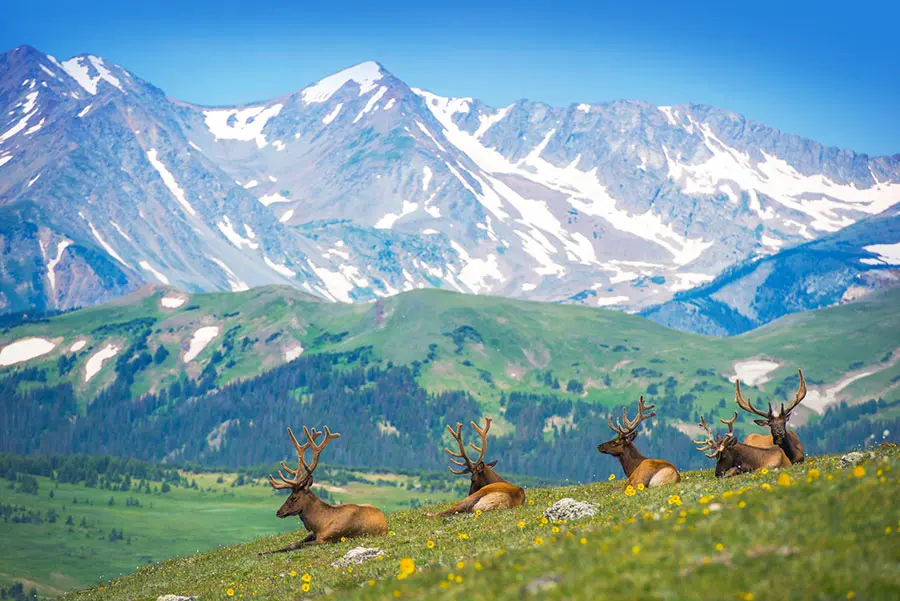
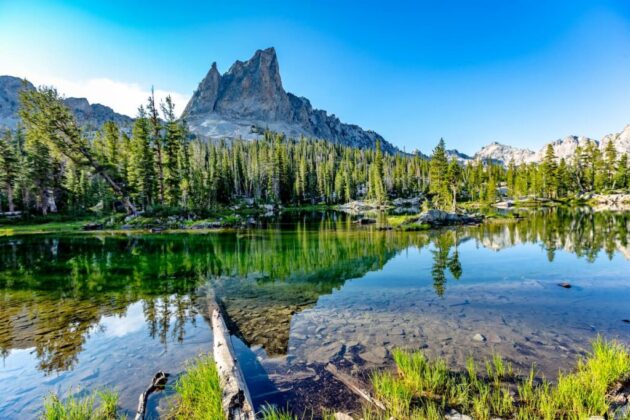
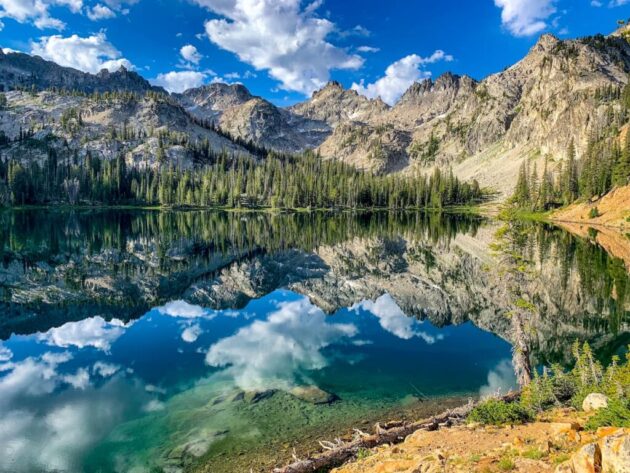
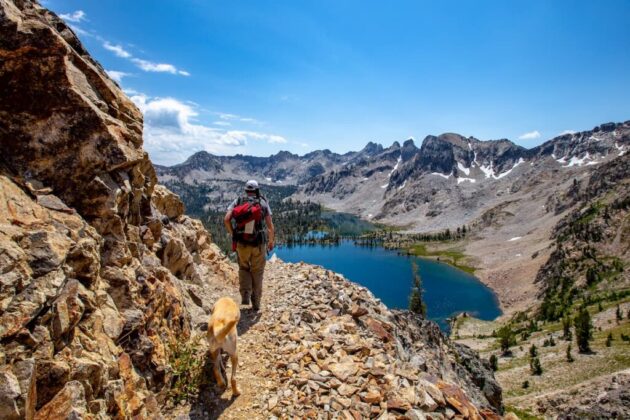
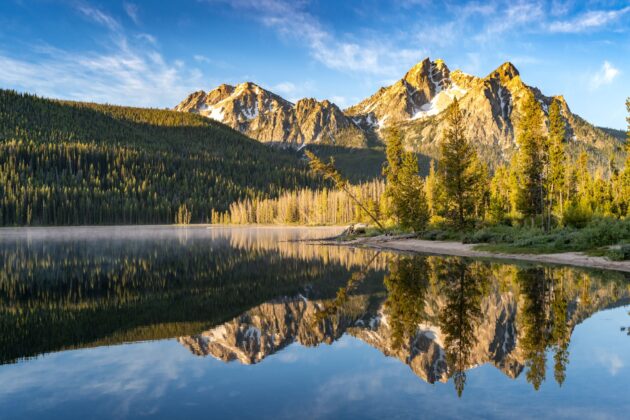
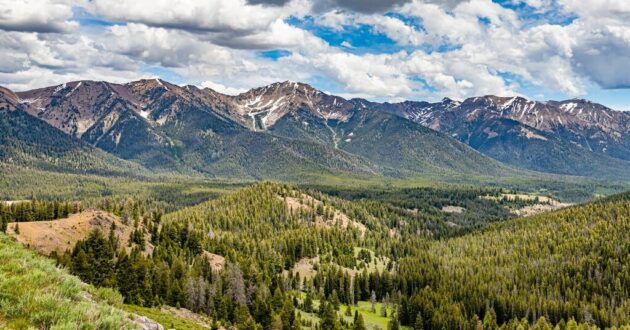
Sawtooth National Forest, located in Idaho and parts of Utah, spans over 2.1 million acres of diverse landscapes, including rugged mountains, alpine lakes, and pristine rivers. Established in 1905, it features the iconic Sawtooth Mountain Range, with peaks like Thompson Peak exceeding 10,700 feet. The forest offers extensive recreational opportunities, such as hiking, camping, fishing, and skiing, with over 1,000 miles of trails and 50 peaks above 10,000 feet. It’s home to the Sawtooth National Recreation Area, known for its stunning scenery and wildlife, including elk, deer, and mountain goats.
Sun Valley
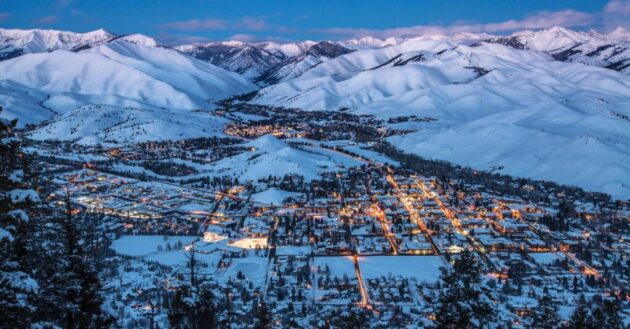
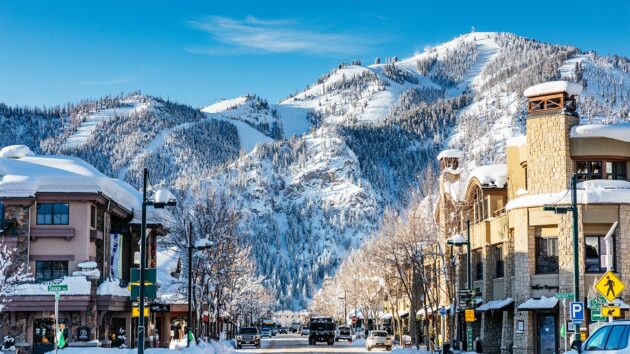
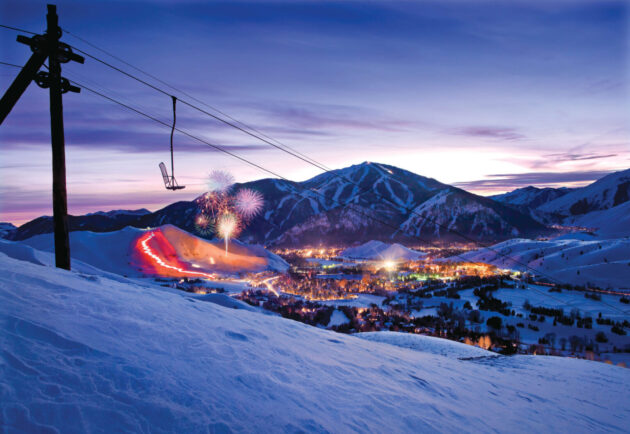
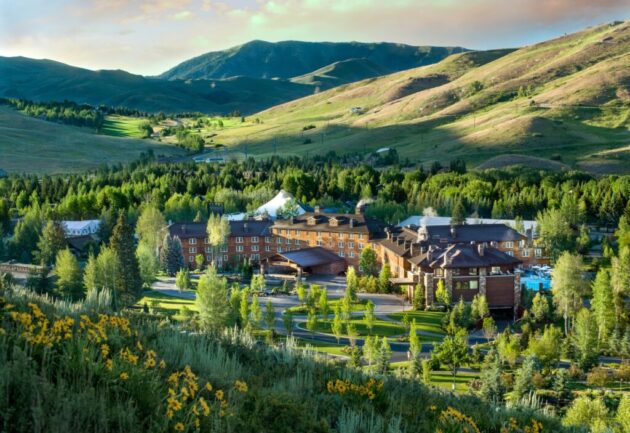
Sun Valley is a premier resort destination in the Sawtooth National Forest, known for its world-class skiing on Bald and Dollar Mountains. Founded in 1936 as America’s first destination ski resort, it offers year-round outdoor activities like hiking, biking, and fishing. The charming town of Ketchum nearby provides dining, shopping, and cultural events, including the famous Sun Valley Film Festival. With its stunning mountain scenery and upscale amenities, it attracts visitors seeking both adventure and relaxation.

Hells Canyon
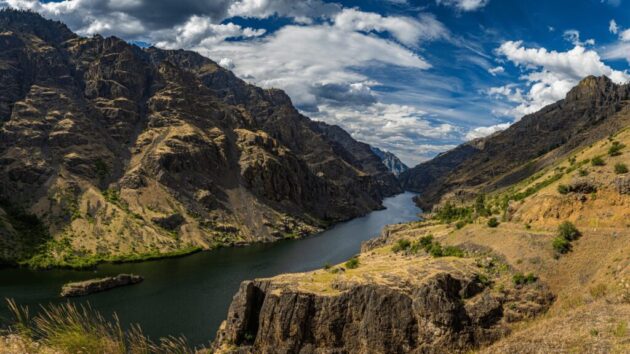
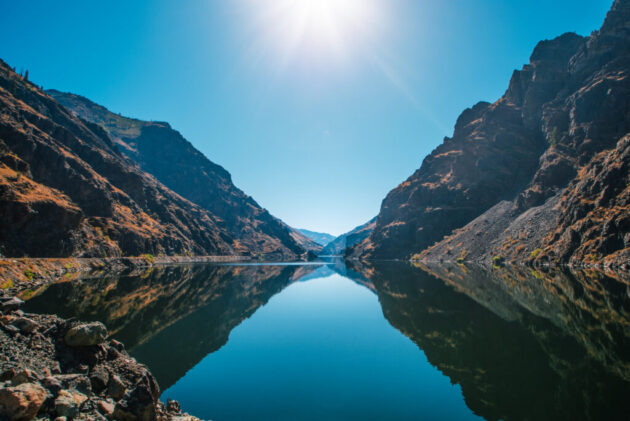
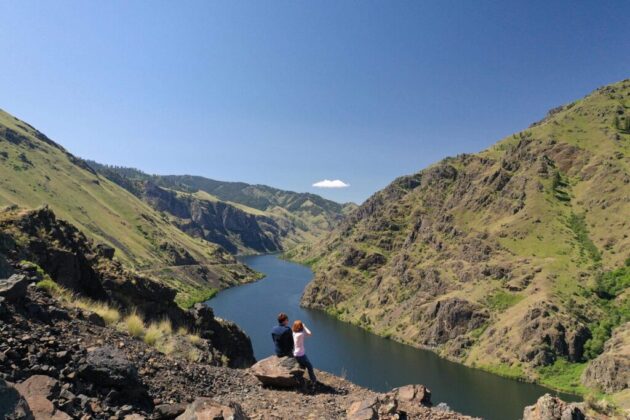
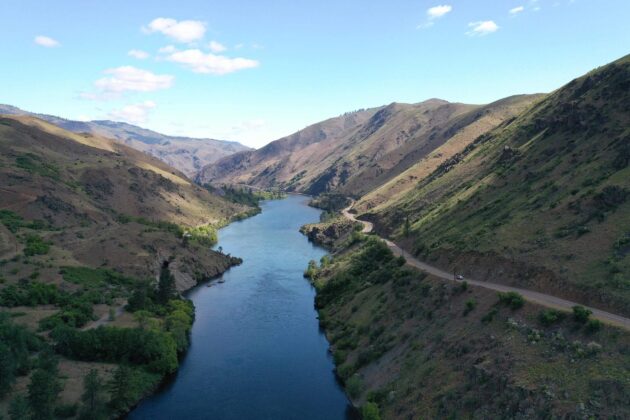
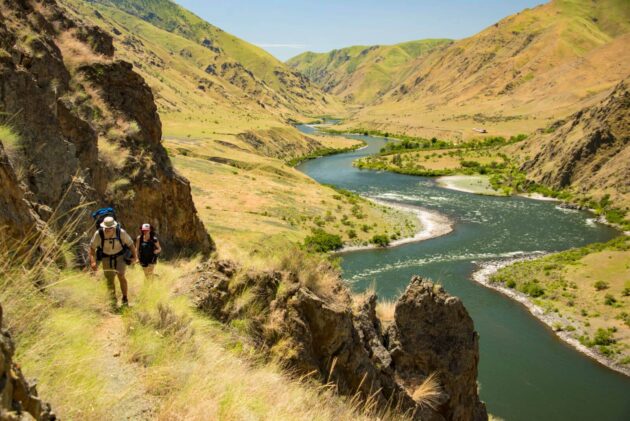
Hells Canyon, located in Idaho along the border with Oregon, is North America’s deepest river gorge, reaching depths of nearly 8,000 feet. Carved by the Snake River, it features dramatic cliffs, rugged terrain, and diverse wildlife, including bighorn sheep and bald eagles. Popular activities include whitewater rafting, hiking, and fishing. The Hells Canyon National Recreation Area offers scenic views and trails, with the canyon’s remote beauty drawing adventurers and nature enthusiasts.
Thousand Springs State Park
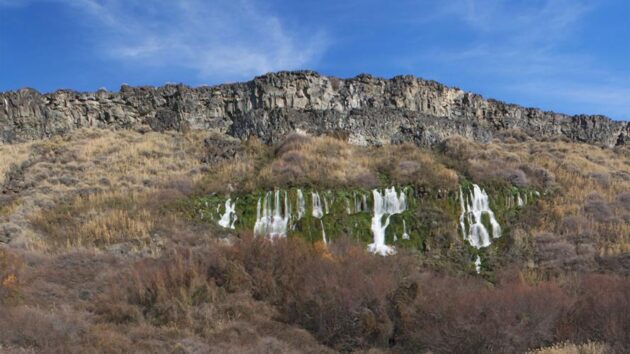
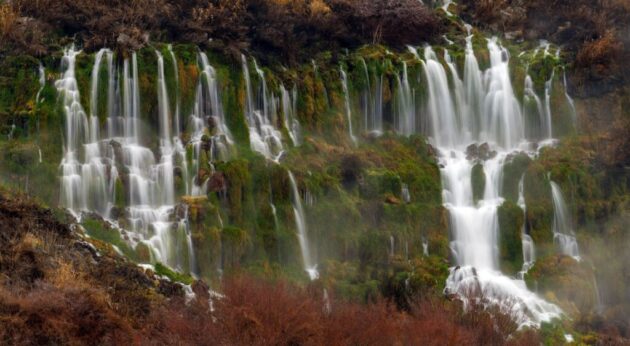
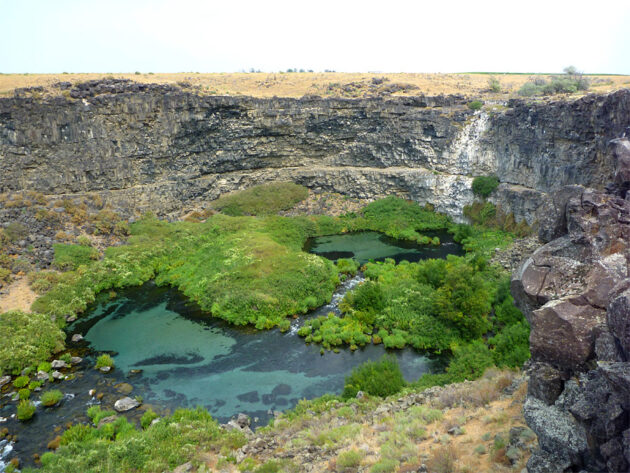
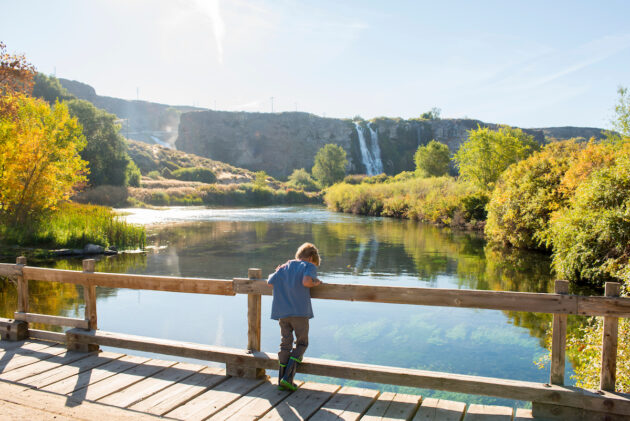
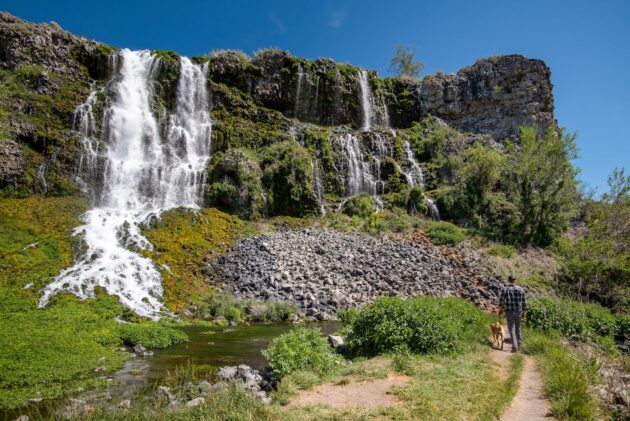
Thousand Springs State Park in southern Idaho is a stunning natural area known for its numerous crystal-clear springs cascading from volcanic cliffs along the Snake River. The park features scenic waterfalls, lush vegetation, and diverse wildlife, offering activities like hiking, picnicking, fishing, and kayaking. Key attractions include Minnie Miller Springs and Ritter Island, showcasing the region’s unique geology and history. A must-visit for nature lovers!
Bruneau Dunes State Park
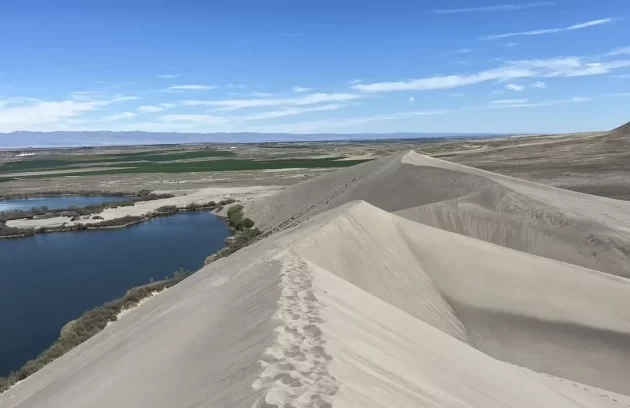
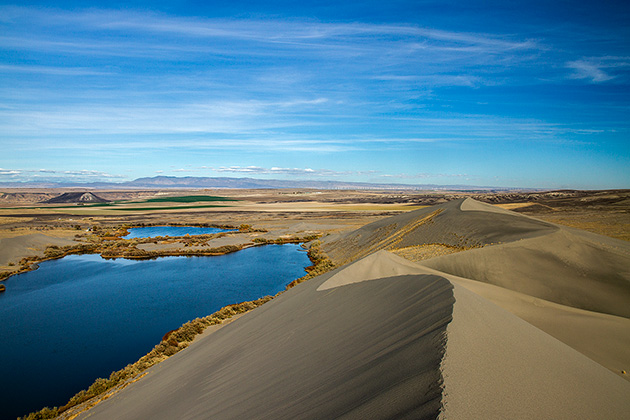
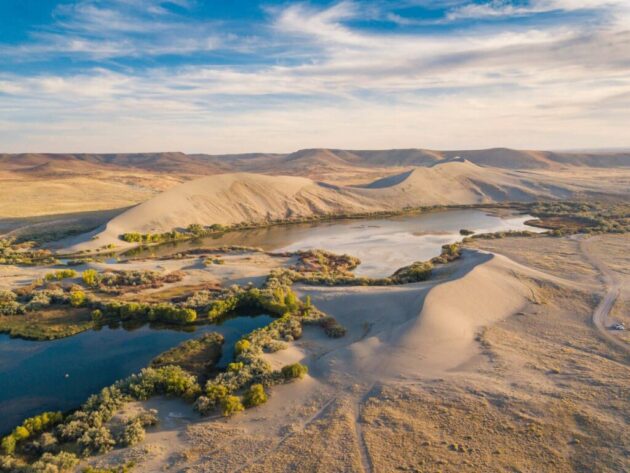
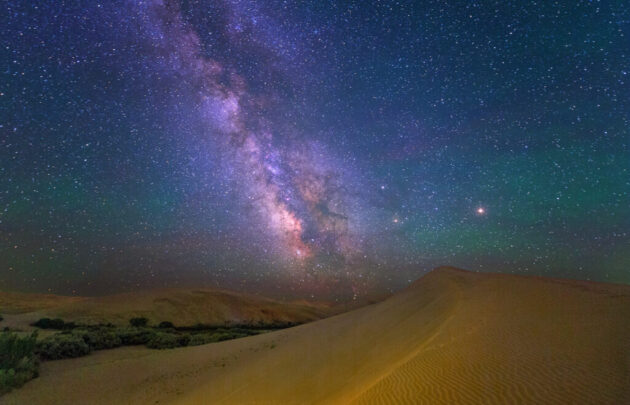
Bruneau Dunes State Park in Idaho is home to the tallest single-structured sand dune in North America, reaching 470 feet (140 meters) high. Located about an hour’s drive from Boise, this 4,800-acre park offers unique outdoor activities such as sandboarding, hiking, fishing in its small lakes, and stargazing at its on-site observatory under some of the darkest skies in the U.S. The park’s dunes were formed by ancient floodwaters and opposing winds, creating a striking desert landscape with sagebrush and scenic trails.
Where to Eat
Boise: Enjoy farm-to-table dining at The Fork or Basque cuisine at Bar Gernika on the Basque Block. Expect meals at $15–30.
Coeur d’Alene: Dockside Restaurant offers lake views and fresh trout, a local specialty. Meals range from $10–25.
Twin Falls: Try Elevation 486 for stunning views of Snake River Canyon and dishes featuring Idaho potatoes and dairy.
Local Flavors: Idaho is famous for potatoes, trout, and dairy (try Ballard Family Dairy cheeses). Craft breweries, especially in Boise, offer microbrews to pair with meals.
Tip: Many restaurants feature Idaho’s iconic spuds in creative dishes, from loaded fries to gourmet gnocchi. Vegetarian and vegan options are common in Boise but limited in rural areas.
Where to Stay
Boise: Inn at 500 Capitol (boutique, ~$150–250/night): Central location with modern amenities. Budget: Boise Guest House (~$80–120/night).
Coeur d’Alene: Coeur d’Alene Resort (luxury, ~$200–400/night): Lakeside with spa and golf. Budget: Flamingo Motel (~$70–150/night).
Sun Valley/Ketchum: Sun Valley Lodge (upscale, ~$250–500/night): Historic ski resort with year-round appeal. Budget: Camping at Sawtooth National Recreation Area (~$10–20/night).
Camping: Idaho’s state parks (e.g., Farragut, Bear Lake) offer affordable sites with stunning views. Book via reserveamerica.com.
Tip: Book accommodations early for winter ski season or summer festivals. Rural areas have limited options, so plan ahead.
Tips for a Great Visit
Rent a Car: Idaho’s attractions are spread out, and public transport is limited. AWD vehicles are recommended for winter or backcountry roads. Pack for Weather: Layered clothing for variable temperatures, sturdy hiking boots, and sunscreen for high-altitude sun.
Respect Nature: Follow Leave No Trace principles in wilderness areas to preserve Idaho’s pristine environment. Plan Scenic Drives: Try Highway 55 (Boise to McCall) or the Sun Valley Loop (Highway 75 to Stanley) for breathtaking views.
Check Local Events: Use visitidaho.org for festival schedules and itinerary ideas, like the 7-day North Idaho itinerary. Safety: Be prepared for remote areas with limited cell service. Carry a map and emergency supplies for backcountry trips.
Final Thoughts
Idaho is a destination where untamed wilderness meets welcoming communities, offering a rare chance to disconnect and immerse yourself in nature. From the rushing rapids of the Salmon River to the serene lakes of the Panhandle, and from Boise’s urban charm to Sun Valley’s alpine elegance, the Gem State delivers unforgettable experiences. Plan your trip with the Official Idaho Travel Guide, embrace the adventure, and discover why Idaho remains one of America’s best-kept secrets.
Happy travels!