
A Travel Guide to Craters of the Moon National Monument and Preserve
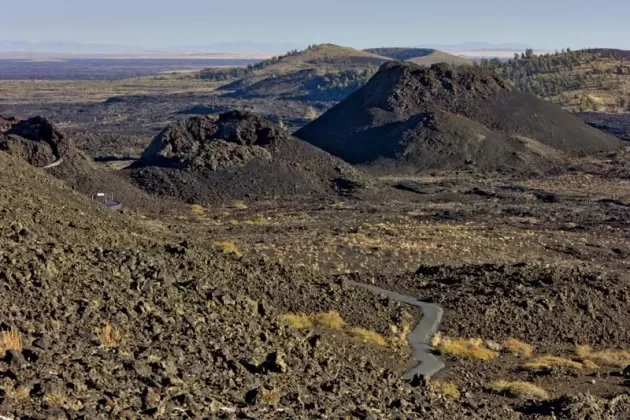
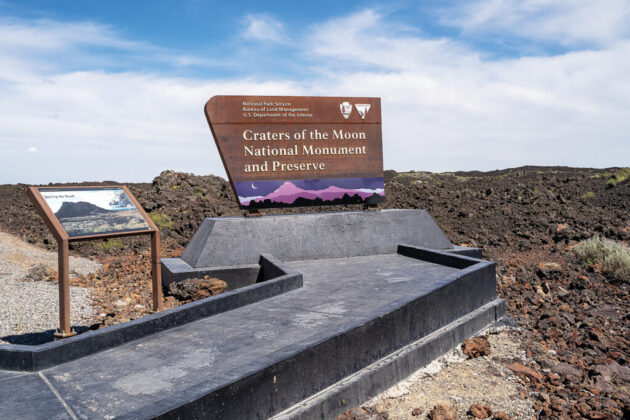
Craters of the Moon National Monument and Preserve, located in the heart of Idaho’s Snake River Plain, is a geological wonder that feels like a journey to another planet. Spanning over 750,000 acres, this vast volcanic landscape features lava flows, cinder cones, spatter cones, and lava tubes, formed by eruptions between 15,000 and 2,000 years ago. Designated as a National Monument in 1924 and expanded into a Preserve in 2000, it’s a haven for adventurers, geologists, and stargazers, offering a surreal experience reminiscent of the moon’s surface—so much so that NASA astronauts trained here in 1969 for lunar missions. This guide will help you plan an unforgettable visit to this otherworldly destination.
Why Visit Craters of the Moon?
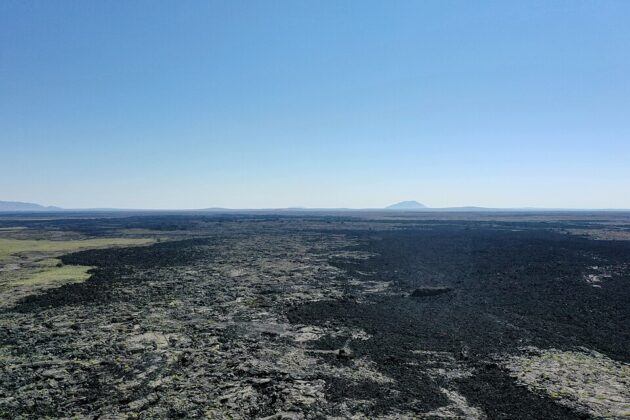
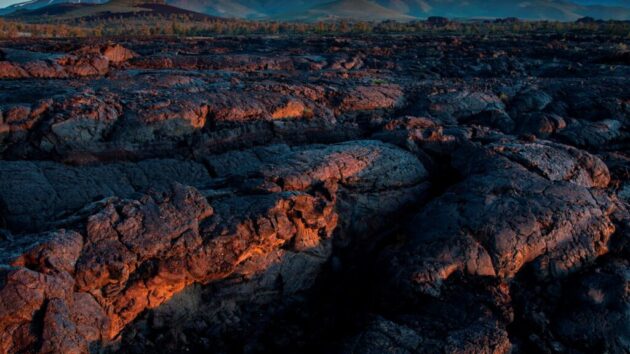
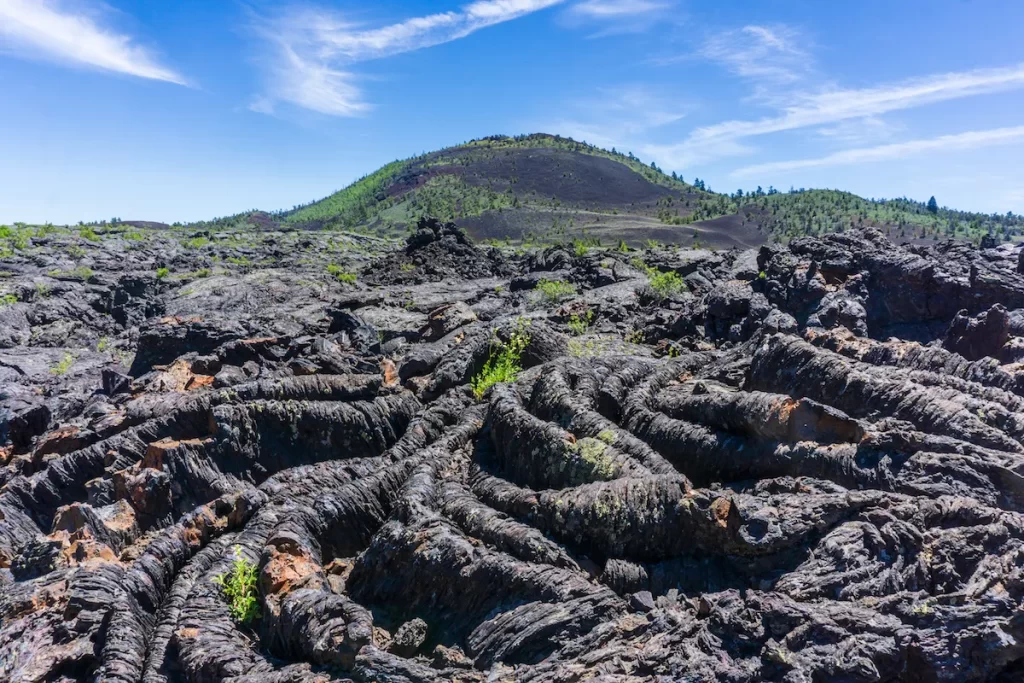
Craters of the Moon is a unique testament to Earth’s volcanic history, with its stark, black lava fields contrasting against sagebrush and wildflowers. The park’s Great Rift, a 52-mile-long crack in the Earth’s crust, is the deepest land-based volcanic rift in the world, creating dramatic features like the Blue Dragon lava flow and over 500 lava tube caves. As an International Dark Sky Park, it offers unparalleled stargazing opportunities. Whether you’re hiking rugged trails, exploring caves, or camping under a star-filled sky, this park promises adventure and awe for visitors of all ages.
How to Get There
Craters of the Moon is located in south-central Idaho, midway between Boise and Yellowstone National Park, near the towns of Arco (18 miles southwest) and Carey (24 miles northeast). Here are your options:
By Car: Access the park via U.S. Highway 20/26/93. The Robert Limbert Visitor Center is at 1266 Craters Loop Road, Arco, ID 83213. From Boise, it’s a 2.5-hour drive (178 miles); from Idaho Falls, it’s 1.5 hours (84 miles); and from Twin Falls, it’s 1.5 hours (90 miles). The 7-mile Loop Road, accessible from the visitor center, is the main route for exploring the park’s key sites. Note that most of the preserve is undeveloped wilderness, accessible only by high-clearance 4WD vehicles or hiking.
By Air: The closest airport is Idaho Falls Regional Airport (IDA), 87 miles east (2-hour drive), with limited flights from Salt Lake City, Denver, and Las Vegas. Boise Airport (BOI), 178 miles west (3.5-hour drive), offers more connections via major airlines like United, Delta, and Southwest. Rent a car from either airport for the scenic drive to the park.
By Public Transport: Public transport options are limited. The nearest bus services (e.g., Greyhound) stop in Boise or Idaho Falls, requiring a rental car or taxi to reach the park.
Tip: The park is remote, with no gas stations or services inside. Fill up your tank in Arco or Carey and bring plenty of water and supplies.
Best Time to Visit
Spring (April–May) and Fall (September–October): Ideal for mild temperatures (50–70°F), fewer crowds, and vibrant wildflower displays in spring. These seasons are perfect for hiking and photography.
Summer (June–August): Warm days (80–90°F) make it great for exploring, but surfaces can reach 150°F, so hike early or late. Summer is peak season, so expect more visitors. Winter (November–March): Snow covers the lava fields, offering cross-country skiing and snowshoeing opportunities. The Loop Road and some facilities may close, and temperatures can drop below freezing.
Stargazing Tip: As a Dark Sky Park, Craters of the Moon is best visited during a new moon for optimal star viewing. Check for ranger-led Star Parties or Full Moon Hikes (May–September) on the park’s website.
Weather Note: High afternoon winds can kick up dust, especially around cinder cones. Bring sunglasses and a scarf or mask for comfort.
Tickets and Opening Hours
Opening Hours: The park is open 24/7 year-round, but the Robert Limbert Visitor Center has seasonal hours: Summer (May 27–October 1): 8:30 AM–6:00 PM daily. Winter (January 15–May 26): 9:00 AM–4:30 PM, Wednesday–Sunday (closed on federal holidays like MLK Day and Thanksgiving). The 7-mile Loop Road may close in winter due to snow.
Entrance Fees (valid for 7 days): Vehicle: $20; Motorcycle: $15; Walk-in/Bicycle: $10. The America the Beautiful Pass ($80 annually) covers entry to Craters of the Moon and all U.S. national parks and monuments. Free entry for children under 15.
Permits: Backcountry camping requires a free wilderness permit, available at the visitor center. Caving in certain lava tubes may require a free permit for safety and conservation. Commercial filming/photography needs a special permit; contact the park in advance.
Tip: Purchase tickets or passes at the visitor center or online via recreation.gov. Check the National Park Service website for updates on closures or conditions.
What to See and Do
Craters of the Moon offers a range of activities, from easy drives to adventurous caving. Here are the highlights:
Drive the 7-Mile Loop Road: This paved road provides access to key sites like cinder cones, spatter cones, and trailheads. Stop at overlooks for panoramic views of the Great Rift and Snake River Plain. Perfect for all ages and abilities.
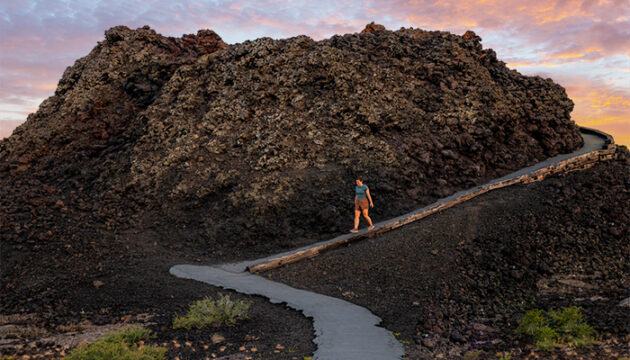
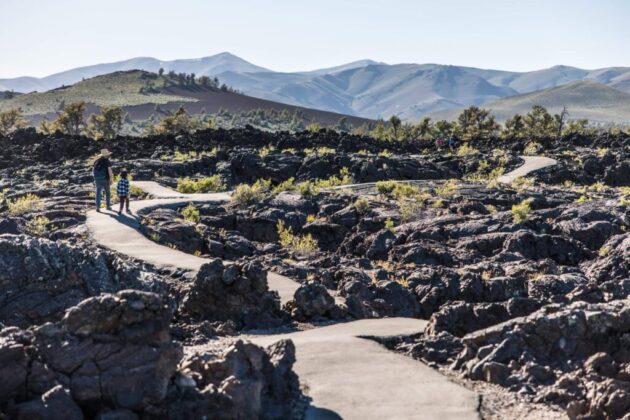
Hiking Trails: Inferno Cone Trail (0.4 miles round-trip, moderate): A short, steep climb up a cinder cone with stunning 360° views of the lava fields, Great Rift, and Pioneer Mountains. Ideal for sunrise or sunset. Broken Top Loop Trail (1.8 miles, easy): Circles a volcanic hill, showcasing “lava bombs” and diverse volcanic features. Great for families. North Crater Flow Trail (0.7 miles, easy): A paved trail through lava flows, offering close-up views of volcanic formations. Devils Orchard Trail (0.5 miles, easy): A wheelchair-accessible path through cinder gardens, highlighting volcanic ecology and conservation.
Caving: Explore lava tube caves along the Caves Trail (1.6 miles, moderate). The Indian Tunnel (800 feet long, 30 feet tall) is the largest and most accessible, with natural skylights. Other caves like Dewdrop, Boy Scout, and Beauty require crawling and headlamps. Bring sturdy shoes, a flashlight, and a permit for certain caves. Note: Caves can be claustrophobic and slippery. Avoid if you’re not comfortable in confined spaces.
Stargazing: As an International Dark Sky Park, the park offers exceptional night sky viewing. Join a ranger-led Star Party or Full Moon Hike (May–September) for telescope-guided constellation tours. Bring a blanket and warm clothing for chilly nights.
Wildlife and Plant Viewing: Despite the barren appearance, the park supports over 750 plant species (e.g., wildflowers, lichens) and 280 animal species, including mule deer, pikas, and sage-grouse. Look for unique species like the Great Basin pocket mouse and lava tube beetles, found nowhere else. Spring cinder gardens are vibrant with wildflowers.
Lunar Ranger Program: Kids can earn a Lunar Ranger Badge by completing activities in a free booklet available at the visitor center. A fun, educational experience tied to the park’s NASA history.
Where to Eat
Inside the Park: No dining facilities are available. Bring your own food and water for picnics. There are picnic areas near the visitor center and Loop Road.
Nearby: Arco (18 miles): Try Pickle’s Place for classic American burgers and shakes or Golden West Cafe for hearty breakfasts. Idaho Falls (84 miles): Smokin Fins offers seafood and American dishes, while The SnakeBite Restaurant is known for gourmet burgers. Twin Falls (90 miles): Explore local eateries like Koto Brewing Co. for craft beer and pub food.
Tip: Pack a cooler with snacks and water, as the park is remote, and summer heat can be intense.
Where to Stay
Camping in the Park: Lava Flow Campground (managed by the National Park Service) offers 42 first-come, first-served sites ($15/night in summer, $8/night in winter). Amenities include restrooms and water (seasonal). No reservations; arrive early in summer. Dispersed Camping: Available on BLM-managed lands within the preserve with a free wilderness permit. No facilities; pack in/pack out. Note: No open fires are allowed; use backpacking stoves only.
Nearby Lodging: Arco (18 miles): Budget options include DK Motel or Arco Inn ($60–100/night). Limited but functional. Hailey (52 miles, 1-hour drive): Wood River Inn & Suites offers modern comfort ($100–150/night). Twin Falls (90 miles, 1.5-hour drive): La Quinta Inn & Suites or Hilton Garden Inn provide reliable stays ($100–200/night). Sun Valley/Ketchum (1.5-hour drive): Upscale options like Sun Valley Lodge for a luxurious base ($200+/night).
Airbnb/VRBO: Available in Arco, Hailey, or Twin Falls for more home-like options.
Tips for a Great Visit
Wear Sturdy Shoes: Lava rocks are sharp and uneven, especially on trails and in caves. Closed-toe hiking boots are essential. Prepare for Weather: Summer days are hot, and nights are cold. Bring layers, sunscreen, and a hat. Winter visitors need warm clothing and snow gear.
Bring Water: No water sources exist in the wilderness areas. Carry at least 1 liter per person for short hikes, more for backcountry trips. Leave No Trace: Pack out all trash and follow park guidelines to protect the fragile ecosystem.
Check Cave Conditions: Some caves may close due to ice or bat conservation. Confirm at the visitor center. Combine Your Trip: Pair your visit with nearby attractions like Shoshone Falls (Twin Falls), Bruneau Dunes State Park, or Minidoka National Historic Site for a richer Idaho road trip.
Final Thoughts
Craters of the Moon National Monument and Preserve is a geological marvel that transports visitors to a lunar-like world of lava and wonder. From hiking cinder cones to crawling through lava tubes or gazing at a star-filled sky, the park offers a unique blend of adventure, science, and natural beauty. Plan your visit for spring or fall for the best conditions, pack wisely for the remote terrain, and immerse yourself in one of America’s most extraordinary landscapes. Whether you’re a first-time explorer or a seasoned adventurer, Craters of the Moon will leave you awestruck.
Happy travels!