
Museum of Islamic Art Travel Guide (2026)
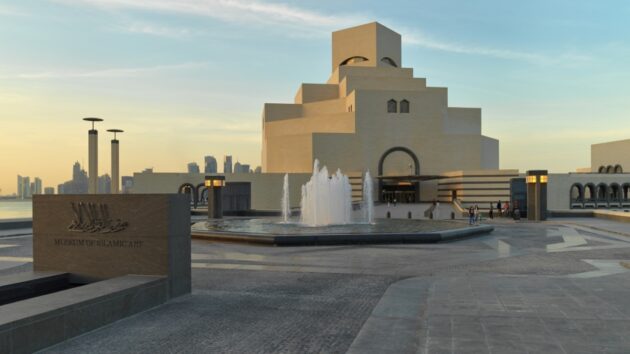
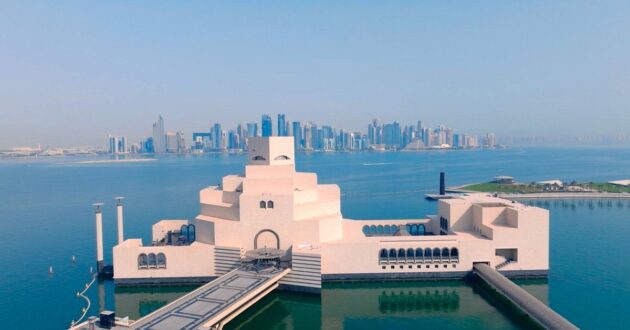
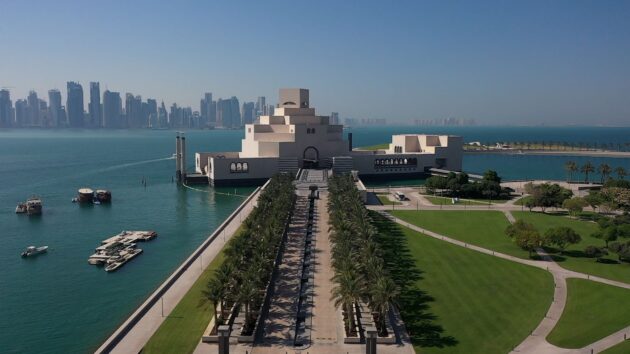
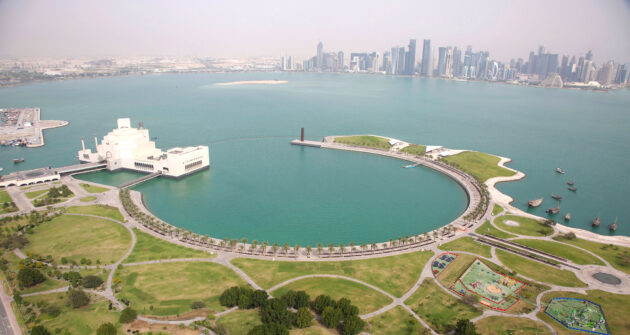
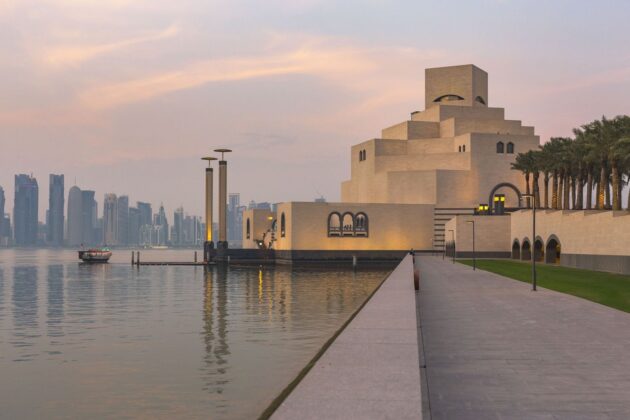
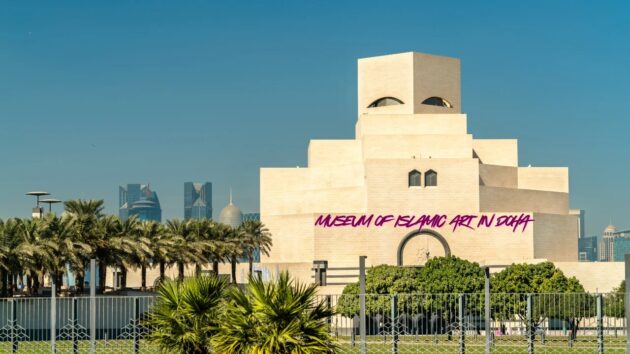
The Museum of Islamic Art (MIA) is one of the world’s most impressive cultural institutions, showcasing over 1,400 years of Islamic heritage through masterpieces from three continents. Designed by renowned architect I.M. Pei, the museum’s striking modernist building—blending traditional Islamic geometric forms with contemporary elegance—sits on a man-made peninsula along Doha’s Corniche waterfront. Surrounded by the lush MIA Park, it offers panoramic views of the Doha skyline and the Arabian Gulf, making it both an architectural icon and a must-visit cultural destination.
Why Visit the Museum of Islamic Art?
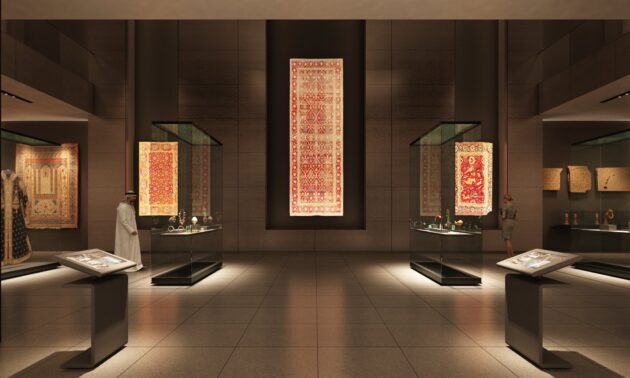
MIA houses one of the most comprehensive collections of Islamic art globally, featuring rare artifacts such as intricate ceramics, metalwork, jewelry, textiles, manuscripts, woodwork, glass, and scientific instruments. The collection highlights the diversity and sophistication of Islamic craftsmanship across regions including the Middle East, North Africa, Spain, India, and Central Asia.
The museum features 18 thoughtfully curated galleries organized by historical periods, geography, and themes (e.g., the spread of Islam, calligraphy, and scientific innovation). A recent reinstallation has made the displays more engaging with improved lighting, interpretive materials, and family-friendly resources.
Temporary exhibitions, educational programs, and events add depth, while the building itself is a highlight—especially at sunset or at night when it is beautifully illuminated.
How to Get There
Location: MIA is situated in MIA Park on the Doha Corniche (Al Corniche Street), offering stunning waterfront views.
From Hamad International Airport: Approximately 15 minutes by car or taxi.
Transportation Options: Taxi or ride-hailing apps (Uber, Careem, or Karwa) — the easiest and most convenient. Free shuttle buses (operated by Qatar Museums) from other cultural sites like Mathaf: Arab Museum of Modern Art. Car: Parking is available but can fill up quickly on weekends; a taxi stand is located inside the parking area.
The museum is also walkable from parts of the Corniche promenade.
Tickets and Admission
Adult Non-Residents: QAR 50 (approximately USD 14)
Students (Non-Residents): QAR 25 (with valid ID)
Children (under 16): Free
Qatar Residents and GCC Residents: Free (with valid ID)
Qatar Creates One Pass holders: Free entry
Tickets can be purchased on arrival or reserved in advance online via Qatar Museums for your preferred time slot (recommended during peak seasons). General admission includes access to both the permanent collection and temporary exhibitions.
What to See and Do
Permanent Collection Galleries — Explore 18 galleries spanning the 7th to 20th centuries. Highlights include: Rare manuscripts (such as pages from the Shahnameh); Exquisite ceramics and tiles; Intricate metalwork and jewelry; Scientific instruments like astrolabes; Textiles and carpets showcasing regional craftsmanship.
Highlights Tour — Use the free or low-cost audio guide (available in multiple languages including English and Arabic) for insightful commentary.
Temporary Exhibitions — Check the calendar for rotating shows that often explore specific themes in Islamic art and culture.
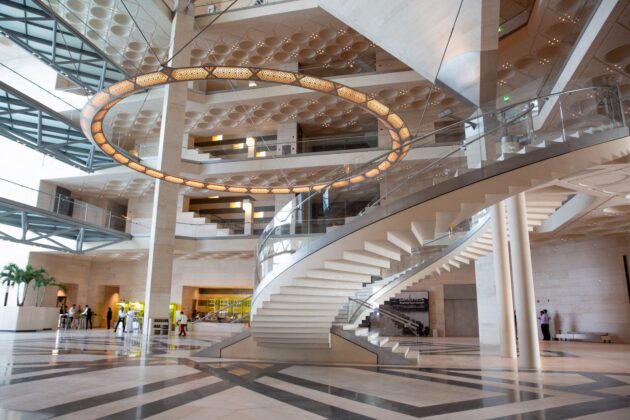
Architecture and Views — Take time to appreciate I.M. Pei’s design from different angles. The atrium and upper levels offer great photo opportunities.
MIA Park — Stroll through the beautifully landscaped gardens, enjoy waterfront views, or relax on the lawns (perfect for picnics or sunset watching).
Gift Shop and Dining: The MIA Gift Shop offers art-inspired souvenirs, books, replicas, jewelry, and stationery. Casual café in the atrium and an upscale restaurant with excellent views (great for a meal with skyline vistas).
Allow at least 2–3 hours for a meaningful visit; art enthusiasts may want 4+ hours.
Best Time to Visit
Year-round: Qatar’s indoor attractions like MIA are ideal during the hot summer months (May–September).
Pleasant weather: October to April offers milder temperatures for combining with outdoor activities along the Corniche.
Avoid crowds: Weekday mornings (especially Sunday–Tuesday) tend to be quieter. Thursdays have extended evening hours.
Photography tip: Visit in the late afternoon or evening for golden-hour or illuminated views of the building and skyline.
Visitor Tips
Dress Code: Dress modestly out of respect for local culture—shoulders and knees should be covered.
Photography: Generally allowed (check current guidelines); flash may be restricted in some areas.
Practicalities: Free Wi-Fi is available. There is a cloakroom for bags. Comfortable walking shoes are recommended as the galleries span multiple floors.
Accessibility: The museum is wheelchair-friendly with elevators and accessible facilities.
Family-friendly: Interactive elements and child resources make it suitable for all ages.
Combine your visit: Pair MIA with nearby attractions like the National Museum of Qatar (about 2 km away), Souq Waqif, or a stroll along the Corniche.
Final Thoughts
The Museum of Islamic Art is a cultural gem that beautifully bridges history and modernity. Whether you’re interested in art, architecture, history, or simply seeking a serene and inspiring experience in Doha, MIA offers something unforgettable. Its world-class collection, stunning setting, and thoughtful curation make it one of the top attractions in Qatar and the Gulf region.
Plan your visit in advance, reserve tickets if possible, and take your time to absorb the rich heritage on display. Enjoy your time in Doha!
Safe travels and happy exploring!