A Travel Guide to Kansas
Known as the “Sunflower State,” Kansas offers a quintessential American experience with its vast prairies, rich Wild West history, and vibrant cultural hubs. From the rolling Flint Hills to the lively streets of Kansas City, this Midwestern gem blends outdoor adventure, historical landmarks, and mouthwatering barbecue. Whether you’re a history buff, nature lover, or foodie, this guide will help you plan an unforgettable trip to Kansas.
Why Visit Kansas?
Kansas is a land of wide-open spaces, where you can explore Native American heritage, relive the days of cowboys and outlaws, or savor the state’s famous barbecue. Iconic attractions like the Flint Hills, one of the last remaining tallgrass prairies in the world, and quirky roadside stops like the World’s Largest Ball of Twine add charm to the state. Kansas City’s jazz scene and Wichita’s aerospace legacy offer urban excitement, while 28 state parks provide serene escapes for outdoor enthusiasts. Despite its Wizard of Oz fame, Kansas is far from a place to escape—it’s a destination to discover.
How to Get There
By Air: Kansas City International Airport (MCI) is the main gateway, located 20 miles northwest of downtown Kansas City. It serves major airlines like American, Delta, and Southwest, with flights from most U.S. cities. Wichita Dwight D. Eisenhower National Airport (ICT) is another option for central Kansas, offering regional connections. A flight from Washington, D.C., takes about 5 hours, while Chicago is roughly 1.5 hours away.
By Train: Amtrak’s Southwest Chief runs east-west through Kansas City, Lawrence, Topeka, Dodge City, and Garden City, connecting Chicago to Los Angeles. The Missouri River Runner links Kansas City to St. Louis twice daily.
By Car: Kansas is crisscrossed by major highways like I-70 (east-west) and I-35 (northeast-southwest). From Chicago, it’s a 500-mile drive (about 8 hours) to Kansas City. Rent cars from Hertz or Routes Car & Truck Rentals at major airports. Gas prices average $3.41 per gallon (as of early 2025). The Kansas Turnpike (I-35/I-335/I-70) is a toll road; check www.ksturnpike.com for rates and construction updates.
By Bus: Greyhound and Jefferson Lines serve cities like Wichita, Topeka, and Coffeyville. Beeline Express connects Wichita to Pueblo, Colorado.
Tip: Renting a car is recommended to explore Kansas’s spread-out attractions, as public transport is limited outside major cities.
Best Time to Visit
Spring (March–May): Mild weather (50–70°F) and blooming wildflowers make this ideal for outdoor activities. However, May has a higher tornado risk, so monitor weather forecasts. Summer (June–August): Warm (80–90°F) and perfect for lake activities and events like the Unbound Gravel bike race in the Flint Hills.
Fall (September–November): Crisp temperatures (50–75°F) and vibrant harvests make autumn great for scenic drives and farm visits. Avoid November for tornado risks. Winter (December–February): Cold (20–40°F) with fewer crowds. Indoor attractions like museums shine, but outdoor activities are limited.
Weather Tip: Tornado season peaks in May, June, and November. Check alerts from the National Oceanic and Atmospheric Administration (NOAA).
Top Attractions
Monument Rocks and Little Jerusalem Badlands State Park
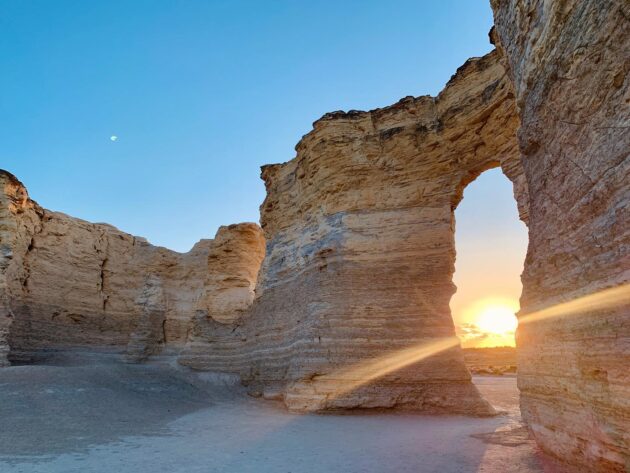
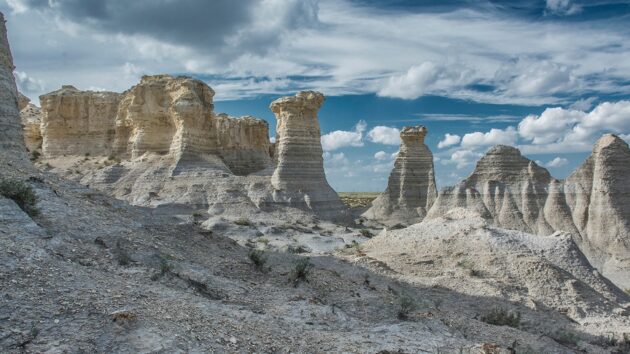
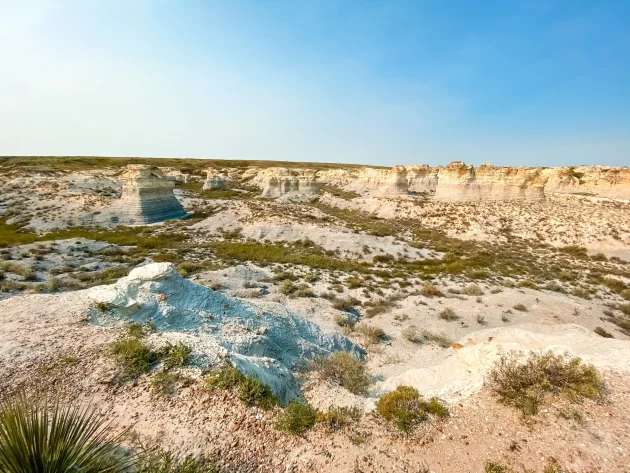
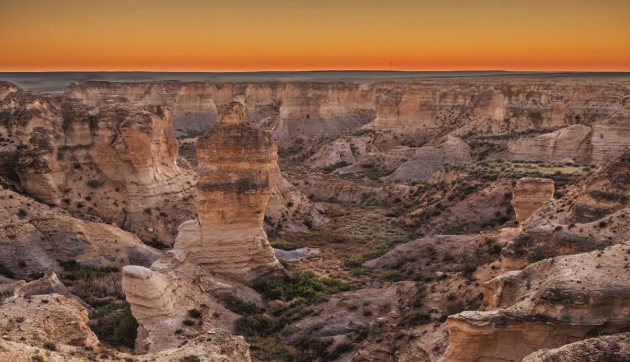
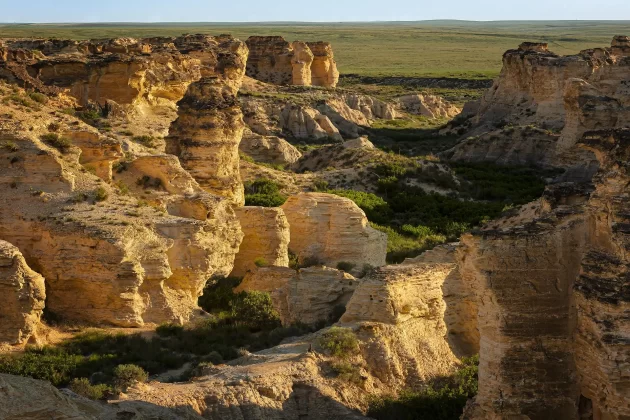
Monument Rocks and Little Jerusalem Badlands State Park are two striking geological wonders in western Kansas, showcasing dramatic Niobrara chalk formations shaped over 80 million years when the region was submerged under the Western Interior Seaway. Monument Rocks, Kansas’ first National Natural Landmark, features 70-foot-tall chalk pyramids and arches, offering a glimpse into ancient marine fossils and stunning landscapes.
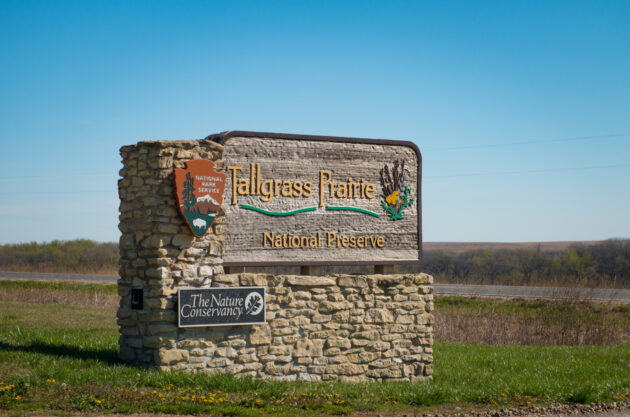
Tallgrass Prairie National Preserve
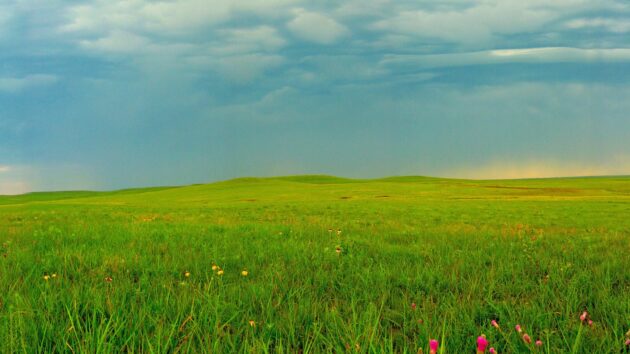
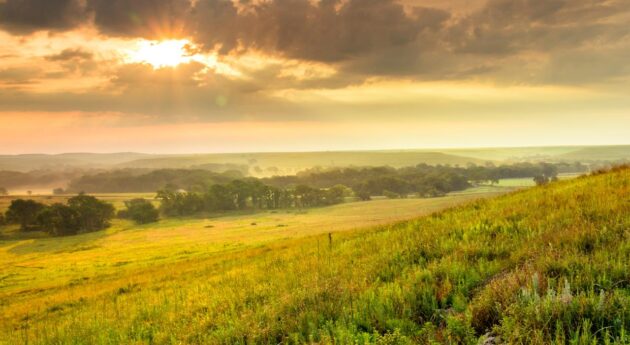
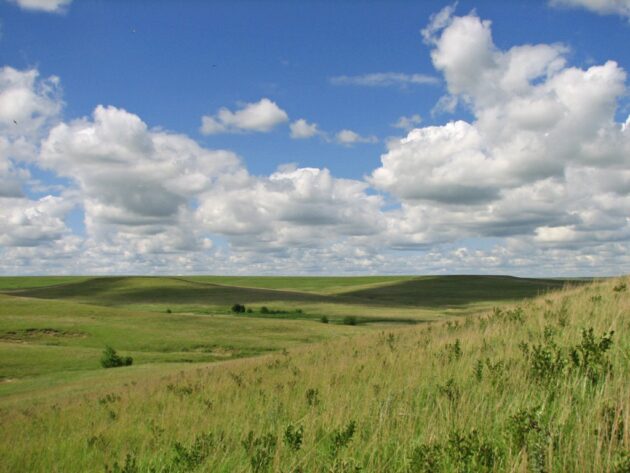
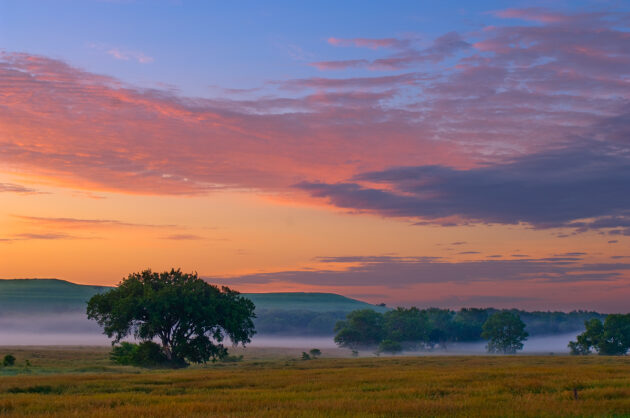
The Tallgrass Prairie National Preserve in Kansas, USA, is a unique protected area dedicated to preserving the remnants of the once-vast tallgrass prairie ecosystem, which now covers less than 4% of its original 170 million acres. Located in the Flint Hills, the preserve spans nearly 11,000 acres and features diverse flora and fauna, including over 500 plant species and a reintroduced bison herd. Co-managed by the National Park Service and The Nature Conservancy, it offers hiking trails, historic ranch tours, and educational programs, with no entrance fee required.
Sedgwick County Zoo
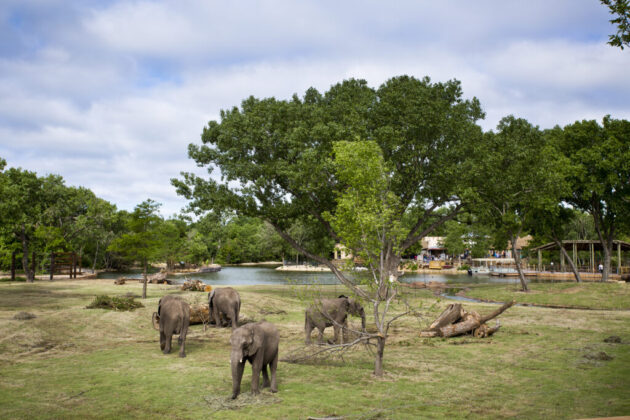
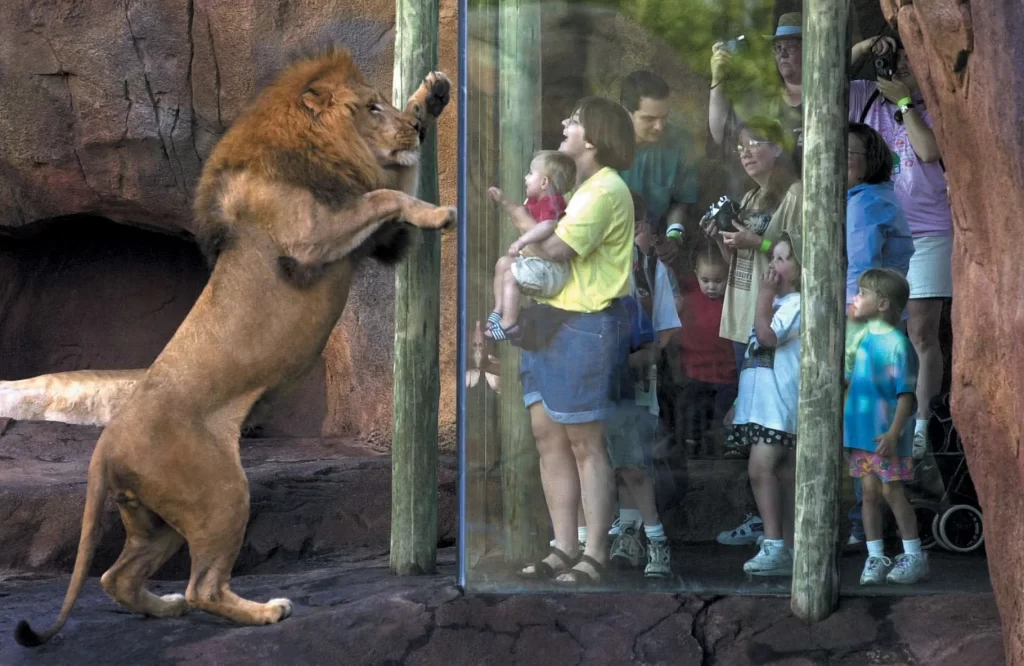
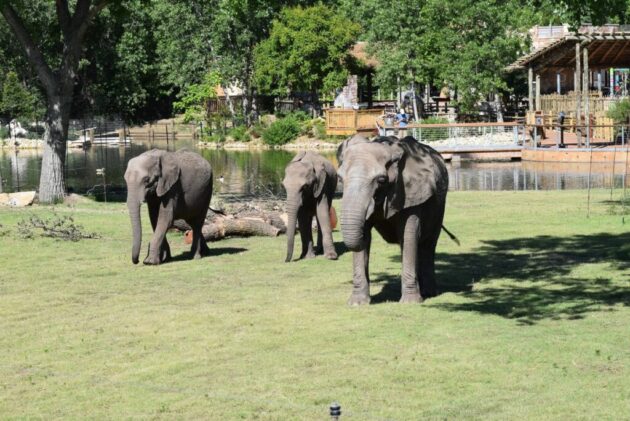
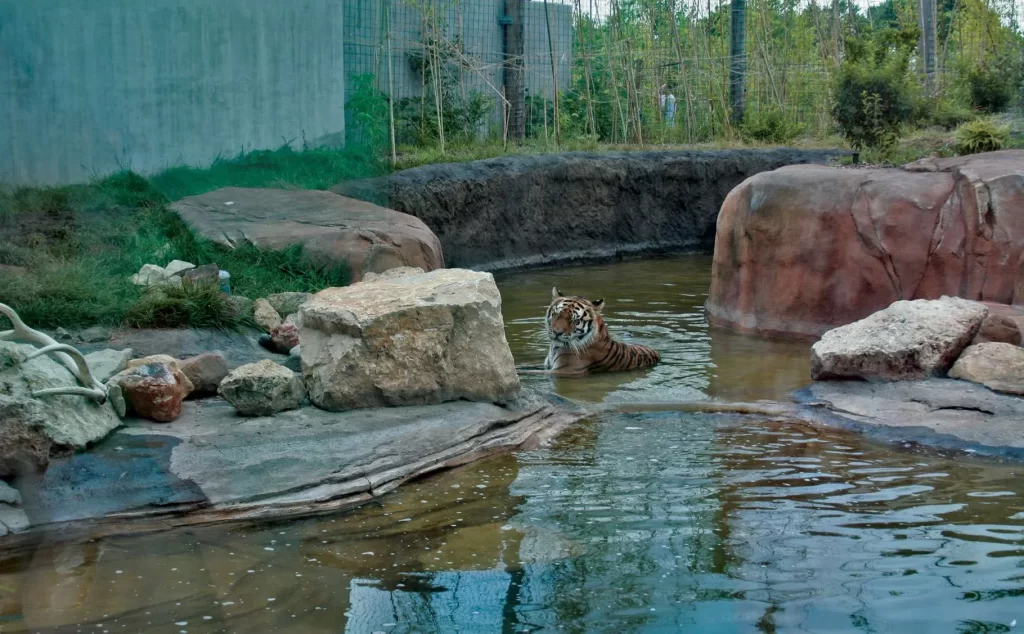
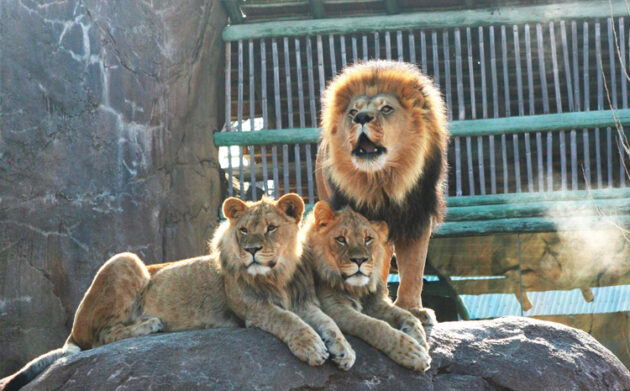
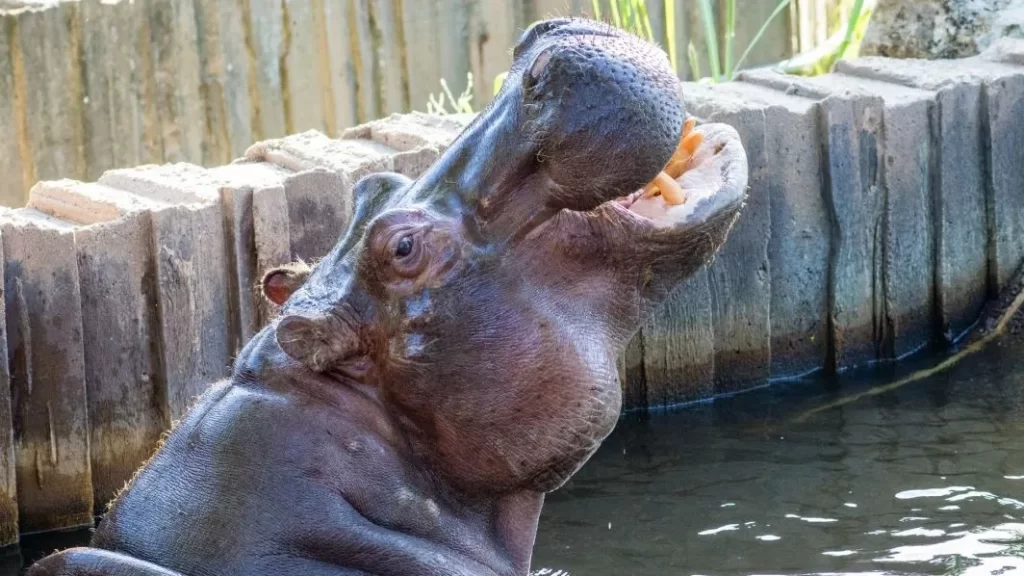
Sedgwick County Zoo is the seventh-largest zoo in the United States, home to over 3,000 animals representing nearly 400 species. The zoo is known for its immersive exhibits and dedication to conservation and education. Established in 1971, it has continued to grow, adding new habitats and expanding its animal collection.


Where to Eat
Barbecue: Kansas City is the barbecue capital of the U.S. Try Joe’s Kansas City Bar-B-Que (burnt ends are a must) or Gates Bar-B-Q for ribs and brisket. Expect meals at $15–30 per person. Wichita’s Old Town: Dine at Gella’s Diner & Lb. Brewing Co. for craft beer and hearty Midwestern dishes ($10–20).
Local Gems: Small-town diners like those in Dodge City or Hutchinson serve farm-fresh meals, including fried chicken and pies ($8–15). Farm-to-Table: Visit in fall for farmers’ markets offering fresh produce, baked goods, and local honey.
Where to Stay
Kansas City: Loews Kansas City Hotel (4-star, ~$150–250/night): Modern with proximity to downtown attractions. Holiday Inn Express Kansas City (3-star, ~$100–150/night): Budget-friendly with free breakfast.
Wichita: Drury Plaza Hotel Broadview (3.5-star, ~$120–180/night): Historic charm near Old Town. Ambassy Suites by Hilton Wichita (4-star, ~$130–200/night): Spacious suites for families.
Rural Areas: State Park Cabins: Affordable lodging (~$50–100/night) at parks like Kanopolis Lake. Book via www.ksoutdoors.com. Dodge City B&Bs: Cozy options like Boot Hill Bed & Breakfast (~$80–120/night) immerse you in cowboy history.
Camping: Kansas’s state parks offer campsites (~$10–20/night) with RV hookups and tent sites. Booking Tip: Use www.travelks.com or apps like Expedia for deals, especially during off-peak seasons.
Tips for a Great Visit
Plan for Driving: Kansas’s attractions are spread out, so plan routes using the free Kansas Travel Guide or map from www.travelks.com. Dress for the Weather: Summers are hot, winters are cold, and tornado season requires vigilance. Pack layers and sturdy shoes for hiking.
Embrace Small Towns: Quirky stops like the Kansas Underground Salt Museum or Cawker City’s twine ball add character to road trips. Cultural Etiquette: Kansans are friendly and proud of their heritage. Engage locals for tips on hidden gems. Combine Destinations: Pair Kansas City with Lawrence (30 miles away) or Wichita with Hutchinson (50 miles) for efficient day trips.
Final Thoughts
Kansas is more than Dorothy’s home—it’s a state where history, nature, and culture collide. From the rugged beauty of the Flint Hills to the smoky allure of Kansas City barbecue, the Sunflower State invites you to explore its open roads and warm communities. Whether you’re chasing Wild West legends, hiking prairies, or savoring jazz under the stars, Kansas delivers an authentic American adventure. Order your free 2025 Kansas Travel Guide at www.travelks.com, pack your sense of wonder, and hit the road to discover the heart of the Midwest.
Happy travels.