


A Travel Guide to New Orleans
New Orleans, known as the “Big Easy,” is a vibrant city in Louisiana, famous for its rich cultural tapestry, lively music scene, unique cuisine, and festive spirit. From the historic French Quarter to the soulful sounds of jazz and the exuberance of Mardi Gras, New Orleans offers an unforgettable experience for travelers. This guide will help you plan a trip to explore the city’s charm, history, and flavors.
Why Visit New Orleans?
New Orleans is a melting pot of French, Spanish, African, and Creole influences, creating a unique cultural identity. It’s renowned for its jazz music, born in the city’s streets, and its culinary scene, featuring dishes like gumbo, jambalaya, and beignets. The city hosts iconic events like Mardi Gras (February or March) and the New Orleans Jazz & Heritage Festival (late April to early May). With historic neighborhoods, vibrant nightlife, and a laid-back vibe, New Orleans is perfect for history buffs, foodies, music lovers, and anyone seeking a lively adventure.
How to Get There
By Air: Louis Armstrong New Orleans International Airport (MSY) is 15 miles west of downtown. Major airlines like Delta, American, and Southwest operate flights from across the U.S. A taxi or rideshare (Uber/Lyft) to the French Quarter takes 20–30 minutes and costs $36–50. Airport shuttles are available for $24/person (round-trip discounts on services like Airport Shuttle New Orleans).
By Train: Amtrak’s Crescent (from New York), City of New Orleans (from Chicago), or Sunset Limited (from Los Angeles) arrive at Union Passenger Terminal, near the Central Business District. Fares range from $50–200, depending on the route.
By Car: New Orleans is accessible via I-10 (east-west) or I-55/I-59 (north-south). From Atlanta, it’s a 7-hour drive (470 miles); from Houston, 5 hours (350 miles). Parking in the French Quarter is limited; expect $20–40/day at hotels or public lots.
Public Transit: Once in the city, use the New Orleans Regional Transit Authority (RTA) streetcars ($1.25/ride) or buses to navigate. The iconic St. Charles Streetcar connects downtown to the Garden District.
Best Time to Visit
Spring (March–May): Ideal weather (60–80°F/16–27°C) and major festivals like Mardi Gras and Jazz Fest make this peak season. Book accommodations early. Fall (September–November): Mild temperatures (65–85°F/18–29°C) and fewer crowds offer a pleasant experience. Halloween events, like the Krewe of Boo, are a highlight.
Winter (December–February): Cooler (50–70°F/10–21°C) and quieter, except during Mardi Gras. Great for budget travelers, with lower hotel rates. Summer (June–August): Hot and humid (80–95°F/27–35°C) with frequent rain, but fewer tourists and cheaper accommodations. Indoor attractions and evening activities shine.
Note: Hurricane season (June–November) can bring heavy rain or storms; check forecasts before traveling.
Top Attractions
National WWII Museum
The National WWII Museum in New Orleans, Louisiana, is a world-class institution dedicated to preserving the history of World War II, focusing on the American experience—why the war was fought, how it was won, and its lasting impact. Located in the vibrant Warehouse District, this sprawling, six-acre campus is the top-rated tourist attraction in New Orleans and ranks among the best museums in the United States, earning a Travelers’ Choice Award from Tripadvisor.


Jackson Square
Jackson Square is the heart of New Orleans’ historic French Quarter, a vibrant public space surrounded by history, art, and culture. Originally known as Place d’Armes, the square was renamed in honor of Andrew Jackson, the hero of the Battle of New Orleans during the War of 1812. Today, Jackson Square is a must-visit destination for travelers seeking to experience the lively spirit of New Orleans.


French Quarter
The French Quarter is the heart and soul of New Orleans. Stroll through its streets to take in the historic architecture, colorful buildings, and wrought-iron balconies. Don’t miss Jackson Square, a lively plaza surrounded by street performers, artists, and musicians, with the iconic St. Louis Cathedral standing tall.
Bourbon Street: Famous for its nightlife, bars, and jazz clubs.


Royal Street: Known for art galleries, antique shops, and quaint cafes.


Audubon Aquarium
The Audubon Aquarium in New Orleans, Louisiana, is a top-rated aquatic attraction located along the Mississippi River near the French Quarter. It features over 10,000 animals from 530 species, including Caribbean reef fish, Amazon rainforest creatures, Gulf of Mexico sharks, and rare white alligators. The aquarium is known for its immersive exhibits, such as a 30-foot underwater tunnel and a 400,000-gallon Gulf of Mexico tank.


Garden District
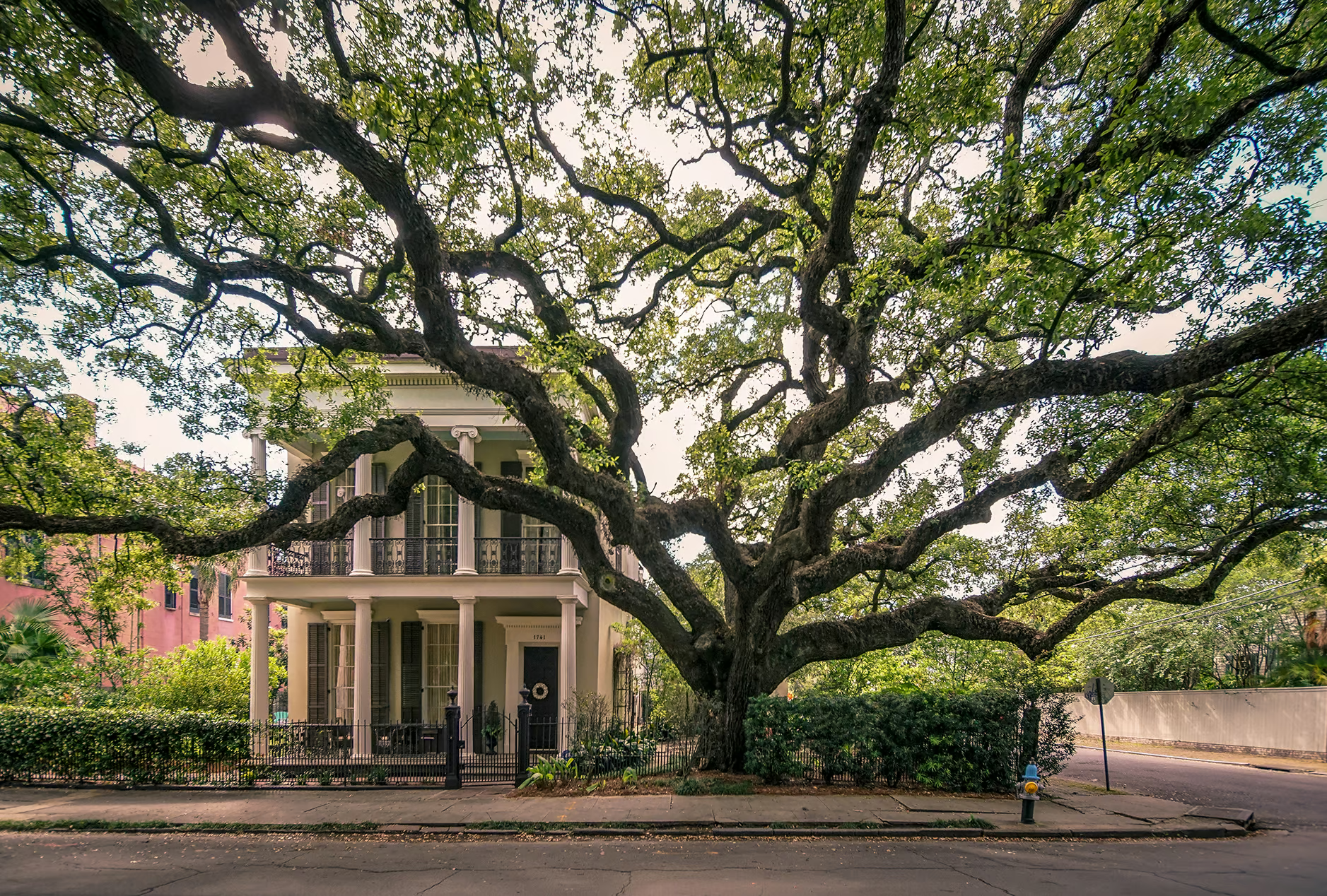
For a quieter and more picturesque experience, head to the Garden District. This area is filled with Victorian mansions, oak-lined streets, and lush gardens. You can take a guided walking tour to learn about the historic homes, or visit Lafayette Cemetery No. 1, one of the city’s famous above-ground cemeteries.



Audubon Zoo
Located in the vibrant city of New Orleans, Audubon Zoo is one of the top family attractions in the region. It’s nestled within Audubon Park, offering a combination of beautiful landscapes, exotic animals, and immersive exhibits. Whether you’re a solo traveler, a family with kids, or an animal enthusiast, this zoo promises an exciting day filled with discovery.


Steamboat Natchez Cruise
The Steamboat Natchez Cruise in New Orleans offers an authentic riverboat experience on the Mississippi River, featuring live jazz music, scenic views of the city skyline, and optional Creole-style dining. As the last authentic steamboat on the river, it provides a nostalgic journey with historic charm, including access to its steam engine room and multi-deck exploration. Cruises range from daytime jazz brunches to evening dinner options, all while showcasing New Orleans’ rich musical and culinary heritage.


Where to Eat
Iconic Dishes: Beignets and Café au Lait: Visit Café du Monde in the French Quarter for powdered sugar-dusted beignets ($3–5) and chicory coffee. Gumbo and Jambalaya: Try Gumbo Shop ($10–15) for classic Creole dishes. Po’ Boys: Grab a shrimp or oyster po’ boy at Parkway Bakery ($8–12). Crawfish Étouffée: Savor this spicy stew at K-Paul’s Louisiana Kitchen ($20–30).
Dining Options: Casual: Willie’s Chicken Shack for fried chicken ($10–15) or Acme Oyster House for fresh oysters ($15–20/dozen). Upscale: Commander’s Palace in the Garden District offers fine Creole dining (entrees $30–50, dress code enforced). Food Markets: Explore St. Roch Market for diverse food stalls, from tacos to seafood ($8–15).
Tip: Make reservations for popular restaurants, especially during festival seasons. Many spots offer vegetarian and gluten-free options.
Where to Stay
New Orleans offers accommodations for all budgets, with the French Quarter and Central Business District (CBD) being the most convenient:
French Quarter: Hotel Monteleone (4-star): Historic luxury with a rooftop pool, from $200–400/night. Bourbon Orleans Hotel (4-star): Charming with a central location, $150–300/night.
CBD/Warehouse District: Hilton New Orleans Riverside (4-star): Modern with river views, $120–250/night. Ace Hotel New Orleans (boutique): Trendy with live music venues, $150–300/night.
Budget Options: India House Hostel: Dorm beds from $25–50/night, great for backpackers. Airbnb: Private rooms or apartments in the Marigny or Bywater start at $60–120/night. Booking Tip: Book 3–6 months in advance for Mardi Gras or Jazz Fest to secure deals. Use Booking.com or Expedia for discounts.
Tips for a Great Visit
Dress Comfortably: Wear lightweight clothing and comfortable shoes for walking on uneven streets. Bring a hat or umbrella for sun/rain. Safety: The French Quarter is generally safe, but stick to well-lit areas at night and avoid isolated spots. Keep valuables secure during crowded events.
Cash: Some bars and food stalls are cash-only; ATMs are widely available. Respect Local Culture: Tip street performers and musicians, and embrace the city’s laid-back, festive vibe. Explore Beyond the Quarter: Visit the Tremé for African-American history or Bywater for artsy cafes and murals.
Final Thoughts
New Orleans is a city that captivates with its soulful music, flavorful cuisine, and infectious energy. Whether you’re dancing to jazz on Frenchmen Street, savoring a beignet at Café du Monde, or joining the revelry of Mardi Gras, the Big Easy promises a one-of-a-kind experience. Plan your visit around its festivals, embrace its cultural diversity, and let New Orleans’ charm sweep you away.
Happy travels!


