A Travel Guide to Baltimore
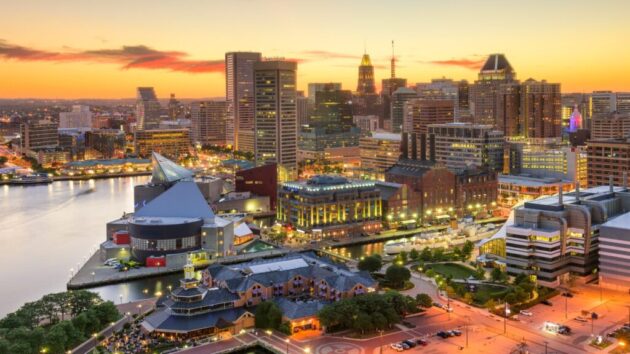
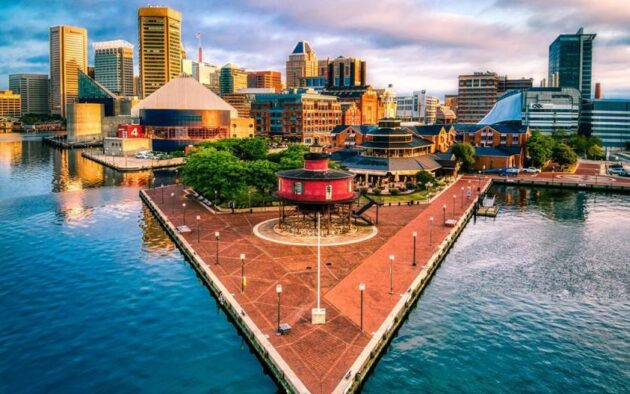
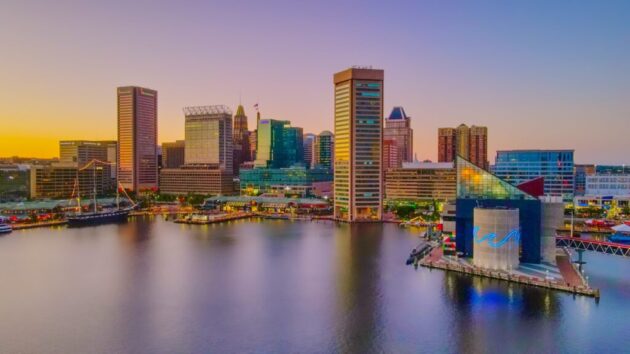
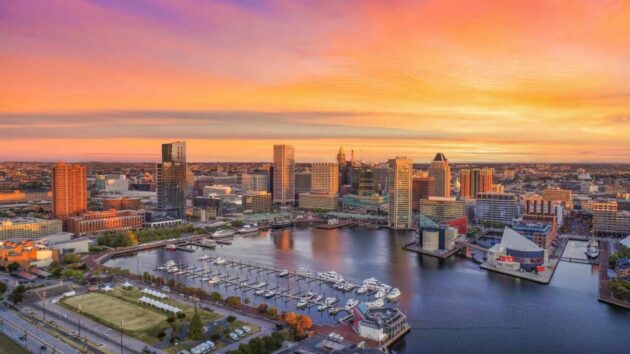
Baltimore, Maryland, affectionately known as “Charm City,” is a vibrant, historic port city on the Chesapeake Bay, offering a rich blend of cultural landmarks, diverse neighborhoods, and a renowned seafood scene. With its walkable waterfront, world-class museums, and deep historical significance, Baltimore is an ideal destination for history buffs, foodies, and urban explorers. This guide will help you plan a memorable visit to Maryland’s largest city.
Why Visit Baltimore?
Baltimore’s appeal lies in its unique mix of old-world charm and modern vibrancy. From the birthplace of the U.S. national anthem at Fort McHenry to the bustling Inner Harbor, the city offers iconic attractions, eclectic neighborhoods, and a strong sense of local pride. Its culinary scene, particularly its Maryland blue crab dishes, is a must-try, while its cultural heritage—linked to figures like Edgar Allan Poe and Frederick Douglass—adds depth to any visit. With over 250 neighborhoods, each with its own character, Baltimore invites exploration beyond the tourist hotspots.
How to Get There
Baltimore is conveniently located 35 miles northeast of Washington, D.C., and 75 miles southwest of Philadelphia, making it an accessible East Coast destination.
By Air: Baltimore-Washington International Airport (BWI) is 10 miles south of downtown, about a 20–30-minute drive. It serves domestic and some international flights, with taxis, ride-hailing (Uber/Lyft), or shuttles costing $20–40 to downtown. Public options include the Light Rail ($2) or Amtrak ($15–20) from BWI to Penn Station.
By Train: Amtrak connects Baltimore’s Penn Station to major cities like New York (2.5 hours), Washington, D.C. (40 minutes), and Philadelphia (1 hour). Fares range from $10–50 one-way, depending on the route. The MARC Train offers affordable weekday commuter service between Baltimore and D.C. (from $8).
By Car: Baltimore is easily reached via Interstate 95 from New York (4 hours), Philadelphia (2 hours), or D.C. (1 hour). Parking downtown is available but can cost $10–25/day.
By Bus: Greyhound, Megabus, and BoltBus operate routes from nearby cities, with fares starting at $10–20. Buses arrive at Baltimore’s bus terminal, a short taxi ride from the Inner Harbor.
Best Time to Visit
Spring (March–May): Mild temperatures (50–70°F) and blooming flowers make this ideal for outdoor exploration. The Baltimore Flower Mart in May is a local highlight. Summer (June–August): Warm and humid (70–90°F), with vibrant festivals like AFRAM (Juneteenth) and Artscape. Expect crowds and higher hotel rates.
Autumn (September–November): Cooler weather (50–75°F) and stunning foliage, plus events like the Baltimore Running Festival in October. Winter (December–February): Chilly (30–50°F) with fewer tourists. Indoor attractions like museums and the National Aquarium shine, and holiday events add charm.
Tip: Avoid peak holiday periods like Memorial Day or Independence Day for fewer crowds. Summer evenings by the harbor can be breezy, so bring a light jacket.
Top Attractions
National Aquarium
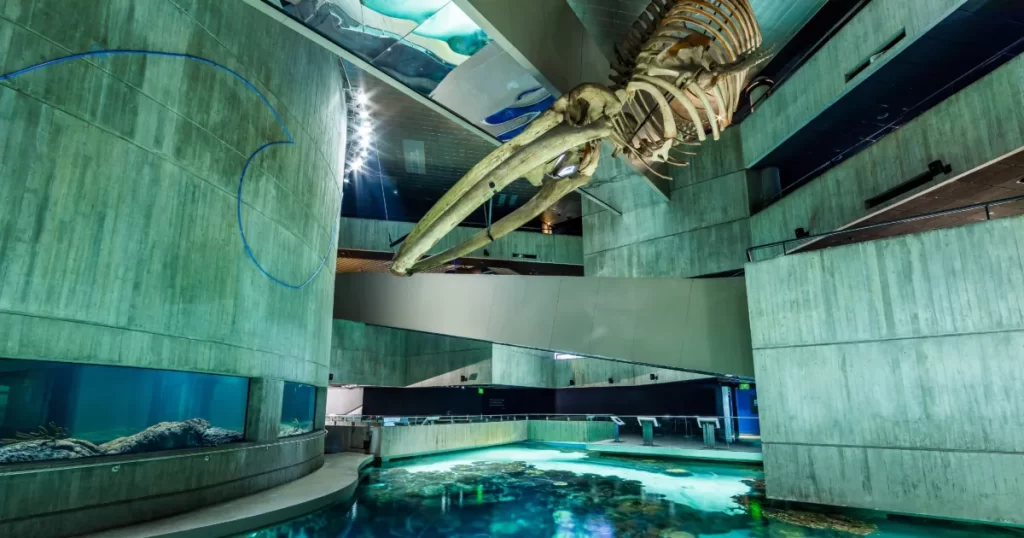
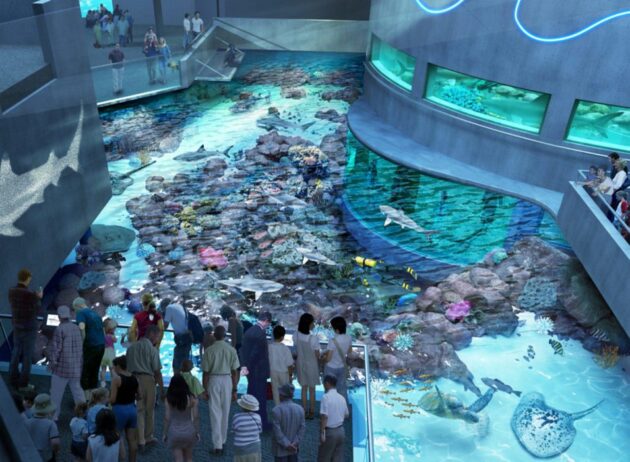
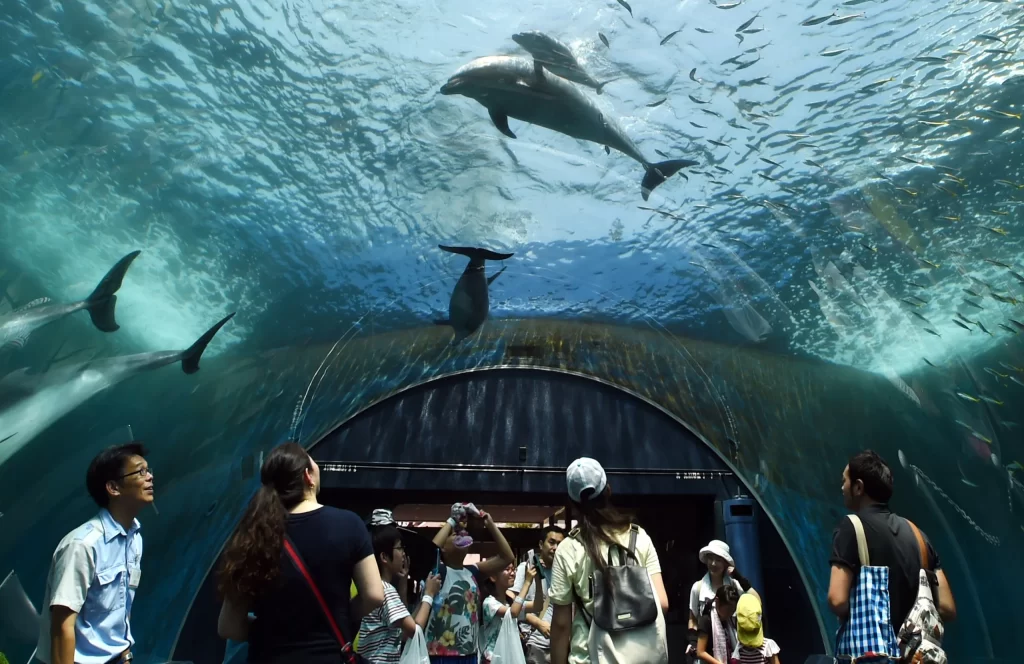
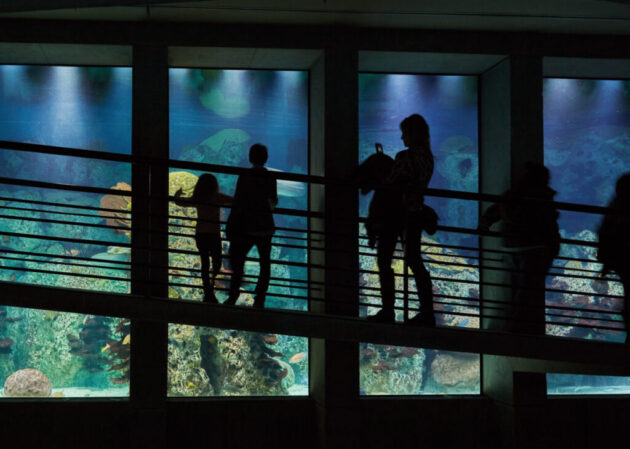
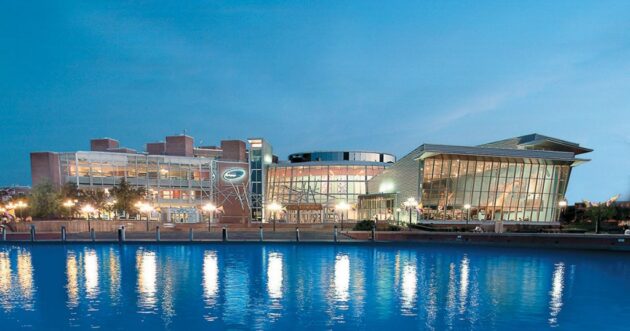
Nestled in the vibrant Inner Harbor of Baltimore, the National Aquarium is one of the United States’ premier aquatic attractions, drawing over 1.4 million visitors annually. Renowned for its diverse exhibits, conservation efforts, and immersive experiences, it offers a captivating journey through marine and terrestrial ecosystems.

Fort McHenry National Monument
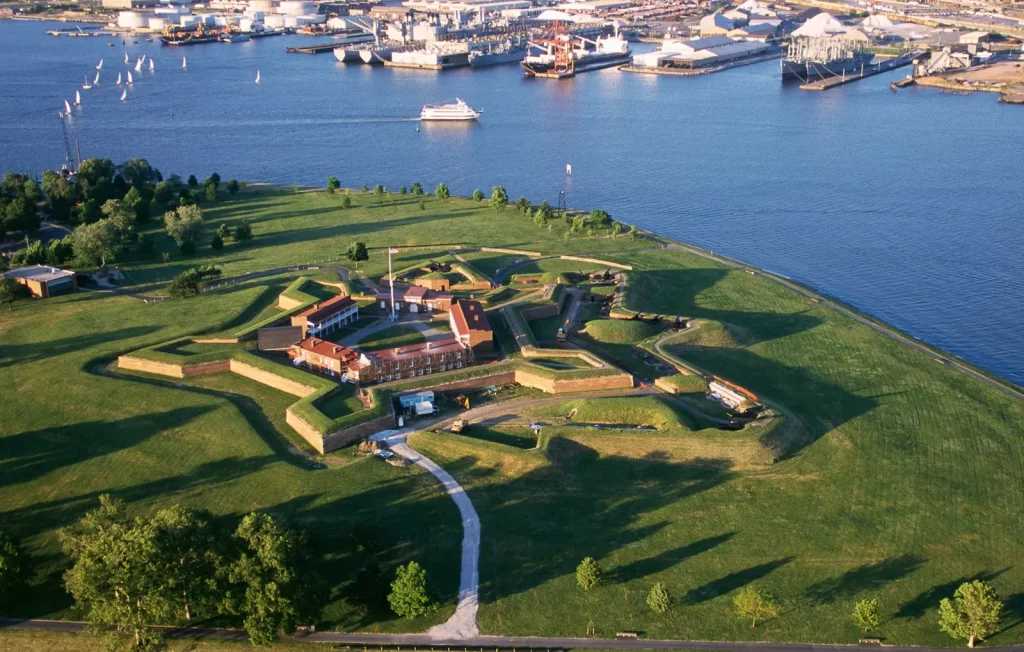
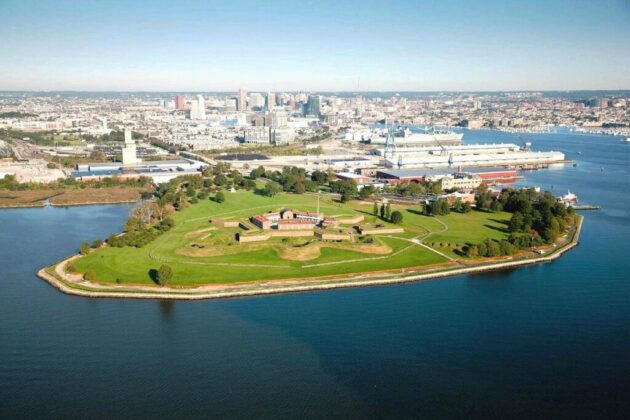
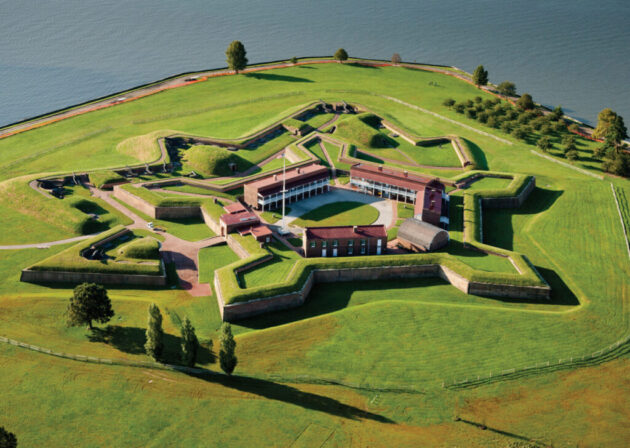
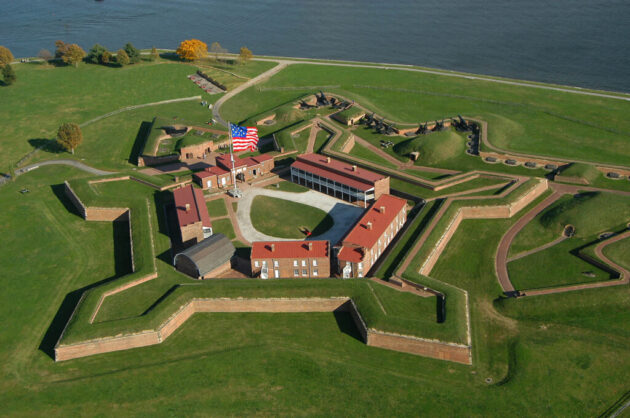
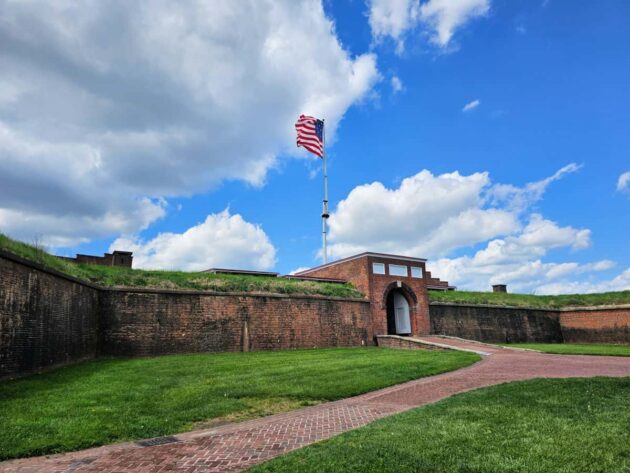
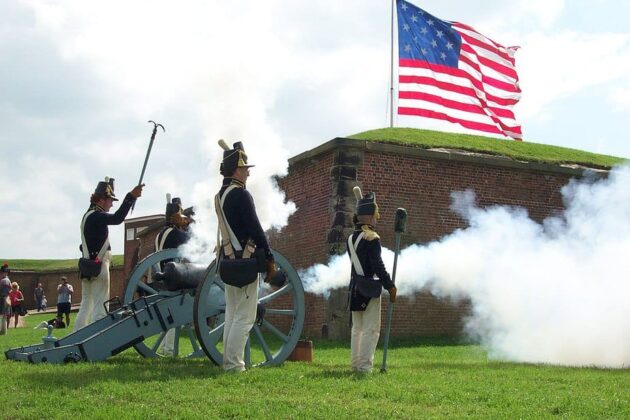
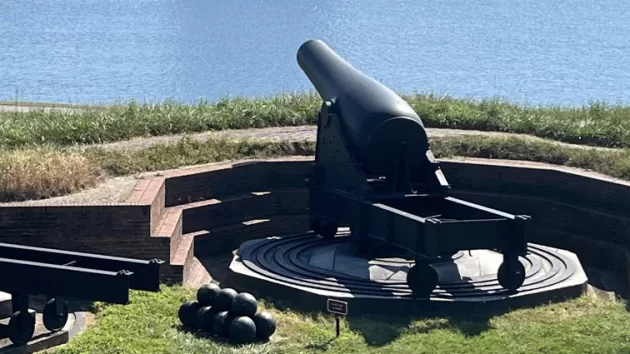
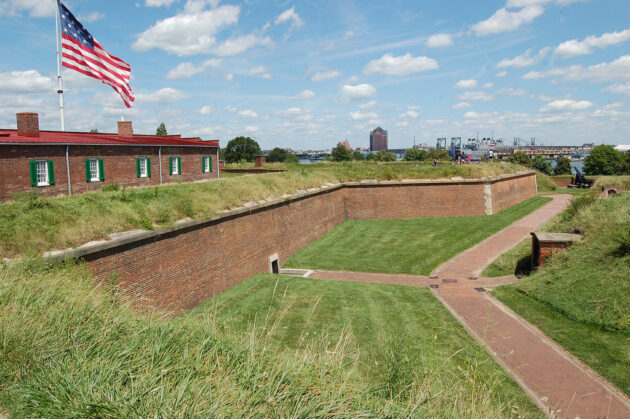
Fort McHenry National Monument and Historic Shrine, located in Baltimore’s Locust Point neighborhood, is a historic star-shaped fort best known for its pivotal role in the War of 1812. It inspired Francis Scott Key to write “The Star-Spangled Banner,” the U.S. national anthem, after witnessing the fort’s defense against a British bombardment in 1814. Spanning 43 acres along the Patapsco River, this National Park Service site offers a mix of history, scenic beauty, and patriotic significance.
Maryland Science Center
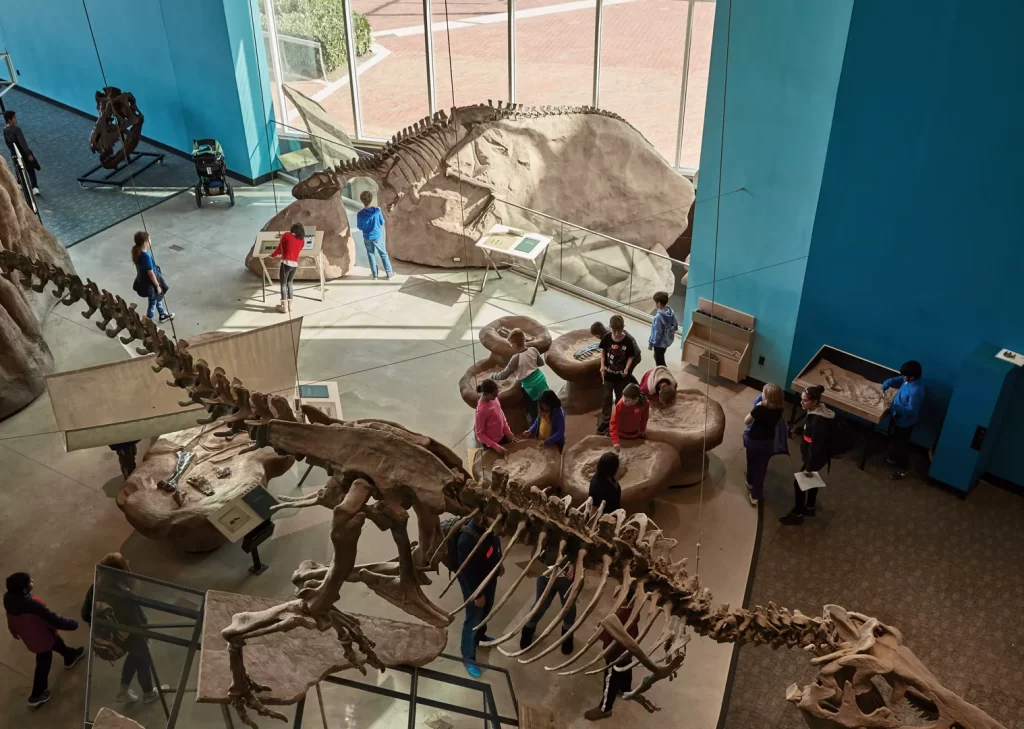
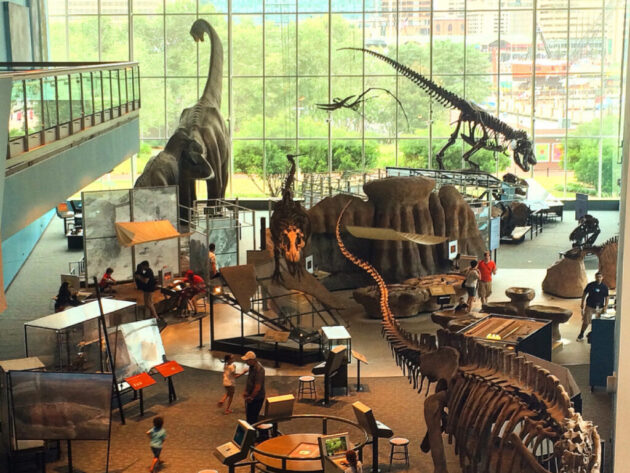
The Maryland Science Center, located in Baltimore’s Inner Harbor, is a dynamic interactive science museum featuring three floors of hands-on exhibits. It includes popular attractions like the Dinosaur Mysteries exhibit with full-scale skeletons, a planetarium, an IMAX theater, and live science demonstrations. Founded in 1976, it’s a family-friendly destination designed to make science accessible and engaging for all ages through interactive exploration.
Baltimore Museum of Art
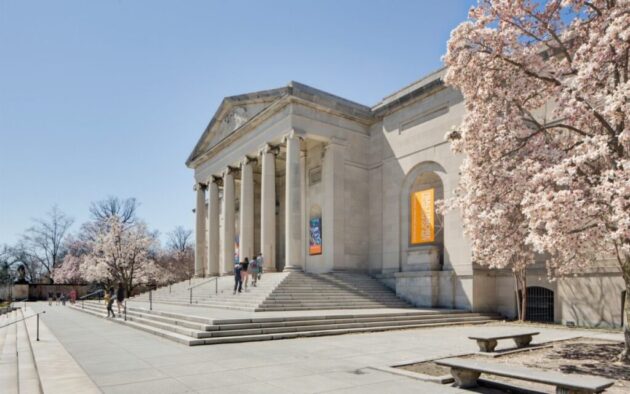
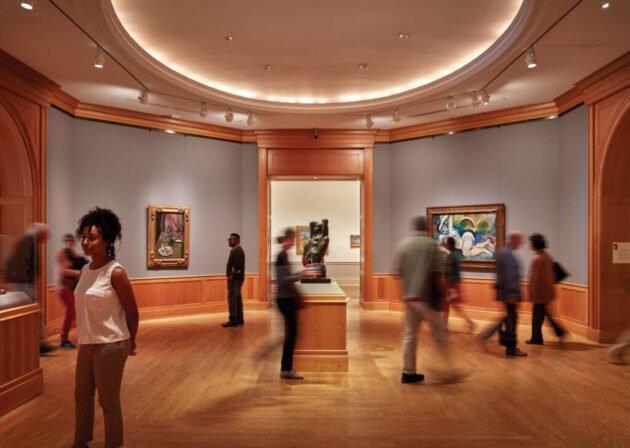
The Baltimore Museum of Art (BMA), located in Baltimore, Maryland, is a significant art museum founded in 1914. It houses an extensive collection of approximately 97,000 works, ranging from ancient Egyptian art to contemporary pieces. The museum is particularly renowned for holding the largest public collection of works by Henri Matisse, primarily thanks to the famed Cone Collection of modern art amassed by Baltimore sisters Claribel and Etta Cone.
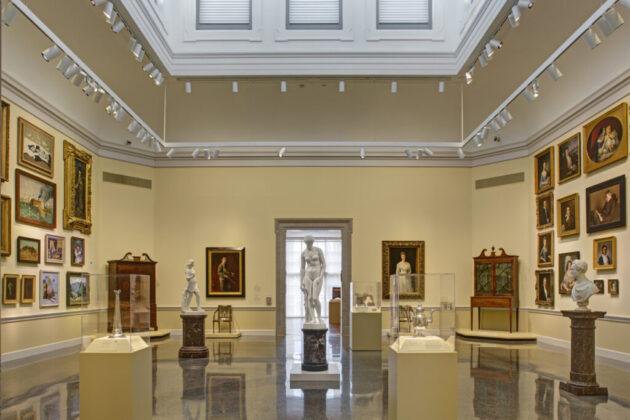
Walters Art Museum
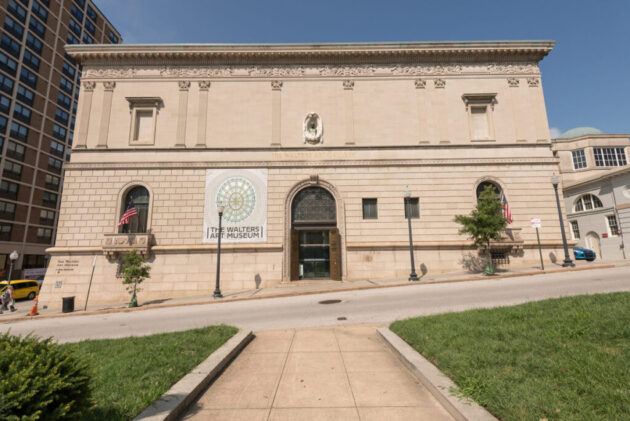
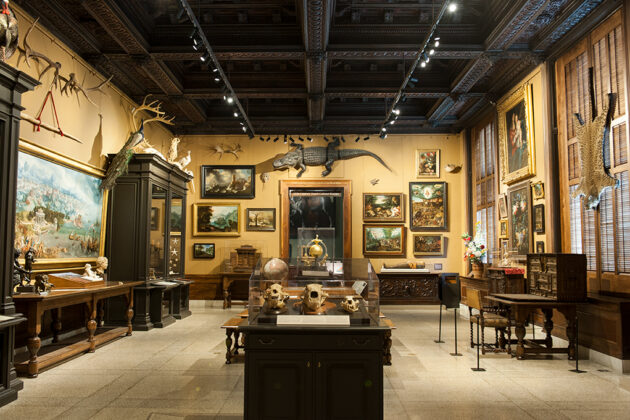
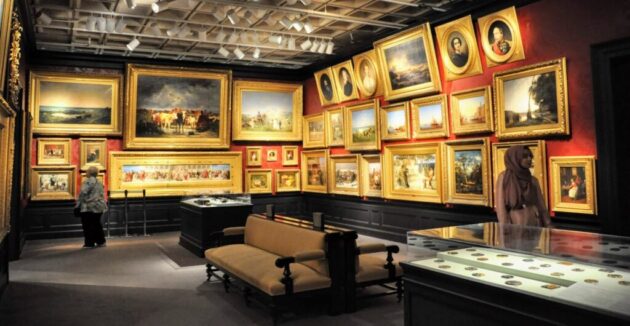
Founded with collections amassed by William T. Walters and his son Henry Walters, it was bequeathed to the City of Baltimore in 1931 and opened to the public in 1934. The museum’s holdings include significant works from ancient Egypt, Greece, and Rome, medieval European art, Asian ceramics, Islamic manuscripts, and 19th-century European paintings by masters such as Monet and Manet. Notably, admission to the Walters Art Museum is free for all visitors.
Fells Point
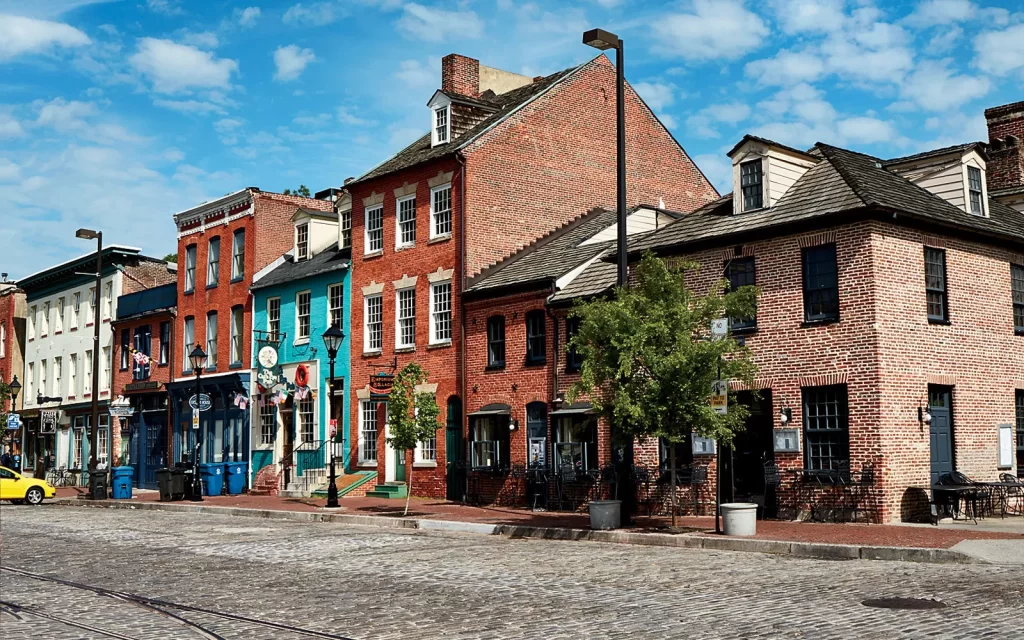
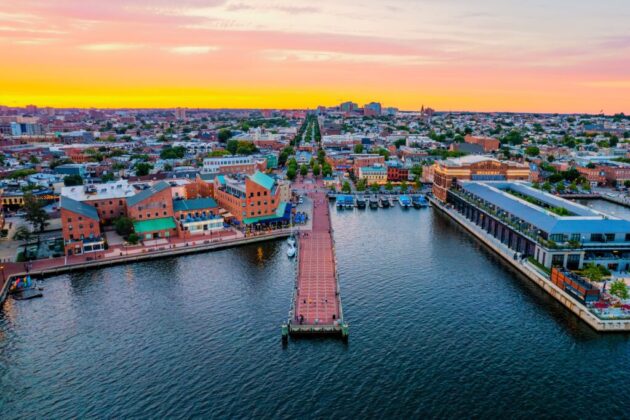
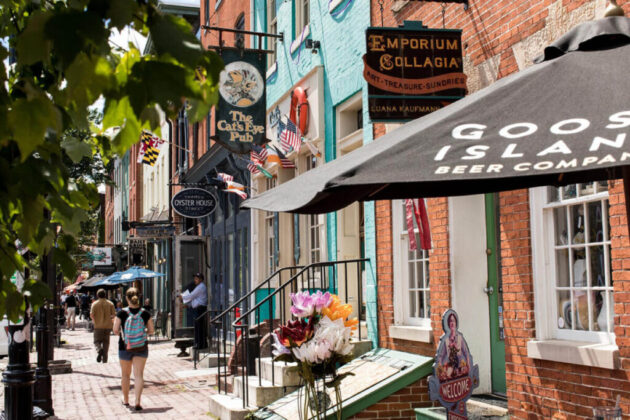
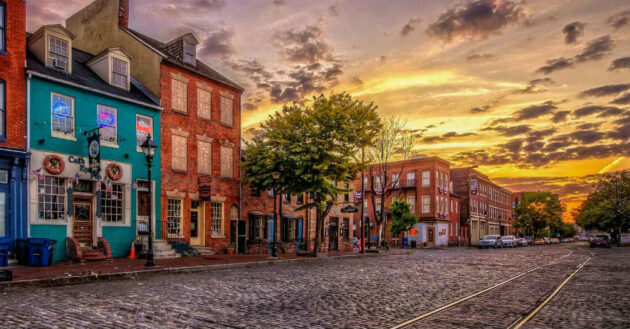
Fells Point is a historic waterfront neighborhood in southeastern Baltimore, Maryland, established in 1763 and renowned for its well-preserved 18th and 19th-century architecture, cobblestone streets, and vibrant maritime heritage. As a National Historic District, it features over 300 buildings on the National Register, including the Robert Long House, the oldest standing residence in Baltimore. The area was once a major shipbuilding center, famous for producing Baltimore Clipper ships, and played a significant role during the War of 1812. Today, Fells Point is a popular destination with numerous restaurants, pubs, shops, and annual festivals, blending its rich history with a lively cultural scene.
Camden Yards
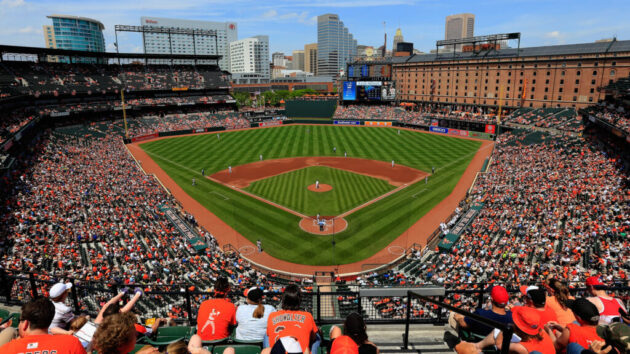
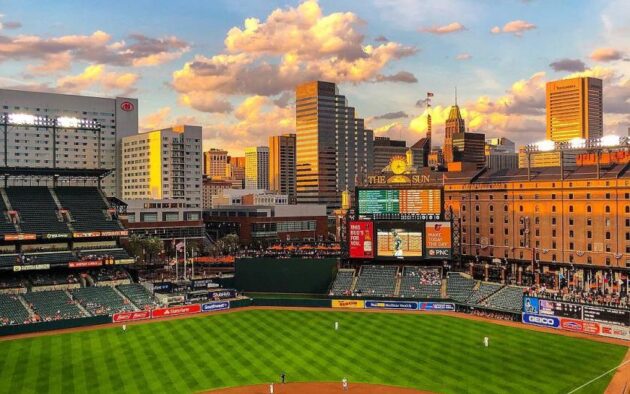
Oriole Park at Camden Yards, located in downtown Baltimore, Maryland, is the home ballpark of the Baltimore Orioles Major League Baseball team. Opened in 1992, it is widely recognized as the first and highly influential “retro-classic” ballpark in Major League Baseball, sparking a trend of traditional-style, baseball-only stadiums with modern amenities. Notable for incorporating the historic B&O Warehouse into its design in right field, the park is situated near the city’s Inner Harbor.
Where to Eat
Maryland Blue Crab: Try steamed crabs or crab cakes at Faidley’s Seafood (Lexington Market, $15–30) or Obrycki’s (crab feast, $40–60). Pair with Old Bay seasoning and a Natty Boh beer.
Little Havana (Canton): Cuban cuisine with waterfront views, great for brunch ($10–20). Tagliata (Harbor East): Italian with an extensive wine list, perfect for a special dinner ($20–50). The Crown (Charles Village): Asian-inspired dishes with live music, $10–25. Lexington Market: A 200-year-old market with diverse food stalls, from crab cakes to pit beef sandwiches ($5–15).
Tip: Baltimore has a strong vegan/vegetarian scene, especially in Hampden and Mount Vernon. Check out local blogs for recommendations.
Where to Stay
Baltimore offers accommodations for all budgets, with many near the Inner Harbor:
Four Seasons Baltimore (Harbor East): Luxury waterfront hotel with a spa and rooftop pool, starting at $300/night. Baltimore Marriott Waterfront (Inner Harbor): Convenient for sightseeing, $150–250/night.
Sagamore Pendry Baltimore (Fells Point): Historic charm with modern amenities, pet-friendly, $200–350/night. Budget Options: Airbnb rentals in Fells Point or Canton offer apartments for $50–150/night. Hostels like HI Baltimore start at $30/night.
Tip: Book early for summer or event weekends (e.g., Orioles games). Staying in Fells Point or Federal Hill puts you closer to local vibes.
Getting Around
Walking: The Inner Harbor, Fells Point, and Federal Hill are walkable, though Fells Point’s cobblestone streets require sturdy shoes. Charm City Circulator: A free bus service connecting the Inner Harbor, Mount Vernon, and Fells Point. Runs every 10–15 minutes.
Water Taxi: Scenic and practical, connecting key waterfront spots ($12–20/day pass). Public Transit: The Light Rail and Metro Subway link downtown to suburbs, with fares at $2–4. Taxis/Uber: Affordable for short trips ($5–15 within downtown). Renting a car ($40–80/day) is useful for exploring outer neighborhoods like Hampden.
Tips for a Great Visit
Safety: Stick to tourist-friendly areas like the Inner Harbor, Fells Point, Canton, and Mount Vernon, which are generally safe. Avoid less touristy areas at night and check local crime maps for guidance. Pack for Weather: Summers are humid; bring breathable clothing and hydrate. Winters are cold; pack layers.
Eco-Friendly Travel: Use the free Circulator bus or walk to reduce your carbon footprint. Many restaurants offer sustainable dining options. Combine Your Trip: Pair Baltimore with a day trip to Annapolis (30 minutes) or Washington, D.C. (1 hour) for a broader Mid-Atlantic experience.
Final Thoughts
Baltimore is a city of contrasts, blending gritty history with modern charm. Whether you’re savoring a crab feast, exploring Poe’s legacy, or strolling the vibrant Inner Harbor, “Charm City” delivers an authentic and memorable experience. Plan around the seasons, dive into its neighborhoods, and embrace the local pride that makes Baltimore shine.
Happy travels!