
A Travel Guide to Boston Whale Watching Tours
Boston, Massachusetts, is one of the world’s premier destinations for whale watching, thanks to its proximity to the Stellwagen Bank National Marine Sanctuary, a nutrient-rich feeding ground for whales and other marine life. A whale watching tour from Boston offers a thrilling opportunity to see humpback, fin, minke, and even critically endangered North Atlantic right whales up close, set against the stunning backdrop of the Atlantic Ocean and Boston’s historic harbor. This guide will help you plan an unforgettable adventure on the high seas.
Why Go Whale Watching in Boston?
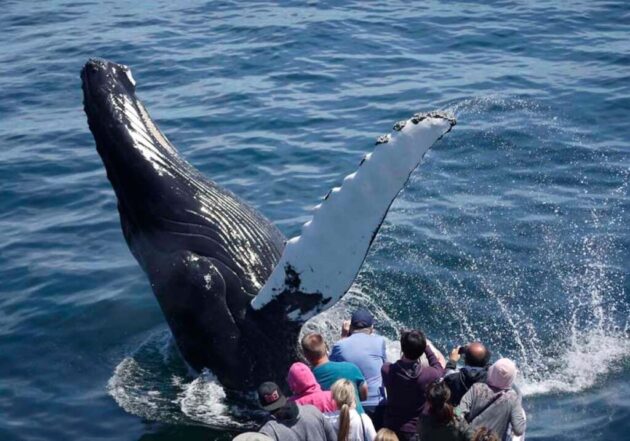
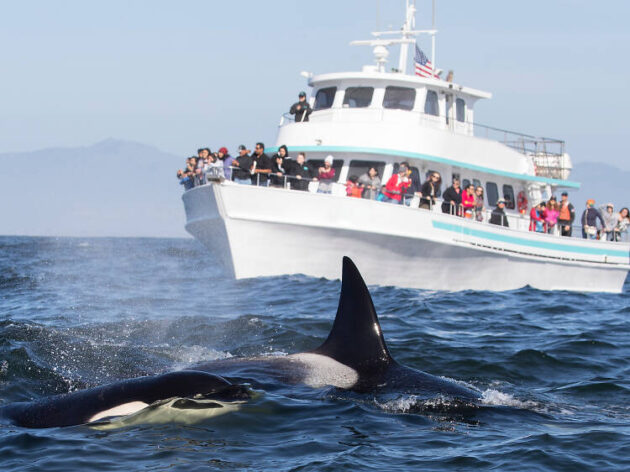
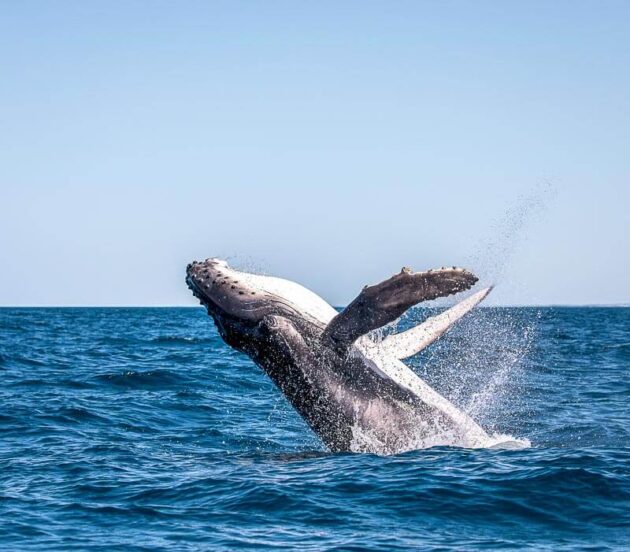
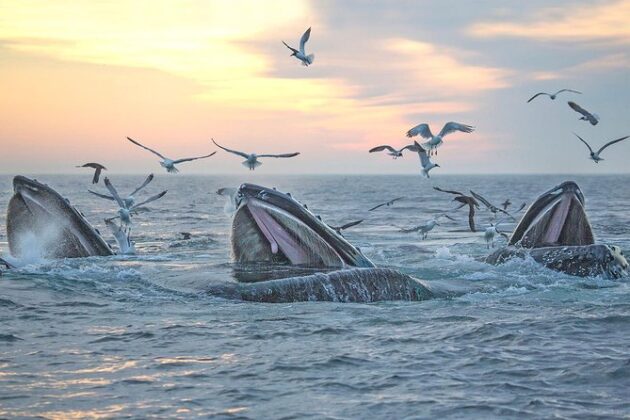
Boston’s whale watching tours are renowned for their high success rate, with operators like Boston Harbor City Cruises guaranteeing sightings due to the abundance of marine life in Stellwagen Bank, located just 25 miles off the coast. Visitors can expect to see acrobatic humpback whales breaching, dolphins frolicking, and seabirds soaring overhead. Accompanied by expert naturalists, these tours combine adventure with education, offering insights into marine biology and conservation. The scenic journey through Boston Harbor, passing historic lighthouses and islands, adds a cultural dimension to the experience.
How to Get There
Most Boston whale watching tours depart from Long Wharf or Central Wharf in downtown Boston, conveniently located near the New England Aquarium.
By Public Transit: Subway (MBTA): Take the Blue Line to Aquarium Station, a 2-minute walk from Long Wharf. A one-way fare costs ~$2.40. Bus: Routes like 4, 92, or 93 stop near Long Wharf. Fares are ~$2. Travel time from central Boston (e.g., Park Street) is 10–15 minutes.
By Car: Drive to Long Wharf or Central Wharf. Nearby parking options include Harbor Garage (70 E. India Row) or Rowes Wharf Garage (30 Rowes Wharf), with fees of ~$20–30 for 3–4 hours. Traffic in downtown Boston can be heavy, so allow extra time.
By Foot: From Faneuil Hall or the North End, Long Wharf is a 5–10-minute walk, making it easily accessible if you’re exploring downtown.
Tip: Arrive 30 minutes early to check in and board. Tours often sell out, especially on weekends, so book in advance.
Best Time to Go
Season: Whale watching tours run from late March to November, with April to October being the peak season due to warmer weather and consistent sightings. November can offer spectacular trips with larger whale pods (30–50 whales reported on some cruises), but weather is less predictable.
Time of Day: Tours depart multiple times daily (morning, midday, afternoon). There’s no “best” time, as whales are active throughout the day, but morning trips may have calmer seas and fewer crowds.
Lunar and Weather Conditions: Choose a clear day for better visibility. Avoid stormy days, as rough seas can reduce sightings and increase seasickness.
Tickets and Costs
Ticket Prices: Adults: ~$70–$80; Children (3–11): ~$45–$55; Seniors (62+): ~$60–$70; Infants (under 3): Free or discounted; Discounts are often available via platforms like Groupon, Viator, or Boston CityPASS, which can save up to 48% when bundled with other attractions.
Booking: Reserve tickets online through operators like Boston Harbor City Cruises, Viator, or Get Your Guide. Advance booking is recommended, especially during summer and holidays.
Duration: Tours last 3–4 hours, including travel to and from Stellwagen Bank. High-speed catamarans reduce transit time, leaving more time for whale spotting.
Sightings Guarantee: Many operators, like Boston Harbor City Cruises, offer a free future trip if no whales are sighted, though this is rare given Stellwagen’s rich marine life.
What to Expect on the Tour
Marine Life: Whales: Humpback whales are the stars, known for breaching and tail-slapping. Fin whales (up to 80 feet long), minke whales, and occasionally pilot or right whales are also spotted. Other Wildlife: Look for Atlantic white-sided dolphins, harbor seals, porpoises, and seabirds like puffins. Rare sightings may include great white sharks or sea turtles.
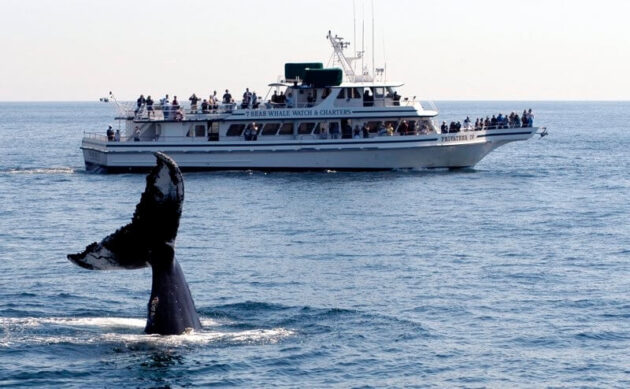
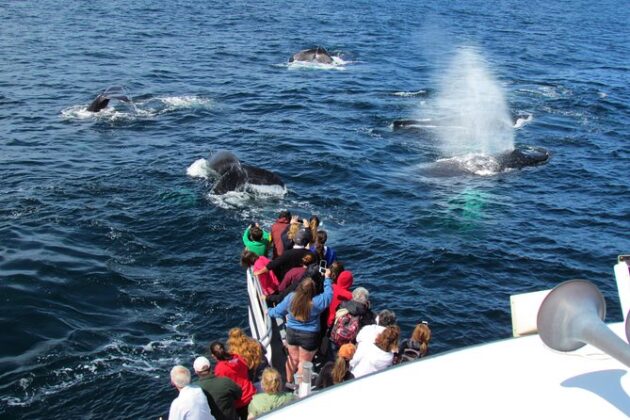
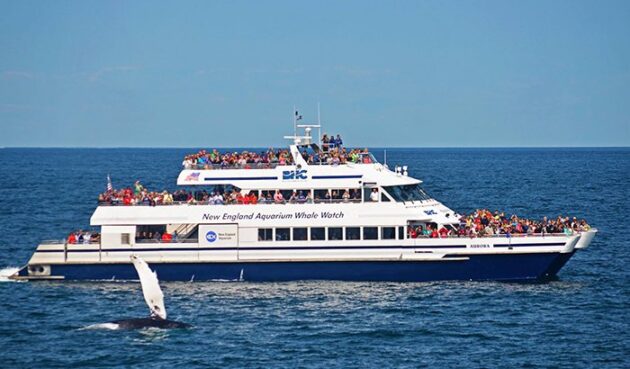
The Experience: Tours use high-speed catamarans with three outdoor viewing decks and climate-controlled indoor cabins with cushioned seats. Snacks and drinks (including cocktails) are available for purchase onboard. Naturalists from the New England Aquarium or similar organizations provide commentary, identifying whales (some named, like “Dross”) and explaining their behaviors. The journey includes scenic views of Boston Harbor Islands, historic lighthouses, and the city skyline.
Photography: Bring a camera with a zoom lens for distant whales. Binoculars enhance viewing but aren’t essential, as boats get close without disturbing the animals.
Tour Operators: Boston Harbor City Cruises (with New England Aquarium): The most popular option, offering high-speed catamarans and expert naturalists. Departs from Long Wharf. Highly rated for comfort and educational value. Captain John Boats: Operates from Plymouth (45 minutes from Boston) or Provincetown, with trips to Stellwagen Bank and Cape Cod Bay. Ideal if you’re exploring those areas.
7 Seas Whale Watch (Gloucester): A family-run operator based in Gloucester (50-minute drive from Boston), known for spacious boats and a 99% sighting rate. Dolphin Fleet Whale Watch (Provincetown): Offers trips from Cape Cod, with a focus on eco-friendly practices and ample seating.
Tip: If staying in Boston, choose a tour from Long Wharf for convenience. For a deeper coastal experience, consider Gloucester or Provincetown operators.
What to Bring
Clothing: Dress in layers, as it’s cooler on the water (even in summer). Wear comfortable shoes with good traction for wet decks. A light waterproof jacket is ideal for sea spray.
Essentials: Sunscreen, sunglasses, a hat, and motion sickness medication (e.g., Dramamine) if prone to seasickness. Look at the horizon or stay on the lower deck to minimize discomfort.
Other: A reusable water bottle and snacks (if you prefer not to buy onboard). Binoculars and a camera with a telephoto lens are great for capturing distant wildlife.
Where to Stay
Luxury: Fairmont Copley Plaza (~10-minute walk to Long Wharf, ~$300–500/night). Mid-Range: Hilton Boston Downtown/Faneuil Hall (~5-minute walk, ~$150–250/night). Budget: HI Boston Hostel (~15-minute walk, ~$50–100/night).
Tip: Book through platforms like Booking.com or Expedia for deals, especially in shoulder seasons (spring/fall).
Tips for a Great Experience
Book Early: Tours sell out during peak season (June–August). Reserve at least a week in advance for preferred times. Choose Your Spot: The top deck offers the best views but can be windy. Lower decks are more stable for those worried about seasickness. Respect Wildlife: Follow crew instructions to avoid disturbing whales. Responsible operators adhere to Whale SENSE guidelines for ethical viewing.
Combine Your Trip: Pair your tour with nearby attractions like the New England Aquarium, Boston Harbor Islands, or a Freedom Trail walk for a full day in Boston. Check Weather: Rough seas can reduce sightings. If conditions are poor, operators may reschedule or offer refunds.
Final Thoughts
A Boston whale watching tour is a bucket-list experience, offering a rare chance to witness majestic marine life in their natural habitat. With expert guides, comfortable vessels, and the stunning backdrop of Boston Harbor, it’s an adventure that blends thrill, education, and natural beauty. Plan your trip during peak season, dress for the sea, and prepare to be awed by the sight of a humpback whale breaching or dolphins dancing in the waves. Whether you’re a local or a visitor, this is one of Boston’s most unforgettable experiences.
Happy whale watching!