A Travel Guide to Voyageurs National Park
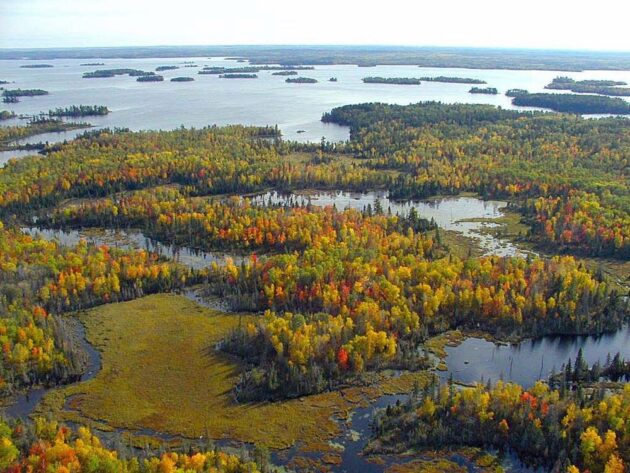
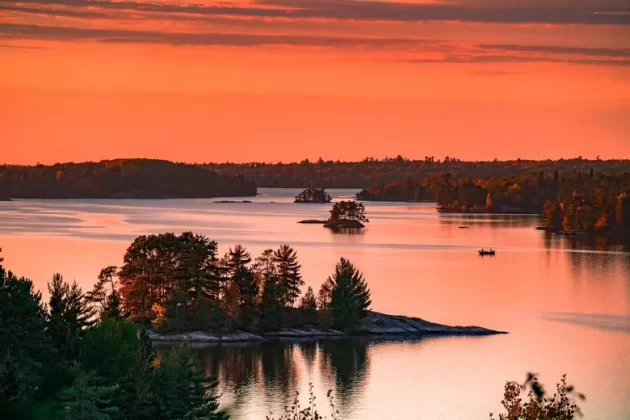
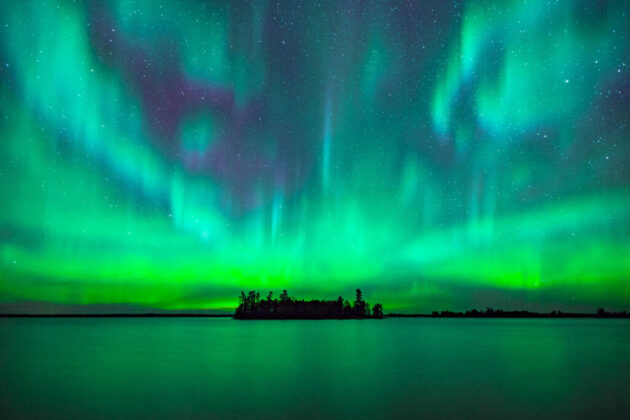
Voyageurs National Park, located in northern Minnesota near the Canadian border, is a water lover’s paradise spanning 218,055 acres of pristine lakes, forests, and islands. Established in 1975, the park is named after the French-Canadian voyageurs—fur traders who navigated these waterways in the 18th and 19th centuries. Renowned for its interconnected lakes, dark skies, and abundant wildlife, Voyageurs offers unique opportunities for boating, fishing, hiking, and stargazing. As an International Dark Sky Park, it’s one of the best places in the Lower 48 to witness the northern lights. This guide will help you plan an unforgettable adventure in this remote, water-based wonderland.
Why Visit Voyageurs National Park?
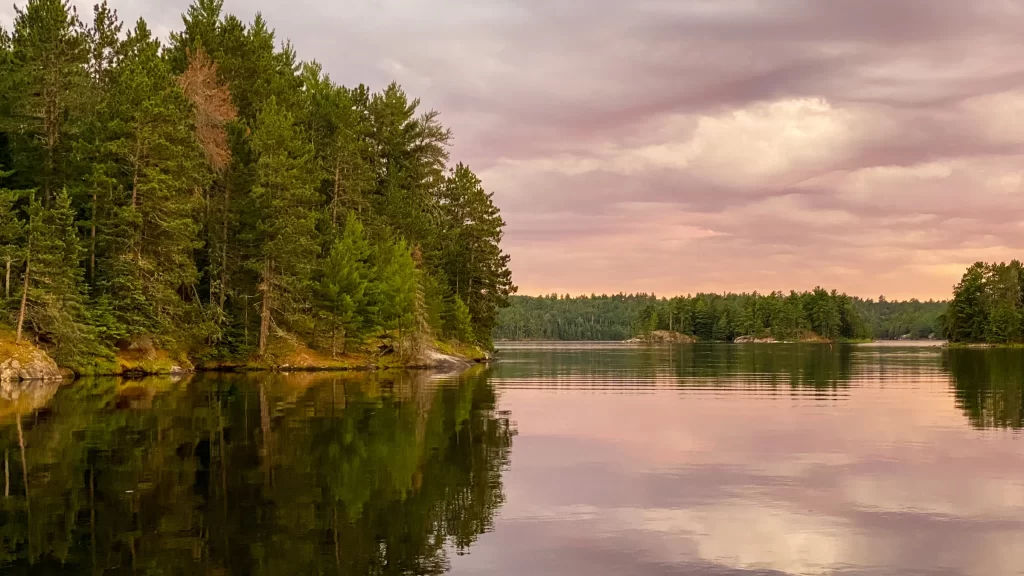
Voyageurs is unlike most national parks, with over 40% of its area covered by water, including four major lakes (Rainy, Kabetogama, Namakan, and Sand Point) and 26 smaller ones. The park’s Kabetogama Peninsula, its largest landmass, is accessible only by boat, making water-based exploration central to the experience. Visitors are drawn to its world-class canoeing, kayaking, and fishing, as well as its serene solitude and rich history tied to the Ojibwe people and early fur traders. The park’s certification as an International Dark Sky Park makes it a prime spot for stargazing and northern lights viewing, especially in winter or around equinoxes. With over 500 islands and 655 miles of shoreline, Voyageurs is a haven for outdoor enthusiasts seeking adventure and tranquility.
How to Get There
Voyageurs National Park is located near International Falls, Minnesota, approximately 300 miles north of Minneapolis. Its remote location requires planning:
By Air: The closest airport is Falls International Airport (INL) in International Falls, about 10 miles west of the park. Flights are limited, so many visitors fly into Minneapolis-St. Paul International Airport (MSP) or Duluth International Airport (DLH) and rent a car for the 5-hour or 3-hour drive, respectively.
By Car: From Minneapolis, take I-35N to US-53N to reach International Falls or other park gateways like Kabetogama or Ash River. The drive to Rainy Lake Visitor Center takes about 5 hours. No roads lead into the park’s interior, so watercraft is essential for exploration. Parking is available at visitor centers and boat ramps.
By Boat: The park’s primary access is via water. Launch points are available at Rainy Lake, Kabetogama Lake, and Ash River. Rentals and shuttle services are offered by local outfitters like Voyageurs Outfitters or Ebel’s Voyageur Houseboats.
Tip: Plan to base yourself in International Falls, Kabetogama, or Crane Lake for easy access to visitor centers and watercraft rentals.
Best Time to Visit
Summer (June–August): The busiest season, with warm temperatures (60–80°F), long days, and ideal conditions for boating, kayaking, and fishing. Visitor centers and ranger-led tours operate from mid-June to mid-September. Mosquitoes can be intense, so bring bug spray.
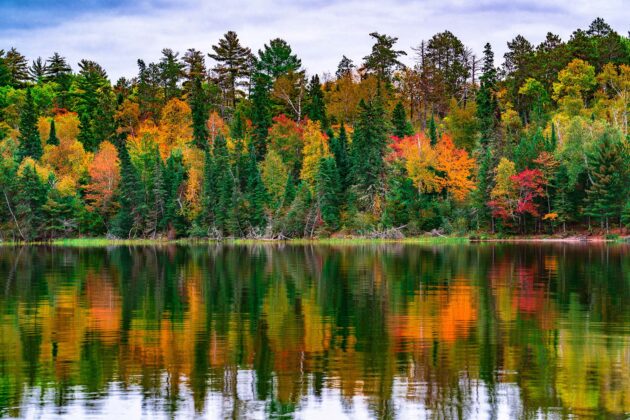
Fall (September–October): Vibrant fall colors, cooler temperatures (40–60°F), and fewer crowds make this the best time for hiking and photography. Peak foliage typically occurs in late September, and northern lights are more visible.
Winter (December–March): A frozen wonderland with snowmobiling, cross-country skiing, and snowshoeing on over 110 miles of groomed trails. Average temperatures dip below freezing, earning the area the nickname “The Icebox of the Nation.” Northern lights are spectacular, but dress warmly to avoid hypothermia.
Spring (April–May): A quieter season with variable weather. Lakes may be partially frozen, limiting water access, but early wildflowers and wildlife sightings are rewarding.
Dark Sky Tip: For northern lights, visit during a new moon or around the equinoxes (March/September). Use apps like My Aurora Forecast for predictions.
Tickets and Fees
Entrance Fee: Voyageurs has no entrance fee, making it budget-friendly.
Permits and Reservations: Camping Permits: Required for all overnight stays (tent camping or houseboating) from May 15 to September 15, with a reservation fee of $10–$24 via Recreation.gov. Backcountry camping requires a free permit.
Boat Tours: Ranger-led tours (e.g., Grand Tour, North Canoe) cost $20–$40 per person and should be booked in advance on Recreation.gov, especially in summer. Fishing License: A Minnesota fishing license is required for angling, available online or at local outfitters (approx. $15–$50 depending on duration).
Rentals: Canoes, kayaks, and motorboats cost $20–$100/day; houseboats range from $300–$1,000/day, depending on size and season.
What to See and Do
Voyageurs is a water-centric park, but it offers diverse activities for all interests:
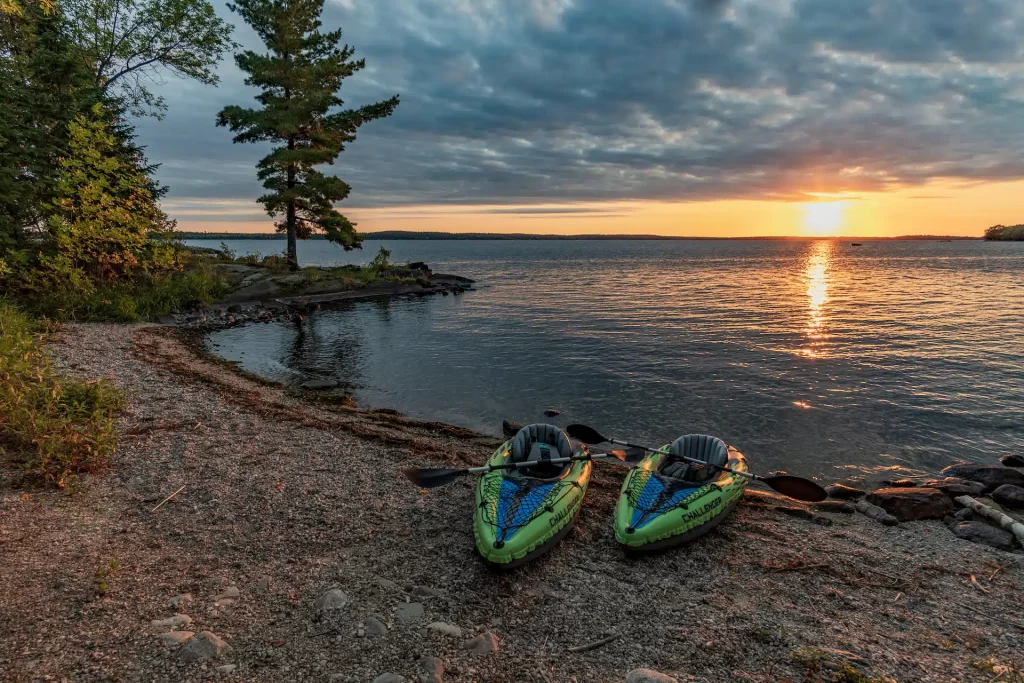
Boating and Paddling: Explore the park’s four main lakes (Rainy, Kabetogama, Namakan, Sand Point) by canoe, kayak, or motorboat. The North Canoe Experience, a ranger-led tour in a 26-foot canoe, recreates the voyageurs’ journey and is family-friendly.
Rent boats or book guided tours through outfitters like Voyageurs Adventures or Northern Lights Resort & Outfitting. For a unique experience, captain a houseboat with Ebel’s Voyageur Houseboats, complete with bunks, kitchens, and training. Paddle the interior lakes of the Kabetogama Peninsula for a quieter, motorboat-free experience.
Fishing: The park’s lakes are home to walleye, smallmouth bass, northern pike, and muskellunge. Obtain a Minnesota fishing license and consider hiring a guide like Voyageurs Guide Service for expert tips.
Hiking: Over 50 miles of trails range from easy to challenging. Popular trails include: Blind Ash Bay Trail (2.5 miles, moderate): A scenic loop through forests and along Kabetogama Lake, great for mushroom spotting. Oberholtzer Trail (1.7 miles, easy): A short hike near Rainy Lake Visitor Center, accessible without a boat. Voyageurs Forest Overlook Trail (0.4 miles, easy): A quick loop with lake views, ideal for stargazing. Backcountry trails on the Kabetogama Peninsula offer rugged, remote adventures but require boat access.
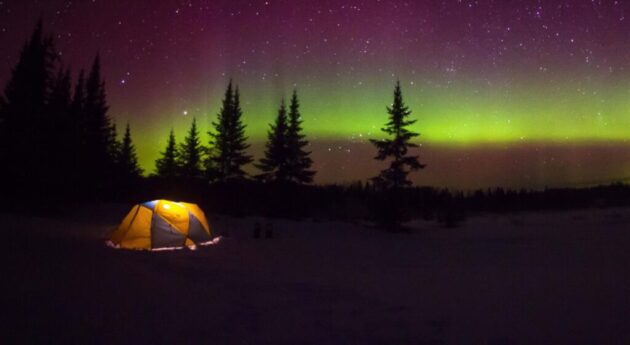
Stargazing and Northern Lights: As a Dark Sky Park, Voyageurs offers unparalleled stargazing. Popular spots include Voyageurs Forest Overlook, Beaver Pond Overlook, and Kettle Falls Dam. Join a Stargazing Boat Tour for a guided experience. The northern lights are visible year-round but peak in winter and equinoxes. Bring a camera with a wide-aperture lens for photography.
Historical and Cultural Sites: Kettle Falls Hotel: Known as the “Tiltin’ Hilton” for its sloped floors, this 1913 hotel on Namakan Lake offers dining and a quirky bar. Accessible by boat or tour. Ellsworth Rock Gardens: A unique outdoor sculpture garden on Kabetogama Lake, created by artist Jack Ellsworth.
Ojibwe Ethnobotanical Garden: Learn about the Ojibwe’s traditional plant uses near Rainy Lake. The park’s history, tied to the Ojibwe and voyageurs, is showcased through ranger-led talks and exhibits at visitor centers.
Winter Activities: Snowmobile on 110 miles of groomed trails, snowshoe on Anderson Bay Overlook Trail, or cross-country ski on Black Bay Trail. Ice fishing is popular, with lake whitefish as a top catch.
Where to Eat
Kettle Falls Hotel: Offers shore lunches (e.g., walleye and roasted potatoes) and drinks like frozen pink lemonade-vodka. Accessible only by boat. Visitor Centers: Limited snacks are available at Rainy Lake, Kabetogama, and Ash River visitor centers.
Nearby Dining: In International Falls, try The Library for casual American fare or Sandy’s Place for local comfort food. Bring groceries for houseboating or camping, as on-site dining is scarce. Tip: Pack a cooler with food and drinks for picnics or boat trips, as most sites are remote.
Where to Stay
Kettle Falls Hotel: The park’s only lodging, offering historic rooms on Namakan Lake. Rates start at $100–$150/night, accessible by boat. Book early via Recreation.gov.
Camping: Over 270 frontcountry and backcountry sites are available, most accessible only by boat. Sites include tent pads, fire rings, picnic tables, and bear-proof lockers. Reserve via Recreation.gov ($10–$24/night). Backcountry sites on interior lakes like Shoepack are ideal for solitude but require paddling and permits.
Nearby Accommodations: International Falls: Holiday Inn Express ($100–$150/night) or AmericInn ($80–$120/night) offer comfortable stays. Kabetogama/Crane Lake: Lakeside cabins at Northern Lights Resort & Outfitting or Voyageurs Sunrise Resort range from $150–$300/night.
Airbnb: Budget-friendly options in Grand Rapids or International Falls start at $50–$100/night. Houseboating: Rent a houseboat for a unique stay (from $300/day). Bring linens, groceries, and a National Park Service permit.
Tips for a Great Visit
Plan Ahead: Book boat tours, camping permits, and rentals early, especially for summer visits. Research water access, as most sites are boat-only. Call visitor centers (e.g., Rainy Lake: 218-286-5258) for updates. Dress for the Weather: Summer requires bug spray and sunscreen; winter demands layered clothing for subzero temperatures. Spring and fall are prone to hypothermia risks.
Leave No Trace: Follow park rules to protect the ecosystem. Jet-skis are prohibited, and firearms are restricted on tour boats. Wildlife Safety: The park is home to timber wolves, black bears, moose, and bald eagles. Use bear-proof lockers and keep a safe distance.
Combine Your Trip: Visit nearby Boundary Waters Canoe Area Wilderness for paddle-only adventures or explore the North Shore of Lake Superior for additional hiking and waterfalls.
Final Thoughts
Voyageurs National Park is a hidden gem that rewards adventurous travelers with its shimmering lakes, untouched forests, and starry skies. Whether you’re paddling through history, fishing for walleye, or chasing the northern lights, the park offers a rare blend of wilderness and wonder. Plan your water-based adventure, pack for the elements, and immerse yourself in one of America’s least-visited yet most breathtaking national parks. Celebrate its 50th anniversary in 2025 with a journey into Minnesota’s watery wonderland
Happy travels!