A Travel Guide to Saint Louis Zoo, St. Louis
Nestled in the heart of Forest Park, the Saint Louis Zoo is a world-class attraction renowned for its commitment to animal conservation, innovative exhibits, and family-friendly atmosphere. Home to over 12,000 animals representing nearly 600 species, this 90-acre zoo is one of the few free-admission zoos in the United States, making it a must-visit destination for travelers to St. Louis. Whether you’re an animal lover, a family seeking fun, or a conservation enthusiast, this guide will help you plan an unforgettable visit.
Why Visit Saint Louis Zoo?
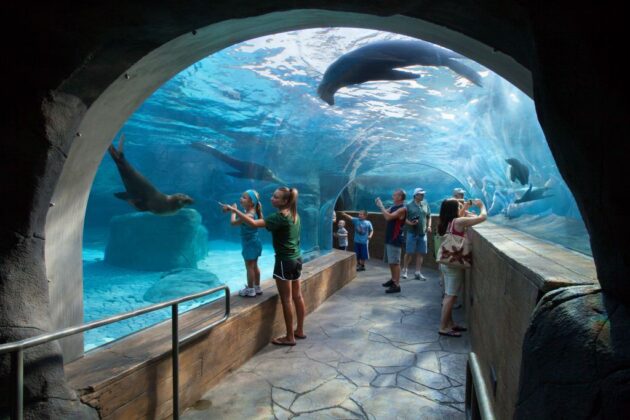
The Saint Louis Zoo stands out for its free general admission, a rarity among top-tier zoos, funded by the Metropolitan Zoological Park and Museum District. It has been voted America’s #1 zoo by Zagat Survey and Parenting magazine, praised for its naturalistic habitats, diverse species, and dedication to conservation. With six distinct zones, immersive exhibits like the underwater Sea Lion Sound tunnel, and engaging educational programs, the zoo offers something for everyone. Its historical roots trace back to the 1904 St. Louis World’s Fair, adding a layer of cultural significance.
How to Get There
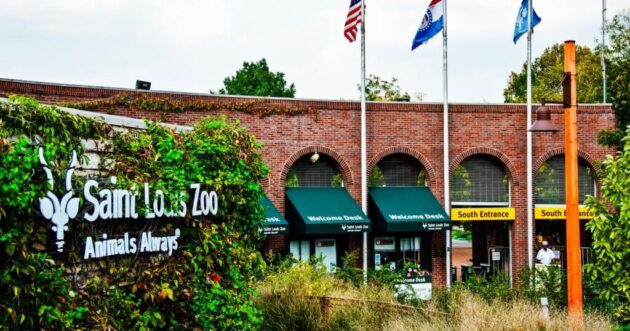
Located at One Government Drive, St. Louis, MO 63110, the zoo is easily accessible within Forest Park, a 1,300-acre urban park. Here are your options:
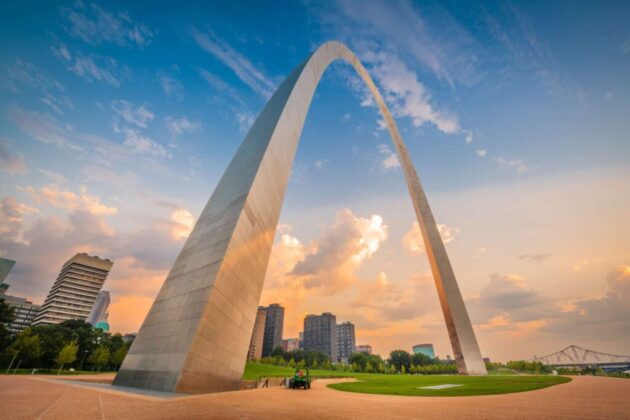
By Public Transportation: Take the MetroLink (St. Louis’ light rail) to the Forest Park-DeBaliviere Station. From there, transfer to the Forest Park Trolley or bus routes like #90 or #1 to reach the zoo. A one-way MetroLink fare is about $2.50. Travel time from downtown St. Louis (e.g., Gateway Arch) is approximately 20–30 minutes.
By Car: Drive via I-64/US-40 and exit at Hampton Avenue, following signs to Forest Park. Parking is available at the South Lot ($10 for standard vehicles, $20 for oversized vehicles under 24 feet). Larger vehicles like RVs may face parking challenges, so plan alternative transportation if needed. The zoo is about 15 minutes from downtown St. Louis.
By Taxi or Ride-Hailing (Uber/Lyft): A ride from downtown costs $15–25 and takes 10–15 minutes, depending on traffic.
Tip: Arrive early to secure parking, especially during peak seasons (summer and holidays). The South Lot is closest to the main entrance.
Best Time to Visit
Spring (March–May): Mild weather and active animals make this a great time. The zoo is less crowded on weekdays. Summer (June–August): Extended hours (8:00 AM–6:30 PM on weekends) allow more exploration, but it can be hot and humid (up to 35°C). Early mornings or late afternoons are ideal.
Fall (September–November): Cooler temperatures and vibrant foliage in Forest Park enhance the experience. Avoid peak heat for comfort. Winter (December–February): Animals like polar bears and penguins are more active in cold weather (down to -5°C), and crowds are minimal. Dress warmly, as some outdoor areas may feel chilly.
Note: The zoo is closed on Christmas Day and New Year’s Day. Check the website for special hours during summer and holidays.
Tickets and Opening Hours
Opening Hours: May 24–August 18, 2025: 8:00 AM–5:00 PM (Sunday–Thursday), 8:00 AM–6:30 PM (Friday–Monday, Memorial Day weekend). August 19–May 23, 2025: 9:00 AM–5:00 PM daily, with extended hours for special events. Some attractions (e.g., Sea Lion Show) have seasonal schedules.
Ticket Prices: General Admission: Free, thanks to taxpayer funding via the Zoo-Museum District.
Special Attractions: Emerson Zooline Railroad: $8 per person (all-day hop-on, hop-off). Caribbean Cove (stingray touch pool): $5 per person (seasonal). Sea Lion Show: $4 per person (seasonal). Behind-the-Scenes Tours: $35–$175 per person (advance registration required). Adventure Pass: $12–$15, includes multiple attractions like the railroad, carousel, and stingray pool.
Parking: $10 for standard vehicles, $20 for oversized vehicles under 24 feet.
Booking: No reservations are needed for general admission, but Behind-the-Scenes Tours and some events (e.g., Boo at the Zoo, Wild Lights) require advance booking via the zoo’s website.
What to See and Do
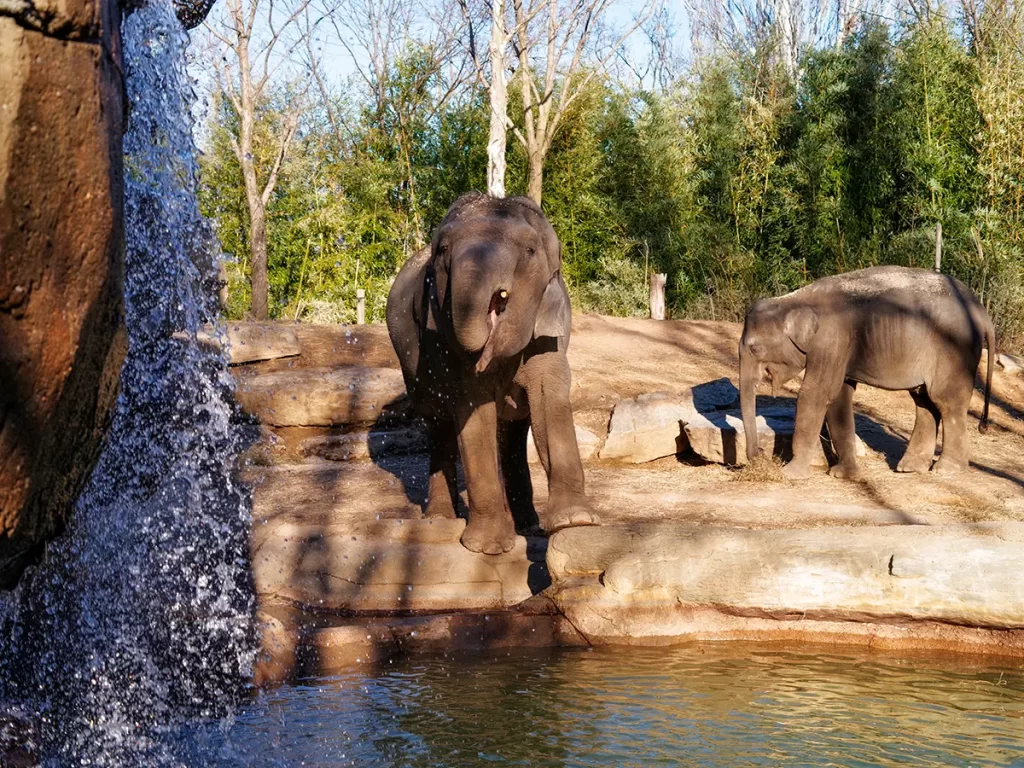
River’s Edge: Explore habitats from four continents, featuring Asian elephants, hippos, rhinos, cheetahs, and capybaras. The North America section showcases Missouri and Mississippi River wildlife like bullfrogs and gar. Don’t miss the three-generation elephant herd and the playful Sichuan takin, Spud.
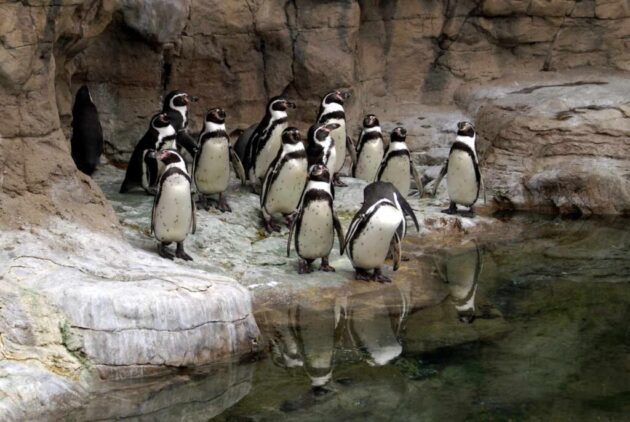
The Wild: Home to Penguin & Puffin Coast, the first open-air penguin habitat in North America, with underwater views of rockhopper penguins and puffins. Centene Grizzly Ridge features grizzly bear siblings, and McDonnell Polar Bear Point showcases Kali, an orphaned polar bear from Alaska.
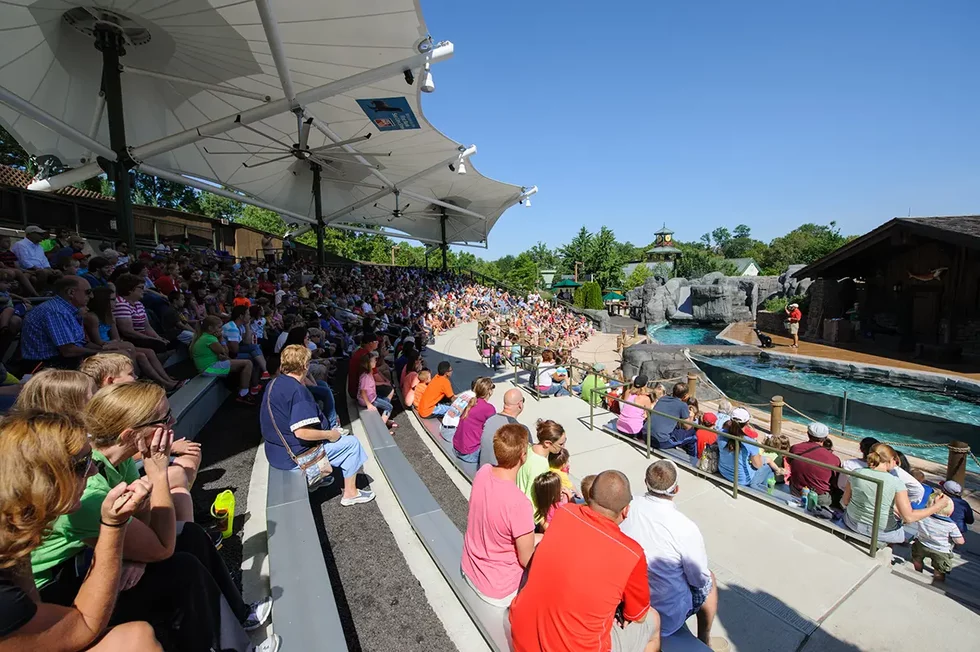
Lakeside Crossing: Experience Sea Lion Sound, with a 35-foot underwater tunnel for viewing California sea lions and harbor seals. The seasonal Sea Lion Show is a hit for families. Caribbean Cove offers a touch pool with stingrays and sharks (seasonal, $5).
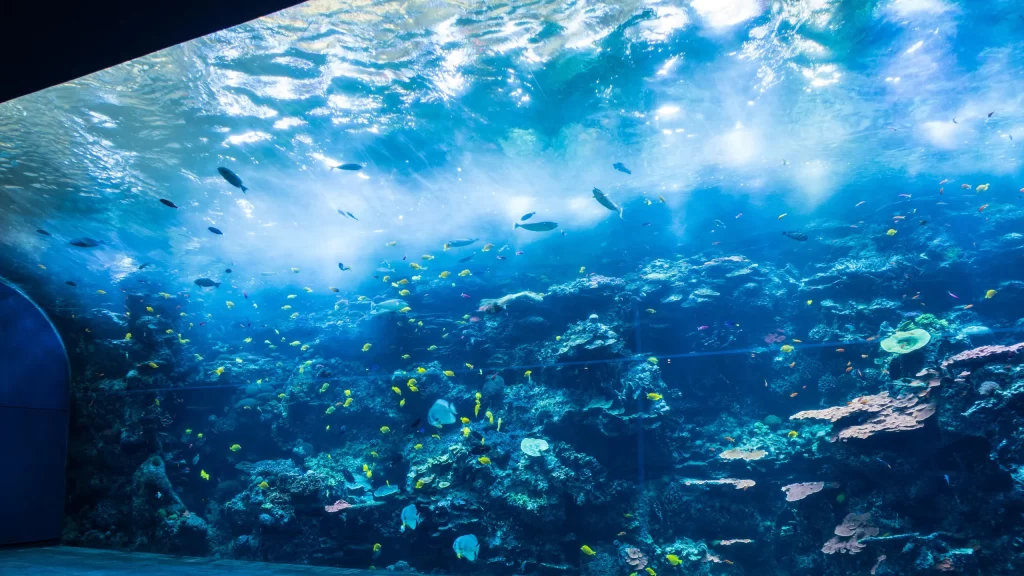
Discovery Corner: The Bayer Insectarium houses over 100 invertebrate species, including butterflies in the Mary Ann Lee Butterfly Wing and native pollinators in the Missouri Meadow. The former Emerson Children’s Zoo closed in 2021, replaced temporarily by Dinoroarus, featuring animatronic dinosaurs and a small aquarium.
Historic Hill: Visit the 1904 Flight Cage, a restored World’s Fair aviary now housing the Cypress Swamp with North American birds like roseate spoonbills. The Primate House features monkeys and lemurs, and the Michael and Quirsis Riney Primate Canopy Trails offers an elevated boardwalk to see primates in action.
Red Rocks: Big Cat Country showcases tigers, lions, and cheetahs, with active animals often delighting visitors. The Antelope Yards house zebras and other hoofed animals.
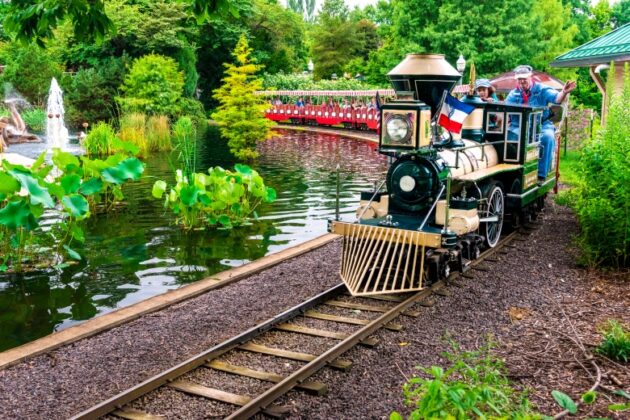
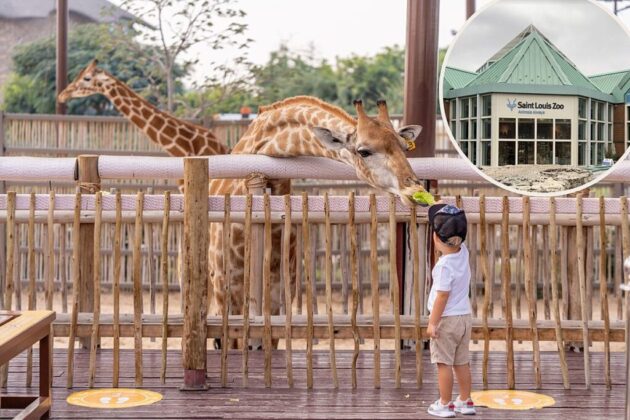
Additional Activities: Emerson Zooline Railroad: A 20-minute narrated train ride circles the zoo, perfect for resting tired feet ($8, ADA-accessible). Behind-the-Scenes Tours: Get up-close with penguins, giraffes, or rhinos ($35–$175, book in advance). Conservation Carousel: Ride hand-carved endangered species figures ($4). Seasonal Events: Enjoy Boo at the Zoo (Halloween) or Wild Lights (holiday season) for festive fun.
Where to Eat
On-Site Dining: Cafe Kudu and Ray’s Snack Shack offer meals like burgers, pizza, and salads ($8–15). Pineapple Paradise serves smoothies and Dole Whips ($5–8). Ice cream and Dippin’ Dots are available for quick treats. The Lakeside Crossing area has a grassy plaza for picnics if you bring your own food.
Nearby: Forest Park and the Central West End (10-minute drive) offer restaurants like Salt + Smoke (BBQ) or Culver’s (fast food). For a unique experience, try Anthonino’s Taverna in The Hill neighborhood for Italian fare.
Tip: Food prices are reasonable for a zoo, but bringing snacks can save money. Water fountains and refill stations are available.
Where to Stay
Central West End (10-minute drive): The Chase Park Plaza (4-star): Luxury with historic charm, starting at $150/night. Hampton Inn & Suites St. Louis at Forest Park (3-star): Affordable and close, $100–$130/night.
Downtown St. Louis (15-minute drive): Le Meridien St. Louis Downtown: Boutique hotel, $120–$180/night. Drury Plaza Hotel St. Louis at the Arch: Family-friendly, $100–$150/night. Budget Options: Moonrise Hotel in The Loop offers quirky charm ($90–$120/night).
Tips for a Great Visit
Go Early: Arrive at opening (8:00 AM in summer, 9:00 AM otherwise) to avoid crowds and see active animals. Weekdays are less busy. Wear Comfortable Shoes: The zoo’s 90 acres involve significant walking with hills, so dress for comfort.
Plan Your Route: Start with River’s Edge or The Wild for major exhibits, and save indoor areas like the Insectarium for midday heat breaks. Photography: The Sea Lion Sound tunnel and polar bear pool are perfect for Instagram-worthy shots.
No Pets: Only ADA service animals are allowed, but not in the Cypress Swamp or Antelope House. Combine Your Trip: Forest Park hosts the St. Louis Art Museum, Missouri History Museum, and Saint Louis Science Center, all free and nearby.
Final Thoughts
The Saint Louis Zoo is a gem of St. Louis, offering a budget-friendly, world-class experience with diverse animals, immersive habitats, and a commitment to conservation. Whether you’re watching sea lions glide through an underwater tunnel, marveling at playful penguins, or exploring the historic 1904 Flight Cage, the zoo delivers joy and education for all ages. Plan for at least 4–6 hours to cover the highlights, and enjoy the surrounding Forest Park for a full day of adventure.
Happy exploring!