A Travel Guide to Montana
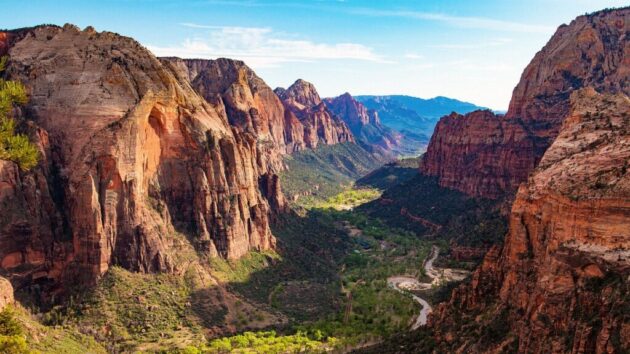
Montana, known as “Big Sky Country,” is a vast, unspoiled gem in the northwestern United States, where rugged mountains, rolling prairies, and vibrant wildlife define the landscape. With fewer than 1.1 million residents spread across the fourth-largest state by area, Montana offers wide-open spaces, breathtaking national parks, and a rich blend of Native American heritage and cowboy culture. Whether you’re seeking outdoor adventures, historical exploration, or serene natural beauty, this guide will help you plan an unforgettable trip to Montana.
Why Visit Montana?
Montana is the epitome of the American West, offering a raw, untamed experience that’s hard to find elsewhere. It’s home to two of the nation’s most iconic national parks—Glacier National Park and parts of Yellowstone National Park—where glaciers, geysers, and grizzly bears captivate visitors. The state’s sparse population ensures crowd-free trails, pristine rivers, and star-filled skies, while charming towns like Bozeman and Missoula add a hip, cultural flair with craft breweries and farm-to-table dining. From skiing in winter to whitewater rafting in summer, Montana’s diverse seasons and landscapes cater to every type of traveler.
How to Get There
Montana’s vast size (145,552 square miles) makes strategic planning essential. Here are the main ways to reach and navigate the state:
By Air: Montana has five international airports: Billings Logan International (BIL), Bozeman Yellowstone International (BZN), Missoula (MSO), Helena Regional (HLN), and Glacier Park International (FCA) in Kalispell. Major carriers like American Airlines, Delta, and United offer domestic and some international flights. Bozeman and Billings are the busiest hubs, with flights from cities like Denver, Seattle, and Minneapolis.
By Car: Driving is ideal for exploring Montana’s scenic highways, such as the Beartooth Highway or Going-to-the-Sun Road. The state is accessible via three major interstates: I-90 (east-west), I-15 (north-south), and I-94 (eastern Montana). Renting a car is recommended for flexibility, especially for national park visits. From neighboring states like Idaho or Wyoming, driving times range from 2–6 hours to key Montana destinations.
By Train: Amtrak’s Empire Builder crosses northern Montana, stopping at places like Whitefish, West Glacier, and Havre. It connects Seattle/Portland to Chicago, offering a scenic way to arrive. Book early for sleeper cars.
By Bus: Greyhound and regional shuttles serve cities like Billings, Bozeman, and Missoula. For park access, shared van shuttles operate from Calgary (Canada) to Glacier National Park.
Tip: Renting a car is the most flexible option for exploring beyond cities, as public transport is limited in rural areas.
Best Time to Visit
Summer (June–August): The most popular time, with warm temperatures (70–85°F) ideal for hiking, rafting, and park visits. Glacier’s Going-to-the-Sun Road is fully open, but expect crowds. Book accommodations early. Fall (September–October): Golden foliage, crisp mornings (40–60°F), and fewer tourists make this a photographer’s dream. Wildlife is active, and trails are quieter.
Winter (November–March): A snowy wonderland for skiing at resorts like Big Sky or Whitefish Mountain. Temperatures can drop below 0°F, but clear skies and fresh powder attract winter sports enthusiasts. Spring (April–May): Muddy trails and thawing rivers (40–60°F) signal a fresh start. Wildflowers bloom, and parks are less crowded, though some roads may be closed.
Weather Tip: Montana’s high elevation and northern latitude mean rapid weather changes. Pack layers, including a medium-weight jacket and wool sweater, even in summer.
Top Destinations
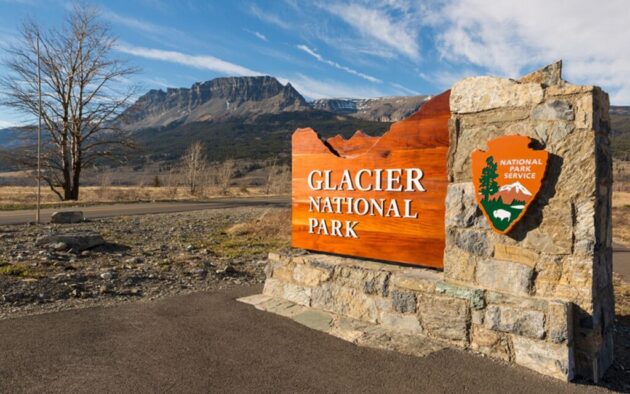
Glacier National Park
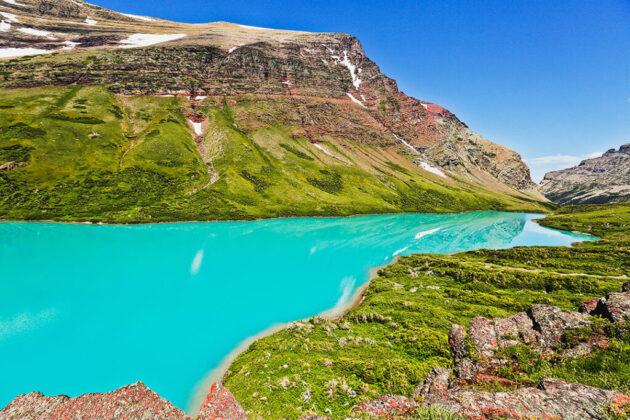
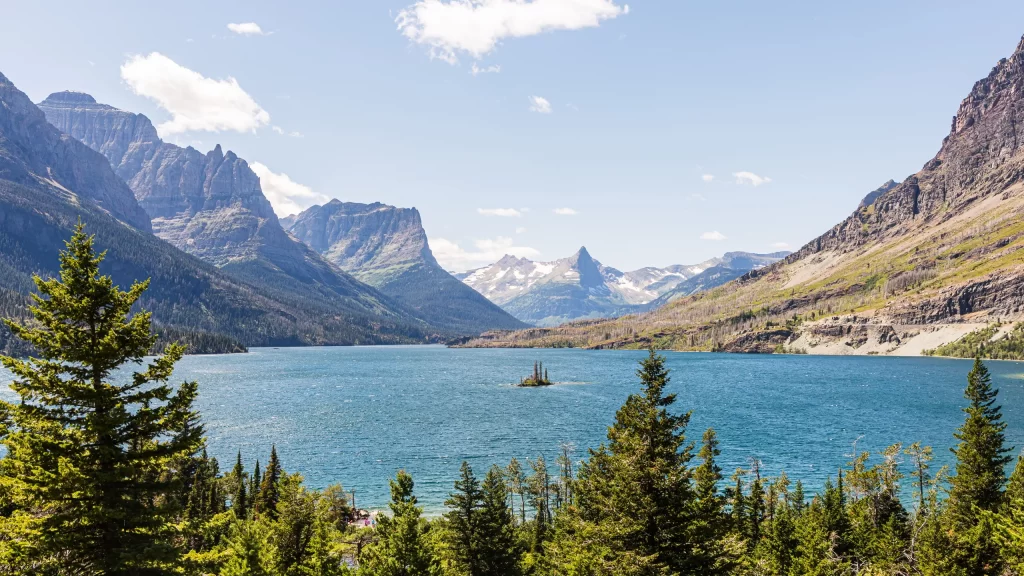
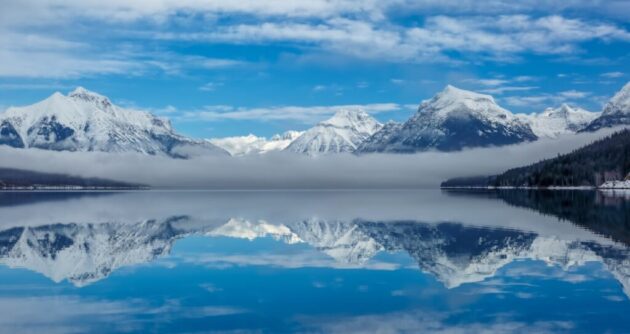
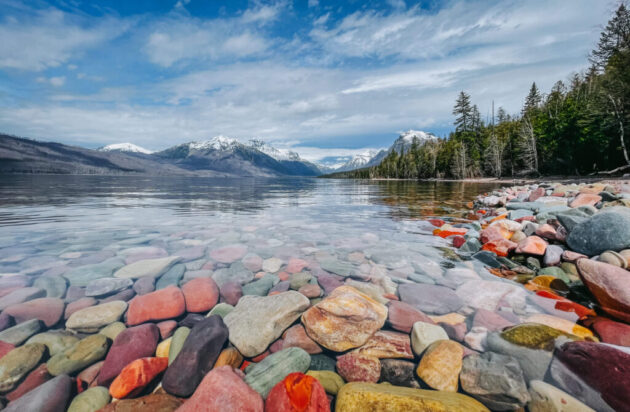
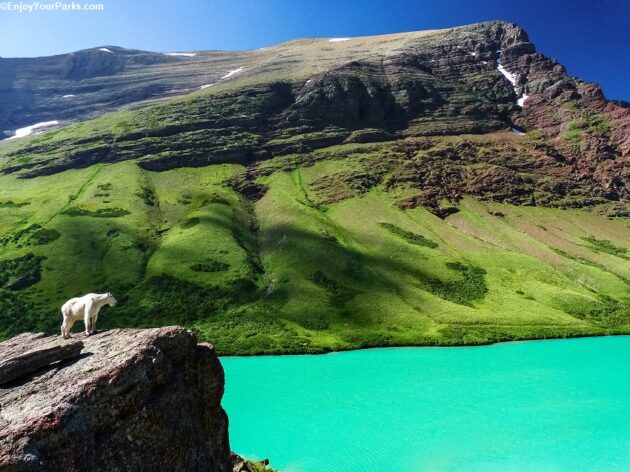
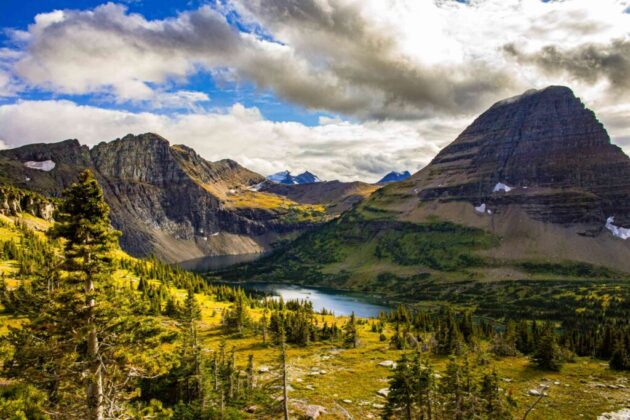
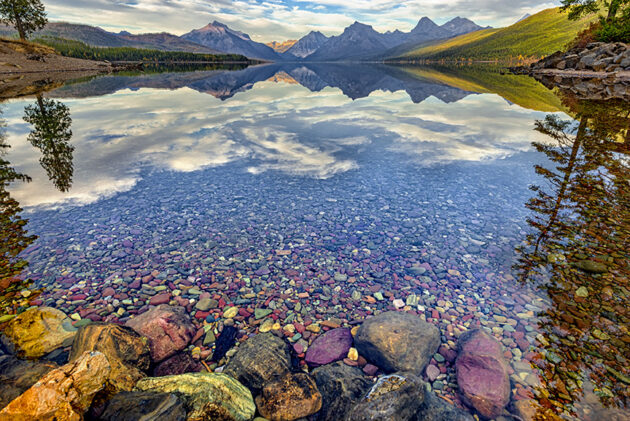
Known as the “Crown of the Continent,” Glacier National Park is a must-visit. With over 700 miles of trails, it’s a paradise for hikers and nature enthusiasts. Drive the famous Going-to-the-Sun Road, explore the pristine lakes, and keep an eye out for grizzly bears and mountain goats.
Big Sky Resort
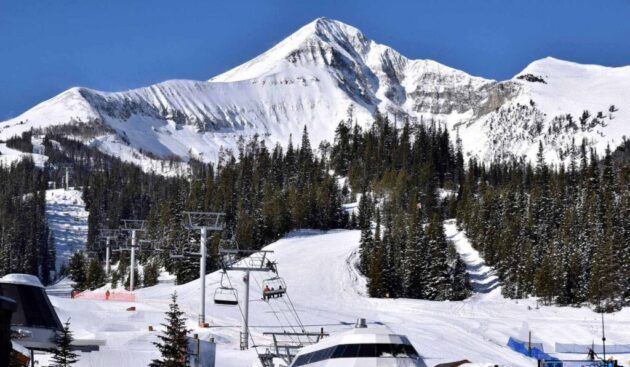
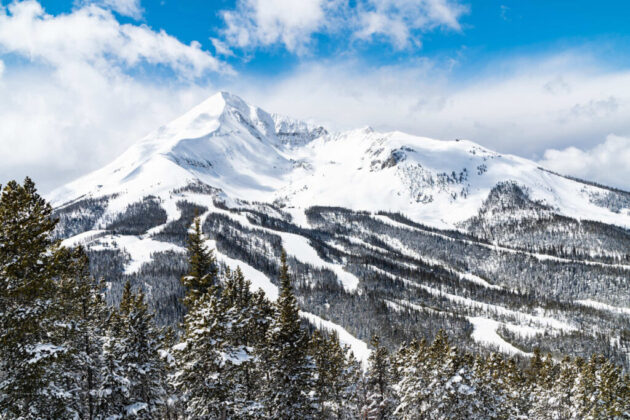
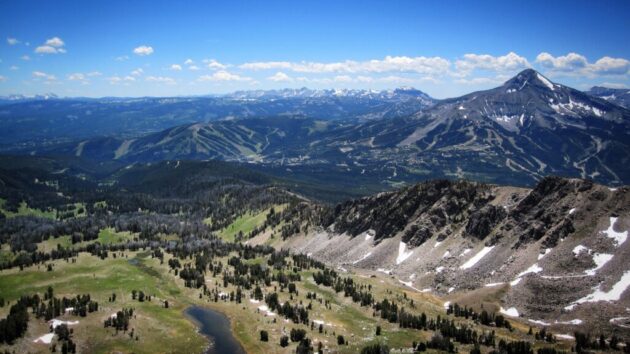
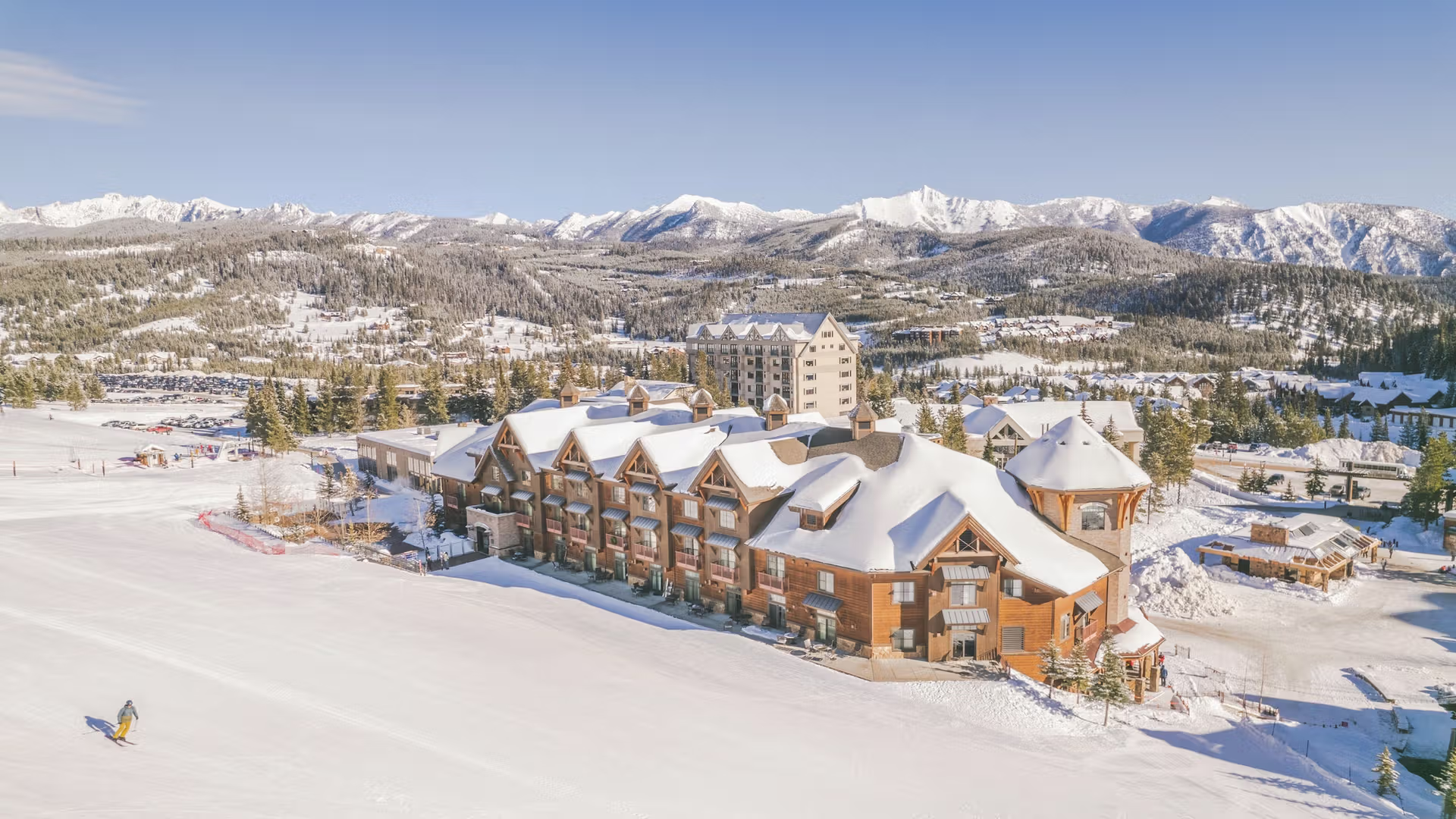
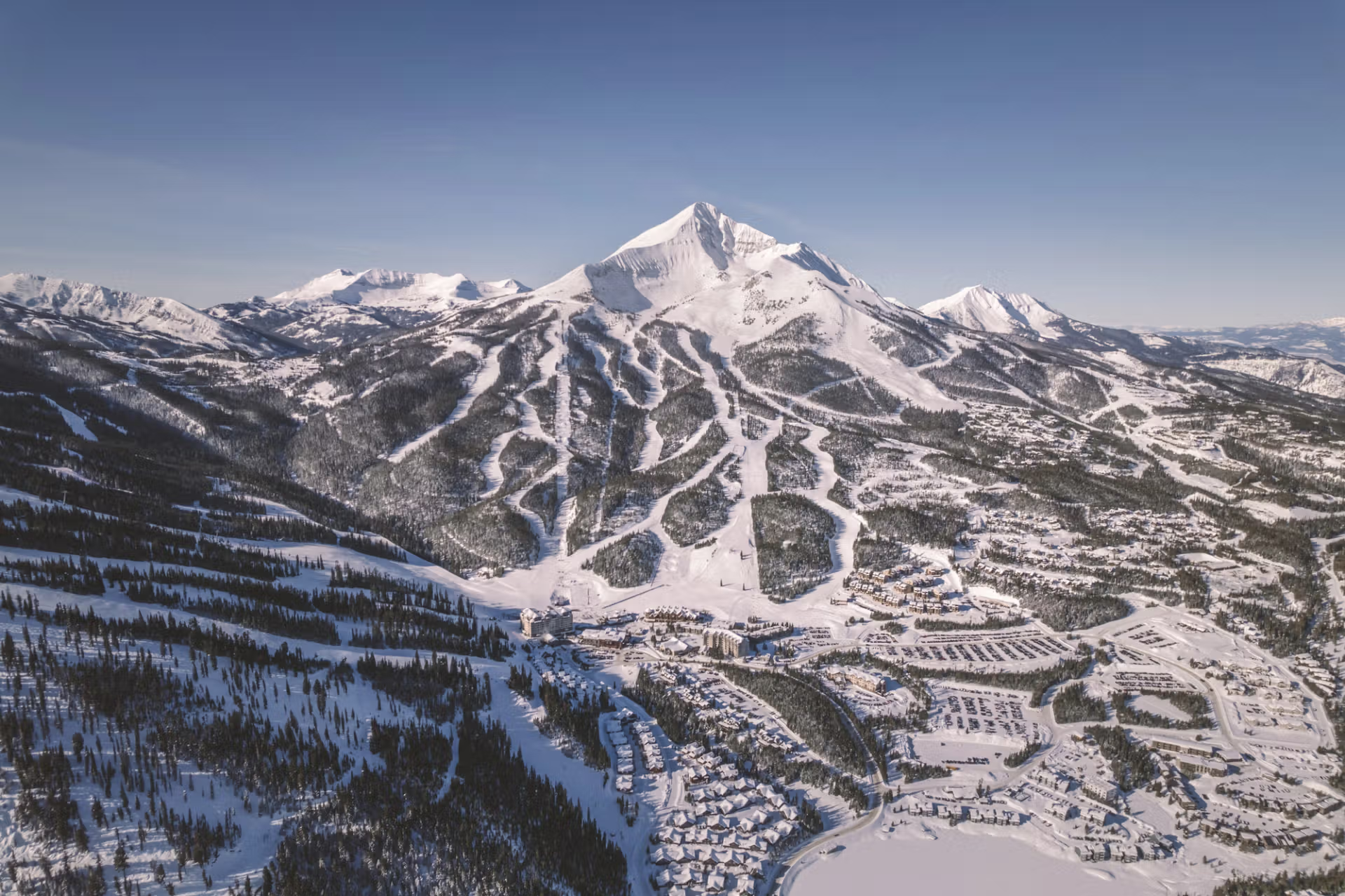
Big Sky Resort, located in Montana, is a premier ski and summer destination known for its vast terrain and stunning views of the Rocky Mountains. Spanning over 5,800 acres, it offers 4,350 vertical feet of skiing with diverse runs for all skill levels, minimal crowds, and consistent snowfall. The resort features modern lifts, luxurious accommodations, and a vibrant base village with dining and activities. In summer, it transforms into a hub for hiking, mountain biking, ziplining, and golf, set against the scenic backdrop of Lone Peak.
Bighorn Canyon National Recreation Area
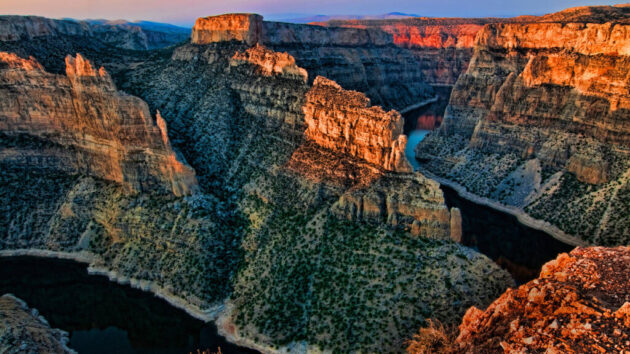
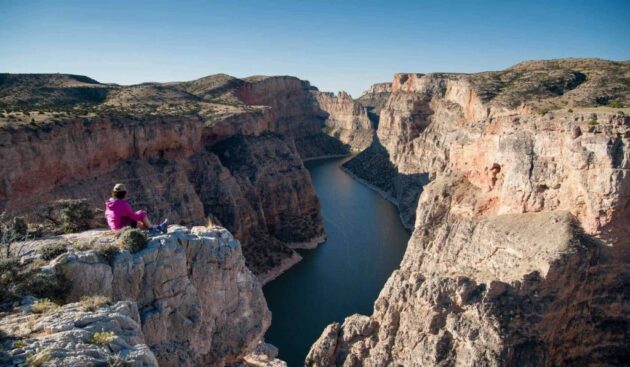
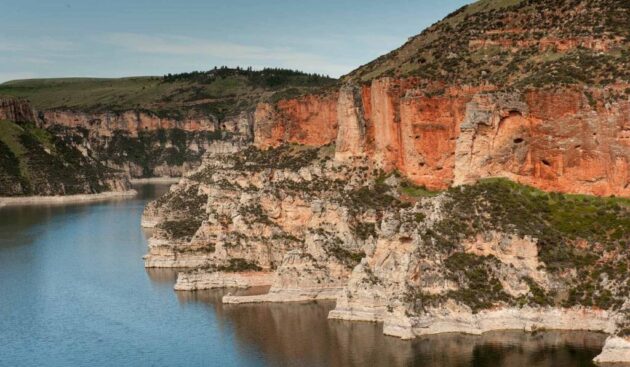
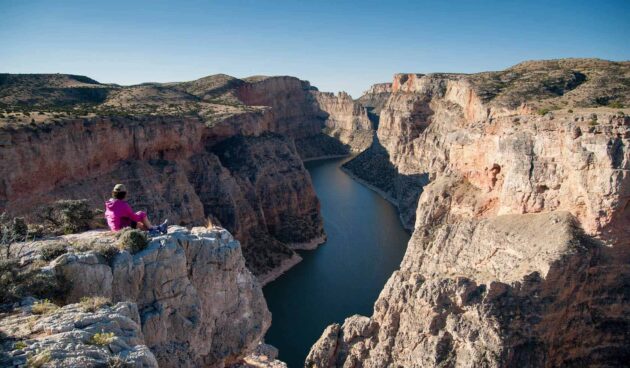
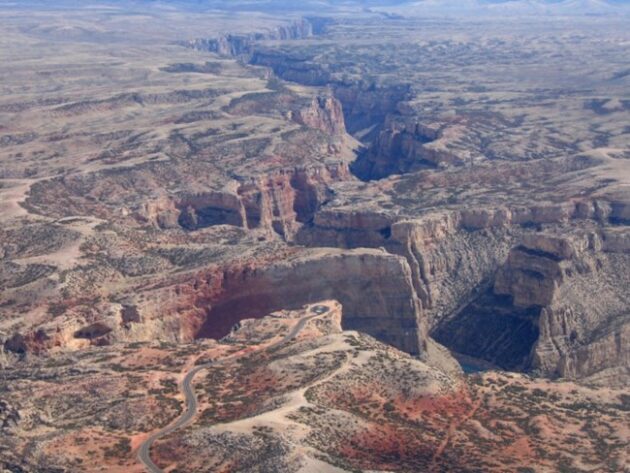
Bighorn Canyon National Recreation Area, located in Montana and Wyoming, spans over 120,000 acres and features the stunning Bighorn Canyon, carved by the Bighorn River. Known for its dramatic cliffs, clear waters, and diverse wildlife, it offers activities like boating, fishing, hiking, and camping. The area includes two districts: the North District, accessible from Lovell, Wyoming, and the South District, reached via Fort Smith, Montana. Key attractions include the Yellowtail Dam, Devil Canyon Overlook, and historic sites like the Pryor Mountain Wild Horse Range.
Where to Eat
Western Fare: Try buffalo burgers, elk chili, or antelope steaks at places like The Mint Bar & Grill in Livingston or Teddy’s Yellowstone Grill in West Yellowstone ($15–$30/meal).
Farm-to-Table: Blackbird in Bozeman serves stuffed quail and local delicacies ($20–$40). Brewpubs: Conflux Brewing (Missoula) and Bozeman Brewing Company offer craft beers and pub food ($10–$20).
Chuckwagon Cookouts: Tourist-oriented but fun, these outdoor meals with cowboy themes are offered by outfitters in Yellowstone or Glacier ($30–$50).
Where to Stay
Luxury: The Resort at Paws Up (Greenough) offers upscale cabins and gourmet dining ($500–$1,000/night). The Ranch at Rock Creek (Philipsburg) is another high-end option with all-inclusive activities ($800+/night). Mid-Range: Holiday Inn Express Bozeman or Hilton Garden Inn Missoula provide comfort near key attractions ($150–$250/night).
Budget: Hostels like Bozeman Backpackers Hostel ($40–$80/night) or campgrounds at Flathead Lake ($20–$40/night) are affordable. Unique Stays: Try a converted silo in Kalispell or a guest ranch like Sweet Grass Ranch in Big Timber for a cowboy experience ($200–$400/night).
Booking Tip: Book early for summer and winter, especially near national parks, as lodging fills up fast. Use platforms like Booking.com or visitmt.com.
Tips for a Great Visit
Pack Smart: Bring sunscreen, a hat, sunglasses, and layers for Montana’s unpredictable weather. A portable charger is handy for long days outdoors. Plan Routes: Use the official Montana state highway map for scenic alternate routes. Order online at visitmt.com.
Respect Wildlife: Keep a safe distance from bears, bison, and wolves, especially in national parks. Carry bear spray ($40) for backcountry hikes. Explore Native Culture: Visit the Crow Reservation or Flathead Reservation for authentic experiences. Check Visit Montana’s Indian Country section for events.
Combine Destinations: Pair Glacier and Yellowstone with nearby towns like Whitefish or Bozeman for a mix of nature and culture. Connectivity: Purchase a SIM card ($40–$90) for reliable service. Coinstar kiosks in Bozeman, Missoula, and Kalispell accept Bitcoin for cash.
Final Thoughts
Montana is a land of endless horizons, where rugged mountains meet sprawling prairies under an expansive sky. From the awe-inspiring trails of Glacier National Park to the geothermal wonders of Yellowstone, and from the cultural vibrancy of Bozeman to the historical depth of Little Bighorn, Montana offers a journey into the heart of the American West. Plan ahead, embrace the adventure, and let Big Sky Country leave you with memories that last a lifetime.
Happy travels!