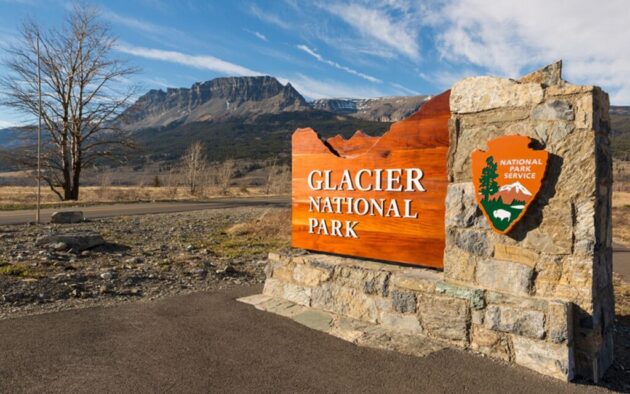
Glacier National Park Travel Guide (2026)
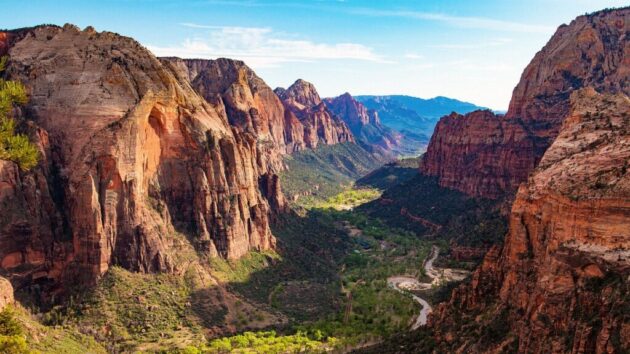
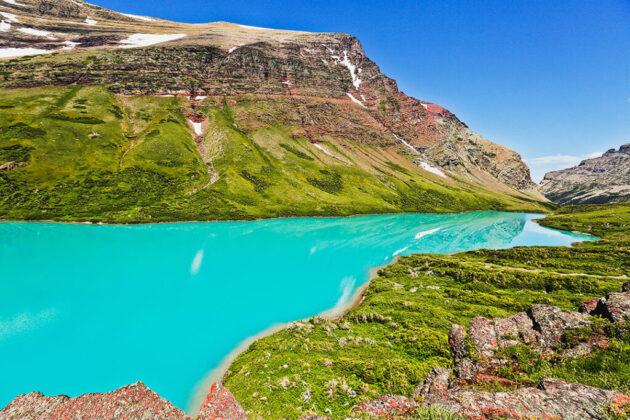
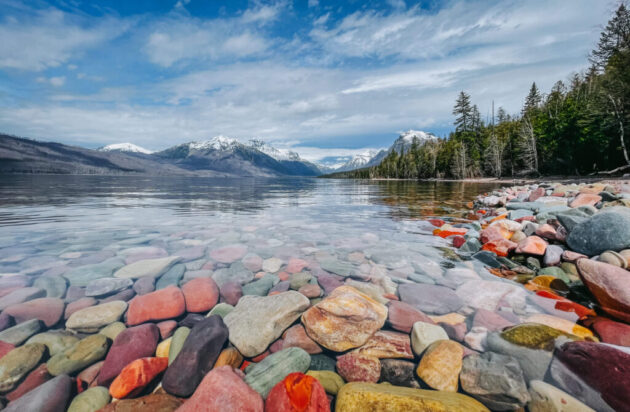
Located in northwestern Montana along the U.S.-Canada border, Glacier National Park is often called the “Crown of the Continent” for its breathtaking landscapes of glacier-carved peaks, turquoise lakes, and pristine wilderness. Spanning over 1 million acres, this UNESCO World Heritage Site and part of the Waterton-Glacier International Peace Park offers rugged hiking trails, historic lodges, and abundant wildlife.
Why Visit Glacier National Park?
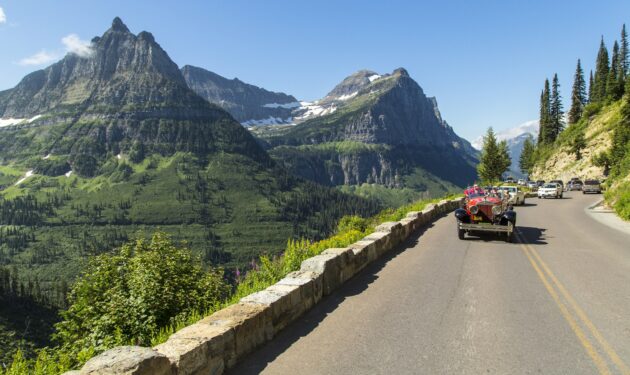
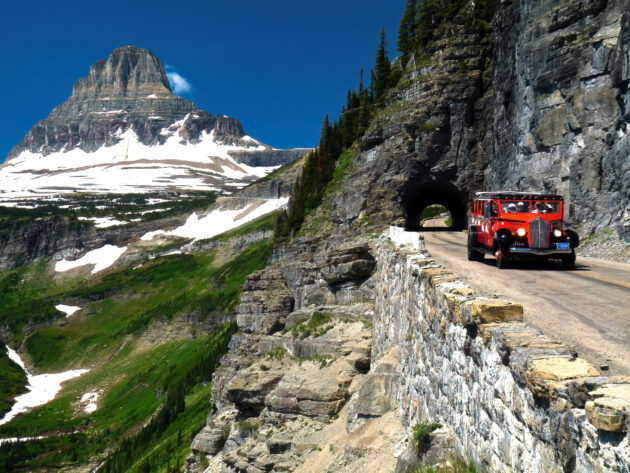
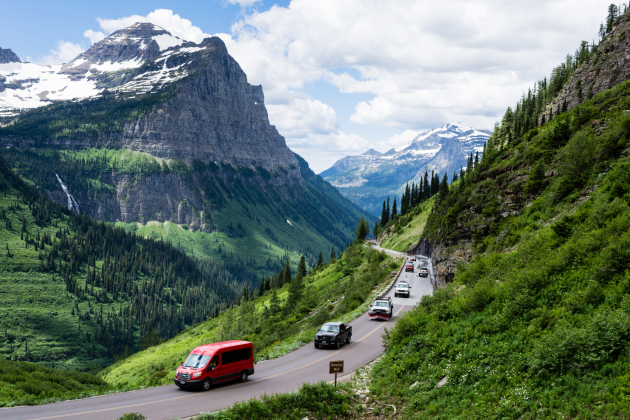
Glacier National Park is renowned for its dramatic scenery, including over 700 lakes, 200 waterfalls, and 25 remaining glaciers, shaped by ancient ice flows. The iconic Going-to-the-Sun Road, a 50-mile scenic drive, is a National Historic Landmark that winds through the park’s heart, offering jaw-dropping views of mountains, valleys, and waterfalls.
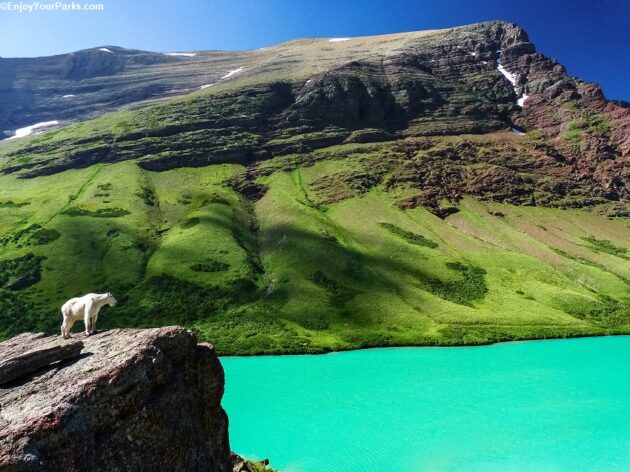
The park is a hiker’s paradise with over 700 miles of trails, ranging from easy strolls to challenging treks. Wildlife like grizzly bears, mountain goats, and bighorn sheep roam freely, and the park’s dark skies make it an International Dark Sky Park, ideal for stargazing. Its rich history, tied to Native American tribes like the Blackfeet and historic lodges built in the early 20th century, adds cultural depth.
How to Get There
Glacier National Park is located about 30 miles northeast of Kalispell, Montana. Here are the main ways to reach it:
By Air: Glacier Park International Airport (FCA) in Kalispell, 25 miles from the West Entrance, is the closest airport, served by Delta, United, Alaska, Allegiant, and American. Rental cars are available from major companies like Hertz and Enterprise. Missoula International Airport (MSO) (120 miles) or Great Falls International Airport (GTF) (200 miles) are alternatives for more flight options.
By Car: Highway 2 runs along the park’s southern edge, providing access to West Glacier and East Glacier. Highway 89 connects to the east side at St. Mary. A rental car is highly recommended for flexibility, as many trailheads are remote. Note: Gas stations are unavailable inside the park, so fill up in West Glacier or St. Mary.
By Train: Amtrak’s Empire Builder stops at West Glacier (year-round) and East Glacier (seasonally), offering a scenic rail journey from Seattle or Chicago. This is a car-free option, with shuttles available from nearby towns like Whitefish.
By Shuttle: Free park shuttles operate along Going-to-the-Sun Road in summer (July–September), connecting Apgar Village, Logan Pass, and St. Mary. Check schedules, as they run every 10–30 minutes but require transfers.
Tip: A vehicle reservation is required for Going-to-the-Sun Road, Many Glacier, and North Fork entrances from mid-June to late September (7 AM–3 PM). Book via Recreation.gov.
Best Time to Visit
Summer (June–September): The peak season offers warm weather (60–80°F), open roads, and full access to trails and facilities. Going-to-the-Sun Road is fully open, but expect crowds and parking challenges. Book lodging and reservations early.
Fall (September–October): Cooler temperatures (40–60°F) and vibrant foliage make this ideal for scenic drives and hiking with fewer crowds. Some facilities close by mid-September.
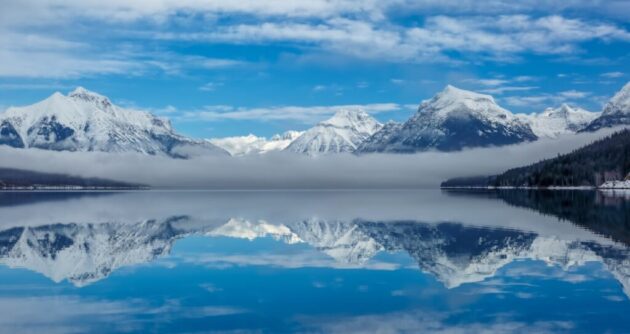
Winter (November–March): Snowy landscapes are perfect for cross-country skiing and snowshoeing, but most roads, including Going-to-the-Sun Road, are closed. Apgar Visitor Center and some campgrounds remain open.
Spring (April–May): Quieter with melting snow and wildflowers, but some trails and roads may be closed due to snow.
Note: Glaciers are shrinking due to climate change, with only 25 remaining. Visit soon to see them, as they may disappear by 2030.
Tickets and Fees
Entrance Fee: $35 per vehicle, $20 per person (on foot or bike), valid for 7 days. The America the Beautiful Pass ($80 annually) covers entry to most U.S. national parks.
Vehicle Reservations: Required for Going-to-the-Sun Road, Many Glacier, and North Fork entrances during peak season (mid-June to late September, 7 AM–3 PM). Cost: $2 per reservation via Recreation.gov.
Note: In 2025, Many Glacier is closed for construction, so plan around Two Medicine or North Fork instead.
What to See and Do
Drive the Going-to-the-Sun Road
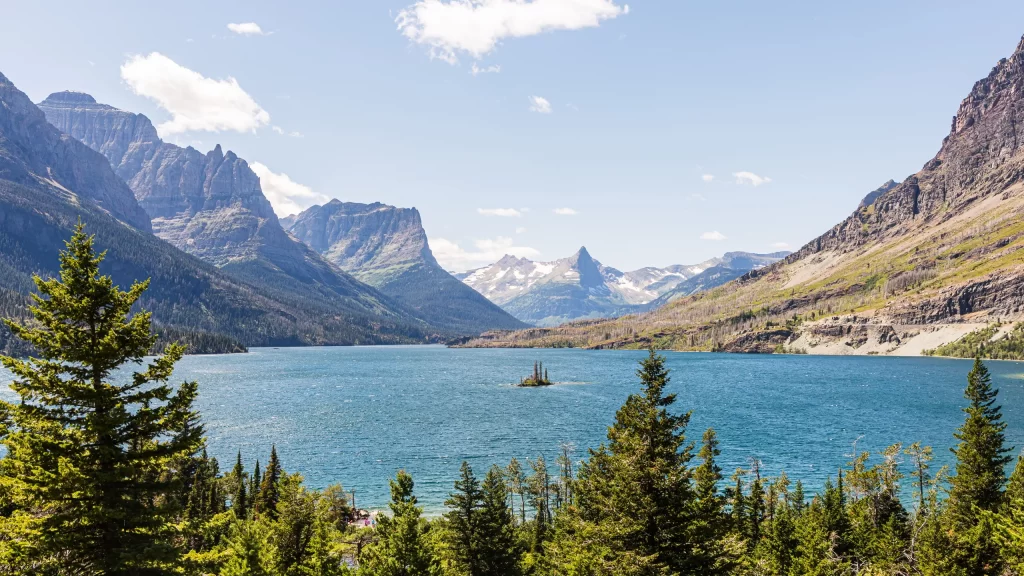
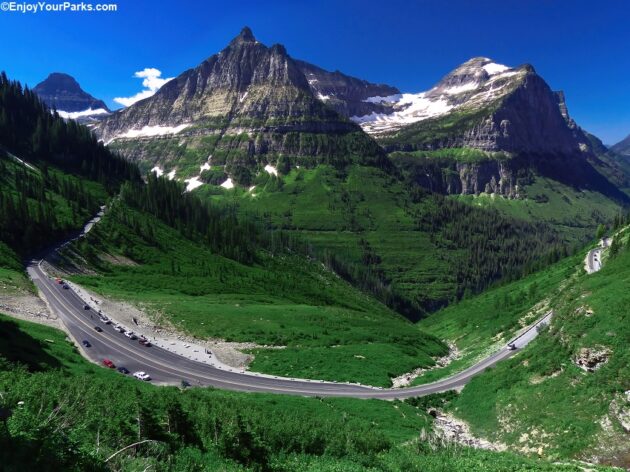
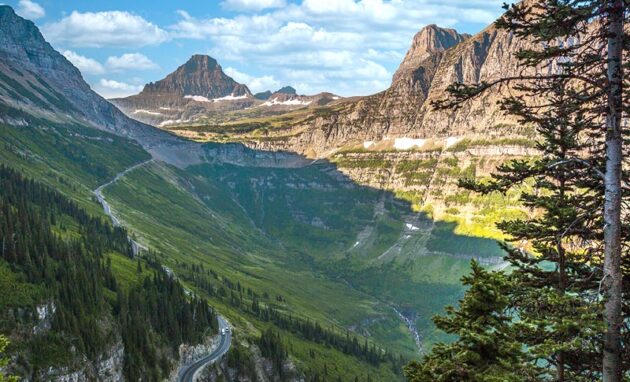
This 50-mile scenic drive from West Glacier to St. Mary is a must, crossing the Continental Divide at Logan Pass (6,646 ft). Stop at overlooks like Jackson Glacier Overlook, Bird Woman Falls, and Wild Goose Island for stunning views. Start early (before 8 AM) to avoid parking issues at Logan Pass. Tip: Download the National Park Service’s free audio tour app for a guided experience.
Hiking
With over 700 miles of trails, Glacier is a hiker’s paradise. Popular options include:
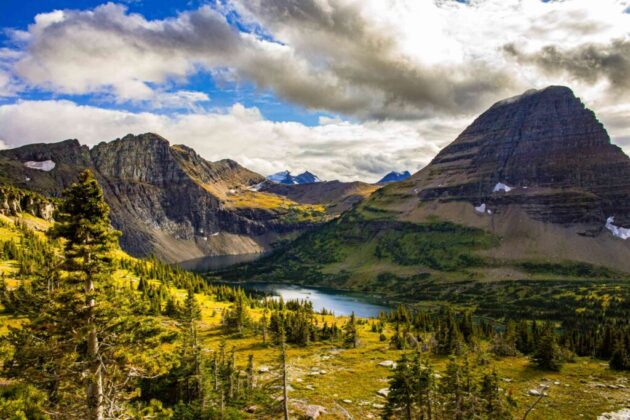
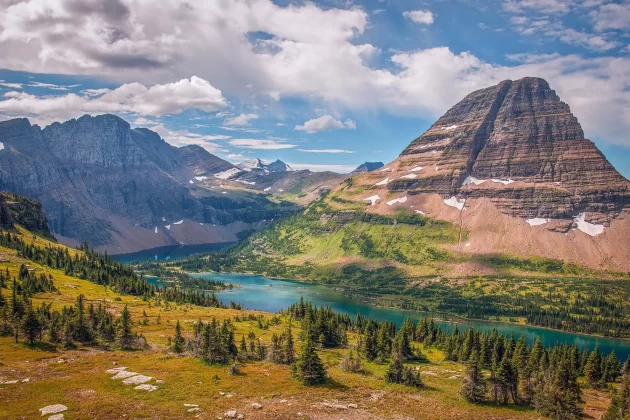
Hidden Lake Overlook (Easy, 2.7 miles, 540 ft elevation gain): A short hike from Logan Pass with views of a pristine alpine lake.
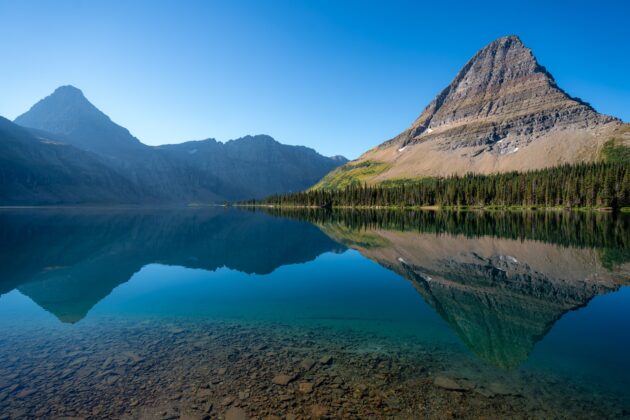
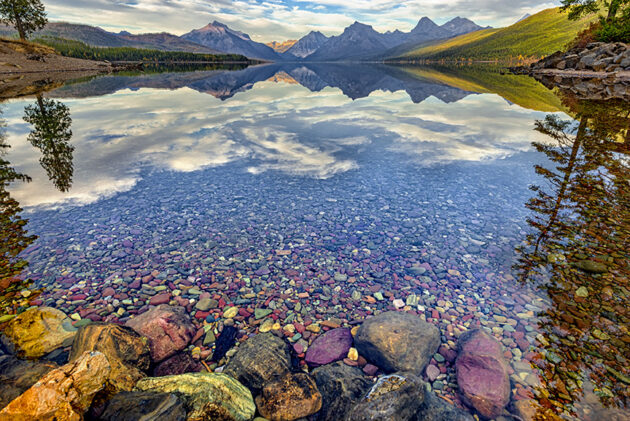
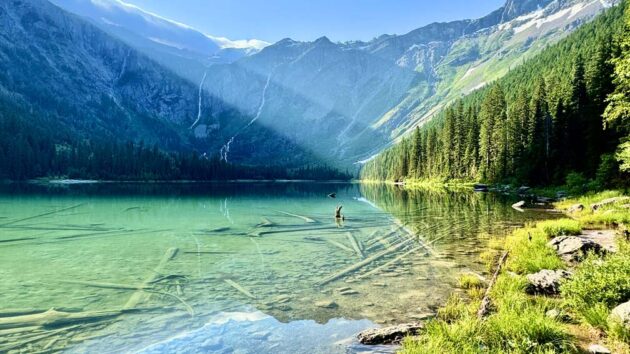
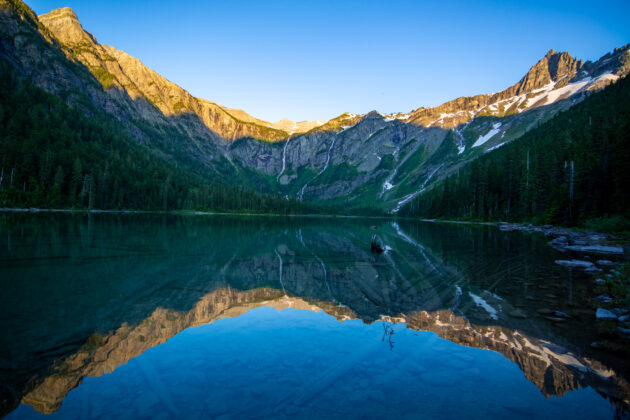
Avalanche Lake (Moderate, 4.5 miles, 730 ft elevation gain): A scenic trail near Lake McDonald with clear waters and waterfalls.
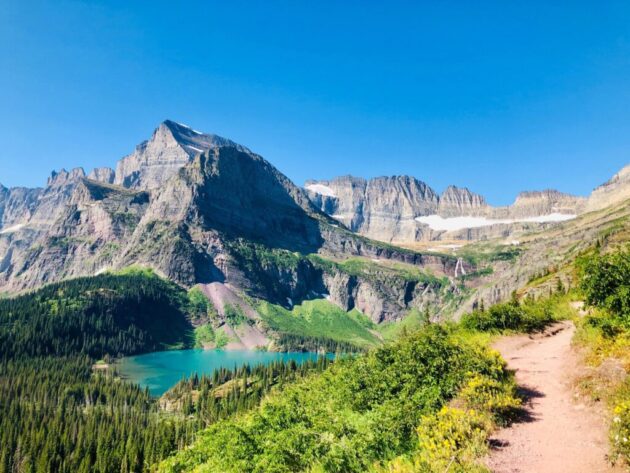
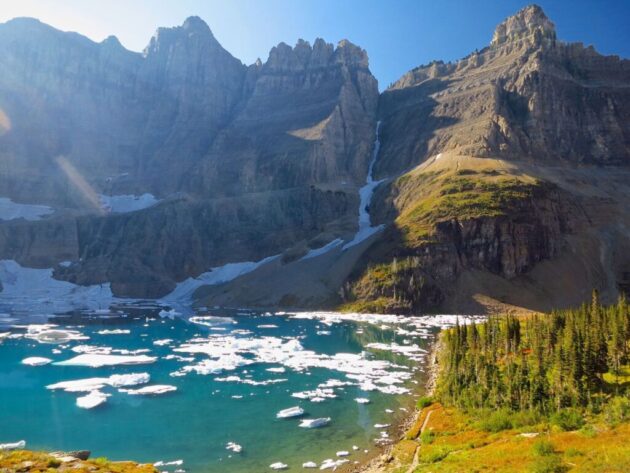
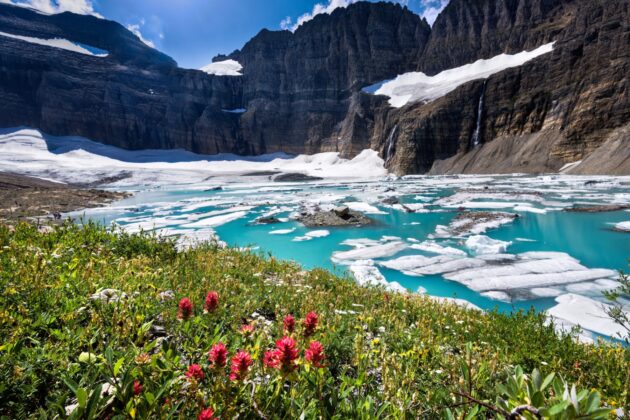
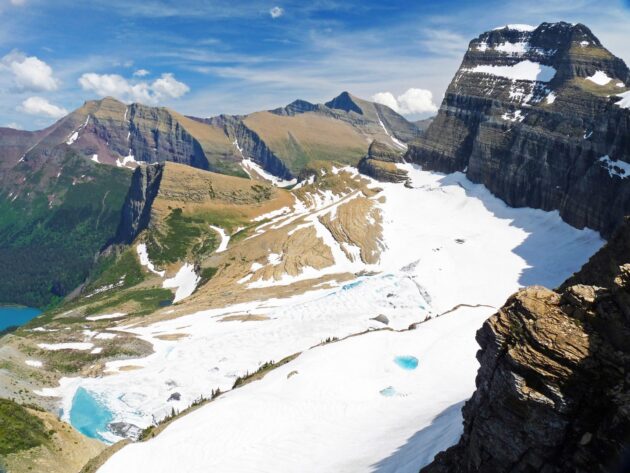
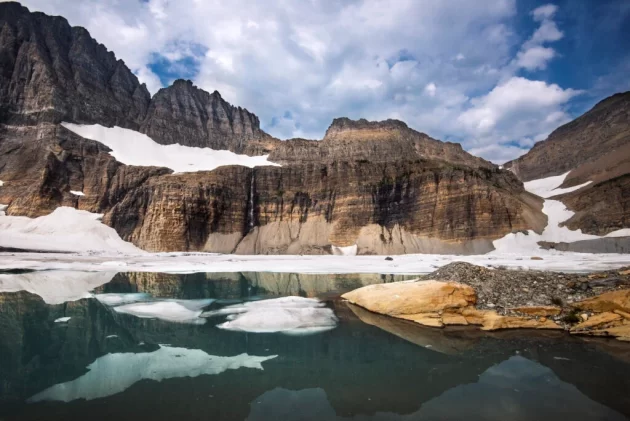
Grinnell Glacier (Challenging, 7.6–11.2 miles, 1,600 ft elevation gain): A stunning hike in Many Glacier with glacier views, waterfalls, and wildlife. Boat shuttles across Swiftcurrent Lake and Lake Josephine can shorten the hike.
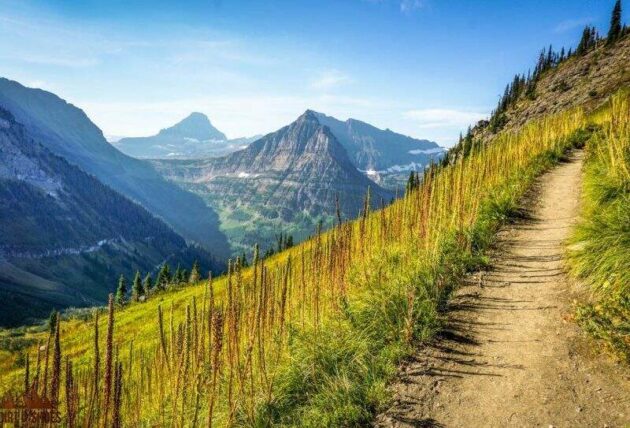
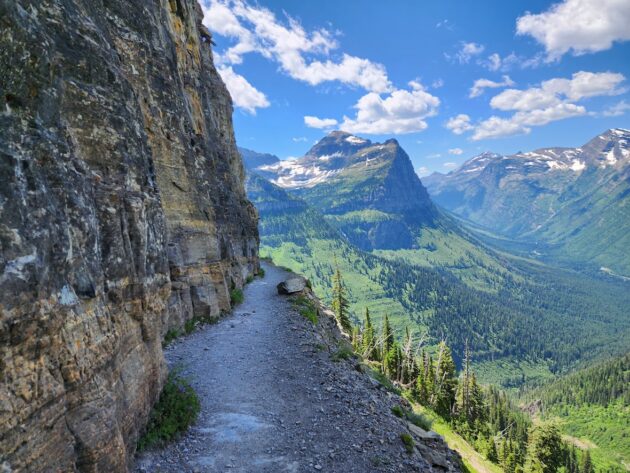
Highline Trail (Challenging, 11.8 miles, 1,950 ft elevation gain): A thrilling trail along the Continental Divide with panoramic views. Use the park shuttle for a one-way hike.
Safety Tip: Carry bear spray, hike in groups, and check trail status for closures due to bears or weather. No cell service in most areas, so download maps (e.g., AllTrails) in advance.
Boating and Water Activities
Guided Boat Tours: Available at Lake McDonald, Many Glacier, Two Medicine, and St. Mary Lake. Tours by Glacier Park Boat Company include narrated trips and guided hikes (e.g., Swiftcurrent Lake to Lake Josephine).
Rentals: Kayaks, canoes, and rowboats are available at Apgar, Lake McDonald, and Two Medicine. Rafting: Guided trips on the Flathead River are offered by companies like Glacier Raft Company.
Wildlife Viewing
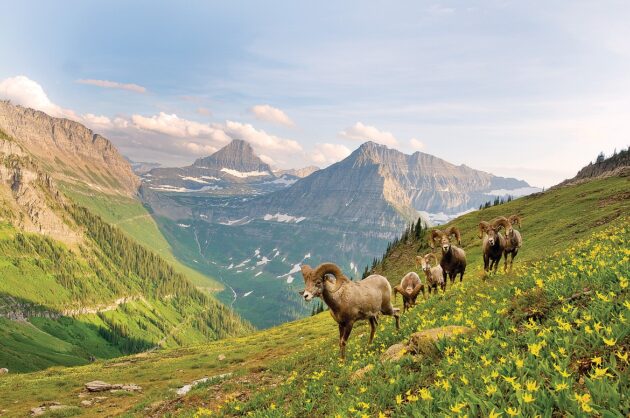
The park is home to grizzly bears, black bears, mountain goats, bighorn sheep, and moose. Prime spots include Logan Pass, Many Glacier, and St. Mary Valley. Keep a safe distance (100 yards for bears) and carry bear spray.
Stargazing
As an International Dark Sky Park, Glacier offers incredible night skies. Visit Apgar Village, Logan Pass, or Lake McDonald for aurora borealis viewing, especially in 2025 due to high solar activity.
Cultural Experiences
Native America Speaks Program: Learn about Blackfeet culture through guided tours and presentations. Historic Lodges: Visit Many Glacier Hotel or Lake McDonald Lodge, built in the early 20th century with Swiss-inspired architecture.
Where to Eat
Inside the Park: Limited options include cafes at Apgar Village, Lake McDonald Lodge, and Many Glacier Hotel, offering sandwiches, burgers, and snacks (¥15–30). The Cedar Tree Gift Shop near Lake McDonald serves ice cream. Pack picnic lunches for flexibility, as food services are scarce.
Outside the Park: In West Glacier or Columbia Falls, try North Fork Pizza or Summit Mountain Lodge & Steakhouse for hearty meals with views. Stock up on supplies at grocery stores in Whitefish or Kalispell.
Where to Stay
Inside the Park
Lake McDonald Lodge: Historic lodge with cabins and lake views, from ¥150/night. Many Glacier Hotel: Iconic Swiss-style lodge, closed in 2025 for construction. Apgar Village Lodge: Budget-friendly cabins with kitchenettes, from ¥120/night.
Camping: 13 campgrounds (e.g., Apgar, St. Mary) offer ~1,000 sites, some reservable via Recreation.gov. Most are open June–September. Cost: ¥20–30/night. Check for bear-related closures.
Outside the Park
West Glacier: Cedar Creek Lodge (from ¥200/night) offers modern amenities and year-round access. Whitefish: A charming ski town 30 miles from the park with hotels like The Lodge at Whitefish Lake (¥250+/night). Columbia Falls: Budget options like North Forty Resort (¥150–200/night).
Tips for a Great Visit
Start Early: Parking at Logan Pass and trailheads fills by 8 AM in summer. Arrive by 7:30 AM to secure spots. Pack Essentials: Bring layers, sturdy hiking boots, bear spray (¥50 at Kalispell Costco), water, and snacks. Cell service is unreliable, so carry paper maps.
Safety: Water is the leading cause of fatalities (e.g., slipping near streams). Stay on trails, avoid steep terrain, and know bear safety protocols. Combine with Waterton Lakes: Cross into Canada (bring a passport) for a quieter extension of the park with boat tours and hikes like Crypt Lake.
Check Closures: Monitor nps.gov/glac for updates on road, trail, and construction closures (e.g., Many Glacier in 2025).
Final Thoughts
Glacier National Park is a bucket-list destination that captivates with its rugged beauty, diverse trails, and rich history. From driving the iconic Going-to-the-Sun Road to hiking to turquoise lakes and glaciers, every moment feels like stepping into a postcard. Plan ahead for reservations, pack for adventure, and immerse yourself in the wild heart of Montana’s “Crown of the Continent.” With glaciers receding, now is the time to experience this natural wonder.
Happy travels!