
A Travel Guide to Nebraska
Nebraska, known as the “Cornhusker State,” is a hidden gem in the heart of the Great Plains, offering a surprising mix of vast prairies, vibrant cities, and rich historical and natural attractions. Often overlooked by travelers, Nebraska’s wide-open spaces, cultural heritage, and unique experiences make it a rewarding destination for those seeking adventure, history, or tranquility. From the urban charm of Omaha to the stunning Sandhills and iconic landmarks like Chimney Rock, this guide will help you plan an unforgettable trip to Nebraska.
Why Visit Nebraska?
Nebraska’s appeal lies in its diversity—rural landscapes, bustling cities, and a deep connection to America’s pioneer history. The state is home to the world’s largest indoor desert at Omaha’s Henry Doorly Zoo, the breathtaking Sandhill crane migration, and quirky attractions like Carhenge, a replica of Stonehenge made of vintage cars. Whether you’re drawn to outdoor adventures, cultural experiences, or historical trails, Nebraska offers something for everyone, all wrapped in Midwestern hospitality and affordable prices.
How to Get There
By Air: Omaha’s Eppley Airfield (OMA): The state’s largest airport, served by major airlines like Delta, United, American, and budget carriers like Allegiant and Frontier. It’s ideal for accessing eastern Nebraska. Flights from major U.S. cities (e.g., Chicago, Denver) take 1–2 hours and cost $100–300 round-trip. Lincoln Airport (LNK): Served by Delta and United, suitable for central Nebraska. Smaller airports in Grand Island, Kearney, and Scottsbluff offer regional flights. No direct international flights are available; connect through hubs like Chicago or Denver.
By Train: Amtrak’s California Zephyr: Runs through Nebraska with stops in Omaha, Lincoln, Hastings, and McCook. It connects from San Francisco and Denver (west) or Chicago (east). Note that stops are often late at night, so plan accordingly. Fares start at ~$50 one-way from Chicago.
By Car: Nebraska is best explored by car due to its vast size and limited public transit. Major highways include I-80 (east-west, connecting Omaha to Scottsbluff) and I-29 (north-south, near the Missouri River). Rental cars are available at Omaha and Lincoln airports, with daily rates of $40–80. Driving across the state (e.g., Omaha to Scottsbluff) takes about 7–8 hours.
By Bus: Limited intrastate bus services like Express Arrow and Burlington Trailways connect major towns. For flexibility, driving is recommended.
Best Time to Visit
Spring (March–May): Ideal for witnessing the Sandhill crane migration (March–early April), when nearly 1 million cranes stop along the Platte River. Mild weather (50–70°F) makes it great for outdoor activities. Summer (June–August): Warm (70–90°F) and sunny, perfect for state parks, festivals, and outdoor adventures like tanking (floating down rivers in livestock tanks). Museums and attractions have extended hours.
Autumn (September–November): Crisp weather (40–70°F) and vibrant fall foliage in eastern Nebraska. Fewer crowds make it a great time for hiking and history tours. Winter (December–February): Cold (20–40°F) with occasional snow. Indoor attractions like Omaha’s museums and zoos shine, but outdoor activities are limited. Avoid tornado season (spring/summer) by checking weather forecasts, as Nebraska lies in Tornado Alley.
Tip: Visit during the Nebraska State Fair (late August–early September) in Grand Island for rides, livestock shows, and live music.
Top Attractions
Omaha’s Henry Doorly Zoo and Aquarium
Omaha’s Henry Doorly Zoo and Aquarium, located in Omaha, Nebraska, is consistently ranked among the world’s best zoos, celebrated for its innovative exhibits, conservation efforts, and immersive experiences. Spanning 160 acres and housing over 17,000 animals across 950 species, it features the largest indoor rainforest, desert, and nocturnal exhibits in the world, alongside a top-tier aquarium.


Scotts Bluff National Monument
Scotts Bluff National Monument is actually located in Nebraska, not Kansas. It is a prominent geological formation rising 800 feet above the North Platte River, historically serving as a key landmark for Native Americans and westward emigrants on the Oregon, California, and Mormon Trails. The monument spans 3,000 acres, featuring rugged bluffs, hiking trails, and remnants of historic overland trails. Visitors can explore its rich geological and pioneer history, drive the scenic Summit Road, or hike trails offering panoramic views.


Chimney Rock National Historic Site
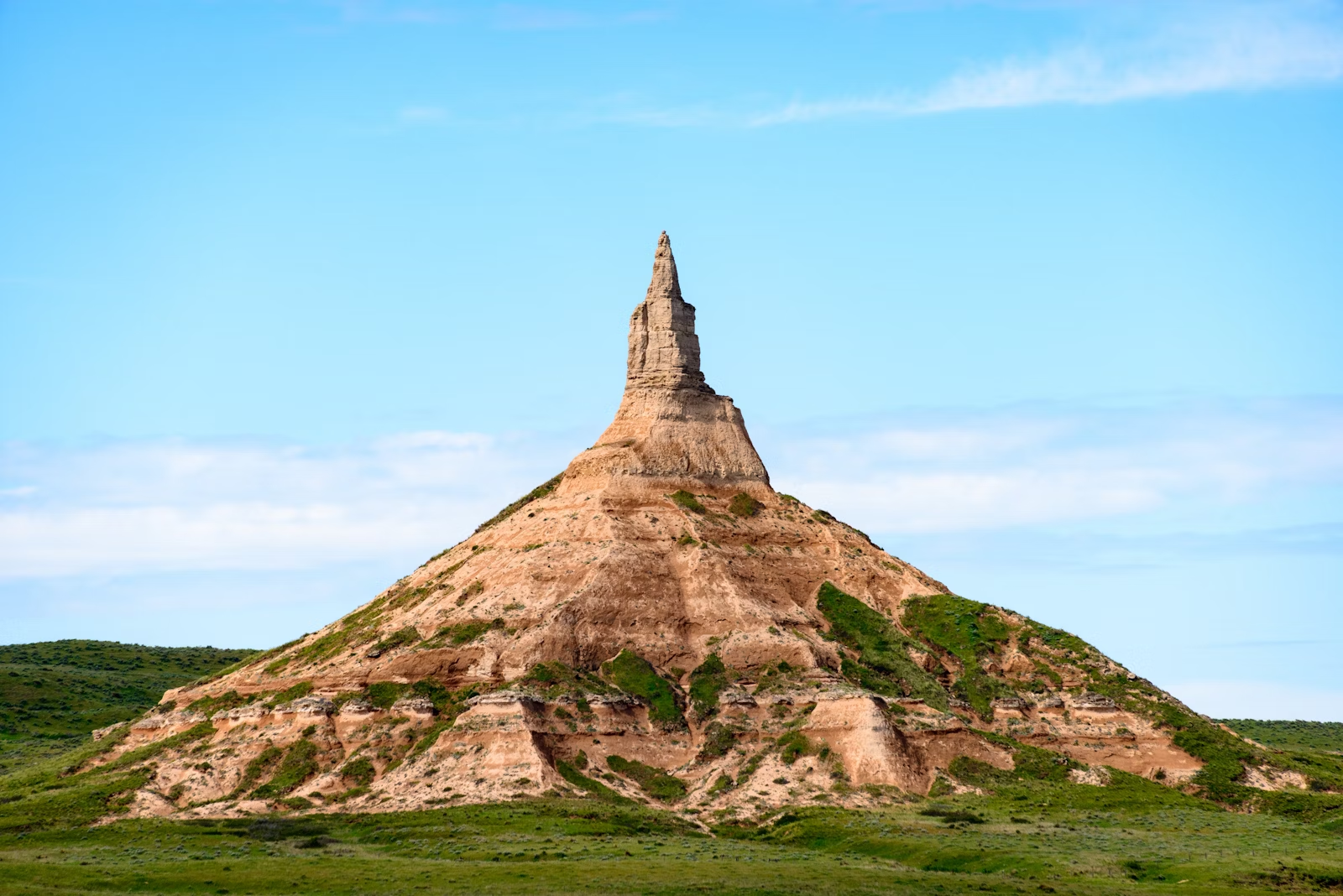
There seems to be a slight confusion in your request—Chimney Rock National Historic Site is actually located in Nebraska, not Kansas. This iconic landmark rises about 300 feet above the North Platte River Valley and served as a crucial navigational marker for pioneers on the Oregon Trail, California Trail, and Mormon Trail during the 19th century. Known for its striking spire, it was mentioned in more emigrant diaries than any other landmark along the Oregon Trail.



Sandhill Crane Migration
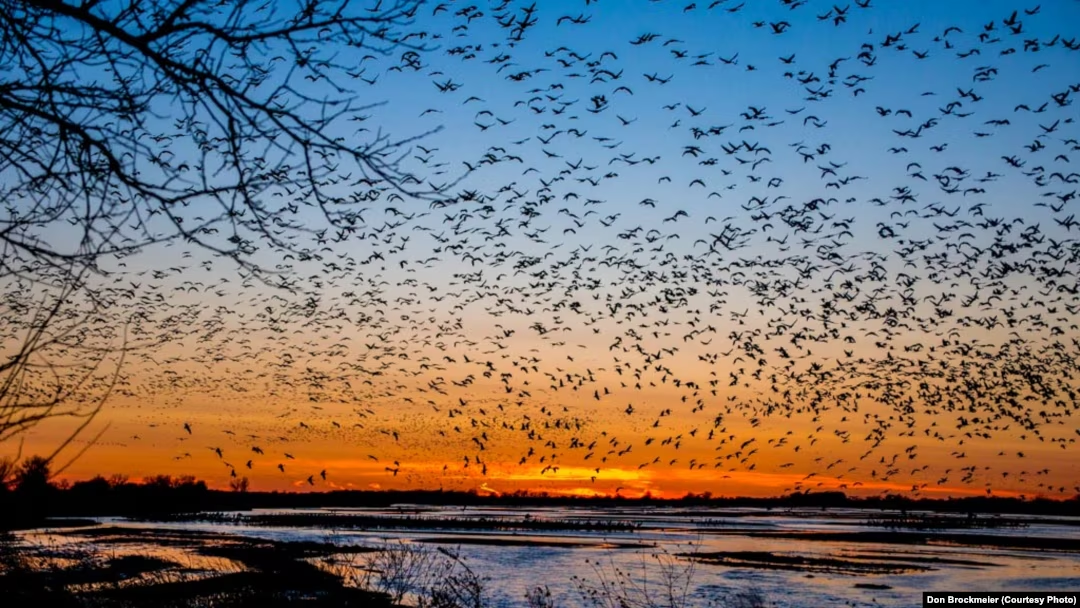
Every spring, over a million sandhill cranes gather along the Platte River in central Nebraska, USA, creating one of the world’s most spectacular wildlife migrations. From mid-February to mid-April, these cranes stop to rest and feed in the shallow waters and nearby farmlands, preparing for their journey to northern breeding grounds in Canada and Alaska. The Platte River Valley, particularly between Kearney and Grand Island, serves as a critical staging area, offering safe roosting sites and abundant food.


Where to Eat
Omaha: Enjoy steaks at Gorat’s Steak House ($20–40) or farm-to-table dishes at The Grey Plume in the Old Market ($15–30). Try Czech-inspired kolaches at Lithuanian Bakery. Lincoln: Savor local flavors at The Oven for Indian cuisine or LeadBelly for burgers and craft beer ($10–20).
Small Towns: Stop at diners like Green Gables near Ashfall Fossil Beds for homemade desserts or Gerda’s German Restaurant & Bakery in Omaha for authentic German fare. Tip: Pack a picnic for state parks, as dining options may be limited in rural areas.
Where to Stay
Omaha: Hotel Deco (luxury, Old Market): Art Deco style, ~$150–250/night. Hampton Inn Omaha Downtown: Budget-friendly, ~$90–140/night.
Lincoln: Graduate Lincoln: Quirky, university-themed hotel, ~$100–180/night. Comfort Suites East Lincoln: Affordable, ~$80–120/night.
Rural Areas: Nebraska State Parks: Offer RV and tent camping ($15–35/night). Book sites at Hackberry Hollow or Ash Grove in Indian Cave State Park. Arbor Day Farm (Nebraska City): A historic site with cabins and seasonal activities, ~$100–200/night.
Booking Tip: Use Expedia or VisitNebraska.com for deals, and reserve early for festival seasons.
Tips for a Great Visit
Rent a Car: Nebraska’s attractions are spread out, and public transit is limited. A car is essential for exploring beyond Omaha and Lincoln. Plan for Weather: Summer can be hot (90°F+), and tornadoes are possible in spring/summer. Check forecasts and pack layers.
Embrace Small Towns: Places like Monowi (population: 1) or Nebraska City offer unique charm and history. Safety: Omaha and Lincoln are generally safe, but use caution in unfamiliar areas, as gang activity has increased in some neighborhoods. Free Guide: Request a free Nebraska Travel Guide from VisitNebraska.com for detailed itineraries and maps.
Final Thoughts
Nebraska surprises with its blend of natural beauty, cultural vibrancy, and historical significance. From watching sandhill cranes soar over the Platte River to exploring pioneer history along the Oregon Trail, the state offers a refreshing escape from crowded tourist destinations. Embrace the open road, savor the hospitality, and discover why Nebraska’s subtle charm captivates those who venture off the beaten path. Happy travels!


