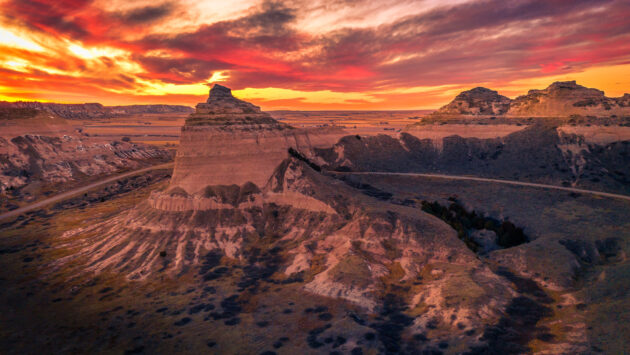
A Travel Guide to Scotts Bluff National Monument
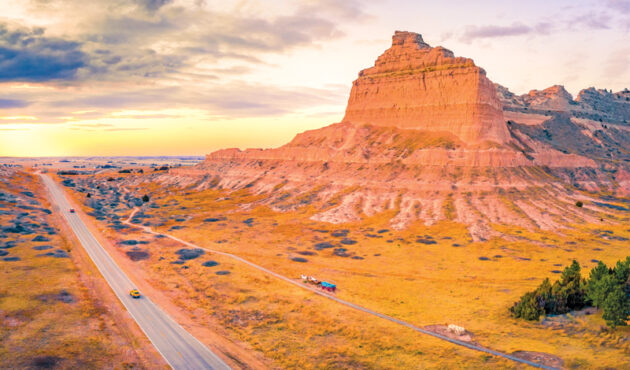
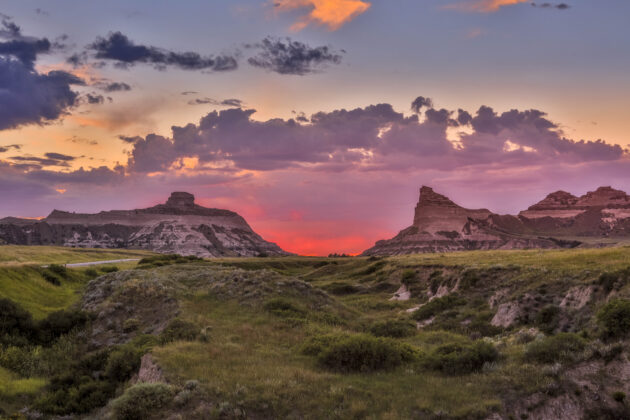
Scotts Bluff National Monument, located in western Nebraska near the city of Gering, is a striking geological and historical landmark that towers 800 feet above the North Platte River. Established in 1919, this 3,000-acre site preserves a dramatic landscape of bluffs, badlands, and mixed-grass prairie, serving as a testament to the Native Americans, fur traders, and pioneers who used it as a key waypoint along the Oregon, California, Mormon, and Pony Express Trails. With its rich history, scenic trails, and breathtaking views, Scotts Bluff is a must-visit for history buffs, hikers, and nature lovers. This guide will help you plan an unforgettable trip.
Why Visit Scotts Bluff National Monument?
Scotts Bluff is not just a geological marvel but a symbol of America’s westward expansion. Named after Hiram Scott, a fur trader who died near the bluff in 1828, it was a prominent landmark for thousands of emigrants in the 19th century. The monument offers a glimpse into the challenges and triumphs of pioneers, with wagon ruts still visible along the Oregon Trail. The dramatic bluffs, including Scotts Bluff and South Bluff, rise sharply from the flat plains, offering panoramic views of the North Platte Valley, Chimney Rock, and even distant Laramie Peak on clear days. With hiking trails, a scenic drive, and a visitor center packed with history, Scotts Bluff combines adventure, education, and natural beauty.
How to Get There
Scotts Bluff National Monument is located 3 miles west of Gering and 5 miles southwest of Scottsbluff, Nebraska, along Highway 92 (Old Oregon Trail). Here are your transportation options:
By Car: From Scottsbluff: Take Highway 92 West for about 10 minutes to reach the monument. From Cheyenne, WY: Drive east on I-80 to Highway 71 North, then Highway 92 East (about 1 hour, 55 miles). From Denver, CO: Take I-25 North to I-80 East, then Highway 71 North to Gering (about 3 hours, 190 miles). The monument has ample parking near the visitor center, and there’s no entrance fee.
By Air: The closest airport is Western Nebraska Regional Airport (BFF) in Scottsbluff, 10 miles from the monument, with limited flights via United Airlines from Denver. For more flight options, fly into Denver International Airport (DEN) or Cheyenne Regional Airport (CYS) and rent a car.
By Public Transport: Public transit options are limited. The nearest bus services (e.g., Greyhound) stop in Cheyenne or Denver. From there, rent a car or arrange a taxi/ride-share to Gering.
Tip: Driving is the most practical way to reach and explore the monument. Use GPS coordinates (190276 Old Oregon Trail, Gering, NE 69341) for accuracy.
Best Time to Visit
Spring (March–May): Mild weather (50–70°F) and blooming wildflowers make this ideal for hiking. Fewer crowds than summer. Summer (June–August): Warm (70–90°F) and busy, with living history demonstrations at the Oregon Trail Pathway. Summit Road and trails are open longer (8:00 AM–6:30 PM).
Autumn (September–November): Cooler temperatures (40–70°F) and vibrant prairie colors. Perfect for photography and quieter visits. Winter (December–February): Cold (20–40°F) with occasional snow, but the monument remains open (Summit Road: 8:00 AM–4:30 PM). Trails are accessible, but dress warmly.
Weather Tip: Summer can be hot and dry with little shade, so bring water and sun protection. Check the National Park Service (NPS) website for road closures due to weather. Note: The monument is closed on New Year’s Day, Thanksgiving, and Christmas Day.
Tickets and Opening Hours
Entrance Fee: Free admission to the monument, trails, and visitor center.
Opening Hours: Park Grounds and Trails: Open daily from sunrise to sunset. Visitor Center: Open daily, typically 8:00 AM–5:00 PM (extended to 6:00 PM in summer). Summit Road: 8:00 AM–6:30 PM (summer); 8:00 AM–4:30 PM (off-season).
Shuttle Service: A free shuttle to the summit operates in summer, ideal for those not driving or hiking. Tip: Arrive early to avoid crowds, especially in summer when the visitor center and Summit Road can get busy.
What to See and Do
Scotts Bluff National Monument offers a mix of history, hiking, and scenic drives. Plan for at least 2–3 hours to fully explore.
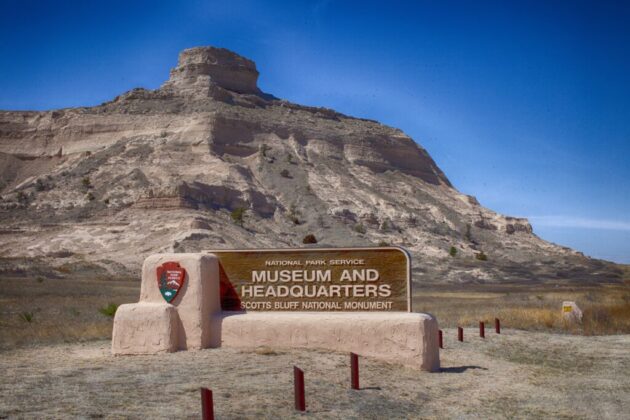
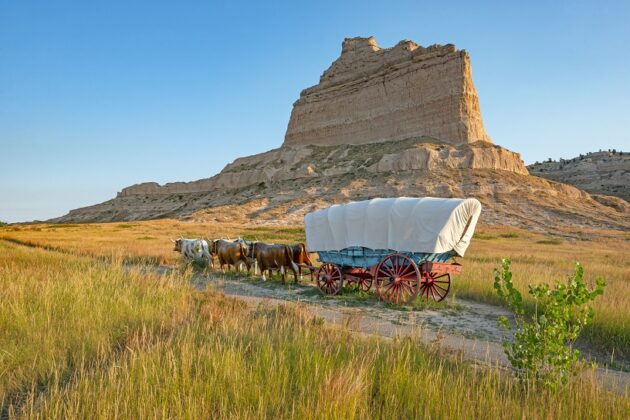
Oregon Trail Museum and Visitor Center: Located at the base of the bluff, the visitor center (built in 1935) features exhibits on the Oregon, California, Mormon, and Pony Express Trails, plus geological and paleontological history. Highlights include watercolor paintings by William Henry Jackson and a short orientation video. Check out the bookstore and replica covered wagons (Murphy and Studebaker) outside, with summer living history demonstrations.
Summit Road Drive: Drive the 1.6-mile Summit Road, Nebraska’s oldest concrete road (built in the 1930s), to the top of Scotts Bluff. The narrow, winding road passes through three tunnels and offers stunning views of the North Platte Valley. Note: The road has sharp curves and is not suitable for large RVs.
Hiking Trails: Saddle Rock Trail (3.2 miles round-trip, 587 ft elevation gain): The most popular trail, leading from the visitor center to the summit via a tunnel. It offers sweeping views and a moderate challenge. Rated 4.8 stars on AllTrails.
Oregon Trail Pathway (1 mile round-trip): A paved trail with replica wagons, where the asphalt turns to dirt, marking the actual Oregon Trail. Wheelchair-accessible in parts.
North Overlook Trail (0.5 miles, paved): A short loop at the summit with views of the Platte River Valley and Chimney Rock (20 miles away). South Overlook Trail (0.3 miles): Offers views of Mitchell Pass and the visitor center.
Scenic Overlooks: From the summit, enjoy 360-degree views of the Great Plains, badlands, and distant Laramie Peak (90 miles away on clear days). The North and South Overlooks are perfect for photography.
Wildlife and Geology: Spot deer, birds, and native prairie grasses. The bluffs, formed by sandstone, volcanic ash, and siltstone, reveal fossils and geological layers dating back millions of years.
Where to Eat
On-Site: No dining facilities are available, but picnic tables are provided near the visitor center. Bring your own food and drinks. Drinking water and soda machines are available.
Nearby in Gering/Scottsbluff (5–10 minutes’ drive): Sandy’s Burritos (Gering): Offers tasty burritos for breakfast, lunch, or dinner, with takeaway options. Sweet V’s (Scottsbluff): Great for ice cream, gourmet shave ice, and coffee, with outdoor seating. The Tangled Tumbleweed (Scottsbluff): A cozy spot for craft beer, wine, and light meals.
Tip: Pack a picnic to enjoy at the monument’s scenic picnic areas, especially during sunset.
Where to Stay
Gering/Scottsbluff Hotels: Fairfield Inn & Suites Scottsbluff (4 miles away): Modern, comfortable, ~$100–150/night. Hampton Inn & Suites Scottsbluff (5 miles away): Family-friendly, ~$90–130/night.
Camping/RV Parks: Peaceful Prairie Tent & RV Campsites (2 miles away): Offers 200 acres with bluff views, ideal for tents and small RVs. Highly rated on Hipcamp. ~$20–50/night. Robidoux RV Park (Gering): 42 sites with Wi-Fi and electrical hookups, ~$30–40/night. Riverside Campground (5 miles away): 43 pull-through sites near a park, ~$25–35/night.
Unique Option: BE Farm (25 miles away): A working farm with campsites along Wildhorse Creek, near Chimney Rock. ~$20–40/night. Booking Tip: Reserve accommodations early during summer, as the area attracts over 100,000 visitors annually. Use platforms like Hipcamp or Booking.com for deals.
Tips for a Great Visit
Dress Appropriately: Wear sturdy shoes for hiking and layered clothing for variable weather. Summer can be hot (90°F), and winter nights dip below freezing. Bring Binoculars: Perfect for spotting distant landmarks like Chimney Rock or wildlife.
Use the Audio Tour: Call the NPS-provided number on trail signs for a free audio guide about the monument’s history. Combine Your Trip: Visit nearby attractions like Chimney Rock National Historic Site (23 miles east), Wildcat Hills State Recreation Area (15-minute drive), or Carhenge (40 miles northeast).
Respect the Environment: Stay on designated trails to preserve the fragile prairie ecosystem. Accessibility: The visitor center and parts of the Oregon Trail Pathway are wheelchair-accessible. The Summit Shuttle aids those unable to hike or drive.
Final Thoughts
Scotts Bluff National Monument is a captivating blend of history, geology, and natural beauty. Whether you’re driving the historic Summit Road, hiking the Saddle Rock Trail, or exploring pioneer history at the visitor center, the monument offers a window into the American West. Its towering bluffs, once a beacon for pioneers, continue to inspire modern travelers with their majestic presence and sweeping views. Plan your visit to walk in the footsteps of history and experience Nebraska’s rugged charm.
Happy travels!