A Travel Guide to White Sands National Park
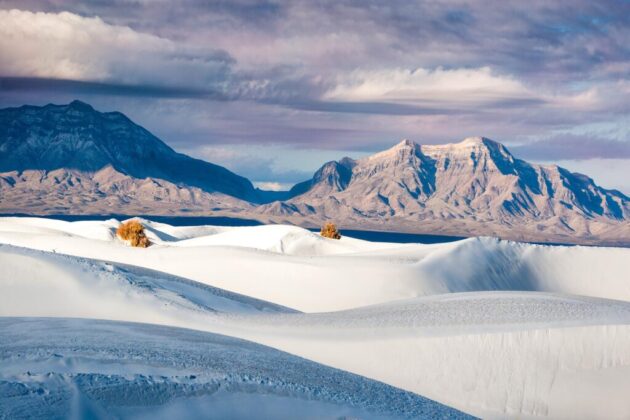
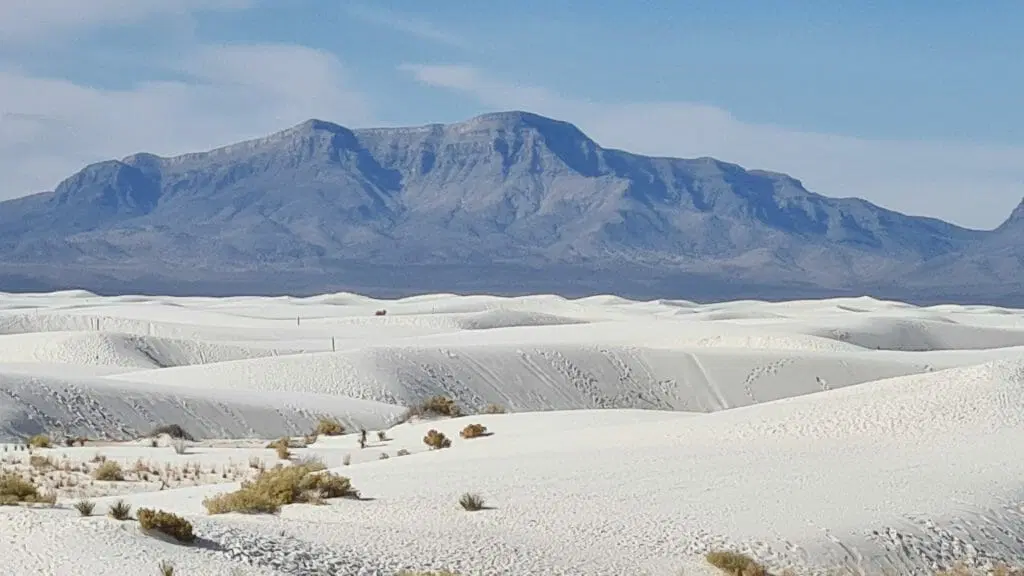
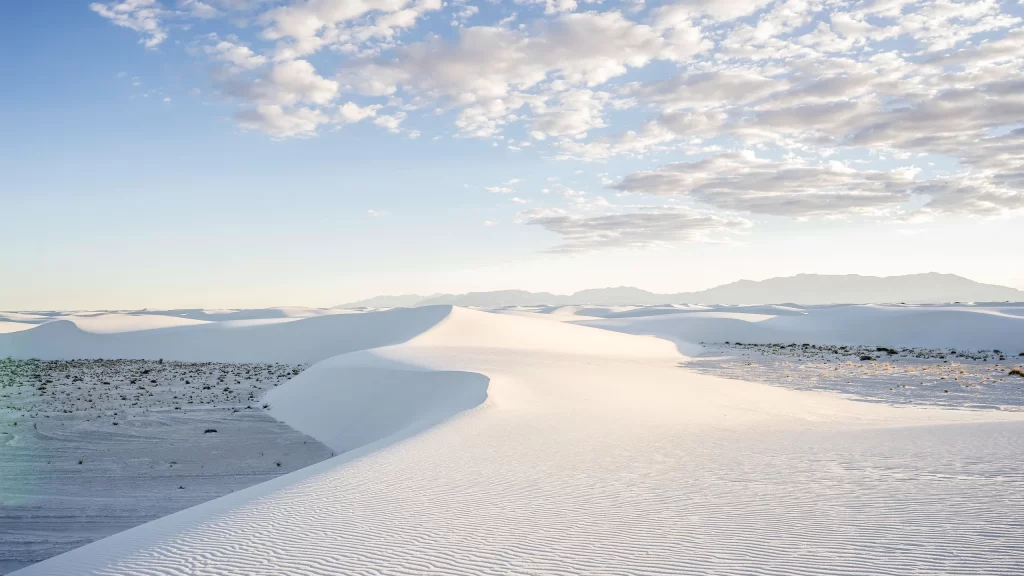
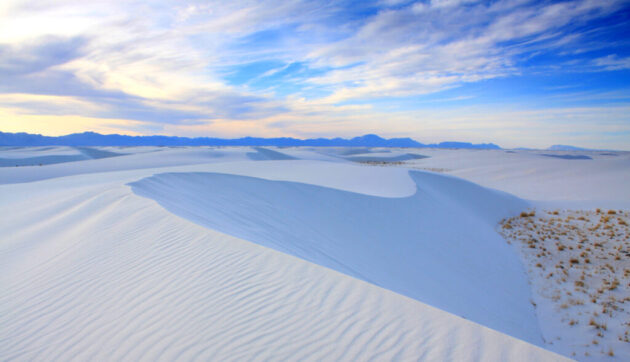
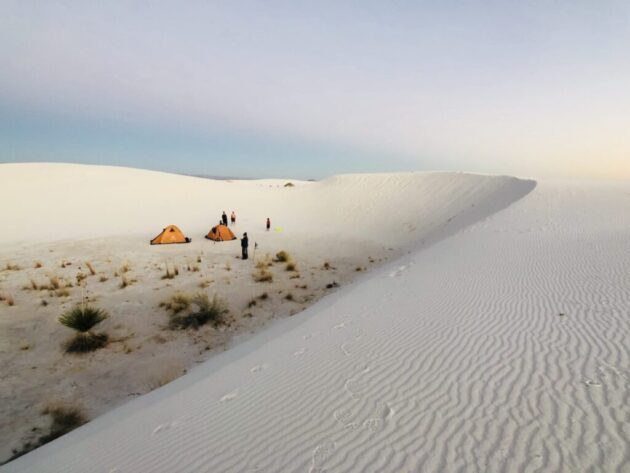
White Sands National Park, located in south-central New Mexico, is a mesmerizing destination renowned for its vast expanse of glistening white gypsum sand dunes, the largest of their kind in the world. Covering 145,762 acres in the Tularosa Basin, this otherworldly landscape offers a unique blend of natural beauty, outdoor adventure, and historical significance. Whether you’re sledding down dunes, hiking through shifting sands, or marveling at a starry desert sky, this guide will help you plan an unforgettable visit to this New Mexico gem.
Why Visit White Sands National Park?
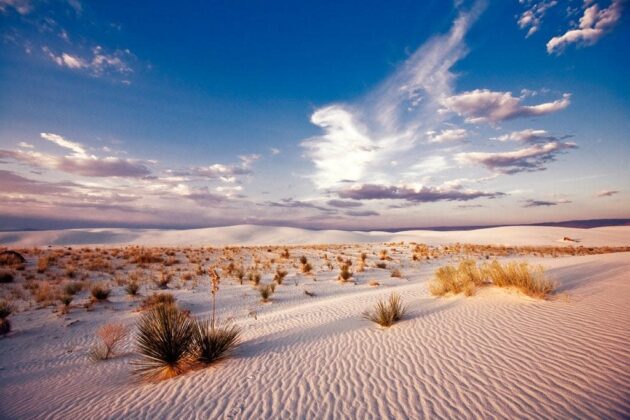
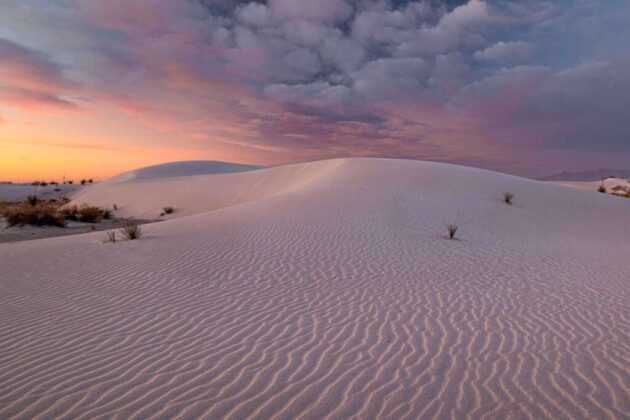
White Sands is unlike any other national park, with its surreal, snow-like dunes formed from gypsum crystals, a rare geological phenomenon. The park, situated within the Chihuahuan Desert and surrounded by the White Sands Missile Range, offers a striking contrast of natural wonder and human history, including fossilized footprints from the Ice Age and the nearby Trinity Site, where the first atomic bomb was tested. Activities like dune sledding, hiking, and stargazing make it a family-friendly and adventurer’s paradise, while its remote location ensures pristine night skies and a sense of tranquility. With around 600,000 visitors annually, it’s New Mexico’s most visited national park, yet it retains an untouched, almost lunar charm.
How to Get There
White Sands National Park is located off U.S. Highway 70, between Alamogordo (15 miles northeast) and Las Cruces (52 miles southwest). Its relative remoteness requires some planning:
By Air: The closest airport is El Paso International Airport (ELP), 102 miles away (1.5-hour drive). It offers flights from major U.S. cities via airlines like American, Southwest, and United. Albuquerque International Sunport (ABQ), 223 miles away (3.5–4-hour drive), is another option for those combining White Sands with other New Mexico destinations.
By Car: From Albuquerque: Take I-25 South to US-380 East, then US-54 South to Alamogordo, and finally US-70 East to the park (220 miles, ~4 hours). From El Paso: Take I-10 West to I-25 North, then US-70 East (90 miles, ~1.5 hours). Alternatively, take US-54 East to Alamogordo, then US-70 West. From Las Cruces: Drive east on US-70 for 52 miles (~1 hour). The visitor center is on the north side of the road, past the Border Patrol station.
By Bus or Shuttle: No direct public transit exists, but private tours from El Paso or Las Cruces may be available through operators like Expedia.
Note: Check for road closures on US-70 due to missile testing at the adjacent White Sands Missile Range, which can close the road for up to three hours.
Best Time to Visit
Spring (March–May): Ideal for mild temperatures (50–75°F), though strong winds can cause sandstorms. Avoid spring break and Easter for fewer crowds. Wildflowers bloom, adding color to the dunes. Fall (September–November): Pleasant weather (60–80°F) and fewer crowds make this another great time. Monsoon season (July–September) may bring afternoon thunderstorms, ideal for dramatic photography.
Summer (June–August): Scorching temperatures often exceed 100°F, with minimal shade. Visit early morning or late afternoon to avoid heatstroke. Bring extra water. Winter (December–February): Daytime temperatures range from 50–60°F, but nights can drop below freezing. The park is quieter, perfect for a serene visit.
Tip: For stargazing or sunset photography, visit around a new moon for darker skies. The park’s remote location offers some of the best night sky views in the U.S.
Tickets and Opening Hours
Opening Hours: Open daily from 7:00 AM to sunset (varies by season, typically 7:00–9:00 PM in summer, 5:00–6:00 PM in winter). Closed on Christmas Day (December 25). Temporary closures may occur due to missile testing or extreme weather. Check the National Park Service website for updates.
Entrance Fees: Vehicle: $25 (valid for 7 days); Motorcycle: $15; Individual (on foot or bike): $15; Children 15 and under: Free; An America the Beautiful Pass ($80 annually) covers entry to all U.S. national parks. Purchase tickets at the visitor center or online via recreation.gov.
Tour Fees: Ranger-led programs, like full-moon hikes or Lake Lucero tours (November–March), may require additional fees ($8–$15). Book via recreation.gov.
What to See and Do
Dune Sledding: Slide down the dunes on a plastic saucer, a thrilling activity for all ages. Sleds ($15–$30) and wax ($5) are available at the visitor center gift shop, or bring your own for savings. Choose gentle slopes for kids or steeper dunes for an adrenaline rush. Return used sleds to the gift shop for a refund or donation.
Hiking: Interdune Boardwalk (0.3 miles, easy): A wheelchair-accessible trail with a shade canopy, perfect for a quick stroll and learning about the park’s ecosystem. Dune Life Nature Trail (1 mile, moderate): A family-friendly loop with blue trail markers, showcasing animal tracks (kit foxes, lizards) and desert plants like soap-tree yucca.
Alkali Flat Trail (5 miles, strenuous): A challenging loop marked by red diamond markers, skirting the edge of Lake Otero’s remains. Expect loose sand and minimal shade. Backcountry Camping Trail (2 miles, moderate): A loop with orange spade markers, ideal for exploring varied dunes and vegetation.
Lake Lucero Tour (seasonal, moderate): A ranger-led tour (November–March) to the playa where gypsum crystals form. Tickets required via recreation.gov.
Scenic Drive: The 8-mile Dunes Drive takes you from the visitor center into the heart of the dunefield. The round trip takes ~45 minutes and is suitable for all vehicles. Stop at picnic areas or trailheads along the way.
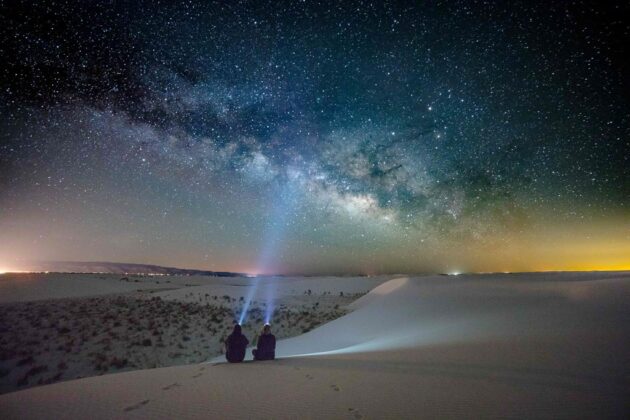
Stargazing and Photography: The park’s dark skies are perfect for stargazing. Join ranger-led full-moon hikes or simply stay after sunset for breathtaking views. The dunes’ reflective quality creates surreal sunset and night shots.
Biking: Cycle along Dunes Drive (paved, 8 miles). Bikes are not allowed on hiking trails or off-road areas for safety.
Ranger-Led Programs: Programs like orientation talks, nature walks, and Trinity Site tours (twice yearly, April and October) offer insights into the park’s geology, wildlife, and history. Check the NPS website for schedules.
Backcountry Camping: Ten primitive campsites are available 1 mile from Dunes Drive (6 miles from the visitor center). Sites are first-come, first-served, with no water or toilets. Groups are limited to six people. Note: Camping is currently closed for rehabilitation; check the NPS website for updates.
Note: Pets are allowed but must be leashed. The park is pet-friendly, making it great for families with dogs.
Where to Eat
Inside the Park: No dining facilities exist beyond the visitor center gift shop, which sells snacks and bottled drinks. Picnicking is popular—bring your own food and use the park’s shaded picnic tables or set up atop a dune (bring a beach umbrella for shade).
Nearby: Alamogordo (15 miles): Try Brown Bag Deli for New York-style sandwiches or Rizo’s Restaurant for Mexican cuisine. Both are highly rated. Las Cruces (52 miles): Offers diverse options like Andele Restaurante for authentic New Mexican dishes or Hotel Encanto for upscale dining with global flavors.
Tip: Pack a cooler with food and plenty of water, as no water is available beyond the visitor center.
Where to Stay
There are no accommodations within the park except for primitive backcountry camping (currently closed). Nearby options include:
Alamogordo (15 miles, 20-minute drive): Home2 Suites by Hilton: Modern, highly rated, ~$100–$150/night. Hampton Inn Alamogordo: Comfortable and reliable, ~$90–$130/night. White Sands Motel: Budget-friendly, ~$60–$80/night.
Las Cruces (52 miles, 1-hour drive): Hotel Encanto de Las Cruces: Spanish Colonial-style with pool and views, ~$120–$180/night. Fairfield Inn & Suites by Marriott: Affordable and modern, ~$80–$120/night.
Camping Outside the Park: Oliver Lee Memorial State Park (24 miles southeast): Tent and RV sites, ~$10–$14/night. Aguirre Springs Recreation Area (39 miles southwest): BLM-managed, ~$7–$15/night. Alamogordo KOA Journey: Private campground with RV and tent options, ~$30–$50/night.
Tips for a Great Visit
Pack Essentials: Bring sunscreen, sunglasses, a hat, and closed-toe shoes (sand gets everywhere). The gypsum sand stays cool to the touch, but the UV index is high. Carry at least 1 gallon of water per person for hiking. Sledding Safety: Use only plastic saucers; avoid makeshift sleds like cardboard. Supervise children on steeper dunes to prevent injuries.
Trail Navigation: Trails are marked with colored symbols (red for Alkali Flat, blue for Dune Life, orange for Backcountry). Strong winds may knock down markers, so download an offline map via AllTrails. Protect the Environment: Stay on designated trails to avoid damaging fragile dunes. Don’t leave trash or disturb wildlife.
Combine Your Trip: Pair White Sands with nearby attractions like the New Mexico Museum of Space History (Alamogordo), White Sands Missile Range Museum, or a road trip to Carlsbad Caverns (3 hours away) or Guadalupe Mountains National Park (2 hours away).
Final Thoughts
White Sands National Park is a bucket-list destination that feels like stepping onto another planet. Its dazzling white dunes, rich history, and endless opportunities for adventure—from sledding and hiking to stargazing—make it a must-visit. Plan your trip for spring or fall for the best weather, pack plenty of water, and prepare to be awed by the surreal beauty of this unique landscape. Whether you’re exploring with family or seeking a solo adventure, White Sands promises memories that will last a lifetime.
Happy travels!