


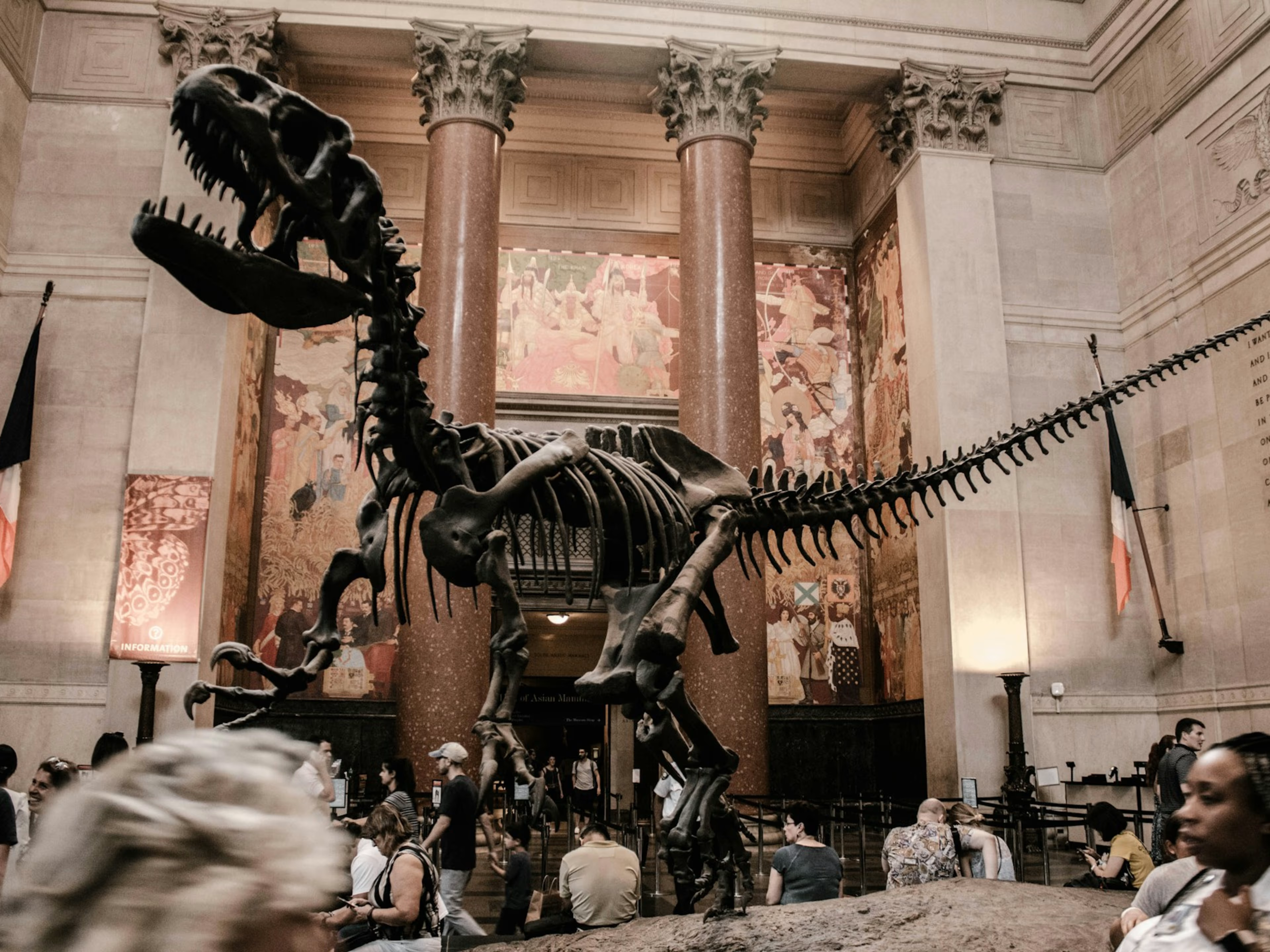

A Travel Guide to the American Museum of Natural History
The American Museum of Natural History (AMNH), located on the Upper West Side of Manhattan, is one of the world’s largest and most renowned natural history museums. Founded in 1869, it spans 21 interconnected buildings and houses over 32 million specimens, offering an immersive journey through time, space, and the natural world. From towering dinosaur skeletons to the awe-inspiring Hayden Planetarium, this iconic museum is a must-visit for families, science enthusiasts, and curious travelers alike. Here’s a comprehensive guide to plan your visit.
Why Visit the American Museum of Natural History?
The AMNH is a treasure trove of scientific discovery and cultural exploration, attracting nearly 5 million visitors annually. Its 45 permanent exhibition halls cover everything from prehistoric dinosaurs to the mysteries of the cosmos. Highlights include the massive Titanosaur, the 94-foot blue whale model, and immersive dioramas showcasing global ecosystems. The museum also served as the setting for the popular film Night at the Museum, adding a fun, pop-culture allure. With educational programs, interactive exhibits, and the state-of-the-art Gilder Center, it’s a destination that inspires wonder for all ages.
How to Get There
The AMNH is located at 200 Central Park West, New York, NY 10024, across from Central Park. It’s easily accessible from anywhere in New York City:
By Subway: Take the B (weekdays only) or C train to 81st Street–Museum of Natural History Station, which offers direct access to the museum via an underground entrance. Alternatively, take the 1 train to 79th Street and walk two blocks east (5–7 minutes). Subway fare: $3.25 per ride (MetroCard or contactless payment).
By Bus: The M79 bus stops directly at the museum on West 81st Street. Other nearby routes include M7, M10, M11, M86, and M104. Bus fare: $3.25, same as subway.
By Taxi or Ride-Hailing (Uber/Lyft): A taxi from Midtown Manhattan (e.g., Times Square) takes 10–15 minutes and costs $15–25, depending on traffic. Ride-hailing apps are similarly priced and convenient.
By Walking: If you’re in Central Park, the museum is a short stroll across from the park’s west side, near 79th Street. It’s also a 15-minute walk from the Metropolitan Museum of Art on the east side of the park.
By Car: Limited street parking is available, but the museum offers a parking garage at 81st Street (between Central Park West and Columbus Avenue). Rates are approximately $20–40 for a few hours.
Accessibility: The museum is fully wheelchair-accessible, with elevators, ramps, and a dedicated entrance at 81st Street. Service animals are welcome.
Best Time to Visit
Year-Round Appeal: The museum is open daily from 10:00 AM to 5:30 PM, except on Thanksgiving and Christmas Day. It’s a great indoor activity regardless of weather.
Optimal Timing: Seasons: Spring (March–May) and fall (September–November) offer pleasant weather for combining your visit with Central Park exploration. Summer is busy with tourists, while winter is quieter but colder.
Days and Times: Weekdays, especially Tuesday–Thursday mornings, are less crowded. Arrive at opening (10:00 AM) or late afternoon (after 3:00 PM) to avoid peak crowds. Weekends and holidays can be packed, especially during school breaks.
Special Events: Check the museum’s website for events like ClimateFest, Astronomy Live, or the Butterfly Vivarium (seasonal, typically October–May), which may influence your visit timing.
Tickets and Costs
General Admission: Adults: $30; Children (3–12): $18; Seniors/Students: $24; Children under 3: Free; Includes access to all permanent exhibits.
General Admission + One: Includes one special exhibition, giant-screen film, or Hayden Planetarium show (e.g., $38 for adults). General Admission + All: Covers all special exhibitions and shows (e.g., $49 for adults).
Pay-What-You-Wish: Available for New York, New Jersey, and Connecticut residents, but must be booked online with proof of residency (ID required).
Booking Tips: Purchase tickets online via the AMNH website or platforms like GetYourGuide or CityPASS to skip ticket lines. CityPASS ($154) includes AMNH admission plus other NYC attractions, offering up to 41% savings. Members get free admission and priority access; consider membership if visiting multiple times.
What to See and Do
Dinosaur Halls (4th Floor): Marvel at the Titanosaur, a 122-foot-long Patagotitan skeleton, one of the largest dinosaurs ever discovered. See the iconic Tyrannosaurus rex and Triceratops skeletons, complete with visible battle scars. The Hall of Saurischian Dinosaurs is a must for dino enthusiasts.
Milstein Hall of Ocean Life (1st Floor): Gaze up at the 94-foot blue whale model, the largest animal ever known, suspended from the ceiling. Explore dioramas of marine ecosystems, from coral reefs to deep-sea creatures.
Rose Center for Earth and Space (1st–2nd Floors): Visit the Hayden Planetarium for immersive space shows (additional ticket, ~25 minutes). Narrated by figures like Neil deGrasse Tyson, shows explore the cosmos in stunning detail. Check out the Scales of the Universe exhibit, featuring the massive Hayden Sphere.
Gilder Center for Science, Education, and Innovation: A new addition with the Davis Family Butterfly Vivarium (seasonal, extra ticket), where you can walk among 80+ butterfly species. The Solomon Family Insectarium showcases fascinating insects in interactive displays.
Akeley Hall of African Mammals (1st–2nd Floors): Admire beautifully crafted dioramas of African wildlife, including elephants, lions, and gorillas, set against realistic backdrops.
Allison and Roberto Mignone Halls of Gems and Minerals (1st Floor): Marvel at sparkling amethysts, a 12,000-pound geode, and rare gems that tell Earth’s geological story.
Hall of Human Origins (1st Floor): Explore human evolution through fossils like Lucy, a replica of the famous Australopithecus afarensis skeleton.
Special Exhibitions: Check the museum’s website for rotating exhibits like Cosmic Splendor or Life at the Limits, which often require additional tickets.
Activities: Join a free guided tour (75 minutes, 10:30 AM–3:30 PM every half hour) for an overview of highlights. Participate in family-friendly programs like OLogy science activities for kids. Relax in the museum’s quieter halls, like the Hall of North American Forests, featuring a 1,400-year-old sequoia slice.
Where to Eat
On-Site Dining: Food Court (Lower Level): Offers burgers, pizza, salads, and kid-friendly options ($10–20). Café on One (1st Floor): Sandwiches, coffee, and snacks in a casual setting. The Powerhouse (Gilder Center): A more upscale option with seasonal menus. Note: Outside food is not allowed in exhibit halls, but there are designated eating areas.
Nearby: Shake Shack (Columbus Ave at 77th St): Burgers and shakes, 5-minute walk. Zabar’s (Broadway at 80th St): Iconic deli with bagels and gourmet foods. Carmine’s (Broadway at 91st St): Family-style Italian, 10-minute walk.
Tip: Bring a reusable water bottle; water fountains are available throughout the museum.
Where to Stay
The AMNH is ideal for a day trip, but staying nearby enhances convenience, especially if combining with Central Park or other Upper West Side attractions:
Upper West Side Hotels: The Lucerne Hotel (4-star, 5-minute walk): Elegant with rates from $200–350/night. Hotel Beacon (3-star, 10-minute walk): Spacious rooms, ~$150–250/night. NYLO New York City (4-star, 10-minute walk): Boutique vibe, ~$180–300/night.
Budget Options: HI NYC Hostel (Amsterdam Ave at 103rd St): Dorm beds from $50–80/night, 15-minute subway ride. Airbnb rentals in the Upper West Side offer apartments from $100–200/night.
Booking Tip: Use Booking.com, Expedia, or Trip.com for deals, and book early for spring and fall.
Tips for a Great Visit
Plan Ahead: Download the AMNH app or grab a map at the entrance to navigate the vast layout. Prioritize 3–5 must-see exhibits, as covering all 45 halls in one day is challenging. Time Allocation: Allow 3–4 hours for a thorough visit, or half a day for a deeper exploration.
Photography: Allowed for personal use, but no flash or tripods in certain areas to protect exhibits. Comfort: Wear comfortable shoes for extensive walking, and use lockers ($2–5) for bags or coats.
Combine with Central Park: The museum’s location makes it easy to pair with a stroll through Central Park, just across the street. Visit Bethesda Fountain or the Central Park Zoo (15-minute walk).
Accessibility: Request assistive listening devices or inquire about sensory-friendly hours for a more comfortable visit. Crowd Avoidance: Book skip-the-line tickets online, and use the 81st Street entrance for faster access during peak times.
Final Thoughts
The American Museum of Natural History is a captivating blend of science, history, and wonder, offering something for everyone—from dinosaur enthusiasts to stargazers. Its iconic exhibits, cutting-edge planetarium, and immersive dioramas make it a highlight of any New York City trip. Plan your visit for a weekday morning, grab tickets in advance, and prepare to be awed by the natural world’s beauty and complexity. Pair it with a walk in Central Park for a perfect NYC day.
Happy exploring!


