
A Travel Guide to Central Park
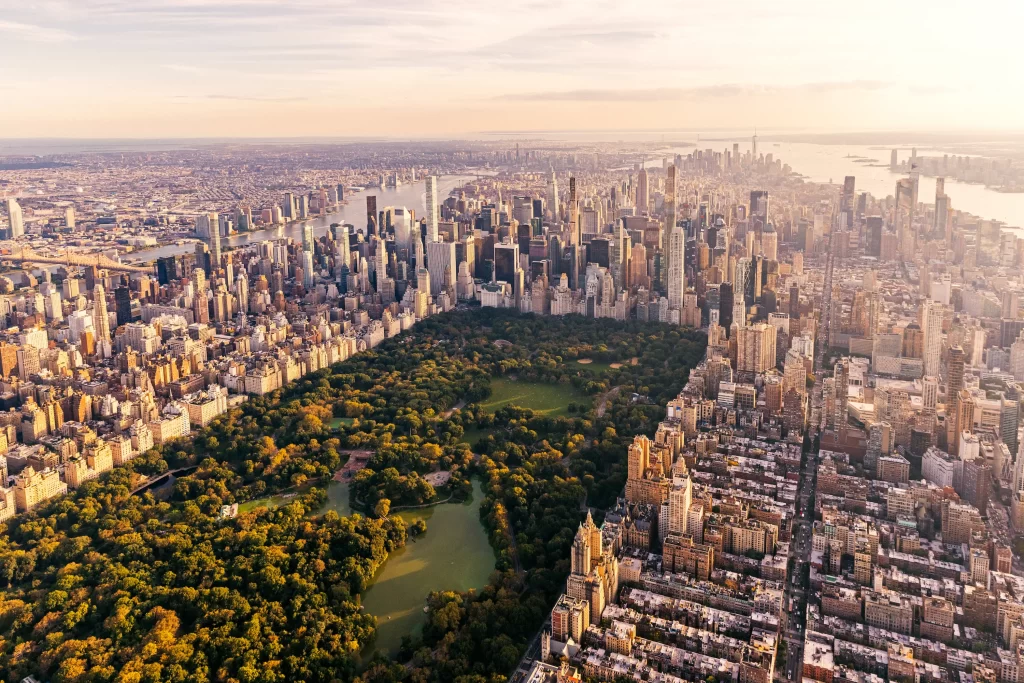
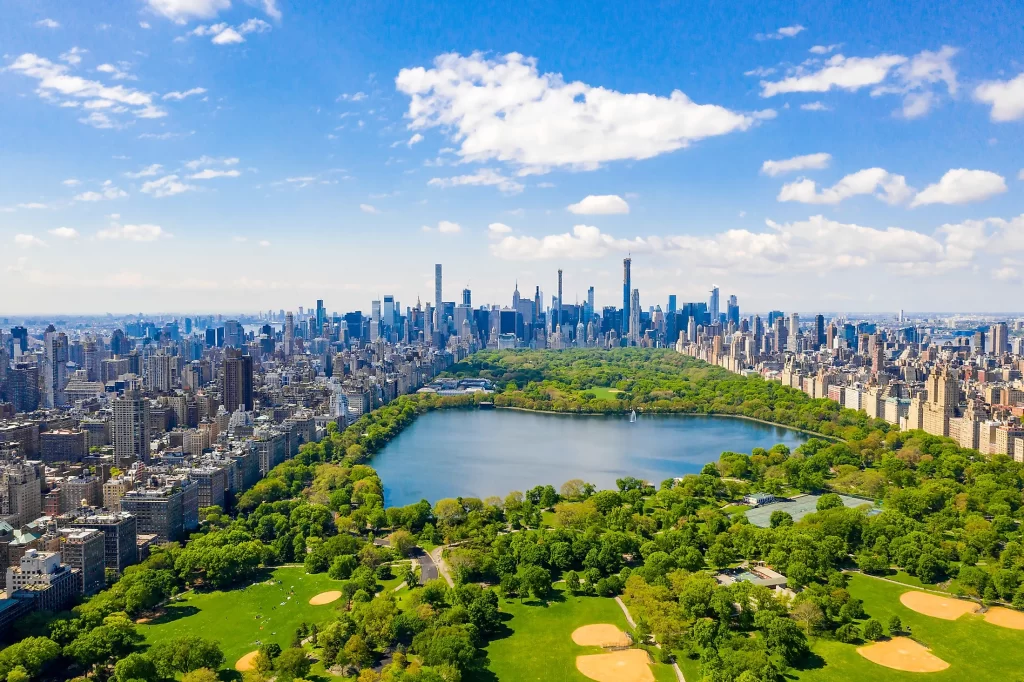
Central Park, an 843-acre urban oasis in the heart of Manhattan, is one of New York City’s most iconic landmarks and a must-visit destination for travelers. Designed by Frederick Law Olmsted and Calvert Vaux in 1858, this sprawling green space offers a blend of natural beauty, cultural attractions, and recreational activities. Whether you’re a first-time visitor or a seasoned New Yorker, Central Park provides endless opportunities for exploration, relaxation, and adventure. This guide will help you plan a perfect visit to this world-famous park.
Why Visit Central Park?
Central Park is more than just a park—it’s a cultural and historical treasure that reflects the spirit of New York City. With serene lakes, winding paths, historic statues, and vibrant recreational spaces, it caters to all interests. From iconic movie locations like Bethesda Terrace to seasonal events like ice skating, the park offers something for everyone. Its central location makes it an easy addition to any NYC itinerary, and its free access (for most areas) ensures it’s budget-friendly.
How to Get There
Located in Manhattan, Central Park stretches from 59th Street to 110th Street and between Fifth Avenue and Central Park West. It’s easily accessible by various modes of transportation:
By Subway: Lines: A, B, C, D, 1, 2, 3, N, Q, R, or W trains.
Key Stops: 59th Street-Columbus Circle (A, B, C, D, 1) for the southwest entrance. 72nd Street (B, C) for access to Strawberry Fields and Bethesda Terrace. 103rd Street (B, C) or 110th Street-Cathedral Parkway (B, C, 1) for the northern end. A one-way fare costs $3 (MetroCard or contactless payment). Travel time from Midtown (e.g., Times Square) is 5–15 minutes.
By Bus: Take crosstown buses like M1, M2, M3, M4 (along Fifth Avenue or Central Park West) or M10 (along Central Park West). Fares are $3, and buses stop at multiple park entrances.
By Taxi or Ride-Hailing (Uber/Lyft): A ride from Midtown to the park’s southern end takes 5–15 minutes and costs $10–20, depending on traffic. Drop-off points like Columbus Circle or Fifth Avenue at 59th Street are convenient.
By Foot or Bike: If staying in Manhattan, walking to the park is easy. For example, it’s a 10-minute walk from Times Square to the park’s southern edge. Citi Bike stations are scattered around the park’s perimeter, with rentals starting at $4.50 for 30 minutes.
Tip: Enter via the Vanderbilt Gate (Fifth Avenue at 59th Street) or Columbus Circle for proximity to major attractions like the Central Park Mall and Bethesda Terrace.
Best Time to Visit
Spring (March–May): Cherry blossoms and vibrant greenery make this a picturesque time. The park is lively but not overly crowded.
Summer (June–August): Warm weather brings free concerts, picnics, and boat rentals. Expect crowds, especially on weekends.
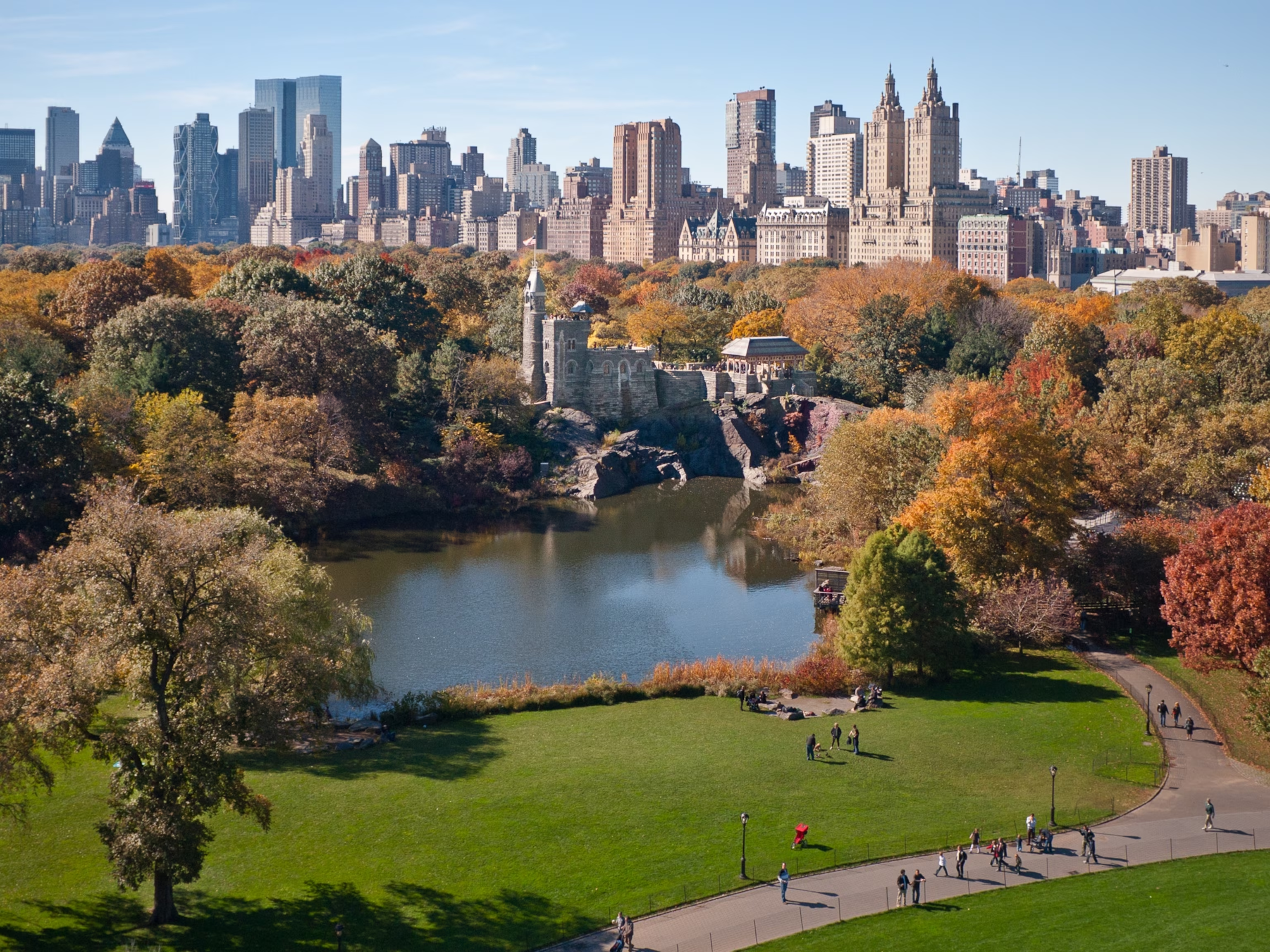
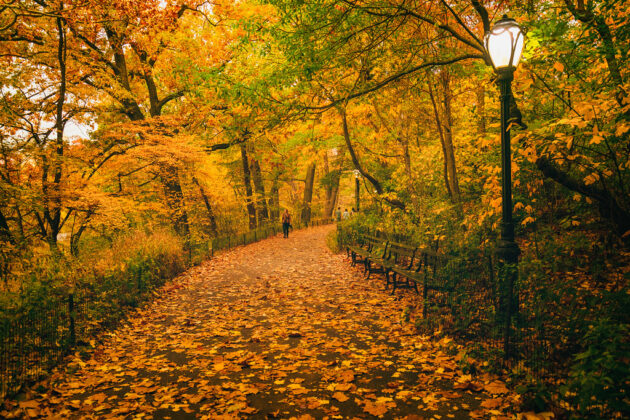
Autumn (September–November): Stunning fall foliage, particularly around the Ramble and Bow Bridge, creates a photographer’s paradise.
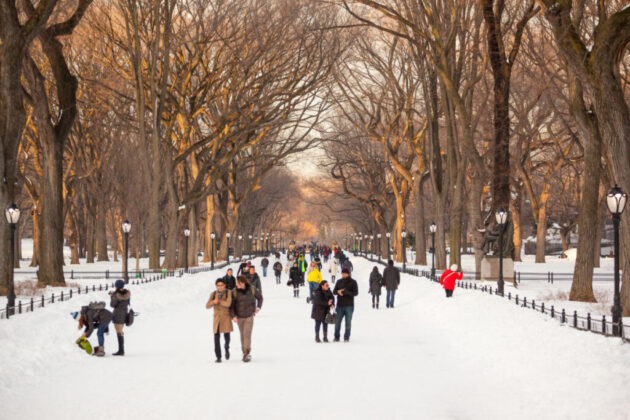
Winter (December–February): Ice skating at Wollman Rink and a quieter atmosphere make this a cozy time to visit, though dress warmly for NYC’s chilly winters.
Weather Tip: New York’s weather varies—summers can hit 85°F (29°C), while winters drop to 20°F (-6°C). Check forecasts and bring layers. Avoid peak holiday periods like Thanksgiving or Christmas for fewer crowds.
Top Attractions
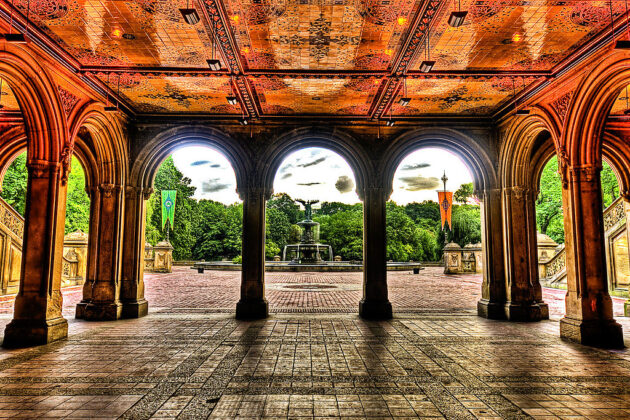
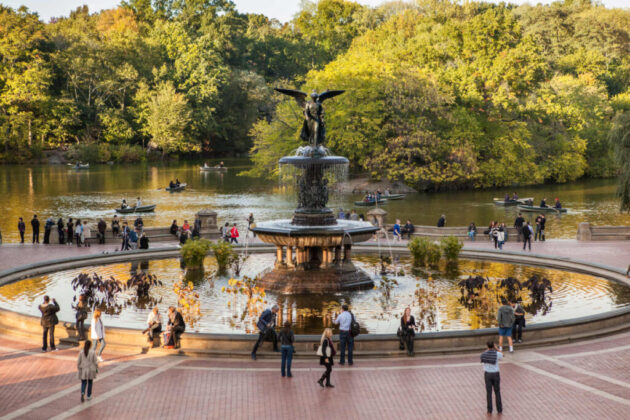
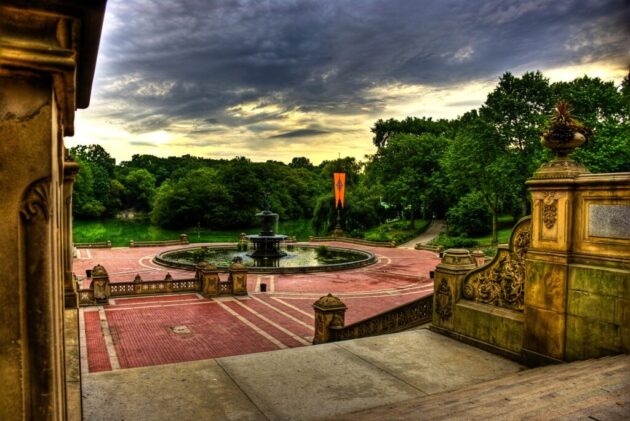
Bethesda Terrace and Fountain
Located at the heart of the park, Bethesda Terrace and its stunning fountain are must-see landmarks. The terrace offers a picturesque view of The Lake and features intricate architectural details.
The Mall and Literary Walk
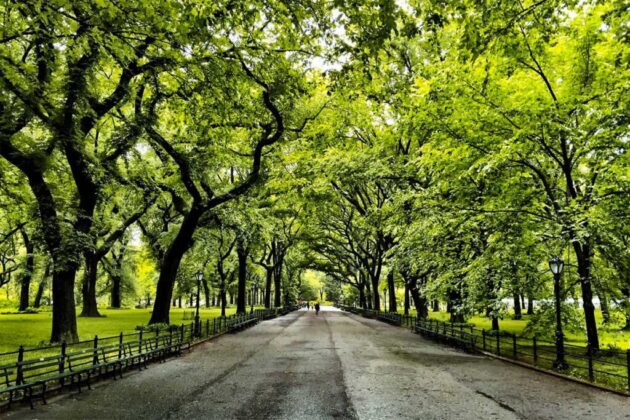
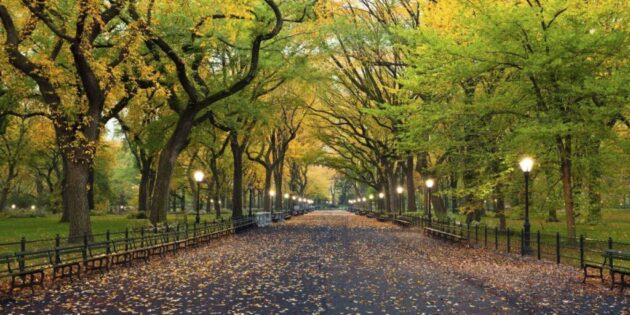
A tree-lined promenade that leads to the Bethesda Terrace, The Mall is perfect for a leisurely stroll. Literary Walk, at the southern end, is adorned with statues of renowned writers such as Shakespeare and Robert Burns.
The Great Lawn
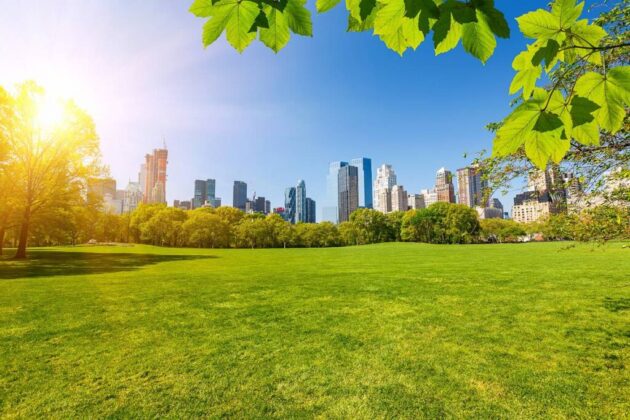
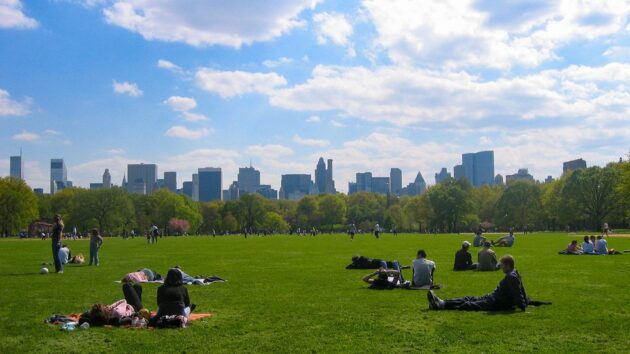
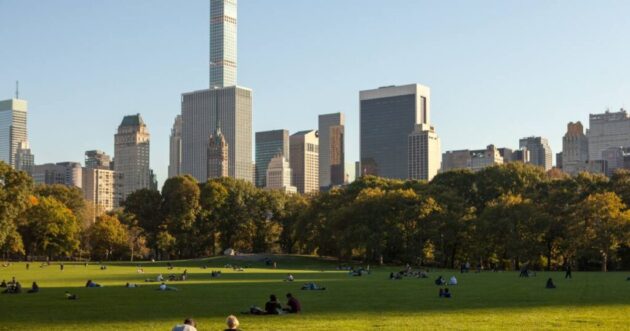
This expansive green space is ideal for picnics, sunbathing, and recreational activities. In the summer, it often hosts free concerts and performances.
Strawberry Fields
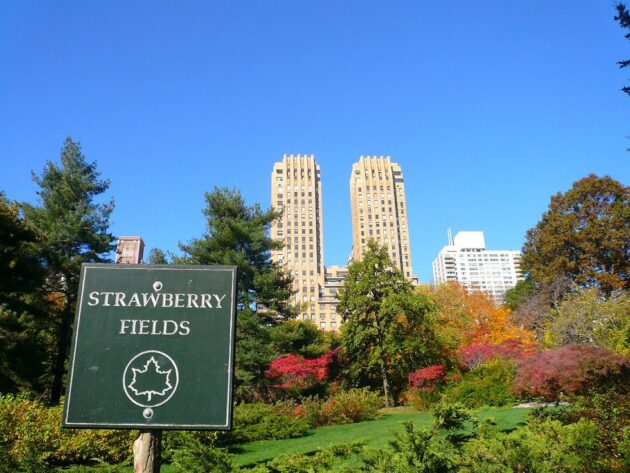
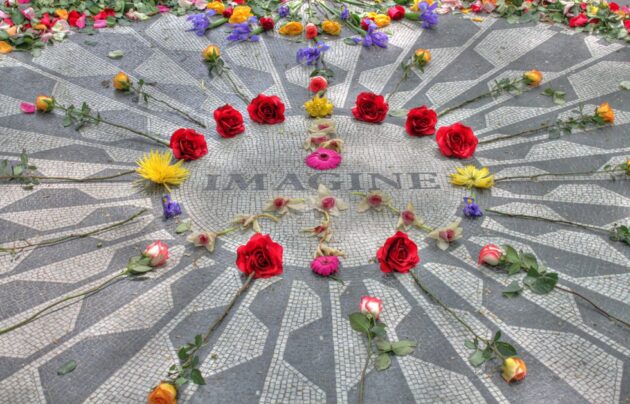
A living memorial to John Lennon, this tranquil area near West 72nd Street features the iconic “Imagine” mosaic. It’s a place for reflection and peace.
Belvedere Castle
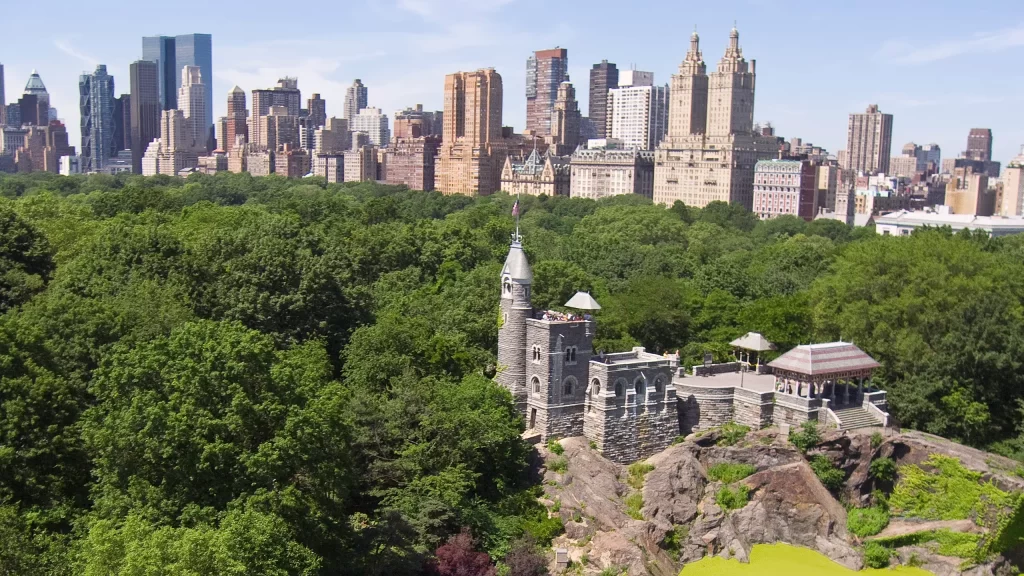
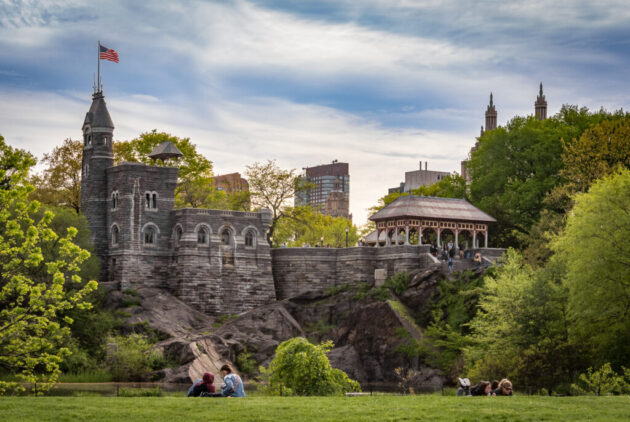
Offering panoramic views of the park and the city skyline, this miniature castle is located on Vista Rock and houses a visitor center and exhibit rooms.

Conservatory Garden
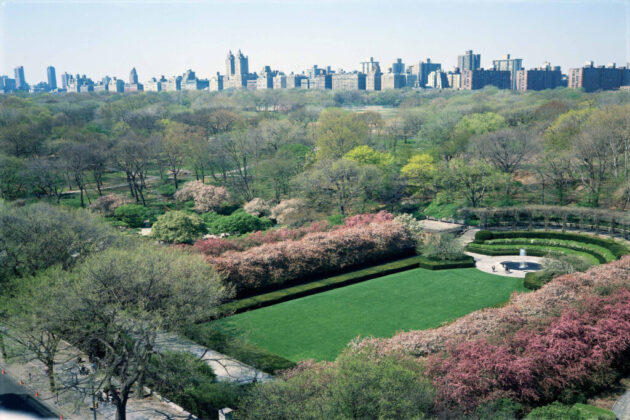
Located at Fifth Avenue and 105th Street, this beautifully maintained garden offers a peaceful retreat with its European-style formal gardens.

Central Park Zoo
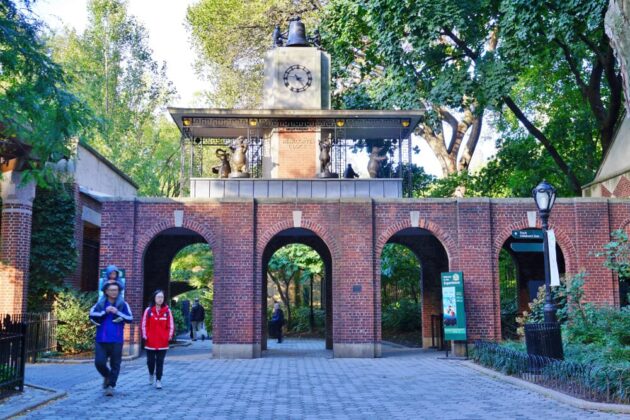
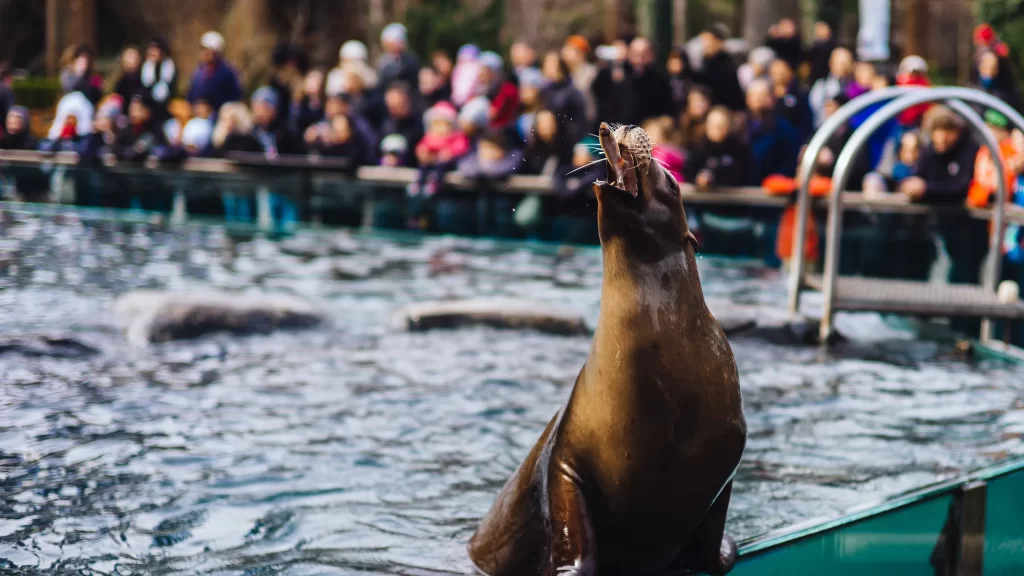
Situated near the southeast corner of the park, the Central Park Zoo is home to a variety of animals and offers interactive exhibits and educational programs.

The Ramble
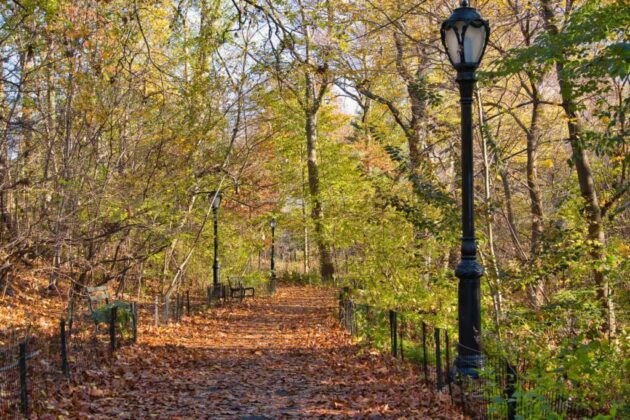
This 36-acre woodland area is perfect for nature enthusiasts and bird watchers. Its winding paths and dense foliage provide a sense of seclusion.

Where to Eat
In the Park: Loeb Boathouse Restaurant: Offers upscale dining with lake views (entrees $25–50) and a casual cafe for lighter fare ($10–20). Le Pain Quotidien (Sheep Meadow Cafe): Sandwiches, salads, and coffee near Sheep Meadow ($8–15). Food Carts: Hot dogs, pretzels, and ice cream are available throughout the park ($3–8).
Nearby: Tavern on the Green (West 67th Street): A historic restaurant with American cuisine ($20–40/entree). Shake Shack (Columbus Circle): Burgers and shakes ($6–12), a quick option just outside the park.
Tip: Picnicking is popular—bring a blanket and grab supplies from nearby Whole Foods (Columbus Circle) or Zabar’s (Upper West Side).
Where to Stay
Upper West Side (West of Park): The Lucerne Hotel (4-star, ~5-minute walk): Elegant and central, starting at $200/night. HI NYC Hostel (budget, ~10-minute walk): Dorm beds from $40–60/night.
Upper East Side (East of Park): The Carlyle (5-star, ~10-minute walk): Luxury with old-world charm, from $400/night. The Mark Hotel (5-star, ~5-minute walk): Boutique luxury, from $500/night.
Midtown (South of Park): Park Lane Hotel (4-star, ~2-minute walk): Great views of the park, from $250/night.
Booking Tip: Use Booking.com, Expedia, or Airbnb for deals, and book early for spring or fall visits.
Tips for a Great Visit
Wear Comfortable Shoes: The park’s size requires lots of walking—bring sneakers for trails or flip-flops for lounging. Download a Map: The official Central Park app or website offers free maps to navigate its 36 bridges, 7 lakes, and countless paths.
Safety: The park is generally safe during the day but stick to well-lit areas at night. Avoid secluded spots like the Ramble after dark. Guided Tours: Consider a walking tour ($25–50) or pedicab tour ($60–100/hour) for a curated experience.
Photography: Iconic spots like Bow Bridge and Bethesda Fountain are best at sunrise for fewer crowds and soft lighting. Eco-Friendly Practices: Respect the park’s wildlife and plants—stick to paths and avoid littering.
Final Thoughts
Central Park is a microcosm of New York City’s diversity, offering natural beauty, cultural landmarks, and endless activities. Whether you’re rowing on the lake, catching a free concert, or simply strolling through its scenic paths, the park delivers unforgettable moments. Plan your visit around the season, arrive early to explore at your own pace, and let Central Park’s charm captivate you.
Happy travels!