

A Travel Guide to Great Smoky Mountains National Park
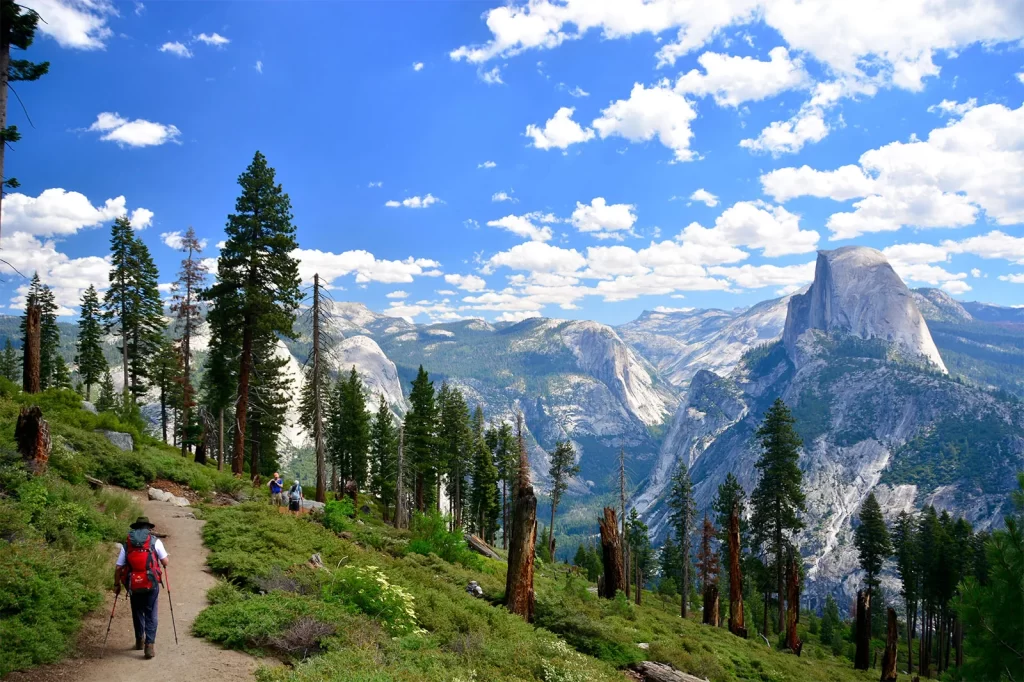
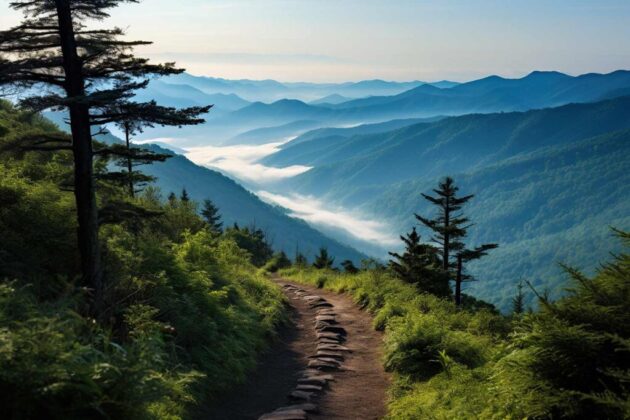
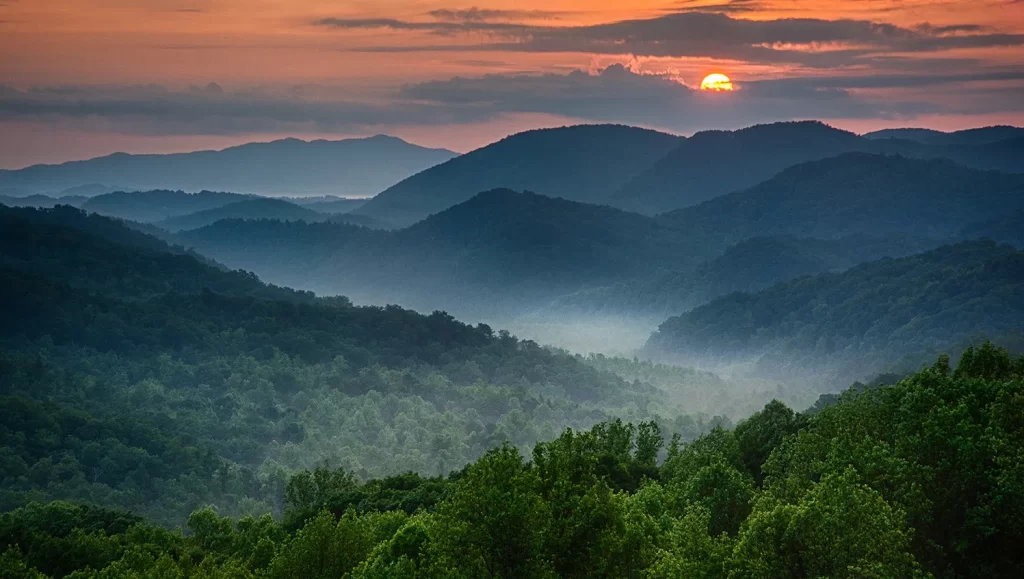
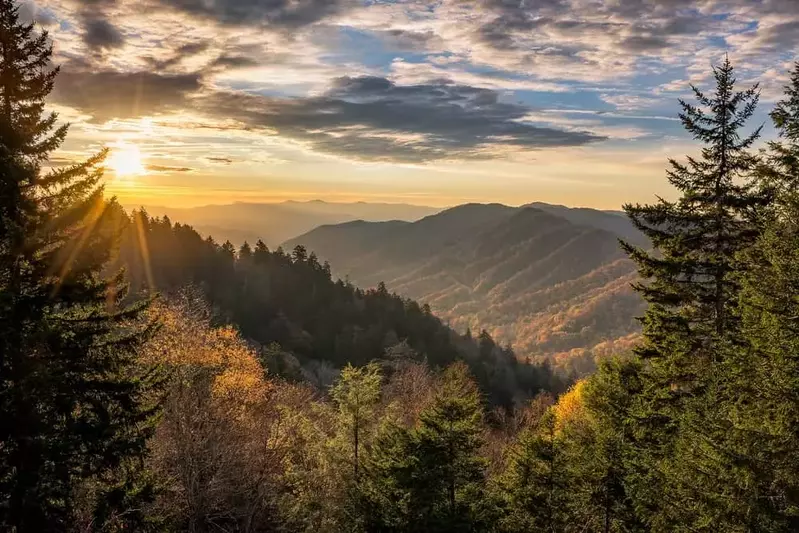
Straddling the border of Tennessee and North Carolina, Great Smoky Mountains National Park is America’s most visited national park, drawing over 13 million visitors annually to its 522,000 acres of misty peaks, lush forests, and vibrant wildlife. Renowned for its biodiversity, historic Appalachian culture, and stunning landscapes, the park offers endless opportunities for hiking, scenic drives, and cultural exploration. Whether you’re chasing waterfalls, spotting black bears, or soaking in panoramic views, this guide will help you plan an unforgettable trip to the Smokies.
Why Visit Great Smoky Mountains National Park?
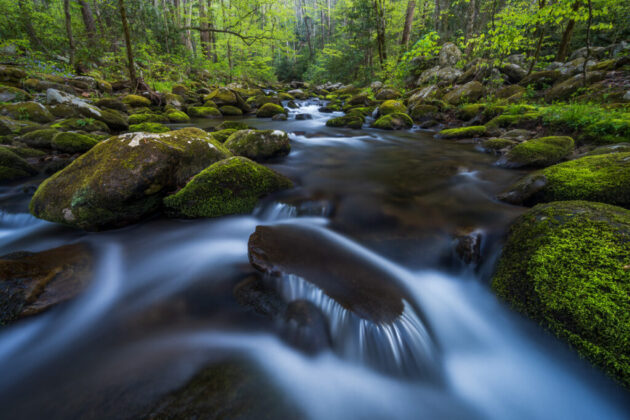
The Smokies are a treasure trove of natural and cultural wonders. The park boasts over 800 miles of trails, more than 100 waterfalls, and a rich ecosystem with 65 mammal species, 200 bird species, and 30 types of salamanders, earning it the nickname “Salamander Capital of the World.” Its ancient forests, part of the Appalachian Mountains, feature some of the oldest trees in the eastern U.S. Historic sites like Cades Cove and Cataloochee Valley preserve Southern Appalachian heritage, while scenic drives like Newfound Gap Road offer breathtaking vistas. Best of all, entry is free, making it a budget-friendly adventure.
How to Get There
The park has three main entrances, accessible from gateway towns:
Gatlinburg, Tennessee (Main Entrance): The most popular entry, just 2 miles from downtown Gatlinburg. By Air: Fly into McGhee Tyson Airport (TYS) in Knoxville, TN, about 1 hour 15 minutes from the Sugarlands Visitor Center. Flights are available from major U.S. cities. By Car: From Knoxville, take US-441 S (40 miles). From Atlanta, it’s a 3-hour drive via I-985 N and US-441 N. Public Transport: Limited; consider ride-hailing apps like Uber or taxis from Gatlinburg.
Cherokee, North Carolina: Located near the Oconaluftee Visitor Center, ideal for accessing the park’s southern areas. About 55 miles (1 hour 10 minutes) from Asheville, NC, via US-19 and US-441 N. Offers cultural attractions like the Museum of the Cherokee Indian.
Townsend, Tennessee: A quieter entrance near Cades Cove, accessible via US-321 and Laurel Creek Road. Roughly 30 miles from Knoxville.
Parking Pass: Since March 2023, a parking tag is required for vehicles parked longer than 15 minutes: $5 (daily), $15 (weekly), or $40 (annual). Purchase at visitor centers or online at recreation.gov.
Tip: Avoid Gatlinburg during peak seasons (summer and October) due to heavy traffic. Cherokee or Townsend entrances offer quieter access.
Best Time to Visit
Spring (March–May): Vibrant wildflowers, including trilliums and lady’s slippers, bloom across the park. Mild weather (50–70°F) and fewer crowds make it ideal for hiking. Summer (June–August): Lush greenery and warm temperatures (70–85°F) attract families, but it’s the busiest season. Start early to avoid crowds and humidity.
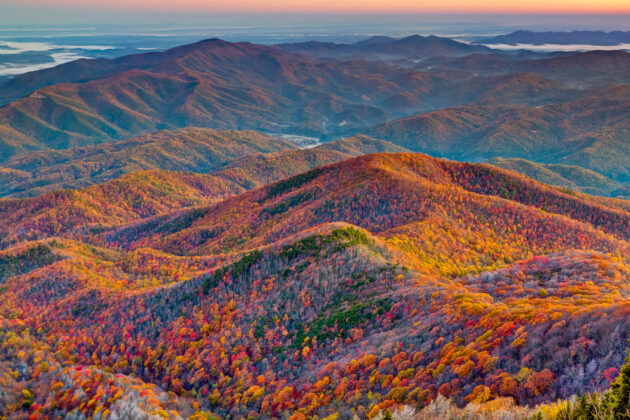
Fall (September–November): The park’s famous fall foliage peaks in mid-October, drawing 1.7 million visitors. Book accommodations early for this vibrant season. Winter (December–February): Quiet and serene, with occasional snow adding charm. Some roads (e.g., Clingmans Dome) may close, but trails remain open. Dress warmly as temperatures can drop below 20°F.
Special Event: The Synchronous Firefly Viewing (late May–early June) at Elkmont is a bucket-list experience. Apply for a lottery-based parking pass via the National Park Service website.
Tickets and Opening Hours
Entry Fee: Free, a rarity among U.S. national parks, due to a 1934 agreement prohibiting tolls on park roads. Parking Tag: Required for parking over 15 minutes (see above). Hours: The park is open 24/7, year-round, though some roads and facilities close during winter storms. Check the National Park Service website for updates.
Visitor Centers: Sugarlands (Gatlinburg): Open 9:00 AM–5:00 PM, with exhibits, a film, and trail maps. Oconaluftee (Cherokee): Open 9:00 AM–5:00 PM, featuring the Mountain Farm Museum. Cades Cove: Open 9:00 AM–5:00 PM (seasonal hours vary).
What to See and Do
Scenic Drives: Newfound Gap Road (US-441): Newfound Gap Road (U.S. Route 441) is a scenic 31-mile highway traversing the Great Smoky Mountains National Park, connecting Cherokee, North Carolina, and Gatlinburg, Tennessee. As the lowest drivable pass in the park (elevation 5,046 ft), it offers diverse ecosystems, from cove hardwood forests to spruce-fir woodlands, with temperatures often 10°F cooler than the lowlands. Key landmarks include the Rockefeller Memorial, Newfound Gap overlook (straddling the NC-TN state line), and access points to the Appalachian Trail and Clingmans Dome.
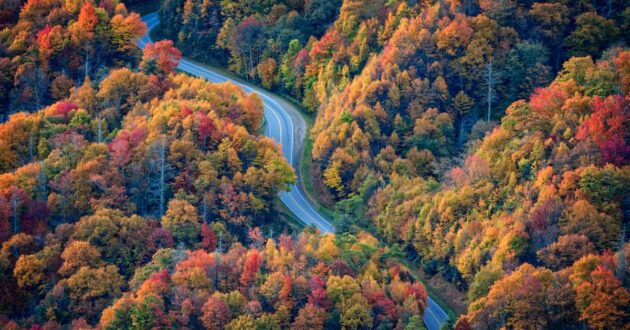


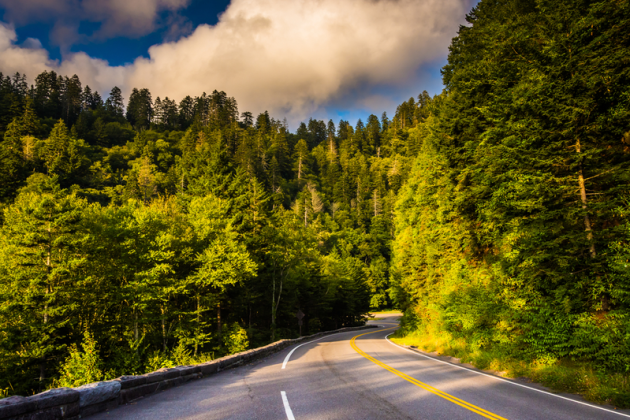

Cades Cove Loop Road: Cades Cove Loop Road is an iconic 11-mile, one-way scenic drive in Great Smoky Mountains National Park, Tennessee, renowned for its stunning mountain vistas, abundant wildlife, and well-preserved historic structures. This picturesque loop winds through a lush valley, offering visitors glimpses of 19th-century cabins, churches, and a working grist mill, alongside opportunities to spot black bears, deer, and other wildlife. The road is open year-round from sunrise to sunset, with vehicle-free days on Wednesdays (May–September) for cyclists and hikers.
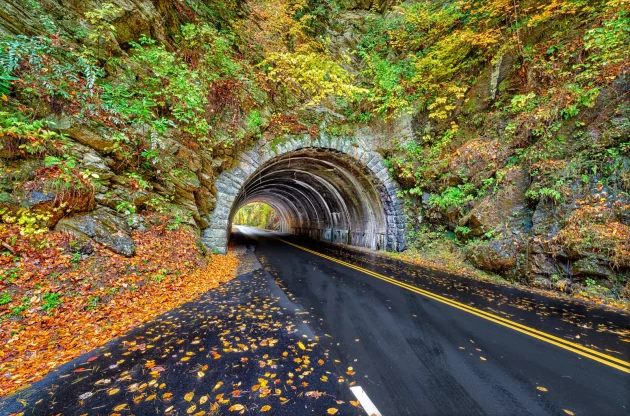
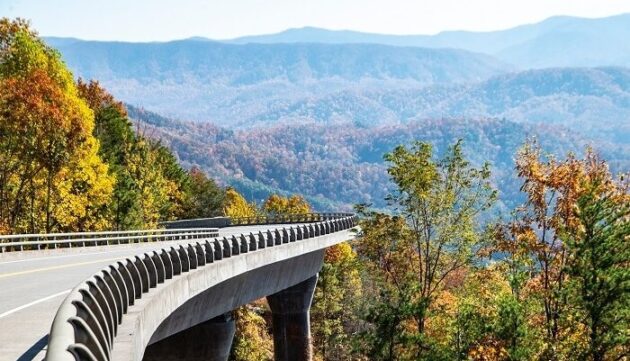

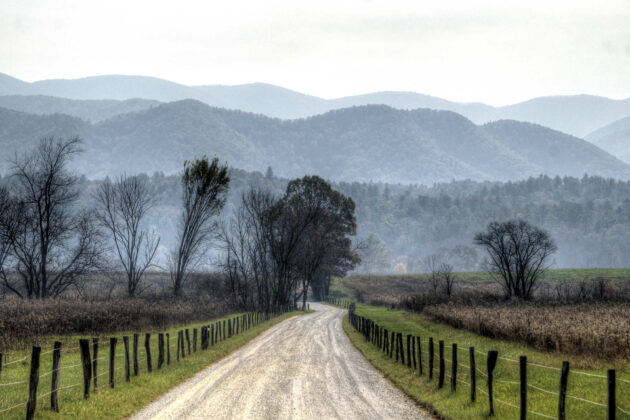
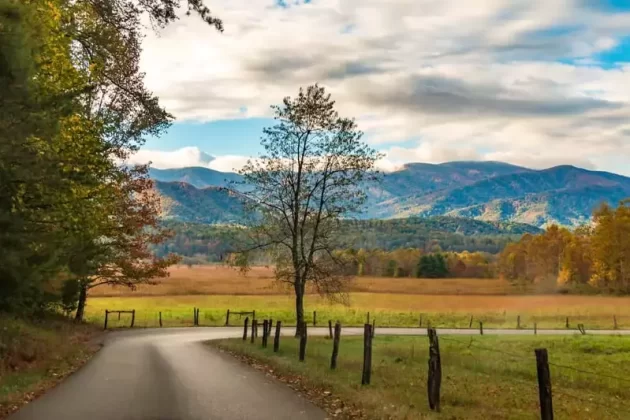
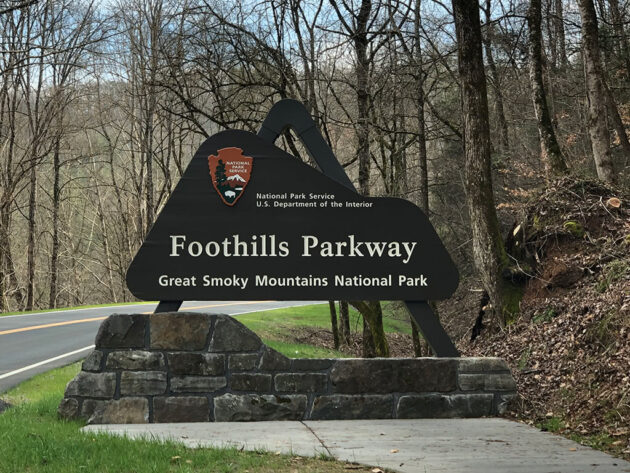
Foothills Parkway: The Foothills Parkway is a scenic drive in Great Smoky Mountains National Park, Tennessee, USA, authorized by Congress in 1944 to provide breathtaking views of the Smoky Mountains and surrounding valleys. Spanning a planned 72 miles, only about 38.6 miles are currently completed due to funding and terrain challenges. The parkway consists of two main open segments: a 33-mile western section (from Chilhowee Lake to Wears Valley) and a 5.6-mile eastern section (from Cosby to I-40), featuring overlooks, bridges, and stunning vistas of the mountains and Tennessee Valley.

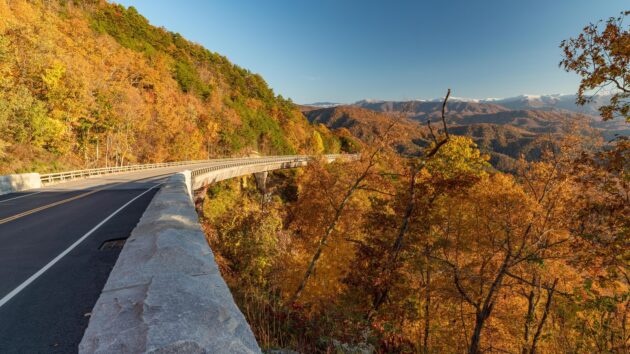
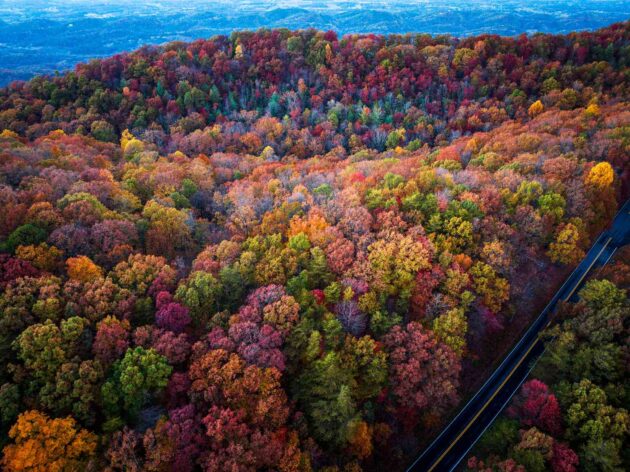
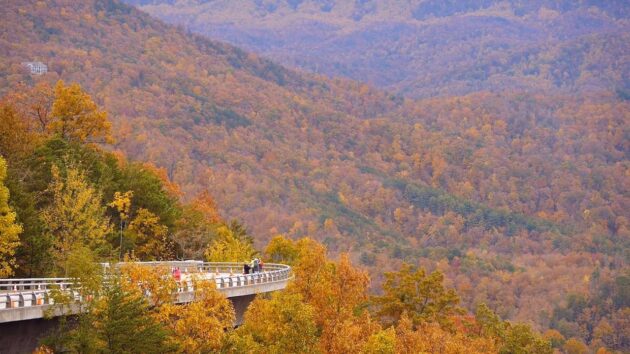
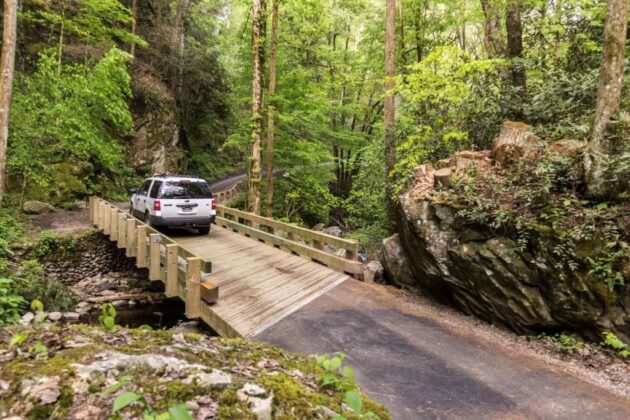
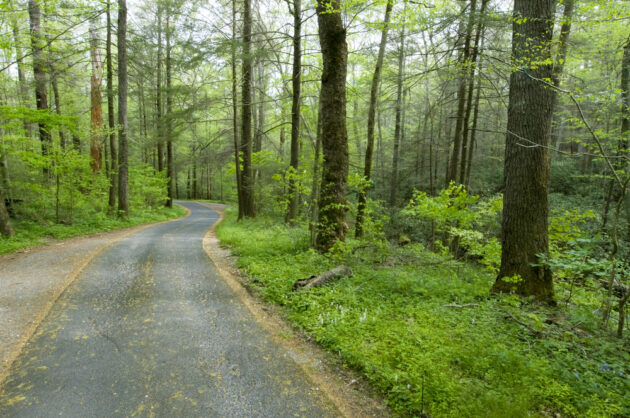
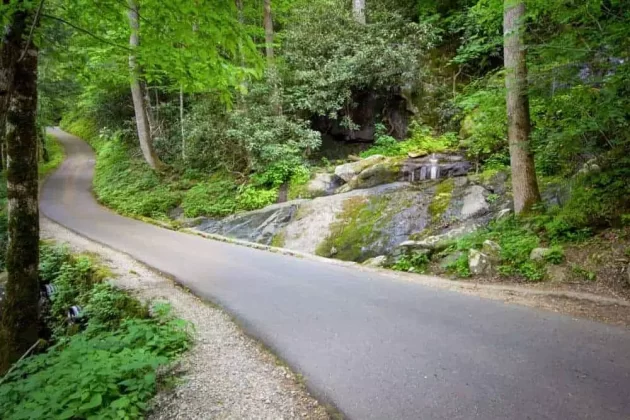
Roaring Fork Motor Nature Trail: The Roaring Fork Motor Nature Trail is a scenic 5.5-mile (or 6-mile, depending on sources) one-way loop drive in Great Smoky Mountains National Park, Tennessee, renowned for its lush forests, rushing mountain streams, and well-preserved historic homesteads like the Noah “Bud” Ogle farmstead. Named after the fast-flowing Roaring Fork stream, the trail offers access to waterfalls such as Rainbow Falls (80 ft) and Grotto Falls (the only waterfall in the park where visitors can walk behind the cascade).
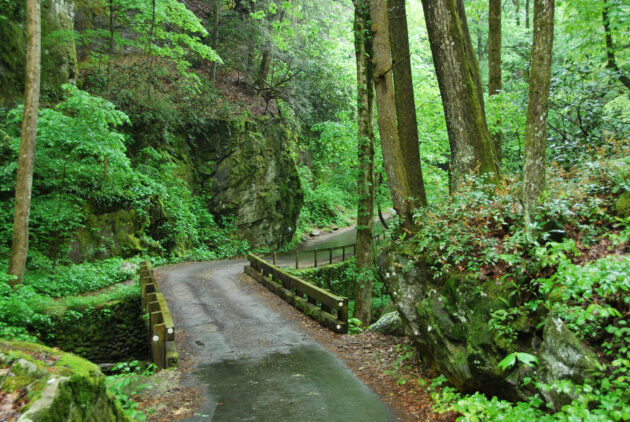
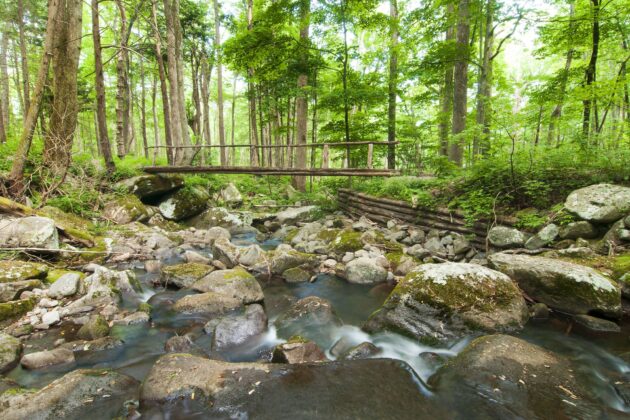
Hiking: Clingmans Dome (1 mile round-trip): The Clingmans Dome Trail, now officially known as the Kuwohi Trail (restored to its original Cherokee name in 2024), is a short but steep 0.5-mile (one-way) paved path in Great Smoky Mountains National Park, leading to the highest point in Tennessee (6,643 ft) and the third-highest peak east of the Mississippi. The trail ascends 330 feet to a futuristic 54-foot observation tower offering 360-degree panoramic views—on clear days, visibility spans over 100 miles across seven states. The road to the trailhead is closed seasonally (December–March), and while the path is paved, its steep grade makes it inaccessible for wheelchairs.



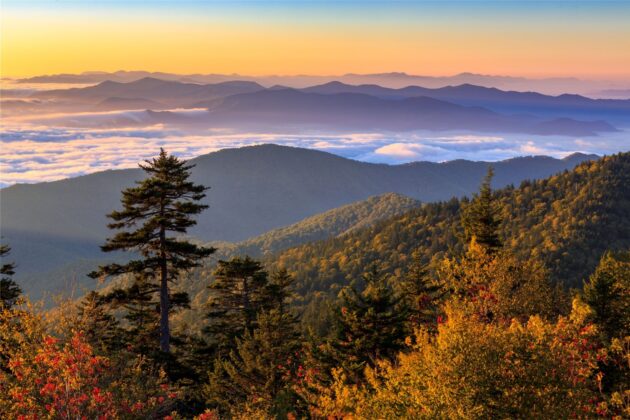

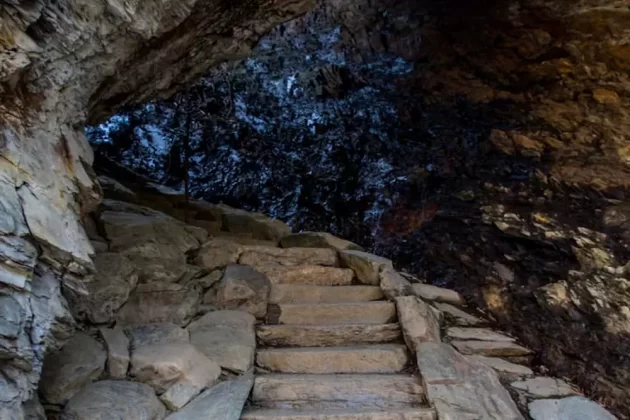
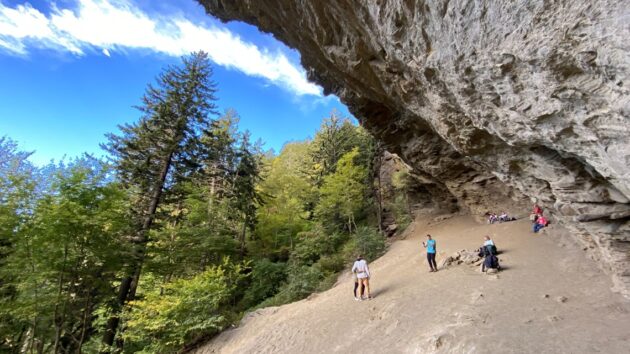
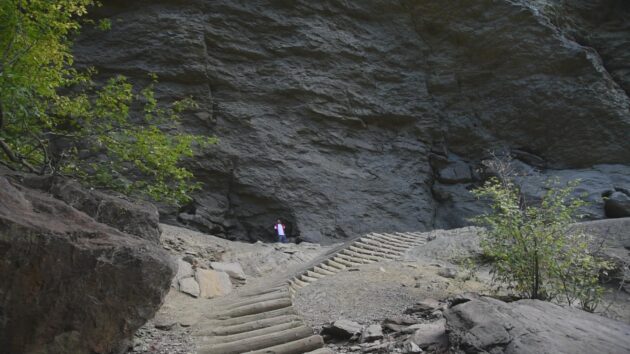
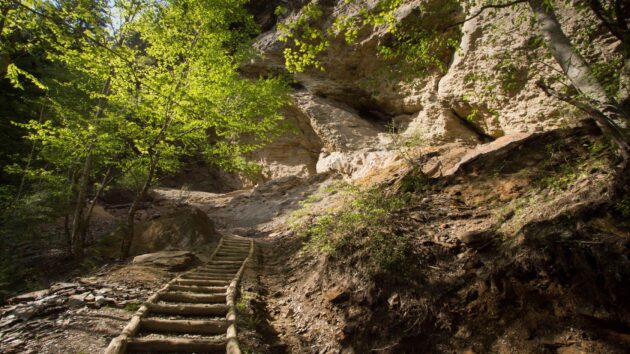
Alum Cave Trail (5 miles round-trip): The Alum Cave Trail in Great Smoky Mountains National Park, USA, is a scenic 4.6-mile (7.4 km) roundtrip hike featuring iconic landmarks like Arch Rock, Inspiration Point, and the towering Alum Cave Bluffs—a 75-foot (23 m) rocky overhang that stays dry even in wet weather. As the shortest but steepest route to Mount LeConte, it offers stunning views, old-growth forests, and mountain streams, with an elevation gain of 1,125 feet (343 m).
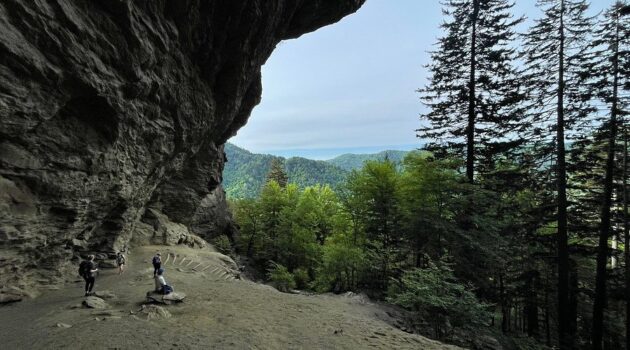
Laurel Falls (2.3 miles round-trip): The Laurel Falls Trail in Great Smoky Mountains National Park, USA, is a popular 2.6-mile roundtrip hike leading to an 80-foot waterfall, divided into upper and lower sections by a footbridge. The trail, originally built in 1932 for fire crews, was paved in the 1960s to prevent erosion and remains one of the park’s most accessible paths, though it features steep drop-offs and uneven pavement. Due to its popularity, parking can be challenging, and as of January 2025, the trail is closed for an 18-month rehabilitation project.
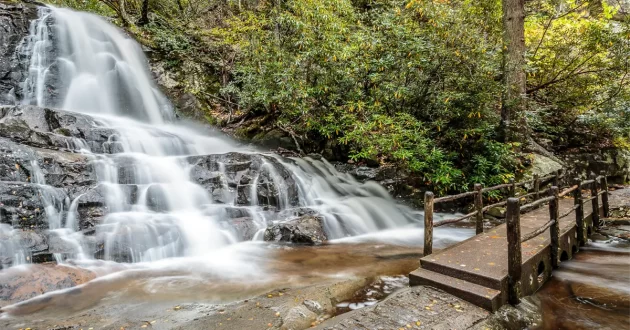
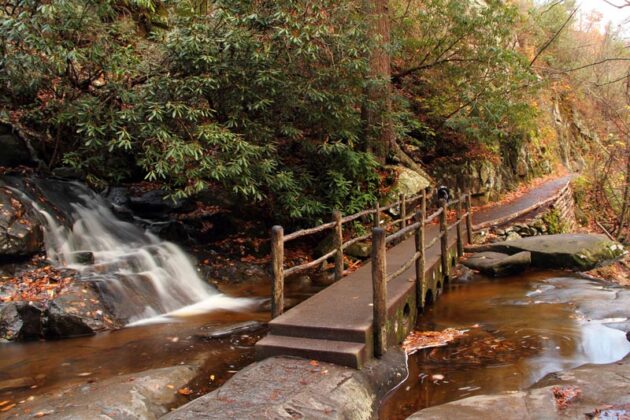
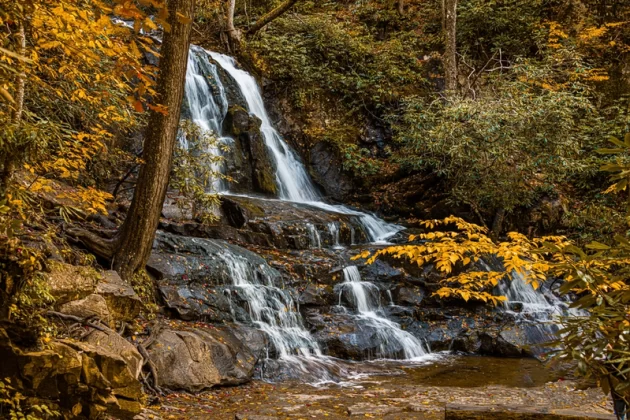
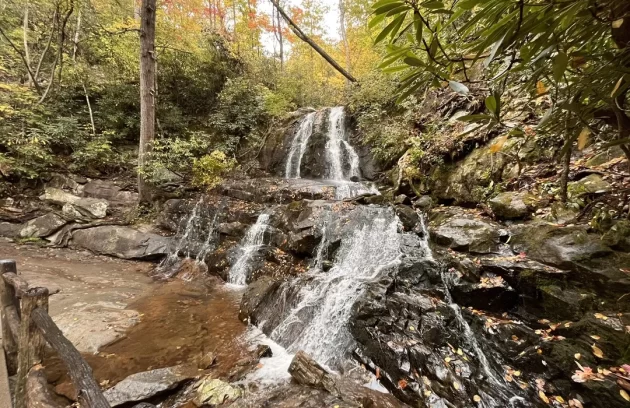

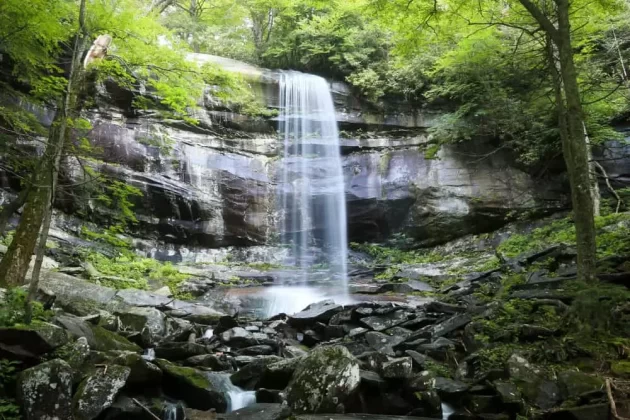
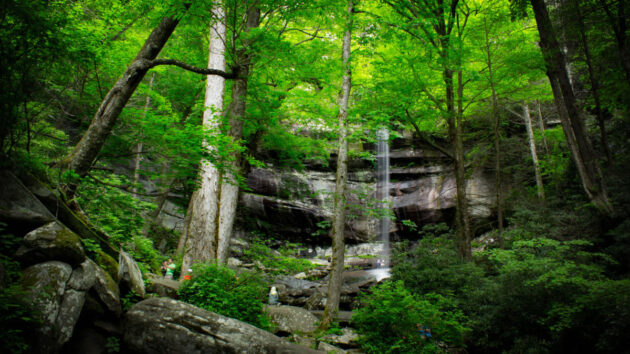
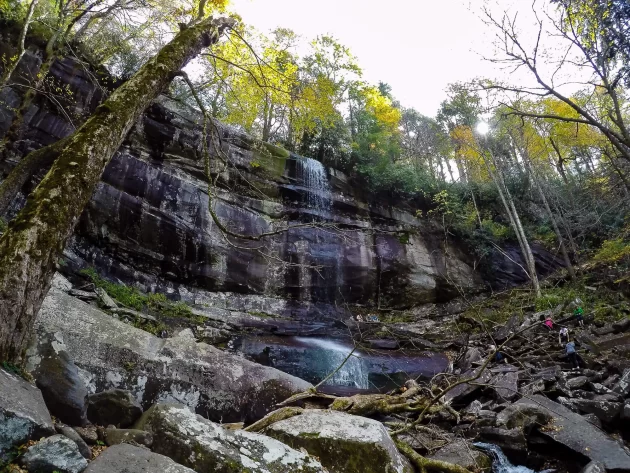
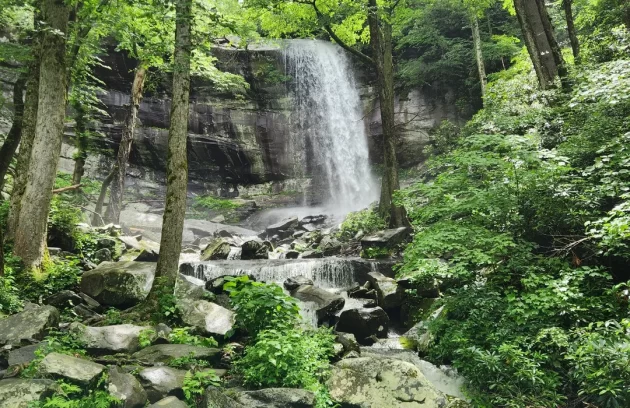
Rainbow Falls (5.4 miles round-trip): Rainbow Falls, located in Great Smoky Mountains National Park, Tennessee, is the park’s highest single-drop waterfall at 80 feet (24 meters), renowned for the mist-generated rainbows visible on sunny afternoons. The moderately strenuous 5.4–5.6-mile (8.7–9 km) roundtrip hike gains 1,500–1,685 feet (457–514 m) in elevation, passing old-growth forests, LeConte Creek, and rugged terrain with footbridges. The trailhead starts near Gatlinburg, with limited parking and icy conditions in winter.
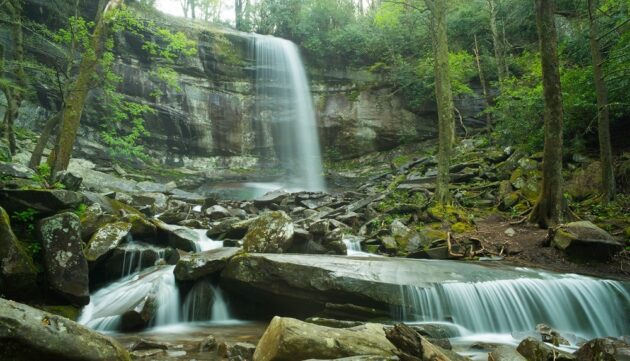
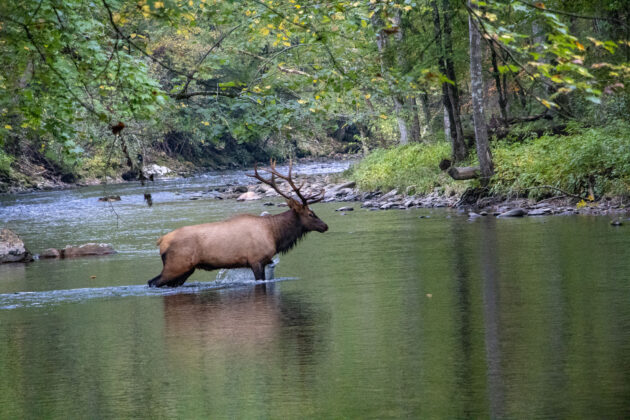
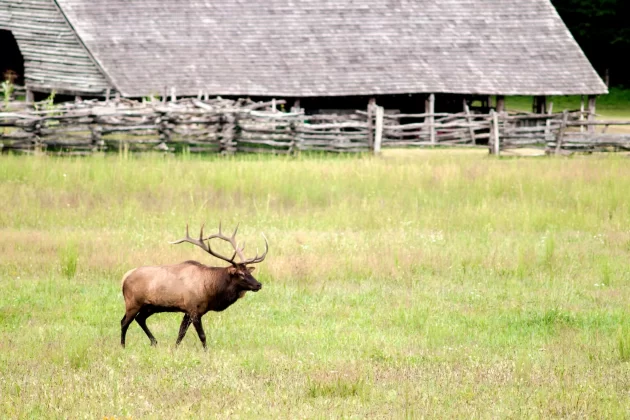
Wildlife Viewing: Cataloochee Valley: Cataloochee Valley, located in the remote southeastern region of Great Smoky Mountains National Park in North Carolina, is a scenic and historically rich area known for its reintroduced elk herds, preserved 19th- and early 20th-century homesteads, and lush mountain landscapes. Once a thriving Appalachian settlement, the valley now offers opportunities for wildlife viewing (especially elk at dawn and dusk), hiking along trails like Boogerman and Rough Fork, and exploring historic structures such as the Palmer House and Beech Grove School.
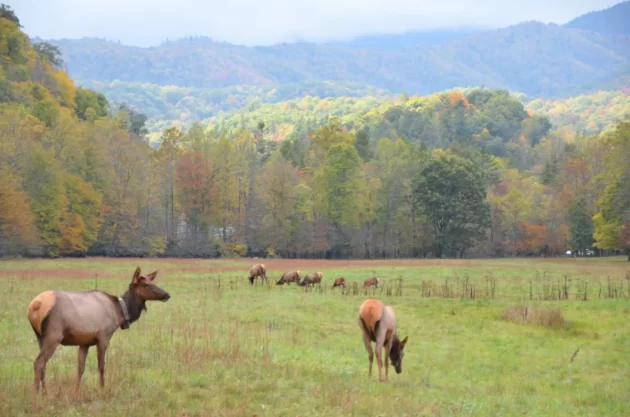
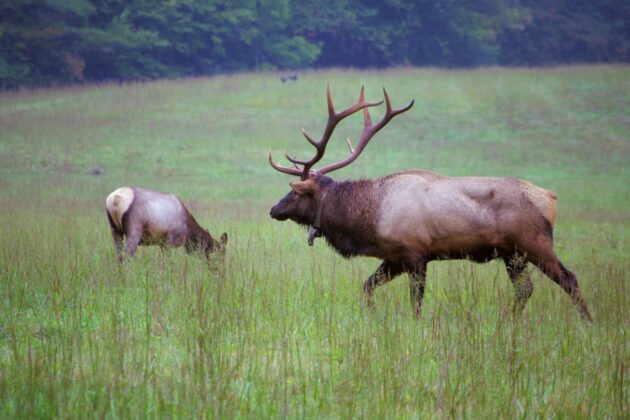
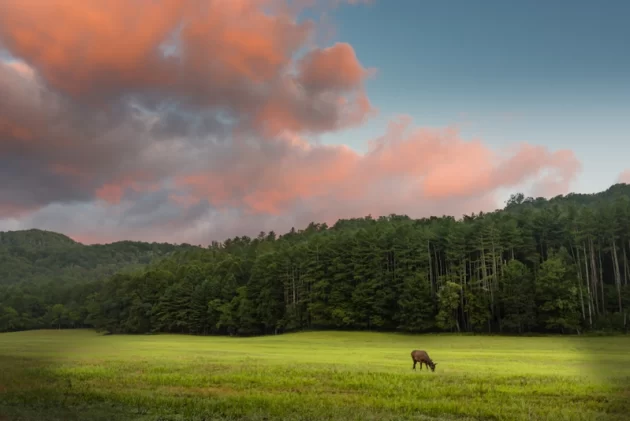

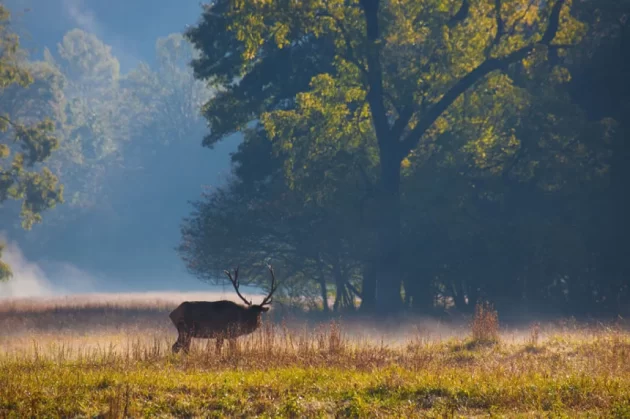
Cades Cove: Cades Cove is a scenic valley in the Great Smoky Mountains National Park, Tennessee, renowned for its rich history, abundant wildlife, and stunning mountain views. This 6,800-acre area features an 11-mile one-way loop road that passes by well-preserved historic structures, including log cabins, churches, and a working gristmill from the 18th and 19th centuries. Once home to Cherokee hunters and later European settlers, it is now one of the park’s most popular destinations, attracting over two million visitors annually for hiking, wildlife spotting (such as black bears and white-tailed deer), and exploring its cultural heritage.
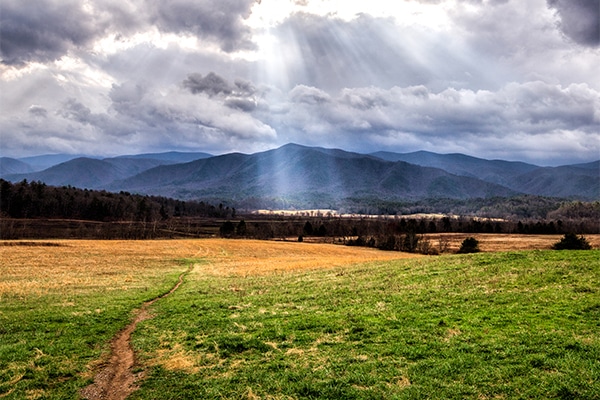
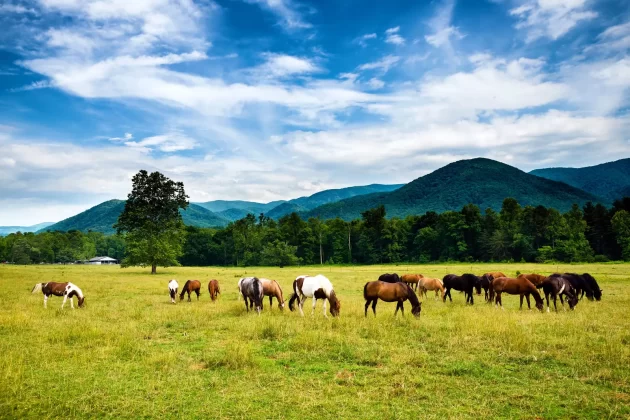
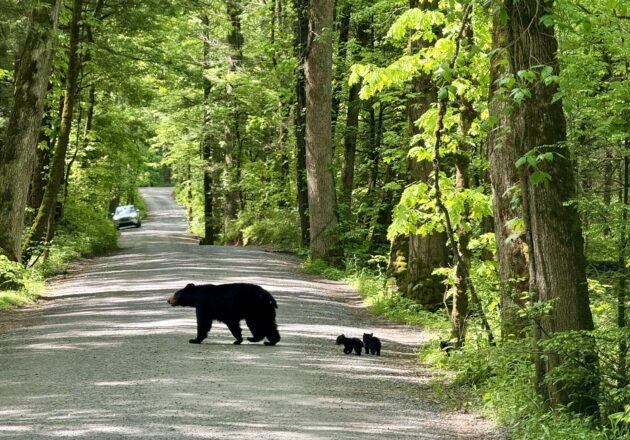
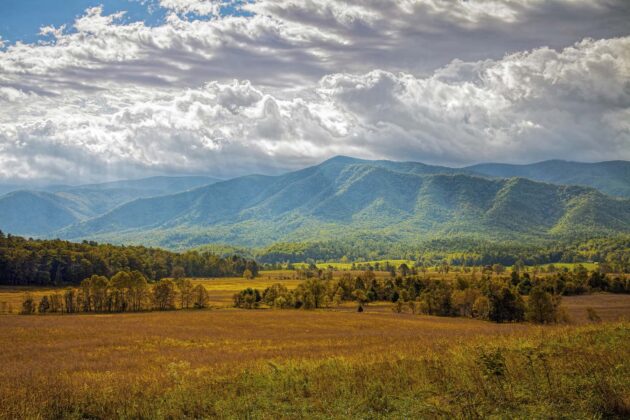
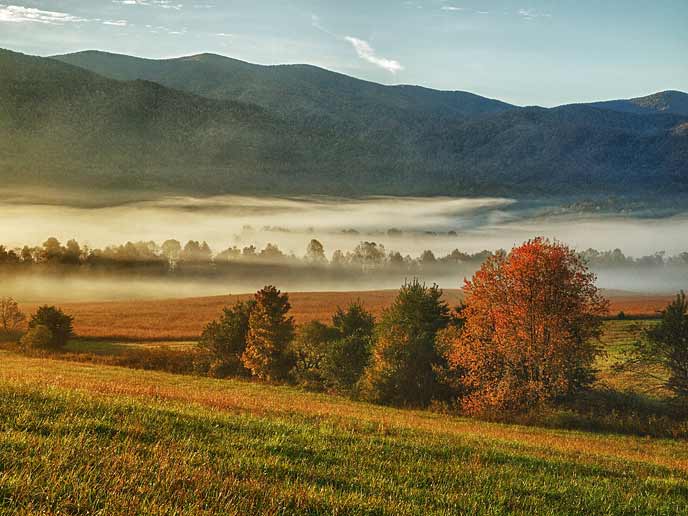
Oconaluftee Visitor Center: The Oconaluftee area in Great Smoky Mountains National Park, located near Cherokee, North Carolina, serves as the park’s primary southern entrance and features the Oconaluftee Visitor Center, a modern facility offering exhibits on Cherokee history, early settlers, and park ecology. This region is known for its scenic Oconaluftee River Trail (a pet- and bike-friendly path), the historic Mountain Farm Museum with 19th-century log structures611, and frequent elk sightings in nearby meadows.
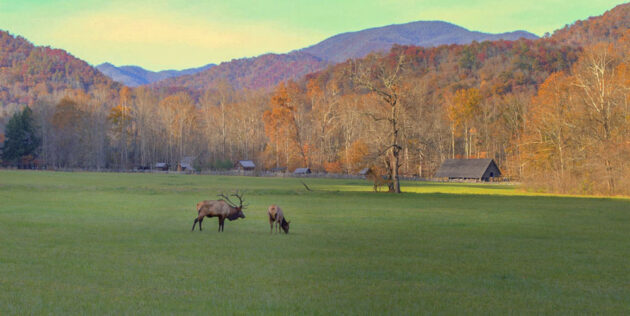
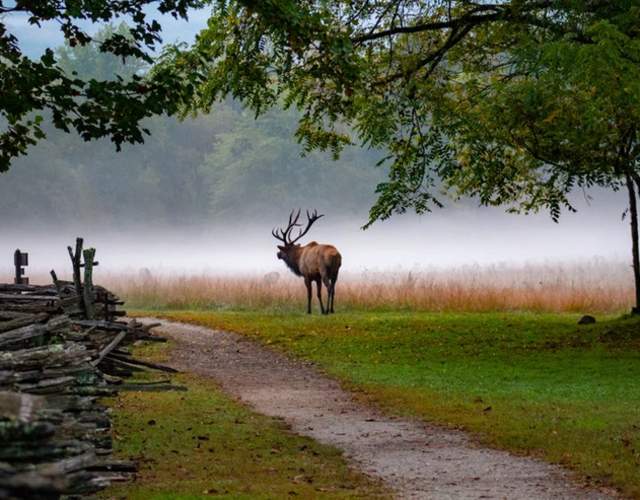
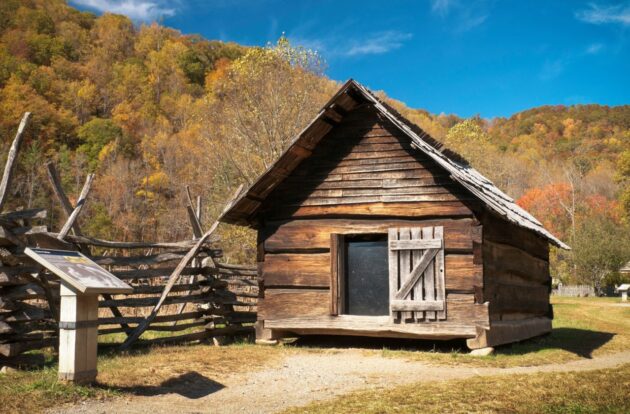
Historical Sites: Cades Cove: Explore 19th-century cabins, churches, and a working gristmill at the Mountain Farm Museum. Cataloochee Valley: Features preserved homesteads like the Caldwell and Palmer houses.
Mingus Mill: A historic gristmill near Oconaluftee, operational from March to November. Mountain Farm Museum: Adjacent to Oconaluftee Visitor Center, showcasing Appalachian life.
Other Activities: Waterfall Hikes: Visit Grotto Falls, Abrams Falls, or the Place of a Thousand Drips (drivable). Tubing: Cool off on the Little Pigeon River (Pigeon Forge) or Little River (Townsend). Outfitters like Rafting in the Smokies charge ~$46 per person.
Ranger-Led Programs: Free talks, night hikes, and Appalachian culture fairs at visitor centers. Biking: Cades Cove Loop is popular on car-free Wednesdays. The Roaring Fork Motor Nature Trail is open to cyclists year-round.
Where to Eat
Inside the Park: Food options are limited to concessions at major campgrounds (e.g., Cades Cove, Smokemont). Pack a picnic for scenic spots like Chimneys Picnic Area.
Gateway Towns: Gatlinburg: Try Pancake Pantry for breakfast (open 7:00 AM, expect lines) or Ole Smoky Candy Kitchen for taffy and chocolates. Pigeon Forge: Stock and Barrel offers bison burgers and duck-confit fries.
Asheville (NC): Biscuit Head serves hearty breakfasts with espresso red-eye gravy. Cherokee: Local restaurants near the Oconaluftee entrance offer Southern and Native American cuisine.
Tip: Bring reusable water bottles and snacks, as facilities are sparse in remote areas.
Where to Stay
Inside the Park: Camping: 10 frontcountry campgrounds (e.g., Cades Cove, Smokemont) cost $14–$25/night. Book via recreation.gov. Backcountry camping is free with a permit, ideal for remote sites like Mt. Sterling.
LeConte Lodge: The only lodging in the park, accessible by a 5–9-mile hike. Rustic cabins offer stunning views and family-style meals. Rates start at $184/adult, $100.25/child. Book early (lottery system).
Gateway Towns: Gatlinburg: Family-friendly with hotels like Hilton Garden Inn ($150–250/night) and budget motels ($80–120/night). Close to the park entrance. Pigeon Forge: Ideal for families, with resorts like Dollywood’s DreamMore Resort ($200–300/night) and cabins ($100–200/night).
Cherokee: Offers cultural immersion near the Oconaluftee entrance. Try Harrah’s Cherokee Casino Resort (~$150–250/night). Townsend: Quiet and less touristy, with campgrounds and cabins (~$80–150/night).
Asheville: A vibrant base 1–1.5 hours away, with options like The Omni Grove Park Inn ($200–400/night) or hostels ($50–100/night).
Tips for a Great Visit
Start Early: Beat crowds by arriving at popular spots like Cades Cove or Clingmans Dome before 8:00 AM. Wildlife Safety: Keep 150 feet from bears and elk. Never feed animals.
Pet Policy: Dogs are allowed in campgrounds, picnic areas, and two trails (Gatlinburg Trail, Oconaluftee River Trail) but must be leashed. Gear Up: Wear sturdy hiking shoes, bring layers for high elevations, and use the iNaturalist app to identify plants and wildlife.
Avoid Traffic: Skip Gatlinburg’s entrance during peak times; use Townsend or Cherokee instead. Combine Your Trip: Explore nearby attractions like the Blue Ridge Parkway, Asheville’s craft breweries, or Cherokee’s cultural sites.
Final Thoughts
Great Smoky Mountains National Park is a captivating blend of natural splendor and rich history, offering something for every traveler—whether you’re hiking to waterfalls, driving scenic routes, or immersing yourself in Appalachian culture. Its accessibility, free entry, and year-round appeal make it a must-visit destination. Plan ahead, embrace the misty mountains, and let the Smokies’ magic leave you inspired.
Happy travels!