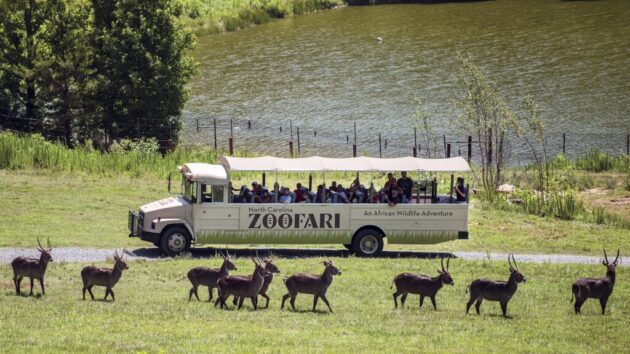

A Travel Guide to North Carolina Zoo
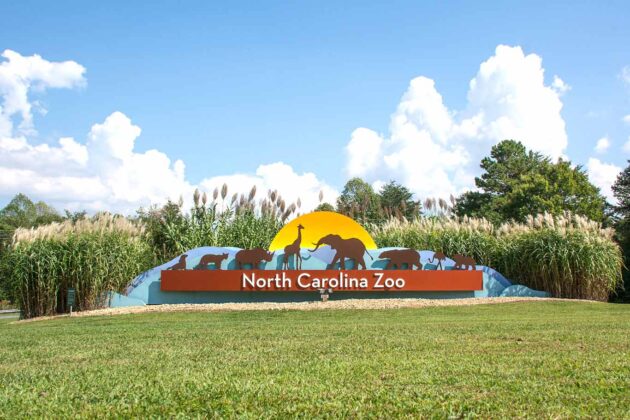
The North Carolina Zoo, located in Asheboro, North Carolina, is the world’s largest natural habitat zoo, spanning over 2,600 acres, with 500 acres developed into immersive exhibits. Home to more than 1,700 animals representing over 250 species, primarily from Africa and North America, this zoo offers a unique opportunity to experience wildlife in expansive, naturalistic settings. As one of only two state-supported zoos in the U.S., it combines conservation, education, and family-friendly adventure. Whether you’re a wildlife enthusiast, traveling with kids, or seeking a nature-based escape, this guide will help you plan an unforgettable visit.
Why Visit the North Carolina Zoo?
The North Carolina Zoo stands out for its commitment to mimicking natural habitats, allowing animals to roam in spacious environments that resemble their native ecosystems. From the 40-acre Watani Grasslands with elephants and rhinos to the Rocky Coast featuring polar bears and seals, the zoo offers a chance to witness biodiversity up close. Its conservation efforts, including breeding programs for endangered species like the American red wolf and southern white rhino, add depth to the experience. With 5 miles of walking trails, seasonal attractions, and educational programs, it’s a perfect destination for families, nature lovers, and conservation advocates. In 2024, the zoo celebrated its 50th anniversary and was voted one of the best zoos in the U.S. by USA Today’s 10Best Readers’ Choice Awards.
How to Get There
The North Carolina Zoo is located at 4401 Zoo Parkway, Asheboro, NC, approximately 75 miles west of Raleigh, 25 miles south of Greensboro, and 75 miles northeast of Charlotte.
By Car: Driving is the most practical option, with free parking available at both the North America and Africa entrances (Africa entrance open April–October). From Raleigh, take I-40 W to US-64 W; from Charlotte, take I-85 N to NC-49 S. The drive takes about 1.5 hours from either city.
Tip: Arrive early, especially during peak seasons (summer, holidays), as parking lots can fill up, leading to waits of 20 minutes to an hour. Overflow lots are available, and a shuttle runs every 20 minutes between the North America and Africa lots during peak season.
Public Transportation: No direct train or bus services reach the zoo. The nearest airport is Piedmont Triad International in Greensboro (45 miles away). Taxis or ride-hailing services (e.g., Uber, Lyft) from Asheboro are available but costly (~$20–30 one way).
Accessibility: The zoo is ADA-compliant, with trams (seating up to 64) and buses (seating up to 17) accommodating wheelchairs, strollers, and motorized scooters. Guests with disabilities are prioritized for transportation.
Best Time to Visit
Year-Round Access: The zoo is open 363 days a year, closing only on Thanksgiving and Christmas. Hours are 9:00 AM–4:00 PM (last entry at 3:00 PM), with extended hours in spring and summer.
Spring (March–May): Ideal for pleasant weather, blooming landscapes, and seasonal attractions like the Butterfly Garden and Zoofari tours (April–October). Springtime is less crowded than summer. Summer (June–August): Peak season with vibrant greenery and active animals, but it can be hot (up to 90°F). Start early and use shaded trails and indoor exhibits (e.g., Desert Dome) to beat the heat.
Autumn (September–November): Cooler temperatures and fewer crowds make this a great time to explore the 5 miles of trails, especially the scenic Moonshine and Motorsports Trail near Purgatory Mountain. Winter (December–February): Quieter with fewer visitors, but some animals (e.g., polar bears) are more active. Dress warmly, as temperatures can drop below 40°F.
Avoid: Holidays like Memorial Day and Labor Day, as well as summer weekends, due to crowds and parking challenges.
Tickets and Admission
General Admission: Adults: $15–$21 (plus tax); Children (2–12): $11–$15; Seniors (62+): $13–$17; Children under 2: Free. Discounts for military, NC EBT cardholders (with valid ID), and groups of 15+ (book 2 weeks in advance for group rates: $9–$13).
NC Zoo Society Membership: Offers free admission, discounts on tours, and 10% off gift shop purchases. Memberships start at ~$69/year and allow outside food (otherwise prohibited).
Special Experiences: Zoofari Tour (April–October): $30–$50 for a 45-minute open-air vehicle tour of Watani Grasslands. Ride-and-a-Guide Tours: $165–$250 for 1.5–3-hour golf cart tours (NC Zoo Society members get discounts). Fun Pass: Covers carousel, 4D theater, and other activities (~$15–$20, excludes Zoofari and giraffe feeding).
Booking: Purchase tickets online at nczoo.org for pre-ticketed entry (Lane 5) to skip lines. On-site ticket booths accept cash, credit, debit, Apple Pay, Google Pay, and zoo gift cards.
What to See and Do
The zoo is divided into two main regions—North America and Africa—with a new Asia region under construction (expected completion post-2025). Expect to walk 3–5 miles to see most exhibits, but trams and buses connect key areas.
North America Region: Rocky Coast: Features polar bears (a breeding pair part of the Species Survival Plan), seals, and the largest collection of Alaskan seabirds in the U.S. The polar bear exhibit is a highlight, though visibility can be hit-or-miss. Cypress Swamp: Home to alligators, snakes, and cougars in a lush, wetland-like setting.
Red Wolf Exhibit: Showcases the critically endangered American red wolf, with only 15–20 left in the wild. The zoo’s breeding program has contributed to reintroduction efforts. KidZone: A 2.5-acre interactive area with a stream, fort-building, Treetop Walkway, and Animal Encounters where kids can meet tortoises and other species.
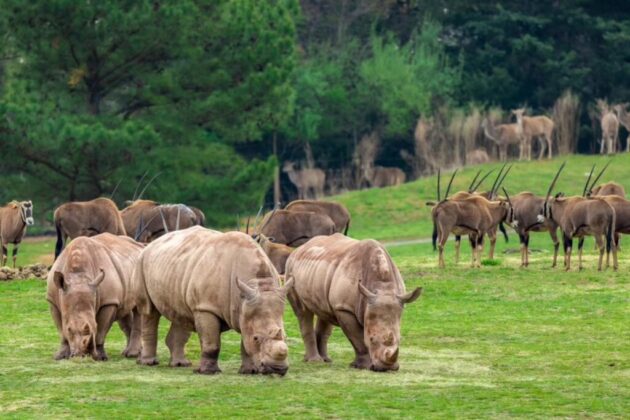
Africa Region: Watani Grasslands (40 acres): A must-see with elephants (including C’sar, North America’s oldest male at 48), rhinos, giraffes, zebras, and antelopes. The giraffe feeding platform ($5–$10) is a family favorite.
Forest Aviary: A tropical haven with colorful birds like the golden white-eye and African spoonbill. The zoo has achieved rare U.S. hatchings of several species. Chimpanzee and Gorilla Habitats: Features one of the largest chimpanzee troops in U.S. zoos and endangered gorillas, with successful breeding (e.g., baby gorillas Bomassa and Apollo born in 2012).
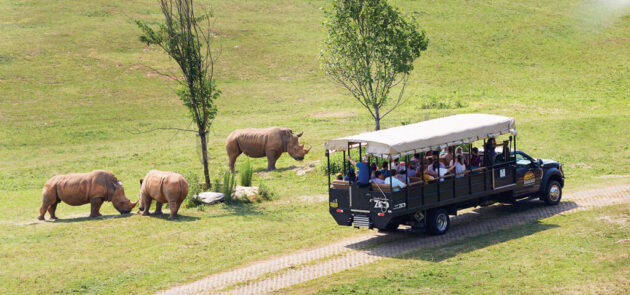
Seasonal Attractions (April–October): Zoofari African Wildlife Adventure: A 45-minute open-air vehicle tour of Watani Grasslands, offering close-up views of rhinos and elephants. Book 48 hours in advance ($30–$50).
Butterfly Garden: A serene, family-friendly spot to observe colorful butterflies. Air Hike Ropes Course and Carousel: Fun for kids and teens ($5–$15). Nature Play Area: Free with admission, featuring a stream, mud café, and Treetop Trail.
Educational Experiences: Meet the Keeper Talks: Daily sessions with zookeepers about cougars, elephants, and more. Check the schedule at nczoo.org. Behind-the-Scenes Tours: VIP tours (March–October, $50–$100) offer close encounters with animals like giraffes. Book via the NC Zoo Society at 336-879-7250.
Conservation and Research: Learn about the zoo’s work with endangered species, including the American red wolf, southern white rhino (calves born in 2018 and 2020), and hellbender salamander. The zoo’s efforts extend globally, supporting Cross River gorillas in Nigeria and Schweinitz’s sunflower in North Carolina.
Where to Eat
On-Site Dining: Wilderness and Bear Creek Café (North America): Burgers, fries, and kid-friendly treats like cotton candy. Crocodile Café (Africa, April–October): Similar menu with burgers and desserts.
Junction Springs Café: Located centrally, offering pizza, hot dogs, and slushies. Prices are high ($10–$20 for a meal), and quality is average. Sustainability Note: All plates and containers are compostable. Free water refill stations are available throughout the park.
Outside Food: Prohibited unless you’re an NC Zoo Society member. Picnic areas are available near both parking lots, overlooking scenic lakes. Nearby: Asheboro (10-minute drive) offers local dining like The Table (farm-to-table, ~$15–$25) or fast food chains.
Where to Stay
Asheboro Hotels: Hampton Inn Asheboro (3-star, 10-minute drive): Family-friendly with free breakfast, ~$100–$150/night. Holiday Inn Express & Suites (3-star, 10-minute drive): Modern amenities, ~$90–$130/night.
SureStay Plus Hotel by Best Western (2-star, budget option): ~$60–$90/night. Camping: Deep River Campground (15-minute drive) offers tent and RV sites (~$30–$50/night).
Booking Tip: Reserve via Booking.com or Expedia for deals, especially during peak seasons (spring/summer).
Tips for a Great Visit
Plan Your Route: Start at the North America entrance and work toward Africa, then take the tram or bus back to save energy. The zoo’s size (5 miles of trails) requires 4–6 hours to explore fully. Wear Comfortable Shoes: High heels or sandals are impractical due to extensive walking. Bring a refillable water bottle for free refill stations.
Arrive Early: Gates open at 9:00 AM. Early arrival ensures parking and cooler temperatures, especially in summer. Check Animal Activity: Some animals (e.g., polar bears, arctic foxes) may be less visible in summer heat. Visit their exhibits early or check keeper schedules for feeding times.
No Pets: Pets are not allowed, and leaving them in cars is prohibited (law enforcement will be called). Service animals must check in at Guest Services. Photography: The zoo allows photos for personal use, but professional shoots may require permission. Bronze statues and scenic trails are great for pictures.
Combine Your Trip: Visit nearby attractions like the N.C. Aviation Museum (10 miles) or Pisgah Covered Bridge (15 miles) for a full day in Asheboro.
Final Thoughts
The North Carolina Zoo offers a one-of-a-kind experience, blending vast natural habitats, world-class animal care, and a commitment to conservation. From feeding giraffes to exploring the KidZone’s Treetop Walkway, there’s something for everyone. Plan ahead, wear comfortable shoes, and immerse yourself in the wonder of wildlife at this iconic Asheboro destination. With the upcoming Asia region set to feature tigers and Komodo dragons, the zoo’s future is as exciting as its present.
Happy exploring!