A Travel Guide to North Dakota
North Dakota, known as the “Peace Garden State,” is a hidden gem in the Upper Midwest, offering vast prairies, rugged badlands, and a rich tapestry of Native American and pioneer history. Often overlooked by travelers, this sparsely populated state (with just 780,000 residents in 2022) boasts uncrowded attractions, stunning natural beauty, and a welcoming, laid-back vibe. From the dramatic landscapes of Theodore Roosevelt National Park to the cultural vibrancy of Fargo, North Dakota is perfect for those seeking outdoor adventures, historical exploration, and authentic American charm. Here’s your guide to planning an unforgettable trip.
Why Visit North Dakota?
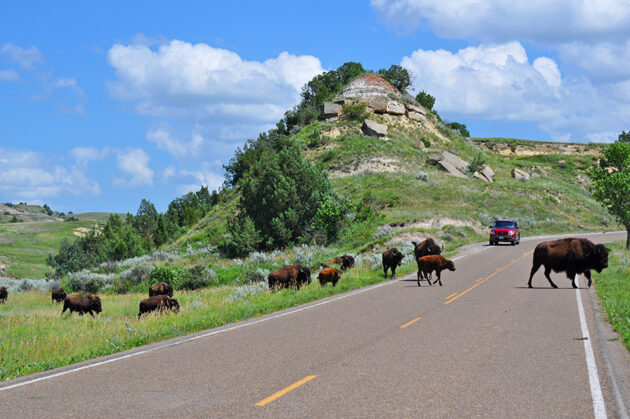
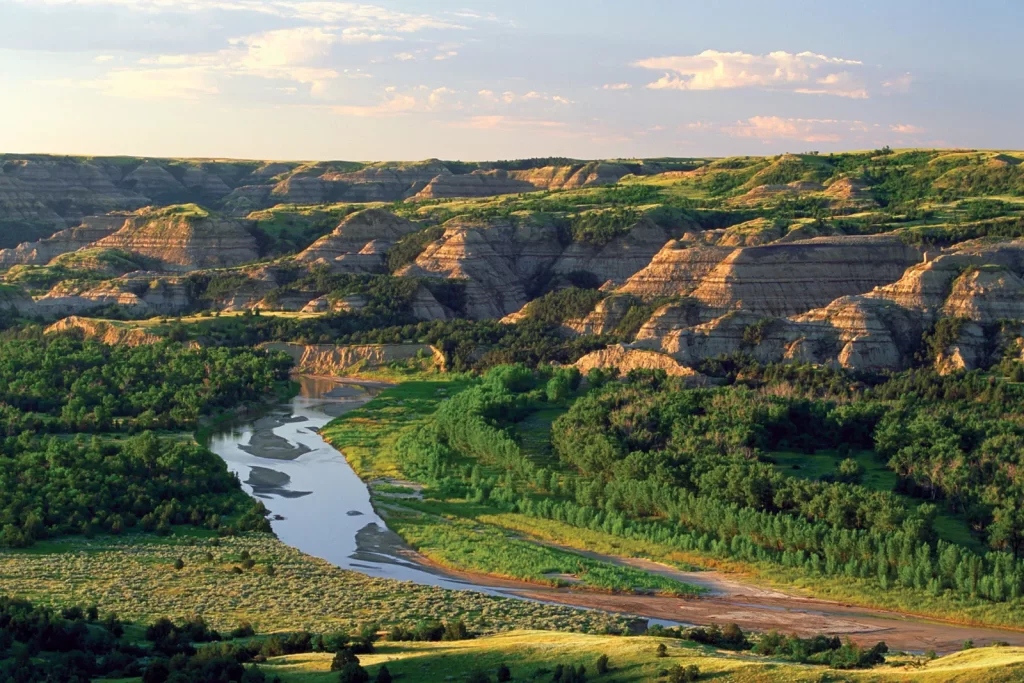
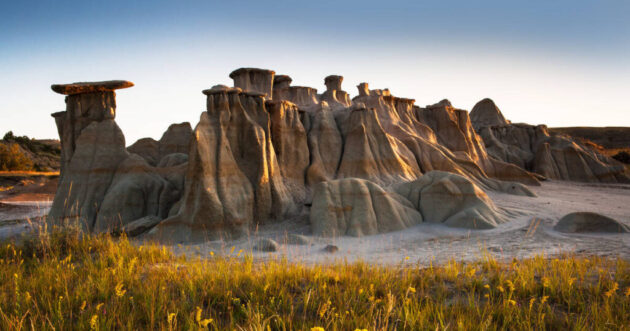
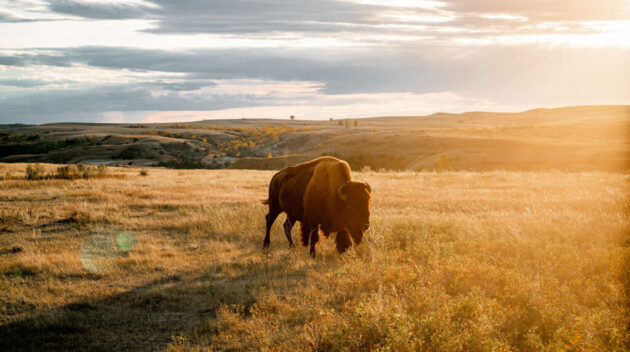
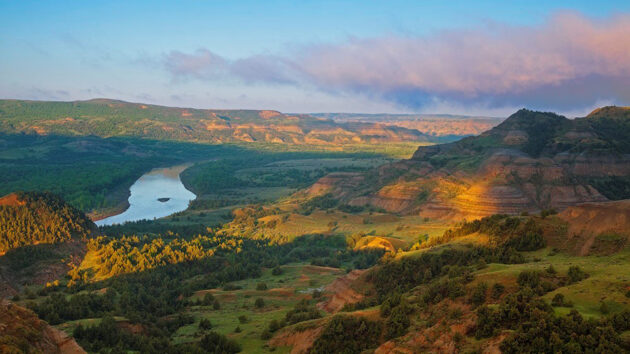
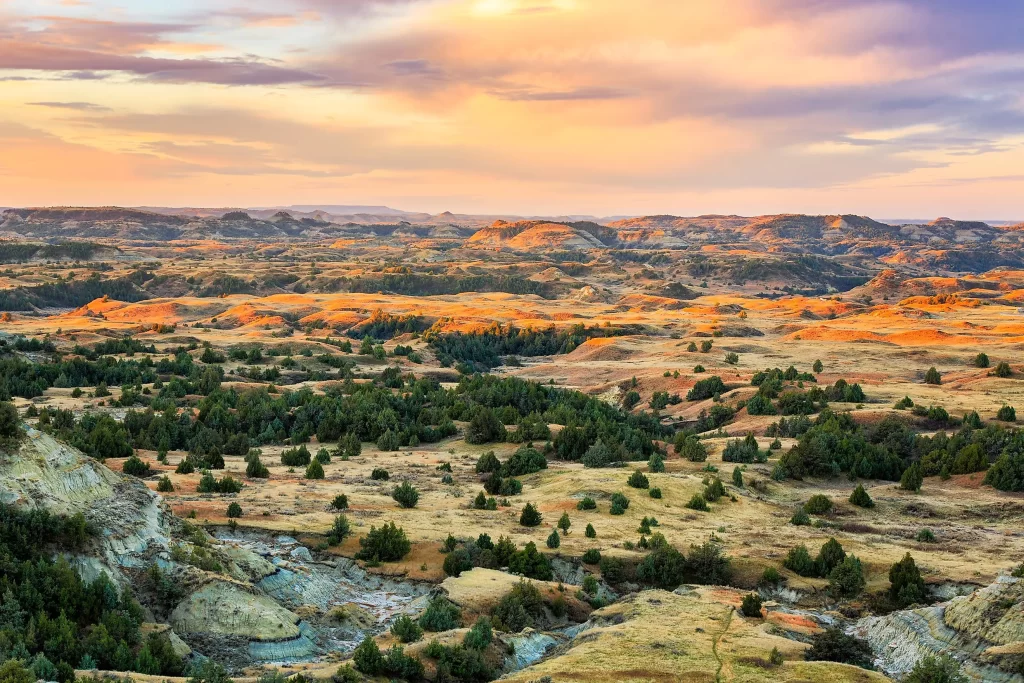
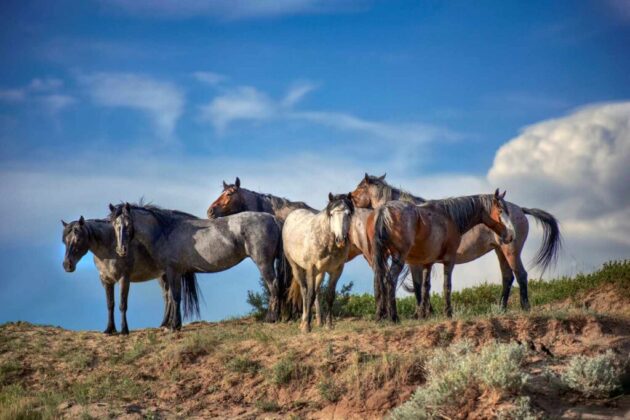
North Dakota’s appeal lies in its serene, wide-open spaces and diverse offerings. The state’s crown jewel, Theodore Roosevelt National Park, showcases the breathtaking badlands, home to bison, wild horses, and dramatic rock formations. History buffs can trace the footsteps of Lewis and Clark or explore Native American heritage at sites like the Knife River Indian Villages. Urban centers like Fargo and Bismarck offer museums, dining, and a surprising arts scene, while outdoor enthusiasts can enjoy hiking, fishing, and boating on Lake Sakakawea or Devils Lake. With more golf courses per capita than any other state and a low-key atmosphere, North Dakota is ideal for travelers seeking an off-the-beaten-path adventure.
How to Get There
North Dakota is accessible by air, car, train, or bus, with its flat, open roads making driving a scenic pleasure.
By Air: Major airports include Hector International Airport (FAR) in Fargo, Bismarck Municipal Airport (BIS), and Minot International Airport (MOT). Airlines like Delta, American, United, and Allegiant serve these hubs with flights from cities like Chicago, Denver, and Minneapolis. One-way fares from Minneapolis start at ~$100. Smaller airports in Grand Forks (GFK), Williston (XWA), and Dickinson (DIK) offer regional connections.
By Car: Interstate 94 runs east-west through Fargo, Bismarck, and Medora, connecting to Minnesota and Montana. Interstate 29 links Grand Forks and Fargo to South Dakota and Canada. Driving is the best way to explore, with minimal traffic and stunning views. Car rentals are available at airports or in cities like Fargo and Bismarck. From Minneapolis to Bismarck: ~6 hours (420 miles). From Chicago to Fargo: ~9 hours (650 miles).
By Train: Amtrak’s Empire Builder offers a scenic route from Chicago to Seattle, stopping in Fargo, Grand Forks, Minot, and Williston. The journey is comfortable, with dining and lounge cars, and fares are comparable to regional flights (~$80–$150).
By Bus: Greyhound operates along I-94, connecting Fargo, Bismarck, and smaller towns. Jefferson Bus Line serves I-29 routes, while New Town Bus Line covers rural areas. Fares start at ~$20.
Tip: Renting a car is highly recommended for flexibility, as many attractions are spread out and public transport is limited outside major cities.
Best Time to Visit
Summer (June–August): Warm (70–85°F) and ideal for outdoor activities like hiking, boating, and festivals. The International Peace Garden blooms vibrantly, and Theodore Roosevelt National Park is at its most accessible. Spring (April–May): Late spring brings mild weather (50–70°F) and bird-watching opportunities during migrations, but expect unpredictable rain or wind.
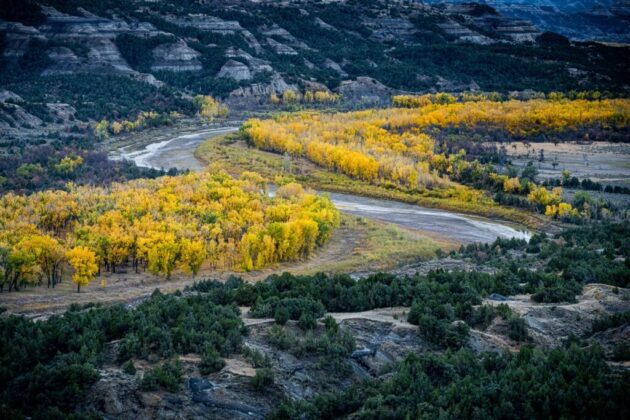
Autumn (September–October): Crisp temperatures (40–65°F) and stunning fall foliage in the Turtle Mountains or Red River Valley make this a great time for hiking and photography. Winter (November–March): Harsh winters (0–20°F, often below zero with wind chill) make travel challenging due to snow and low visibility. Indoor attractions like museums are best.
Best Bet: Visit in late spring or summer for outdoor adventures, or early fall for fewer crowds and vibrant scenery. Book accommodations early for summer festivals like Fargo’s Norsk Høstfest (Scandinavian festival).
Top Attractions
Theodore Roosevelt National Park
Theodore Roosevelt National Park is unique for its stark badlands, rich biodiversity, and historical significance. Named after the “Conservation President” who was inspired by the region’s rugged beauty in the 1880s, the park offers a glimpse into the American West that shaped Roosevelt’s environmental policies. Visitors can encounter bison, wild horses, prairie dogs, and bighorn sheep while exploring scenic drives, hiking trails, and historic sites like Roosevelt’s Maltese Cross Cabin.
Lake Sakakawea State Park
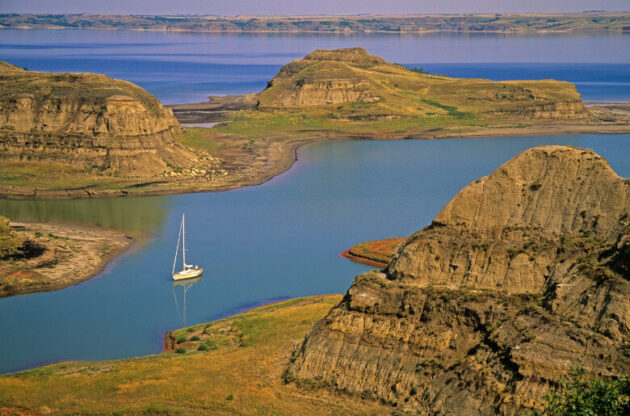
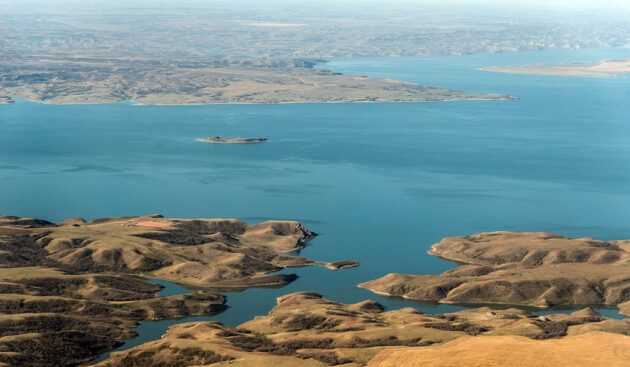
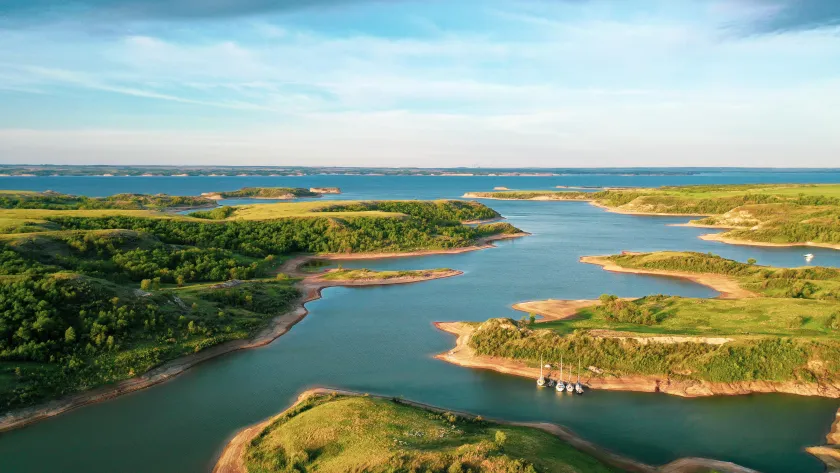
Lake Sakakawea State Park, located in North Dakota, United States, is a scenic recreational area along the shores of Lake Sakakawea, the state’s largest man-made reservoir. Named after the Shoshone-Hidatsa guide Sakakawea, the lake was formed by the Garrison Dam on the Missouri River and spans 178 miles (286 km), offering opportunities for boating, fishing, and camping. The park features rugged badlands terrain, wildlife viewing, and access to water activities, making it a popular destination for outdoor enthusiasts.
Where to Eat
Fargo: Try Mezzaluna for upscale American cuisine ($20–40/entrée) or Drekker Brewing Company for craft beer and pub food ($10–15). Boppa’s Bagels is a local favorite for breakfast ($5–10). Bismarck: Pirogue Grille offers regional dishes like bison and walleye ($15–30). Dakota Drug in Stanley serves unique Whirl-A-Whip ice cream ($5–8).
Medora: The Pitchfork Steak Fondue offers a cowboy-style dining experience with steaks cooked on pitchforks ($25–35). Budget Tip: Food trucks and diners in smaller towns like Williston or Dickinson offer affordable meals ($5–15). Pack snacks for rural areas where dining options are scarce.
Where to Stay
Fargo: Hotel Donaldson (boutique, downtown): ~$150–200/night. Homewood Suites by Hilton: Family-friendly, ~$100–150/night.
Bismarck: Radisson Hotel Bismarck: Central, near attractions, ~$90–130/night. Staybridge Suites: Budget-friendly with kitchens, ~$80–120/night.
Medora: Rough Riders Hotel: Historic, Western-themed, ~$120–180/night. Badlands Motel: Affordable, near the park, ~$70–100/night.
Camping: Theodore Roosevelt National Park and Beaver Lake State Park offer RV and tent sites (~$10–30/night). Book early for summer.
Tips for a Great Visit
Drive Smart: Gas stations can be sparse in rural areas, especially near the badlands. Fill up in towns like Dickinson or Bismarck. Dress for the Weather: Layer up for unpredictable spring/fall weather and bring windproof gear for winter. Summer requires sunscreen and hats.
Respect Wildlife: Keep a safe distance from bison and other animals in national parks. Cultural Sensitivity: When visiting Native American sites, follow guidelines and respect sacred areas.
Combine Destinations: Pair North Dakota with a trip to South Dakota (Mount Rushmore, 4–5 hours from Medora) or Minnesota for a Midwest road trip. Local Phrases: Embrace the local lingo like “Uff da” (surprise) or “You betcha” (agreement) to blend in with friendly locals.
Final Thoughts
North Dakota may be America’s least-visited state, but its unspoiled landscapes, rich history, and warm hospitality make it a rewarding destination. Whether you’re hiking the rugged Maah Daah Hey Trail, exploring Fargo’s quirky charm, or marveling at the badlands’ stark beauty, the Peace Garden State offers a serene escape from the ordinary. Plan your trip for summer or early fall, pack for adventure, and discover why North Dakota’s quiet allure is truly legendary.
Happy travels!