A Travel Guide to Theodore Roosevelt National Park
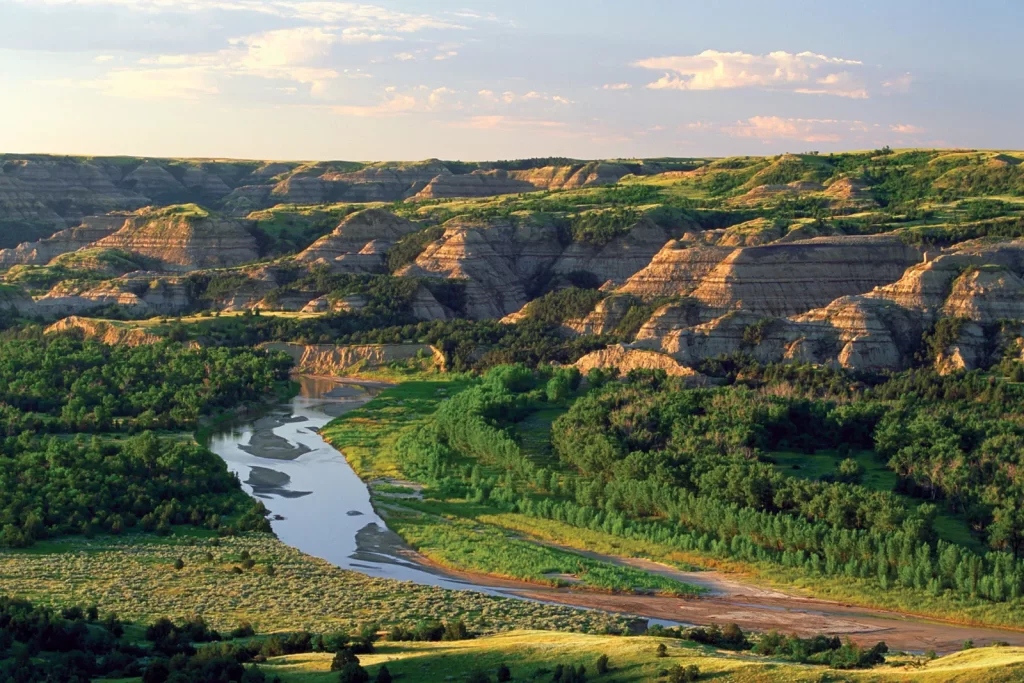
Nestled in the rugged badlands of western North Dakota, Theodore Roosevelt National Park is a hidden gem that offers breathtaking landscapes, abundant wildlife, and a deep connection to the conservation legacy of the 26th U.S. President, Theodore Roosevelt. Spanning 70,446 acres across three distinct units—South Unit, North Unit, and Elkhorn Ranch Unit—this park showcases the dramatic beauty of the Little Missouri River Valley, colorful canyons, and rolling prairies. Whether you’re a hiker, wildlife enthusiast, or history buff, this guide will help you plan an unforgettable visit to this uncrowded natural treasure.
Why Visit Theodore Roosevelt National Park?
Theodore Roosevelt National Park is unique for its stark badlands, rich biodiversity, and historical significance. Named after the “Conservation President” who was inspired by the region’s rugged beauty in the 1880s, the park offers a glimpse into the American West that shaped Roosevelt’s environmental policies. Visitors can encounter bison, wild horses, prairie dogs, and bighorn sheep while exploring scenic drives, hiking trails, and historic sites like Roosevelt’s Maltese Cross Cabin. With fewer crowds than iconic parks like Yellowstone or Glacier, it’s an ideal destination for those seeking solitude and authentic wilderness.
How to Get There
The park is divided into three units, with the South Unit being the most accessible and popular, followed by the North Unit and the remote Elkhorn Ranch Unit. Here’s how to reach them:
South Unit: Location: Medora, ND, off Interstate 94 (exits 24 or 27). By Car: From Bismarck, ND (133 miles east), take I-94 west to Medora (2 hours). From Billings, MT (280 miles west), take I-94 east. By Air: The closest airports are Dickinson Theodore Roosevelt Regional Airport (DIK, 36 miles from Medora) for small flights or Bismarck Airport (BIS, 133 miles away) for major carriers. Rent a car to reach the park, as public transport is limited.
Painted Canyon Visitor Center: Located 7 miles east of Medora at I-94 exit 32, it’s a great first stop for views and information.
North Unit: Location: 14 miles south of Watford City, ND, via U.S. Highway 85 (70 miles north of Medora). By Car: From Medora, take I-94 east to exit 42 at Belfield, then U.S. 85 north (1 hour). From Williston Basin International Airport (XWA, 1 hour north), drive south on U.S. 85.
Note: The North Unit operates on Central Time, while the South Unit is on Mountain Time, so adjust your clocks.
Elkhorn Ranch Unit: Location: 46 miles from Medora, accessible via gravel roads (County Road 11, Westerheim Road, and Bell Lake Road). By Car: This remote site requires a 4WD vehicle and detailed directions from the South Unit Visitor Center in Medora. The drive takes about 1.5 hours, and roads may be impassable after rain.
Tip: A car is essential for exploring the park. The closest major city for supplies is Dickinson, ND (36 miles from Medora).
Best Time to Visit
Spring (April–May): Wildflowers bloom, and wildlife like bison calves and feral horse foals are active. Weather is mild (50–70°F), but rain can make trails muddy. Summer (June–August): Warm (80–90°F) and ideal for hiking and camping, but thunderstorms are common. Expect vibrant greenery and active wildlife.
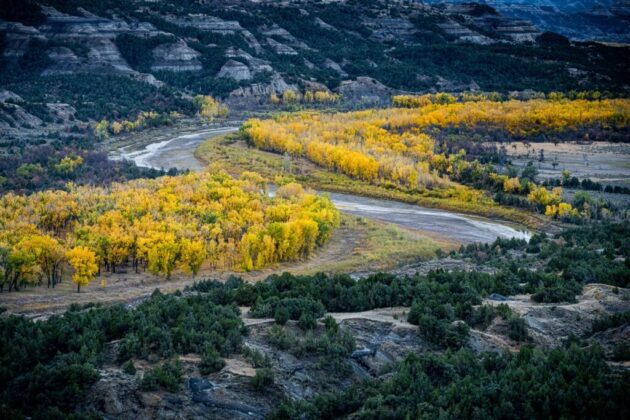
Fall (September–October): The best season for mild weather (50–70°F), fewer crowds, and golden cottonwood trees along the Little Missouri River. Fall foliage peaks in October. Winter (November–March): Cold (0–30°F) with snow possible, limiting trail access. Scenic drives may close, but the park’s solitude and starry skies are magical for hardy visitors.
Note: Check road conditions on the National Park Service website (nps.gov/thro), as snow or rain can close sections of the scenic drives, especially in the South Unit.
Tickets and Fees
Entrance Fees: Private vehicle: $30 (valid for 7 days, all units). Motorcycle: $25. Individual (on foot/bicycle): $15. America the Beautiful Pass: $80 annually, covering all U.S. national parks and federal recreational lands. Purchase at park entrances or online. Theodore Roosevelt Annual Pass: $55, valid for one year from purchase for this park only.
Visitor Centers: South Unit Visitor Center (Medora): Open year-round, summer hours 8:30 AM–5:30 PM MST. Features a museum, park film, and Roosevelt’s Maltese Cross Cabin. North Unit Visitor Center (near Watford City): Open seasonally, with limited displays. Check nps.gov for hours.
Free Entry Days: Offered on select federal holidays (e.g., Martin Luther King Jr. Day, National Public Lands Day). Check nps.gov for dates.
Tip: Purchase passes at the South Unit Visitor Center or Painted Canyon Rest Area. Backcountry permits (free) are required for overnight camping and available at visitor centers.
What to See and Do
The park’s three units offer diverse experiences, from scenic drives to hiking and wildlife viewing. Here are the highlights:
South Unit
Scenic Loop Drive: A 36-mile loop (partially closed since 2020; check status) with stunning views of badlands, bison herds, and prairie dog towns. Key stops include: Skyline Vista: Near the entrance, perfect for prairie dog sightings. Wind Canyon Overlook: Ideal for sunsets over the Little Missouri River. Boicourt Overlook: Offers panoramic badlands views.
Maltese Cross Cabin: Located behind the South Unit Visitor Center, this 1883 cabin was Roosevelt’s first home in the Dakotas. Self-guided tours are available year-round; ranger-led tours in summer.
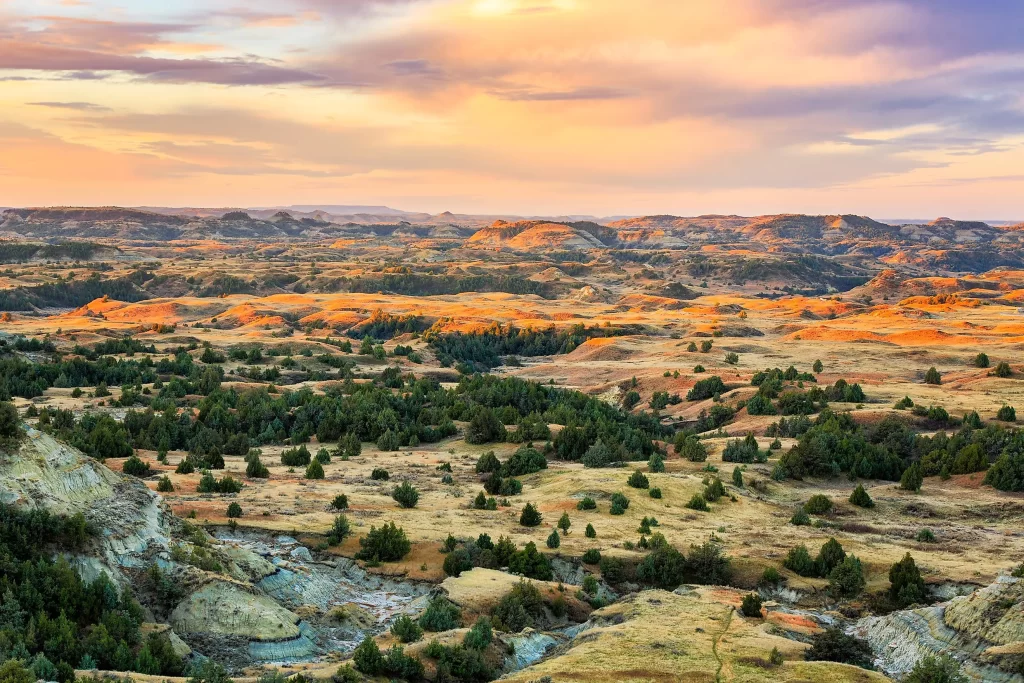
Hiking Trails: Painted Canyon Nature Trail (1 mile, easy): A short loop with colorful canyon views. Petrified Forest Loop (10.3 miles, moderate): Explore ancient petrified wood in a remote wilderness area. Maah Daah Hey Trail (144 miles, strenuous): A renowned mountain biking and hiking trail connecting all three units.
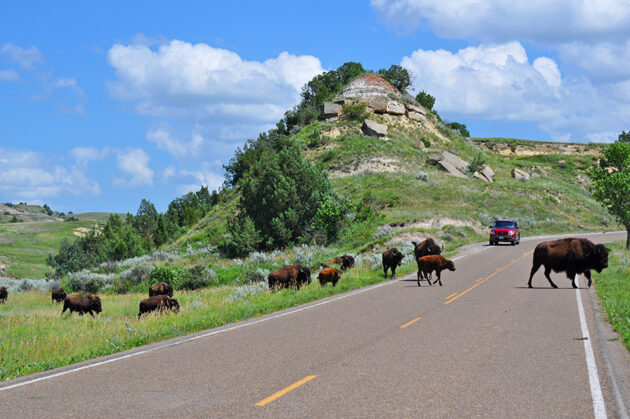
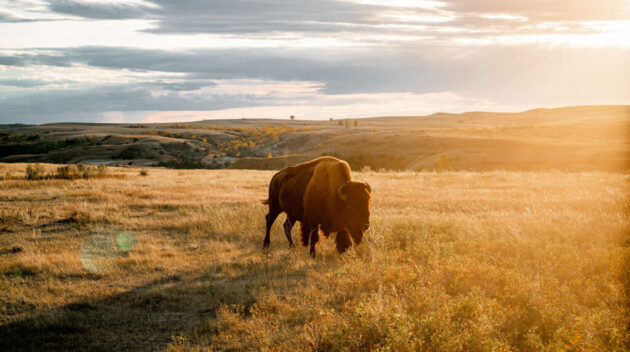
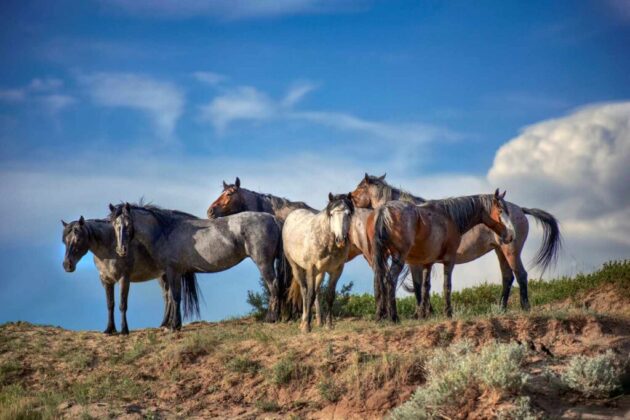
Wildlife Viewing: Spot bison, wild horses (unique to the South Unit), pronghorn, and prairie dogs. Keep a safe distance (at least 100 yards from bison).
North Unit
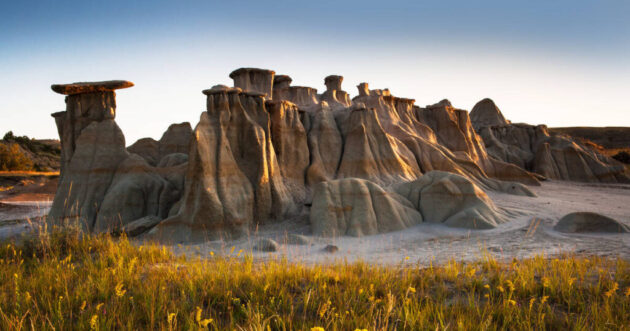
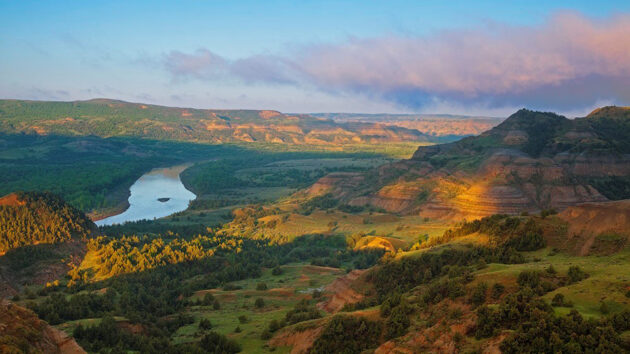
Scenic Byway: A 14-mile (28-mile round-trip) drive with dramatic vistas. Highlights include: River Bend Overlook: Features a historic stone shelter and sweeping views. Oxbow Overlook: The road’s endpoint with panoramic badlands and Little Missouri River views. Cannonball Concretions: Unique spherical rock formations shaped by wind and water.
Hiking Trails: Caprock Coulee Trail (4.4 miles, moderate): Offers badlands views and wildlife sightings. Achenbach Trail (1.5 miles out-and-back, moderate): Starts at Oxbow Overlook, descending to the valley floor. Watch for bison.
Wildlife: Look for bighorn sheep, longhorn cattle (introduced to reflect Roosevelt’s era), and elk.
Elkhorn Ranch Unit
Historical Significance: The site of Roosevelt’s 1884–1898 ranch, with remnants of the cabin foundation under cottonwood trees. No buildings remain, but the remote setting offers solitude.
Access: Requires a 0.75-mile walk from the parking lot. Obtain a map from the South Unit Visitor Center due to unpaved roads. Activities: Ideal for history buffs and backcountry hikers seeking a quiet retreat.
Other Activities
Camping: Cottonwood Campground (South Unit, 5 miles from Medora): Open mid-May to mid-September, half reservable at recreation.gov, half first-come, first-served. Primitive (no hookups). Juniper Campground (North Unit): Less crowded, similar setup. Backcountry camping requires a free permit.
Horseback Riding: Available at Peaceful Valley Ranch (South Unit) in summer. Ranger Programs: Join geological or sunset hikes, especially in the North Unit, or cabin tours in the South Unit (summer only). Stargazing: The park’s low light pollution makes it perfect for night sky viewing. Bring a blanket and binoculars.
Where to Eat
Inside the Park: No dining facilities are available. Pack a picnic for overlooks like River Bend or Skyline Vista.
Medora (South Unit): Elkhorn Café: Great for breakfast and casual meals. Pitchfork Steak Fondue: A unique dining experience with steak cooked on pitchforks, followed by the Medora Musical. C-Store: Grab-and-go breakfast and sandwiches.
Watford City (North Unit): Limited options; try Outlaws’ Bar & Grill for hearty American fare (15 minutes from the North Unit).
Dickinson (36 miles from Medora): Offers grocery stores and chains like Subway or Pizza Hut for supplies.
Tip: Bring water and snacks, as services are sparse, especially in the North Unit.
Where to Stay
South Unit (Medora): Rough Riders Hotel: Historic hotel (est. 1884) with modern amenities, rumored to be where Roosevelt gave a speech. Rooms start at ~$150/night. Badlands Motel: Budget-friendly, clean, with AAA discounts. ~$80–120/night. Train noise is minimal if you choose rooms away from tracks. Camping: Cottonwood Campground or nearby Medora Campground (pet-friendly).
North Unit (Watford City): Mainstay Suites Watford City: Modern, comfortable, ~$100–150/night. Juniper Campground: Primitive camping, ideal for solitude. Note: Lodging is limited; book early, especially in summer.
Elkhorn Ranch Unit: No nearby accommodations; day trips from Medora or Watford City are recommended.
Booking Tip: Use platforms like Booking.com or medora.com for deals. Reserve campgrounds early for peak season (May–September).
Tips for a Great Visit
Safety: Bison are fast and unpredictable; maintain a 100-yard distance. Watch for rattlesnakes on trails. Gear: Bring sturdy hiking shoes, sunscreen, a hat, and layers, as weather can change rapidly. Binoculars are great for wildlife viewing.
Photography: The badlands’ colors peak at sunrise and sunset. The Painted Canyon and Oxbow Overlook are top spots. Combine Your Trip: Visit nearby attractions in Medora, like the North Dakota Cowboy Hall of Fame or Chateau de Mores State Historic Site (open May–September).
Respect Nature: Stay on trails to protect the fragile badlands ecosystem. Leashed pets are allowed only in developed areas. Check Road Status: Parts of the South Unit Scenic Loop Drive may be closed; verify at nps.gov/thro.
Final Thoughts
Theodore Roosevelt National Park is a testament to the wild beauty of the North Dakota badlands and the enduring legacy of a president who championed conservation. From the vibrant hues of Painted Canyon to the solitude of Elkhorn Ranch, the park offers a rare chance to connect with nature and history without the crowds of more famous parks. Plan your visit for fall for optimal weather, pack for adventure, and immerse yourself in the landscape that inspired a nation’s conservation movement. As Roosevelt said, “It was here that the romance of my life began.” Let it inspire you too.
Happy travels!