A Travel Guide to Oklahoma
Oklahoma, known as the “Sooner State,” is a vibrant destination where Native American heritage, cowboy culture, and modern urban energy converge. Located in the Great Plains region, it offers diverse landscapes, from rolling prairies to ancient mountains, and a rich cultural tapestry shaped by 39 Native American tribes, Route 66 nostalgia, and Western traditions. Whether you’re seeking outdoor adventures, historical insights, or lively city experiences, this guide will help you plan an unforgettable trip to Oklahoma.
Why Visit Oklahoma?
Oklahoma is a crossroads of Americana, blending Native American history, cowboy legacy, and contemporary vibrancy. It boasts the longest drivable stretch of Route 66 (nearly 400 miles), lined with quirky diners and retro attractions. The state is home to over 200 man-made lakes, offering ample opportunities for fishing, boating, and hiking, and 33 state parks showcasing diverse ecosystems. Cities like Oklahoma City and Tulsa pulse with art, music, and dining, while cultural landmarks like the First Americans Museum and National Cowboy & Western Heritage Museum provide deep historical context. From powwows to rodeos, Oklahoma delivers authentic experiences for every traveler.
How to Get There
By Air: Will Rogers World Airport (OKC) in Oklahoma City is the main hub, served by major airlines like American, Delta, and United. Direct flights are available from cities like Dallas, Chicago, and Denver. Tulsa International Airport (TUL) is another option for eastern Oklahoma, with similar connections. A flight from New York or Los Angeles takes about 3–4 hours, with round-trip tickets costing $200–$400 if booked early.
By Car: Oklahoma is crisscrossed by major highways, including I-35 (north-south) and I-40 (east-west, paralleling Route 66). Driving from Dallas, Texas, to Oklahoma City takes about 3 hours (205 miles). Renting a car is ideal for exploring Route 66 or rural areas. Rentals start at $40/day.
By Bus or Train: Greyhound and Megabus serve Oklahoma City and Tulsa, with affordable fares from nearby states (e.g., $20–50 from Dallas). Amtrak’s Heartland Flyer connects Oklahoma City to Fort Worth, Texas, with daily service (4 hours, ~$30 one-way).
Tip: For a classic Oklahoma experience, rent a car and drive Route 66, stopping at iconic sites like the Round Barn in Arcadia or the Blue Whale in Catoosa.
Best Time to Visit
Spring (March–May): Ideal for outdoor activities, with mild temperatures (50–75°F) and blooming wildflowers. Be cautious of tornado season, especially in the I-35 corridor, and monitor NOAA weather alerts. Summer (June–August): Warm (80–95°F) and perfect for lake activities and festivals like the Red Earth Festival in Oklahoma City. Pack sunscreen and stay hydrated.
Fall (September–November): Cooler weather (50–70°F) and vibrant foliage make this great for hiking and exploring state parks. Lower tornado risk. Winter (December–February): Mild winters (30–50°F) are quieter, ideal for indoor attractions like museums. Some outdoor sites may have limited access.
Weather Tip: Oklahoma’s climate blends Texas dryness with southeastern humidity. Spring and summer storms can be severe, so carry a weather radio for updates.
Top Attractions
Oklahoma City National Memorial & Museum
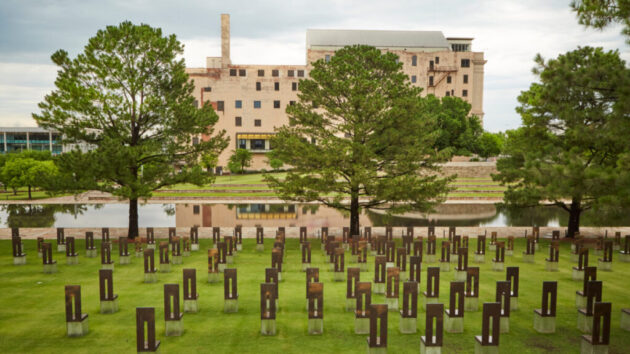
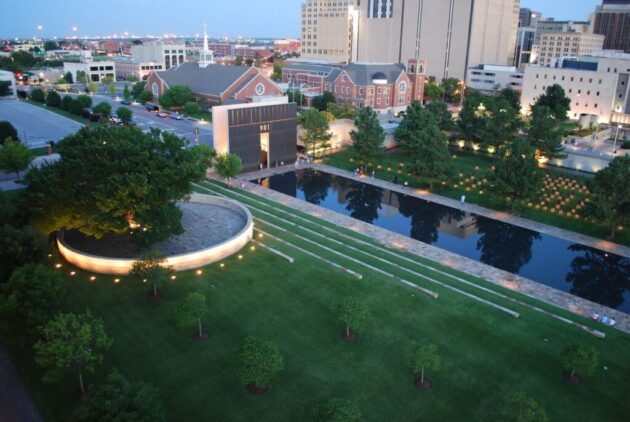
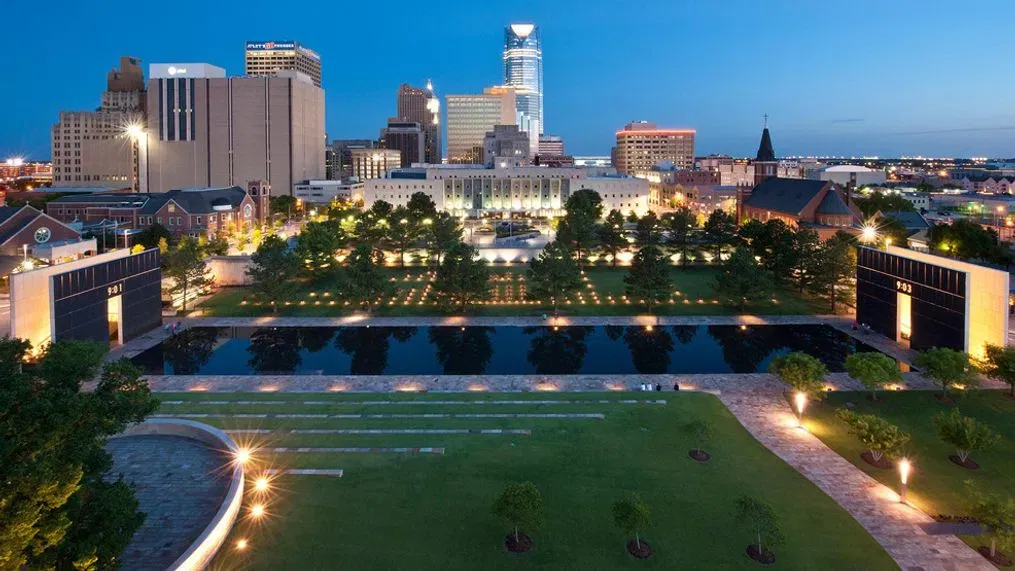
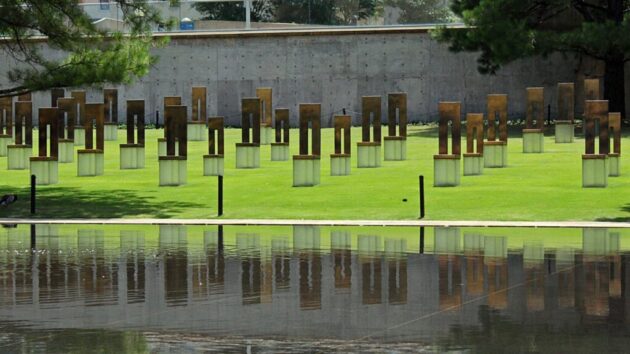
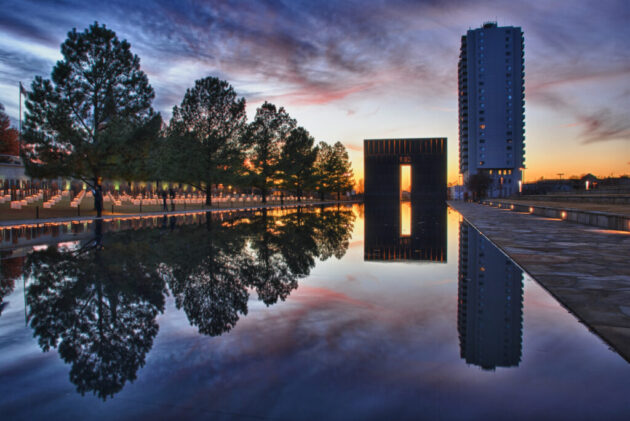
The Oklahoma City National Memorial & Museum is a poignant and powerful destination dedicated to honoring the victims, survivors, and rescuers of the April 19, 1995, bombing of the Alfred P. Murrah Federal Building. This site serves as both a solemn reminder of the tragedy and a symbol of resilience and hope.
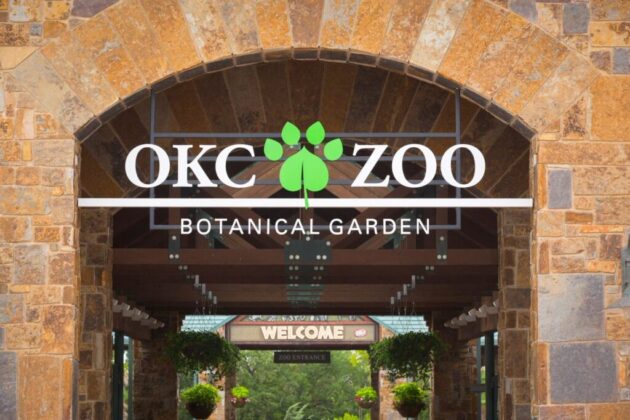
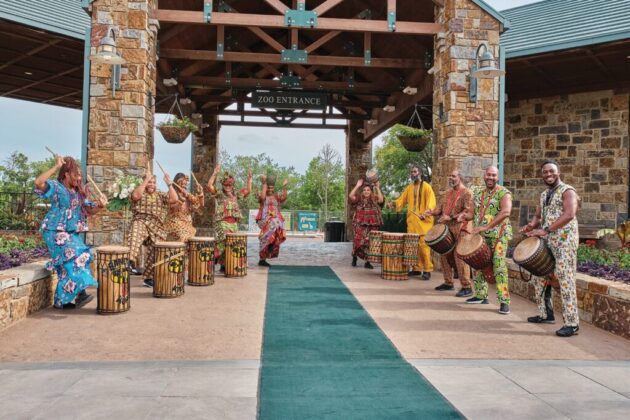
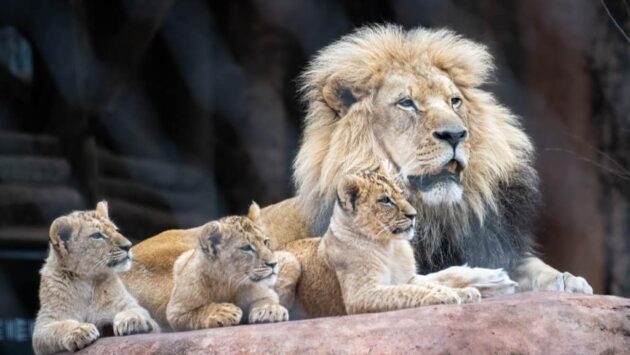
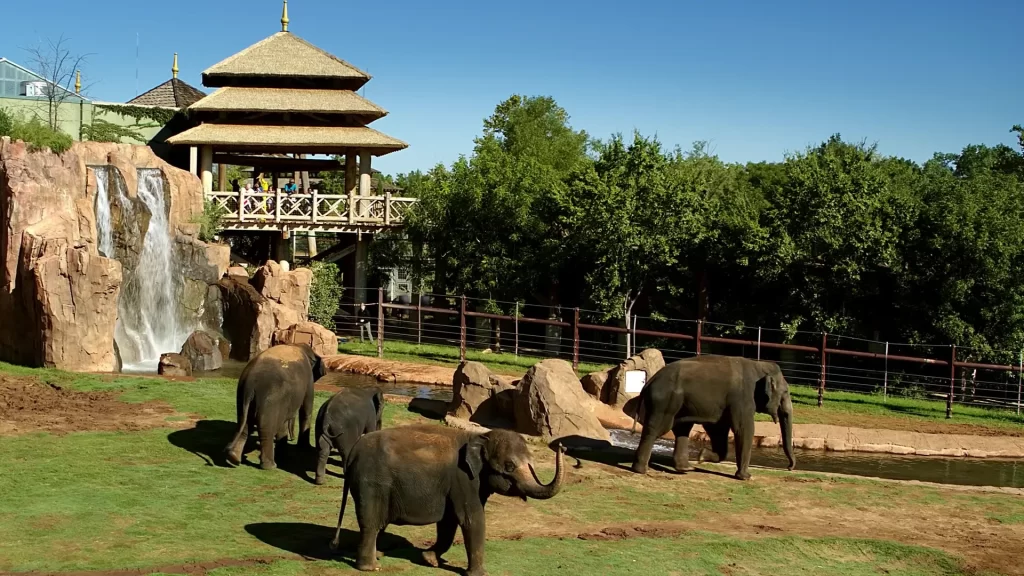
Oklahoma City Zoo
Oklahoma City Zoo, located in the heart of Oklahoma City, is a premier family-friendly destination that offers a perfect blend of adventure, education, and wildlife conservation. Home to over 1,900 animals and sprawling across 130 acres, it’s one of the oldest zoos in the United States, having opened its doors in 1902.

Myriad Botanical Gardens
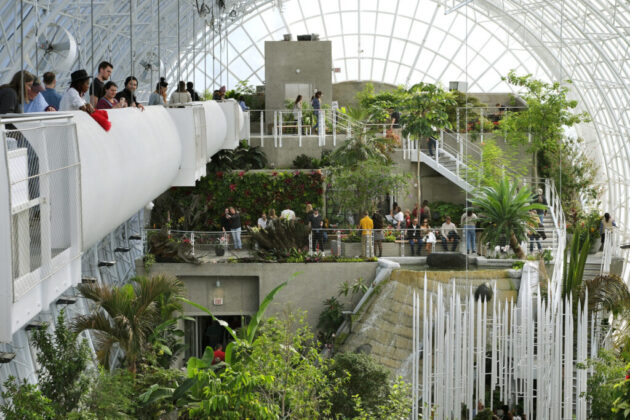
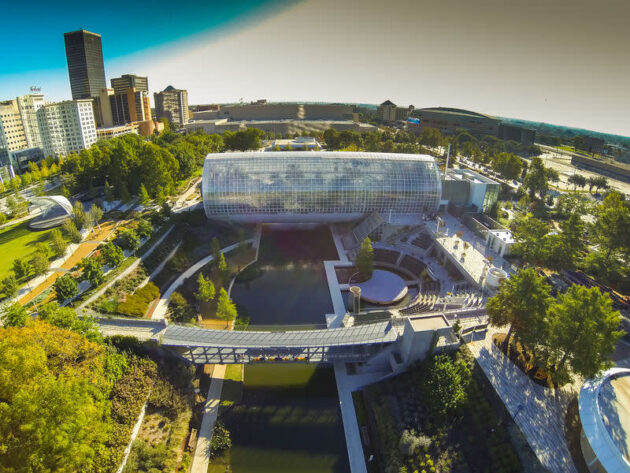
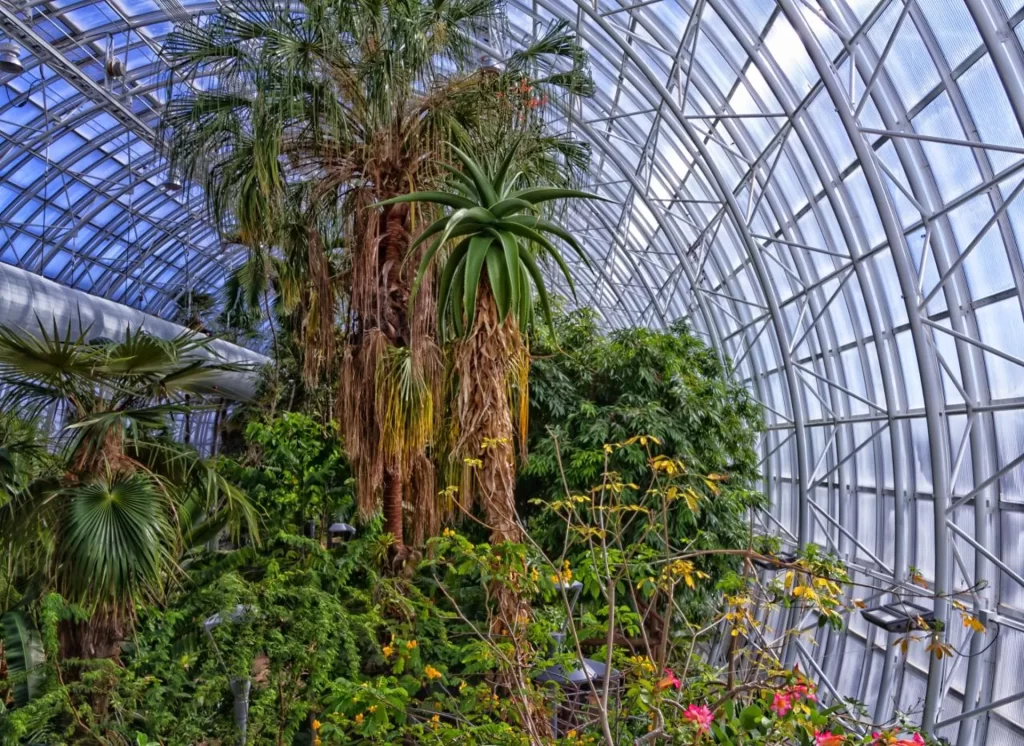
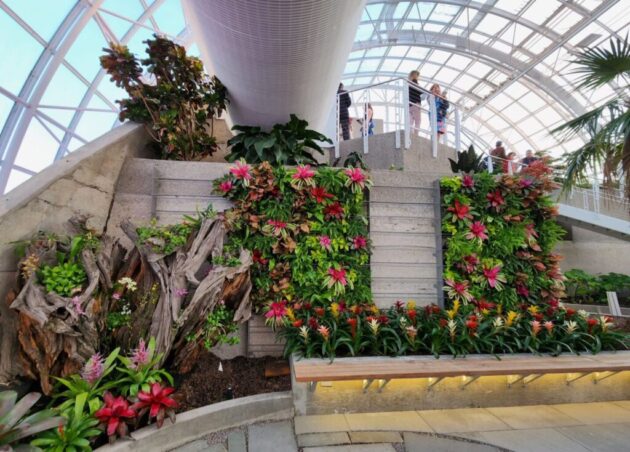
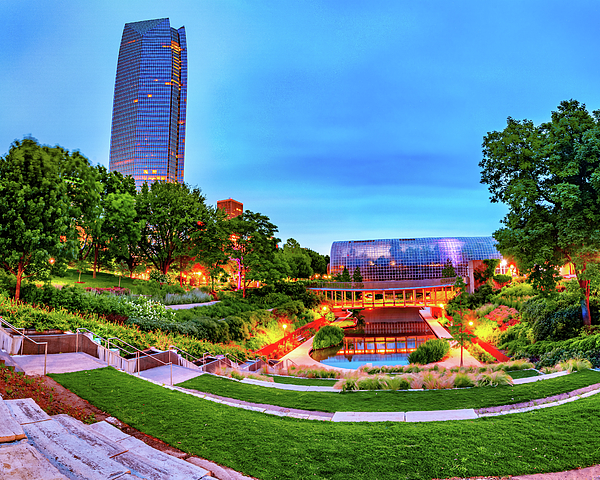
Myriad Botanical Gardens is a 15-acre urban oasis in downtown Oklahoma City, offering visitors a peaceful escape into nature, education, and entertainment. The gardens feature beautifully landscaped outdoor areas, a children’s garden, splash fountains, and the crown jewel—Crystal Bridge Conservatory, which houses a tropical rainforest and desert biome.
Oklahoma Aquarium
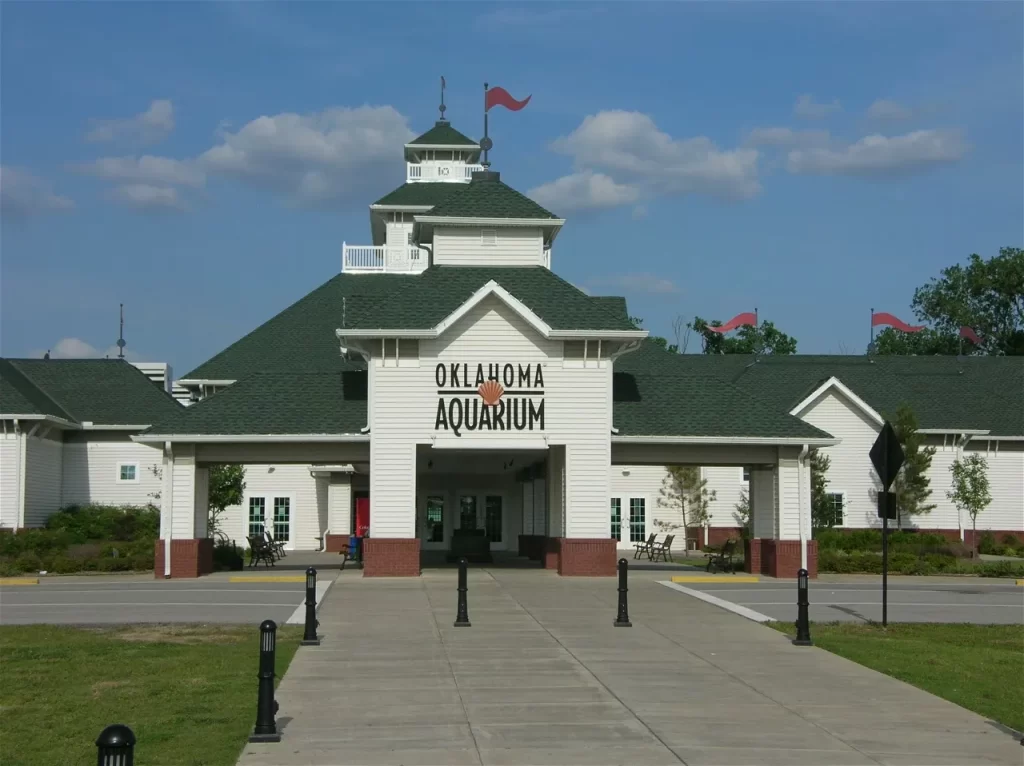
Located in Jenks, just a short drive from Tulsa, the Oklahoma Aquarium is a fantastic destination for families, marine enthusiasts, and travelers looking to explore the underwater world. Opened in 2003, it offers a unique opportunity to experience diverse aquatic life up close in a fun, educational environment.




Where to Eat
Oklahoma City: Cattlemen’s Steakhouse: Savor classic chicken-fried steak in Stockyards City. ($15–30) The Jones Assembly: Upscale dining with live music in the Arts District. ($20–40)
Tulsa: Burn Co Barbecue: Famous for ribs and brisket in the Blue Dome District. ($10–20) Roosevelt’s Gastropub: Craft beers and gourmet burgers. ($15–25)
Route 66 Diners: Rock Cafe (Stroud): Try the alligator burger or classic diner fare. ($8–15) Pops 66 (Arcadia): Enjoy burgers and unique sodas under neon lights. ($10–15)
Tip: Oklahoma’s cuisine blends Southern comfort food, Native American influences, and cowboy staples. Try fry bread or Indian tacos at cultural events.
Where to Stay
Oklahoma City: The National (4-star): A historic hotel with Art Deco charm in downtown. ($150–250/night) Colcord Hotel (4-star): Boutique luxury near Bricktown. ($120–200/night) Budget: Holiday Inn Express Oklahoma City ($70–100/night).
Tulsa: Mayo Hotel (4-star): Historic elegance with modern amenities. ($130–220/night) Hyatt Regency Tulsa (3-star): Affordable comfort near the Arts District. ($80–150/night)
Route 66 Motels: Desert Hills Motel (Tulsa): Retro vibe, budget-friendly. ($50–80/night) Campbell Hotel (Tulsa): Boutique charm on Route 66. ($100–150/night)
Camping: Beavers Bend State Park or Lake Murray State Park offer cabins and campsites ($20–100/night).
Tips for a Great Visit
Weather Preparedness: Spring and summer bring tornado risks. Carry a NOAA weather radio and follow local alerts, especially in the I-35 corridor. Dress for Adventure: Pack comfortable shoes for hiking, layered clothing for variable weather, and Western attire for rodeos or themed attractions.
Respect Native Culture: When visiting tribal sites or events, follow etiquette (e.g., ask before photographing ceremonies). Route 66 Planning: Download the Oklahoma Route 66 Passport from TravelOK.com for a guided itinerary of iconic stops. Combine Destinations: Pair Oklahoma City or Tulsa with nearby state parks or Route 66 for a diverse trip.
Final Thoughts
Oklahoma is a hidden gem where history, culture, and nature intertwine. Drive the nostalgic Route 66, immerse yourself in Native American heritage, or explore the vibrant arts and outdoor scenes in Oklahoma City and Tulsa. With affordable attractions, friendly locals, and a mix of urban and rural charm, the Sooner State offers something for every traveler. Plan your visit to experience the heart of Americana in 2025!
Happy travels!