A Travel Guide to Oregon
Oregon, located in the Pacific Northwest of the United States, is a state of staggering diversity, where rugged coastlines, towering volcanoes, lush forests, and vibrant cities create a playground for adventurers, foodies, and culture seekers alike. From the hip urban vibe of Portland to the serene beauty of Crater Lake, Oregon offers something for every traveler. This guide will help you plan an unforgettable trip to the Beaver State, known for its tax-free shopping, craft beer, and outdoor splendor.
Why Visit Oregon?
Oregon’s appeal lies in its ability to blend natural wonders with cultural richness. The state boasts over 360 state parks, a dramatic coastline, and the deepest lake in the U.S., Crater Lake. Its largest city, Portland, is a hub of creativity with a world-class food and microbrewery scene, while smaller towns like Bend and Ashland offer outdoor adventure and cultural charm. Oregon’s landscapes range from the windswept beaches of Cannon Beach to the high desert of Eastern Oregon, making it a year-round destination for hiking, skiing, wine tasting, and more. Plus, its tax-free shopping is a bonus for visitors looking to splurge on local crafts or outdoor gear.
How to Get There
Oregon is easily accessible, with Portland International Airport (PDX) serving as the primary gateway. Major airlines like Alaska Airlines, Delta, and United offer direct flights from cities across the U.S. and international destinations.
By Air: PDX is 12 miles from downtown Portland, with easy access via MAX Light Rail (¥2.50, 40 minutes) or taxis (¥30–40). Smaller airports in Eugene, Redmond, and Medford serve regional flights.
By Train: Amtrak’s Coast Starlight and Empire Builder routes connect Oregon to Seattle, California, and beyond, stopping in Portland and other cities.
By Car: Major highways like I-5 (north-south) and I-84 (east-west) make Oregon accessible from Washington, California, and Idaho. A car is highly recommended for exploring beyond cities, as public transport is limited in rural areas.
By Bus: Greyhound and FlixBus connect Portland to major U.S. cities, with regional buses serving smaller towns like Bend or Astoria.
Location Context: Oregon lies between Washington to the north, California and Nevada to the south, and Idaho to the east, with the Pacific Ocean forming its western border. Most of the state is in the Pacific Time Zone (UTC-8, UTC-7 daylight saving), except for parts of Malheur County, which use Mountain Time.
Best Time to Visit
Spring (March–May): Ideal for waterfalls in the Columbia River Gorge and wildflower hikes, with mild temperatures (50–65°F). Summer (June–August): Perfect for coastal adventures, hiking, and festivals like the Oregon Shakespeare Festival in Ashland. Expect warm days (70–85°F) but cooler nights.
Autumn (September–November): Stunning fall foliage in the Willamette Valley and fewer crowds at Crater Lake. Temperatures range from 45–70°F. Winter (December–February): Great for skiing at Mount Hood or cozy city visits in Portland. Coastal areas stay mild (40–55°F), while inland areas can drop below freezing.
Weather Tip: Pack layers, as Oregon’s weather can shift rapidly, especially in spring and fall. A rain jacket is essential year-round. Avoid peak holiday periods like Memorial Day or Labor Day for fewer crowds.
Top Attractions
Crater Lake National Park
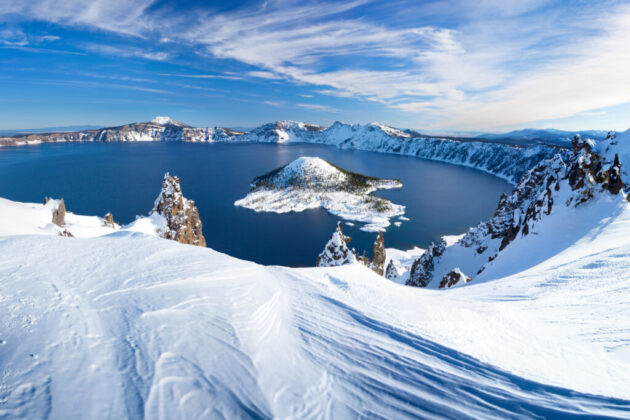
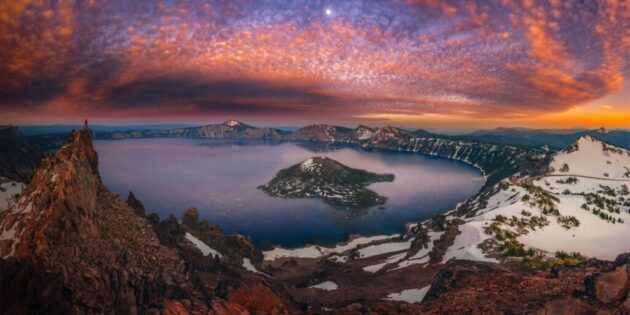
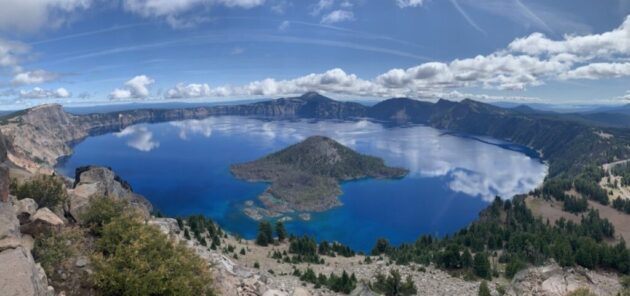
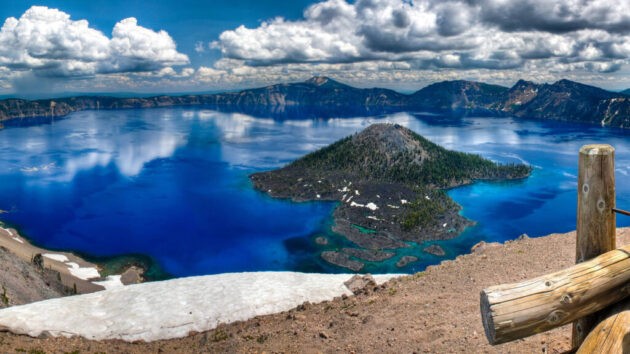
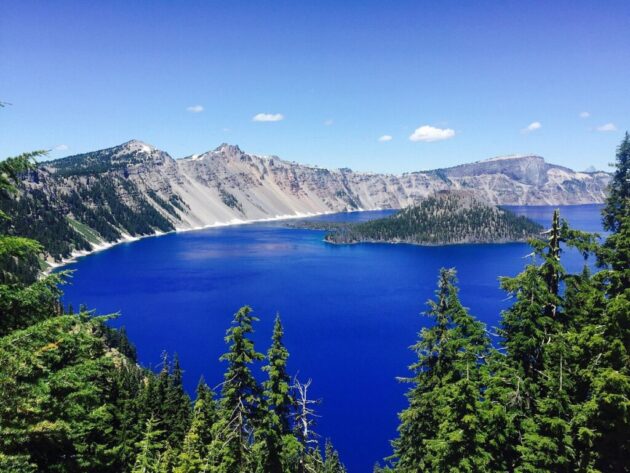
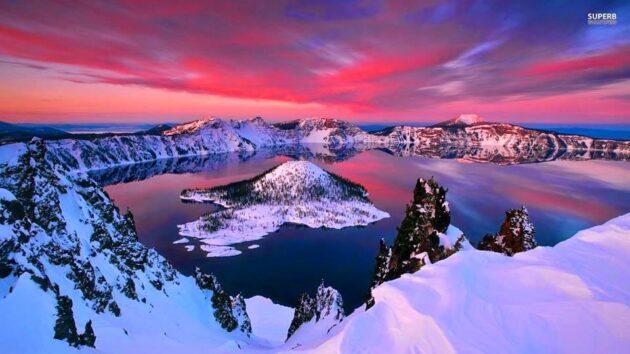
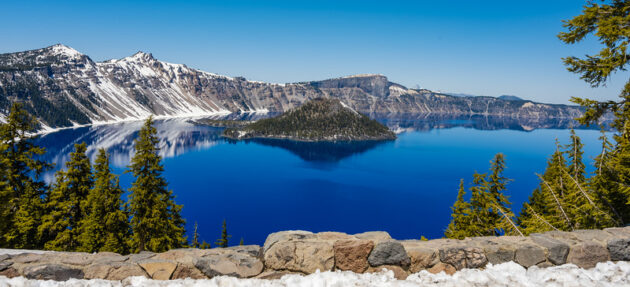
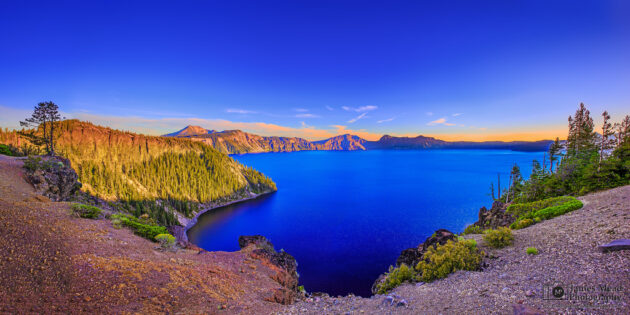
Crater Lake National Park, located in southern Oregon, is home to one of the most stunning natural wonders in the United States: Crater Lake, the deepest lake in the country, formed in the caldera of an ancient volcano. Renowned for its vibrant blue waters, dramatic cliffs, and pristine wilderness, the park offers breathtaking scenery, outdoor adventures, and a glimpse into geological history.
Oregon Dunes National Recreation Area
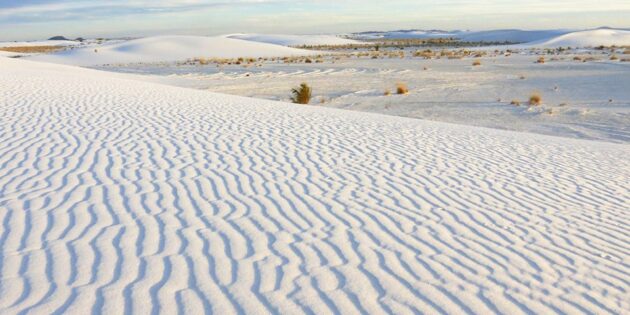
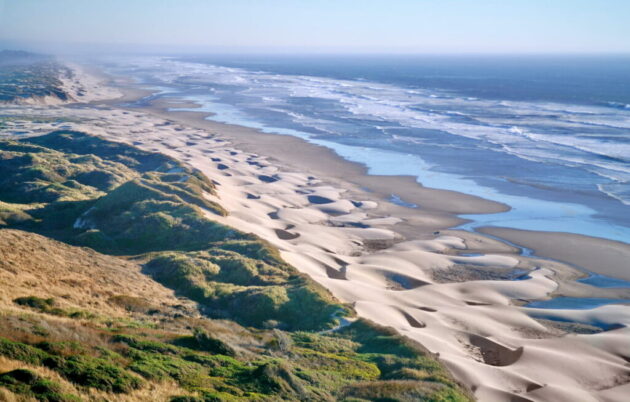
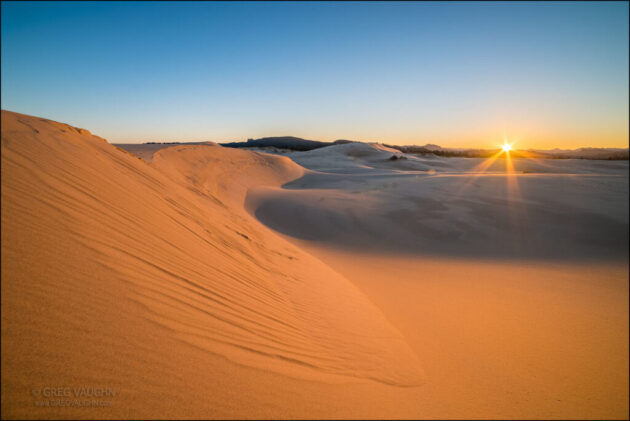
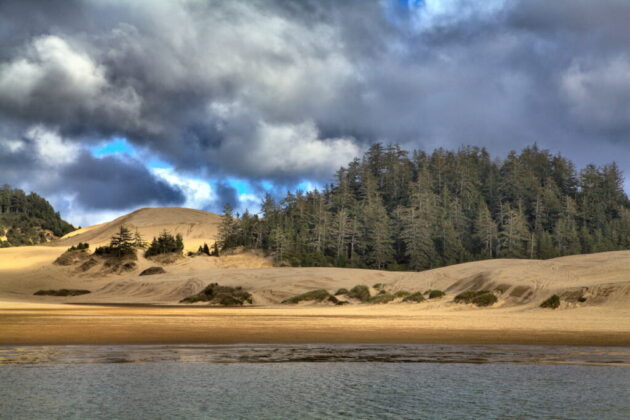
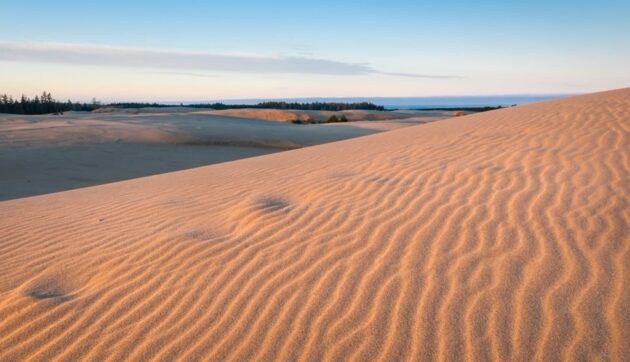
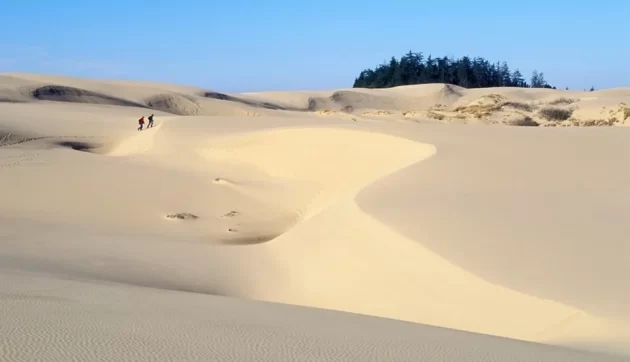
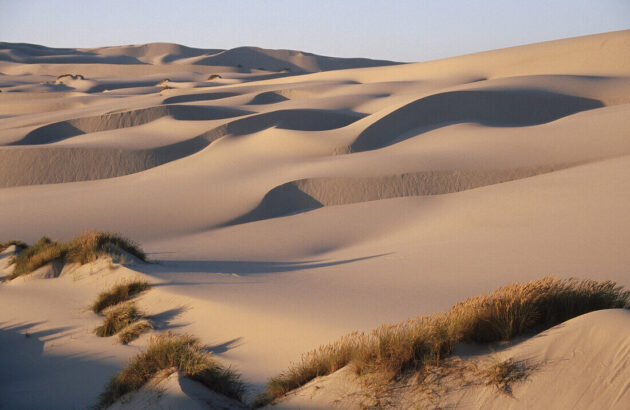
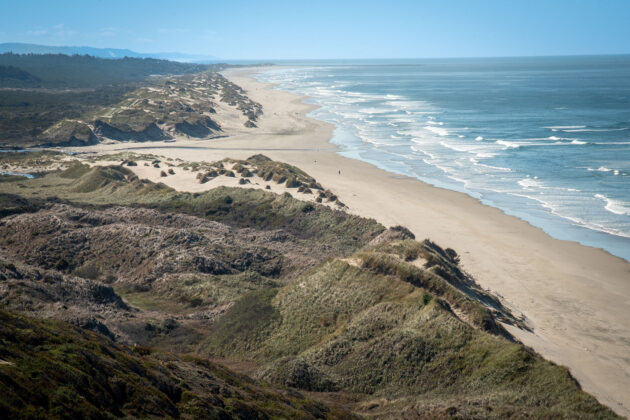
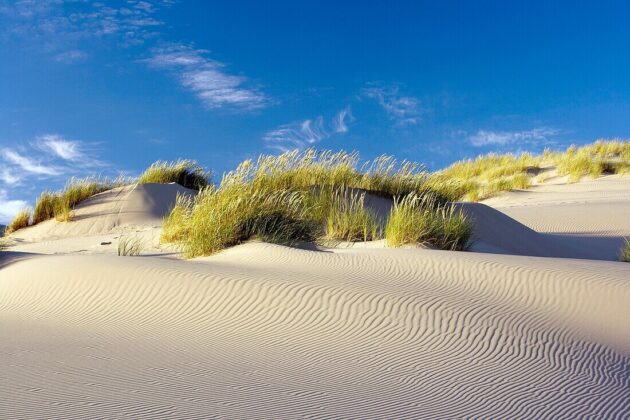
Stretching 40 miles along the Oregon Coast from Florence to Coos Bay, the Oregon Dunes National Recreation Area is a breathtaking natural wonder, home to North America’s largest expanse of coastal sand dunes. Part of the Siuslaw National Forest, this 31,500-acre landscape features wind-sculpted dunes towering up to 500 feet, coastal forests, lakes, and pristine beaches.
Newberry National Volcanic Monument
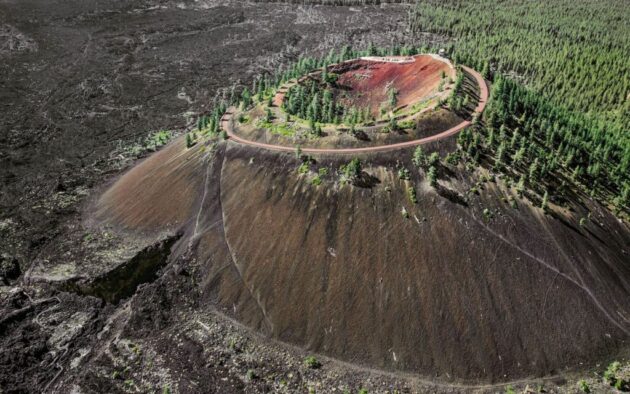
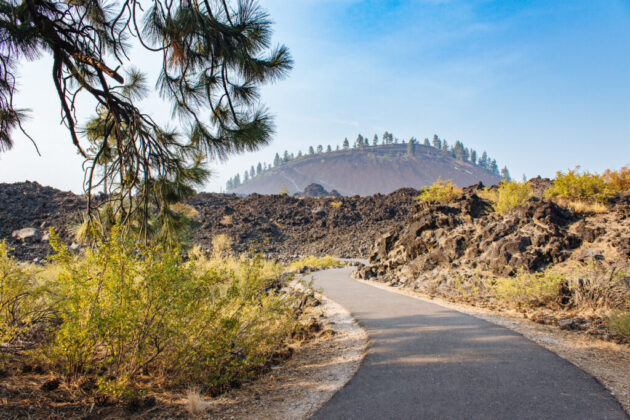
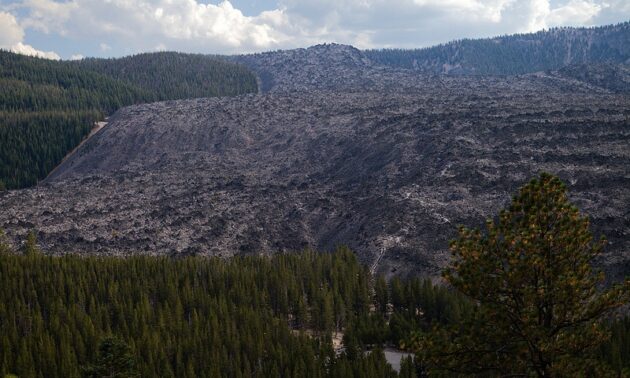
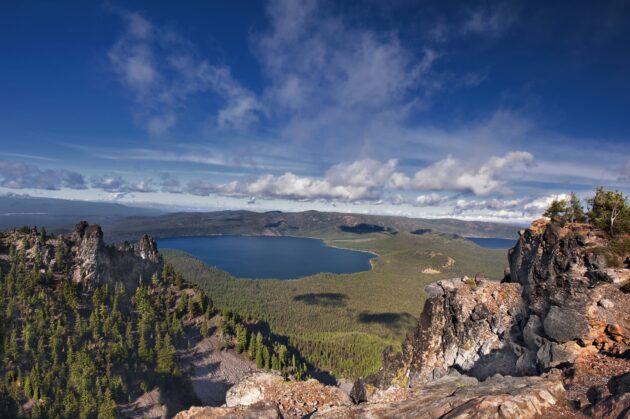
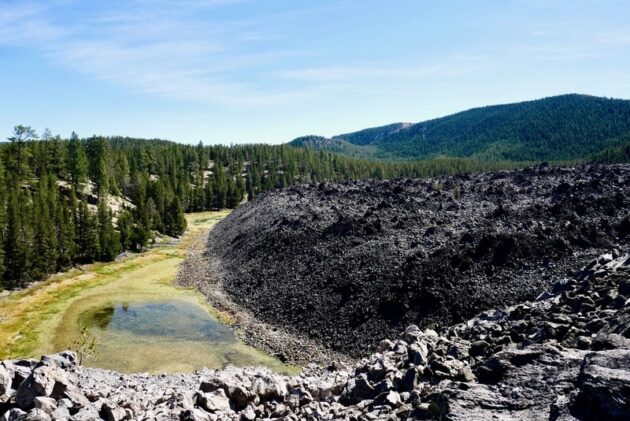
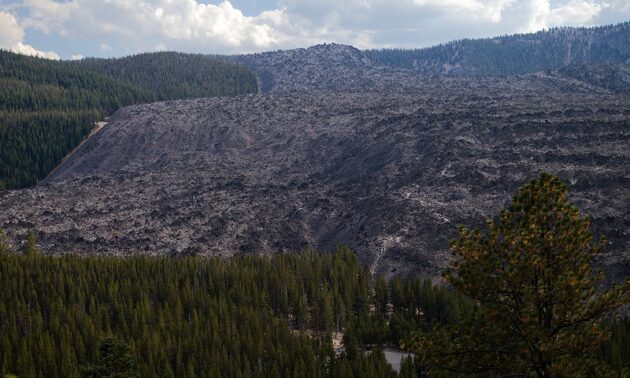
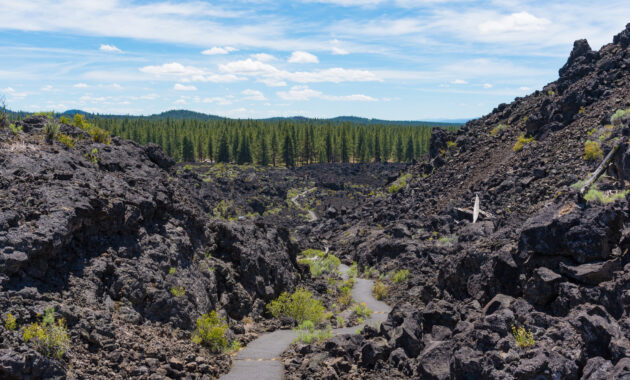
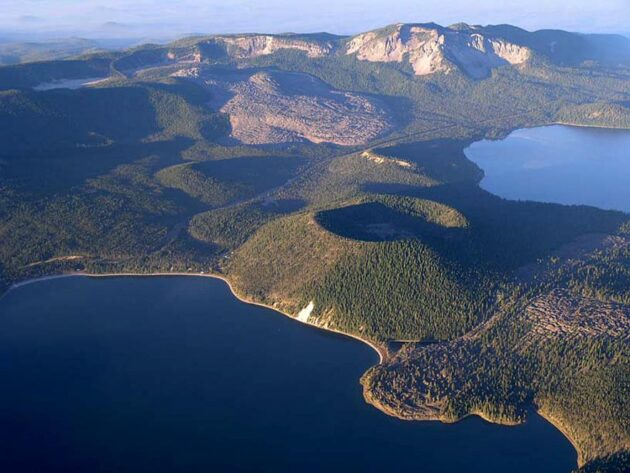
Located in the heart of Central Oregon’s Deschutes National Forest, Newberry National Volcanic Monument is a geological wonder spanning over 54,000 acres. Established in 1990, this monument showcases the dramatic landscape of the Newberry Volcano, the largest in the Cascade Range, with lava flows, cinder cones, lakes, and unique formations like the Big Obsidian Flow.
Columbia River Gorge National Scenic Area
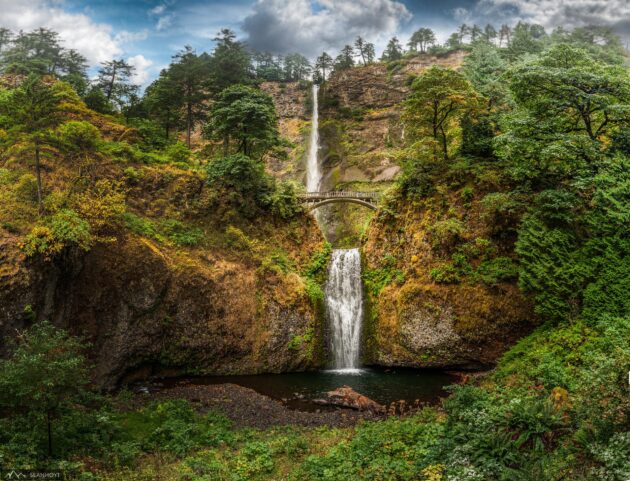
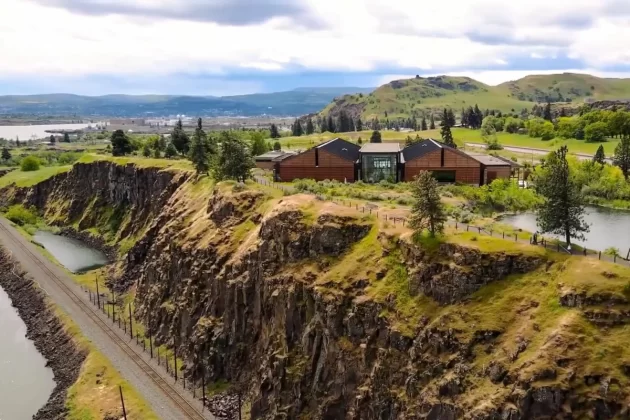
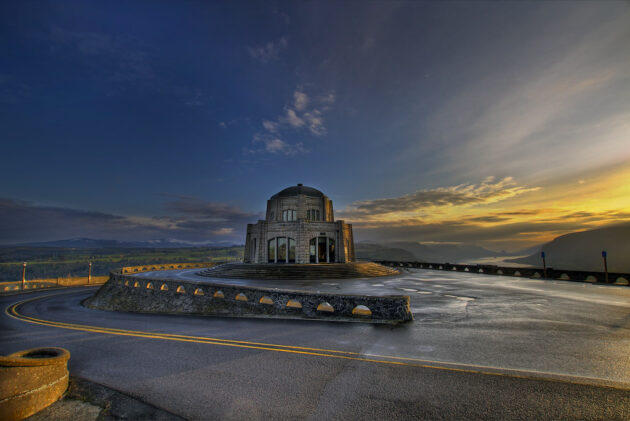
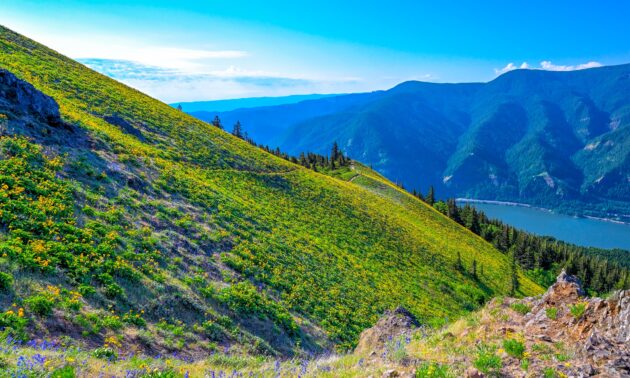
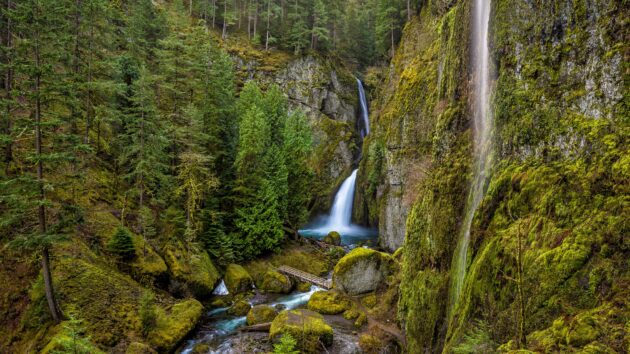
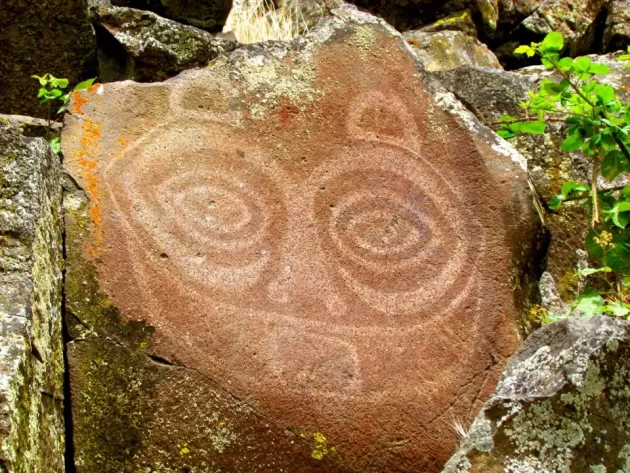
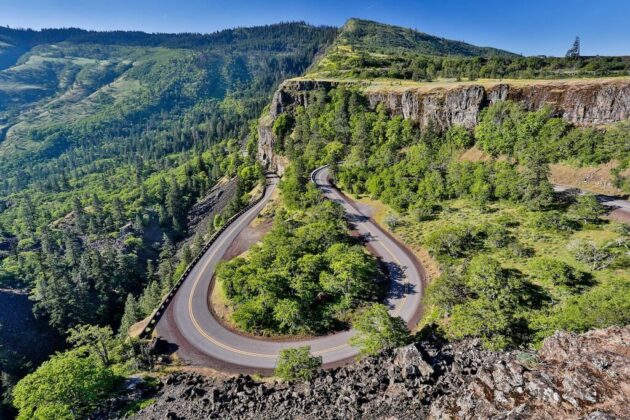
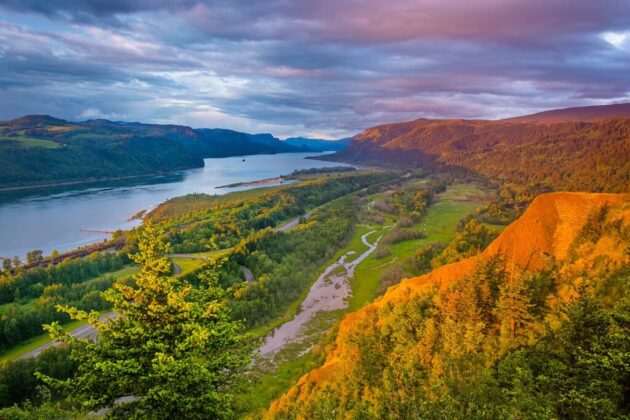
The Columbia River Gorge National Scenic Area, stretching 85 miles along the border of Oregon and Washington, is a breathtaking natural wonder carved by the Columbia River through the Cascade Mountains. As the largest National Scenic Area in the United States, covering 292,500 acres, it boasts dramatic cliffs, over 90 waterfalls, lush rainforests, and arid grasslands, making it a paradise for outdoor enthusiasts, history buffs, and nature lovers.
Mount Hood National Forest
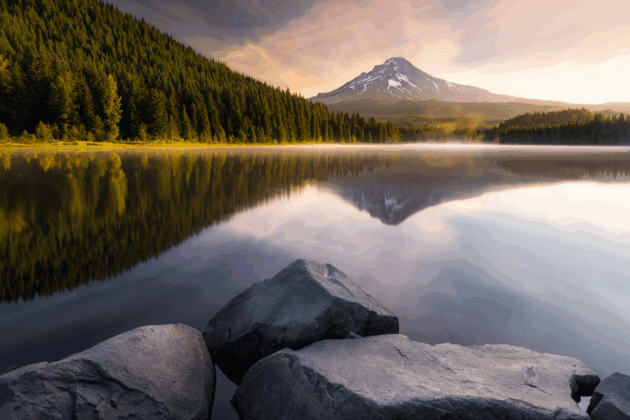
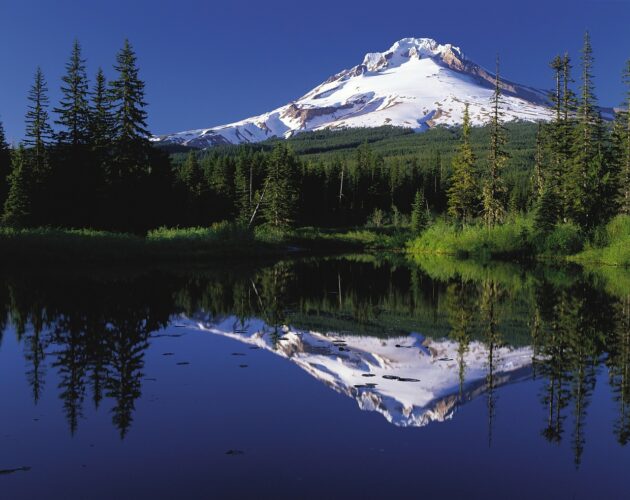
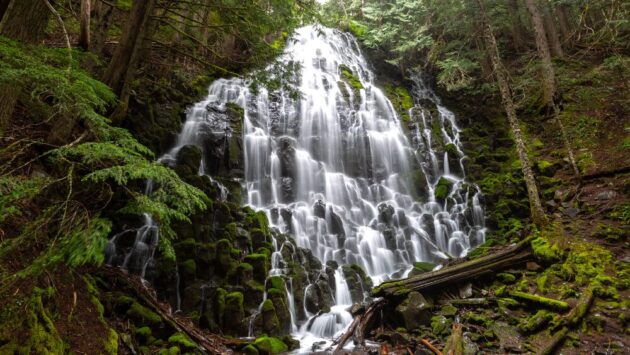
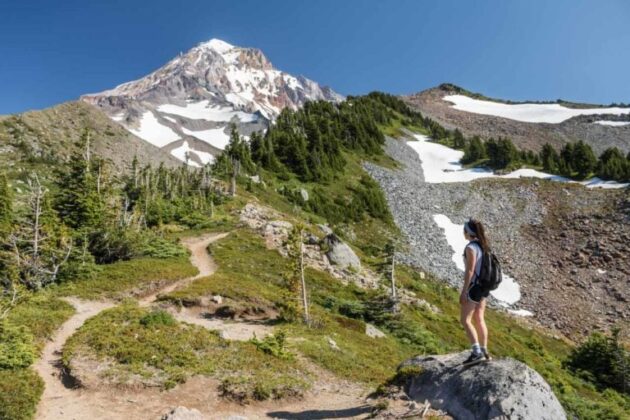
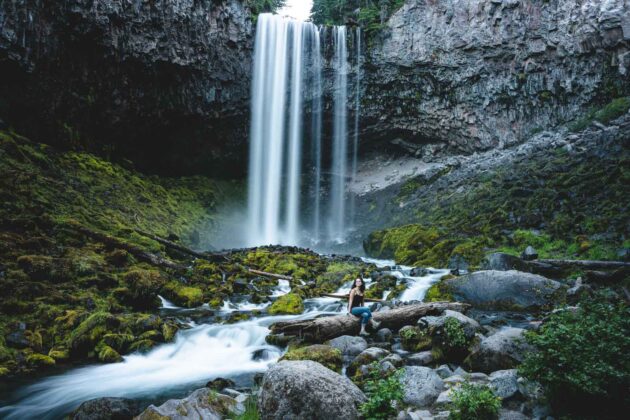
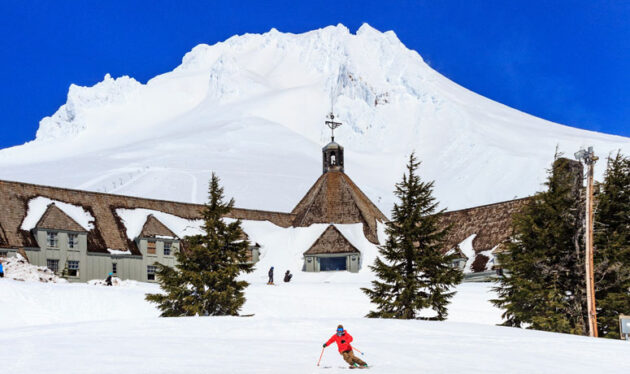
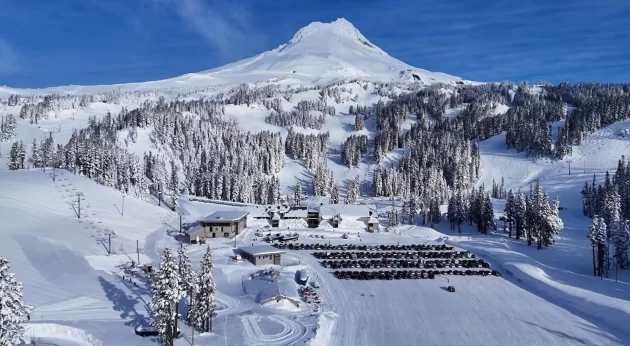
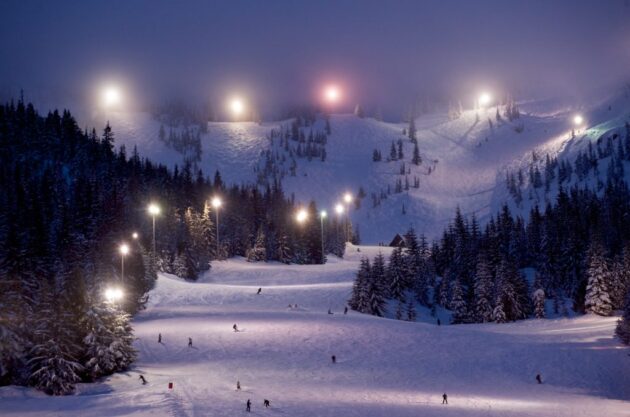
Located just 62 miles east of Portland, Oregon, Mount Hood National Forest is a breathtaking wilderness spanning over 1.1 million acres of rugged mountains, pristine lakes, and old-growth forests. Centered around Oregon’s tallest peak, Mount Hood (11,249 feet), this national forest is a year-round playground for outdoor enthusiasts, offering everything from hiking and skiing to camping and scenic drives.
Willamette National Forest
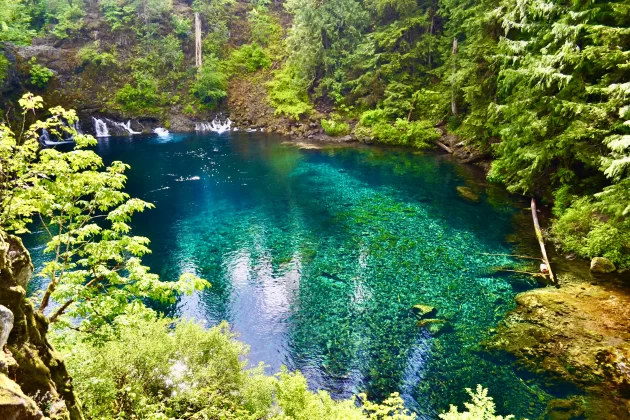
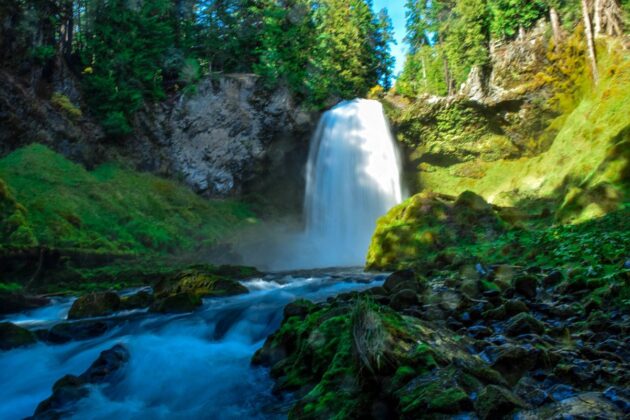
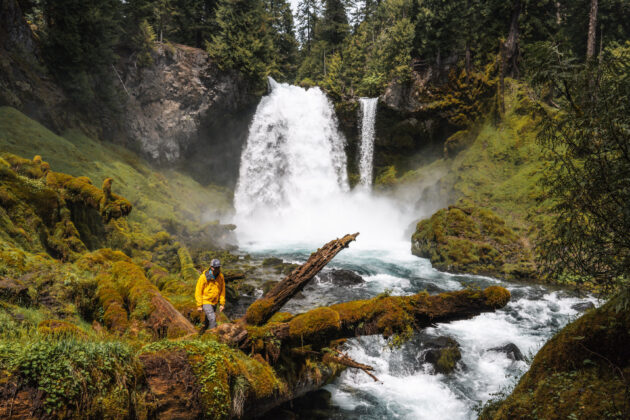
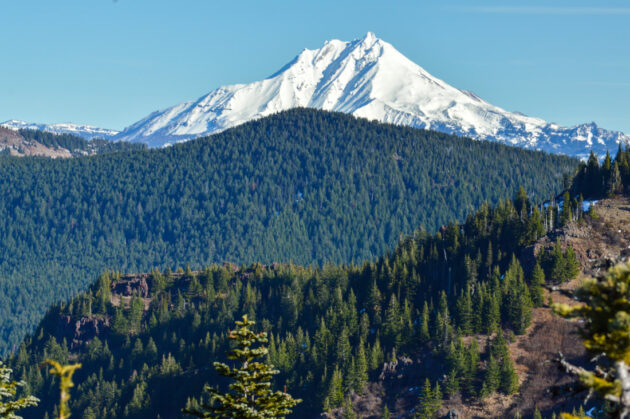
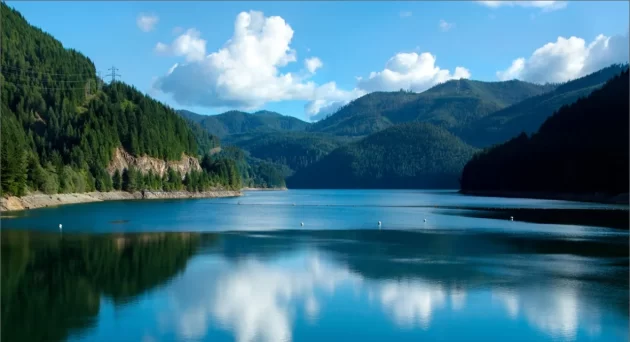
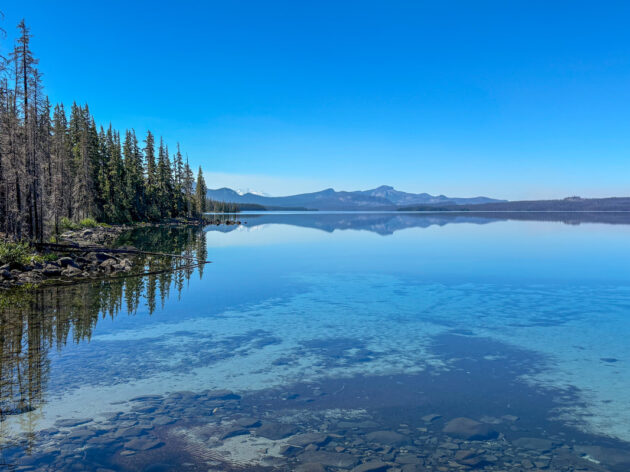
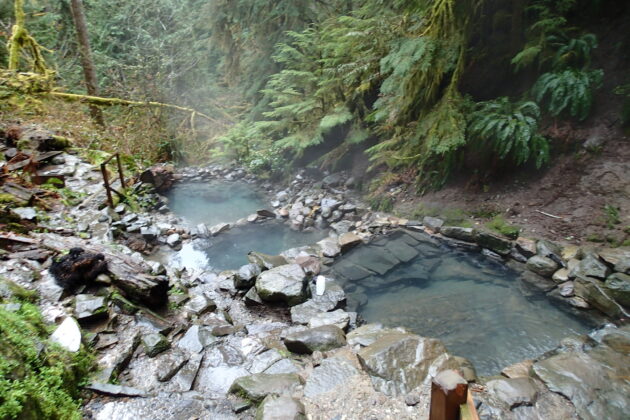
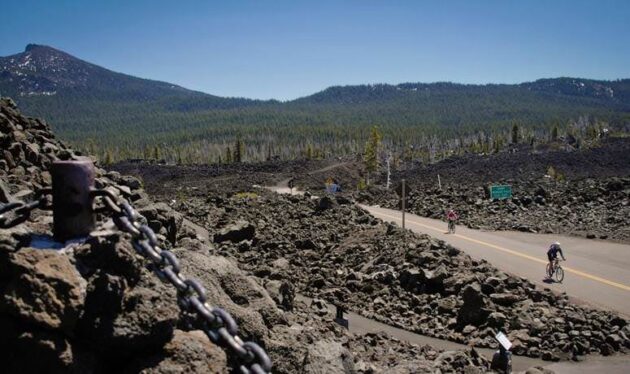
Spanning over 1.6 million acres along the western slopes of Oregon’s Cascade Range, Willamette National Forest is a breathtaking wilderness of volcanic peaks, ancient forests, cascading waterfalls, and pristine lakes. Located just 30 minutes east of Eugene and under two hours south of Portland, this year-round adventure destination offers endless opportunities for hiking, camping, biking, and water activities.
Cannon Beach
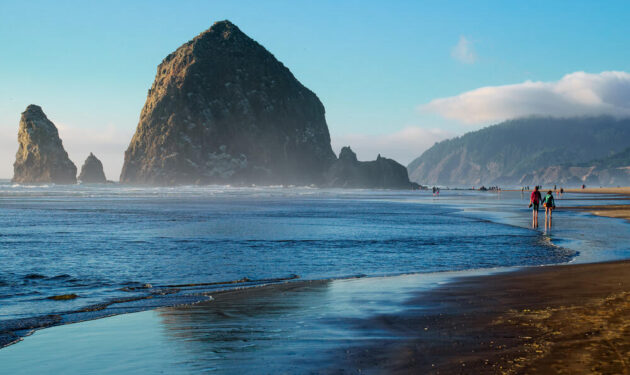
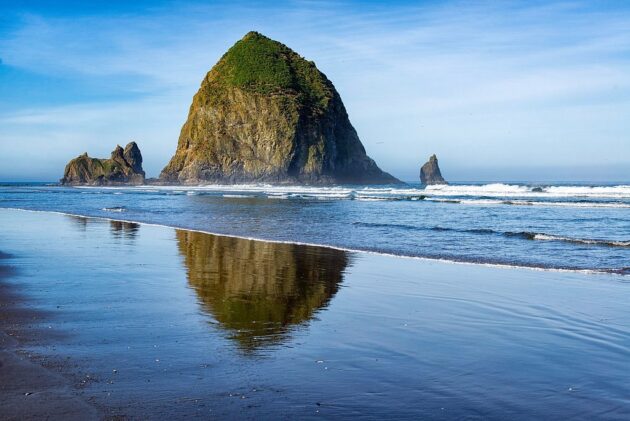
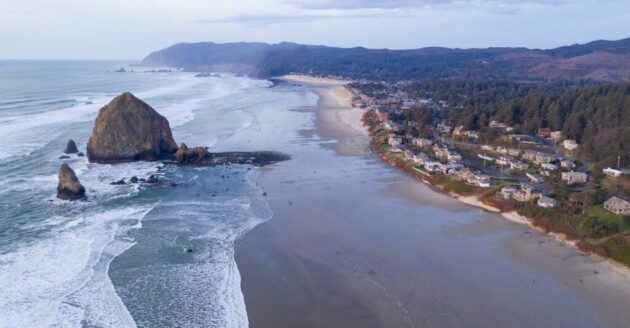
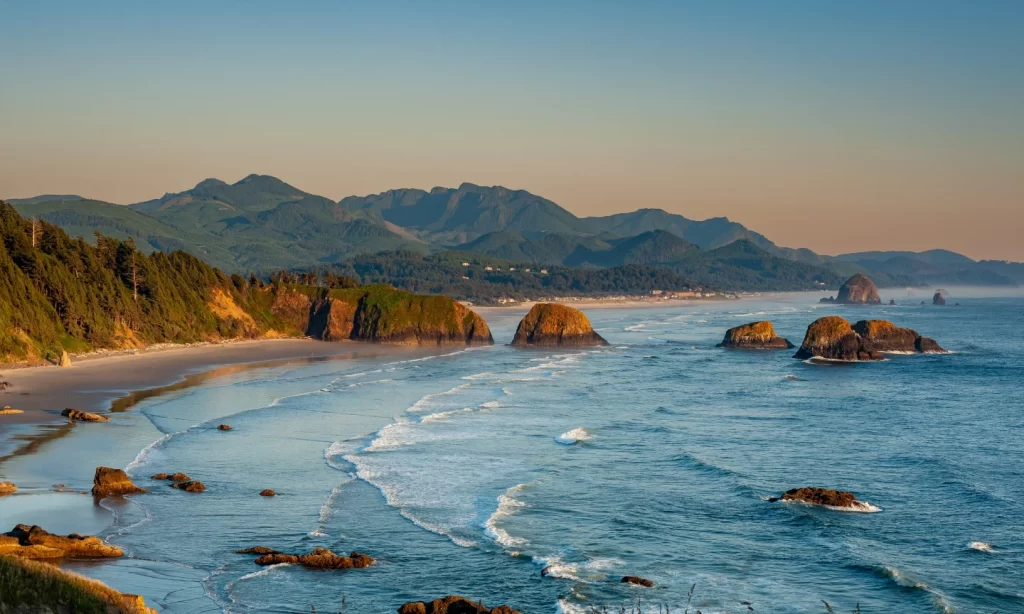
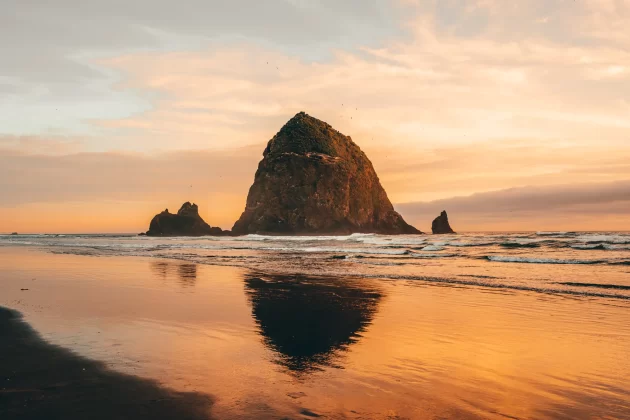
Cannon Beach, located on the northern coast of Oregon, is a charming seaside town known for its iconic Haystack Rock, a towering sea stack that rises from the shoreline and is home to diverse birdlife. With its wide sandy beaches, dramatic coastal scenery, and vibrant arts scene, Cannon Beach offers a perfect mix of natural beauty and small-town charm. Visitors can enjoy tide pooling, scenic hikes in nearby Ecola State Park, and browsing local galleries, making it a popular destination for both relaxation and outdoor adventure.
John Day Fossil Beds National Monument
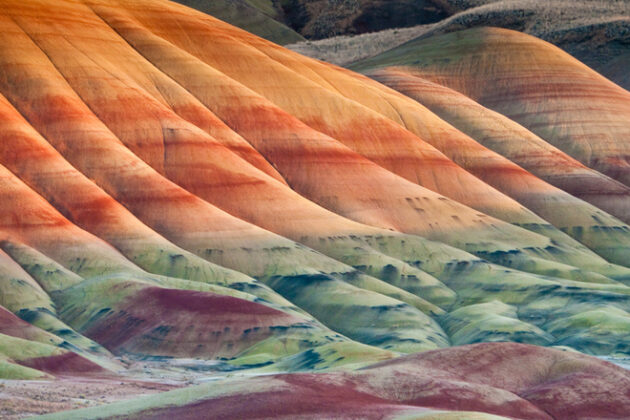
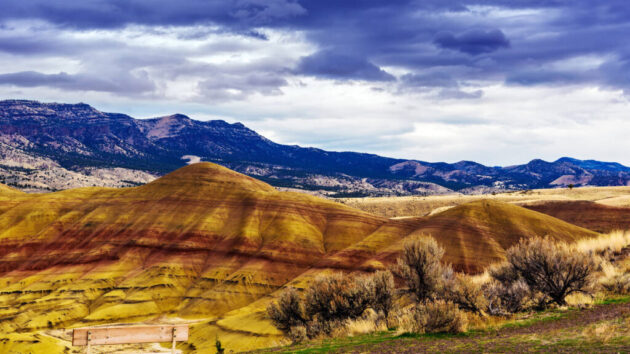
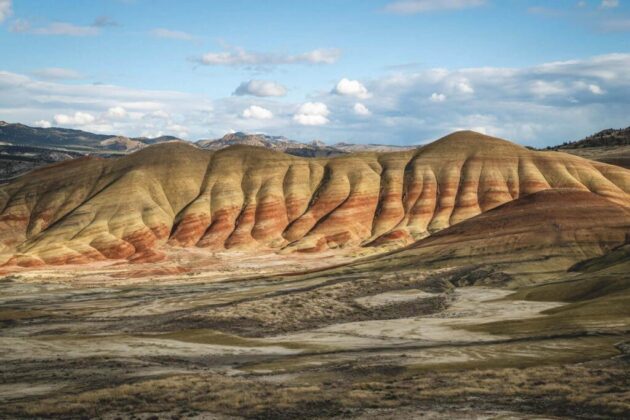
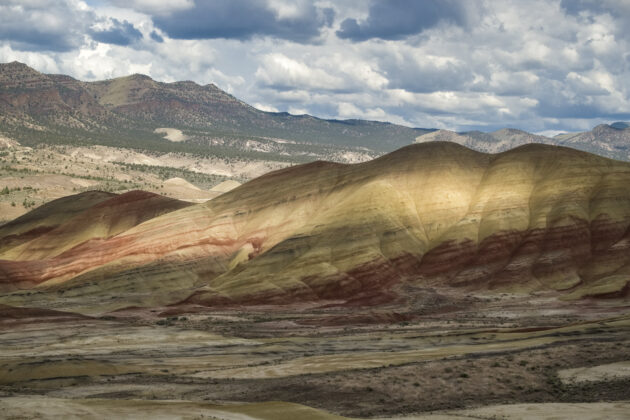
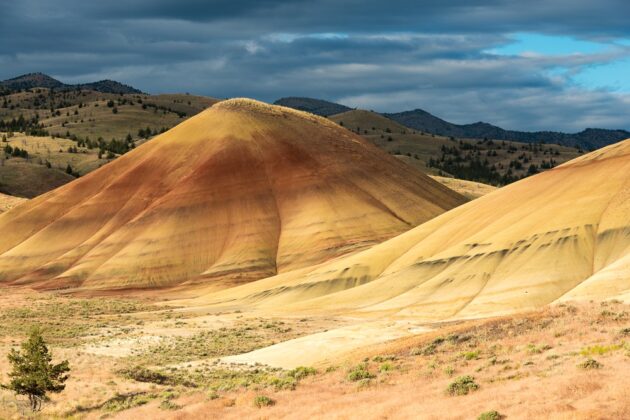
John Day Fossil Beds National Monument, located in eastern Oregon, is a remarkable site known for its colorful rock formations and one of the most complete and well-preserved fossil records in the world. Spanning millions of years, the monument offers a glimpse into ancient ecosystems through its three distinct units—Clarno, Painted Hills, and Sheep Rock—each showcasing unique geological features and fossilized remains of plants and animals. Visitors can explore scenic trails, visit the Thomas Condon Paleontology Center, and experience the natural history and beauty of this scientifically significant landscape.
Smith Rock State Park
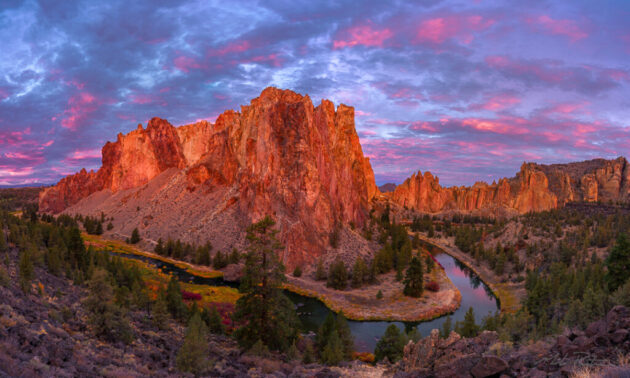
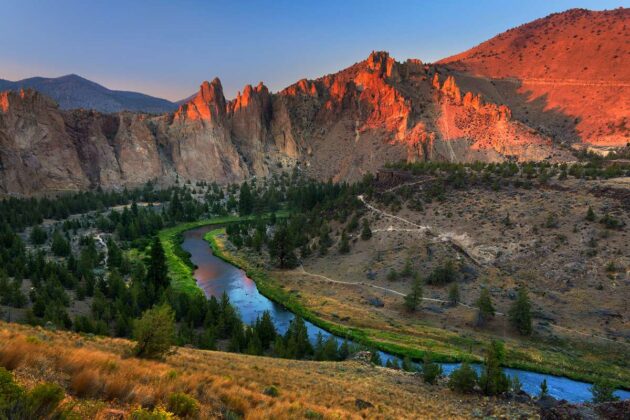
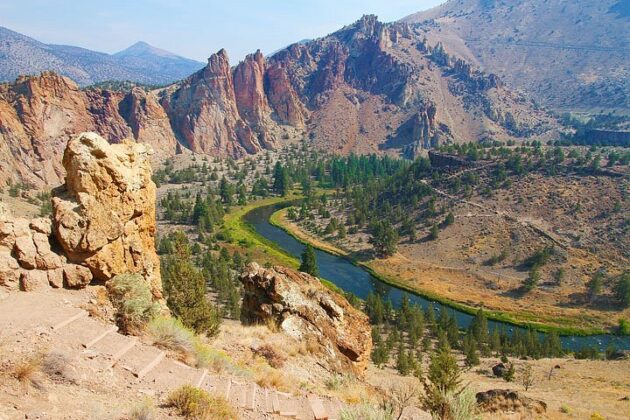
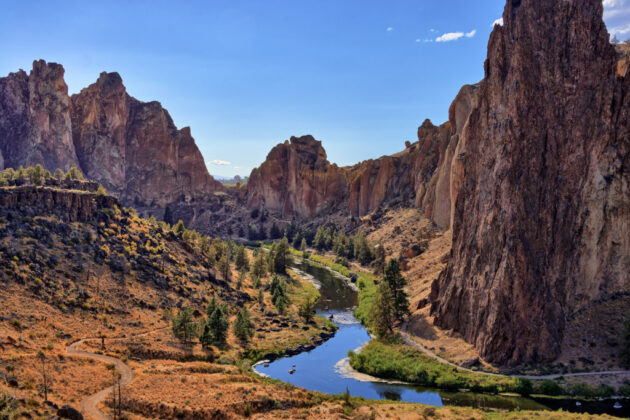
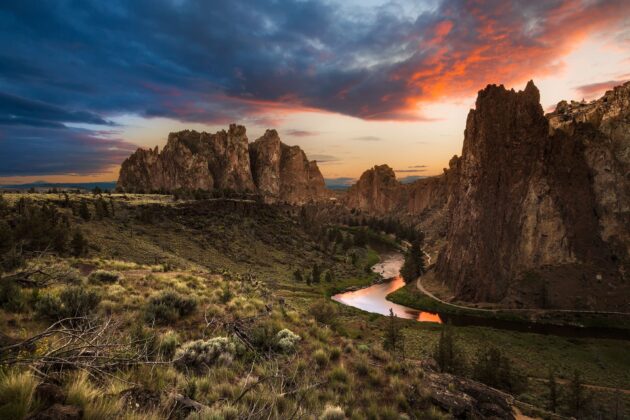
Smith Rock State Park, located in central Oregon, is a stunning natural area renowned for its dramatic cliffs, deep river canyons, and world-class rock climbing opportunities. Set against the backdrop of the Crooked River, the park features towering basalt and tuff rock formations that attract climbers, hikers, and photographers from around the world. Visitors can enjoy scenic trails like the Misery Ridge Trail, wildlife spotting, and breathtaking views of the high desert landscape. Whether you’re seeking adventure or tranquility, Smith Rock offers an unforgettable outdoor experience.
Silver Falls State Park
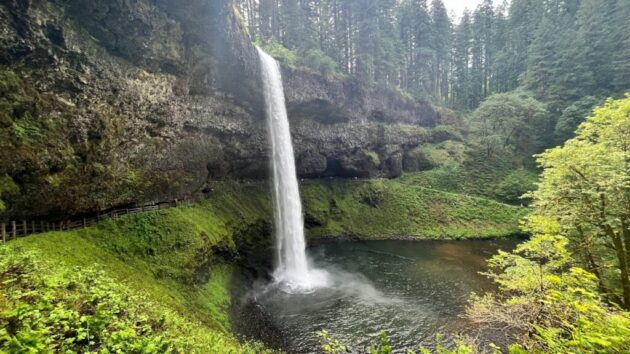
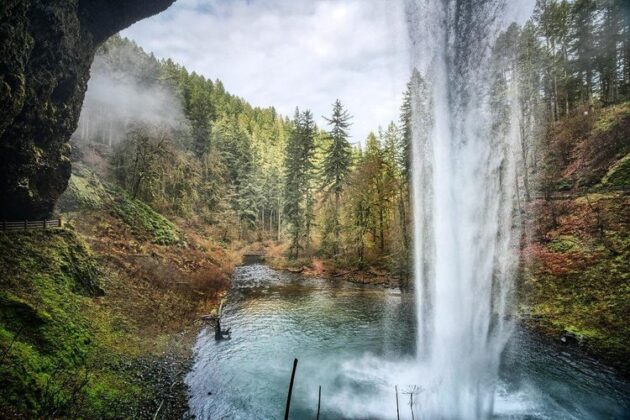
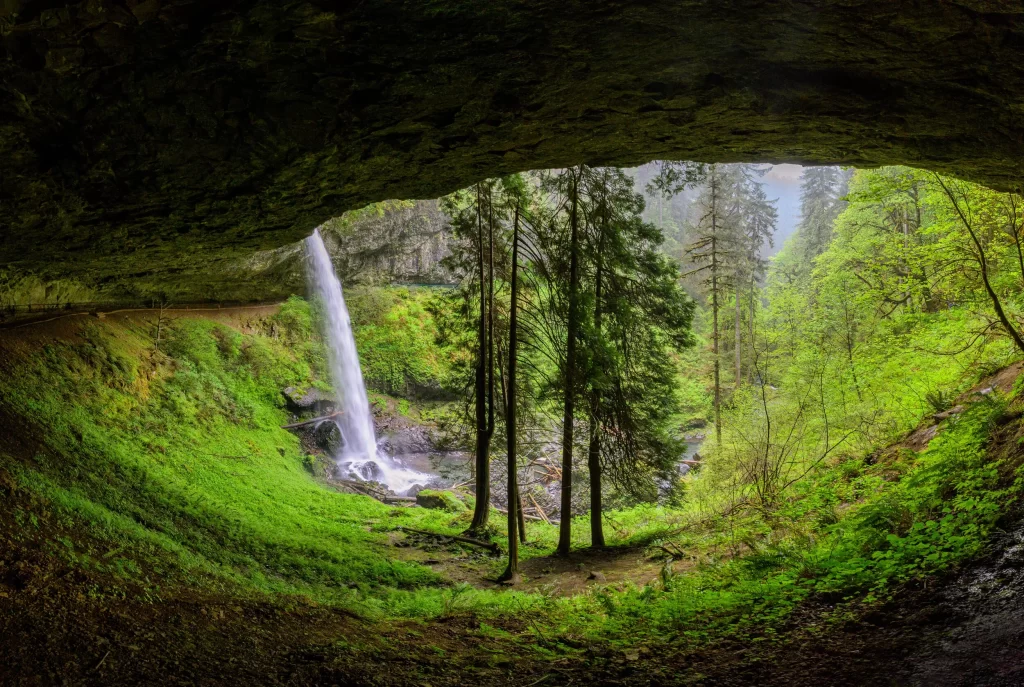
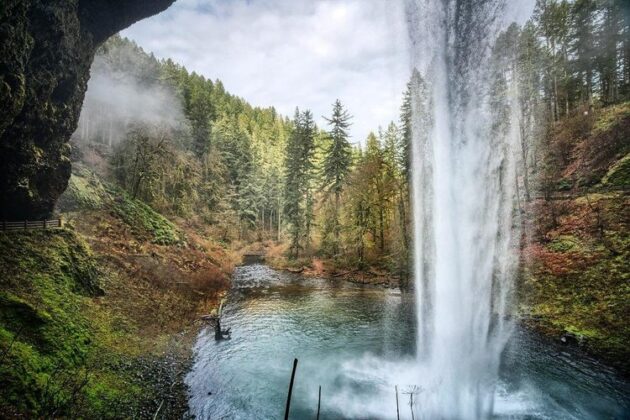
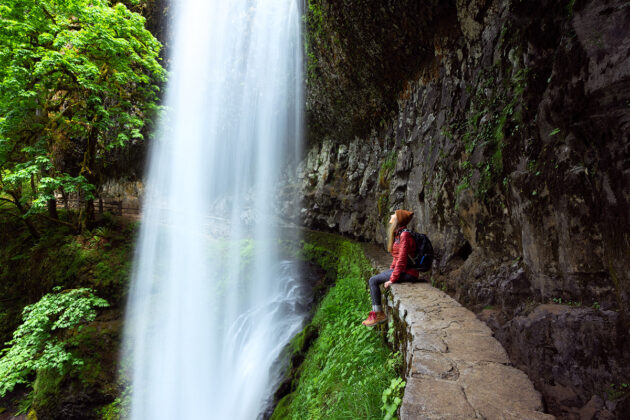
Silver Falls State Park, located in Oregon, is the largest state park in the state and is often called the “crown jewel” of the Oregon State Parks system. Known for its stunning natural beauty, the park features the famous Trail of Ten Falls—a scenic hiking loop that passes by and even behind several majestic waterfalls. With lush forests, winding trails, and picnic areas, it’s a popular destination for hiking, photography, and nature lovers seeking a peaceful retreat in the Pacific Northwest.
Sea Lion Caves
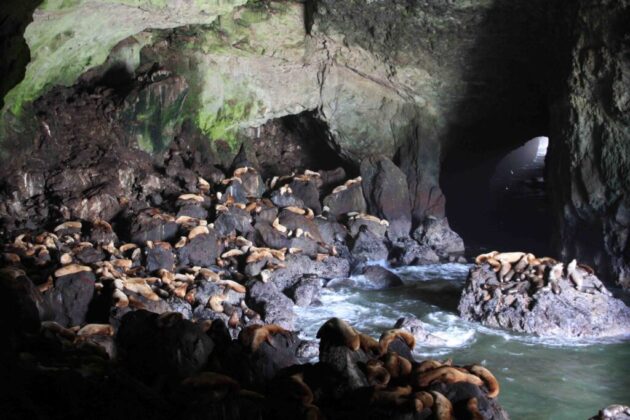
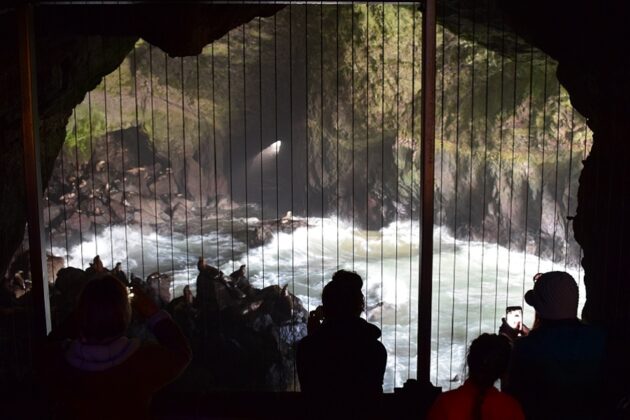
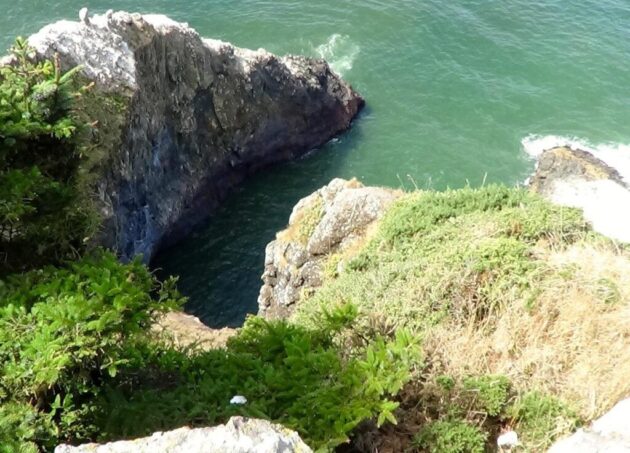
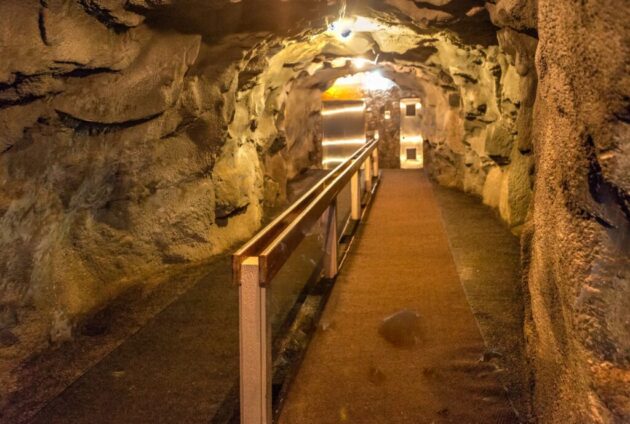
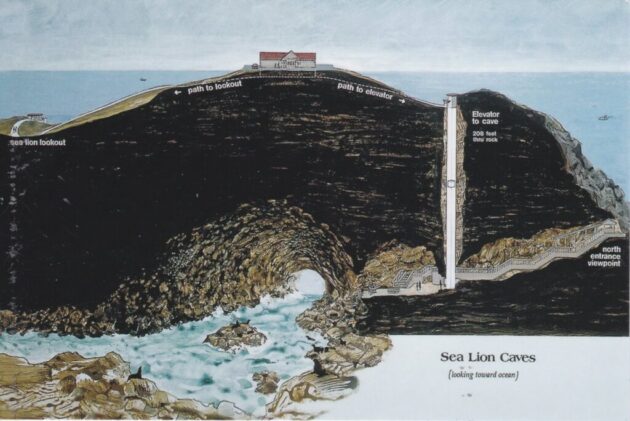
Sea Lion Caves is a fascinating wildlife attraction located on the Oregon Coast in the United States. It is the largest sea cave in America and serves as a natural sanctuary for wild Steller sea lions. Visitors can descend into the cave via an elevator and observe these magnificent marine mammals in their natural habitat, especially during the fall and winter months. The site also offers breathtaking views of the Pacific Ocean, cliffs, and seabird nesting areas, making it a must-visit destination for nature lovers and wildlife enthusiasts.
Oregon Zoo
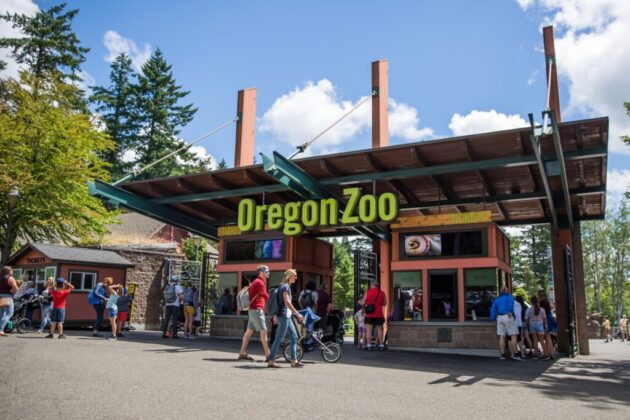
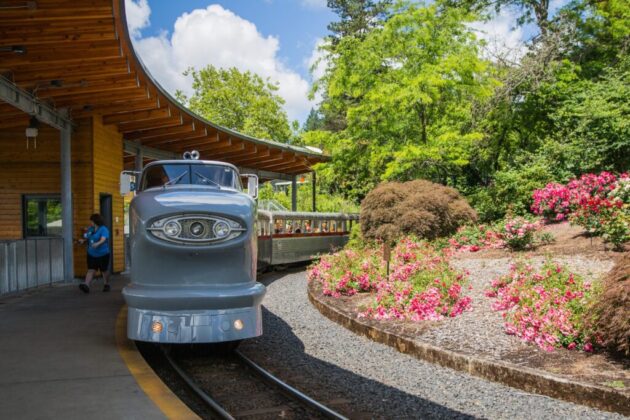
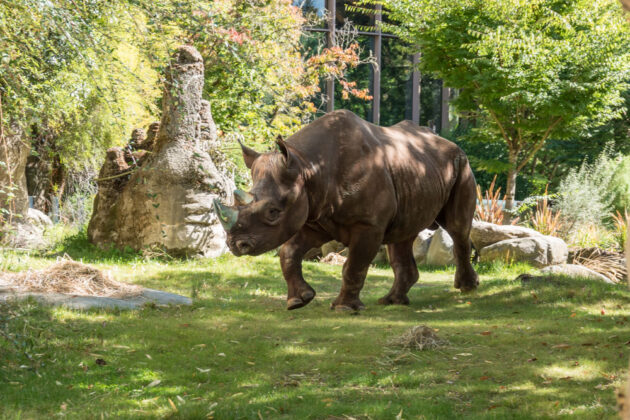
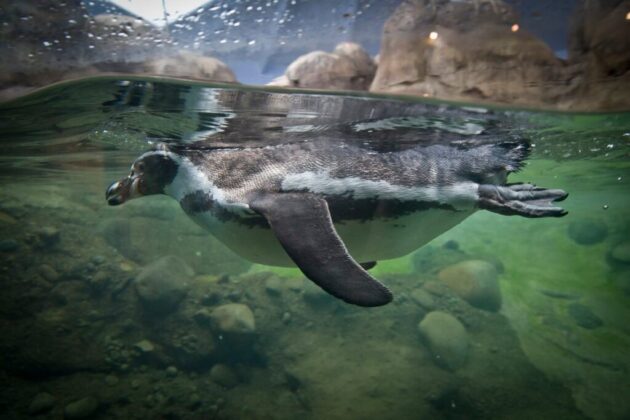
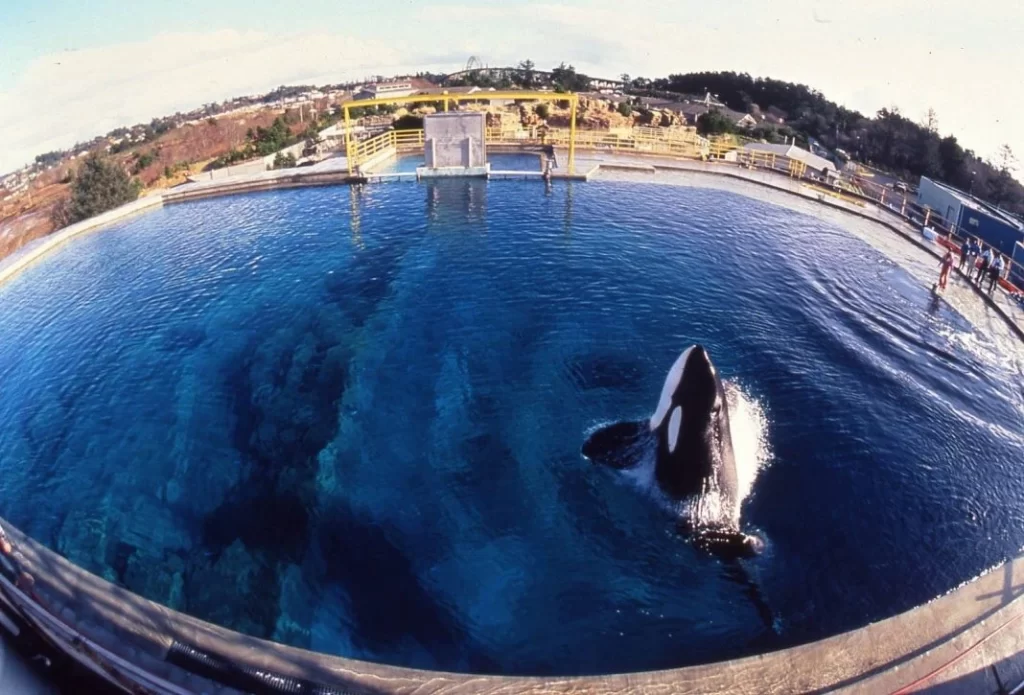
Oregon Zoo, located in Portland, Oregon, is one of the oldest zoos on the West Coast, home to over 2,500 animals representing more than 200 species from around the world. Known for its strong focus on conservation and education, the zoo offers visitors the chance to see elephants, lions, polar bears, and many other animals in thoughtfully designed habitats. Surrounded by lush forest in Washington Park, the zoo also features interactive exhibits, a scenic railway, and seasonal events, making it a favorite destination for families and animal lovers alike.




Oregon Coast Aquarium
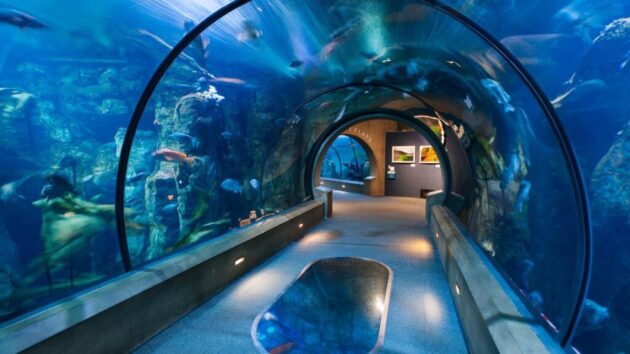
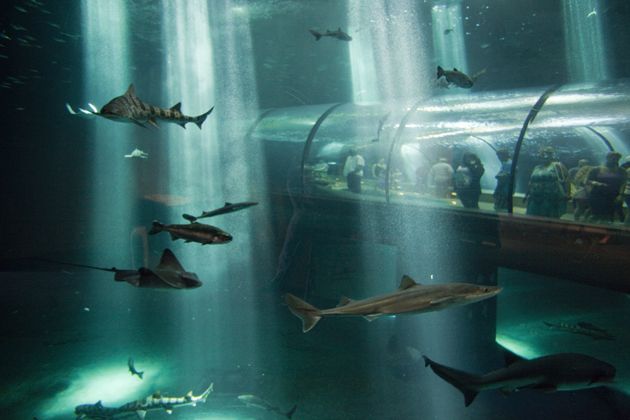
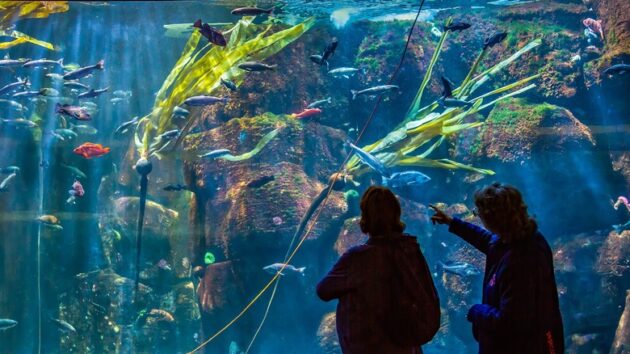
The Oregon Coast Aquarium, located in Newport, Oregon, is a premier marine science center that showcases the diverse marine life of the Pacific Northwest. Known for its immersive exhibits like Passages of the Deep, where visitors walk through underwater tunnels surrounded by sharks and rockfish, the aquarium also features playful sea otters, seabirds, and touch pools. It plays a vital role in marine education, conservation, and rehabilitation, offering an engaging experience for visitors of all ages.

Wildlife Safari
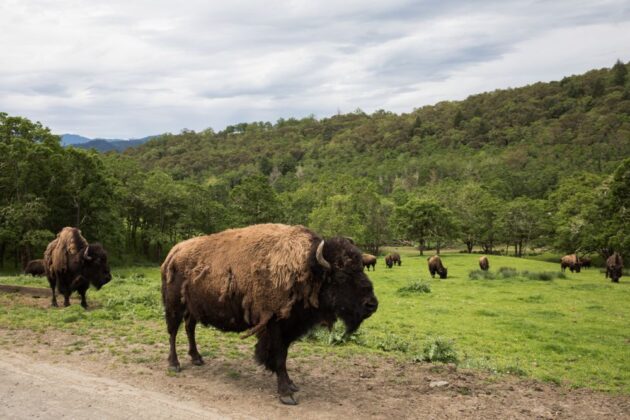
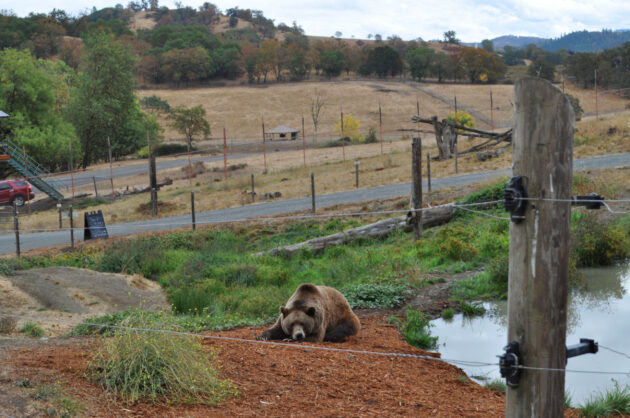
Wildlife Safari is a drive-through animal park located in Winston, Oregon, where visitors can experience up-close encounters with over 500 animals from around the world, including elephants, lions, giraffes, and rhinos. Spanning over 600 acres, the park allows guests to observe animals roaming freely in natural habitats from the comfort of their own vehicles. In addition to the drive-through experience, Wildlife Safari also offers walk-through exhibits, educational programs, and opportunities for behind-the-scenes animal encounters, making it a fun and educational destination for all ages.



Where to Eat
Portland: Try Le Pigeon for French-inspired cuisine ($80–100/person) or Voodoo Doughnut for quirky treats ($2–5). Food carts at Prost Marketplace offer global flavors ($10–15). Astoria: Savor fresh seafood at Bowpicker Fish & Chips ($12–18) or craft brews at Fort George Brewery.
Willamette Valley: Pair wine with farm-to-table dishes at The Painted Lady in Newberg ($120 tasting menu). Bend: Enjoy locavore cuisine at Ariana Restaurant ($50–80/person) or casual bites at 10 Barrel Brewing ($15–25).
Tip: Oregon’s culinary scene is farm-fresh and innovative. Look for restaurants with local, organic ingredients.
Where to Stay
Portland: The Nines (luxury, ~$200–300/night): Central, with rooftop dining. McMenamins Kennedy School (unique, ~$120–180/night): A converted school with quirky charm. HI Portland Hostel (budget, ~$30–50/night): Affordable and social.
Cannon Beach: Inn at Cannon Beach (~$150–250/night) offers cozy rooms near Haystack Rock. Bend: Oxford Hotel (eco-friendly, ~$180–280/night) or Sunriver Resort (~$150–200/night) for outdoor access. Crater Lake: Crater Lake Lodge (~$200–350/night, May–October) or nearby campgrounds ($25–40/night).
Camping: Oregon’s 360+ state parks, like Silver Falls (with the Trail of Ten Falls), offer campsites from $15–40/night. Book via ReserveAmerica.
Tip: Book accommodations early for summer and festival seasons (e.g., Oregon Shakespeare Festival in Ashland, February–October).
Final Thoughts
Oregon is a destination that captivates with its raw beauty, from the misty cliffs of Cannon Beach to the turquoise depths of Crater Lake. Whether you’re sipping Pinot Noir in the Willamette Valley, hiking the Cascades, or exploring Portland’s eclectic neighborhoods, the state offers endless ways to connect with nature and culture. Plan your trip with flexibility to soak in Oregon’s diverse regions, and let its landscapes and laid-back vibe leave you inspired.
Happy travels!