Crater Lake National Park Travel Guide (2026)
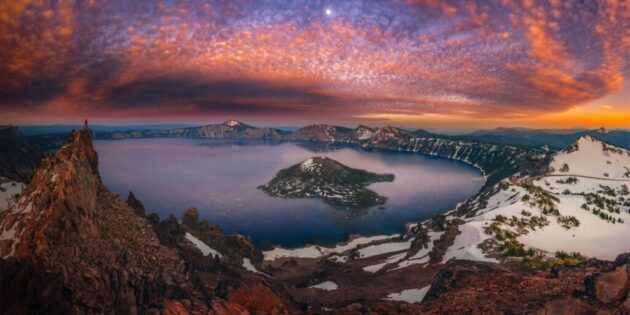
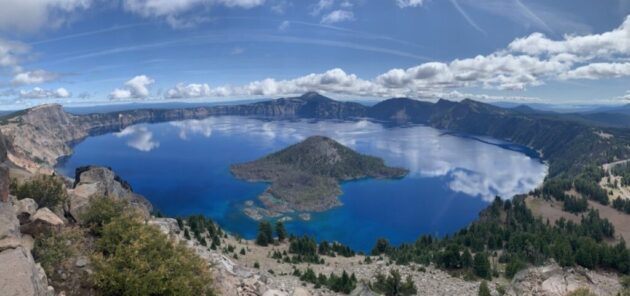
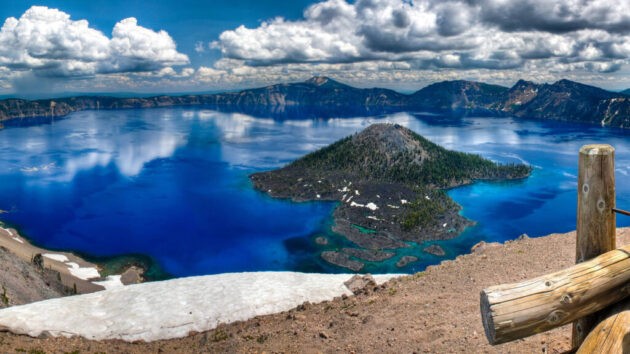
Crater Lake National Park, located in southern Oregon, is home to one of the most stunning natural wonders in the United States: Crater Lake, the deepest lake in the country, formed in the caldera of an ancient volcano. Renowned for its vibrant blue waters, dramatic cliffs, and pristine wilderness, the park offers breathtaking scenery, outdoor adventures, and a glimpse into geological history.
Why Visit Crater Lake National Park?
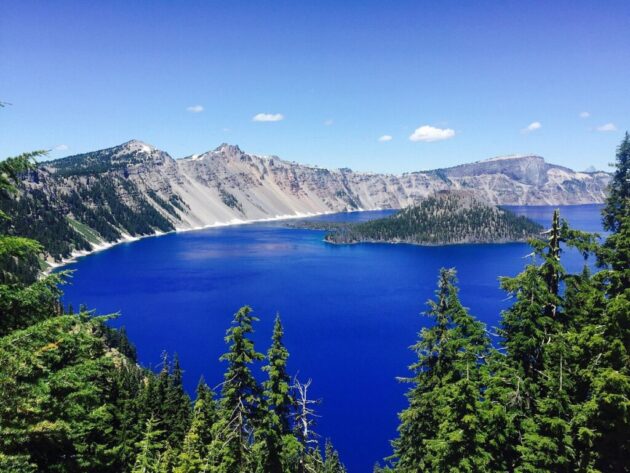
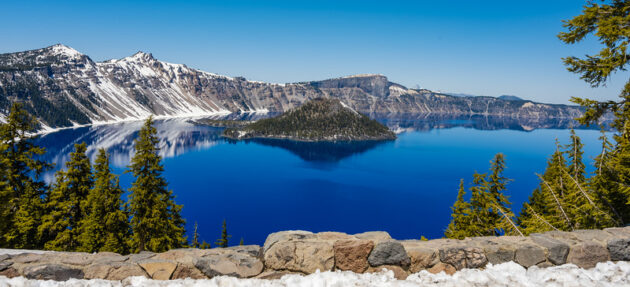
Crater Lake, created approximately 7,700 years ago after the collapse of Mount Mazama, is a geological marvel with a depth of 1,943 feet (592 meters), making it the deepest lake in the U.S. Its crystal-clear, sapphire-blue water, surrounded by steep caldera walls, is a photographer’s dream and a haven for nature lovers.
The park spans 183,224 acres, offering hiking trails, scenic drives, and opportunities to explore volcanic landscapes. Whether you’re seeking adventure or tranquility, Crater Lake’s unique beauty and serene atmosphere make it a bucket-list destination.
How to Get There
Crater Lake National Park is remote, located about 230 miles from Portland, Oregon, and 290 miles from San Francisco, California. Here are the main ways to reach it:
By Car: The park is accessible via Highway 62 (from Medford or Klamath Falls) or Highway 138 (from Roseburg). The South Entrance is open year-round, while the North Entrance is seasonal (typically open mid-June to mid-October due to snow). From Portland: ~4-hour drive (230 miles) via I-5 and Highway 62. From Medford (closest major airport): ~1.5-hour drive (80 miles). Car rentals are available in Medford, Eugene, or Portland. Parking is available at major viewpoints like Rim Village.
By Air: The nearest airport is Rogue Valley International-Medford Airport (MFR), 80 miles away. From there, rent a car or book a shuttle (seasonal, check with local operators). Larger airports like Portland International Airport (PDX) or Eugene Airport (EUG) are farther but offer more flight options.
By Public Transport: Public transit options are limited. Amtrak’s Klamath Falls Station (60 miles away) is the closest train stop, but you’ll need to arrange a taxi or shuttle to the park. Some tour companies offer guided day trips from Medford or Ashland.
Note: A rental car is highly recommended for flexibility, as the park’s attractions are spread out, and public transport within the park is limited.
Best Time to Visit
Summer (July–September): The most popular time, with warm weather (50–80°F), clear skies, and full access to park roads and trails. The Rim Drive and most facilities are open, but expect crowds, especially in July and August.
Late Spring (May–June) and Early Fall (October): Fewer crowds and cooler temperatures (40–70°F), but some roads (e.g., North Entrance and parts of Rim Drive) may be closed due to snow. Fall foliage adds vibrant colors.
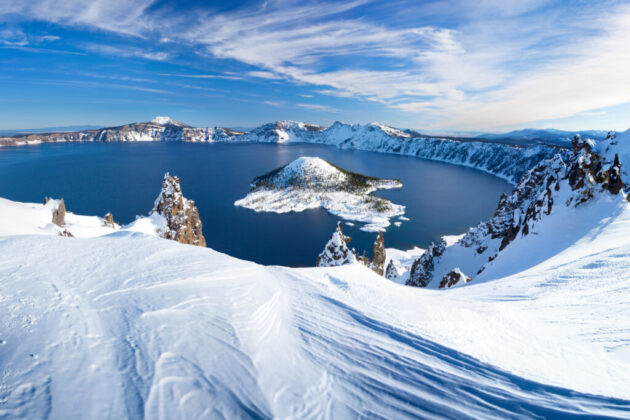
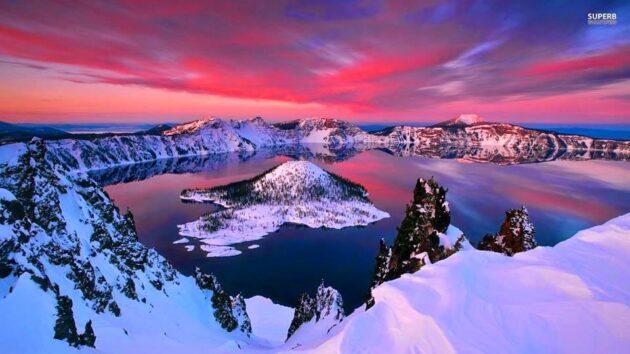
Winter (November–April): The park transforms into a snowy wonderland, ideal for snowshoeing and cross-country skiing. However, heavy snowfall (up to 44 feet annually) closes most roads except the route to Rim Village. The lake may be obscured by clouds or snow.
Weather Tip: Summer days are warm, but nights can be chilly (30–50°F). Bring layers, sunscreen, and sunglasses, as the high altitude (7,000–8,000 feet) intensifies UV rays. Check road conditions in spring/fall, as snow can linger.
Tickets and Opening Hours
Entrance Fee: $30 per vehicle (7-day pass, summer); $20 (winter). $15 per person for pedestrians, cyclists, or motorcyclists. An America the Beautiful Pass ($80 annually) covers entry to all U.S. national parks. Fees can be paid at entrance stations or online via recreation.gov.
Opening Hours: The park is open 24/7, year-round, but access to certain areas depends on weather and road conditions. Rim Village Visitor Center: Open daily in summer (9:30 AM–5:00 PM) and limited hours in spring/fall. Closed in winter. Steel Visitor Center (near park headquarters): Open year-round, 10:00 AM–4:00 PM in winter, 9:00 AM–5:00 PM in summer.
Tip: Purchase tickets in advance during peak season to avoid delays at entrance gates.
What to See and Do
Crater Lake National Park offers a range of activities, from scenic drives to challenging hikes:
Rim Drive: This 33-mile loop around the lake is the park’s highlight, featuring over 30 viewpoints, including Watchman Overlook, Cloudcap Overlook, and Pinnacles Overlook. It takes 2–3 hours with stops. Open July to mid-October (weather permitting). Bicycles are allowed, but the road is narrow with steep grades.
Hiking: Wizard Island: Take a boat tour (see below) to this volcanic cinder cone for a 2-mile round-trip hike to its summit. Offers stunning lake views. Garfield Peak (3.4 miles round-trip, moderate): A steep but rewarding trail from Rim Village with panoramic views of the lake and caldera. Cleetwood Cove Trail (2.2 miles round-trip, strenuous): The only trail to the lake’s shore, leading to the boat dock. Steep descent/ascent (700 feet). Mount Scott (4.4 miles round-trip, strenuous): The highest point in the park (8,929 feet), offering 360-degree views of the lake and surrounding mountains.
Boat Tours: Operated by park concessionaires (June–September), these tours depart from Cleetwood Cove and include a Standard Lake Tour (2 hours, $44–$55) or Wizard Island Tour (3–6 hours, $60–$75, includes hiking time). Book in advance via craterlakelodges.com, as tours sell out quickly. Tours are weather-dependent and involve a strenuous hike to the dock.
Winter Activities: Snowshoeing and cross-country skiing are popular along the Rim Drive (closed to vehicles in winter). Free ranger-led snowshoe walks are offered on weekends (December–March, equipment provided). Check with the Steel Visitor Center for trail conditions and avalanche risks.
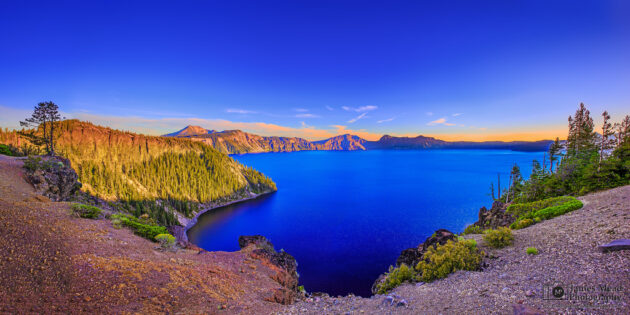
Stargazing and Photography: The park’s remote location and minimal light pollution make it ideal for stargazing. Join ranger-led astronomy programs in summer. Photographers flock to Discovery Point and Watchman Overlook for sunrise and sunset shots.
Where to Eat
Rim Village Café: Located near the South Entrance, it offers grab-and-go sandwiches, snacks, and drinks (open summer, limited hours in spring/fall). Crater Lake Lodge Dining Room: Fine dining with lake views, serving breakfast, lunch, and dinner (summer only, reservations recommended). Entrees range from $20–$40.
Outside the Park: Nearby towns like Fort Klamath (20 miles) or Prospect (40 miles) have diners and convenience stores. Stock up on supplies in Medford before entering the park.
Picnicking: Bring your own food for picnics at designated areas like Vidae Falls or Rim Village. Pack out all trash to preserve the park.
Where to Stay
Accommodations within the park are limited, so book early:
Crater Lake Lodge (Rim Village, open mid-May to mid-October): Historic lodge with 71 rooms, offering lake views. Rates: $200–$350/night. Book via craterlakelodges.com at least 6–12 months in advance.
The Cabins at Mazama Village (7 miles from the lake, open June–September): Rustic cabins with basic amenities. Rates: $150–$200/night. Closer to the South Entrance, ideal for budget travelers.
Camping: Mazama Campground (near South Entrance, June–September): 214 sites for tents and RVs (up to 50 feet). Rates: $21–$43/night. First-come, first-served, with some reservable sites via recreation.gov. Lost Creek Campground (near East Rim Drive, July–September): 16 tent-only sites, $5/night, first-come, first-served. Backcountry camping requires a free permit from the Steel Visitor Center.
Nearby Towns: Medford (80 miles): Hotels like Hilton Garden Inn ($100–$200/night) or budget motels ($60–$100). Klamath Falls (60 miles): Options like Comfort Inn ($80–$150/night).
Tip: Camping is popular, but sites fill quickly in summer. Reserve Mazama Campground sites early or arrive by morning for first-come, first-served spots.
Tips for a Great Visit
Pack for Variable Weather: Even in summer, temperatures can drop at night. Bring layers, sturdy hiking boots, and rain gear. Respect the Lake: Swimming is allowed only at Cleetwood Cove and Wizard Island, but the water is cold (40–50°F). No fishing is permitted to protect the ecosystem.
Stay Safe: Trails like Cleetwood Cove are steep; bring water and take breaks. At high altitudes, stay hydrated and watch for altitude sickness. Plan for Limited Services: No gas stations or grocery stores are in the park. Fill up in Medford or Klamath Falls, and bring snacks.
Combine Your Trip: Pair your visit with nearby attractions like Umpqua National Forest (80 miles) or Rogue River for rafting (60 miles).
Final Thoughts
Crater Lake National Park is a testament to nature’s grandeur, offering a serene yet awe-inspiring experience with its deep blue lake, volcanic landscapes, and endless outdoor activities. Whether you’re driving the scenic Rim Drive, hiking to hidden viewpoints, or marveling at the lake’s clarity, this park promises unforgettable memories. Plan ahead for summer crowds, embrace the seasonal beauty, and immerse yourself in one of America’s most spectacular natural wonders.
Happy travels!