


A Travel Guide to Oregon Dunes National Recreation Area
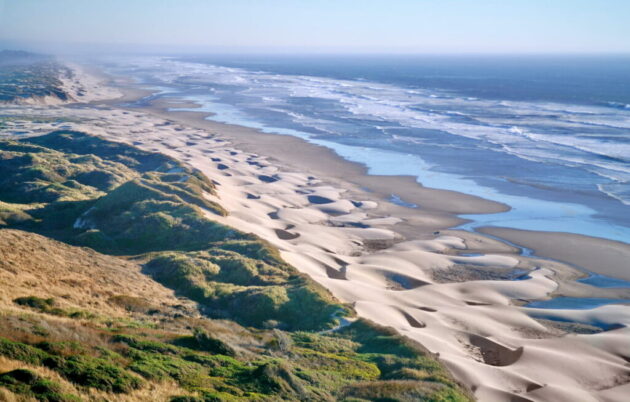
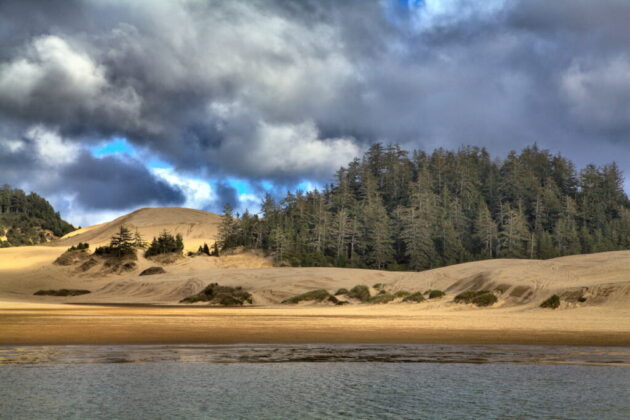
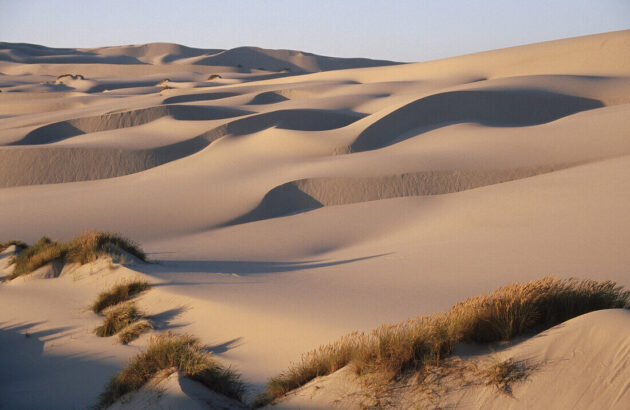
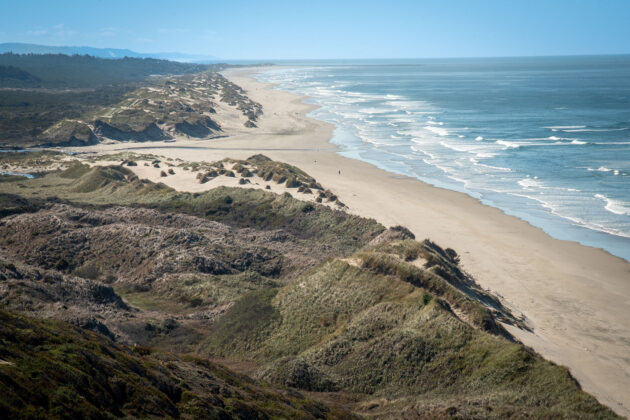
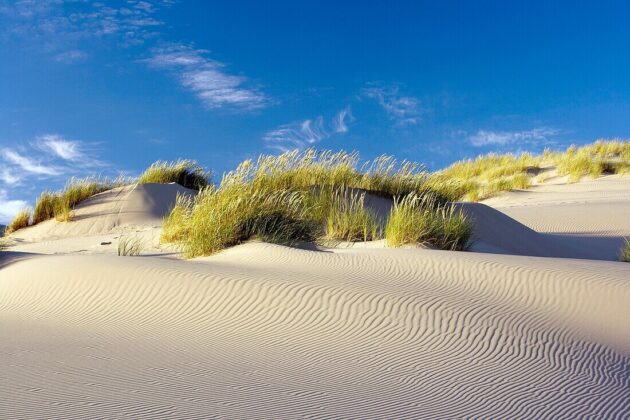
Stretching 40 miles along the Oregon Coast from Florence to Coos Bay, the Oregon Dunes National Recreation Area is a breathtaking natural wonder, home to North America’s largest expanse of coastal sand dunes. Part of the Siuslaw National Forest, this 31,500-acre landscape features wind-sculpted dunes towering up to 500 feet, coastal forests, lakes, and pristine beaches. Whether you’re an adrenaline junkie craving off-highway vehicle (OHV) adventures or a nature lover seeking serene hikes and wildlife, this guide will help you plan an unforgettable visit to this unique destination.
Why Visit Oregon Dunes National Recreation Area?
The Oregon Dunes, formed over millions of years by wind and water erosion, offer a surreal blend of desert-like dunes, lush forests, and Pacific Ocean beaches. This dynamic landscape inspired Frank Herbert’s sci-fi novel Dune and provides endless recreational opportunities, including hiking, dune buggy rides, sandboarding, kayaking, and camping. With diverse ecosystems supporting over 400 wildlife species, including snowy plovers and bald eagles, the area is a haven for nature enthusiasts. Its accessibility along Highway 101 and year-round appeal make it a must-visit for adventurers and families alike.
How to Get There
Located between Florence and Coos Bay, the Oregon Dunes are easily accessible via Highway 101, one of America’s most scenic coastal routes.
By Car: From Portland: Take I-5 south to Eugene (2 hours), then Highway 126 west to Florence (1 hour). Total drive time: ~3 hours. From Eugene: Drive west on Highway 126 to Florence (60 miles, ~1 hour). Parking is available at key access points like Oregon Dunes Day Use Area, Siltcoos, and John Dellenback Trail. A Northwest Forest Pass or daily parking pass ($5) is required.
By Public Transit: Limited options exist. From Eugene, take the Lane Transit District bus to Florence, then use local taxis or rideshare apps like Uber to reach trailheads or campgrounds. Check schedules on the Lane Transit District website, as services are infrequent.
By Air: The nearest airport is Eugene Airport (EUG), 60 miles from Florence. Rent a car from Eugene for the 1-hour drive to the dunes.
Tip: Download maps from the U.S. Forest Service website or pick up free maps at the Oregon Dunes Visitor Center in Reedsport, as cell service can be spotty.
Best Time to Visit
Year-Round Access: The dunes are open 365 days, with mild coastal weather (rarely snowy) making them accessible in all seasons. Summer (June–August) is warmest (60–75°F), while winter (December–February) brings rain but fewer crowds.
Seasonal Highlights: Spring (March–May): Ideal for hiking and wildlife viewing, though snowy plover nesting (March 15–September 15) restricts dogs and OHVs on some beaches. Summer: Perfect for OHV riding, sandboarding, and water activities, but book campsites early.
Fall (September–November): Cooler temperatures and vibrant foliage enhance hiking and photography. Winter: Quiet and misty, great for solitude and dramatic coastal views.
Tip: Visit on weekdays or during shoulder seasons (spring/fall) to avoid crowds, especially at popular spots like Jessie M. Honeyman State Park.
Tickets and Passes
Parking Pass: Required at most trailheads and day-use areas. Options include: Daily Pass: $5 (available at parking lot machines or online). Northwest Forest Pass: $30/year or $5/day, covering multiple Pacific Northwest sites. America the Beautiful Pass: $80/year, valid for all U.S. national parks and forests.
OHV Permits: Oregon state vehicle tags are required for dune buggies and ATVs. Purchase at the Oregon Dunes Visitor Center or local vendors (~$10–35). Camping Fees: Vary by site, ranging from $20–40/night for developed campgrounds. Reserve via Recreation.gov. Guided Tours: Dune buggy tours cost ~$45/hour; book through operators like Sandland Adventures or Spinreel.
What to See and Do
The Oregon Dunes offer diverse activities across its varied landscapes of dunes, lakes, forests, and beaches. Key highlights include:
Hiking: John Dellenback Trail (5.5 miles, 4.7/5 stars): A moderately challenging hike through towering dunes to the beach, with 308 feet of elevation gain. Best for stunning views. Oregon Dunes Loop Trail (2–4 miles): An accessible trail with a short boardwalk (wheelchair-friendly for 0.1 miles) leading to dynamic dunes and the ocean. Follow blue-topped poles to navigate the sand. Siltcoos Lake Trail (4 miles, 4.6/5 stars): A pet-friendly trail circling a scenic lake, ideal for hikers and mountain bikers. Tahkenitch Dunes Trail (6 miles): Less crowded, offering a mix of forest, lakes, and dunes.
Tip: Bring water (1 gallon/person/day) and sunscreen, as sand hiking is strenuous and exposed.
Off-Highway Vehicle (OHV) Riding: About 50% of the dunes are open to OHVs, with designated areas like South Jetty, Umpqua Dunes, and Spinreel to Horsfall. Rent dune buggies (~$45/hour) from Sandland Adventures (Florence) or Spinreel (North Bend) for thrilling rides. Safety requirements: Helmets, safety flags, and spark arresters are mandatory. Check noise limits and restricted areas (e.g., snowy plover zones). Popular Spots: Umpqua Dunes for massive dunes and South Jetty for open riding areas.
Sandboarding and Sand Sledding: Slide down dunes with a sandboard or sled, rentable at Honeyman State Park or local outfitters (~$10–20/day). Great for kids and beginners. Best spots: Near Cleawox Lake (Honeyman) or Oregon Dunes Day Use Area.
Water Activities: Siltcoos River Canoe Trail: A 3-mile paddling route from lake to ocean, ideal for kayaking or paddleboarding.
Fishing: Lakes like Tahkenitch and Siltcoos offer trout, bass, and seasonal salmon. An Oregon fishing license is required (~$44/year for non-residents). Swimming: Cleawox Lake at Honeyman State Park is perfect for summer swims.
Wildlife Viewing and Birding: Spot bald eagles, ospreys, snowy plovers, and Roosevelt elk. The South Jetty and Waxmyrtle Trail are prime birding spots. Bring binoculars and visit during spring for migratory birds. Tip: Respect snowy plover nesting areas (March 15–September 15) by avoiding restricted beaches.
Camping: Jessie M. Honeyman Memorial State Park: A family-friendly campground with RV sites, yurts, and lake access. Popular for OHV users but noisy in summer. Umpqua Lighthouse State Park: Near Lake Marie, with tent sites, cabins, and OHV staging areas. Eel Creek Campground: Quiet, with direct dune access for hikers. Sand Camping: Primitive sites on the dunes for a unique experience (permit required).
Guided Tours: Wavecrest Discoveries: Offers half-day tours (~2 miles of walking) exploring dune ecosystems and geology. Dune Buggy Tours: High-speed adventures with Sandland Adventures or Spinreel (~$45–100/person).
Where to Eat
On-Site: Limited options exist within the recreation area. Pack a picnic for day-use areas like Oregon Dunes Overlook, which has picnic tables.
Nearby Towns: Florence: Try Waterfront Depot for seafood or 1285 Restobar for casual dining (~$15–30/meal). Reedsport: Harbor Light Restaurant offers fresh seafood and American classics (~$10–25/meal). Winchester Bay: Crab Shack is a local favorite for crab and fish (~$15–40/meal).
Tip: Stock up on snacks and water at grocery stores in Florence or Reedsport, as facilities are sparse in the dunes.
Where to Stay
Camping: Jessie M. Honeyman State Park: Offers tent sites, RV hookups, and yurts (~$20–40/night). Book early via Recreation.gov. Umpqua Lighthouse State Park: Cabins, yurts, and RV sites near Lake Marie (~$25–50/night). Alder Dune Campground: Quiet, forested sites near Dune Lake (~$20–30/night).
Hotels and Motels: Seadrift Motel and RV Park (Reedsport): Budget-friendly, clean rooms and RV sites, 1-minute walk to the dunes (~$80–120/night). Driftwood Shores Resort (Florence): Beachfront with an indoor pool (~$150–250/night). Three Rivers Casino Resort (Florence): Upscale with gaming and dining (~$120–200/night).
Unique Stays: Check Airbnb or Vrbo for coastal cottages or dune-view rentals in Winchester Bay or Lakeside (~$100–300/night).
Tips for a Great Visit
Prepare for Sand: Walking in dunes is strenuous; wear sturdy shoes and bring plenty of water (1 gallon/person/day). Check Restrictions: Snowy plover nesting (March 15–September 15) closes some beaches to dogs and OHVs. Check signs or the Forest Service website.
Safety for OHV Riders: Ensure vehicles have spark arresters, helmets, and safety flags. Follow designated routes to avoid fines. Pack Out Trash: Help preserve the ecosystem by leaving no trace. Volunteer with the Oregon Dunes Restoration Collaborative to combat invasive species like Scotch broom.
Combine Your Trip: Visit nearby attractions like Umpqua Lighthouse, Dean Creek Elk Viewing Area, or Sea Lion Caves for a full coastal adventure.
Final Thoughts
The Oregon Dunes National Recreation Area is a one-of-a-kind destination where towering sand dunes meet lush forests and the Pacific Ocean, offering adventure and serenity in equal measure. Whether you’re racing across dunes on an ATV, hiking to a secluded beach, or paddling the Siltcoos River, the ever-changing landscape promises a unique experience every time. Plan ahead, respect the delicate ecosystem, and immerse yourself in this awe-inspiring slice of Oregon’s coast.
Happy travels!