


A Travel Guide to Puerto Rico
Puerto Rico, a vibrant U.S. territory in the heart of the Caribbean, is a captivating destination known as the “Island of Enchantment.” With its stunning beaches, lush rainforests, rich cultural heritage, and bioluminescent bays, it offers a diverse array of experiences for travelers. As a U.S. territory, it’s an accessible tropical getaway for American citizens—no passport required. This guide will help you plan an unforgettable trip to Puerto Rico, blending adventure, culture, and relaxation.
Why Visit Puerto Rico?
Puerto Rico combines the convenience of a U.S. destination with the allure of Caribbean charm. Its 270 miles of coastline boast pristine beaches, while the El Yunque National Forest, the only tropical rainforest in the U.S. National Forest System, offers hiking and breathtaking scenery. The island’s culture is a vibrant mix of Taíno, Spanish, African, and North American influences, reflected in its cuisine, music (like salsa and reggaeton), and historic sites such as Old San Juan. From kayaking in glowing bioluminescent bays to savoring mofongo at a local eatery, Puerto Rico delivers a unique blend of natural beauty and cultural dynamism.
How to Get There
As a U.S. territory, Puerto Rico is easily accessible, particularly for U.S. citizens who don’t need a passport or visa.
By Air: Luis Muñoz Marín International Airport (SJU) in San Juan is the island’s main hub, served by major airlines like American, Delta, United, JetBlue, and Southwest, with daily nonstop flights from cities like New York, Miami, and Chicago. Round-trip economy fares can start as low as $274 from New York. Smaller airports like Rafael Hernández Airport (BQN) in Aguadilla and Mercedita Airport (PSE) in Ponce offer additional entry points. Flights from Europe often involve a layover in the U.S., though seasonal direct flights are available via British Airways or Virgin Atlantic.
By Cruise: San Juan and Ponce are major cruise ports, with ships from Royal Caribbean, Norwegian, and Carnival docking regularly. San Juan’s port is steps from Old San Juan, making it easy to explore.
Getting to Outer Islands (Vieques and Culebra): Ferries from Ceiba (45-minute ride, ~$3) or short flights from San Juan’s Isla Grande Airport (SIG) or SJU connect to Vieques and Culebra. Book ferry tickets in advance via the Puerto Rico Ferry website.
Tip: Renting a car is highly recommended for exploring beyond San Juan, as public transportation is limited outside the metro area. Rentals start at ~$28/day.
Best Time to Visit
Puerto Rico enjoys a tropical climate with average temperatures of 73–85°F year-round. Here’s a breakdown of the seasons:
Peak Season (December–April): Dry weather, ideal for beach days and outdoor activities, but expect crowds and higher prices. Book accommodations early. Shoulder Season (May, September–November): Fewer crowds, stable prices, and warm weather, though rain is more frequent. Great for budget travelers. Low Season (June–August): Coincides with hurricane season, offering the lowest prices and fewer tourists, but check weather forecasts. July is busy with local families vacationing.
Note: For bioluminescent bay tours, visit during a new moon for the brightest glow, and avoid rainy periods to ensure optimal visibility.
Major Cities
San Juan
San Juan, the vibrant capital of Puerto Rico, is a captivating blend of rich history, colorful culture, and stunning natural beauty. As a U.S. territory, it offers the convenience of domestic travel for U.S. citizens—no passport required—while delivering a unique Caribbean experience. From the cobblestone streets of Old San Juan, a UNESCO World Heritage Site, to pristine beaches and a thriving culinary scene, San Juan is a destination that caters to history buffs, foodies, beach lovers, and adventure seekers alike.


Ponce
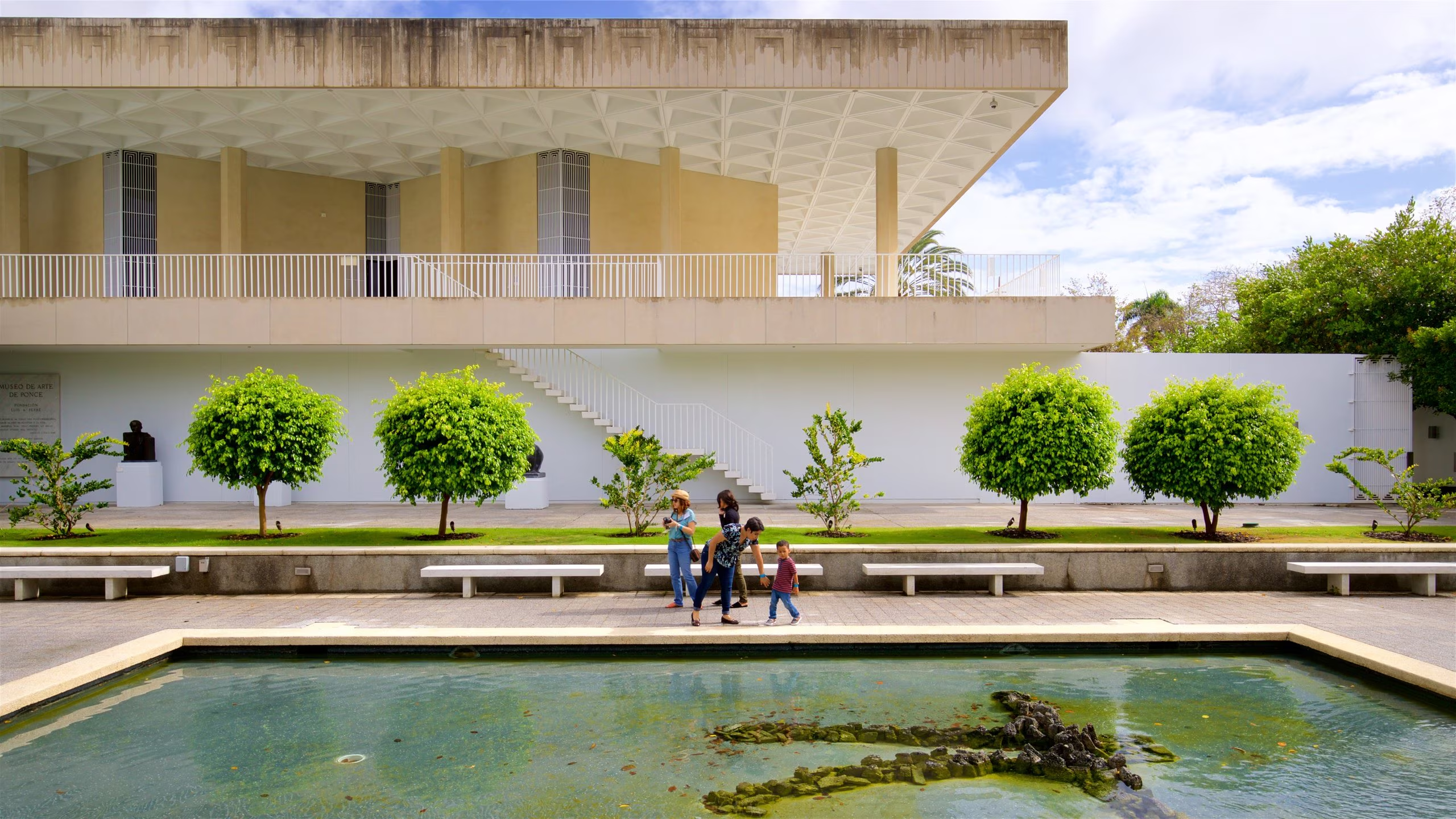
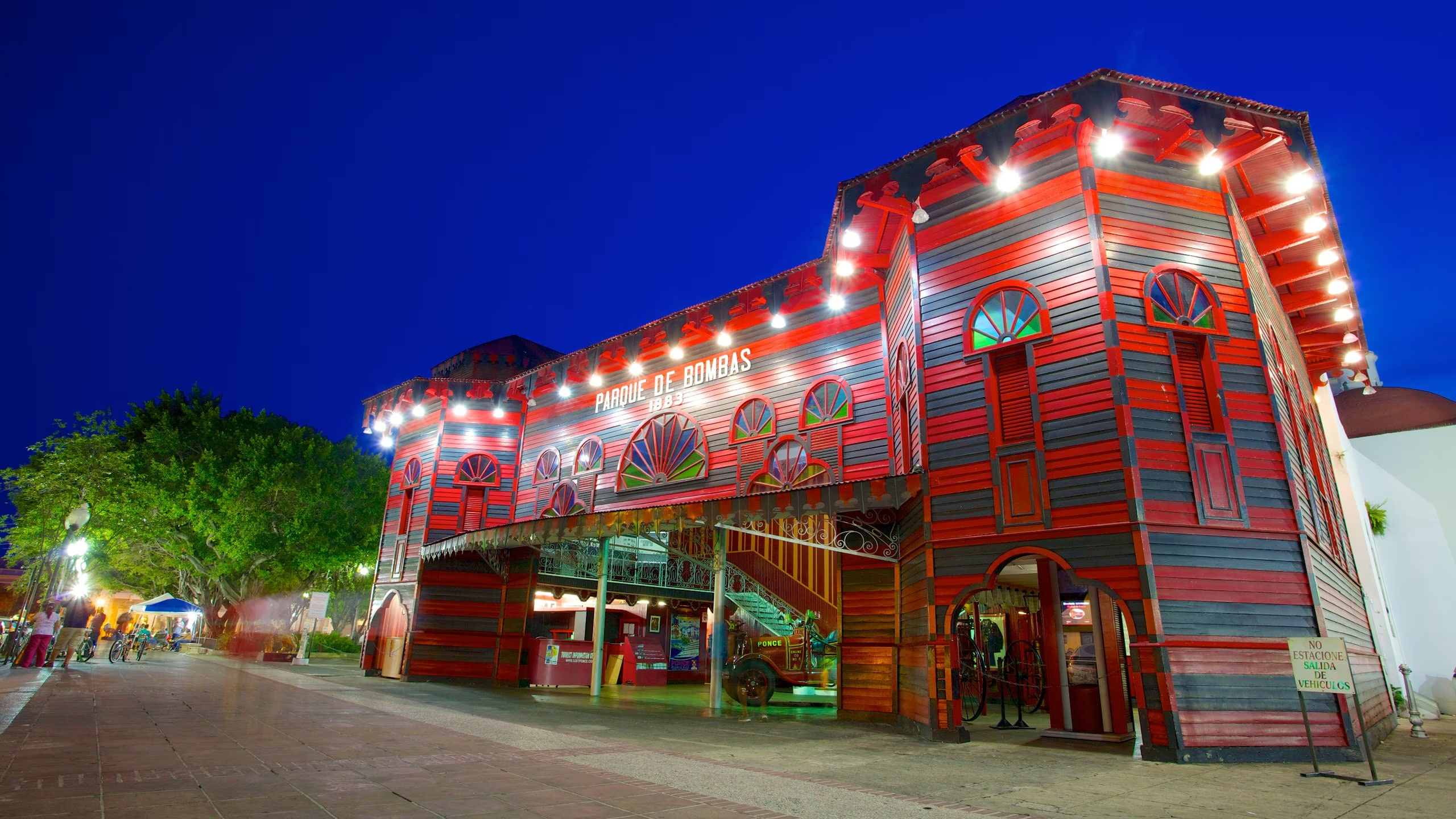
Ponce is a city steeped in history, founded in 1692 by Juan Ponce de León’s great-grandson. It was once a thriving center for sugarcane, coffee, and rum production, reflected in its elegant architecture and cultural landmarks. The city’s Plaza Las Delicias, iconic Parque de Bombas, and renowned Museo de Arte de Ponce make it a must-visit for culture enthusiasts. Beyond the city center, Ponce offers access to stunning natural attractions like bioluminescent bays and offshore islands, making it a perfect blend of urban exploration and outdoor adventure.




Top Attractions
Bahía Bioluminiscente (Vieques)
Bahía Bioluminiscente, commonly known as Mosquito Bay, is one of Puerto Rico’s most enchanting natural wonders and a must-visit destination for travelers seeking a unique experience. Located on the island of Vieques, this bioluminescent bay is renowned as one of the brightest in the world, offering a magical glow created by millions of tiny dinoflagellates—microorganisms that light up the water with a neon blue-green hue when disturbed.


Castillo San Felipe del Morro
Castillo San Felipe del Morro, commonly known as El Morro, is a majestic 16th-century fortress perched on the northwestern tip of Old San Juan, Puerto Rico. This UNESCO World Heritage Site, part of the San Juan National Historic Site, is one of the island’s most iconic landmarks, offering a deep dive into Puerto Rico’s colonial history, stunning ocean views, and a chance to explore a military masterpiece.


El Yunque National Forest
El Yunque National Forest, located in northeastern Puerto Rico, is a must-visit destination for nature lovers and adventure seekers. As the only tropical rainforest in the U.S. National Forest System, it spans nearly 29,000 acres and offers a unique blend of lush greenery, cascading waterfalls, and diverse wildlife.


Flamenco Beach (Culebra)
Flamenco Beach, located on the island of Culebra in Puerto Rico, is a world-renowned paradise known for its powdery white sand, crystal-clear turquoise waters, and laid-back Caribbean vibe. Consistently ranked among the top beaches globally, it’s a must-visit destination for beach lovers, snorkelers, and anyone seeking a tropical escape.


Cueva Ventana
Cueva Ventana, or “Window Cave,” is one of Puerto Rico’s most iconic natural attractions. Perched on a limestone cliff in the town of Arecibo, this stunning cave offers breathtaking views of the Río Grande de Arecibo valley through its “window.” It’s a must-visit destination for nature enthusiasts, adventurers, and photographers.


La Parguera
La Parguera, a charming fishing village nestled on the southwest coast of Puerto Rico in the municipality of Lajas, is a hidden gem that offers a perfect blend of natural wonders, outdoor adventures, and laid-back Caribbean vibes. Known for its bioluminescent bay, pristine cays, and vibrant local culture, it’s an ideal destination for travelers seeking an off-the-beaten-path experience.


Laguna Grande
Laguna Grande, located in Fajardo on the eastern coast of Puerto Rico, is one of the island’s three bioluminescent bays and a must-visit natural wonder. Known for its glowing waters caused by microscopic dinoflagellates, this lagoon offers a magical experience that attracts travelers from around the world.


Isla Caja de Muertos
Isla Caja de Muertos, often referred to as “Coffin Island” due to its shape resembling a casket from a distance, is a hidden gem located just 8 miles off the southern coast of Ponce, Puerto Rico. This uninhabited nature reserve is a paradise for beach lovers, hikers, and those seeking a peaceful escape from the hustle and bustle of city life. With its pristine beaches, crystal-clear turquoise waters, and rich biodiversity, it’s an ideal day-trip destination.


Where to Eat
Puerto Rican cuisine, or comida criolla, blends Taíno, Spanish, African, and American flavors. Must-try dishes include:
Mofongo: Mashed plantains with garlic and pork rinds, often topped with seafood or meat. Lechón: Slow-roasted suckling pig, a festival staple. Arroz con gandules: Rice with pigeon peas, seasoned with sofrito. Tembleque: A creamy coconut custard dessert.
Recommended Spots: La Casita Blanca (San Juan): A James Beard-recognized spot for traditional criolla dishes like pernil and sopa de platano. No reservations, expect wait times. Marmalade (Old San Juan): Upscale dining with dishes like white bean truffle soup. Luquillo Kiosks: A row of food stalls offering local eats like tostones and fresh seafood. Roadside Stands: Try pasteles or alcapurrias for authentic street food.
Tip: Carry cash for small vendors or kiosks, as some may not accept cards. Tipping is 15–20%, as in the mainland U.S.
Where to Stay
San Juan: Condado Ocean Club (4-star): Beachfront luxury with stunning views, ~$250–400/night. La Concha Resort: A vibrant, modern hotel in Condado, ~$200–350/night. Dreams Miramar: Budget-friendly near Old San Juan, ~$100–150/night.
Vieques: El Blok: A boutique hotel with a unique design, ~$150–250/night. Hix Island House: Eco-chic lofts, ~$200–300/night.
Rincón: Villa Cofresí: Cozy beachfront hotel, ~$100–200/night. Ponce: Hotel Meliá Ponce: Historic charm near downtown, ~$120–180/night.
Tip: Book through platforms like Booking.com or DiscoverPuertoRico.com for deals, especially in shoulder or low seasons.
Tips for a Great Visit
Dress Code: Dress casually for daytime but smart-casual for nightlife (e.g., slacks or dresses in San Juan bars). Cover swimsuits outside beaches or pools. Language: Spanish is dominant, but English is widely understood in tourist areas. Learn basic phrases like “hola” (hello) or “gracias” (thank you) to connect with locals.
Safety: Tourist areas are generally safe, but use common-sense precautions like securing valuables. Be cautious of riptides at beaches and check for hazards with locals. Health: Tap water is safe to drink, and food standards match the U.S. Bring insect repellent for bio bay tours or rainforest hikes. Check CDC advisories for updates on health risks like dengue.
Sustainability: Support eco-friendly tours and local businesses to contribute to Puerto Rico’s recovery post-Hurricane Maria. Avoid cruise ships if prioritizing sustainability, as they can harm shorelines. Cultural Sensitivity: Avoid discussing Puerto Rico’s political status, as it’s a sensitive topic. Greet locals warmly, as social customs include closer personal space or cheek kisses for women.
Final Thoughts
Puerto Rico is a dynamic destination where turquoise waters, historic forts, and vibrant culture create an unforgettable experience. Whether you’re hiking in El Yunque, dancing salsa in Old San Juan, or kayaking through a glowing bay, the island’s diversity ensures something for every traveler. Plan ahead for peak seasons, embrace the local cuisine, and immerse yourself in the warmth of Boricua hospitality. ¡Bienvenidos a Puerto Rico!
Happy travels!


